VEVOR SUV Tailgate Tent
VEVOR SUV Tailgate Tent
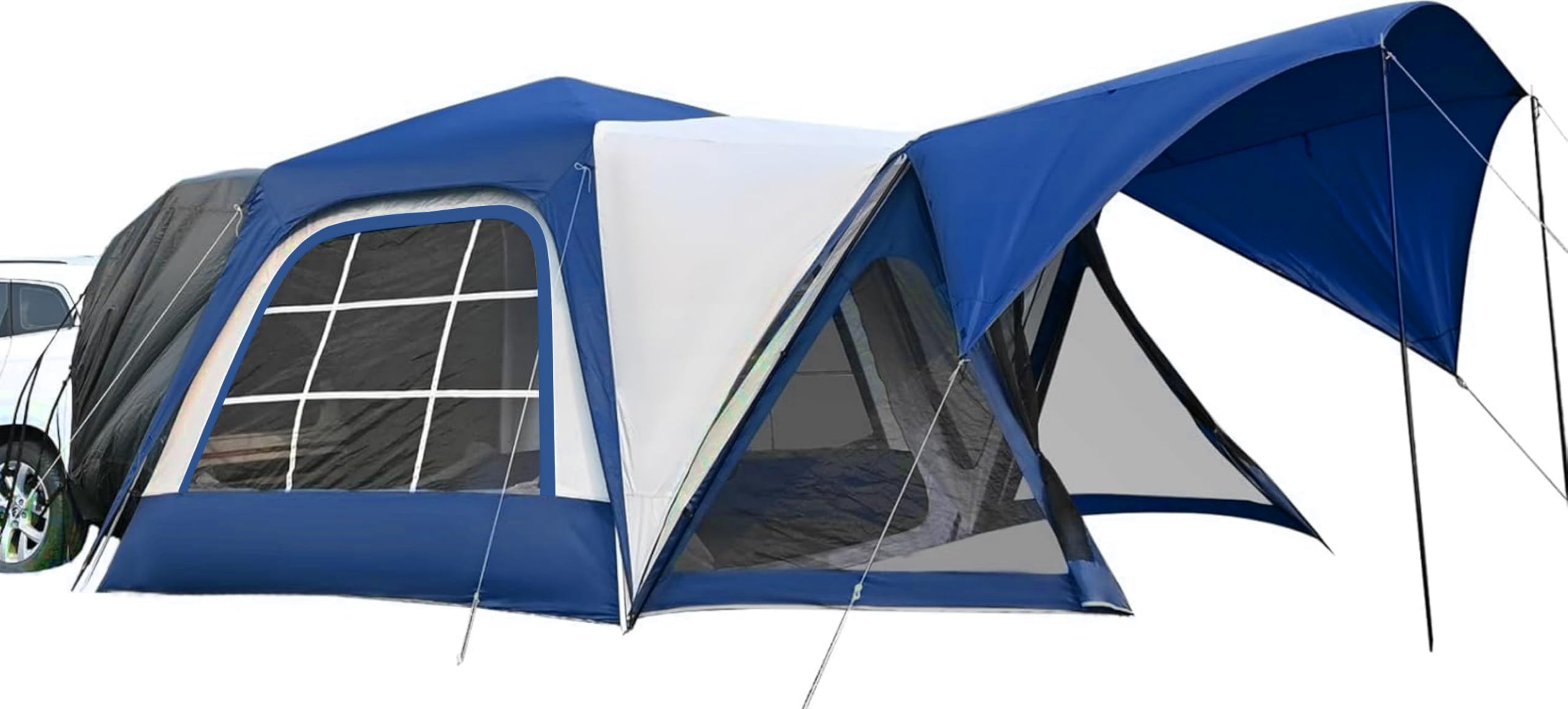
- 3-in-1 SUV Tailgate Tent for Car Camping: Designed to connect directly to your vehicle, this SUV tailgate tent expands your car camping space instantly.
- Spacious Screen House with Open Views: This roomy SUV camping tent comfortably fits 4–6 people, creating a relaxed screen house for dining, lounging, or social time.
- Bug-Free Ventilation & Sun Shade Protection: High-density mesh walls keep mosquitoes out while maintaining airflow, turning the tent into a breathable net tent.
- Stable & Wind-Resistant Structure: Built with reinforced fiberglass and steel poles, this car camping tent stays upright and secure in outdoor conditions.
Why You’ll Like It
- Large advertised floor area for group camping
- Separate screened porch creates a distinct living zone
- Tall center area improves movement and changing comfort
- Vehicle sleeve connects the tent to an SUV or similar hatch vehicle
- Awning configuration provides additional covered outdoor space
Who Should Buy This
It is best for families, group road trips, festivals, or a multi-day basecamp where interior room and a separate screened area justify the additional bulk.
Who Should Avoid It
Choose a smaller model when you frequently camp alone, have limited cargo space, arrive after dark, or need a shelter that can be deployed with minimal staking.
Review Snapshot
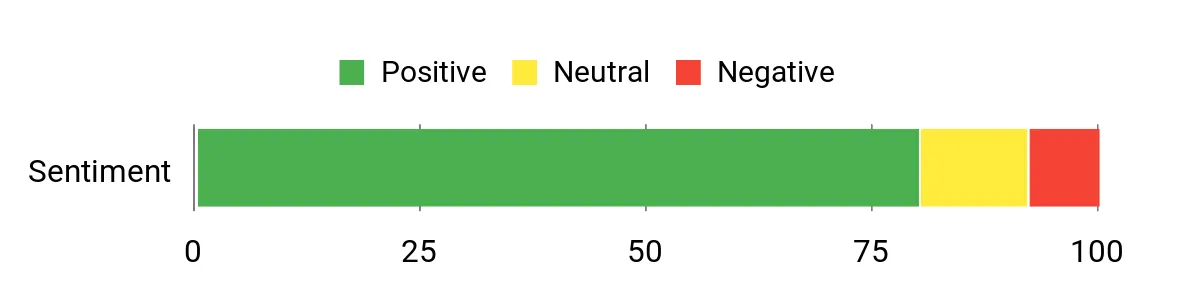
The source review summary emphasizes interior room and the porch layout while also noting that the shelter can be cumbersome for one person. The chart below comes from the original article data and has not been independently audited.
When It Helps
|
Situation
|
How It Helps
|
|
Family Basecamp
|
Creates separate areas for sleeping, chairs, games, storage, and removing wet clothing.
|
|
Longer Campsite Stays
|
The larger room is more comfortable when the shelter must function as living space for several days.
|
|
Bug-Prone Locations
|
The screened porch provides a ventilated buffer between the outdoors and the enclosed room.
|
|
Event or Tailgate Use
|
The porch and awning can serve as a gathering or equipment-management area beside the vehicle.
|
Safety and Use Notes
Use all appropriate stakes and guylines, especially because the porch and awning increase the amount of fabric exposed to wind. Do not allow rain or snow to pool on the awning, and verify that the sleeve does not interfere with hot exhaust components.
VEVOR SUV Tailgate Tent
Napier Sportz Cove — Best for Quick Overnights
Napier Sportz Cove SUV tailgate shelter with a compact awning, mesh screen door, storm flap, attachment straps, poles, stakes, and carrying bag.
Check Current Amazon Availability
The Sportz Cove is designed for campers who plan to sleep inside their SUV rather than on a separate tent floor. It covers the open hatch, adds a short awning, and provides a screened entrance for airflow and privacy.
Its compact format takes up less campsite space than a full vehicle tent and is easier to keep in the cargo area for unplanned overnight stops. The trade-off is that nearly all sleeping and storage capacity still comes from the vehicle.
Why You’ll Like It
- Compact packed format suitable for keeping in the SUV
- Designed specifically around an open vehicle hatch
- Mesh screen supports airflow while limiting insects
- Storm flap provides privacy and additional coverage
- Short awning shelters the immediate hatch entrance
Who Should Buy This
It suits solo travelers, couples, weekend road trips, and SUV sleepers who need a private hatch enclosure without setting up a full ground tent.
Who Should Avoid It
It is not the right choice when you need standing-height living space, a separate ground sleeping room, extensive gear storage, or strong winter-weather protection. Treat it as a compact hatch shelter for mild or shoulder-season conditions rather than a snow-capable winter tent.
Review Snapshot
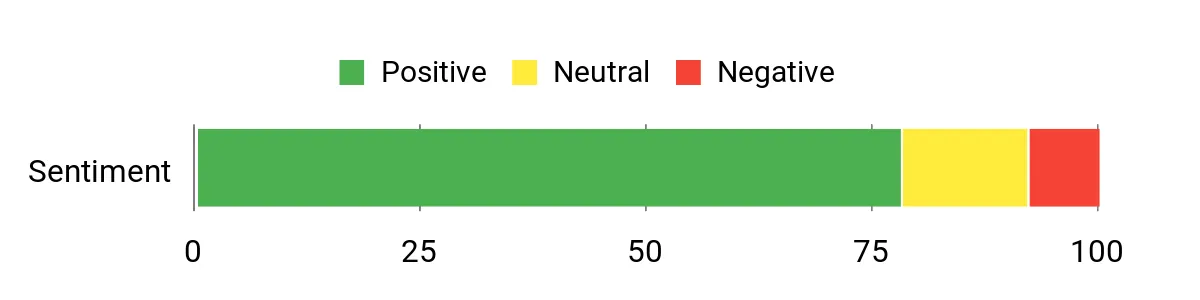
The original review summary highlights quick attachment and useful ventilation, with fit variation noted for less-common hatch shapes. The chart is retained from the source data and should be treated as a general snapshot.
When It Helps
|
Situation
|
How It Helps
|
|
Roadside Overnight Stop
|
Adds privacy and screened ventilation without requiring a full campsite-sized tent.
|
|
Solo SUV Camping
|
Keeps the shelter system compact while allowing the rear sleeping platform to remain accessible.
|
|
Mild Drizzle
|
The hatch cover and short awning can reduce direct exposure around the vehicle entrance.
|
|
Day-Use Privacy
|
Creates a screened changing or resting area at the rear of the vehicle.
|
Safety and Use Notes
The open hatch changes airflow around the vehicle. Keep the engine off while the shelter is attached, open appropriate windows or vents, and inspect the attachment points so straps do not rub against sharp edges or painted surfaces.
Check Product Details on Amazon
HASIKA Black — Best Lightweight Awning
HASIKA SUV tailgate awning with a screened section, coated fabric, attachment system, poles, stakes, and portable storage format.
Check Current Amazon Availability
The HASIKA is a lightweight vehicle awning rather than a separate cabin tent. It is intended to extend coverage behind the SUV, enclose the hatch area, and provide a screened transition between the sleeping platform and the outdoors.
The listing advertises coated fabric and a relatively quick setup. Because HASIKA offers multiple sizes and similar model names, verify the exact selected size and included components before ordering.
Why You’ll Like It
- Lower packed bulk than a full freestanding SUV tent
- Screened hatch area supports airflow and insect control
- Covered entrance is useful for changing and organizing equipment
- Appropriate for campers who already sleep inside the vehicle
- Simple layout can reduce setup time for short stops
Who Should Buy This
It is a practical match for minimalist car campers, solo travelers, and couples who want a portable hatch enclosure rather than a second sleeping room.
Who Should Avoid It
Avoid it when you need a freestanding tent, substantial floor space, strong wind resistance, or reliable protection from blowing snow and severe winter precipitation. It is better suited to fair-weather and shoulder-season vehicle camping.
Review Snapshot
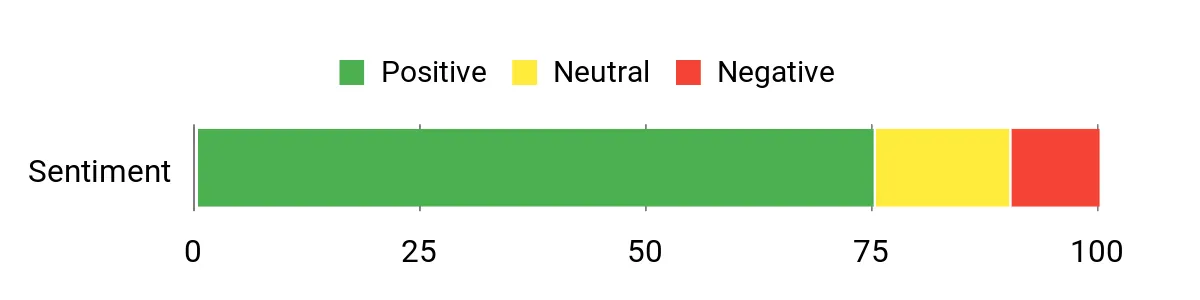
The source review summary points to portability and added hatch coverage as the primary strengths, with fit gaps and attachment strength identified as common concerns. The chart below is retained from the source article and is not an independent product test.
When It Helps
|
Situation
|
How It Helps
|
|
Minimalist Car Camping
|
Adds a sheltered hatch area without requiring the cargo space of a large tent.
|
|
Quick Overnight Stops
|
Provides privacy and ventilation around an SUV sleeping platform.
|
|
Light Precipitation
|
The coated canopy can reduce direct rain exposure while entering or unloading the vehicle.
|
|
Warm or Buggy Evenings
|
The screen allows airflow while limiting insects around the open hatch.
|
Safety and Use Notes
Confirm that all magnets, straps, and contact points are clean before installation to reduce paint damage. Add appropriate anchors when conditions allow, and do not depend on a lightweight awning in strong wind.
Check Product Details on Amazon
Full Tent or Hatch Awning?
| Feature |
Full Vehicle-Attached Tent |
Compact Hatch Awning |
| Examples |
UNP and Ytaoeo |
Napier and HASIKA |
| Sleeping Layout |
Ground-floor room plus vehicle access |
Usually relies on sleeping inside the SUV |
| Setup |
More poles, fabric, stakes, and campsite space |
Smaller and generally faster to position |
| Standing Room |
Usually available |
Limited to the open hatch or awning height |
| Best Use |
Families, basecamps, and multi-night trips |
Road trips, vehicle sleeping, and day use |
| Main Limitation |
Bulkier and more dependent on a stakeable site |
Less enclosed space and weaker severe-weather protection |
Winter Car-Camping Safety
Carbon-monoxide warning: Never idle the vehicle while a tent or awning is attached around the open hatch. Exhaust can collect inside the vehicle or shelter.
Do not use a stove, charcoal grill, lantern, generator, or fuel-burning heater inside the tent, vehicle, or enclosed hatch space unless the equipment is specifically designed and instructed for that exact use. Never leave a combustion heater operating while anyone sleeps.
Maintain cross-ventilation and consider carrying a battery-powered carbon-monoxide alarm as an additional precaution. An alarm does not replace ventilation or correct equipment use.
For further guidance, review the U.S. Consumer Product Safety Commission camping-equipment guidance and the CDC carbon-monoxide safety guidance.
FAQ
Will a Tailgate Tent Fit My SUV?
Measure the open hatch width, height, bumper depth, roofline, and liftgate angle. Check for spoilers, roof boxes, ladders, rear-mounted spare tires, and sharp trim that could interfere with a sleeve or strap. A “universal” label means adjustable, not guaranteed to fit every vehicle without gaps.
Are These True Winter Tents?
They are best treated as vehicle-camping shelters for moderate winter or shoulder-season conditions unless the manufacturer specifically documents snow-load and severe-wind performance. Coated fabric and a rainfly do not provide insulation, and a large mesh awning is not equivalent to a four-season mountaineering tent.
Can I Run the SUV for Heat?
No. Do not run the engine while the tent or awning encloses the open hatch. Vehicle exhaust contains carbon monoxide, and airflow around an open tailgate can draw exhaust toward the cabin.
Can I Cook Inside an SUV Tent?
Keep stoves, grills, and open flames outside enclosed sleeping and hatch areas. Follow the stove and tent manufacturers’ clearance instructions and position outdoor cooking equipment so exhaust and heat cannot enter the vehicle or contact fabric.
How Can I Reduce Condensation?
Keep opposing vents partly open, remove wet clothing when practical, avoid blocking mesh panels with bedding, and dry the vehicle and shelter during the day. Closing every opening may retain more body moisture than the fabric can release.
Can I Drive Away Without Taking Down the Tent?
Only some full-size models can remain standing after the vehicle sleeve is closed or detached. Compact hatch awnings generally depend on the vehicle for support and must be removed before driving. Confirm the procedure in the current product instructions.
How Should I Store the Tent?
Allow the fabric, guylines, floor, and storage bag to dry completely. Brush off grit before folding, loosen tightly compressed straps during long-term storage, and keep the shelter in a cool, dry location away from rodents and direct sunlight.
Final Recommendation
Best complete shelter: The UNP SUV Tent provides the most balanced combination of enclosed space, standing height, vehicle access, and freestanding flexibility.
Best for a large family setup: The Ytaoeo offers the most ambitious layout, including a large main room and screened porch, but requires more campsite space and setup effort.
Best compact option: The Napier Sportz Cove is the clearest choice for travelers who sleep inside the vehicle and want a compact hatch enclosure for short stops.
Best minimalist alternative: The HASIKA adds screened coverage and privacy without the packed bulk of a full vehicle tent.
Comparison Table
Affiliate disclosure: This roundup is reader-supported. When you click an eligible Amazon link and make a qualifying purchase, we may earn a referral commission at no additional cost to you. Product specifications and listing details can change, so confirm current dimensions, components, and compatibility before ordering.