
Last updated: July 15, 2026
Affiliate disclosure:. As an Amazon Associate I earn from qualifying purchases. This roundup is reader-supported. When you buy through qualifying Amazon links, we may earn a referral commission at no additional cost to you.
You want an affordable 3-person tent that packs reasonably small, handles ordinary spring rain, and gives you enough room to sleep without crowding your gear. The right choice affects your comfort, setup time, carried weight, and how easily you can protect packs and muddy footwear.
This guide compares practical tents for car camping, motorcycle trips, cycling, and short backpacking weekends. Each recommendation focuses on a different priority, including ventilation, compact packing, covered storage, interior space, and wind-ready setup.
Quick Verdict
Best overall value: The Clostnature Lightweight 3P offers a useful balance of space, two-door access, covered storage, and manageable packed weight.
Best ventilation: Choose the Naturehike Cloud River 3P when headroom and mesh airflow matter most.
Best compact option: The Clostnature Crux 3P is the stronger choice when packed size matters more than having two entrances or large vestibules.
Top Picks
|
Category |
Product |
Best For |
|---|---|---|
|
🏆 Best Overall Value |
Balanced space, storage, and portability |
|
|
⭐ Best Ventilation |
Warm nights, headroom, and airflow |
|
|
🔰 Best Compact Pack |
Bike, motorcycle, and short hiking trips |
|
|
💰 Best for Two Plus Gear |
Car camping and roomy two-person use |
|
|
🚀 Best for Wind-Exposed Sites |
Campers who prioritize a stable pitch |
|
|
🎯 Best for Shoulder-Season Use |
Cooler trips and generous covered space |
How We Picked These Tents
We first checked whether each linked configuration could reasonably sleep up to three people. Products that clearly offered only two-person capacity were removed rather than kept with a warning.
We then compared floor dimensions, peak height, listed weight, packed size, rainfly coverage, door layout, vestibule storage, pole material, and ventilation. We also considered whether each design made more sense for backpacking, vehicle-supported camping, or cooler shoulder-season trips.
Specifications can change between colors, sizes, and marketplace variations. Confirm that Amazon shows the intended 3-person configuration before ordering, especially on listings that combine several capacities under one ASIN.
Before You Buy
- Compare the floor width with the combined widths of your sleeping pads.
- Plan on a 3-person tent feeling comfortable for two adults plus gear.
- Check whether the selected variation includes one door or two.
- Confirm packaged weight rather than relying only on minimum trail weight.
- Use a footprint or correctly sized groundsheet on abrasive campsites.
- Do not treat a marketplace “four-season” label as proof of expedition or heavy-snow capability.
This model suits campers who want a practical middle ground between a small backpacking shelter and a bulky campground tent. Its two entrances make it easier for partners to get in and out, while the vestibules help keep footwear and packs outside the sleeping area.
The listed floor is wide enough for three narrow pads, but three adults should expect a close fit. Most couples will find it more comfortable when used as a two-person tent with extra room for clothing and smaller items.
Why You’ll Like It
You get a useful combination of freestanding setup, aluminum poles, full-fly coverage, and covered storage without moving into a much heavier family-camping design.
Who Should Buy This
Choose it for weekend backpacking, motorcycle trips, cycling trips, or car camping when two-door convenience and vestibule space matter more than achieving the lowest possible weight.
Who Should Avoid It
Skip it when you need comfortable space for three adults and full-size packs inside. A larger four-person model will provide more personal room.
Buyer Feedback Snapshot
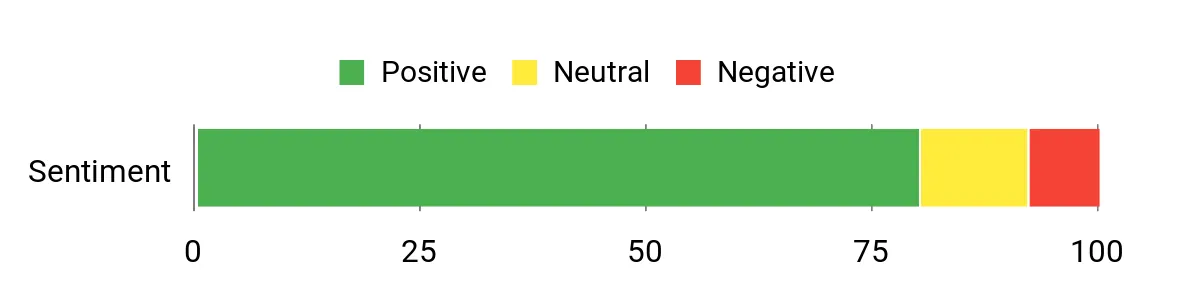
The source article’s review summary emphasized fast setup, compact storage, vestibule usefulness, and ventilation. It also noted recurring suggestions to use a footprint and stronger stakes. Treat the sentiment graphic as directional because review totals and feedback patterns change over time.
Overall source sentiment: Positive
Durability and Care
The lightweight floor benefits from a correctly sized footprint on gravel, roots, or abrasive soil. Let the tent dry completely before storage and inspect the floor, seam tape, clips, and pole joints after wet trips.
Ease of Assembly
The freestanding pole-and-clip structure should feel straightforward after one practice pitch. Set it up at home before your first trip so you can identify the rainfly orientation and guyline points.
Key Benefits
- Two doors reduce climbing over another camper
- Vestibules provide covered storage for boots and packs
- Freestanding construction allows easier repositioning
- Aluminum poles balance weight and structure
- Full rainfly offers better coverage than a small roof cap
The Cloud River stands out when you want more vertical room than many low-profile backpacking tents provide. Its mesh inner structure supports airflow, while the separate rainfly lets you adjust ventilation according to the weather.
Its listed three-person configuration is better suited to two people plus equipment when comfort matters. Three campers can fit with carefully selected pads, but storage space inside will be limited.
Why You’ll Like It
The taller center height makes sitting up, changing clothes, and organizing gear easier. Mesh coverage can also help reduce condensation when the vents and rainfly are positioned correctly.
Who Should Buy This
It is a strong fit for warm-weather campers, cyclists, and short-distance backpackers who prioritize ventilation and usable headroom over minimum weight.
Who Should Avoid It
Skip it when you regularly camp on exposed winter sites or need a shelter designed for heavy snow loading and severe alpine conditions.
Buyer Feedback Snapshot
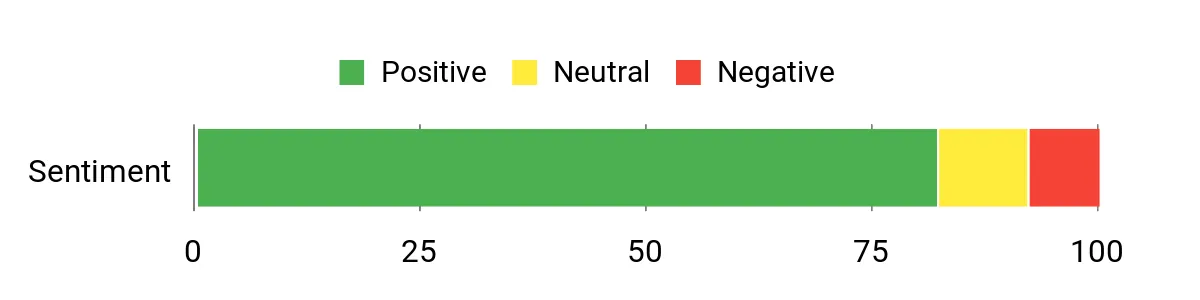
The source article’s review summary highlighted headroom, airflow, and a relatively simple pitch. It also reported suggestions to protect the floor on rough ground and consider more substantial stakes. The chart is a directional summary rather than independently verified current review data.
Overall source sentiment: Positive
Durability and Care
Use a groundsheet when pitching over stone, roots, or hard-packed surfaces. Avoid storing the rainfly while damp because trapped moisture can damage coatings and encourage mildew.
Ease of Assembly
The crossed-pole structure is conventional and easy to learn. Practice attaching and orienting the fly before your trip because that step may be less obvious than assembling the inner tent.
Key Benefits
- Taller interior improves sitting and changing comfort
- Mesh inner tent supports warm-weather airflow
- Two-door layout provides easier shared access
- Freestanding frame simplifies repositioning
- Separate rainfly allows more flexible ventilation
The Crux 3P is worth considering when storage volume matters more than having two doors. Its packed dimensions make it easier to carry on a motorcycle, bicycle, kayak, or short hiking route.
The tradeoff is its single-door layout and more limited vestibule access. That arrangement works well for one or two campers but becomes less convenient when three people need to enter, exit, or organize equipment.
Why You’ll Like It
You get a freestanding structure and meaningful rainfly coverage in a package designed to fit into tighter storage spaces.
Who Should Buy This
Choose it for solo trips with extra room, couples carrying compact gear, or travelers who need the tent to fit beside other equipment.
Who Should Avoid It
Skip it when two-door access is important or when three adults expect to use the shelter for several nights.
Buyer Feedback Snapshot
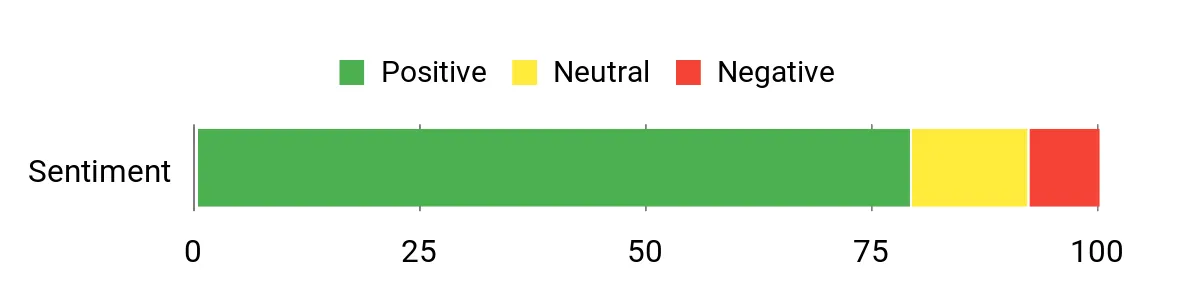
The source article’s review summary emphasized compact packing, straightforward setup, and useful waterproof construction. It also noted concern about floor abrasion and lightweight stakes. The chart should be viewed as a general summary rather than live Amazon review data.
Overall source sentiment: Positive
Durability and Care
Protect the floor from sharp debris and inspect high-stress attachment points after each trip. Clean loose dirt with a soft cloth rather than using harsh cleaners that may damage the coating.
Ease of Assembly
The two-pole freestanding design keeps the basic pitch uncomplicated. Learn the fly orientation before traveling so you do not lose time rotating it in poor weather.
Key Benefits
- Compact packed shape suits small vehicles and panniers
- Freestanding structure is easy to reposition
- Full rainfly improves coverage around the inner tent
- Interior pockets help organize small items
- Aluminum poles avoid the bulk of many campground tents
The Bessport is better suited to buyers who prioritize interior comfort and two-door convenience over minimum carried weight. Its vestibules provide separate spaces for boots or packs, while the mesh inner tent supports airflow during mild weather.
Amazon combines several size and color variations on related listings, and published weights can differ. Confirm that the selected option shows the intended three-person dimensions and packaged weight before checking out.
Why You’ll Like It
Its two-door layout works well for couples because each person can use a separate entrance and vestibule. That reduces nighttime disruption and keeps more gear outside the sleeping area.
Who Should Buy This
Choose it for established campgrounds, road trips, family weekends, and short walks from a parking area to the campsite.
Who Should Avoid It
Skip it for long-distance backpacking when every pound matters. Also, do not rely on broad marketplace season labels for heavy snow or severe winter storms.
Buyer Feedback Snapshot
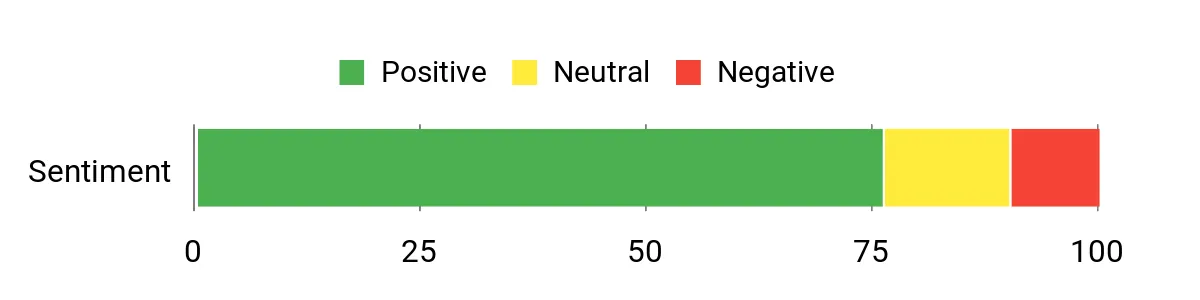
The source article’s review summary focused on the dual doors, vestibules, ventilation, and manageable setup. It also noted suggestions to add a footprint and replace lightweight stakes for difficult soil. The chart is not a substitute for checking recent verified-purchase feedback.
Overall source sentiment: Positive
Durability and Care
A footprint can reduce abrasion on the floor and help keep mud away from the tent body. Inspect the zipper tracks, corner attachments, and seam tape before longer trips.
Ease of Assembly
The freestanding pole-and-clip design follows a familiar layout. Stake and guy the rainfly even when the inner tent stands on its own because that step improves spacing, drainage, and stability.
Key Benefits
- Two entrances simplify shared use
- Two vestibules separate wet gear from sleeping space
- Mesh panels improve airflow in mild weather
- Freestanding construction allows easier site adjustment
- Roomy layout works well for two adults plus equipment
The Forceatt appeals to campers who prefer a lower-profile shelter with multiple anchor points. Its aluminum frame and guyline layout can create a more stable pitch when every point is tensioned correctly.
The listing includes several capacities and colors, so confirm that Amazon shows the three-person option. Published weights also vary between retailer records and should be checked on the selected configuration.
Why You’ll Like It
The two-door design makes shared access easier, while the rainfly and guylines give you more control over tension during breezy conditions.
Who Should Buy This
Choose it for road trips, motorcycle camping, and short backpacking routes where you want a compact shelter that can be guyed securely.
Who Should Avoid It
Skip it when you need verified performance for extreme storms, exposed alpine terrain, or heavy snow. “Windproof” marketing does not remove the need for careful site selection and proper staking.
Buyer Feedback Snapshot
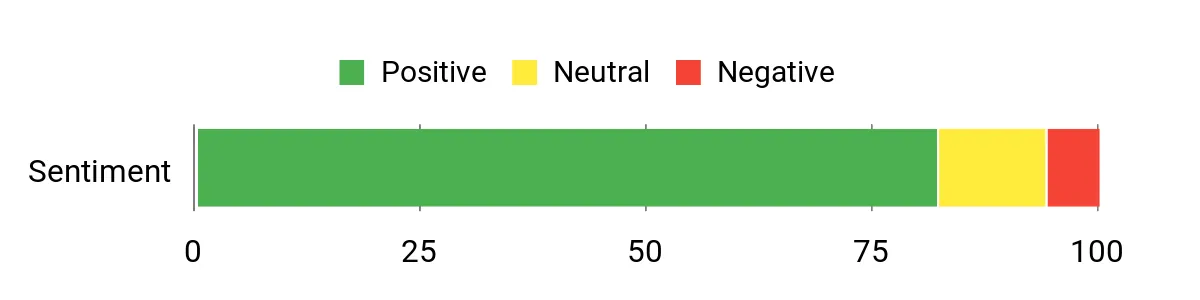
The source article’s review summary emphasized compact storage, two-door access, and acceptable wet-weather performance when pitched correctly. It also mentioned occasional concerns about cords, stakes, and quality-control consistency. Use the chart only as a broad historical indicator.
Overall source sentiment: Positive
Durability and Care
Inspect the guylines, stake loops, seam tape, and pole connections before traveling. Replace bent or overly light stakes when your regular campsites have hard, loose, or sandy soil.
Ease of Assembly
The clip-and-pole structure is uncomplicated, but weather resistance depends on more than assembling the inner tent. Position the fly evenly, tension each corner, and use the available guylines.
Key Benefits
- Low dome profile suits properly selected windy sites
- Guyline points allow more controlled fly tension
- Two doors improve shared access
- Aluminum poles provide a practical portable frame
- Freestanding inner tent simplifies initial setup
The camppal uses a lower-reaching outer fly and generous external footprint to create more covered space around the inner sleeping area. That design may appeal to campers expecting cooler, breezier, or unsettled shoulder-season conditions.
Marketplace descriptions vary between 2–3-person and 3–4-person wording. Check the floor dimensions shown on the exact Amazon variation rather than assuming the complete external dimensions represent usable sleeping space.
Why You’ll Like It
The two entrances and vestibule coverage make it easier to separate wet equipment from bedding. Multiple guylines also allow a more secure pitch when the campsite is exposed.
Who Should Buy This
Choose it for car camping, overland trips, and cooler spring or fall weekends when coverage and anchoring options matter more than the lightest possible package.
Who Should Avoid It
Skip it for warm, humid trips if maximum mesh ventilation is your priority. You should also avoid treating the seller’s four-season wording as evidence of expedition-grade snow or wind performance.
Buyer Feedback Snapshot
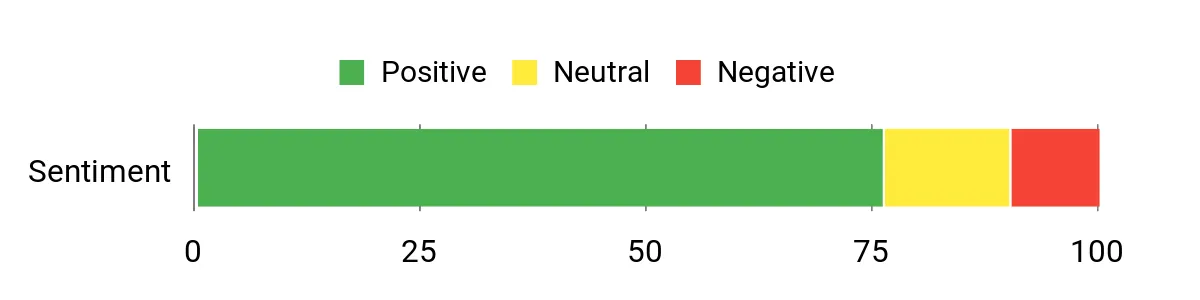
The source article’s review summary emphasized interior space, vestibules, straightforward setup, and stable construction when properly guyed. It also recommended a footprint and stronger stakes for difficult ground. The chart represents the source summary rather than a live review feed.
Overall source sentiment: Positive
Durability and Care
Use a groundsheet that remains fully beneath the tent floor so rain cannot collect between the layers. Dry both the inner tent and rainfly before long-term storage.
Ease of Assembly
The dome frame is familiar, but the larger fly and additional guylines require more attention than a simple fair-weather pitch. Practice the complete setup rather than only assembling the inner tent.
Key Benefits
- Two entrances support easier shared use
- Covered vestibule areas separate wet equipment
- Low fly coverage suits cooler shoulder-season trips
- Multiple guylines allow more secure anchoring
- Freestanding inner structure helps with site positioning
FAQ
Will a 3-Person Tent Fit Three Adults?
Many three-person tents can hold three narrow sleeping pads, but the fit will usually be close. You may have little room for clothing, backpacks, or movement once everyone is inside.
For better comfort, use a three-person tent for two adults plus gear. Groups of three should compare the interior floor width with the exact width of each sleeping pad before buying.
Are These Tents Suitable for Backpacking?
They can work for short trips, shared carrying, cycling, or motorcycle travel. However, several models are heavier than premium ultralight backpacking tents.
Check the complete packaged weight, including stakes, poles, rainfly, guylines, and carrying bag. Minimum trail weight may exclude accessories you will need at camp.
How Weatherproof Are Budget 3-Season Tents?
A well-pitched budget tent can provide useful protection during ordinary spring and summer rain. Performance depends on fly coverage, seam condition, ground drainage, ventilation, staking, and whether wet fabric touches the inner tent.
Use every required guyline during poor weather and avoid low ground where water can collect. These tents are not substitutes for shelters designed for heavy snow, severe alpine wind, or winter expeditions.
Does a Higher Waterproof Rating Always Mean a Better Tent?
No. A coating rating is only one part of weather protection. Seam construction, fly geometry, floor design, ventilation, fabric condition, and correct setup also matter.
Ratings from different manufacturers may not be directly comparable, so avoid choosing a tent based on one millimeter figure alone.
Should You Use a Footprint?
A footprint is useful on abrasive, muddy, or wet campsites. It can reduce floor wear and make cleanup easier.
Keep the footprint slightly smaller than the tent floor. Material extending beyond the floor can catch rain and direct water underneath the tent.
How Should You Store a Tent After a Trip?
Air-dry the inner tent, floor, rainfly, and carrying bag before storage. Remove loose dirt, inspect the seams and zippers, and store the tent in a cool, dry place.
Avoid long-term storage while the tent is compressed and damp because moisture can encourage mildew and damage waterproof coatings.
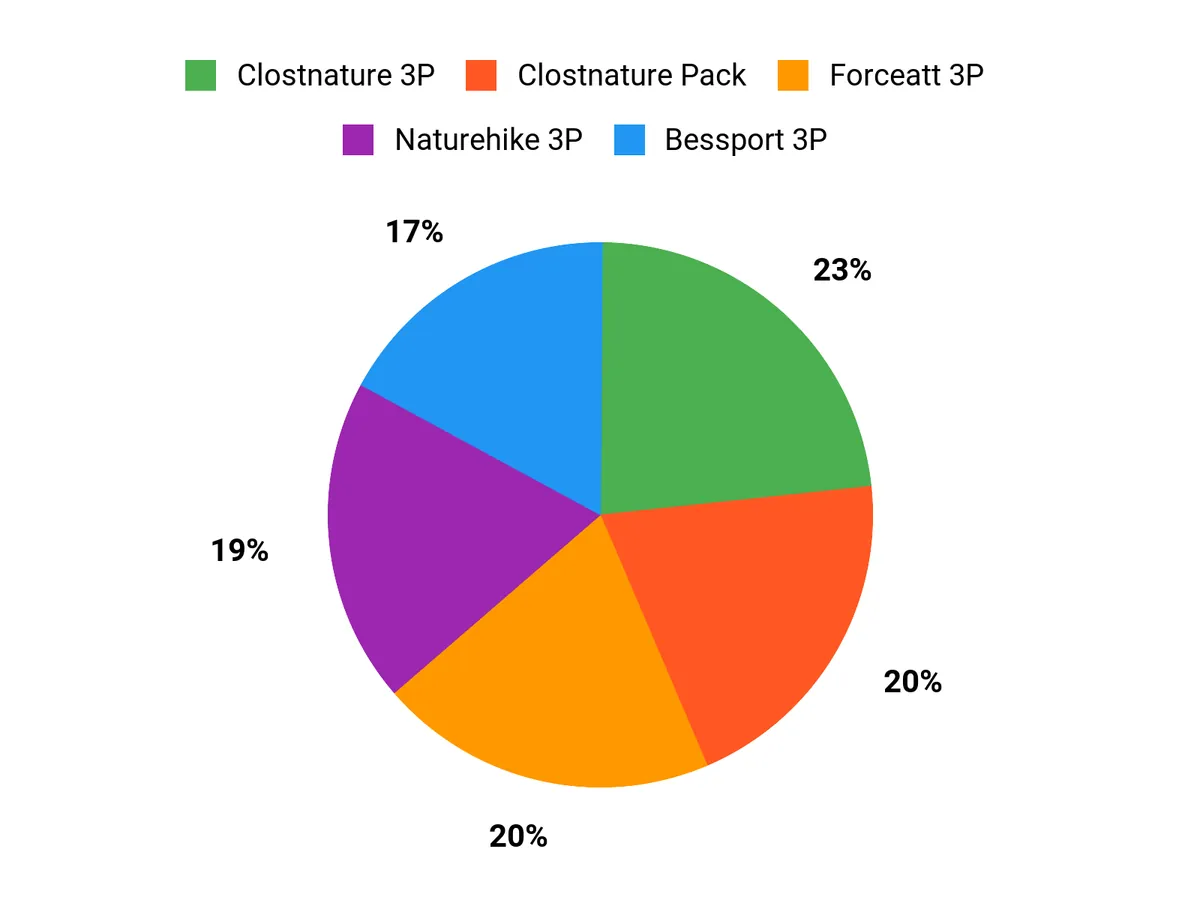
What Campers Prefer
Your best choice depends on how you travel. The Clostnature Lightweight 3P offers the strongest all-around balance for two people plus gear. The Naturehike Cloud River suits warm trips where ventilation and headroom matter, while the Clostnature Crux works better when packed size is the main concern.
The Bessport favors roomy vehicle-supported camping. Forceatt provides more anchoring options for carefully selected breezy sites, and camppal offers broader coverage for cooler shoulder-season trips.
Wrapping Up
Choose the Clostnature Lightweight 3P when you want the most balanced combination of two-door access, vestibule storage, manageable weight, and straightforward setup.
Pick the Naturehike Cloud River 3P when ventilation and headroom matter most. Select the Clostnature Crux 3P when your bicycle, motorcycle, kayak, or vehicle leaves little room for a bulky tent bag.
The Bessport 3P makes more sense for roomy two-person car camping, while the Forceatt 3P suits buyers who will use all available guylines on breezier sites. Choose the camppal for cooler shoulder-season trips where broader fly coverage matters more than maximum warm-weather ventilation.
Whichever model you choose, confirm the selected capacity, floor measurements, packaged weight, and included components on Amazon. A listing that combines several variations may display specifications from a different size.
Detailed Comparison
| Product Name | Image | Best For | Listed Dimensions | Listed Weight | Configuration Notes | Amazon |
|---|---|---|---|---|---|---|
| Clostnature Lightweight Backpacking Tent 3 Person |
 |
Best overall value | About 86.6″L × 75″W × 47″H | Approximately 5.9–6.4 lb, depending on listing details | Three-person model with two doors and vestibule storage | Check Price |
| Naturehike Cloud River 3 Person Backpacking Tent |
 |
Ventilation and headroom | About 86.6″L × 70.9″W × 49.2″H | Approximately 6.8 lb for the listed 3P configuration | Confirm the 3-person variation before ordering | Check Price |
| Clostnature Crux Lightweight Tent 3 Person |
 |
Compact packing | About 86.6″L × 75″W × 47″H | Approximately 5.9 lb for the listed 3P version | Single-door layout; verify size selection | Check Price |
| Bessport Camping Tent for 2–3 Person |
 |
Two campers plus gear | About 88.4″L × 72.7″W × 47.2″H for one listed 3P version | Published figures vary by configuration | Check selected size and packaged weight carefully | Check Price |
| Forceatt Camping Tent 3 Person Variation |
 |
Wind-exposed campsites | About 90.6″L × 74.8″W × 51.2″H in one listed 3P record | Varies across listing records | Confirm Amazon displays the 3-person option | Check Price |
| camppal 2–3 Person Backpacking Tent |
 |
Cooler shoulder-season trips | Seller-listed exterior dimensions near 110″L × 82″W × 51″H | One listing reports approximately 3.7 lb | Capacity and season wording vary by marketplace | Check Price |
This roundup is reader-supported. When you click qualifying Amazon links, we may earn a referral commission. Product specifications, selected variations, and availability can change after publication.