Last updated: July 15, 2026
You want a reliable tent that won’t break your budget but will still protect you on the trail. This guide helps you cut through the noise so you can pick a shelter that fits your style of trips, whether you prioritize lightweight carry, fast setup, or the most weather protection for the money. You’ll learn which tents give the best value, where they shine, and which trade-offs to expect so you get the right tent for your next trip.
Affiliate disclosure: This roundup contains Amazon affiliate links. We may earn a commission from qualifying purchases at no extra cost to you.
Quick verdict: The Kelty Grand Mesa 2P is the best all-around value for most weekend campers. Choose the Night Cat 1P for a simple low-cost solo shelter, the Kelty Discovery Trail 1P for beginner-friendly setup, or the OneTigris Stella when you need broader coverage for colder shoulder-season trips.
Important: Verify current dimensions, listed weight, included parts, and season guidance on the product page before buying.
Quick Comparison: Best Budget Backpacking Tents
|
Category |
Product |
Why It Stands Out |
|---|---|---|
|
Best Budget Solo |
Compact one-person shelter for short trips |
|
|
Best Overall |
Established-brand two-person value with easy setup |
|
|
Best Wet-Weather Solo Value |
Low-profile solo layout with full-fly coverage |
|
|
Best for Colder Shoulder Seasons |
Two-person full-fly design with added coverage |
|
|
Best for Motorcycle Camping |
Two doors and vestibules in a compact package |
|
|
Best Two-Person Value |
Double-wall layout with two doors |
|
|
Best Snow-Skirt Option |
Solo cold-weather design for light winter use |
|
|
Best for Beginners |
Simple freestanding setup from an established brand |
|
|
Best Durable Budget Pick |
Aluminum-pole double-wall design |
How We Picked These Tents
We compared each tent by intended capacity, packed practicality, frame material, wall design, ventilation, setup complexity, weather coverage, and likely use case. We also reviewed the source article’s buyer-feedback summaries for recurring concerns such as weak stakes, tight interiors, condensation, floor wear, and awkward packing. Seller specifications can change, so treat exact weights and water-resistance figures as listing claims that should be confirmed before purchase.
Editorial trust note: This guide does not claim laboratory testing or hands-on use unless specifically stated. Recommendations are based on product positioning, listed features, buyer concerns, and suitability for the stated use case.

The Night Cat 1P solves a basic problem: you need a solo shelter that is easy to carry and uncomplicated to pitch. Its single-wall layout keeps the package simple, making it practical for short backpacking trips, motorcycle camping, festivals, and occasional campground use.
The trade-off is that single-wall tents can feel less airy in humid weather, and the fiberglass poles and included stakes are more basic than those on higher-priced models. Use a groundsheet, ventilate whenever conditions allow, and upgrade the stakes for exposed campsites.
Who should buy this: Solo campers taking short trips who want low cost and a small packed footprint.
Who should avoid this: Frequent storm camping, tall sleepers who need generous headroom, or buyers seeking an ultralight shelter.
Common Buyer Feedback
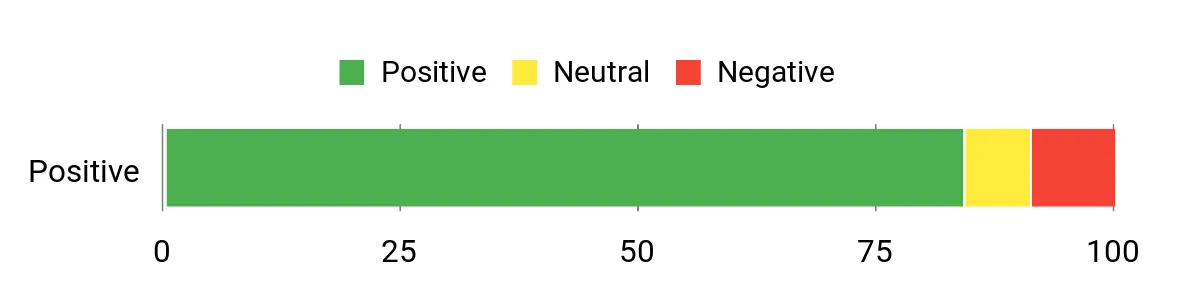
The source review set commonly praises the compact packed size, simple setup, and useful solo space. Recurring concerns include condensation in damp conditions and the entry-level feel of the poles and stakes.
Feedback snapshot: Generally positive in the source review set
Ease of Use
|
Feature |
Ease Level |
|---|---|
|
Setup |
Easy |
|
Packing |
Easy |
|
Pole Assembly |
Moderate |
|
Door & Zipper |
Easy |
|
Staking & Guy Lines |
Moderate |
Best Uses
Best for short solo backpacking trips, motorcycle weekends, festivals, and fair-weather campground use. It is not designed for severe alpine conditions or long winter expeditions.
Top Benefits
- Compact one-person format for simple packing
- Straightforward pole-sleeve setup after a little practice
- Single-wall construction keeps the component count low
- Mesh door supports airflow in mild conditions
- Guy lines and pegs are included for basic anchoring
Before you buy: Plan on using a footprint and consider stronger stakes if you camp on rocky, loose, or windy ground.

The Kelty Grand Mesa 2P is the strongest all-around choice for buyers who want a familiar backpacking design without moving into premium pricing. Its freestanding structure, aluminum poles, vestibule, and full-coverage fly make it easier to manage changing campsites and ordinary three-season weather.
It favors durability and simplicity over minimum weight. Two adults may find the interior cozy, especially with bulky gear, so solo campers who want extra room may get the best balance from this model.
Who should buy this: Beginners, weekend backpackers, and solo campers who want extra room from an established outdoor brand.
Who should avoid this: Long-distance hikers focused on the lowest possible trail weight or pairs who want generous interior space.
Common Buyer Feedback
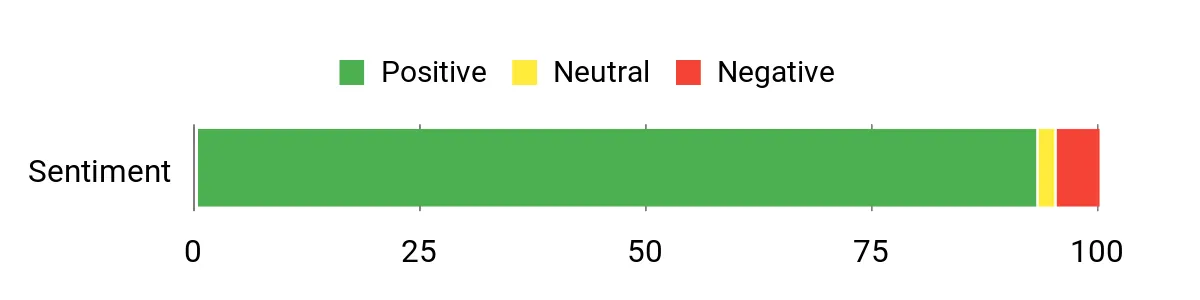
The source review set frequently highlights the uncomplicated pitch, practical vestibule, and durable feel. The most common cautions are the close fit for two adults, moderate carry weight, and zippers that may feel stiff when new.
Feedback snapshot: Generally positive in the source review set
Ease of Use
|
Feature |
Ease Level |
|---|---|
|
Setup |
Easy |
|
Packing |
Easy |
|
Pole Assembly |
Easy |
|
Door & Zipper |
Moderate |
|
Staking & Guy Lines |
Moderate |
Best Uses
Well suited to weekend backpacking, motorcycle or bicycle trips, festivals, and general three-season camping. It is not a technical mountaineering shelter.
Top Benefits
- Freestanding two-person layout that is easy to reposition
- Aluminum poles offer a useful durability-to-weight balance
- Full rainfly and vestibule help protect sleeping and gear space
- Quick-corner design simplifies the pitch
- Wide-opening carry bag makes repacking less frustrating
Before you buy: Check the current listed weight and floor dimensions before buying, especially if two adults will share the tent.

The Camppal 1 Person Tent is aimed at solo campers who want a low-profile shelter with fewer parts to manage. Its ridge-pole structure and full-fly coverage make it a practical choice for backpacking, bikepacking, kayak trips, and other outings where a small campsite footprint matters.
The interior is narrow, especially for taller or broader sleepers, and ventilation requires attention in humid weather. Treat the seller-listed water-resistance figures as product claims rather than independent performance guarantees.
Who should buy this: Solo campers who want a narrow footprint and simple full-fly coverage.
Who should avoid this: Tall campers, buyers who want room to sit comfortably, or anyone expecting severe alpine weather.
Common Buyer Feedback
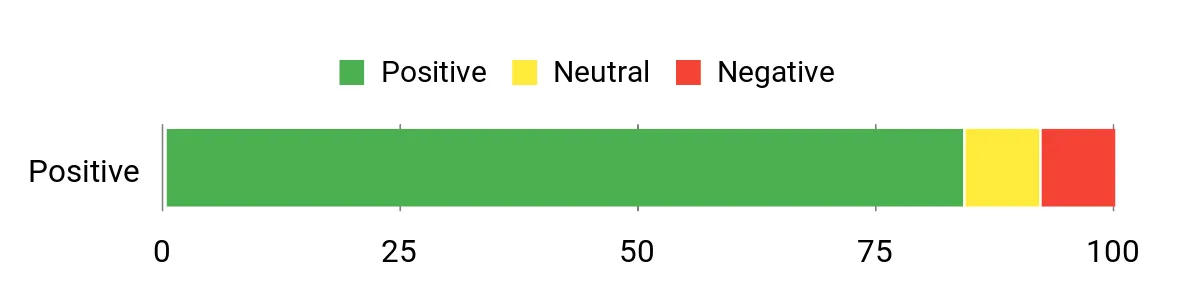
The source review set often mentions fast pitching, compact packing, and useful rain coverage. Common concerns focus on limited interior room, condensation in humid conditions, and lightweight included stakes.
Feedback snapshot: Generally positive in the source review set
Ease of Use
|
Feature |
Ease Level |
|---|---|
|
Setup |
Easy |
|
Packing |
Easy |
|
Pole Assembly |
Easy |
|
Door & Zipper |
Moderate |
|
Ventilation / Condensation |
Challenging |
Best Uses
Best for solo backpacking, bikepacking, kayak trips, festivals, and emergency backup use. It is not a substitute for an expedition-grade mountain tent.
Top Benefits
- Low-profile one-person format fits smaller campsites
- Single ridge pole keeps the setup process simple
- Full rainfly provides broad exterior coverage
- Compact package works well for bike or kayak storage
- Small vestibule helps separate footwear from sleeping space
Before you buy: Confirm the current interior length and packed weight if you are tall or carrying the tent over long distances.

The OneTigris Stella is useful when you want more weather coverage than a typical mesh-heavy summer tent. Its full-fly dome design and compact packed shape suit solo campers with gear or two campers who do not mind close quarters.
A “four-season” label does not make a tent suitable for every snow load, wind speed, or alpine route. Use it for conditions within your experience level, select sheltered sites, and step up to a purpose-built mountaineering tent for severe forecasts.
Who should buy this: Solo campers wanting extra space and experienced users planning cool-weather or shoulder-season trips.
Who should avoid this: Two campers who need roomy living space or anyone planning exposed alpine storms and heavy snow loading.
Common Buyer Feedback
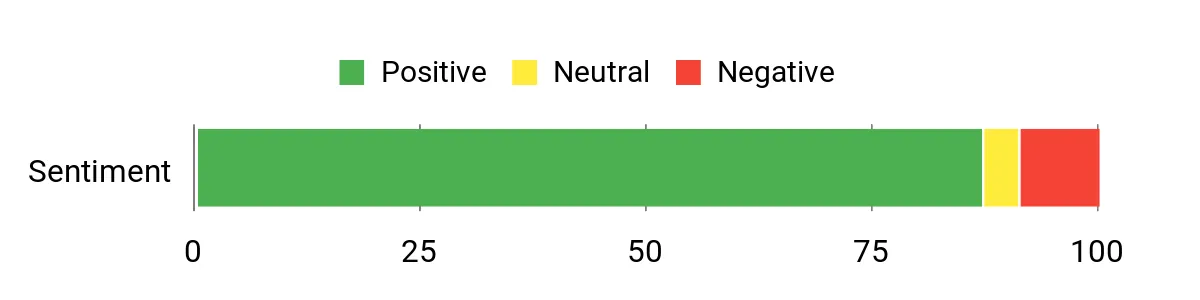
The source review set commonly praises the quick pitch, manageable packed size, and broad rainfly. The recurring cautions are a thin-feeling floor and limited comfort for two larger adults.
Feedback snapshot: Generally positive in the source review set
Ease of Use
|
Feature |
Ease Level |
|---|---|
|
Setup |
Easy |
|
Packing / Break-down |
Easy |
|
Weight / Carry |
Easy |
|
Interior Space for Two |
Moderate |
|
Ventilation / Condensation |
Challenging |
Best Uses
Good for backpacking, motorcycle trips, bikepacking, and cool shoulder-season camping. It should not be treated as an automatic replacement for a technical alpine shelter.
Top Benefits
- Full-fly dome layout adds exterior weather coverage
- Aluminum poles support a compact freestanding structure
- Works well for one camper plus gear
- Included guylines and stakes support a complete basic pitch
- Small packed size suits vehicle and trail use
Before you buy: Use a footprint on abrasive ground and match the tent to the actual forecast rather than relying only on the season label.

The Forceatt 2P makes sense for motorcycle and short backpacking trips because the two-door layout reduces climbing over a partner and the vestibules create separate space for boots or compact gear. The clip-style frame is also easy to understand when pitching late in the day.
The included stakes may not suit every soil type, and the interior remains a close fit for two adults. Ventilation and fly tension still matter in humid weather, so practice the setup before relying on it in rain.
Who should buy this: Motorcycle campers, couples on short trips, and solo campers who want two doors and extra storage.
Who should avoid this: Weight-focused thru-hikers or pairs who need generous sleeping and gear space.
Common Buyer Feedback
The source review set often mentions easy pitching, useful vestibules, and a manageable packed shape. Common cautions involve basic stakes, occasional condensation, and limited room for two campers with bulky gear.
Feedback snapshot: Generally positive in the source review set
Ease of Use
|
Feature |
Ease Level |
|---|---|
|
Setup |
Easy |
|
Packing / Break-down |
Easy |
|
Weight / Carry |
Moderate |
|
Interior Space For Two |
Moderate |
|
Ventilation / Condensation |
Challenging |
Best Uses
Best for motorcycle touring, short backpacking trips, bikepacking, and ordinary three-season campground use. It is not designed for technical alpine expeditions.
Top Benefits
- Two doors improve access for two sleepers
- Vestibules keep footwear and small gear outside the sleeping area
- Aluminum poles provide a practical frame material
- Clip-style setup is easy to learn
- Mesh panels support airflow in warmer conditions
Before you buy: Check the exact variant, listed dimensions, and included accessories because this product name may cover more than one capacity.
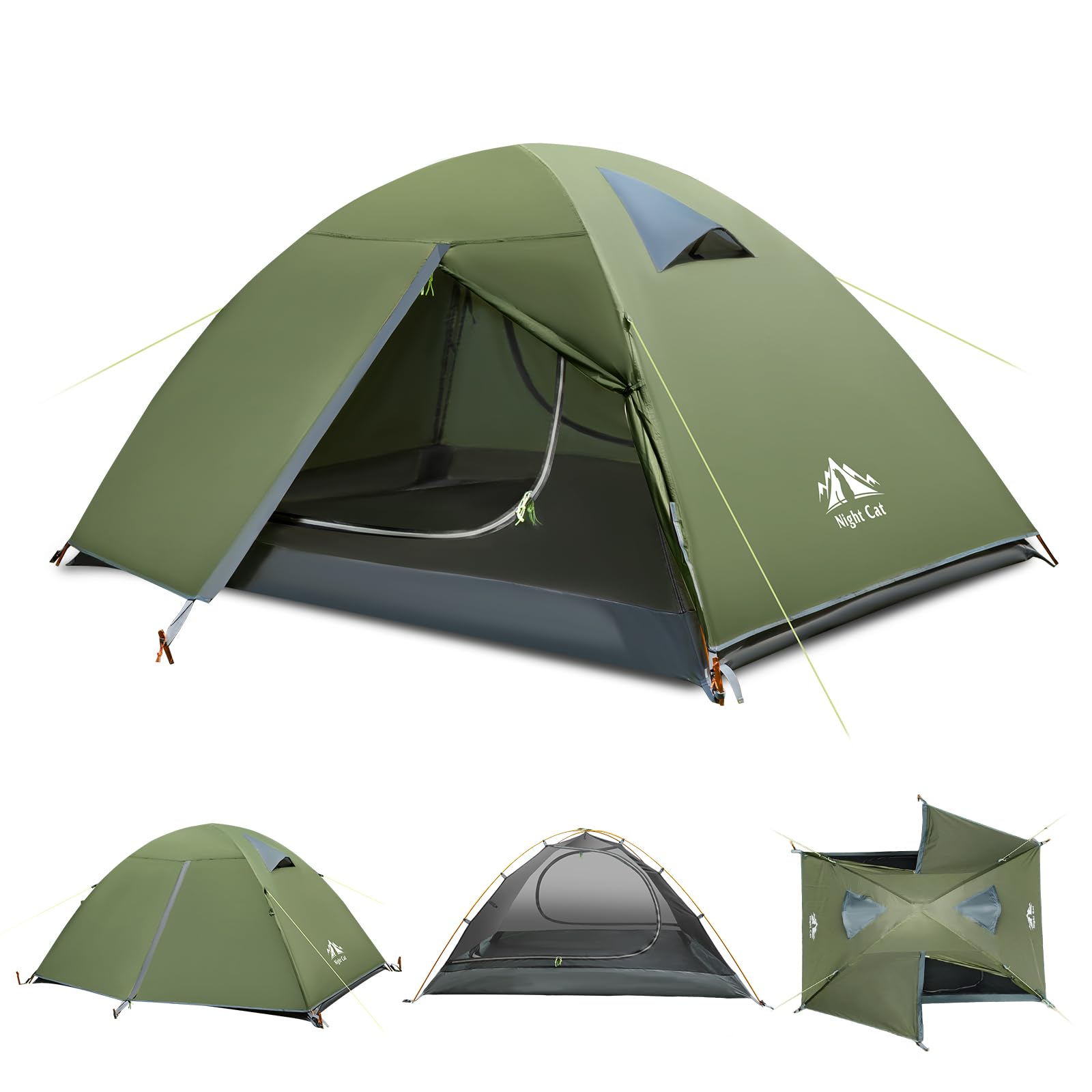
The Night Cat 2P is a practical step up from a basic solo tent when you want two doors, better separation between the inner tent and rainfly, and enough floor space for two close sleepers or one camper with gear.
It is better viewed as a value backpacking or motorcycle tent than an ultralight option. Couples should compare the floor dimensions with their sleeping pads, and exposed campsites may call for stronger stakes.
Who should buy this: Couples on short trips or solo campers who want extra space and two-door convenience.
Who should avoid this: Ultralight hikers and pairs who use wide sleeping pads or carry bulky gear inside.
Common Buyer Feedback
The source review set commonly highlights the simple clip-style pitch, two-door access, and useful airflow. Common reservations include a snug fit for two tall adults and the basic quality of the included stakes.
Feedback snapshot: Generally positive in the source review set
Ease of Use
|
Feature |
Ease Level |
|---|---|
|
Setup |
Easy |
|
Packing / Break-down |
Easy |
|
Weight / Carry |
Moderate |
|
Interior Space For Two |
Moderate |
|
Ventilation / Condensation |
Easy |
Best Uses
Best for weekend backpacking, motorcycle trips, scouts, festivals, and general campground use in ordinary three-season conditions.
Top Benefits
- Double-wall structure supports better airflow than a basic single-wall tent
- Two doors simplify entry and exit
- Aluminum poles keep the frame practical for repeated setup
- Floor design helps separate sleepers from damp ground
- Compact package suits motorcycles and short hiking trips
Before you buy: Measure both sleeping pads together and compare that width with the current floor dimensions before ordering.

The Underwood Aggregator 1P is designed for solo campers who want more lower-edge coverage than a typical summer backpacking tent. Its freestanding dome, full fly, and vestibule make it easier to organize a compact cold-weather setup.
It is still a budget solo tent, not a guaranteed shelter for deep snow, extreme wind, or technical alpine routes. The interior may feel tight for tall sleepers, and cold-weather condensation requires active ventilation.
Who should buy this: Solo campers with winter experience who need a compact shelter for sheltered, light-snow, or shoulder-season conditions.
Who should avoid this: Severe alpine trips, heavy snow forecasts, or taller campers who need generous interior length.
Common Buyer Feedback
The source review set commonly mentions straightforward pitching, broad fly coverage, and useful vestibule space. Recurring concerns include limited room, condensation in cold conditions, and stress around the upper pole connection.
Feedback snapshot: Generally positive in the source review set
Ease of Use
|
Feature |
Ease Level |
|---|---|
|
Setup |
Easy |
|
Packing / Break-down |
Easy |
|
Weight / Carry |
Moderate |
|
Interior Space For One |
Moderate |
|
Ventilation / Condensation |
Moderate |
Best Uses
Best for solo backpacking, motorcycle camping, and sheltered cold-weather trips within the user’s experience level. Choose a technical mountaineering tent for sustained severe conditions.
Top Benefits
- Full-fly solo layout for broad exterior coverage
- Aluminum-pole freestanding frame
- Vestibule stores footwear and small gear outside the sleeping area
- Lower-edge coverage can help manage drifting light snow
- Compact format fits backpack and motorcycle storage
Before you buy: Inspect the pole connections before each trip, use a footprint, and never operate a fuel-burning stove inside the tent or an enclosed vestibule.

The Kelty Discovery Trail 1P is a sensible beginner pick because its familiar freestanding dome shape is easy to understand and reposition. A full rainfly and vestibule give the solo sleeper practical coverage and a place to keep footwear outside the main sleeping area.
It is not the lightest solo option, and tall users should confirm the current interior length. Like most compact tents, it also benefits from careful ventilation in humid weather.
Who should buy this: First-time backpackers, weekend campers, and buyers who value easy setup more than minimum weight.
Who should avoid this: Experienced ultralight hikers or tall sleepers who need more length and headroom.
Common Buyer Feedback
The source review set often praises the uncomplicated pitch, tidy carry bag, and reassuring build quality. Common cautions include a close interior fit, lightweight stakes, and condensation when airflow is limited.
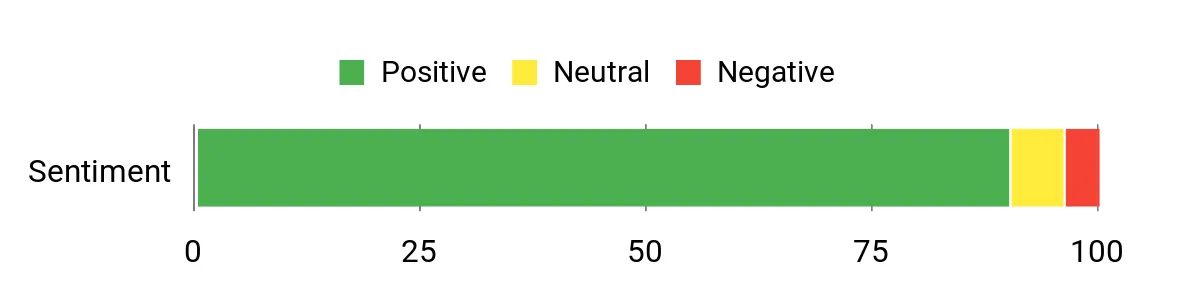
Feedback snapshot: Generally positive in the source review set
Ease of Use
|
Feature |
Ease Level |
|---|---|
|
Setup |
Easy |
|
Packing / Break-down |
Easy |
|
Weight / Carry |
Moderate |
|
Interior Space For One |
Moderate |
|
Ventilation / Condensation |
Moderate |
Best Uses
Well suited to solo backpacking, bikepacking, motorcycle camping, and three-season campground weekends. It is not intended for severe alpine conditions.
Top Benefits
- Simple two-pole freestanding frame
- Full rainfly and vestibule for practical weather coverage
- Beginner-friendly setup sequence
- Compact one-person footprint
- Carry bag supports easier packing and storage
Before you buy: Verify current weight, packed dimensions, and warranty terms on the listing before purchase.

The MC TOMOUNT 1P is built around a familiar double-wall dome, which helps separate the sleeping area from the rainfly and provides useful ventilation. It is a reasonable option for short backpacking trips, bikepacking, festivals, and campground weekends.
The listed weight is higher than many modern solo backpacking tents, and the interior dimensions may be tight for taller sleepers. Current specifications and availability should be checked because marketplace listings can change.
Who should buy this: Weekend campers who prefer a double-wall design and aluminum poles over the lightest possible carry weight.
Who should avoid this: Long-distance hikers counting every ounce or tall campers who need generous interior space.
Common Buyer Feedback
The source review set commonly notes easy setup, stable-feeling aluminum poles, and useful airflow. Recurring trade-offs include moderate carry weight, limited headroom, and basic included stakes.
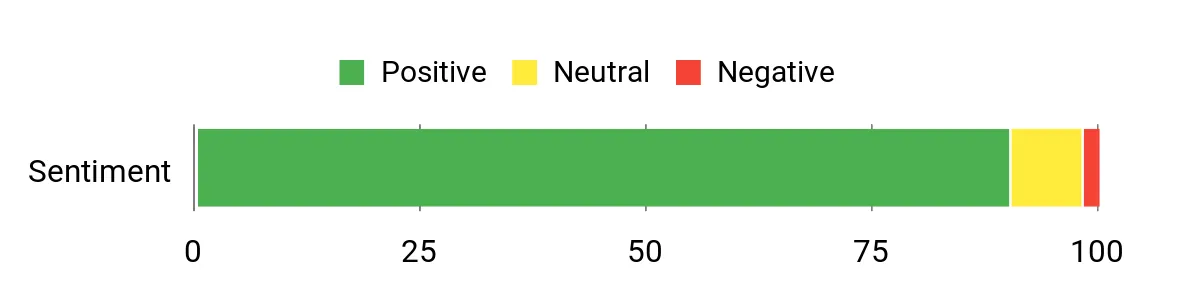
Feedback snapshot: Generally positive in the source review set
Ease of Use
|
Feature |
Ease Level |
|---|---|
|
Setup |
Easy |
|
Packing / Break-down |
Easy |
|
Weight / Carry |
Moderate |
|
Interior Space For One |
Moderate |
|
Ventilation / Condensation |
Moderate |
Best Uses
Best for short backpacking trips, bikepacking, festivals, and general three-season camping. It is not intended for severe winter or alpine expeditions.
Top Benefits
- Double-wall construction supports airflow and moisture management
- Aluminum poles offer a practical durable frame
- Freestanding shape simplifies campsite setup
- Mesh inner improves ventilation in mild weather
- Compact stuff sack supports storage and vehicle travel
Before you buy: Confirm the current listing details and interior dimensions, especially if pack weight or sleeping length is a priority.
Before You Buy: Budget Backpacking Tent Checklist
- Capacity: Compare floor width and length with your sleeping pad, height, and gear.
- Carry weight: Check the current packaged and minimum weights; sellers may use different figures.
- Wall design: Double-wall tents usually manage airflow differently from simpler single-wall shelters.
- Weather use: Match the frame and fly coverage to the forecast, campsite exposure, and your experience.
- Included parts: Confirm whether a footprint, repair sleeve, stakes, guylines, and storage bag are included.
- Safety: Never use a fuel-burning stove, heater, grill, or lantern inside a tent or enclosed vestibule.
FAQ
How Do I Choose The Best Budget Backpacking Tent For My Trip?
Choose for your actual trip rather than the lowest price. Start with floor dimensions, intended capacity, listed packed weight, and packed length. Then compare the pole material, wall design, fly coverage, vestibule space, ventilation, and setup process.
Practice pitching at home and confirm what the current listing includes. A low-cost tent becomes poor value if you immediately need a footprint, stronger stakes, replacement poles, or more space.
Are Budget Tents Waterproof And Durable Enough For Four-Season Use?
Budget tents can provide useful rain and wind protection when they are pitched correctly, but seller-listed hydrostatic-head figures do not guarantee performance in every storm. Seam quality, fly coverage, floor design, ventilation, pole geometry, campsite exposure, and user setup all matter.
Treat “four-season” as a product category, not permission to ignore the forecast. For deep snow, severe wind, or exposed alpine routes, use a purpose-built mountaineering shelter that matches the conditions and your experience.
What Practical Gear And Habits Will Make A Budget Tent Perform Better And Last Longer?
Practice the pitch, carry a small repair kit, use stakes suited to the soil, tension guylines correctly, and place the tent above obvious drainage channels. A footprint can reduce abrasion, while thoughtful ventilation can limit condensation.
Dry the tent completely before storage, remove dirt gently, and avoid long-term storage while tightly compressed. Never use a fuel-burning appliance inside the tent or an enclosed vestibule.
How to Choose Between the Top Picks
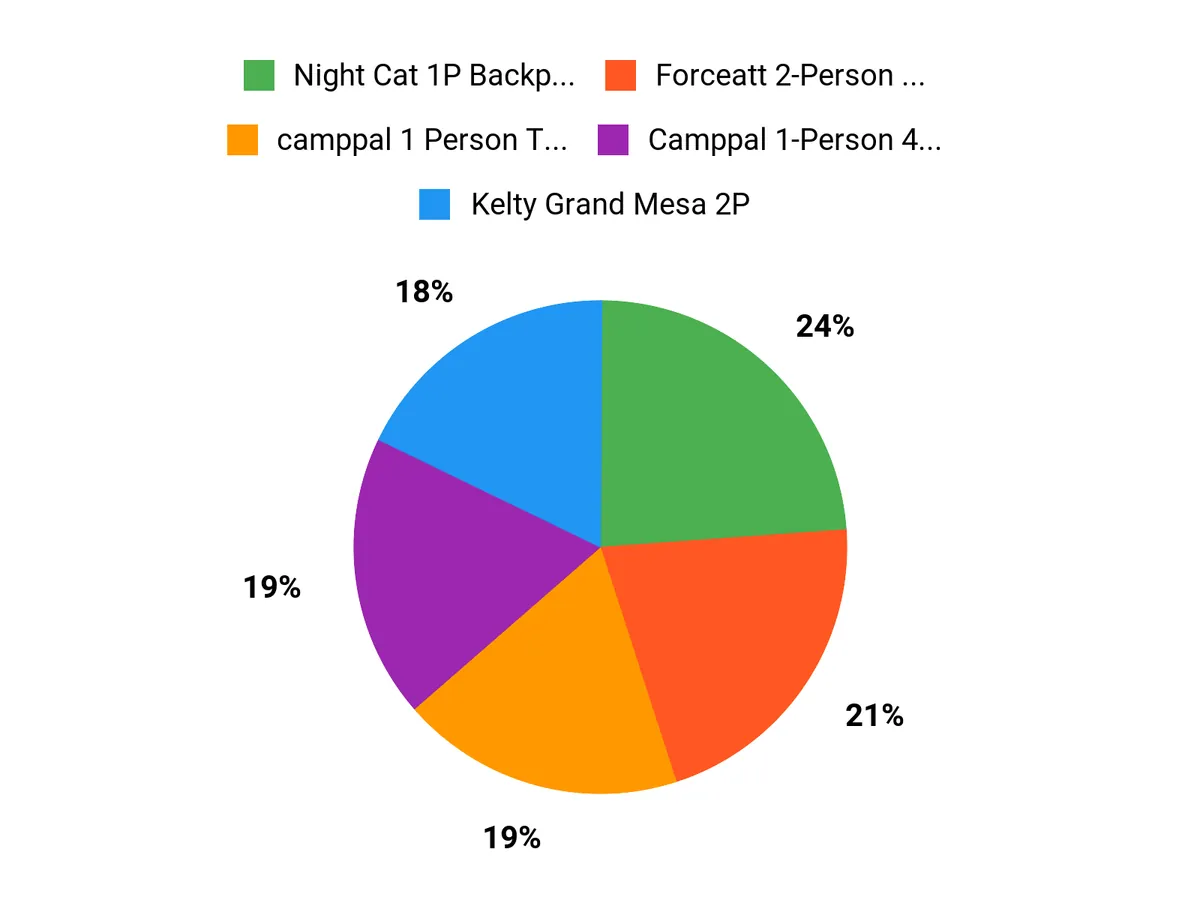
Choose the Night Cat 1P when cost and a compact solo package matter most. Choose the Kelty Grand Mesa 2P when you want the strongest overall balance of setup ease, brand familiarity, and two-person flexibility. Choose the Camppal 1P when a narrow solo footprint and full-fly coverage matter, or the Kelty Discovery Trail 1P when beginner-friendly setup is the priority. For colder shoulder-season trips, compare the OneTigris Stella and Underwood designs carefully against the forecast and your experience level.
Wrapping Up
The best budget backpacking tent is the one that fits your body, sleeping system, route, weather, and tolerance for carry weight. The Kelty Grand Mesa 2P offers the most balanced package for many weekend campers, while the Night Cat 1P is the simpler low-cost solo choice.
Pick the Kelty Discovery Trail 1P for a beginner-friendly solo setup, the Night Cat 2P for two-door value, or the OneTigris Stella for broader shoulder-season coverage. Confirm current specifications on Amazon before ordering because marketplace details can change.
Final recommendation: Start with the Kelty Grand Mesa 2P unless your trip clearly calls for a smaller solo tent or more cold-weather coverage.
Best low-cost solo alternative: Night Cat 1P. Best beginner solo alternative: Kelty Discovery Trail 1P.
| Product | Image | Best For | Capacity | Design | Carry Note |
|---|---|---|---|---|---|
| Night Cat Backpacking Tent for One |
 |
Best Budget Solo | 1 person | Single-wall dome | Compact, but not an ultralight-class tent |
| Kelty Grand Mesa 2P Backpacking Tent |
 |
Best Overall | 2 people | Double-wall, freestanding | Moderate weight for backpacking |
| Camppal 1 Person Tent |
 |
Best Wet-Weather Solo Value | 1 person | Full-fly ridge-pole shelter | Light, compact solo format |
| OneTigris Stella 4 Seasons Camping Tent |
 |
Best for Colder Shoulder Seasons | 1 roomy / 2 close | Full-fly dome marketed for four seasons | Compact, roughly midweight |
| Forceatt Camping Tent 2/3/4 Person |
 |
Best for Motorcycle Camping | 2 people | Double-wall dome with two doors | Compact for vehicle use; moderate for hiking |
| Night Cat 2-Person Backpacking Tent |
 |
Best Two-Person Value | 2 people | Double-wall dome with two doors | Value-focused, not ultralight |
| 1/2 Person Backpacking Tent for 4-Season |
 |
Best Snow-Skirt Option | 1 person | Full-fly dome with snow-skirt-style coverage | Compact but not minimal-weight |
| Kelty Discovery Trail Backpacking Tent |
 |
Best for Beginners | 1 person | Double-wall freestanding dome | Moderate solo-tent weight |
| MC TOMOUNT Backpacking Tent 1-2 Person |
 |
Best Durable Budget Pick | 1 person | Double-wall freestanding dome | Heavier than many solo backpacking options |
As an Amazon Associate, we may earn from qualifying purchases made through links in this article.