You want a small tent that makes packing, setup, and sleeping outdoors simpler. The right compact camping tent should fit your transportation method, provide realistic room for you and your gear, and offer weather protection appropriate for the conditions you expect.
This guide compares seven one- and two-person tents across three distinct use cases: lightweight carrying, fast setup, and weather-focused camping. It also explains the limitations that product listings often overlook, including bulky pop-up carry bags, tight two-person interiors, condensation, and the difference between a fabric waterproof rating and complete storm performance.
Affiliate disclosure:. As an Amazon Associate I earn from qualifying purchases. This roundup contains Amazon affiliate links. We may earn a commission from qualifying purchases at no additional cost to you. Product details, ratings, prices, and availability can change, so confirm the current listing before ordering.
Quick Verdict
Best value for most casual campers: The GOLABS CT1 combines a conventional freestanding design, useful ventilation, and manageable weight for weekend trips.
Best budget solo option: The Night Cat Backpacking Tent is compact and inexpensive, although its approximately 4.4-pound weight is heavier than a true ultralight shelter.
Best for colder or more exposed trips: The OneTigris Stella offers the strongest materials and four-season-oriented construction in this group, but it costs more and still should not be treated as an expedition mountaineering tent.
Best for effortless arrival-day setup: Choose one of the Night Cat pop-up models when speed matters more than a compact backpack-shaped package.
Top Picks
| Category | Product | Best For | Main Trade-Off |
|---|---|---|---|
| 🏆 Best Overall Value | GOLABS CT1 | Beginners, weekends, compact car camping | Not designed for severe wind or prolonged storms |
| 💰 Best Budget Solo Tent | Night Cat Backpacking Tent | Solo camping, bike trips, short hikes | Budget materials and heavier than ultralight tents |
| 🏔 Best Premium 4-Season Pick | OneTigris Stella | Cooler conditions, motorcycle touring, solo use with gear | Higher cost and relatively thin floor fabric |
| 🌧 Best Rain-Focused Solo Pick | camppal 1P | Low-profile solo camping and wet forecasts | Snug interior and possible condensation |
| ⛺ Best Casual 2-Person Dome | UNP 2-Person Tent | Solo campers wanting room or two minimalist sleepers | Fiberglass-style poles and limited gear room for two |
| 🚀 Best Instant Solo Setup | Night Cat Pop-Up 1P | Festivals, cot camping, beach trips, quick overnights | Broad packed shape and a learning curve during folding |
| ⭐ Best Roomy Pop-Up | Night Cat Pop-Up 2P | Car camping, festivals, couples prioritizing setup speed | Large circular carry bag and moderate-weather design |
Before You Buy a Small Tent
- Check packed shape as well as weight. A lightweight pop-up tent may still have a wide circular bag that is awkward on a trail, motorcycle, or public transportation.
- Treat capacity as a maximum. A two-person tent may fit two sleeping pads but leave little room for packs, shoes, or wet clothing.
- Match the season rating to the forecast. Most inexpensive tents here are three-season shelters intended for moderate spring, summer, and fall conditions.
- Do not judge weather protection by one number. Waterproof ratings matter, but rainfly coverage, seam construction, floor shape, staking, drainage, and ventilation also affect performance.
- Practice before the trip. This is particularly important with pop-up tents because setup is nearly instant but folding the frame can take practice.
- Inspect the live listing. Manufacturers may revise fabrics, included stakes, dimensions, and accessories without changing the general product name.
How We Compared These Tents
We compared the tents using factors that directly affect a small-shelter purchase: intended use, erected room, weight, packed shape, setup and takedown, ventilation, pole material, rainfly coverage, manufacturer-listed water resistance, and realistic value.
A higher waterproof number did not automatically earn a higher recommendation. A well-pitched tent with a full fly, properly tensioned guylines, dependable seams, and good campsite selection can be more useful than a poorly ventilated shelter with a higher fabric rating. We also separated conventional pole tents from instant pop-up models because their transportation and takedown trade-offs are substantially different.
Small Tent Reviews
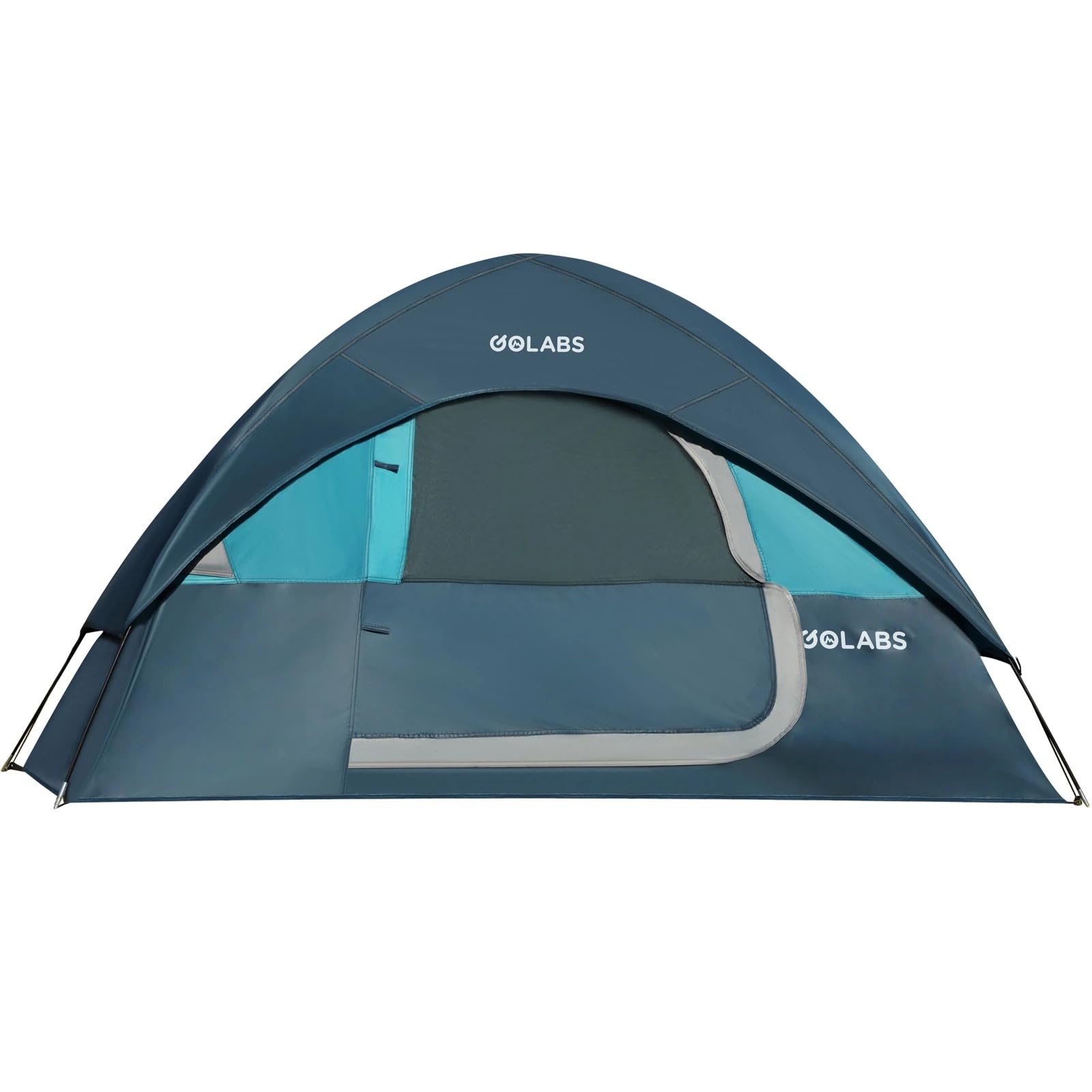
The GOLABS CT1 is the most balanced choice for a buyer who wants a small, recognizable dome-tent layout without paying for specialized four-season materials. Shock-corded poles and a freestanding structure make campsite positioning straightforward, while the mesh roof gives you useful airflow in mild conditions and an open view when the rainfly is removed.
Its interior is better viewed as comfortable for one camper with equipment or workable for two people packing lightly. The fiberglass poles and moderate rain specification make it better suited to ordinary campground weather than exposed ridgelines or sustained severe storms.
Best for
Beginner camping, weekends, festivals, fair-weather trips, and solo campers who want space for equipment.
Avoid if
You need an ultralight shelter, aluminum poles, winter-storm protection, or generous room for two adults and full-size packs.
Key Benefits
- Simple freestanding dome layout that is familiar to new campers
- Mesh roof and door support ventilation in warm conditions
- Separate rainfly provides more flexibility than a fully single-skin design
- Interior pockets and a ceiling hook organize small equipment
- Manageable size for car camping and short-distance carrying
Historical Review Snapshot
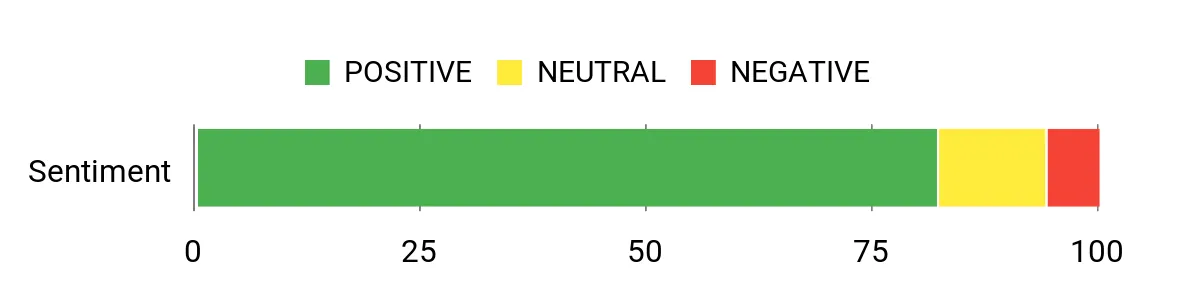
The source article summarized generally positive themes around setup, ventilation, and portability, with cautions about flexible fiberglass poles and using a separate groundsheet. The chart below is a historical source snapshot and may not reflect current Amazon feedback.
Ease of Use
| Feature | Practical Assessment |
|---|---|
| Setup | Easy after one practice pitch |
| Takedown | Straightforward conventional-pole process |
| Packing | Compact enough for a trunk or short approach |
| Weather preparation | Use every guy point and consider stronger stakes |

The Night Cat Backpacking Tent solves a simple problem: it gives a solo camper an enclosed shelter and usable gear space without the price of a specialized ultralight tent. Its conventional sleeves and clips are easier to understand than trekking-pole geometries, making it approachable for occasional campers.
At about 4.4 pounds, it is portable but not genuinely ultralight. It makes the most sense for short hikes, bike or motorcycle trips, and compact car camping where affordability and a small storage bag matter more than minimizing every ounce.
Best for
Budget-minded solo campers, bike trips, weekend hikes, fishing trips, and keeping a compact backup tent in a vehicle.
Avoid if
You are building an ultralight long-distance kit or expect premium poles, stakes, zippers, and ventilation.
Key Benefits
- Conventional setup that is easy to learn before a trip
- Useful solo floor area with room for selected equipment
- Compact storage size compared with most car-camping tents
- Manufacturer-listed 3000 mm fabric specification
- Accessible entry price for occasional outdoor use
Historical Review Snapshot
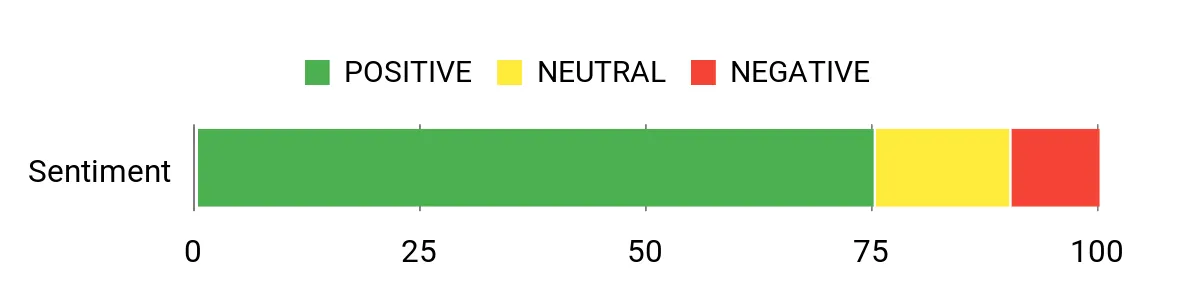
The source review summary emphasized easy pitching, compact storage, and useful solo room. It also identified factory stakes, occasional zipper or pole complaints, and limited comfort for two adults. The image below is a historical source snapshot rather than a live review measurement.
Ease of Use
| Feature | Practical Assessment |
|---|---|
| Setup | Easy conventional dome pitch |
| Takedown | Easy once the poles are fully separated |
| Packing | Compact, though heavier than ultralight alternatives |
| Suggested upgrade | Stronger stakes and a correctly sized footprint |

The Stella is the most technically focused shelter in this roundup. Its aluminum pole structure, full outer layer, multiple guy points, and four-season-oriented design give it a stronger foundation for cool, windy, and unsettled conditions than the inexpensive fiberglass-pole tents.
The interior can nominally accommodate two sleepers, but it will be more comfortable for one person with equipment or two people who store most gear outside the sleeping area. The manufacturer notes that the floor is relatively thin and recommends a matching footprint, so factor that accessory into your decision if you regularly camp on abrasive ground.
Important: A four-season label does not make any tent automatically suitable for extreme alpine storms, heavy snow loading, or hazardous forecasts. Choose campsites conservatively and follow manufacturer limitations.
Best for
Cool-weather trips, motorcycle touring, solo camping with equipment, and buyers prioritizing aluminum poles and full-coverage construction.
Avoid if
You want the least expensive option, a roomy true two-person interior, or an ultralight shelter for high-mileage travel.
Key Benefits
- Aluminum poles and multiple guy points support a more stable pitch
- Double-wall construction offers better condensation management than basic single-skin tents
- Front and rear entrances improve access for two sleepers
- Approximately 3000 mm manufacturer-listed water resistance
- Compact enough for motorcycles, backpacks, and vehicle storage
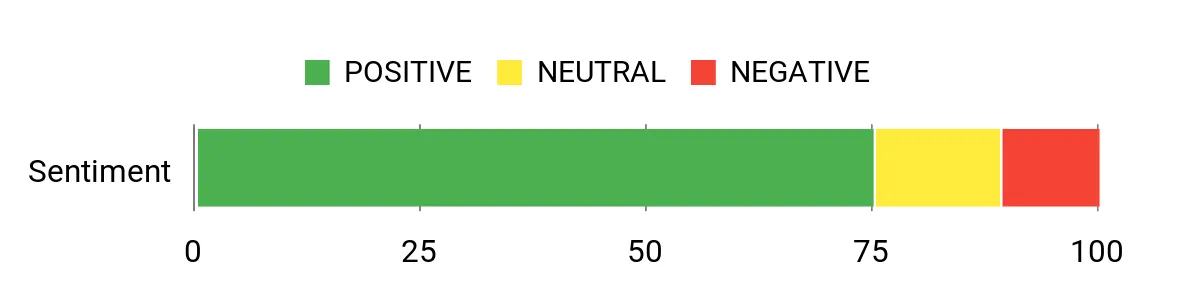
Historical Review Snapshot
The source article highlighted easy solo pitching, wind resistance, and compact storage. Recurring cautions included the thin floor and limited room for two tall campers with wide pads. The image below is preserved as a historical source snapshot.
Ease of Use
| Feature | Practical Assessment |
|---|---|
| Setup | Straightforward crossed-pole dome |
| Takedown | Moderate because the inner and outer layers must be handled separately |
| Packing | Compact but not ultralight |
| Suggested upgrade | Dedicated footprint for floor protection |

The camppal is designed for a buyer who wants a discreet solo sleeping shelter rather than a roomy place to sit and socialize. Its low profile can reduce the amount of fabric exposed to wind, while the bathtub floor and higher manufacturer-listed water specification make it appealing for wet forecasts.
The trade-off is interior comfort. Taller campers should verify the current erected dimensions carefully, and the enclosed design may require deliberate vent management in humid conditions. Marketplace dimension and weight metadata for this model is inconsistent, so check the live listing rather than relying on copied figures.
Best for
Solo camping, kayak or motorcycle storage, low-profile camps, and buyers prioritizing rain-focused specifications.
Avoid if
You are tall, want generous sitting room, dislike enclosed shelters, or regularly camp in hot and humid weather.
Key Benefits
- Low-profile shape intended for one sleeper
- Single aluminum ridge pole simplifies the basic structure
- Bathtub-style floor helps limit splash from surrounding ground
- Manufacturer-listed 4000 mm fabric specification
- Slim package suited to compact transport methods
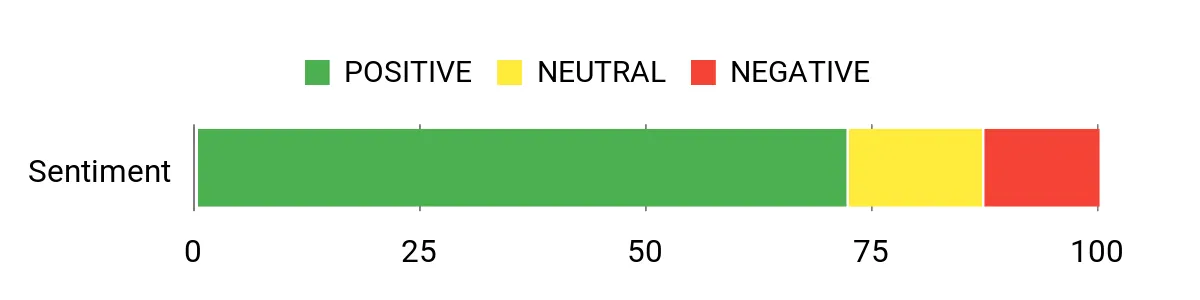
Historical Review Snapshot
The source article summarized positive themes around solo setup and rain protection, with recurring cautions about limited room and condensation in humid locations. The chart below is a historical source image and should not be treated as current review data.
Ease of Use
| Feature | Practical Assessment |
|---|---|
| Setup | Simple single-ridge-pole process |
| Takedown | Moderate when wet because the fly should be dried separately |
| Packing | Slim and transport-friendly |
| Ventilation | Requires active vent management in humid weather |

The UNP is a practical small dome for buyers who want familiar setup, ample mesh, and enough floor room for a solo camper to spread out. It can accommodate two adults, but the experience will be more comfortable when packs and footwear are stored strategically.
This is not an all-season technical tent. Its fiberglass or fiber-reinforced polymer poles and modest fabric specification suit normal campground use better than high winds, snow loading, or prolonged exposed conditions. Its approximately five-pound packed weight is manageable for short carries but less attractive for high-mileage backpacking.
Best for
Solo campers wanting extra floor room, compact car camping, RV storage, and mild-weather weekend trips.
Avoid if
You require aluminum poles, winter performance, ultralight weight, or generous equipment storage for two people.
Key Benefits
- Freestanding design makes campsite positioning easier
- Large mesh areas support warm-weather airflow
- Useful solo room without moving to a large family tent
- Narrow carry bag fits conveniently in vehicle storage
- Separate rainfly can be removed for ventilation in clear conditions
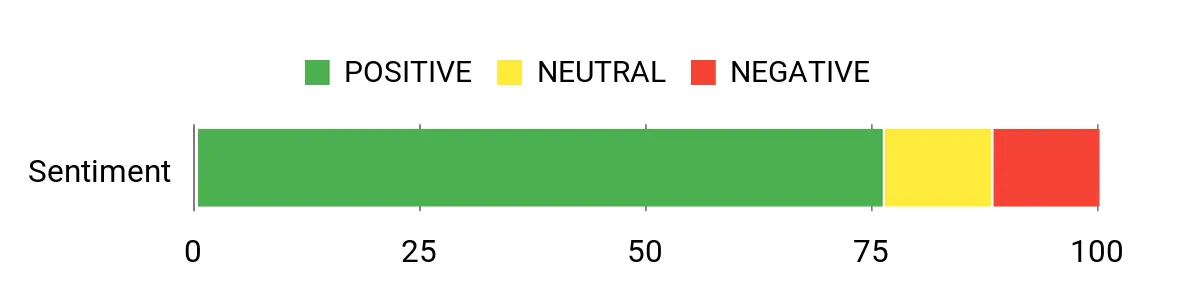
Historical Review Snapshot
The source article summarized praise for easy solo setup, ventilation, and compact storage. Reported limitations centered on factory stakes, zipper snags, and tight capacity for two adults with equipment. The image is retained as a historical source snapshot.
Ease of Use
| Feature | Practical Assessment |
|---|---|
| Setup | Easy freestanding dome pitch |
| Takedown | Straightforward after separating fly and body |
| Packing | Convenient narrow carry bag |
| Suggested upgrade | Stronger stakes for sand or exposed campsites |

This model is designed for the camper who dislikes assembling poles. Once removed from its bag and released correctly, the integrated frame opens almost immediately, making it useful when you arrive late, need shelter quickly, or plan only a brief overnight stay.
The important limitation is its packed shape. Pop-up tents fold into a broad, flat package rather than a narrow backpacking bundle. That makes this model better for a vehicle, festival wagon, cot setup, or easy-access campsite than a conventional backpacking trip. Folding also requires a figure-eight technique that should be practiced at home.
Best for
Festivals, cot camping, beach trips, quick car-camping nights, and buyers with limited interest in pole assembly.
Avoid if
You need a narrow backpack-compatible package, substantial gear storage, strong storm performance, or generous sitting height.
Key Benefits
- Integrated frame opens in seconds
- Approximately 3.3-pound listed weight
- Long floor accommodates one adult sleeper
- Mesh openings provide basic airflow and insect protection
- Useful as a fast shelter for accessible campsites
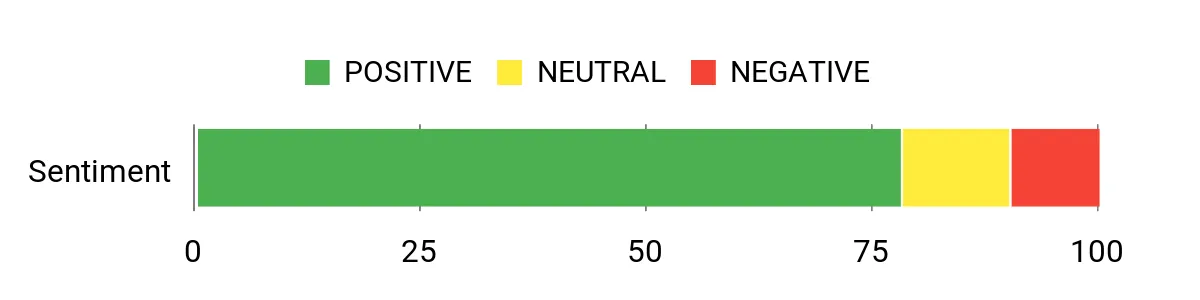
Historical Review Snapshot
The source article summarized enthusiasm for instant opening and solo room, with recurring cautions about condensation, limited equipment space, factory stakes, and the folding technique. The chart below is a historical source snapshot.
Ease of Use
| Feature | Practical Assessment |
|---|---|
| Opening | Almost immediate |
| Staking | Simple but still necessary in wind |
| Folding | Moderate learning curve |
| Transport | Light but broad and awkward for trail packs |

The two-person Night Cat pop-up gives instant-tent buyers substantially more sleeping space than the solo model. It is useful for couples, a parent and child, or a solo camper who wants to bring equipment inside without arranging everything around a narrow sleeping pad.
Its approximately 6.6-pound weight is reasonable for car camping, but the large circular carry bag is the defining limitation. This is not a sensible choice for ordinary backpacking, and it may also be awkward in a small motorcycle pannier or crowded public transport. Treat it as a convenient accessible-campsite shelter.
Best for
Car camping, festivals, backyard sleepouts, beach days, couples, and solo campers prioritizing interior room.
Avoid if
You need a compact trail package, aluminum poles, severe-weather protection, or effortless folding without practice.
Key Benefits
- Integrated frame provides near-instant opening
- Wider floor offers more room than the solo pop-up
- Two doors and mesh sections improve access and airflow
- Useful for couples or one camper with substantial equipment
- Flat package stores conveniently against a vehicle cargo area wall
Historical Review Snapshot
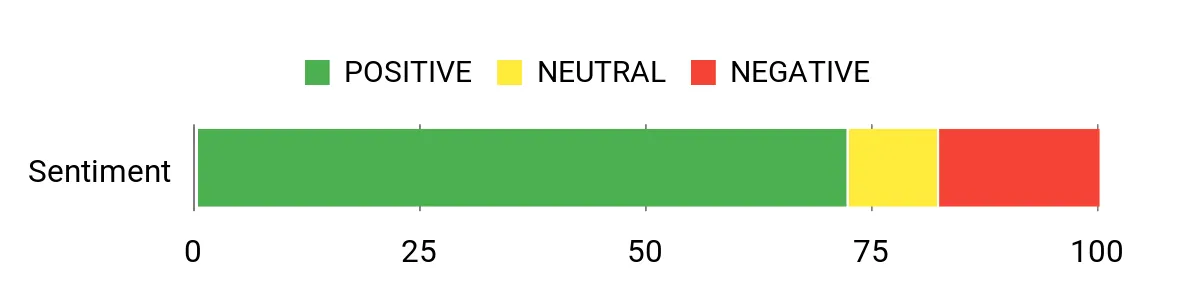
The source article summarized praise for fast opening and floor space, with concerns about downpour performance, folding, and lightweight factory stakes. The chart below is a historical source snapshot and not live Amazon data.
Ease of Use
| Feature | Practical Assessment |
|---|---|
| Opening | Almost immediate |
| Staking and guying | Easy but important for stability |
| Folding | Requires practice with the figure-eight method |
| Transport | Best in a car because of the large circular bag |
Small Tent Comparison
| Product | Image | Capacity | Listed Water Resistance | Approx. Weight | Erected Size or Form | Best Use | Amazon |
|---|---|---|---|---|---|---|---|
| GOLABS CT1 2-Person Tent |
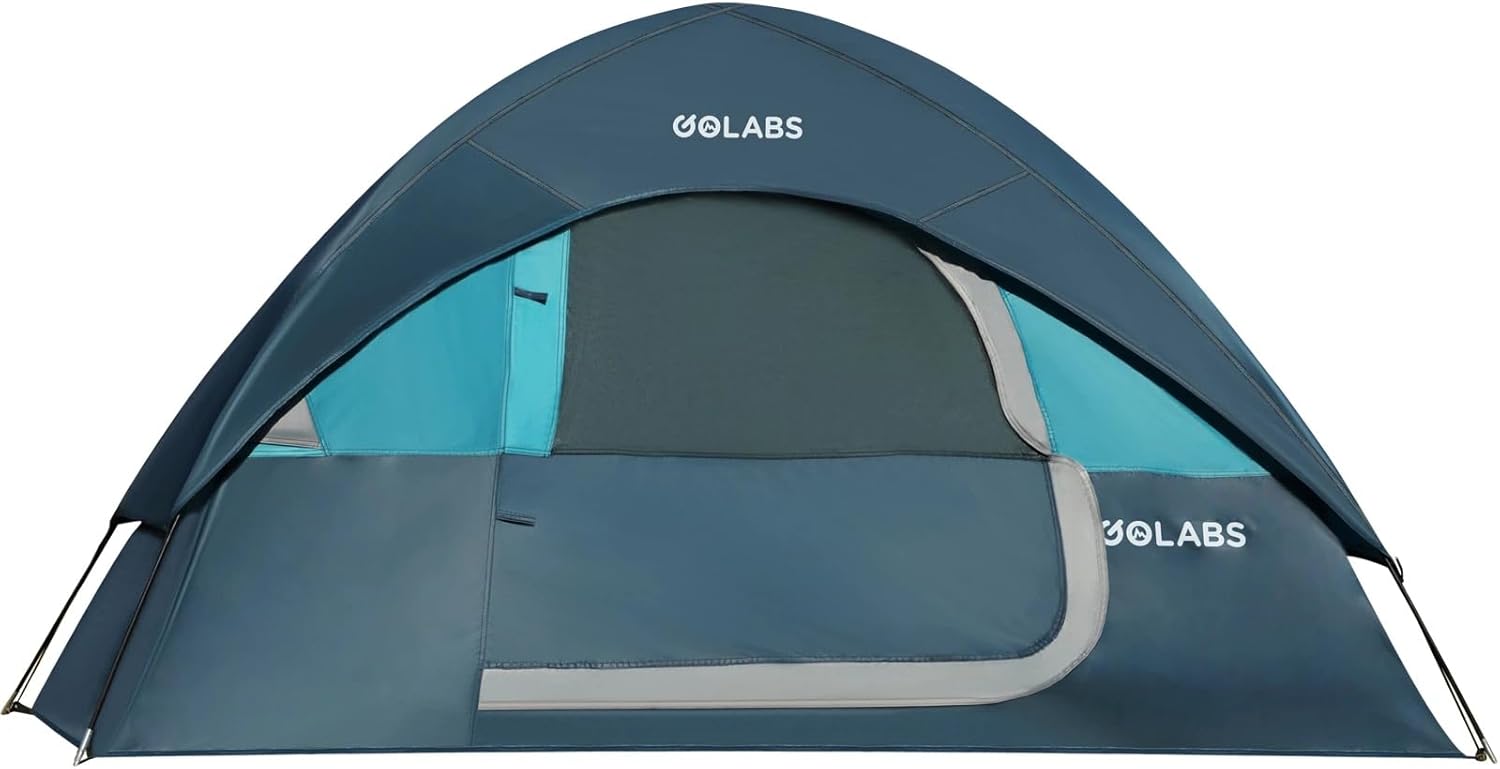 |
2-person maximum; roomier for one plus gear | 1500 mm | About 4.4 lb | About 83.5 x 59.8 x 45.7 in | Beginner and weekend camping | Check Details |
| Night Cat Backpacking Tent for One |
 |
1 person | 3000 mm | About 4.4 lb | About 7.2 x 4 x 4 ft | Budget solo trips and short carries | Check Details |
| OneTigris Stella 4-Season Tent |
 |
2-person maximum; ideal for one plus gear | 3000 mm | About 2 kg | About 6.9 x 4.1 x 3.7 ft | Cooler weather and premium compact camping | Check Details |
| camppal 1-Person Tent |
 |
1 person | 4000 mm | Verify current listing | Long, low-profile form | Solo wet-weather-oriented trips | Check Details |
| UNP 2-Person Camping Tent |
 |
2-person maximum; comfortable solo | 1500 mm | About 4.8–5.1 lb | About 7 x 5 x 45 in | Casual three-season camping | Check Details |
| Night Cat Pop-Up Tent: 1 Person |
 |
1 person | 2000 mm | About 3.3 lb | About 92.5 x 39 x 35.5 in | Instant solo setup near a vehicle | Check Details |
| Night Cat Pop-Up Tent: 2 Person |
 |
2 people | 2000 mm | About 6.6 lb | About 112 x 79 x 47 in | Roomy instant car camping | Check Details |
How to Choose the Right Small Tent
Start With How You Will Transport It
Weight alone does not determine portability. Conventional dome tents generally pack into a narrow cylinder that can be strapped to a backpack, bicycle, or motorcycle. Pop-up tents may weigh less but fold into a much wider disc. Measure your trunk, storage compartment, or luggage space before choosing an instant model.
Choose Realistic Sleeping Capacity
A one-person tent is designed around one sleeping pad and limited equipment. A two-person tent usually describes the number of pads that fit on the floor, not the number of people who can sleep with large packs, boots, and clothing spread around them. Solo campers often choose a two-person model for comfort.
Compare Three-Season and Four-Season Designs Carefully
Three-season tents are generally intended for spring, summer, and fall use in ordinary campground conditions. Four-season-oriented tents use structures and fabrics intended to handle colder and windier environments, but the label does not guarantee safety during extreme winds, deep snow, or alpine storms.
Understand Waterproof Ratings
A hydrostatic-head figure describes laboratory resistance of a fabric sample. It does not account for every seam, zipper, vent, floor puncture, aging coating, or pitching mistake. Full rainfly coverage, taped or sealed seams, a bathtub floor, good drainage, and correct tension remain important.
Plan for Condensation
Moisture inside a tent is not always a leak. Breath, damp clothing, humid air, and cold outer fabric can create condensation. Use vents, keep wet equipment away from the walls, and avoid blocking mesh panels. Double-wall shelters generally provide more separation between the sleeper and condensed moisture.
Inspect Stakes, Guylines, and the Floor
Budget tents often include lightweight stakes intended for ordinary soil. Stronger stakes may be useful in sand, hard ground, or exposed locations. A footprint can reduce abrasion, but it should not extend beyond the tent floor because exposed material can collect rainwater underneath the shelter.
Safety note: Keep stoves, heaters, candles, and open flames away from tent fabric. Do not cook in a closed sleeping tent. Check local fire restrictions, ventilation requirements, weather alerts, and manufacturer instructions before every trip.
A small tent should never be your only protection when severe weather is forecast. Change campsites or postpone the trip when conditions exceed the shelter’s intended use.
FAQ
What Size Tent Is Best for One Person and a Backpack?
A roomy one-person tent can work when your equipment is compact or a vestibule is available. A small two-person tent is usually more comfortable when you want to bring a full pack, boots, and clothing inside. Compare floor width and vestibule space rather than relying only on the occupancy label.
Are Pop-Up Tents Good for Backpacking?
Most disc-style pop-up tents are inconvenient for conventional backpacking because their folded diameter is wide and difficult to attach securely to a trail pack. They are better suited to car camping, festivals, beaches, and campsites close to parking. A conventional pole tent is usually easier to carry over distance.
Is a 1500 mm Tent Waterproof Enough?
A properly pitched 1500 mm tent can be suitable for ordinary three-season camping and intermittent rain, but the rating alone does not guarantee performance. Fly coverage, seam treatment, floor construction, drainage, staking, and fabric condition all matter. Choose a more protective design when sustained rain or exposed wind is likely.
Is a Two-Person Tent Comfortable for Two Adults?
It can be, but many compact two-person tents fit two sleeping pads with little remaining floor space. Check the internal width against your pad dimensions and determine where footwear and packs will go. Couples wanting more comfort may prefer a three-person model, although none is included in this compact-tent roundup.
Do I Need a Footprint?
A footprint is useful on abrasive, rocky, damp, or dirty ground. It can extend floor life and simplify cleaning. Cut or fold it so no material extends beyond the tent floor, since exposed edges can channel rain underneath the shelter.
How Can I Reduce Condensation?
Open protected vents, use mesh panels when conditions allow, avoid pressing bedding against the walls, and keep wet clothing outside the sleeping compartment when possible. Campsites near water, in low depressions, or under dense vegetation may be more humid than open, well-drained locations.
Should I Seam-Seal a New Tent?
Check the manufacturer’s instructions first. Some tents arrive with taped seams, while others may benefit from compatible seam sealer. Use only a product suited to the tent’s coating and test it on a small area before treating the entire shelter.
What Campers Commonly Prioritize
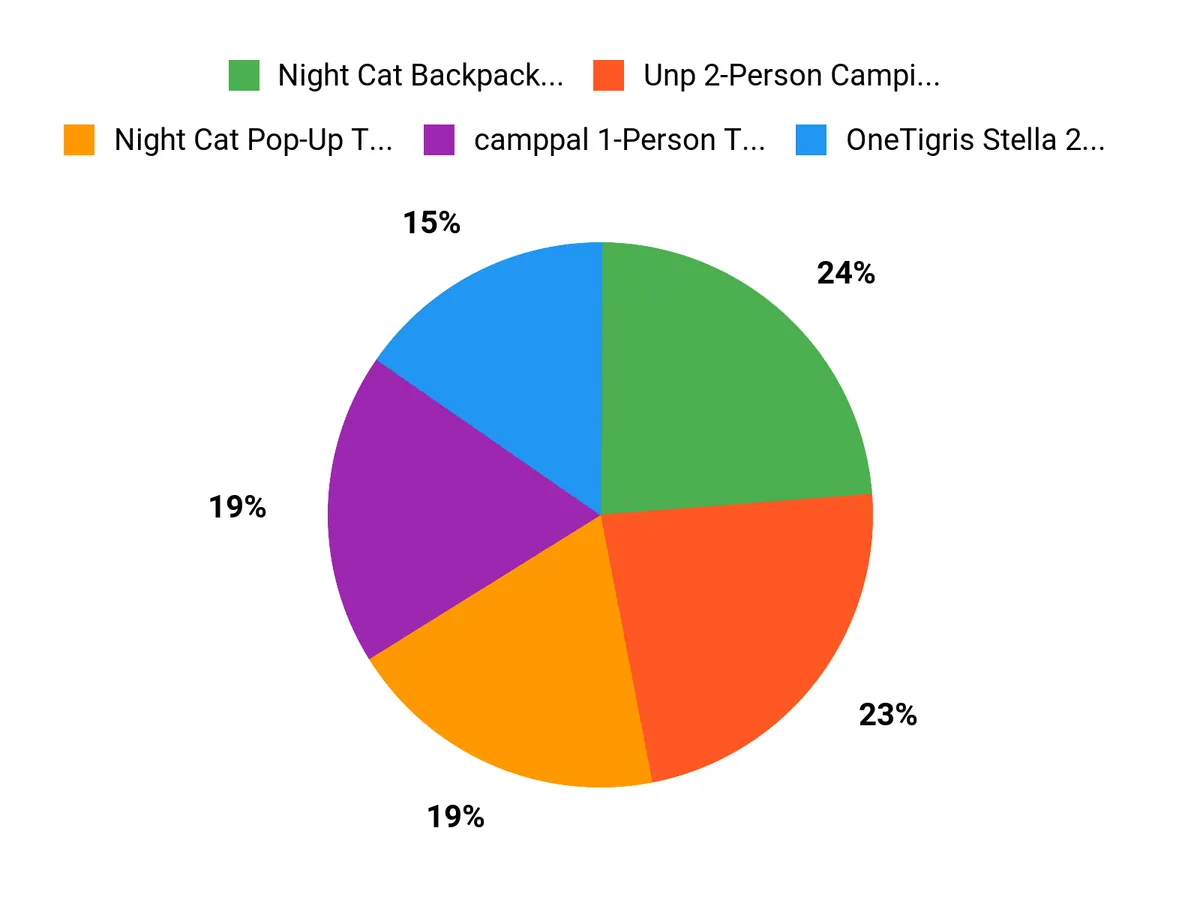
The three Night Cat models illustrate the main decision clearly. The conventional backpacking tent is easier to carry in a narrow package and offers more familiar long-term storage. The solo pop-up prioritizes immediate setup, while the two-person pop-up adds floor space but requires the largest carry area.
The following protected image is a historical source visualization. It should be treated as an illustration of the original article’s comparison themes, not as current survey or live sales data.
Final Recommendations
Choose the GOLABS CT1 when you want an approachable, ventilated three-season dome for beginner trips and compact car camping.
Choose the Night Cat Backpacking Tent when low purchase cost, a narrow package, and solo room matter more than ultralight weight or premium components.
Choose the OneTigris Stella when stronger materials, aluminum poles, and four-season-oriented construction justify the higher cost.
Choose the camppal 1P when you prefer a low-profile solo shelter and are willing to trade headroom for a weather-focused design.
Choose the UNP 2-Person Tent when you want a familiar, airy dome for ordinary three-season campground use.
Choose a Night Cat pop-up model when instant opening is your top priority and you have a vehicle or another practical way to carry the broad folded tent.
No small tent eliminates the need for careful site selection, correct staking, ventilation, and weather judgment. Confirm the live product specifications before ordering, practice the complete setup and takedown at home, and choose the shelter whose limitations fit the way you actually travel.
This roundup is reader-supported. When you click through qualifying links, we may earn a referral commission. Product specifications and availability can change without notice.