
Affiliate disclosure:. As an Amazon Associate I earn from qualifying purchases. This roundup is reader-supported. When you click an Amazon link, we may earn a commission from qualifying purchases at no additional cost to you.
You want a solo shelter that keeps you dry, packs reasonably small, and matches the way you camp. This guide compares five lightweight one-person and solo-focused tents for backpacking, motorcycle camping, festivals, and short outdoor trips, with close attention to packed weight, waterproofing, setup, ventilation, interior space, and honest limitations.
The quickest choice is the Clostnature 1-Person Tent for a balanced three-season setup, the Night Cat for a lower-cost and fast-pitch option, or the Naturehike Cloud-Up when compact packed size matters most. Remember that “ultralight” is a marketing term rather than a universal standard, so compare the actual carried weight instead of relying on the label alone.
Quick Verdict
Best overall: Clostnature for its solo dimensions, aluminum poles, vestibule, and strong listed water-resistance specification. Best budget: Night Cat for simple setup and generous floor width. Best compact choice: Naturehike Cloud-Up for its small packed size and included footprint. Best sturdier option: MC TOMOUNT when you accept a heavier carry and slower setup for a more substantial floor and frame.
Top Picks
|
Category |
Product |
Best For |
|---|---|---|
|
💰 Best Budget |
Low-cost solo camping, festivals, and fast setup |
|
|
🏆 Best Overall |
Three-season solo backpacking with a vestibule and aluminum poles |
|
|
🎯 Best Alternative |
A compact 1/2-person listing for general three-season camping |
|
|
🚀 Best Compact Pick |
Small packed size, included footprint, and solo three-season trips |
|
|
🔰 Most Substantial |
Campers who value a reinforced floor and roomier solo dimensions over minimum weight |
How We Picked These Tents
We compared each shelter using the factors that matter most to solo campers: total carried weight, packed size, floor dimensions, pole material, rainfly and floor construction, ventilation, vestibule storage, setup complexity, and whether the selected listing is actually intended for one person. We also considered recurring buyer-feedback themes, but did not use changing star ratings or review counts as ranking criteria.
This is a specification-and-use-case comparison rather than a claim of hands-on testing. Product details can vary by size, color, and listing revision, so confirm the selected variant and included accessories on Amazon before ordering.
Before You Buy
- Compare total weight, not only minimum trail weight. Stakes, guylines, the footprint, and the carry bag add weight.
- Check floor width and length. Your sleeping pad, height, and indoor gear-storage needs matter more than the occupancy label.
- Treat season ratings cautiously. A seller’s “4-season” label does not automatically make a budget tent suitable for exposed alpine storms or heavy snow loads.
- Plan for condensation. Use vents, maintain an air gap between the inner and fly, and avoid pressing sleeping gear against wet tent walls.
- Inspect the exact variant. Materials, pole sets, footprints, dimensions, and accessories may change between sizes or colors.

The Night Cat solves a straightforward problem: you need an inexpensive solo shelter that can be pitched quickly without a complicated clip-and-hub system. Its wide floor gives one adult room for a sleeping pad and some gear, while the large mesh door and roof vent help move air through the single-wall interior.
The tradeoff is weight and construction. At about 4.4 pounds, it is lightweight enough for short backpacking or motorcycle trips but not especially light compared with more specialized solo shelters. Fiberglass poles also require more care than aluminum, and a single-layer design can be more condensation-prone when ventilation is restricted.
What People Say
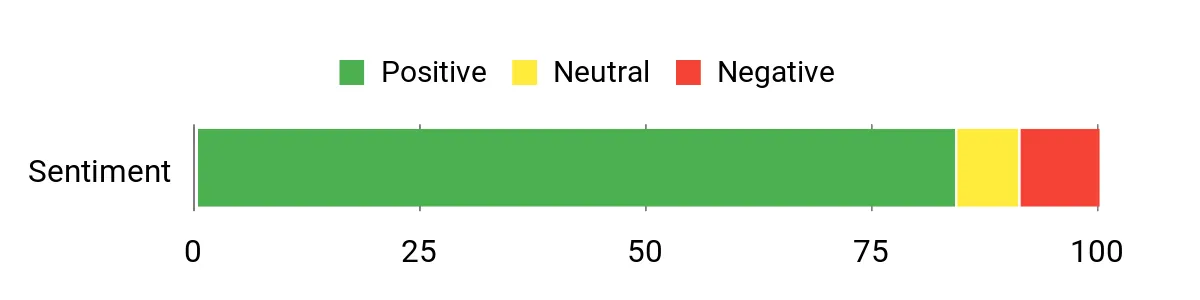
Recurring feedback themes emphasize quick setup, generous solo space, compact storage, and good rain resistance for the price. The most common cautions involve the fiberglass poles, basic stakes, and condensation management.
Recurring Feedback Trend: Mostly positive
Ease of Use
|
Feature |
Practical Take |
|---|---|
|
Setup |
Very easy; seller lists about 1–2 minutes after practice |
|
Packed Size |
Compact at approximately 16.5 × 4.7 × 4.7 inches |
|
Pole Material |
Fiberglass; handle carefully and avoid forcing sections |
|
Ventilation |
Mesh door and roof vent, but single-wall condensation still needs attention |
Who Should Buy This?
Choose it for festivals, scout trips, motorcycle camping, backyard use, or shorter backpacking routes where price and quick setup matter more than minimum weight. Skip it for long-distance hiking or exposed winter travel where stronger poles, lower weight, and a double-wall design are higher priorities.
Key Benefits
- Wide solo floor with room for a sleeping pad and small gear
- Fast two-pole sleeve setup
- Listed PU 3000 mm water resistance with taped seams
- Compact packed shape for car, motorcycle, and short-trail use
- Clear value for occasional campers who do not need premium materials
Check Product Details on Amazon

The Clostnature is the most balanced choice in this group for typical three-season solo trips. The aluminum pole frame, full rainfly, bathtub-style floor, mesh inner, and side vestibule address the main concerns backpackers have: rain protection, ventilation, straightforward pitching, and somewhere to keep wet shoes or a small pack outside the sleeping area.
Its 31.88-inch floor width is much narrower than the Night Cat, so broad sleeping pads and taller users should check fit carefully. Also note the difference between the advertised minimum trail weight and the total packed weight; carrying the stakes, guylines, repair sleeve, and bag brings the load closer to the full listed figure.
What People Say
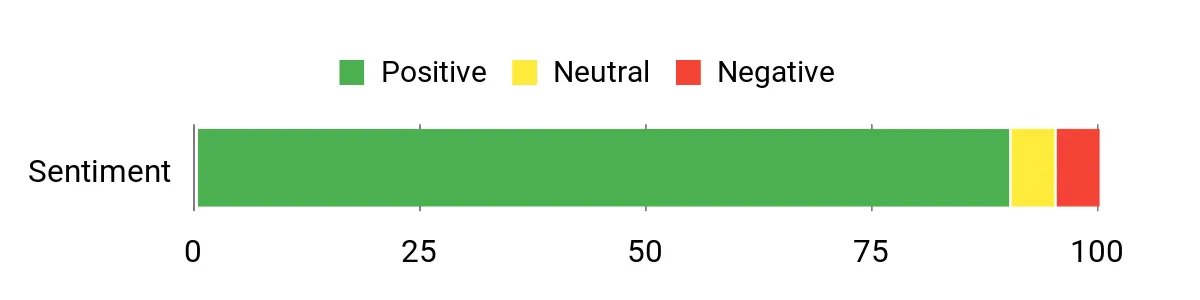
Recurring feedback themes focus on easy setup, compact packing, strong rainfly coverage, and useful vestibule storage. Common cautions include modest interior width, basic stakes, and occasional quality-control issues.
Recurring Feedback Trend: Mostly positive
Ease of Use
|
Feature |
Practical Take |
|---|---|
|
Setup |
Easy freestanding pitch with two aluminum poles |
|
Packed Size |
Very compact at approximately 15 × 5.1 × 5.1 inches |
|
Interior Fit |
Solo-sized; check the 86.6 × 31.88-inch floor against your pad and height |
|
Storage |
Side vestibule and interior pockets keep small gear organized |
Who Should Buy This?
Choose it for weekend backpacking, bikepacking, kayaking, and general three-season solo camping when you want a conventional double-wall design at a moderate carried weight. Skip it if you need a wide interior, true sub-3-pound packed weight, or a shelter specifically engineered for severe winter conditions.
Key Benefits
- Solo-specific dimensions and a freestanding two-pole frame
- Listed PU 5000 mm rainfly and bathtub floor
- Mesh inner and adjustable ventilation
- Useful vestibule for shoes and compact gear
- Emergency pole repair sleeve and a listed one-year material/workmanship guarantee
Check Current Amazon Availability

The Underwood Aggregator can fit the article as a solo-focused alternative, but it should not be presented as the default winter choice. The accessible listing language positions it as a three-season 1/2-person backpacking tent, so the safer use case is ordinary hiking, motorcycle camping, festivals, and short fair-weather or shoulder-season trips.
Because seller listings can combine multiple capacities and revisions, verify the selected variant rather than assuming that dimensions or accessories from another size apply. This is especially important for floor width, total weight, rainfly coverage, and whether a footprint or repair sleeve is included.
What People Say
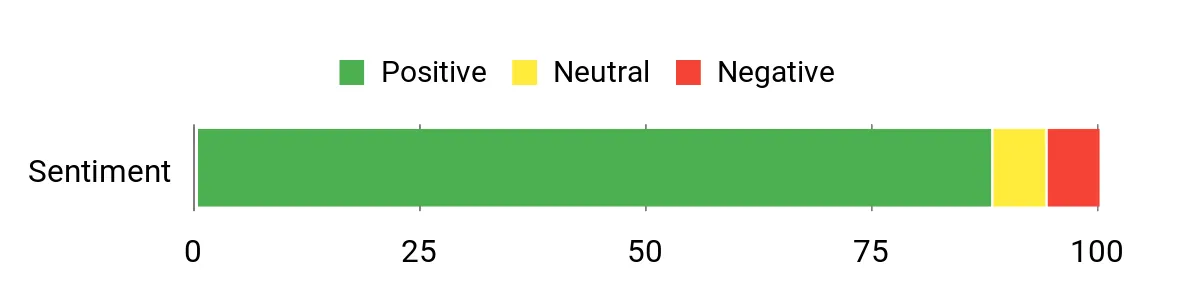
Recurring feedback themes in the source emphasize portability, straightforward setup, vestibule usefulness, and weather protection. Common cautions include a snug fit for taller users, condensation, and occasional zipper or pole-stress concerns.
Recurring Feedback Trend: Mostly positive, with variant verification needed
Ease of Use
|
Feature |
Practical Take |
|---|---|
|
Setup |
Seller positions it as easy to set up; practice before relying on it in poor weather |
|
Capacity |
Choose the solo/1-person variant and confirm floor measurements |
|
Weather Use |
Best treated as a three-season shelter, not a heavy-snow tent |
|
Accessories |
Verify stakes, guylines, footprint, and repair items in the selected listing |
Who Should Buy This?
Consider it when you want another compact solo option and are comfortable checking the exact variant details before ordering. Skip it when you need fully verified dimensions, a confirmed low trail weight, or proven protection for exposed winter and alpine use.
Key Benefits
- Solo-focused 1/2-person listing
- Compact design for hiking, motorcycle camping, and short trips
- Freestanding-style convenience and external gear-storage potential
- Useful alternative when the exact selected variant matches your dimensions
- Honest three-season positioning avoids overstating severe-weather capability
Verify the Selected Variant on Amazon
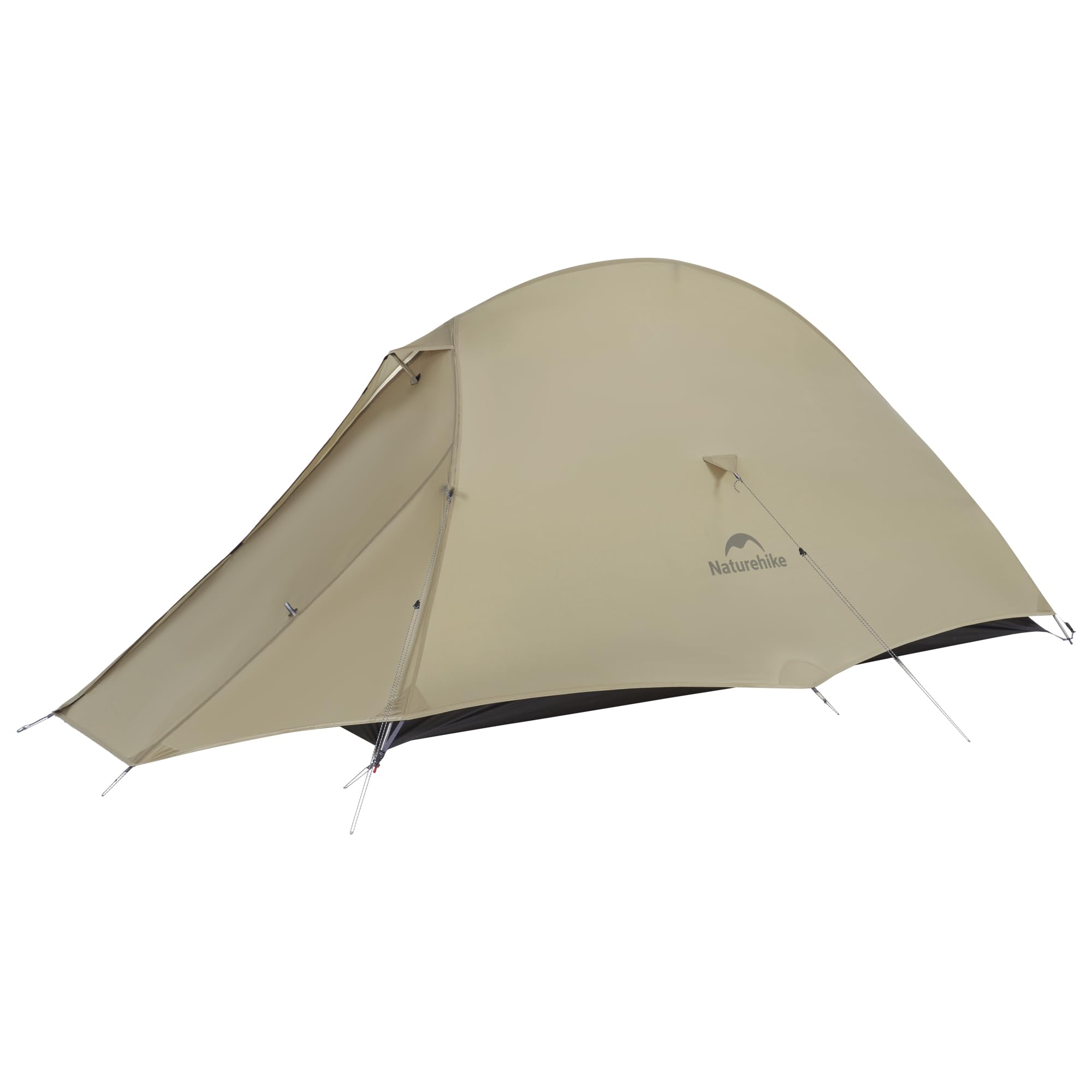
The Cloud-Up is the best fit here when packed volume matters. Its listed 15.3 × 5.1 × 5.1-inch packed size is easy to place inside or outside a backpack, and the included footprint means you do not have to source a matching groundsheet separately. The double-wall construction and high front vent are also more condensation-friendly than a basic single-wall dome.
The main limitation is its narrow 23.6-inch floor. That width can work with a narrow pad but leaves little room beside it, so larger campers and people who want gear inside should measure carefully. At 3.57 pounds, it is reasonably light for a freestanding package but should not be confused with the lightest trekking-pole shelters.
What People Say
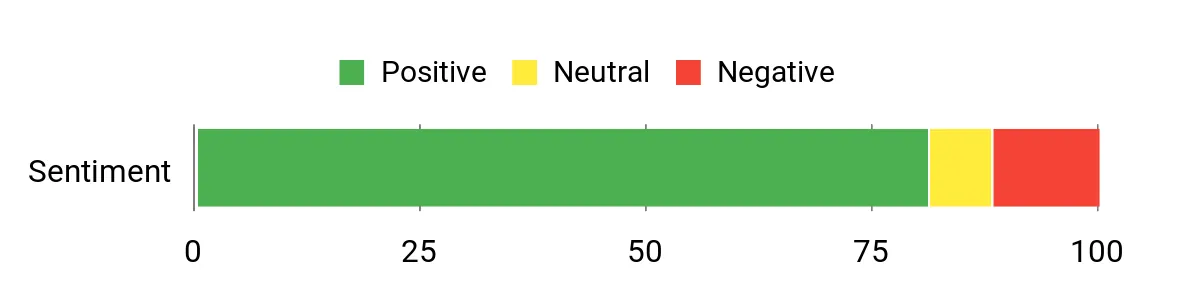
Recurring feedback themes include small packed size, simple pitching, useful rainfly coverage, and appreciation for the included footprint. Common cautions involve the narrow interior, short stakes, and occasional zipper fussiness.
Recurring Feedback Trend: Mostly positive
Ease of Use
|
Feature |
Practical Take |
|---|---|
|
Setup |
Conventional freestanding pitch; practice once before a trip |
|
Packed Size |
Very compact at approximately 15.3 × 5.1 × 5.1 inches |
|
Floor Width |
Narrow at 23.6 inches; pad compatibility is important |
|
Included Gear |
Rainfly, stakes, footprint, guylines, poles, and carry bag are listed |
Who Should Buy This?
Choose it for solo backpacking, cycling, and compact motorcycle luggage when your sleeping pad fits the narrow floor. Skip it if you are broad-shouldered, use a wide pad, want indoor pack storage, or need a shelter for severe winter exposure.
Key Benefits
- Compact packed size and moderate 3.57-pound total weight
- 20D silicone-coated nylon with a listed 4000 mm+ waterproof specification
- 7075 aluminum poles
- Included footprint and standard setup accessories
- Double-wall design and a high front vent for better airflow
Check Current Amazon Availability

The MC TOMOUNT is the roomiest and most substantial solo shelter in this comparison. Its approximately 39.4-inch floor width gives more breathing room than the narrower Clostnature and Naturehike options, while the reinforced floor is appealing for campers who worry about abrasion and damp ground.
That extra material comes with a cost: the tent weighs about 4.65 pounds, and the seller lists a setup time of roughly 10–15 minutes for a novice. It is marketed as a four-season tent, but that label should not be treated as proof that it can safely handle heavy snow, severe alpine wind, or prolonged winter exposure.
What People Say
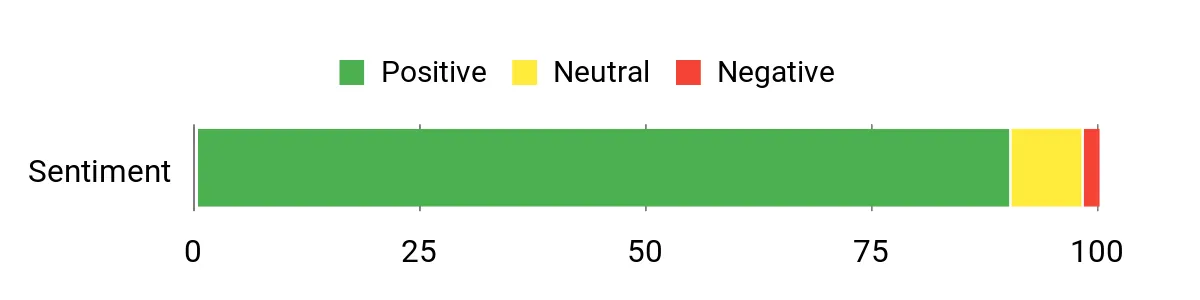
Recurring feedback themes emphasize the easy-to-understand frame, roomy solo interior, reinforced floor, and useful ventilation. Common cautions include the heavier packed weight, basic stakes, occasional zipper complaints, and poles that still require sensible handling.
Recurring Feedback Trend: Mostly positive
Ease of Use
|
Feature |
Practical Take |
|---|---|
|
Setup |
Seller lists approximately 10–15 minutes for a novice |
|
Total Weight |
About 4.65 pounds; better for shorter carries than weight-focused trips |
|
Interior Space |
Approximately 88.6 × 39.4 × 44.1 inches for the 1-person variant |
|
Ventilation |
Mesh inner and rear vent help manage condensation |
Who Should Buy This?
Choose it for weekend backpacking, festivals, car-to-trail camps, or emergency storage when you want a wider solo floor and reinforced ground fabric. Skip it for long-distance routes where every ounce matters or for serious winter objectives that require a purpose-built mountaineering shelter.
Key Benefits
- Wider solo floor than several compact competitors
- 7001 aluminum poles and reinforced 210D Oxford floor
- Double-wall design with a mesh inner and rear vent
- Freestanding structure that can be repositioned before staking
- Listed one-year warranty against defects
Check Product Details on Amazon
FAQ
How Do I Choose the Right Lightweight 1-Person Tent?
Start with the total carried weight, packed dimensions, and actual floor size. A low “minimum trail weight” may omit stakes, guylines, a footprint, or the storage bag, while a one-person occupancy label does not guarantee that your pad and gear will fit. Check floor length for your height, floor width for your pad, and peak height if sitting upright matters.
Then compare the frame and weather system. Aluminum poles generally offer a better strength-to-weight balance than fiberglass, while a full rainfly, bathtub floor, taped seams, and adjustable vents improve wet-weather performance. A vestibule is valuable because it keeps shoes and a small pack out of the sleeping area without leaving them fully exposed.
Are These Tents Truly Ultralight?
They are better described as lightweight or compact solo tents. In this comparison, listed total weights range from roughly 3.57 to 4.65 pounds for the products with verified figures. That can be reasonable for freestanding budget shelters, but hikers pursuing the lowest possible base weight may prefer a lighter trekking-pole or semi-freestanding design.
Will a Lightweight 1-Person Tent Keep Me Dry and Warm in Bad Weather?
A properly pitched tent with intact coatings, sealed seams, a full rainfly, and a bathtub floor can keep rain out, but no tent generates warmth. Use an appropriately rated sleeping bag and insulated pad, keep vents open when conditions allow, and avoid touching sleeping gear against damp walls.
Season labels require caution. A seller-labeled four-season tent may be suitable for cooler or windy camping without being engineered for heavy snow loading or exposed alpine storms. Stake and guy out the shelter correctly, choose a protected campsite, and use a purpose-built winter tent when conditions are severe.
How Can I Reduce Condensation in a Solo Tent?
Open the available vents, maintain separation between the inner tent and rainfly, avoid camping directly beside open water when alternatives exist, and keep wet clothing in the vestibule. Pitching on well-drained ground and orienting the shelter for airflow can also help. Some interior moisture is normal when warm breath meets a cold fly.
What Maintenance and Repair Steps Help a Tent Last Longer?
Dry the tent completely before storage, remove dirt gently, and store it loosely in a cool, dry place rather than leaving it compressed for months. Inspect seams, coating wear, pole ferrules, clips, and zipper tracks periodically. Carry repair tape, a pole sleeve, spare cord, and at least one stronger stake for difficult ground.
Practice pitching at home and never force a pole section or zipper. A footprint can reduce floor abrasion, but it should not extend beyond the tent floor where it could collect rainwater.
What Campers Prefer
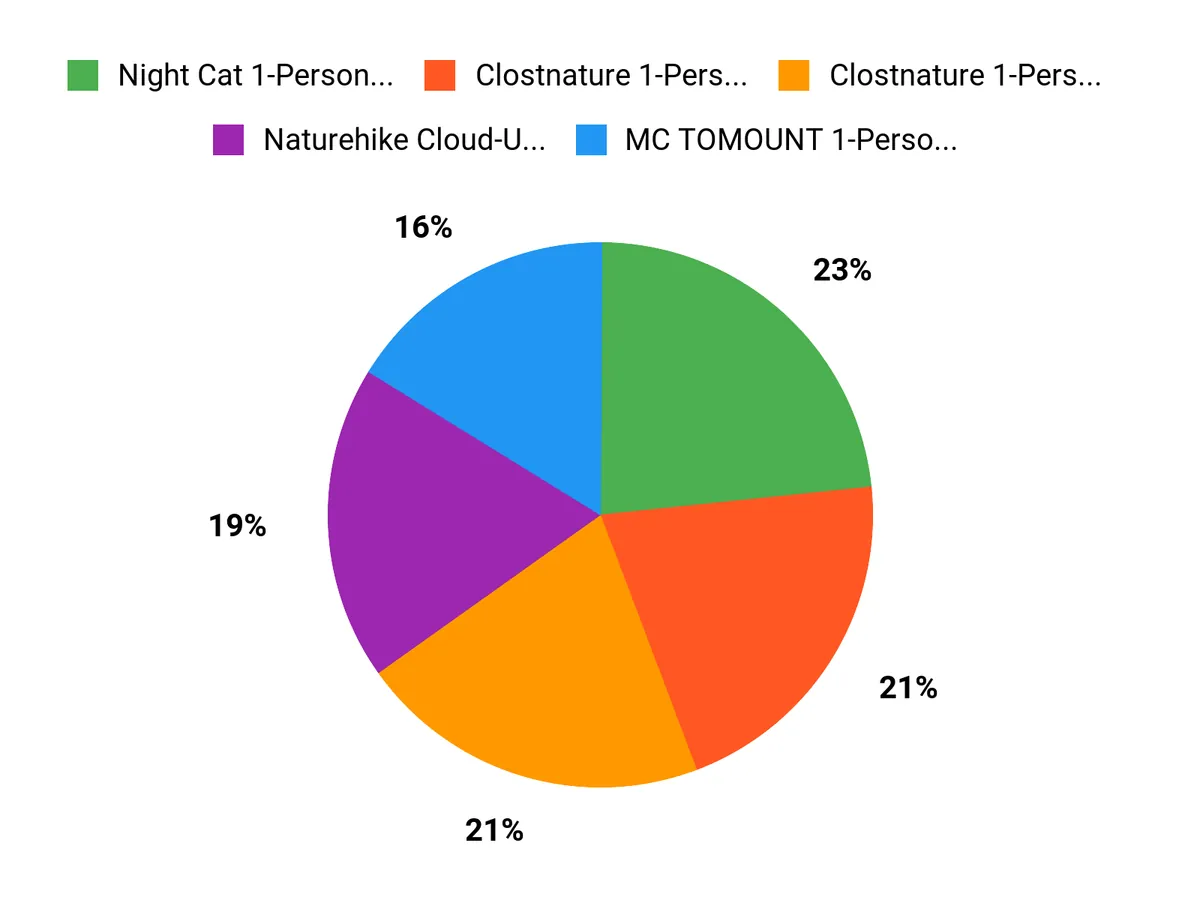
Most solo campers are balancing three competing priorities: lower carried weight, dependable weather protection, and enough interior space to sleep comfortably. The Night Cat favors price and width, the Clostnature offers the strongest all-around three-season balance, the Naturehike prioritizes compact packing, the MC TOMOUNT favors floor space and more substantial materials, and the Underwood works best as a carefully verified alternative.
Wrapping Up
For the clearest all-around solo recommendation, choose the Clostnature 1-Person Tent if its narrow floor fits your sleeping pad. Choose the Night Cat when budget, floor width, and fast setup matter more than minimum weight, or the Naturehike Cloud-Up when compact packing and an included footprint are the deciding factors.
The MC TOMOUNT is the better fit for campers who want a wider interior and reinforced floor and do not mind carrying more weight. The Underwood Aggregator remains a viable alternative only after you verify the exact selected variant, capacity, dimensions, and included accessories.
Final Recommendation
Match the tent to your real trip rather than the most aggressive marketing label. For most three-season solo campers, the Clostnature provides the best balance. For lower-cost occasional use, pick the Night Cat. For compact luggage, pick the Naturehike. Always confirm the exact Amazon variant before checkout.
| Product | Image | Best For | Listed Weight | Water Protection | Setup | Dimensions (L × W × H) | Amazon |
|---|---|---|---|---|---|---|---|
| Night Cat Backpacking Tent for One |
 |
Budget and fast setup | Approx. 4.4 lb (2 kg) | Listed PU 3000 mm; taped seams | Seller lists 1–2 minutes | 86.6″L × 47″W × 43″H | Check Amazon |
| Clostnature 1-Person Tent |
 |
Best overall three-season balance | 4 lb total; 2.97 lb minimum trail weight | Listed PU 5000 mm rainfly and bathtub floor | Quick two-pole freestanding pitch | 86.6″L × 31.88″W × 35.8″H | Check Amazon |
| Underwood Aggregator 1/2-Person Tent |
 |
Variant-checked compact alternative | Verify selected size | Seller describes waterproof construction; verify coating and seams | Verify selected listing | Verify selected size | Verify on Amazon |
| Naturehike Cloud-Up 1-Person Tent |
 |
Compact packing and included footprint | 3.57 lb | Listed 20D silicone-coated nylon, 4000 mm+ | Conventional freestanding pitch | 82.7″L × 23.6″W × 41.3″H | Check Amazon |
| MC TOMOUNT 1-Person Tent |
 |
Wider solo floor and reinforced ground fabric | Approx. 4.65 lb | PU-coated outer fabric and reinforced floor | Seller lists 10–15 minutes for a novice | Approx. 88.6″L × 39.4″W × 44.1″H | Check Amazon |