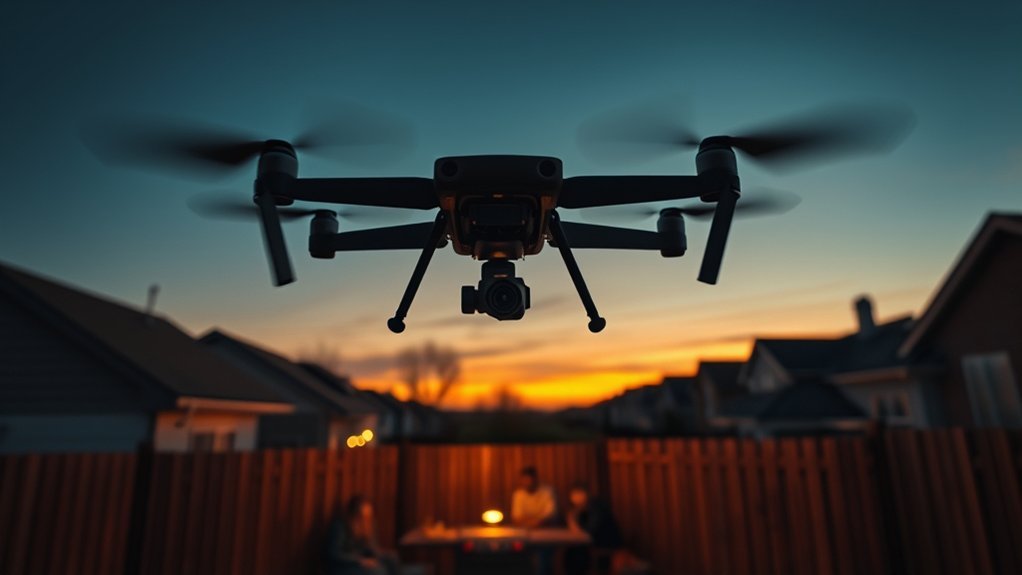
You might think that flying a drone is straightforward, but navigating privacy rules is often more complicated than getting the aircraft into the air. Before you capture photos or video, you need to understand both the FAA rules that govern flight safety and the state and local privacy laws that may limit where, when, and how you record. Knowing what counts as private space, when consent matters, and how to reduce accidental filming can help you avoid disputes, fines, lawsuits, and reputational damage.
Quick Answer
Drone privacy rules depend on where you fly, what you record, and whether people have a reasonable expectation of privacy. The FAA regulates airspace and operational safety, while state and local laws often control privacy, trespass, surveillance, and consent. For safe drone photography, get permission, avoid private spaces, plan flight paths carefully, and handle footage responsibly.
Key Takeaways
- The FAA controls drone flight safety, registration, Remote ID, airspace rules, and Part 107 commercial operations.
- Privacy rules usually come from state and local laws, not the FAA, so requirements can change by location.
- Homes, fenced yards, private events, windows, and indoor areas can involve a reasonable expectation of privacy.
- Consent is the safest approach when filming people, private property, or commercial projects near homes or businesses.
- Technology such as geofencing, flight planning apps, access controls, and encrypted storage can reduce privacy risks.
At a Glance
| Main Rule to Remember | Fly legally, avoid private spaces, and get consent before filming people or property where privacy is expected. |
| Who Regulates Flight | The FAA regulates U.S. airspace, drone registration, Part 107 certification, Remote ID, and operational safety. |
| Who Regulates Privacy | State and local laws often cover privacy, trespass, surveillance, harassment, nuisance, and consent. |
| Best Practice | Plan your shot, avoid unnecessary recording, ask permission, and store footage securely. |
Understanding Federal Aviation Administration (FAA) Regulations
When you operate a drone for commercial purposes, understanding Federal Aviation Administration Part 107 regulations is essential for safe and legal flight.
The FAA’s Part 107 rules generally require commercial drone pilots to hold a Remote Pilot Certificate. This certificate shows that you understand airspace, weather, flight restrictions, emergency procedures, and safe operating practices.
Under standard Part 107 rules, you must usually keep your drone below a maximum altitude of 400 feet above ground level, unless a specific rule or authorization allows otherwise. You must also keep the drone within visual line of sight, avoid careless or reckless operation, and follow airspace restrictions.
Most drones that require registration also need Remote ID, which broadcasts identification and location information during flight. This requirement improves accountability and helps authorities identify drones operating in shared airspace.
If your drone weighs more than 0.55 pounds, you generally need to register it with the FAA. That applies to many recreational and commercial drones, although exact requirements depend on how and where you fly.
However, FAA compliance does not automatically solve privacy concerns. The FAA focuses mainly on airspace and safety. You are still responsible for following state and local privacy laws when capturing images, video, audio, or other data.
Understanding this split is important. You may be allowed to fly in a certain area under FAA rules, but still create a privacy problem if you film people, homes, backyards, windows, or private events without permission.
Note: FAA rules answer whether you can operate the drone in the airspace. Privacy laws answer whether you can lawfully record, publish, or use the footage you capture.
Navigating State Privacy Laws
Navigating state privacy laws is vital for drone operators, because these rules can greatly influence your ability to capture images or videos. Each state may treat drone use differently, especially when the flight involves private property, surveillance, law enforcement, or people in private spaces.
For example, some states restrict unauthorized drone recordings that invade privacy. Some also require law enforcement agencies to obtain warrants before using drones for certain types of surveillance. Other states address flights over private property, harassment, voyeurism, hunting interference, or critical infrastructure.
In states such as Wisconsin and Texas, certain drone-related conduct over private property or private spaces may expose operators to criminal penalties or civil claims, depending on the facts. Some states also allow individuals to sue for unauthorized recordings, especially when the recording captures private activity.
The safest approach is to treat privacy as a local compliance issue, not a one-size-fits-all national rule. Before you fly for real estate, weddings, events, inspections, travel content, or commercial photography, review the law for the exact city, county, state, park, or property involved.
Staying informed about local regulations helps you avoid legal repercussions and build trust with clients, neighbors, property owners, and the public. Responsible drone photography is not only about what you can capture. It is also about what you should avoid capturing.
Defining What Constitutes Private Space
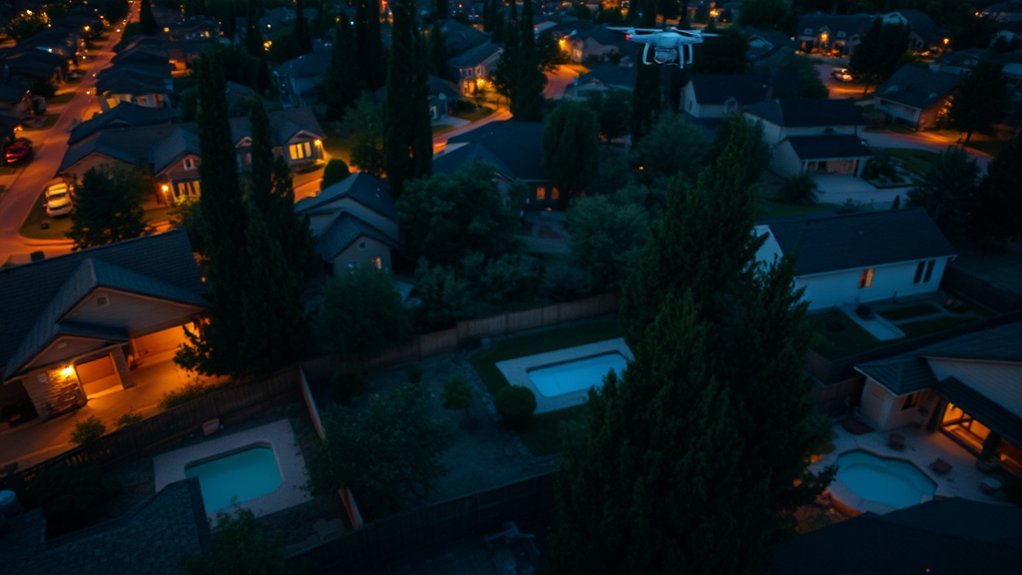
Understanding what constitutes private space is essential for drone operators, because it directly affects their ability to capture images without infringing on individual rights.
Private space generally includes areas where people have a reasonable expectation of privacy. This can include areas that are not fully hidden from the air, especially when people use those areas for personal, family, or intimate activities.
Here are key privacy considerations:
- Residential Areas: Homes, fenced yards, patios, balconies, pools, and backyards often raise privacy concerns.
- Indoor Spaces: Areas inside homes, offices, hotel rooms, and other buildings are usually sensitive, especially near windows.
- Visible Yet Private Areas: A backyard may be visible from above, but people may still reasonably expect not to be targeted, tracked, or recorded.
- Private Events: Weddings, family gatherings, school events, and private business functions may require permission from organizers or property owners.
- Sensitive Locations: Hospitals, shelters, schools, religious facilities, and government sites may involve extra privacy, safety, or security restrictions.
- Legal Protections: Many states restrict drone recordings in private spaces without consent, and some provide civil remedies for affected people.
Operators must recognize these distinctions to avoid lawsuits, fines, takedown demands, angry property owners, and reputational damage.
Courts and lawmakers continue to pay attention to aerial surveillance and privacy rights, so understanding these boundaries is vital for ethical drone photography.
Warning: Do not use a drone to look into windows, follow people, record private activities, or capture sensitive locations without permission. Even if the flight path seems legal, the recording itself may create privacy, harassment, or surveillance issues.
Common Privacy Issues in Drone Photography
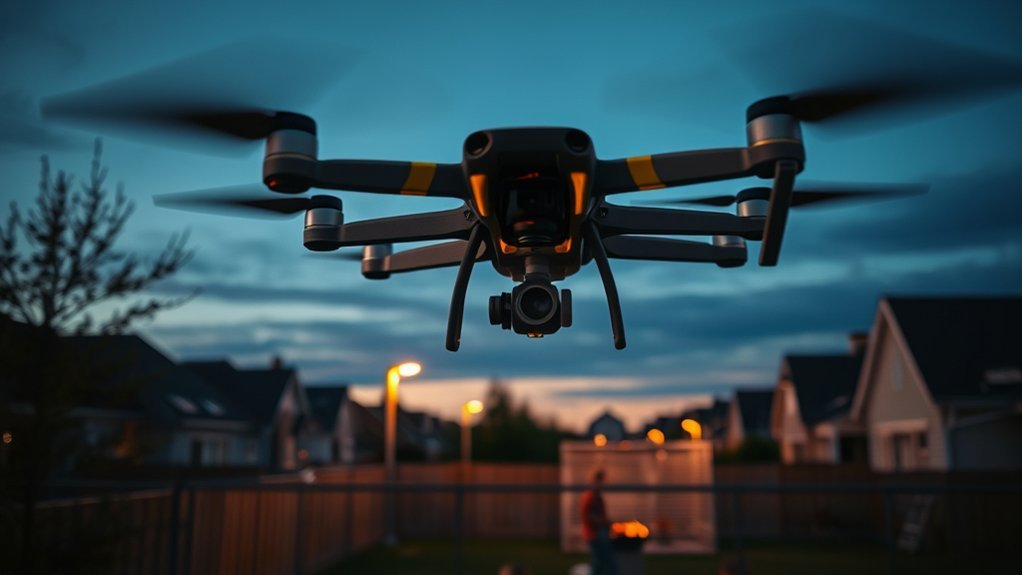
When operating drones, you may unintentionally capture footage of private properties or individuals without their consent, leading to potential legal complications.
Understanding consent requirements is essential, as filming in private spaces without permission can have serious repercussions.
To navigate these issues effectively, you should prioritize obtaining consent, narrowing your shot list, and regularly reviewing your privacy protocols.
Unintentional Footage Capture
Although drone photography offers innovative opportunities for capturing stunning aerial imagery, it also raises significant concerns regarding unintentional footage capture. This can create legal risks for you as the operator.
A drone camera may capture more than you notice in real time. Wide-angle lenses, high-resolution sensors, and elevated viewpoints can record neighboring yards, open windows, license plates, children, guests, or private events outside your intended subject.
To reduce these issues, consider the following:
- Plan Flight Paths: Outline your route before takeoff so you can avoid private properties, windows, and crowded areas.
- Limit Camera Angles: Point the camera toward the intended subject and avoid sweeping shots across nearby homes.
- Use Geofencing: Employ technology that helps prevent drones from entering restricted or sensitive areas.
- Stay Informed on Laws: Familiarize yourself with state and local regulations regarding unauthorized aerial surveillance.
- Review Footage Before Publishing: Blur faces, license plates, house numbers, or private areas when needed.
- Review Privacy Protocols: Regularly educate your team on consent, data handling, and compliance best practices.
Consent Requirements for Filming
Consent requirements for filming with drones are vital to understand, especially because laws vary across states and local jurisdictions. Obtaining consent is the safest approach when filming individuals or private property, as many areas restrict unauthorized recordings where privacy is expected.
For private property shoots, written permission is better than verbal approval. A simple release or project agreement can identify the property, date, purpose, permitted uses, and any restrictions on where you may fly or what you may publish.
For commercial work, consent becomes even more important. Real estate listings, tourism videos, construction updates, weddings, event recaps, and marketing campaigns can all involve people or property that should not be recorded without authorization.
To mitigate legal risks, plan flight paths carefully to avoid unintentionally capturing footage of neighboring properties. Use geofencing and camera framing to respect privacy boundaries.
Regularly reviewing privacy protocols and educating your team about consent laws helps ensure compliance and reduces the likelihood of privacy violations. This protects both your drone operations and your professional reputation.
Publishing and Sharing Drone Footage
Privacy risk does not end when the drone lands. Problems often begin when footage is uploaded, sold, licensed, shared on social media, or delivered to a client.
Before publishing drone photos or video, review the material for identifiable people, private activities, addresses, vehicles, children, security systems, or neighboring homes. If the footage includes anything sensitive, crop it, blur it, remove it, or get permission before sharing it publicly.
You should also avoid using private footage in ads, portfolios, YouTube videos, social media posts, or stock libraries unless you have the right permissions. Commercial use can raise additional publicity, property, and privacy concerns.
Best Practices for Complying With Privacy Rules

To successfully navigate the complexities of privacy rules in drone photography, prioritize obtaining explicit consent from individuals before capturing their images or filming their properties.
The safest drone photography workflow is simple: plan the shot, get permission, avoid private spaces, capture only what you need, and protect the footage after the flight.
Adhering to best practices will help you stay compliant and avoid legal issues. Here are key strategies:
- Obtain Consent: Always get explicit permission from individuals and property owners before filming private areas.
- Use Written Releases: For paid work, use a written agreement that explains where you will fly and how the footage may be used.
- Plan Flight Paths: Carefully chart your drone’s route to avoid unintentionally recording neighboring properties.
- Use Geofencing: Implement geofencing technology to reduce the risk of entering restricted areas.
- Keep a Flight Log: Record the date, location, purpose, permissions, and any privacy precautions taken.
- Minimize Data Collection: Capture only what you need for the project instead of recording broad areas for long periods.
- Review Regulations: Regularly check state-specific laws and update your privacy protocols accordingly.
- Edit Responsibly: Blur or remove faces, license plates, addresses, and private activities before publishing.
- Secure the Footage: Use strong passwords, encrypted storage, and limited access for sensitive files.
Pro Tip: Before every paid drone shoot, create a one-page privacy checklist. Include property permission, neighbor risks, flight boundaries, camera angles, planned publication, and footage storage rules.
The Role of Technology in Ensuring Privacy Compliance
As drone technology evolves, it plays an essential role in supporting privacy compliance. Technology cannot replace good judgment, but it can help you prevent avoidable mistakes.
Geofencing systems help you avoid restricted areas, reducing the risk of unauthorized flights near airports, sensitive sites, or controlled zones. Flight planning software allows you to map routes that respect privacy boundaries and avoid filming private properties or individuals unintentionally.
Real-time monitoring tools can improve safety during operations while helping you stay within approved boundaries. Some apps also provide airspace alerts, authorization workflows, and location-based notices that make pre-flight planning easier.
Data encryption technology safeguards your captured footage from unauthorized access. This is especially important when your drone records homes, events, job sites, schools, businesses, or identifiable people.
Access controls also matter. Limit who can view, download, edit, or share drone footage. For client projects, clarify who owns the files, how long you will store them, and whether you may use the footage in your portfolio.
Technology works best when paired with privacy-first habits: shorter flights, careful framing, permission records, secure storage, and thoughtful editing.
[Amazon Products Picked for You]

Weight: 0.75 lbs

Simple and easy way to log every RC flight, including date, aircraft, location, duration, and notes

Flight Planner
How Professionals Handle Privacy in Drone Videography
Professionals in drone videography navigate a complex landscape of privacy regulations while operating their equipment.
To effectively manage privacy concerns, you should consider the following key practices:
- Obtain a Remote Pilot Certificate: For commercial drone work in the United States, this helps ensure compliance with FAA Part 107 rules.
- Secure Consent: Always get permission from individuals or property owners before filming areas where they have a reasonable expectation of privacy.
- Scout the Location: Review maps, property lines, public access points, nearby homes, and possible privacy conflicts before the shoot.
- Use Geofencing Technology: This helps you avoid restricted areas and reduces the risk of unintentional privacy violations during flights.
- Brief the Client: Explain what can and cannot be filmed, especially for real estate, events, inspections, resorts, schools, and commercial sites.
- Engage in Regular Training: Stay updated on evolving local laws and best practices for drone videography.
- Document Permissions: Keep written records, signed releases, email approvals, and flight notes in case questions arise later.
Professional drone operators also know when not to fly. If a property line is unclear, people object to filming, weather creates safety concerns, or local rules are uncertain, delaying the flight is often the smarter choice.
[Amazon Products Picked for You]

【6 Pack Drone Lens Accessories】 The kit for your drone gear includes 5 x Neutral Density filter (ND8/ND16/ND32/ND64/ND256) and 1 x circular polarizer compatible with DJI Mini 4K Drone with 4K UHD Camera for Adults / Mini 2 / Mavic Mini / Mini SE / Mini 2SE & Fly More Combos, meeting various photography needs as content creator essential and influencer must have, from glare reduction to long exposure effects

Designed for Outdoor Work Without Eye Strain: Say goodbye to squinting and eye strain. This 2-in-1 sun shade briefcase blocks harsh sunlight, making your screen readable at parks, beaches, patios, or in RVs. Perfect for remote workers, photographers, drone pilots, and outdoor professionals.

Professional CPL Filter specially designed for DJI Neo 2 Drone, effectively reduces non-metallic reflection, enhances color saturation, deepens sky blue and highlights clouds for sharper and clearer aerial images.
Privacy Checklist Before Your Next Drone Shoot
Before your next drone photography session, use a short checklist to reduce risk and keep your workflow consistent.
- Confirm the purpose of the shoot. Know exactly what you need to capture and avoid unnecessary recording.
- Check FAA requirements. Review registration, Remote ID, airspace, altitude, and Part 107 requirements where applicable.
- Review state and local rules. Look for privacy, surveillance, trespass, park, school, and event restrictions.
- Get property permission. Ask the owner or authorized manager before launching from or filming private property.
- Notify affected people when appropriate. For events, neighborhoods, or commercial shoots, clear communication can prevent complaints.
- Set camera boundaries. Avoid windows, fenced yards, pools, private gatherings, and sensitive locations.
- Protect the footage. Store files securely, limit access, and remove sensitive details before publishing.
[Amazon Products Picked for You]

Custom Fit for DJI Mini 5 Pro:This latest drone filter set(CPL ND8 ND16 ND64 ND256) is specially designed for DJI mini 5 pro. The 6-piece filter set delivers unparalleled precision in exposure control and creative flexibility, making it ideal for photography enthusiasts or professional creators pursuing perfection

【Designed for Mavic 4 Pro】 Compatible with DJI Mavic 4 Pro Drone, this lens filter accessories set includes one CPL (circular polarization) and three ND (ND16 + ND64 + ND256) neutral density filters for professional aerial photography and videography. A portable magnetic storage case keeps the filters safe and organized during outdoor shooting. Ideal for content creator essential and influencer must have drone camera gear

Fits Mavic remote and phones up to Iphone7 plus
Related Guides
Frequently Asked Questions
What are you not allowed to do with a drone?
You should not fly carelessly, ignore FAA airspace rules, fly over restricted areas without authorization, record people in private spaces without permission, use a drone for voyeurism or harassment, or interfere with emergency response, hunting, fishing, or law enforcement activity. Local laws may add more restrictions.
What is a drone violation of privacy?
A drone violation of privacy occurs when you record, monitor, or publish images of people or private property in a way that invades a reasonable expectation of privacy. Common examples include filming into windows, recording private backyard activity, following someone, or using footage without proper permission.
Can I shoot down a drone hovering over my house?
No. You should not shoot down a drone hovering over your house. Damaging or destroying an aircraft can create serious legal consequences and safety risks. If you believe a drone is invading your privacy or operating unsafely, document the incident and contact local authorities.
What permissions do I need for drone photography?
You may need FAA registration, Remote ID compliance, airspace authorization, a Remote Pilot Certificate for commercial work, permission to launch from private property, and consent from people or property owners when filming private spaces. Requirements depend on your location and purpose.
Can I fly a drone over someone else’s property?
FAA rules may allow flight in navigable airspace, but state or local laws may still restrict privacy, trespass, nuisance, harassment, or surveillance. Avoid lingering over private property, do not target people or private areas, and get permission when the project involves a specific property.
Do I need consent to post drone footage online?
You may need consent if the footage shows identifiable people, private property, private activities, or commercial use. Even when consent is not clearly required, reviewing footage for privacy issues and blurring sensitive details is a smart practice before posting online.
Sources
- Electronic Code of Federal Regulations, 14 CFR Part 107 — commercial small UAS operating rules.
- FAA Drone Registration — registration requirements for drones.
- FAA Remote ID — Remote ID rules and compliance information.
- FAA Privacy, Civil Rights, and Civil Liberties — privacy considerations connected to UAS programs.
- 18 U.S. Code § 32 — federal law related to destruction of aircraft and aircraft facilities.
Conclusion
In the world of drone photography, navigating privacy rules is like walking a tightrope. One careless flight or one poorly framed shot can create legal, ethical, and professional problems.
By understanding FAA regulations, reviewing state and local laws, respecting private spaces, and seeking consent where needed, you can avoid many common pitfalls. Technology such as geofencing, flight planning tools, encryption, and access controls can help, but it cannot replace good judgment.
Your professionalism shows when you prioritize ethical practices. Plan carefully, record only what you need, protect the footage, and respect the people below your drone. That approach turns aerial photography into a trusted craft instead of a privacy concern.
