Alpine lake fishing is most productive when you find trout before you cast. Start with shallow shelves, points, inlets, outlets, weed edges, and shoreline cruising lanes, then adjust fly or lure depth only after those areas go quiet. Keep your setup light, approach clear water carefully, and treat mountain weather as part of the fishing plan—not an afterthought.
Quick Answer
For alpine lake trout, first watch quiet shorelines, inlets, outlets, shallow shelves, and visible cruising lanes. Fly anglers can cover most situations with a packable 3- to 5-weight rod, floating line, a 9- to 12-foot tapered leader, and 4X or 5X tippet; spin anglers can travel light with a compact light or ultralight setup. Carry small dries, nymphs, and streamers, move quietly, and leave the water when thunder threatens.
Key Takeaways
- Start with shallow structure, inlets, outlets, and cruising lanes before fishing deep water.
- Carry small midges, caddis, mayflies, terrestrials, scuds, and a few streamers for changing conditions.
- A packable 3- to 5-weight fly rod is a practical range; 5-weight is a versatile middle ground.
- Fish with stealth because clear alpine water makes trout easier to spook.
- Pack rain gear, warm layers, sun protection, and a location-specific food-storage plan; stop fishing and move away from exposed water when thunder threatens.
At a Glance
| Best Time | Low-light periods and active hatch windows; colder days may fish better during the warmest part of the day |
| Difficulty | Easy to moderate, depending on hike distance and weather |
| Tools Needed | 3- to 5-weight fly setup or light/ultralight spin setup, leaders or light line, flies/lures, forceps, polarized sunglasses, layers, rain jacket |
| Cost | Low to moderate if you already own basic fishing and hiking gear |
A Simple 3-Pass Lake Plan
- Glass first: Spend a few minutes watching for rises, cruising fish, shelves, points, inlets, outlets, and wind-blown food.
- Fish the obvious water: Work shallow structure and cruising lanes before casting blindly into deep open water.
- Change one variable: If fish do not respond, adjust depth, retrieve speed, or pattern one at a time, then move to a new section of shoreline.
Understanding Alpine Lake Trout Behavior
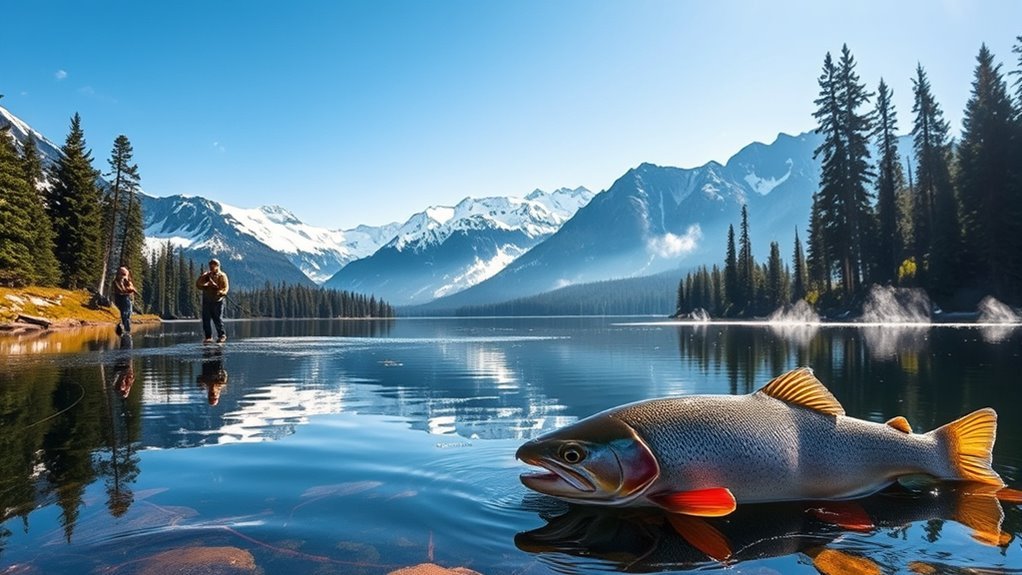
When you venture into alpine lakes, understanding trout behavior is essential for a successful fishing trip. High-elevation lakes often have clear water and short growing seasons, so trout may spend much of the day cruising for food rather than holding in one obvious spot.
Start with shallow shelves, weedbeds, shoals, rocky points, inlets, outlets, and sudden depth changes. Idaho Fish and Game specifically recommends looking for shoreline cruising routes, structure, depth changes, and places where streams enter or leave a mountain lake.
Early and late in the season, inlets and outlets can be especially useful starting points. Spawning timing and stream closures vary by trout species and location, so check the current rules before targeting fish in connecting creeks.
Before casting deep, scan the shoreline, inlets, outlets, points, and visible drop-offs. Trout are often concentrated rather than evenly spread around a mountain lake.
Remember, trout behavior can vary considerably across lakes. One lake may hold active fish along every shoreline, while another may have only a few productive corners. To maximize your success, explore different structures, watch for rises, and move when the water looks lifeless.
Feeding times also shift with elevation, light, water temperature, insect activity, and weather. Morning and evening can be excellent, but alpine trout may feed during the day when hatches develop, clouds soften the light, or wind pushes food toward shore.
What Gear Do You Need for Alpine Lake Fishing?
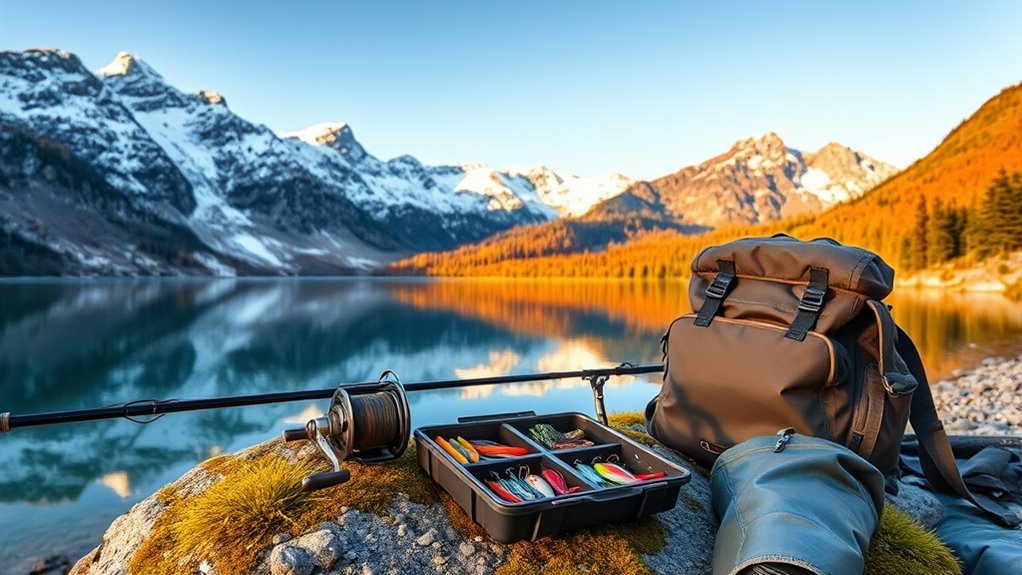
When you’re gearing up for high-country fishing, lightweight tackle is your best friend. Every ounce matters when you hike steep trails, cross rocky ground, or climb above timberline.
A versatile rod and compact reel make it easier to fish different shorelines without overloading your pack. Fly tackle is common, but it is not the only effective choice; compact spinning gear can be easier around brushy banks or when you want to cover water with small spoons and spinners. Don’t forget to layer your clothing; staying warm and dry matters as much as shaving a few ounces from your tackle.
[Amazon Products Picked for You]

Medium Fast Action: It is a smooth-casting, medium-fast action graphite fly rod, offering classic performance for all levels of anglers and suitable for both fresh and saltwater fishing.

DESIGNED for a WORKING HORSE: We want to make a durable rod that can withstand very hard using. a fast but still crisp, middle-to-tip action rod

Designed For A Premium Entry Level: A high quality blank, using the best available components for this level. Best choice for the young guys to get into fishing and also works reliably for the experienced angler for a back-up rod. We just want to make fishing simple and affordable
Lightweight Tackle Recommendations
As you prepare for high-country fishing, choose tackle that packs small but still casts effectively in wind. Idaho Fish and Game recommends an 8.5- to 10-foot fly rod matched to 3- to 5-weight line, with a four-piece rod being convenient for backpack travel. A 5-weight remains a useful all-around middle choice.
Pair a floating fly line with a 9- to 12-foot knotless tapered monofilament leader and start with 4X or 5X tippet. Adjust leader length or tippet diameter for wind, fly size, water clarity, and fish behavior instead of assuming the finest tippet is always best.
| Tackle Type | Recommendation |
|---|---|
| Fly Rod | 8.5-10 ft, 3-5 wt; 4-piece for travel |
| Leader | 9-12 ft knotless tapered monofilament |
| Tippet Sizes | Start with 4X-5X; adjust as conditions require |
| Essential Flies | Midges/nymphs, attractor dries, ants/beetles, small streamers |
Lightweight waders can help when shorelines are marshy or cold, but wet-wading may work during warm summer trips. Polarized sunglasses are also useful because they cut glare and help you spot cruising trout, underwater shelves, and submerged hazards.
What Spinning Gear Works for Alpine Lakes?
If you do not fly fish, a compact spinning setup is a strong alternative. Idaho Fish and Game recommends a 5- to 7-foot light or ultralight rod, about 4-pound monofilament for many mountain-lake situations, and small spoons or spinners in roughly the 1/16- to 1/8-ounce range.
Pack only a few proven lure types so you can stay mobile. Cast along points, depth changes, inlet mouths, and visible cruising routes, then keep moving if a section of shoreline shows no fish or follows.
Essential Clothing Layers
To fully enjoy your alpine fishing adventure, layering your clothing is key, especially since temperatures can shift dramatically throughout the day.
Start with moisture-wicking base layers to keep sweat away from your skin. Next, add an insulating layer, like fleece or down, to help you stay warm during chilly mornings, windy ridges, and late-evening sessions.
A waterproof and breathable rain jacket is essential because mountain storms can build quickly. Don’t forget lightweight gloves and a stocking cap to retain body heat and reduce wind chill at higher elevations.
Finally, a mosquito head net is a smart addition during summer. It weighs almost nothing and can make slow fishing, cooking, or camp chores much more comfortable.
Warning: Mountain weather can change quickly. Pack rain protection and warm layers even when the trailhead feels hot and sunny.
What Are the Best Flies for Alpine Lake Trout?
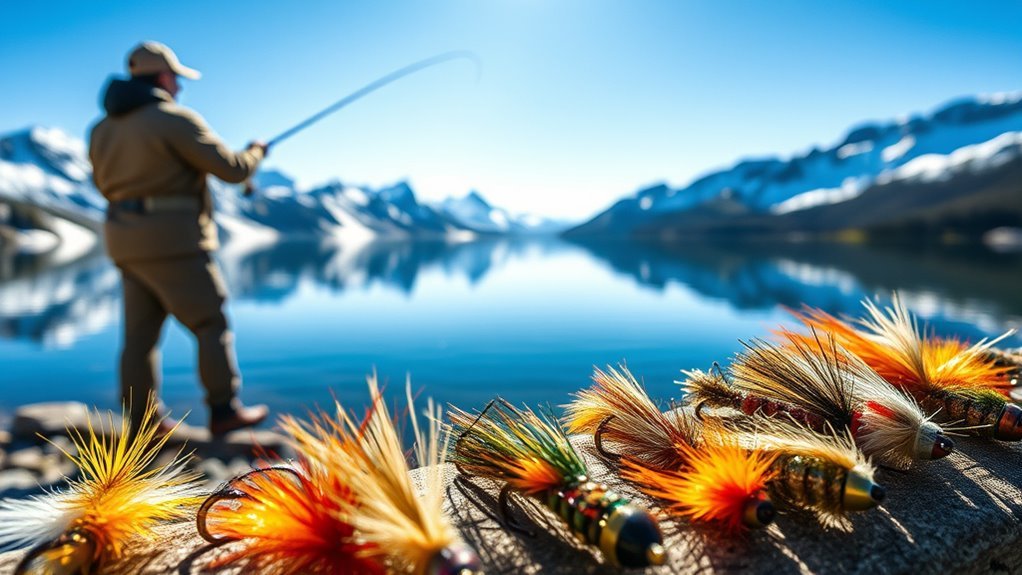
When you step into an alpine lake, having the right flies is vital for your success. You do not need a giant fly box, but you do need enough variety to match small insects, surface activity, and deeper-feeding trout.
Focus on essential patterns that imitate midges, caddisflies, mayflies, scuds, damselflies, ants, beetles, and small baitfish. These food sources often matter more than flashy, oversized patterns in clear high-country water.
Pay attention to hatch conditions and be ready with several sizes and colors to match what’s on the water. When trout refuse one fly, change size, depth, or retrieve before assuming the lake is not productive.
[Amazon Products Picked for You]

Effective Fly Control: PT Alpine Pressurized Fly Bait is designed to efficiently eliminate flies in different environments, providing an effective solution for fly control.


Essential Fly Patterns
Understanding the essential fly patterns for alpine lake fishing can make all the difference in your success on the water. To effectively target alpine trout, prioritize midges, caddis, and mayflies in your fly box, then add scuds and terrestrials for variety.
| Fly Type | Recommendation |
|---|---|
| Midge Imitations | Size 18-22, various colors |
| Caddis Imitations | Size 14-18, tan or olive |
| Scud/Terrestrial | Size 12-16, green or brown |
Adapt your strategy based on feeding behavior. Use adult imitations for visible rises, switch to pupae or nymphs when fish feed just below the surface, and try small streamers when trout cruise deeper lanes or rocky drop-offs.
Matching Hatch Conditions
Successfully matching hatch conditions in alpine lakes can greatly improve your chances of landing trout. Midges are often a key food source in cold mountain lakes, so carry effective midge imitations in several sizes.
Pay attention to local hatch patterns. The insect life in high lakes can differ from rivers, and even nearby lakes can fish differently based on elevation, shoreline plants, wind exposure, and water clarity.
During midge hatches, watch for slow, subtle sipping rises. Select small imitations that match the size, color, and stage of the insects you see. If trout swirl but do not take your dry fly, try an emerger just below the surface.
During mayfly hatches, focus on nymphs beneath the surface if trout ignore adults. Don’t forget to include scuds and damselflies in your fly box for a well-rounded approach to alpine lake fishing.
Pro Tip: When trout rise but refuse your fly, downsize first. In clear alpine water, a smaller pattern and lighter tippet can make the difference.
When Is the Best Time to Fish High-Mountain Lakes?
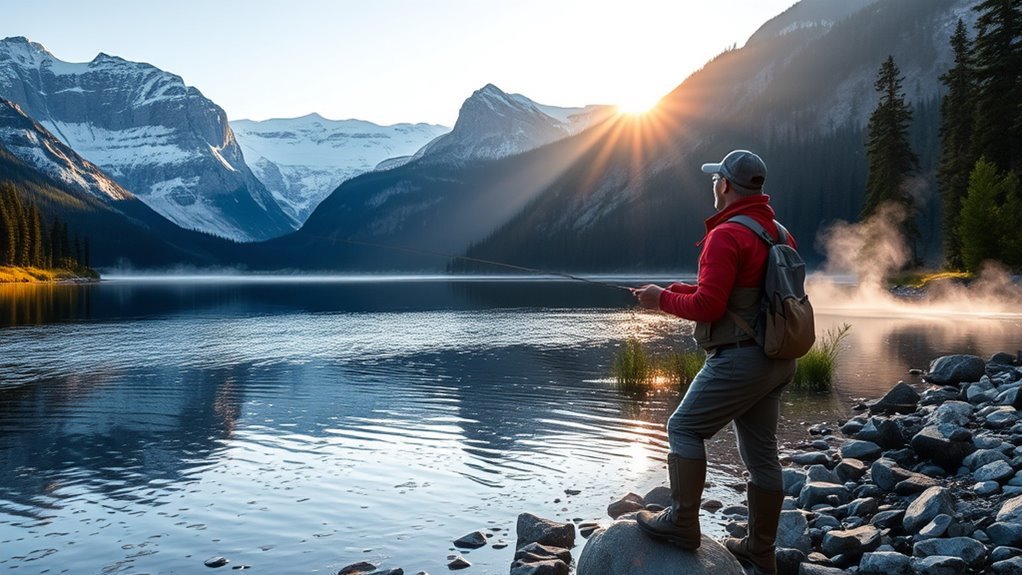
There is no universal best hour for high-mountain lake fishing. Light, insect activity, wind, water temperature, and season all change when trout feed near shore.
Early morning and evening are useful starting windows because lower light can make shallow fish easier to approach. But do not abandon midday automatically: a hatch, cloud cover, or wind pushing insects toward one bank can create better fishing in the middle of the day.
On colder days, the warmest part of the day may produce more insect activity and more willing trout. Watch the water instead of fishing by the clock: rising fish, cruising lanes, wind-blown food, and repeated activity in one zone are stronger signals than a fixed timetable.
How to Fish Alpine Lakes: Techniques and Strategies
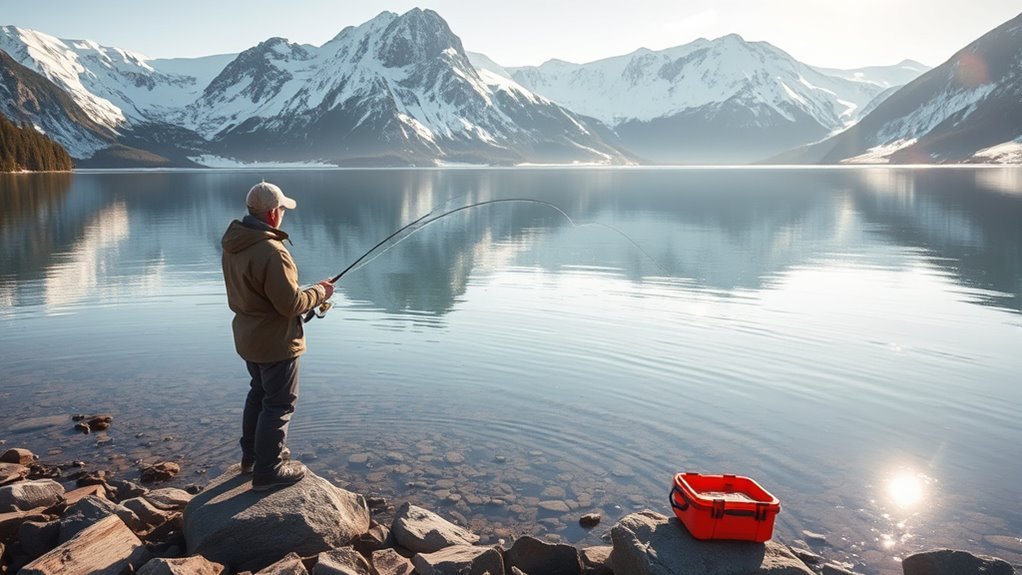
To maximize your success while fishing in alpine lakes, use techniques that match the unique conditions of high-altitude water. Clear water, cautious fish, and limited shoreline cover all make presentation more important.
Start your fly fishing in the upper water column if you can see cruising fish or surface activity. If nothing responds, lengthen the sink time gradually and change only one variable at a time—depth, retrieve speed, or fly—so you can tell what actually improved the presentation.
If bites are slow, change flies, adjust retrieve speed, or move to another part of the lake. Exploring adjacent lakes can also help when one basin is cold, windy, barren, or inactive.
During heavy midge hatches, stay alert for rising trout. Fish may feed in a narrow depth band, so small changes in presentation can matter. Use adult caddisfly imitations for visible rises, and pay attention to whether caddis are hatching, fluttering, or laying eggs.
For nymphing, focus on mayfly activity, scuds, and subtle subsurface movement. Watch how trout rise, where they cruise, and how long they stay near shore. These clues help you choose the right fly, depth, and retrieve.
[Amazon Products Picked for You]

【Fly Fishing Lures Kit】:The fly fishing bait is a powerful fishing tool with strong toughness and high brightness. hooks fly fishing kit box is hand banded by professionals and has a powerful barbed hook.

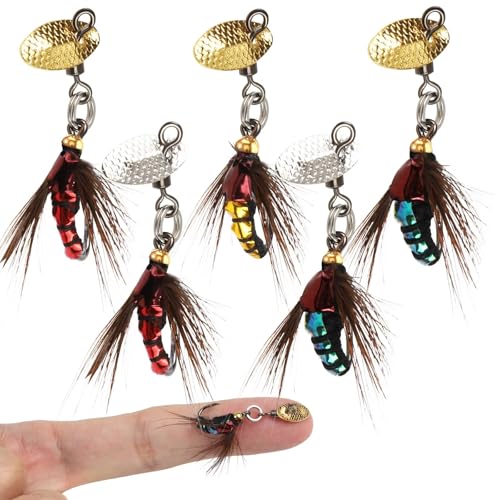
Lifelike Fly Fishing Lures: Dovesun fly fishing flies are nicely crafted hand-tied lures. The fly fishing lure looks like a real fly. The bright colors can attract the attention of fish more. it's a must-have fly fishing flies for any fly box. Fish can't resist it!
The Importance of Stealth and Approach
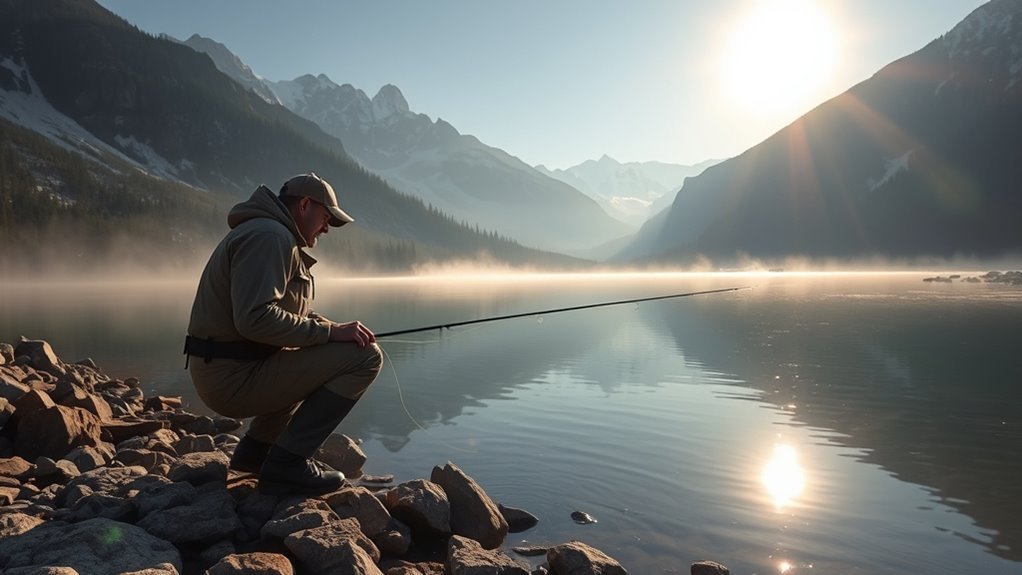
When fishing in the crystal-clear, calm waters of alpine lakes, your approach can make all the difference in your success. Trout can see movement, shadows, and sloppy casts more easily in clear water.
Crouch low while casting, move slowly, and avoid standing on exposed skylines near the bank. Neutral-colored clothing can help you blend into the surroundings and reduce your visibility.
Before wading in, spend a few minutes observing from a distance. Look for cruising trout, rises, foam lines, insect activity, shelves, and darker water that suggests depth.
Crouch low, observe from a distance, and cast ahead of cruising trout instead of walking directly toward them.
A soft approach is important. Avoid heavy splashes, dropped gear, and sudden movements, especially in shallow areas. Instead of stalking fish directly, focus on casting ahead of cruising trout so your fly drifts into their path naturally.
This technique creates a more natural presentation of your fly and increases your chances of drawing a confident strike. By remaining stealthy and strategic, you’ll elevate your fishing game and enjoy a more rewarding experience on the water.
Utilizing Small Creeks for Better Fishing
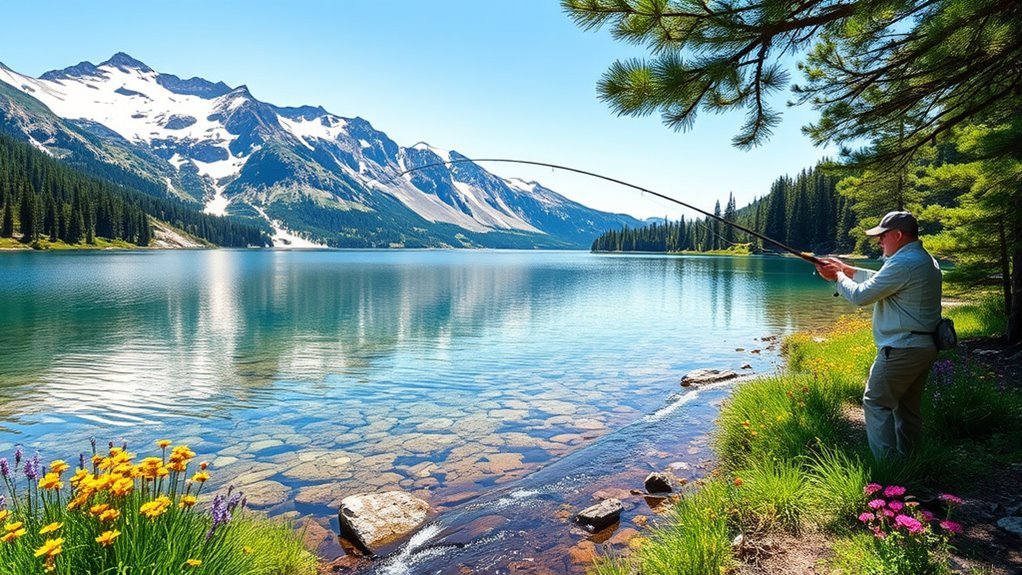
Small creeks can be a game changer for your alpine fishing adventures. These tributaries carry snowmelt, food, and oxygen into alpine lakes, creating natural travel lanes for trout.
Focus on inflow and outflow areas, which can concentrate current, drifting food, and fish movement. These zones are especially worth checking early and late in the season, but they are not automatically productive on every lake.
Use connecting creeks as clues to how water and food move through the basin. Before fishing the creek itself, confirm whether seasonal closures, spawning protections, gear restrictions, or special harvest rules apply.
To increase your chances of a successful catch, adopt a stealthy approach. Minimize disturbances because trout can be easily spooked in clear, calm water. By tapping into the potential of small creeks, you’ll improve your odds of landing more trout in these serene environments.
Note: Check local fishing regulations before targeting inlet or outlet streams. Some areas may have seasonal closures, special limits, or spawning protections.
How to Release Alpine Trout Safely
If you plan to release a trout, land it without playing it to exhaustion and keep it in the water as much as possible. Wet your hands before touching the fish, avoid squeezing or touching the gills, and use forceps or needle-nosed pliers to remove the hook quickly.
National Park Service catch-and-release guidance recommends keeping fish wet and calm, supporting the body, and minimizing handling. If a hook is deeply embedded and cannot be removed easily, follow the local regulation and fish-handling guidance rather than tearing it free.
Cooking High-Mountain Trout: Best Methods
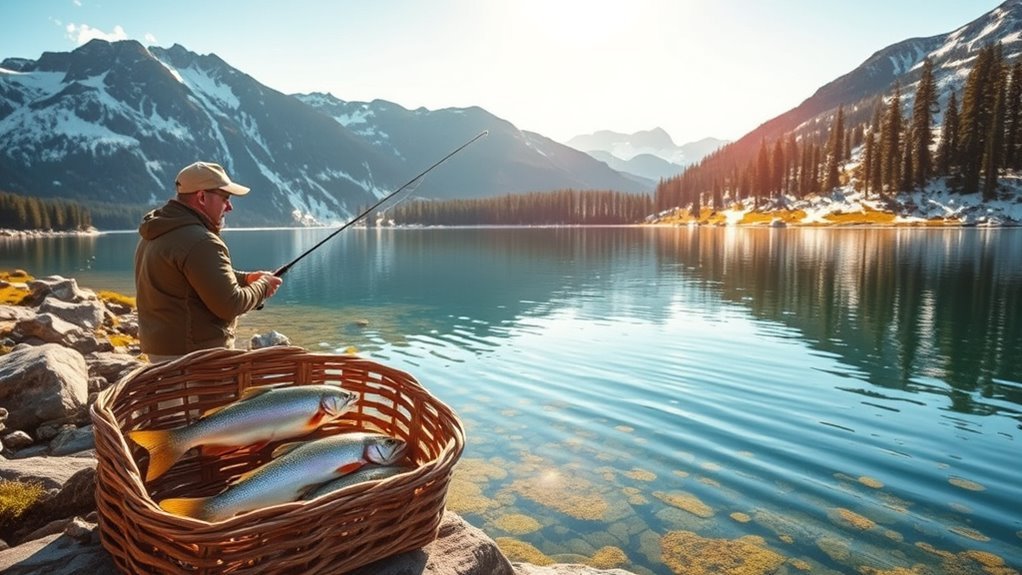
Once you’ve legally kept a high-mountain trout, simple cooking methods work well in camp. Follow local harvest limits, keep raw fish separate from ready-to-eat food, and pack out scraps where required.
Whether you spit-roast, foil-cook, or pan-fry trout, cook the thickest part to 145°F (63°C). The FDA seafood-safety guidance also says properly cooked fish should be opaque and separate easily with a fork when a thermometer is not practical.
Spit-Roasting Techniques
As you start your alpine fishing adventure, mastering the art of spit-roasting high-mountain trout can elevate your outdoor cooking experience.
This technique involves securing your cleaned trout on a sturdy cooking stick and holding it near steady heat rather than in tall flames. Rotate the trout slowly for even cooking. Cooking time varies with fish size and heat, so use 145°F (63°C) in the thickest part—or opaque flesh that separates easily with a fork—as the doneness check.
For an extra kick, season it with herbs, spices, or lemon slices before placing it on the spit. Make sure your fire has a bed of hot coals to help prevent burning or drying out.
Spit-roasting is a beloved backcountry method because it is simple and requires minimal equipment. It is perfect for enjoying fresh trout soon after catching it, as long as fires are allowed where you camp.
Tinfoil Cooking Method
When you’re ready to savor a meal under the stars, the tinfoil cooking method shines as a simple yet effective way to prepare high-mountain trout.
This technique seals in the fish’s natural flavors and moisture, resulting in a tender, mouthwatering dish. Here’s how to make the most of it:
- Wrap your cleaned trout in aluminum foil with butter or olive oil.
- Add your favorite seasonings for a flavor boost.
- Place the foil packet near hot coals rather than directly in tall flames.
- Cook until the thickest part reaches 145°F (63°C); packet time varies with fish size and coal temperature.
- Enjoy minimal cleanup and easy ingredient transport.
This method not only enhances taste but also makes outdoor cooking easier after a long day of hiking and fishing.
Pan-Frying Instructions
Pan-frying high-mountain trout is one of the most rewarding ways to enjoy your catch, delivering crispy skin and flaky, tender flesh. Start by filleting your trout and removing any bones you can find.
Heat a frying pan over a camp stove or safe cooking fire, then add butter or oil until it’s hot but not smoking. Cook skin-side down until browned, flip as needed, and continue until the thickest part reaches 145°F (63°C). If you do not have a thermometer, check that the flesh is opaque and separates easily with a fork.
Season with salt, pepper, lemon, and your favorite herbs to enhance the flavor. Serve your pan-fried trout immediately for the best taste and texture.
| Step | Action | Time |
|---|---|---|
| 1 | Fillet the trout | N/A |
| 2 | Heat butter/oil | Until hot |
| 3 | Cook skin-side down | Until browned; verify doneness |
| 4 | Flip and cook | Until 145°F (63°C) in the thickest part |
| 5 | Serve immediately | N/A |
Packing Light for Your Alpine Fishing Trip
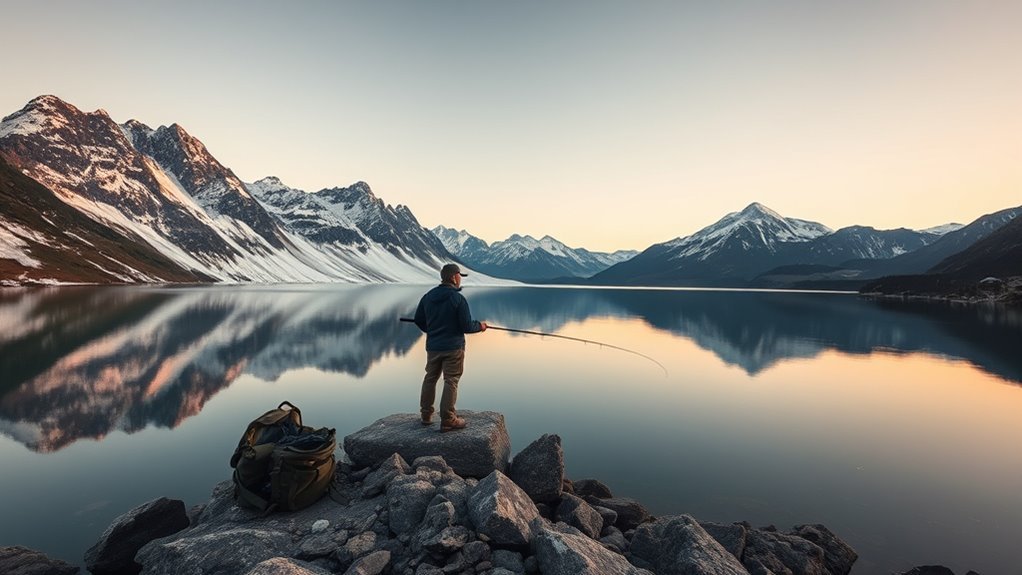
Packing light for your alpine fishing trip is essential if you want to enjoy the experience without the burden of excessive gear. A lighter pack helps you hike farther, move safely, and stay focused on fishing instead of fatigue.
Start by separating must-have items from nice-to-have extras. Your goal is to carry enough gear for safety, comfort, and effective fishing without packing duplicate tools or bulky accessories.
Here are some good tips for packing light:
- Lightweight, breathable clothing that layers easily
- A single 5-weight rod stored in a protective tube
- A small fly box with a compact selection of flies
- An alcohol stove or compact backpacking stove where allowed
- An extra layer and a lightweight rain jacket for unexpected weather
- A small first-aid kit, map, headlamp, and water treatment method
- Polarized sunglasses, sunscreen, and a brimmed hat for glare protection
Pack your heaviest items close to your back and keep frequently used gear easy to reach. Store hooks, knives, cooking tools, and fuel safely so they do not damage clothing, waders, or food bags.
Preparing for Weather and Wildlife in the Backcountry
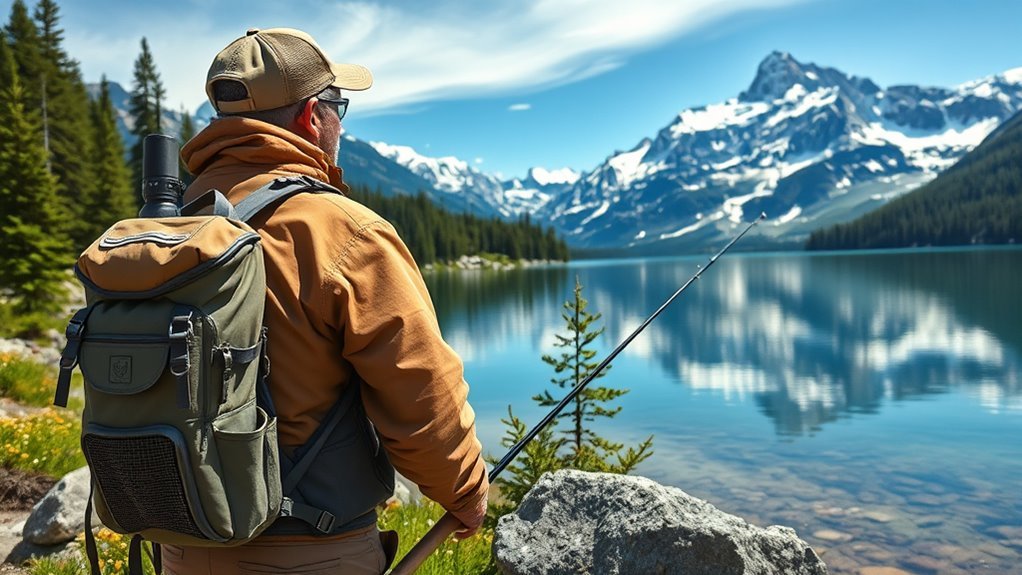
Thunderstorms are a direct safety issue around exposed alpine water. Check the forecast before leaving the trailhead. If you hear thunder, stop fishing, move away from the lake and exposed ridges, and head toward a substantial building or hard-topped vehicle when one is accessible. National Park Service lightning guidance says there is no safe place outdoors during a thunderstorm and recommends waiting 30 minutes after the last thunder before resuming activity.
Do not underestimate wind, rain, and cold just because the trailhead feels warm. Pack an extra insulating layer, a waterproof rain jacket, a warm hat, and light gloves so a weather change does not turn into a cold-stress problem.
When fishing in bear country, follow the exact food-storage rule for that park, forest, or wilderness area. Requirements may include a bear-resistant container, food locker, or approved hang. The National Park Service food-storage guidance also emphasizes securing scented items and packing out all food scraps and garbage.
For comfort and emergency readiness, consider a mosquito head net, navigation tools, a headlamp, water treatment, and a realistic turnaround plan. Tell someone your route when the trip is remote or outside cell coverage.
Frequently Asked Questions
What are the best flies for alpine lake trout?
Carry a small mix of attractor dries, ants and beetles, midges or other nymphs, and a few small streamers such as woolly buggers. Match visible insects when trout are rising; when fish stay deeper, change depth before endlessly changing patterns.
What kind of fish are in alpine lakes?
Alpine lakes may hold cutthroat, golden, rainbow, brook trout, or arctic grayling, depending on the region, elevation, stocking history, and natural drainage connections. Always check local regulations and fish-identification rules before keeping your catch.
How do trout get into alpine lakes?
Trout may reach alpine lakes through natural migration from connected streams, historic or current fish stocking, or native populations that already exist in suitable waters. Some isolated lakes may have no fish at all, so research the area before you hike in.
What fly rod should you use for alpine lakes?
A packable 3- to 5-weight fly rod works for many alpine-lake situations. An 8.5- to 10-foot rod can add casting and roll-casting reach, while a four-piece design is easier to carry. A 5-weight is a practical all-around middle choice.
Are alpine lake trout easy to catch?
Some alpine trout are willing to strike because they see fewer anglers, but they are not always easy. Clear water, bright light, limited food, and sudden weather changes can make them selective. A quiet approach and small flies usually help.
Do you need waders for alpine lake fishing?
You do not always need waders. During warm weather, many anglers fish from shore or wet-wade shallow edges. Lightweight waders help in cold water, marshy shorelines, or windy conditions, but they add bulk to your pack.
What spinning gear works for alpine lake trout?
A compact 5- to 7-foot light or ultralight spinning rod is easy to pack. About 4-pound monofilament and a small selection of lightweight spoons or spinners can cover many mountain-lake situations; adjust line strength and lure size for the fish, wind, and cover you actually face.
What should you do if thunder starts while fishing an alpine lake?
Stop fishing and move away from the water, exposed ridges, high points, and isolated tall objects. A substantial building or hard-topped vehicle is the safest shelter when accessible. Do not resume fishing until at least 30 minutes after the last thunder.
Conclusion
Alpine lake fishing is about more than casting into beautiful water. Success comes from reading trout behavior, moving quietly, matching small food sources, and staying ready for fast-changing mountain conditions.
Focus on shallow structure, inlets, outlets, hatches, and cruising lanes before you fish deep water. Carry a simple but smart fly or lure selection, protect yourself with layers and rain gear, and respect local rules for harvest, camping, fires, and wildlife. If you also fish moving water, the site’s river trout fishing guide covers current seams, river tackle, and drift-focused tactics.
With the right preparation, your alpine fishing adventure can be peaceful, productive, and memorable. Stay observant, fish patiently, and enjoy the thrill of reeling in a wild high-country trout in one of the most scenic places you can cast a fly.