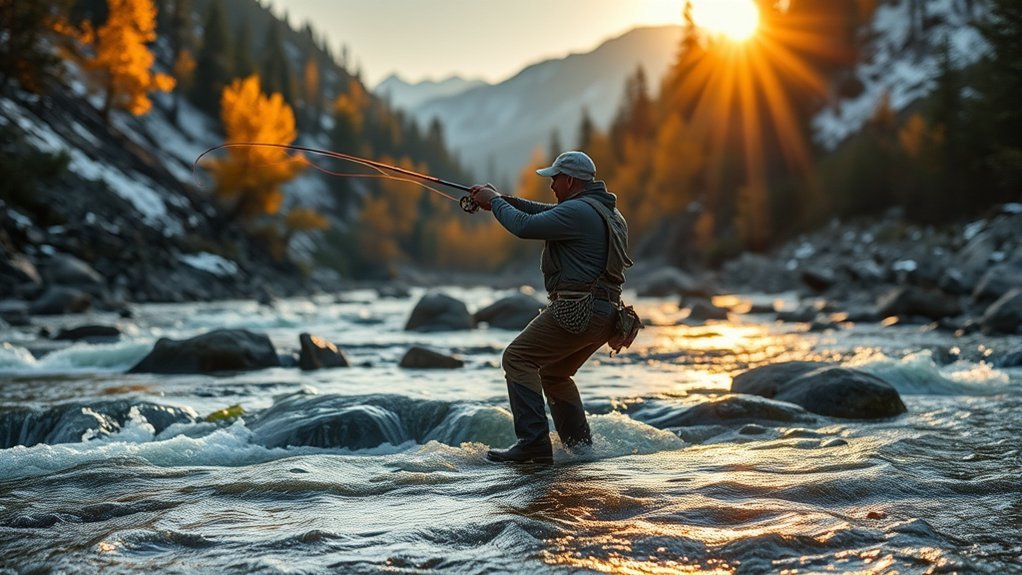
If you want better trout days on Texas rivers, start with practical habits: learn seasonal runs, match your tackle to current and depth, and focus on where trout actually hold. You’ll benefit from proven fly and lure choices, efficient drift techniques, and a clear habit of checking local rules before you fish. This guide shows which rivers and hotspots deserve your attention, what gear to pack, how to read water, and how to plan a safer, more productive Texas trout trip.
Quick Answer
The Guadalupe River below Canyon Lake is Texas’s best-known trout fishery because cold-water releases and winter stocking create reliable seasonal action. Fish from late fall through early spring, use light spinning tackle or fly gear, target seams and deeper pools, and check current Texas Parks and Wildlife rules before keeping any trout.
Key Takeaways
- The Guadalupe River is the main Texas trout destination, especially below Canyon Dam during the cool season.
- Your best window usually runs from late fall through early spring, when stocked trout handle water conditions better.
- Light spinning gear, small spoons, spinners, nymphs, dries, and streamers cover most river trout situations.
- Trout often hold in current seams, eddies, deeper pools, structure edges, and slower pockets beside faster water.
- Rules can change by river reach, season, and access point, so confirm current TPWD regulations before each trip.
At a Glance
| Best Season | Late fall through early spring, with winter stocking often creating the most consistent action. |
| Difficulty | Beginner to intermediate, depending on river flow, wading conditions, and casting accuracy. |
| Gear Needed | Light spinning setup or 4–6 weight fly rod, small lures or flies, net, forceps, polarized sunglasses, and safe wading gear. |
| Main Rule Reminder | Always check current Texas Parks and Wildlife rules for the exact river reach you plan to fish. |
Best Rivers and Hotspots for Trout in Texas
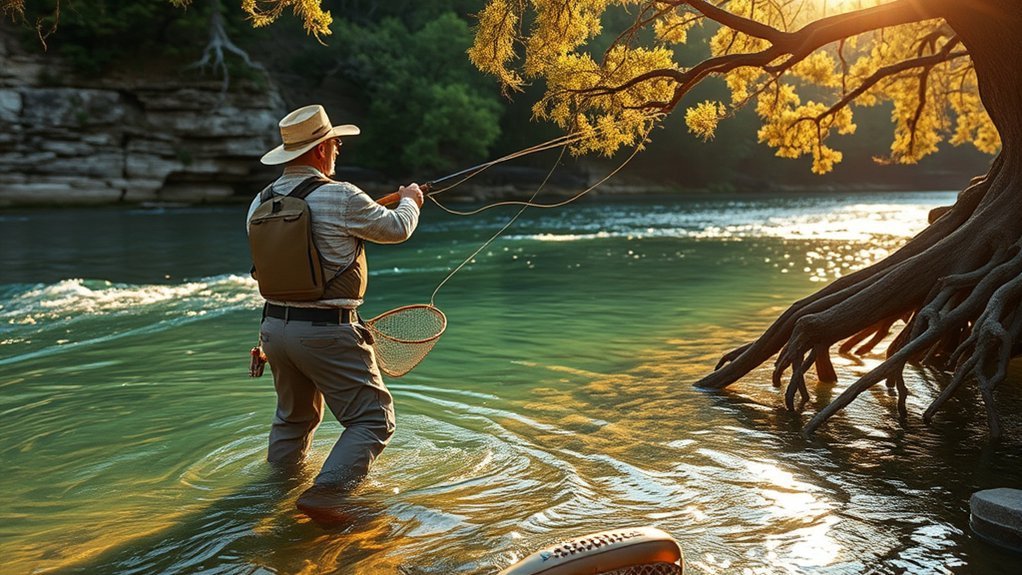
If you’re chasing trout in Texas, start with the Guadalupe River below Canyon Lake. It is the state’s best-known cold-water trout fishery because dam releases can keep stretches cooler than most Texas rivers, and winter stocking supports reliable seasonal fishing.
You’ll often find stocked rainbow trout in the 12–14 inch range, while larger holdover fish can show up when water conditions, pressure, and survival line up. Do not plan around trophy claims alone; instead, choose gear that can protect light line while still handling a strong fish in current.
Add the Frio and Blanco rivers to your list for scenic water, seasonal opportunities, and a different pace from busier Guadalupe access points. These rivers may not offer the same consistent trout conditions as the Guadalupe, but they can provide enjoyable cool-season fishing when stocking and water temperatures cooperate.
Before you fish, confirm current regulations for the exact water you plan to visit. Some trout areas have special length, harvest, lure, or access rules, while other locations follow broader statewide freshwater regulations.
Approach each river with respect for habitat and community. Pack out trash, avoid trespassing on private banks, keep fish wet during catch-and-release, and give other anglers room to work a run.
You’ll leave streams healthier and feel more confident on the water when you combine smart trip planning with careful stewardship.
Note: Texas river access can be confusing because public water may run beside private land. Use legal access points, respect posted property, and avoid crossing private banks without permission.
Seasonal Patterns and When to Fish
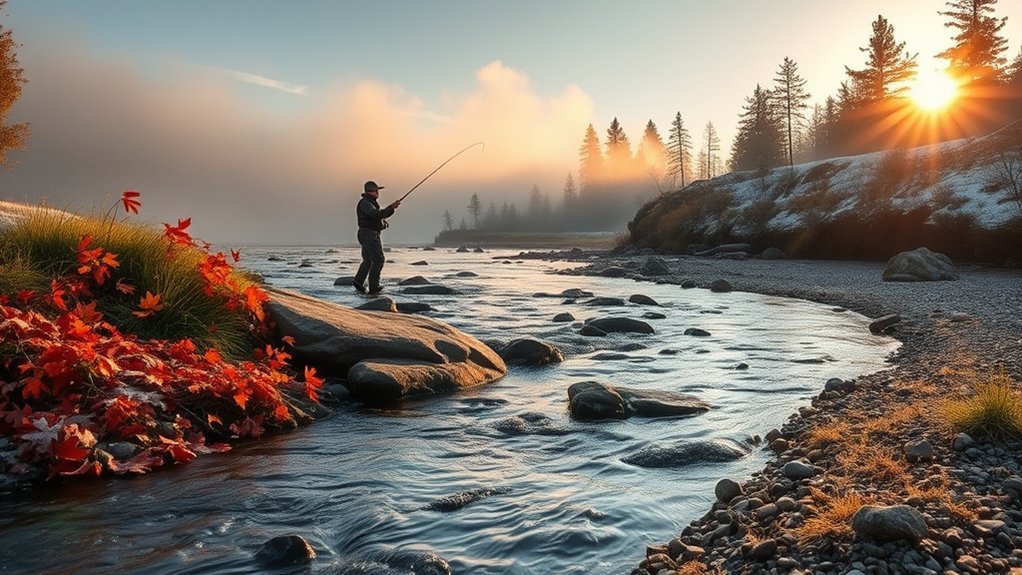
Because trout prefer cooler water, your best chances in Texas usually come from late fall through early spring. This period often brings cooler water, better dissolved oxygen, and stocking activity that makes fish more active and catchable.
Plan trips around Guadalupe River stocking events when possible. Stocking can improve your odds, but it does not guarantee easy fishing. Water clarity, flow, pressure, and weather still shape how trout feed each day.
You’ll usually do better during mornings, cloudy periods, and stable flow conditions. Trout often feed more confidently when bright sun, heavy boat traffic, and warm afternoon temperatures do not push them into deeper or more sheltered holding water.
Use freshwater fly fishing tactics or small artificial lures where rules require them. Match fly size and presentation to insect activity, current speed, and water clarity. When natural bait is allowed, keep it small and legal, and handle fish carefully if you plan to release them.
During late spring and summer, shift tactics to cooler pockets, deeper runs, or upstream refuges, but expect reduced catchability as water warms. If water feels warm to the touch or fish look stressed, stop targeting trout and switch to warm-water species instead.
Stay adaptable. Read water temperature, oxygen clues, river flows, and local reports before you go.
With focused timing, smart gear choices, and responsible fish handling, you’ll increase success while honoring the river and the resource it supports.
Warning: Trout can struggle in warm Texas water. If fish need long recovery, stop biting after release, or surface temperatures climb, end your trout session and target bass, sunfish, or another warm-water species.
Trout Species and Size Expectations
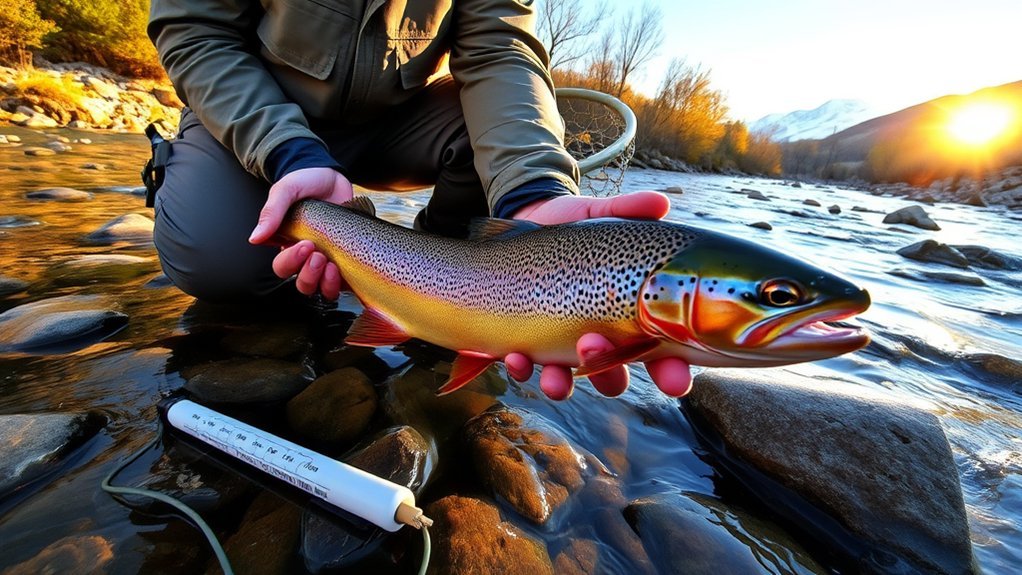
Knowing when and where to fish helps, but you’ll also want to set realistic expectations about what’s in the water.
The Guadalupe River supports seasonal trout opportunities through winter stockings and cold-water influence from Canyon Lake releases. Those conditions make it one of the few Texas rivers where anglers can plan repeat trout trips with confidence.
Cold-water releases and winter stocking make the Guadalupe River the center of Texas trout fishing, but daily success still depends on flow, temperature, pressure, and presentation.
You’ll most often encounter stocked rainbow trout. In some seasons or stretches, anglers may also encounter holdover trout that survived beyond the stocking period, but you should avoid assuming every large trout is common or easy to catch.
Average fish often run in a manageable panfish-to-light-tackle size class, while better fish can push past typical stocked-trout lengths. Bring a landing net, use steady pressure, and avoid high-sticking a light rod when a larger trout surges in current.
Regulations matter. Instead of relying on a remembered limit, check the current Texas Parks and Wildlife Outdoor Annual or posted river rules before keeping trout. Some waters may have special harvest, length, lure, or seasonal restrictions.
That mix of science-backed management, stocking, cold-water habitat, and clear rules gives you fair, sustainable opportunities. Fish with purpose, celebrate each catch, and support the stewardship that keeps you returning.
Essential Gear and Tackle for River Trout
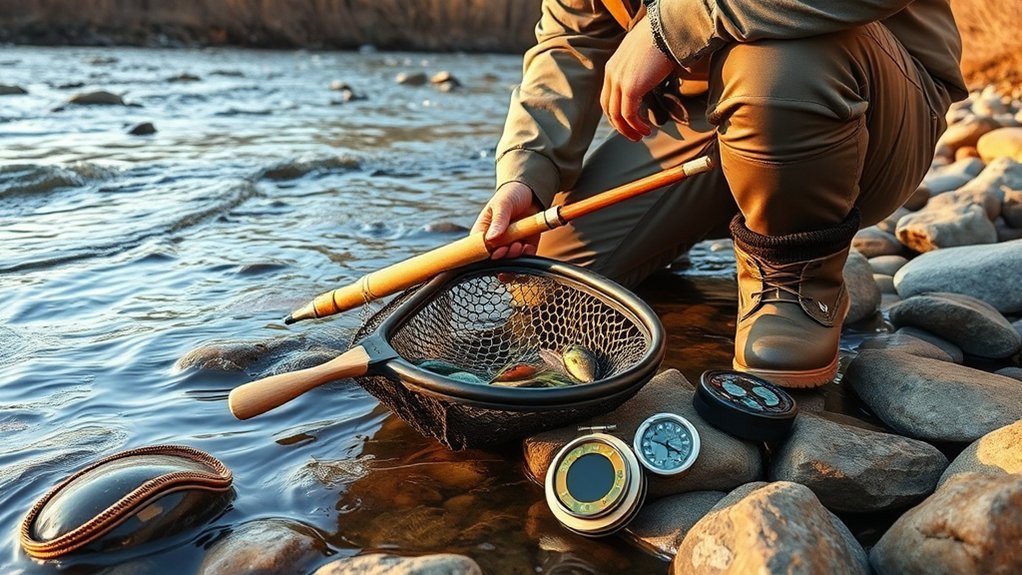
When you gear up for river trout, think light and precise. A 7–9 foot medium-light spinning rod with a 1000–2500 size reel and 4–8 lb line gives you sensitivity, casting distance, and enough control for most Texas trout runs.
Fluorocarbon line or a fluorocarbon leader helps in clear water because it sinks well and stays less visible than many heavier lines. If the river runs stained or fish hold near rocks, bump up leader strength slightly so you do not break off every time a trout turns downstream.
Add 1/16–1/4 oz spinners, spoons, and soft plastics to match river speed. Small lures cast well, hold depth, and imitate baitfish or insects without overpowering wary trout.
Keep a tidy tackle box stocked with hooks, split shot, swivels, forceps, a sharp line cutter, spare leaders, and a small thermometer. These simple tools help you adapt quickly and avoid wasting time when fish change depth or mood.
If you choose fly fishing guide methods, use a 4–6 weight rod with floating line. Carry nymphs, dries, and small streamers that imitate local insects and baitfish.
Dress for wading comfort. Use polarized sunglasses, a belt with breathable waders, a wading staff in stronger current, and a rubber landing net to minimize handling.
Equip yourself deliberately, practice clean rigging, and you’ll fish more confidently instead of second-guessing your setup on every river session.
Pro Tip: Keep one rod rigged for subsurface presentations and one small lure box sorted by weight. Changing depth is often more important than changing color.
Fly Patterns, Lures, and Bait Choices
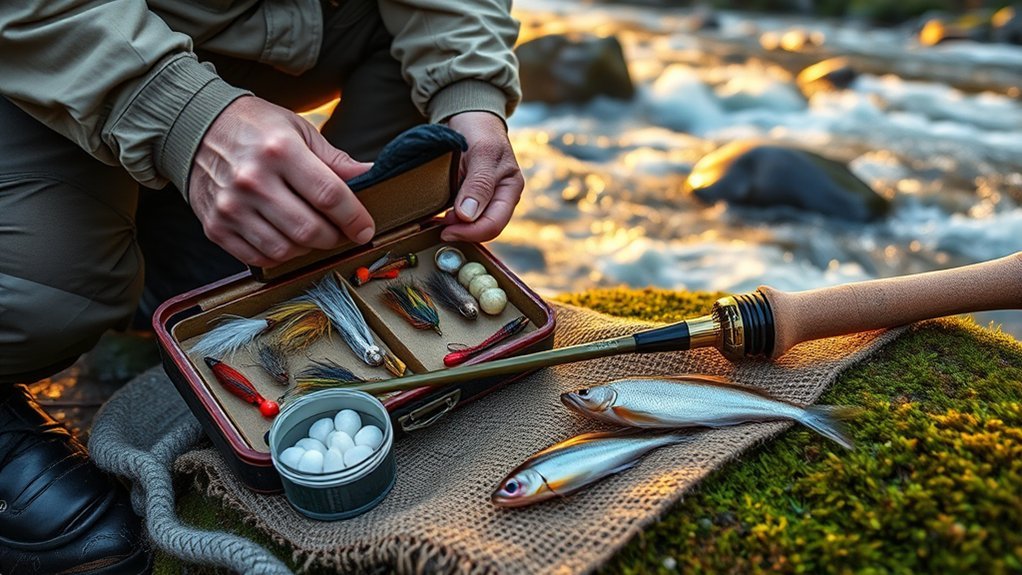
You’ll increase your catch rate when you match the hatch by observing insects on and over the water and choosing small nymphs, Adams-style dries, or streamers that mimic local baitfish.
Use lighter tackle and delicate presentations so your flies, lures, or legal baits move like real prey and trigger cautious trout.
Keep a spinner or spoon handy in colder months when trout feed more aggressively, but always prioritize accurate imitation, clean drift, and subtle presentation for pressured fish.
Match the Hatch
If you want more bites, match the hatch by choosing flies, lures, or bait that closely mimic what trout are eating at that moment. Anglers who observe insect types, colors, and hatch activity usually make better choices than anglers who cast randomly.
You’ll inspect the water, note emerging insects, and select patterns like Adams or Pheasant Tail for mayflies and Woolly Bugger for baitfish or leech-style imitations.
Change to lighter hues in clear water and brighter conditions, and try darker or more visible patterns in stained water, low light, or deeper runs.
Watch for rises to decide between dry fly or subsurface offerings. If trout flash below the surface but do not break the film, start with a nymph or emerger instead of a full dry fly.
Local guides often back this practical approach because knowing the stream’s ecology frees you to make confident choices.
Embrace matching the hatch and improve your success on the river with fly fishing focus, patience, and observation.
Trout-Targeted Presentations
Having matched the hatch and noted what trout are taking, focus on presentations that mimic those meals precisely. Nymphs, streamers, and dry flies each fill a role, with Pheasant Tail nymphs and Woolly Buggers as go-to patterns. You’ll fish light tippets, switch to dry flies during visible hatches, and use streamers to provoke reaction strikes near structure. For lure anglers, small spinners and spoons work across many conditions. Natural baits, where legal, should be small, fresh, and presented naturally. Fish experimentally, adjust by season, and treat choice as part of your technique. Below is a quick reference to match pattern, lure, and bait.
| Pattern | Lure | Bait |
|---|---|---|
| Pheasant Tail | Spinner 1/16–1/8 oz | Worm |
| Woolly Bugger | Spoon 1/8–1/4 oz | Minnow |
Techniques for Casting, Presentation, and Drift
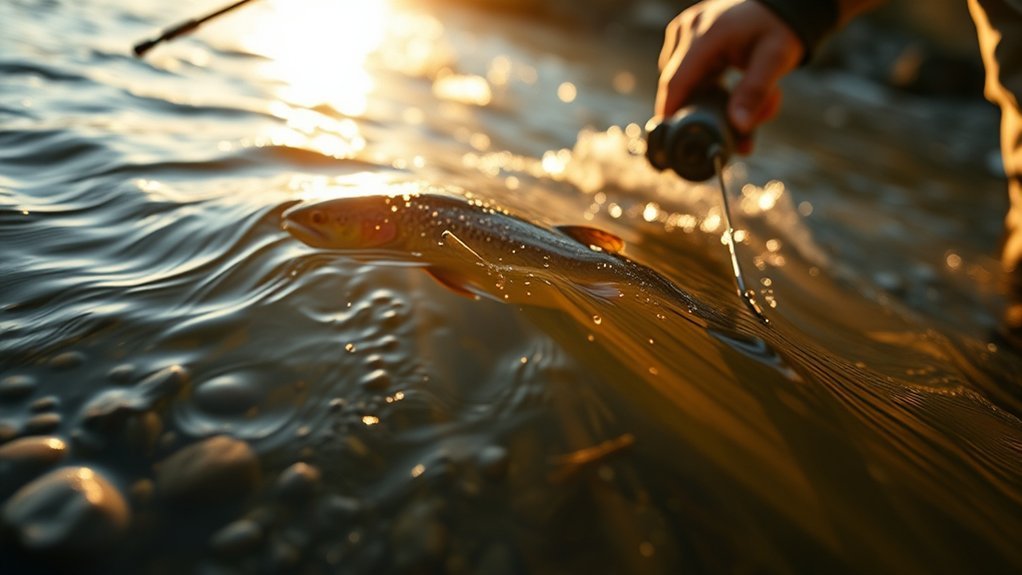
Start by aiming your cast about 45 degrees upstream so your lure or fly drifts naturally into the trout’s feeding zone. Then use roll casts, reach casts, or short accurate spinning casts to place the presentation gently on the water.
On clear, pressured water, a subtle entry and controlled drift beat brute force almost every time. Trout may ignore a perfect fly or lure if it moves faster, slower, or more awkwardly than the natural food around it.
Mend your line to remove drag and keep that fly or lure moving at the pace fish expect. Adjust tension and use soft mends to extend the strike window without spooking wary trout.
Vary retrieval speed and pattern. Use slow, deliberate pulls in cold water, tiny twitches when fish follow but do not strike, and livelier retrieves when trout chase bait in moderate flows.
Cast toward structure edges, seams, undercut-looking banks, and the soft water below riffles. Do not overfish one spot. Move deliberately, learn from each drift, and give yourself room to experiment.
Reading Water: Currents, Structure, and Holding Spots
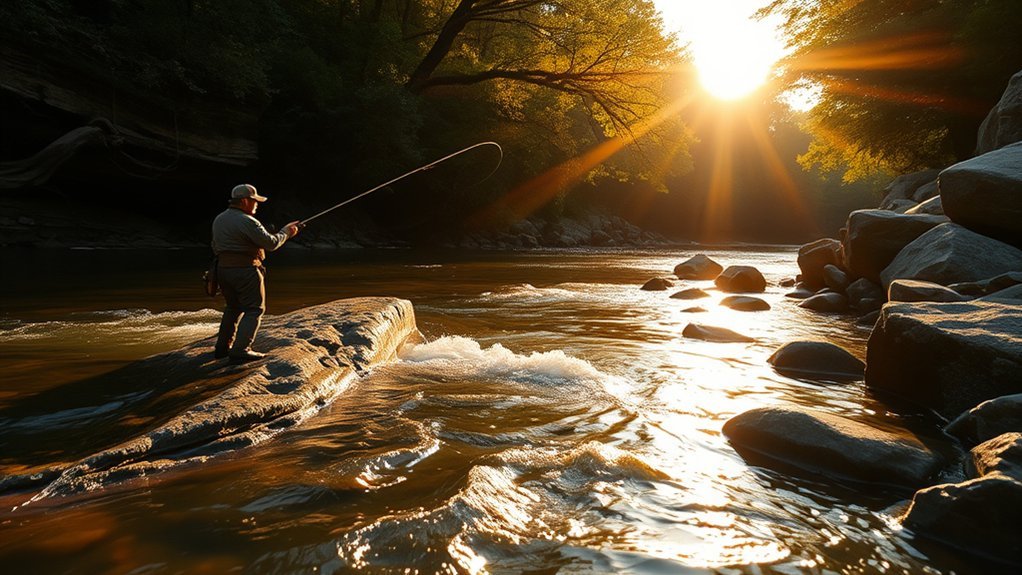
Once you’ve got casts and presentation dialed, shift your focus to how the river moves. Reading currents and structure will tell you where trout actually hold.
You’ll look for slower pockets beside faster water. These seams concentrate food and let trout ambush prey while using less energy.
Scan for rocks, fallen trees, and vegetation. These structures create eddies and backwaters that shelter fish and funnel insects, minnows, and other food.
Look for rocks, logs, current seams, and plants. They form eddies and quiet pockets that shelter trout while pushing food into predictable lanes.
Check depth changes. Deeper pools collect cooler water during warm spells, while riffle edges can feed actively when oxygen levels and insect drift improve.
Move deliberately, observe surface clues, and pick likely holding spots rather than casting randomly. Foam lines, bubble trails, nervous baitfish, and subtle rises all tell you where food travels.
Use local reports to learn unique features of the stretch you’re fishing. That intel sharpens decisions and speeds your learning curve.
You gain confidence on the water by reading it accurately. Practice reading currents, target structure, and you’ll put more fish in the net while fishing smarter, not harder.
Local Regulations, Limits, and Conservation Practices
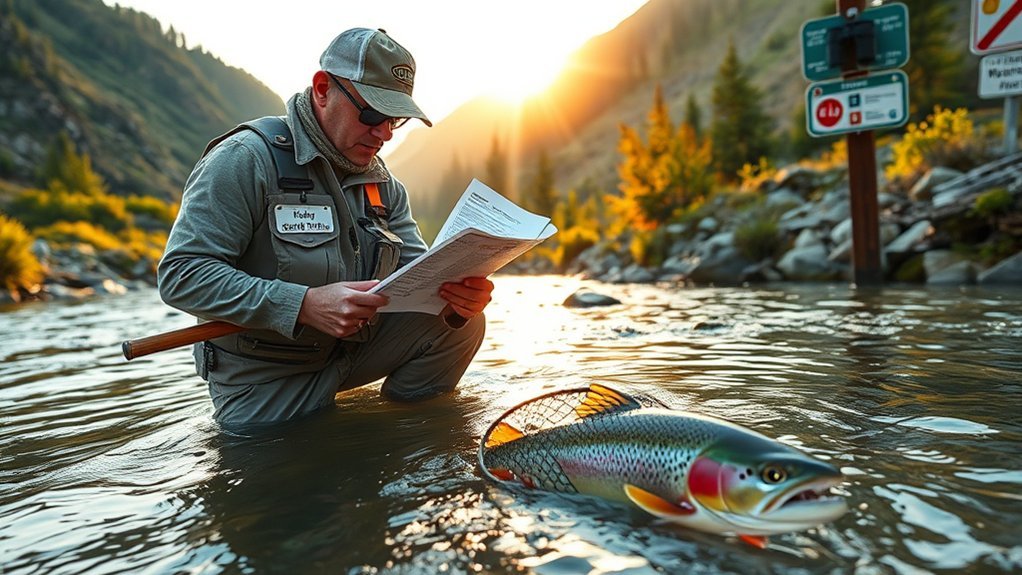
Because local rules shape what you can catch and how you should fish, knowing the Guadalupe River’s regulations and conservation efforts is as important as refining your cast.
You’ll follow local regulations that may set special bag limits, length limits, lure restrictions, or seasonal rules on specific trout waters. These rules protect stocked and holdover trout, reduce harvest pressure, and support better fishing over time.
Some special trout areas require artificial lures or flies, while other stocked locations may allow natural bait. Always verify the current rule for your exact access point before you rig up or keep a fish.
Winter stocking by Texas Parks and Wildlife and local conservation partners can boost trout numbers and create reliable opportunities. Stocking does not replace your responsibility to steward the resource.
- Check the current TPWD Outdoor Annual before every trip, especially on the Guadalupe River below Canyon Dam.
- Use legal tackle for the reach you fish, and switch methods if a special regulation zone requires it.
- Fish primarily in colder months unless water temperatures and fish condition support safe trout handling.
You can fish with confidence when dam releases, seasonal rules, stocking, and careful angler behavior work together to preserve cold-water opportunity in Texas.
Hiring Guides, Float Options, and Trip Planning
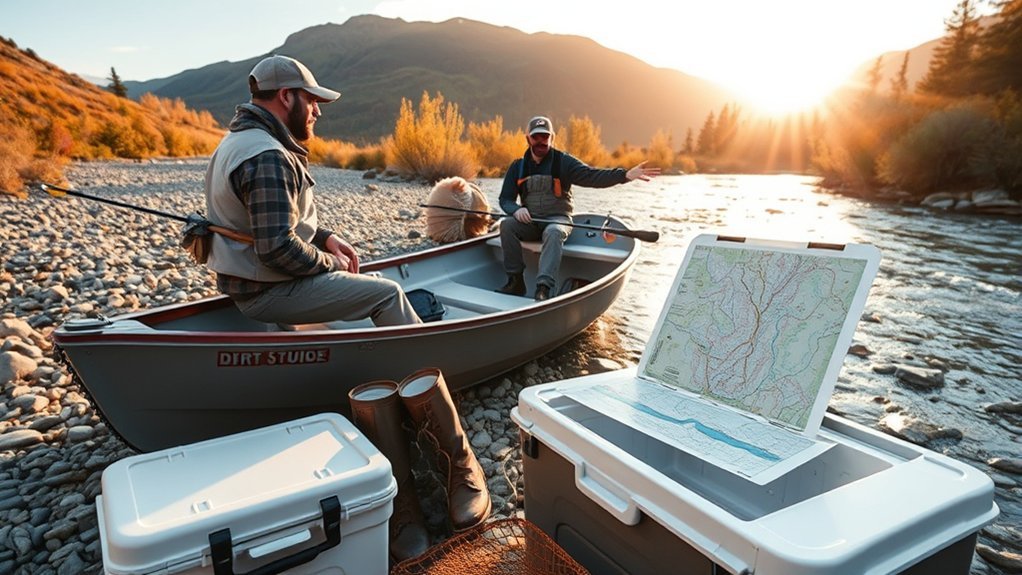
When you’re choosing a guide, pick a licensed, insured pro who knows current river access, local flows, safety concerns, and trout behavior. First aid or CPR training also adds peace of mind, especially when wading or floating in cold water.
Decide whether a full-day, three-quarter-day, or half-day float best matches your stamina and time. Floating is often the best way to reach Guadalupe trout while respecting private banks and covering more productive water.
Plan reservations well ahead for colder months when demand rises. Also confirm what gear is included, whether flies or lures are provided, and which regulations apply to the stretch you’ll fish.
Choosing a Guide
Looking for the right guide can make or break a river trout day, so pick someone who’s licensed, insured, and safety-minded. Ask direct questions about experience, flow conditions, legal access, and emergency plans.
You want a guide with deep local knowledge and one who supplies or recommends boots, waders, rods, flies, and clear instruction. A good guide should explain why a drift works, not just tell you where to cast.
Book early, especially in peak winter, to secure your preferred date and style of trip. Expect guides to match instruction to your skill level and free you from logistics so you can focus on fishing.
- Local experience: targets prime runs, legal access, current conditions, and seasonal patterns.
- Equipment included: reduces cost, clutter, and guesswork for new trout anglers.
- Advance booking: improves availability during peak season and better flow windows.
Choose someone who empowers you to fish confidently and handle trout responsibly.
Float Types
If you want a smooth, productive day on rivers like the Guadalupe, hiring a licensed guide and choosing the right float option is one of the quickest ways to learn the river.
You’ll gain a knowledgeable partner who opens fishing opportunities, teaches technique, and adapts to your skill level. Float options commonly use stable rafts for two anglers plus a guide, giving easy access to prime runs and minimizing fatigue.
Guided trips often come as half-day, three-quarter-day, or full-day options, so you can pick the intensity and timing that fit your goals. Shorter floats work well for beginners. Full-day trips give experienced anglers more time to adjust patterns and cover water.
Guides may provide boots, waders, rods, flies, or lures, but details vary. Confirm what is included before you book.
Book well ahead in peak winter months; demand spikes and good guides fill fast.
Trip Logistics
Because a licensed, insured guide brings local knowledge, safety planning, and gear support to the trip, hiring one can turn a river day into consistent learning and lower stress.
You’ll get expertise, boots or waders when included, and clear safety protocols so you can fish boldly and learn fast. Float trips in stable rafts for two anglers plus a guide open access to prime runs and limit fatigue.
Plan by reserving early, especially late fall to early spring when demand peaks. Choose half-day, three-quarter-day, or full-day floats to match your goals and energy.
- Reserve early: peak seasons and strong flow windows fill fast.
- Pick float length: match stamina, budget, instruction needs, and target water.
- Confirm provided gear: guides may supply waders, boots, rods, flies, or lures.
You may focus on trout or pursue largemouth bass and other warm-water species when trout conditions are poor.
Safety and Fish Handling Tips
Texas trout fishing often happens during cool weather, changing flows, and slippery river conditions. Treat the river with caution even when the water looks calm.
Wear a wading belt, step slowly, and avoid crossing heavy current that pushes above your knees. Felt-free sticky rubber soles, studs where legal, and a wading staff can improve stability on rocky riverbeds.
For catch-and-release, use barbless hooks when practical, keep trout in the water, wet your hands before touching fish, and limit photos to a few seconds. If a trout struggles to swim away, face it gently into slow current until it kicks free on its own.
Carry water, layers, sun protection, a small first aid kit, and a charged phone in a waterproof pouch. Let someone know where you plan to fish, especially if you visit less-crowded access points.
Related Guides
Frequently Asked Questions
How do I care for and cook trout after catching them?
If harvest is legal where you fish, dispatch trout quickly, bleed them if you prefer cleaner fillets, and chill them on ice. At home, rinse lightly, pat dry, and pan-sear, bake, or grill with simple seasoning. Fresh trout has a mild flavor, so lemon, herbs, butter, garlic, and salt are usually enough.
Can I keep trout if I only have a nonresident fishing license?
A valid nonresident Texas fishing license can allow you to keep trout, but you still must follow all current freshwater rules for the exact water you fish. Check license requirements, bag limits, length limits, and special-zone rules before keeping any trout.
What are the best wading boots for rocky riverbeds?
Choose felt-free sticky rubber boots with ankle support, toe protection, drainage, and a secure fit over your waders or socks. Studded rubber can help on slick rock where allowed, but always check local rules and avoid damaging sensitive habitat.
How do night fishing techniques differ for river trout?
At night, trout often rely more on vibration, silhouette, and nearby movement. Use quiet casts, slow retrieves, darker streamers or lures, and careful footing. Keep your light low, protect your night vision, and avoid risky wading in unfamiliar current.
Are there ethical catch-and-release methods for handling trout?
Yes. Use barbless hooks when practical, land fish quickly, wet your hands, keep trout in the water, avoid squeezing the belly or gills, take fast photos, and release the fish facing into gentle current. Stop fishing for trout when warm water makes recovery difficult.
What is the best beginner setup for Texas trout fishing?
A beginner can start with a 7-foot light or medium-light spinning rod, a 1000–2500 size reel, 4–8 lb line, small spinners, spoons, and a rubber net. Fly anglers can start with a 5-weight rod, floating line, nymphs, small dries, and a few streamers.
Conclusion
You’ve learned where trout hide and when to strike, yet the river can still surprise you. Use proven gear, precise casts, and local rules, but stay curious when patterns break. Respect limits, check current regulations, and practice catch-and-release when conditions make harvest or handling risky. Hire a guide when you want efficiency, float for bigger runs, and adjust techniques by feel. Balance confidence with humility, and you’ll turn smart planning into more and better days on Texas trout water.
Sources
- Texas Parks and Wildlife Department — official source for Texas fishing licenses, regulations, stocking information, and freshwater fishing guidance.
- Texas Outdoor Annual — current statewide and special-location fishing regulations to check before keeping trout.
- Trout Unlimited — conservation background on trout habitat, cold-water fisheries, and responsible angling practices.