Cold water fishing rewards patience, precision, and smart lure choices. When bass slow down in chilly water, you need to slow your presentation, target warmer areas, and make each cast count. The right approach helps you catch fish even when bites are light, feeding windows are short, and conditions feel tough.
Quick Answer
The best cold water fishing strategy is to fish slowly with smaller, natural-looking lures near warm, protected areas. Focus on sunny banks, cover, deeper wintering spots, creek mouths, and calm water. Use jigs, Ned rigs, shaky heads, jerkbaits, and slow-moving bladed jigs to tempt sluggish bass.
Key Takeaways
- Cold water bass feed less often, so slow presentations work better than fast, aggressive retrieves.
- Sunny, calm areas often hold warmer water and can trigger better feeding activity.
- Small jigs, Ned rigs, shaky heads, jerkbaits, and bladed jigs are reliable cold water choices.
- Light line and sensitive rods help you detect soft bites in clear, cold water.
- Patience matters because one or two quality bites can make a cold weather trip successful.
Understanding Cold Water Bass Behavior
When water temperatures dip into the 40s and 50s, understanding cold water bass behavior becomes essential for a successful fishing trip. Bass are cold-blooded, so their metabolism slows considerably, making them lethargic and less inclined to feed. In these temperatures, their feeding windows and strike zones shrink, so you need to present your baits slowly and patiently to entice a catch.
As water temperatures hover around 50 degrees, bass often seek areas that provide comfort, cover, or easier feeding opportunities. You may find them near vegetation, submerged wood, rocks, docks, ledges, channel swings, or other structure. This behavior means you should adjust your fishing strategies instead of covering water too quickly.
Finesse techniques, like dragging jigs or using Ned rigs, can be particularly effective because they stay in the strike zone longer. When the water warms into the mid to upper 40s, bass may shift from wintering spots to feeding zones, increasing their activity and willingness to strike. Understanding these small changes in cold water bass behavior will improve your fishing success during the chillier months.
Note: Cold water bass may still feed, but they usually do not chase as far. Keep your bait close to cover, bottom changes, or visible baitfish to improve your odds.
Effective Fishing Techniques for Cold Water
To effectively catch bass in cold water, you’ll want to adopt a “low and slow” approach that matches their lethargic behavior. Focus on water temps between 40 to 60 degrees Fahrenheit, where bass become less active and more selective. Use soft plastics like the Ned rig or a shaky head, dragging them along the bottom to keep them in a small area and tempt wary fish.
Look for warmer spots, such as sunlit banks, riprap, dark-bottom flats, protected pockets, and isolated cover, where bass often gather. These areas can warm slightly faster than surrounding water, which may create short feeding opportunities during the middle of the day.
Utilize lighter action rods and ultra-light lines for better sensitivity in clear water, helping you detect even the slightest bites. While you’ll primarily use finesse techniques, be ready to switch to moving baits like crankbaits or spinnerbaits as temperatures rise, but remember to maintain a slow retrieval speed. This tailored approach to cold water bass fishing will greatly boost your chances of landing a catch.
[Amazon Products Picked for You]

Includes bone, baby bass and foxy shad

Features an insect-like FatheadTM body with bulging eyes

LARGE FISHING: Pencil Popper lure comes in 6 and 7 inch options and known for ideal lures for big fish
Slow Bottom-Contact Presentations
Bottom-contact baits shine in cold water because they stay near the fish longer. Drag a jig, Ned rig, tube, or shaky head across rock, gravel, points, and channel edges. Avoid hopping the bait too much. Small movements often look more natural when bass are inactive.
Pause often after your bait bumps cover or changes depth. Many cold water bites feel like extra weight rather than a hard strike. When you feel pressure, reel down and set the hook with control instead of jerking too early.
Suspended and Moving Baits
Suspending jerkbaits can work well when bass hold off the bottom or follow baitfish. Use a twitch-twitch-pause cadence, then lengthen the pause if fish only follow without striking. In very cold water, pauses of several seconds can be more effective than constant movement.
Slow-rolled spinnerbaits, flat-sided crankbaits, and bladed jigs can also produce when the water warms slightly or when wind creates a little stain. Keep the bait moving just fast enough to maintain action while still giving bass an easy target.
Pro Tip: After catching a fish, make several more casts to the same spot. Cold water bass often group tightly, so one bite can reveal a small but productive area.
The Importance of Sunny Days
Fishing on sunny days can greatly enhance your chances of catching bass. During these periods, female bass may become more active as they feed before the spawn, making it easier for you to catch more fish in late winter or early spring conditions.
On sunny days, bass may move higher in the water column or slide shallower, which means they become more accessible and more willing to bite. Focus on areas where sunlight warms the water, especially muddy banks, dark bottoms, rocks, protected pockets, and shallow cover that absorbs heat.
This warmer water encourages fish activity and feeding behavior, so it pays to target calm, sunny areas. Remember to fish slowly; this approach allows you to entice those bass that are using the sun-warmed water. By understanding the importance of sunny days, you’ll maximize your time on the water and increase your chances of a successful outing.
Choosing the Right Lures and Baits
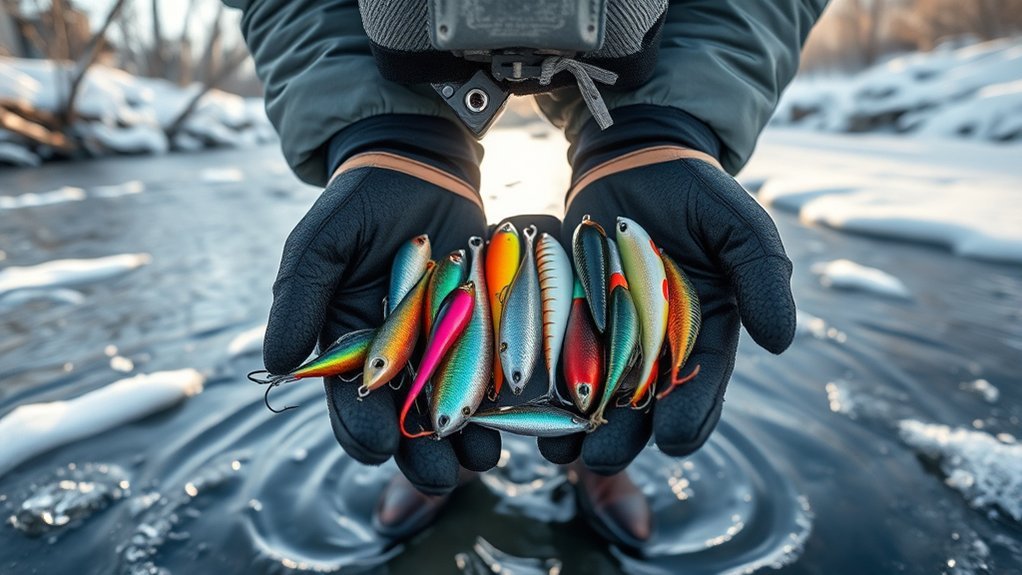
When it comes to cold water fishing, choosing the right lures and baits can make all the difference. You’ll want to focus on smaller sizes and natural colors that mimic local forage, as well as techniques that allow for slow retrieval. Jigs, jerkbaits, and bladed jigs are excellent options that can effectively entice lethargic bass in chilly conditions.
[Amazon Products Picked for You]

EXCITING POPPER: Designed by Kevin VanDam to have an erratic thumping action, the Strike King KVD Splash is the perfect balance of spitting, chugging, and walking to entice topwater strikes. Each pack includes 1 lure only

Jitterbug is proven its power to ignite explosive strikes on topwater fish

Design is on the back and a small logo on the front left chest. Design is distressed.
Best Cold Water Lures
Choosing the right lures for cold water can make all the difference in your fishing success. For bass fishing in cold water, jigs are a top choice, particularly finesse football and hybrid finesse jigs. These allow you to fish slowly while maintaining contact with the bottom, where lethargic bass often hide.
Jerkbaits, like the Megabass Vision OneTen, mimic struggling baitfish with their suspending action, attracting inactive bass. Bladed jigs, such as the Z-Man Evergreen ChatterBait JackHammer, can be retrieved slowly, creating enticing vibration and pauses. Smaller lures are usually more effective because bass often conserve energy in cold conditions. Opt for natural patterns in colors like perch, shad, green pumpkin, brown, and bluegill tones to maximize your chances of success.
Effective Bait Techniques
While the right bait can greatly enhance your success in cold water fishing, understanding how to effectively present it is key. For smallmouth bass, effective lures like jigs and jerkbaits work well around rock, gravel, points, and deeper breaks.
Utilize finesse football jigs or hybrid finesse jigs, like the OW Sniper, to maintain a slow presentation that entices bass in colder water temperatures. Jerkbaits, such as the Megabass Vision OneTen, mimic struggling baitfish, making them useful for drawing in lethargic fish. Additionally, bladed jigs like the Z-Man Evergreen ChatterBait JackHammer can be effective during slow retrieves over shallow flats. Adjust your lure sizes and colors, opting for smaller, natural-colored options that align with the fish’s energy-efficient feeding habits in cold water.
Color Selection Strategies
Understanding the right color selection for your lures and baits can greatly influence your success in cold water fishing. In colder temperatures, bass tend to prefer smaller and more natural color patterns, as they are often less aggressive and less likely to chase unnatural presentations.
In stained water, opt for darker colors like black, blue, or green pumpkin for stronger contrast. Conversely, in clear water, brighter shades like chartreuse or firetiger can attract attention when used carefully, while translucent shad or baitfish colors can look more natural. Experimenting with color combinations can also be beneficial; pairing natural colors with slight contrast may entice lethargic bass in cold water.
Always monitor water clarity and temperature, as these factors can guide your choices, ensuring your lures closely match the prey bass are targeting. If you see shad, perch, crawfish, or bluegill activity, choose colors and profiles that resemble that local forage.
Adjusting Your Fishing Gear for Cold Weather
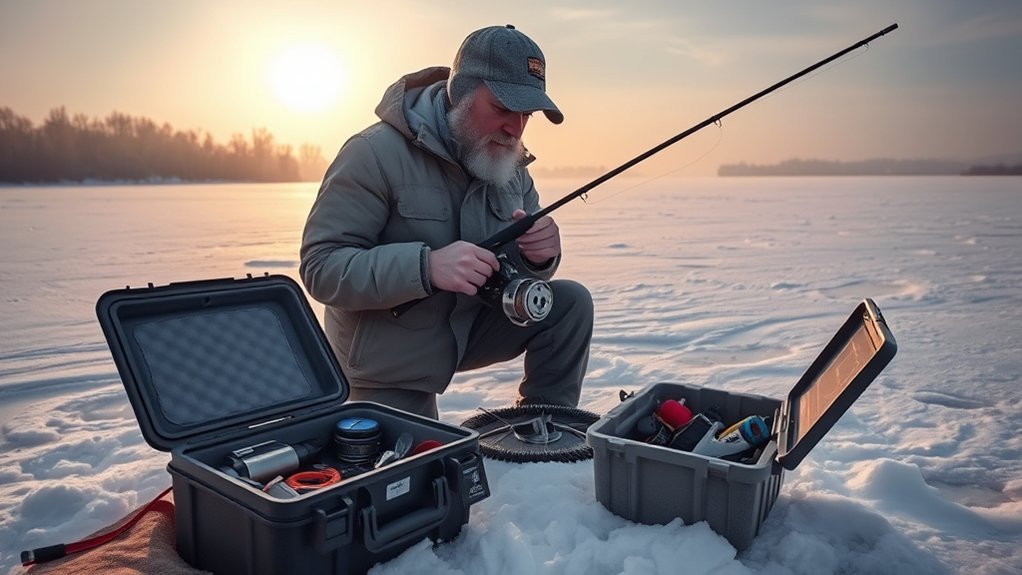
As the temperatures drop, adjusting your fishing gear becomes vital for success on the water. In cold water conditions, you need to be more strategic in your approach. Using lighter action rods allows for better control and sensitivity, which is important for detecting subtle bites. Opt for light line to avoid detection by fish in clear water, enhancing your chances of a successful catch.
Here’s a quick reference table for your gear adjustments:
| Gear Type | Recommendations | Purpose |
|---|---|---|
| Rods | Lighter action rods | Better control for subtle bites |
| Fishing Line | Light line | Minimizes detection in cold water |
| Hooks | Light jig head hooks | Helps create a natural presentation with soft plastics |
Do not forget to regularly check and maintain your gear to make sure it works well in colder temperatures. Worn equipment can hinder your performance and success rates. Cold weather can also make line memory worse, stiffen some plastics, and reduce reel smoothness, so preparation matters before you make your first cast.
[Amazon Products Picked for You]
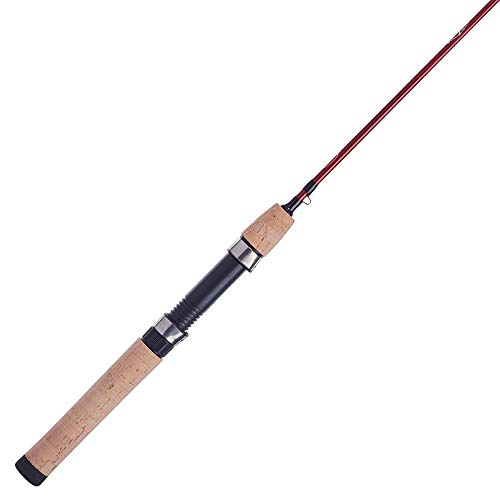
BERKLEY CHERRYWOOD HD 5’6” SPINNING ROD, FAST ACTION: The Cherrywood HD series with old school cork handles and remarkable feel make this rod one of a kind. Cork retains heat and is warmer to the touch on those cold mornings out on the water.

Quality Construction: This 4-foot 6-inch, 2-piece spinning fishing rod features a premium graphite blank for lightweight sensitivity, making it an excellent choice for any crappie fishing adventure

ULTRALIGHT SPINNING ROD FOR TROUT & PANFISH: This ultralight spinning rod is designed for trout, crappie and panfish fishing, delivering exceptional sensitivity to detect even the lightest bites and making it an ideal ultralight fishing rod for finesse techniques in creeks, rivers and lakes
Cold Weather Gear Checklist
- Check line condition: Replace frayed or coiled line before fishing clear, cold water.
- Use sharp hooks: Cold water bites can be soft, so sharp hooks improve your hookup rate.
- Pack extra gloves: Wet hands get cold fast, and numb fingers make lure changes harder.
- Keep baits organized: Cold weather is not the time to dig through messy tackle boxes.
- Dress in layers: Staying warm helps you fish more patiently and accurately.
Warning: Cold water can be dangerous, especially from a boat or kayak. Wear a life jacket, keep dry clothes nearby, and avoid risky conditions when wind, ice, or low visibility make fishing unsafe.
Targeting the Best Fishing Spots
After adjusting your gear for cold weather, the next step is to pinpoint the best fishing spots to increase your chances of success. Target areas where the water is warmest, as winter bass often seek these locations. Even a small temperature difference can help concentrate fish and bait.
Here are some prime spots to evaluate:
- Sunlit flats: These shallow areas warm up quickly in the sunlight.
- Creek mouths: Warm water influx and food sources can attract fish.
- Isolated cover: Look for fallen trees, brush piles, docks, or rock piles that offer shelter.
- Underwater springs: These natural temperature changes can draw in fish seeking comfort.
- Electronics: Use technology to identify temperature variations, baitfish, depth changes, and productive areas.
Do not hesitate to make repetitive casts in these spots; it might just trigger the bites you are waiting for. By focusing on these locations, you’ll maximize your chances of landing that trophy catch.
Depth Changes and Wintering Areas
Cold water bass often relate to deeper water, but that does not mean they always stay deep. Many fish hold near steep banks, channel bends, main-lake points, bluff ends, and ledges because these areas let them move between deep comfort zones and shallow feeding areas with less effort.
Start near the deeper side of a likely spot, then work gradually toward shallower cover if the sun has warmed the area. This approach helps you locate fish without skipping the transition zones where cold water bass often stage.
The Role of Wind in Cold Water Fishing
While wind can sometimes be a challenge when fishing in cold water, it also plays a significant role in determining your success. Windblown areas of ponds may feel colder and can be less comfortable to fish, making these spots less desirable for targeting bass that prefer warmer temperatures during harsh winter conditions.
During winter, you may find fish more active in calm water as they seek the warmest areas, enhancing your chances to catch bass. If you cannot avoid the wind, try using spinnerbaits or bladed jigs; however, it is generally more effective to focus on sheltered spots away from the strongest wind when temperatures are very low.
Casting in these calmer areas will maximize your chance of attracting cold-blooded bass looking for warmth. Additionally, selecting fishing times when the wind is minimal can further improve your success, as heavy wind can disrupt lure control and make bite detection harder. Keep an eye on the wind and adjust your strategies accordingly for better results.
Patience and Persistence in Cold Weather Fishing
When fishing in cold water, patience and persistence become your best allies. The conditions can be challenging, but understanding when and how to apply these traits can greatly improve your experience and catch rates.
Here are some tips to keep in mind:
- Fish are often more active between 11 a.m. and 3 p.m., so plan your trips around these warmer parts of the day.
- Expect fewer bites; catching just one or two fish can be a successful outing.
- Larger fish are often possible in colder waters because they may feed during short, specific windows.
- Use repetitive casting in specific areas; it can lead to better responses after initial attempts.
- Embrace the learning curve; fishing in cold water sharpens your skills, patience, and adaptability.
Cold weather fishing can feel slow, but that slower pace teaches you to read water, manage your lure, and detect subtle bites. Instead of moving constantly, choose high-percentage areas and work them carefully. You may only get a few chances, so every cast should have a purpose.
Related Guides
Frequently Asked Questions
What is the best bait for cold water fishing?
For cold water fishing, try finesse presentations like the Ned rig or shaky head with small soft plastics. Jerkbaits and bladed jigs also work well because they mimic struggling baitfish and create action that can attract slow-moving bass.
What is the 80/20 rule in fishing?
The 80/20 rule in fishing means you often catch most of your fish from a small percentage of available water. Focus on high-percentage areas known for holding fish, such as points, cover, creek mouths, depth changes, and warmer pockets.
What is the 90/10 rule in fishing?
The 90/10 rule in fishing suggests that most fish may use a small portion of the water at any given time. By targeting specific, high-percentage areas, you can increase your chances of success and avoid wasting time on unproductive water.
Do fish bite when it’s cold?
Yes, fish can bite when it’s cold, but their activity usually drops. You need to be patient and use slower presentations, especially during the warmer parts of the day, to increase your chances of success.
What time of day is best for cold water bass fishing?
Late morning through mid-afternoon is often best because sunlight may warm shallow areas and make bass more willing to feed. Cloud cover, wind, water clarity, and seasonal patterns can still change the best window.
Should you fish shallow or deep in cold water?
You should check both, but start near areas that offer quick access to deep water. Bass often hold near deeper wintering zones, then move shallower during warming trends, sunny afternoons, or short feeding periods.
Conclusion
In cold water fishing, patience is your best ally, much like a seasoned chef waiting for the perfect moment to serve a dish. By understanding bass behavior and employing the right techniques, you can reel in success even when temperatures drop.
Choose natural lures, fish during peak warming hours, and target sheltered spots where bass can feed without wasting energy. Slow down, pay attention to subtle bites, and keep working high-percentage areas with confidence. With persistence and the right approach, you’ll navigate the chill and enjoy a rewarding fishing experience. Bundle up, stay safe, and get ready to cast.