Picture yourself standing at the edge of a serene lake, fishing rod in hand, ready to cast your line. As you prepare for a day of angling, understanding the price ranges of fishing rods in 2025 can help you avoid overspending or buying a rod that limits your progress. Rod prices vary widely because materials, guides, reel seats, warranties, brand reputation, and fishing technique all affect cost. Let’s break down each price tier so you can match the right rod to your skill level, target species, and fishing adventure.
Quick Answer
Most fishing rods cost between $20 and $300, with beginner rods around $20 to $50, mid-tier rods around $50 to $150, and high-end rods from $150 to $300 or more. Spend more when you need lighter weight, better sensitivity, stronger components, or a rod built for a specific technique.
Key Takeaways
- Budget rods are best for beginners, casual trips, backup setups, and simple freshwater fishing.
- Mid-tier rods usually give you the best value because they improve sensitivity, casting feel, and component quality without premium pricing.
- High-end rods make the most sense if you fish often, target specific species, or need lightweight power and sharper bite detection.
- Material, rod action, power rating, guides, reel seat, warranty, and brand quality all affect the final price.
Fishing Rod Price Ranges: An Overview
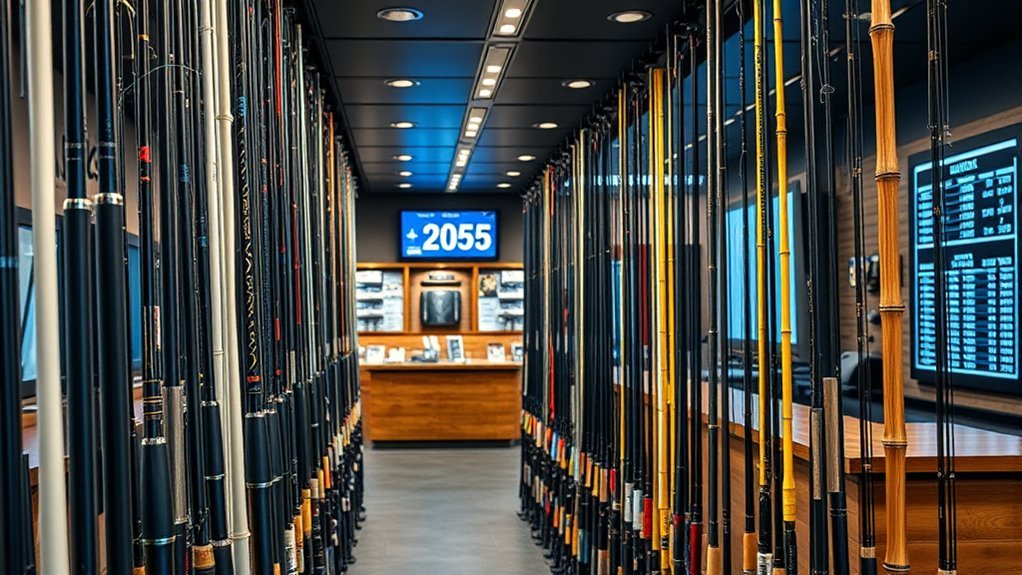
When you’re shopping for a fishing rod, you’ll usually see prices range from about $20 to well over $300. That wide spread exists because rods serve different anglers, waters, species, and techniques.
For beginners, rods priced between $20 and $50 often use fiberglass or lower-cost carbon fiber. These rods offer basic performance and strong durability, making them ideal for learning how to cast, set the hook, and handle smaller fish.
As you gain experience, you might consider mid-range rods priced between $50 and $150. These often feature better blanks, improved guides, and more comfortable reel seats. You usually get more sensitivity, smoother casting, and better balance in this range.
For seasoned anglers, high-end rods from $150 to $300 focus on lighter construction, improved responsiveness, and technique-specific performance. These rods can help you feel subtle bites and control lures more precisely.
The top-of-the-line options, exceeding $300, may include premium blanks, custom-style components, advanced carbon construction, and specialized designs. These rods are often built for anglers who fish often or compete seriously.
Ultimately, the price reflects the quality of materials, rod components, construction methods, warranty support, and the specific fishing techniques or species you’re targeting.
| Price Range | Best For | What You Usually Get |
|---|---|---|
| $20–$50 | Beginners, kids, casual anglers, backup rods | Durable fiberglass or basic carbon construction with simple components |
| $50–$150 | Most weekend anglers and improving beginners | Better sensitivity, lighter blanks, improved guides, and more comfortable handling |
| $150–$300 | Frequent anglers and technique-focused setups | Lightweight graphite or carbon blanks, stronger components, and sharper bite detection |
| $300+ | Serious, competitive, or specialist anglers | Premium construction, advanced materials, custom-style features, and top sensitivity |
High-End Fishing Rods: Premium Choices
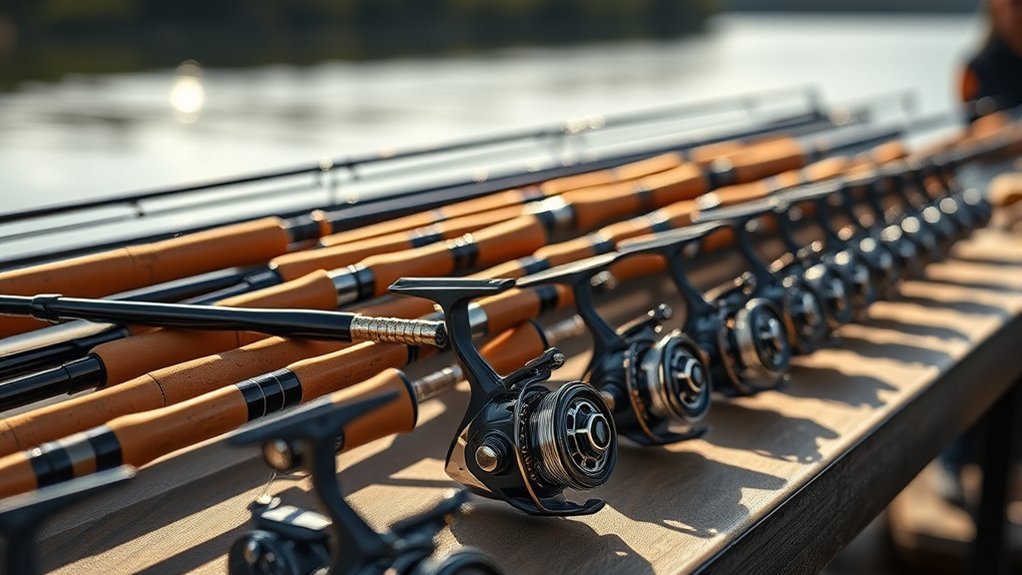
If you’re serious about elevating your fishing experience, investing in high-end fishing rods can be a game changer. These rods typically range from about $300 to over $500, depending on length, technique, materials, and brand.
Premium rods often use advanced materials and technology that improve feel, reduce weight, and help transfer vibration from the lure to your hand. That matters most when fish bite lightly or when you need to detect bottom changes, weeds, rocks, or subtle line pressure.
For instance, the St. Croix Legend Tournament Series is known for premium construction, technique-specific models, and higher-end components. Depending on model and retailer, these rods commonly sit in the upper price tier, often around the $300 to $500 range.
If you’re looking for premium craftsmanship at a lower price point, the 13 Fishing Oath Series is known for strong components and modern design, with some baitcasting models around $99.99. While that price places it closer to the value or mid-tier category, it shows how some brands bring premium-style features into more affordable rods.
For multi-species anglers, St. Croix’s Rayfin Series delivers elite performance with advanced carbon construction and premium components, with models often positioned above typical mid-range rods.
These high-end rods often include specialized designs and quality guides that boost sensitivity and durability. They may also feel more balanced in hand, which reduces fatigue during long fishing sessions.
Note: A more expensive rod will not automatically catch more fish. It helps most when you already know your target species, preferred lure style, and fishing conditions.
[Amazon Products Picked for You]

UGLY STIK 7’ COMPLETE SALTWATER SPINNING COMBO: Includes 9 pieces of Saltwater tackle to catch multiple Saltwater Species: 20lb. mono double hook bottom rig (2), 3oz. pyramid sinker (2) and 3/0 circle hooks (5).

UGLY STIK CARBON WALLEYE 7' SPINNING ROD AND REEL COMBO: Delivers the same trusted Ugly Stik toughness with precision action tailored for targeting walleye.

30 Ton Graphite Telescopic Fishing Rod: All graphite rod reduces by 20% physical weight to others made from a mix of carbon and fiberglass, which is not only more responsive, but also doesn't reduce firmness. The ceramic guide ring adopts weaving + resin technology, which can prevent the guide ring from falling off and prolong the service life
Mid-Tier Fishing Rods: Balancing Quality and Cost
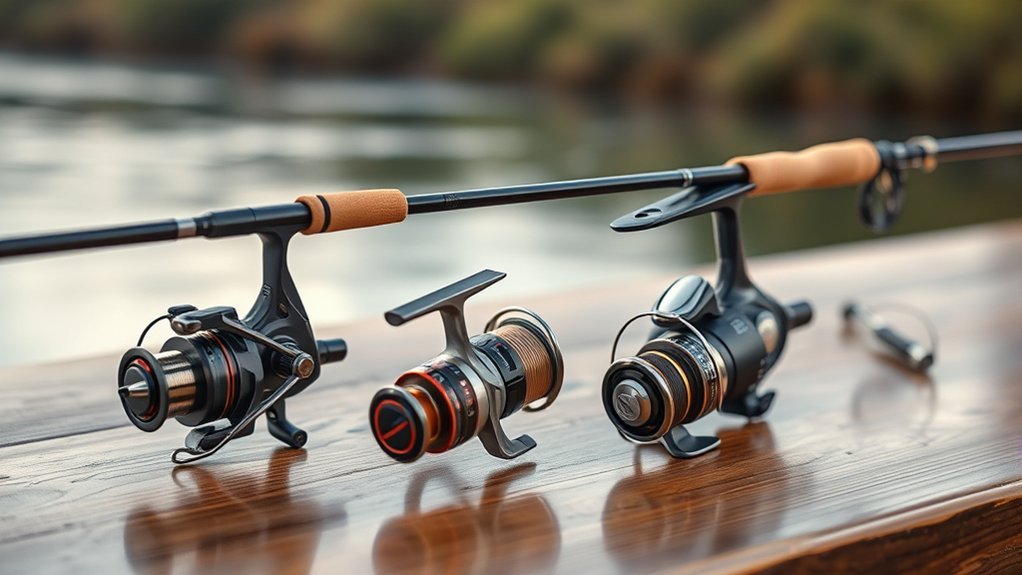
For anglers seeking a solid balance between performance and cost, mid-tier fishing rods often provide the smartest value. Ranging from $50 to $150, these rods suit beginners who want to upgrade and intermediate anglers who fish several times a season.
They often incorporate high-modulus graphite, graphite composites, or quality fiberglass blends. These materials can improve sensitivity and casting performance compared with lower-priced options.
Brands like Lew’s and St. Croix offer excellent mid-tier choices, with models such as the Lew’s Custom Speed Stick and St. Croix Triumph recognized for craftsmanship and versatility across different fishing environments.
Additionally, mid-tier rods come equipped with improved components, like higher-quality guides and reel seats. Better guides can help line flow more smoothly, while a sturdier reel seat keeps your reel secure during casting and fighting fish.
This price range is often the best place to start if you plan to fish regularly. You avoid the limitations of the cheapest rods without paying for premium features you may not use yet.
Pro Tip: If you are unsure where to spend your money, choose a mid-tier rod first and pair it with a reliable reel. A balanced rod-and-reel setup feels better than an expensive rod matched with the wrong reel.
[Amazon Products Picked for You]

BERKLEY CHERRYWOOD HD 7’ SPINNING ROD, FAST ACTION: The Cherrywood HD series with old school cork handles and remarkable feel make this rod one of a kind. Cork retains heat and is warmer to the touch on those cold mornings out on the water.

All-Day Comfort: The KastKing Spartacus II Fishing Rod features a Stryker Green main body and a slip-resistant rubber cork handle that delivers exceptional comfort, especially during long fishing trips.

Budget-Friendly Fishing Rods: Affordable Options

When you’re on a budget, finding a reliable fishing rod doesn’t have to be a challenge.
Brands like Ugly Stik and PLUSINNO offer strong value for money, especially for new anglers, casual trips, and family fishing days.
In this section, you’ll discover top affordable rod options that balance performance and cost effectively.
[Amazon Products Picked for You]

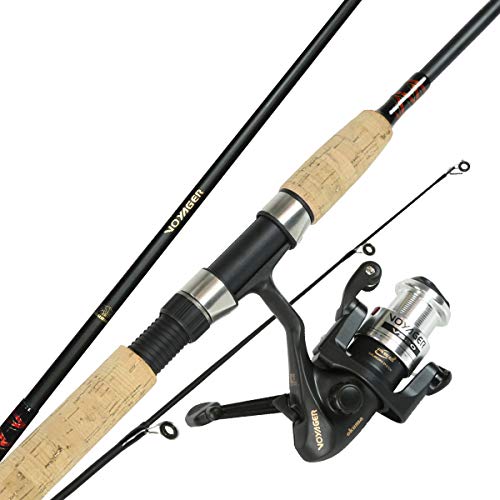
Rod+Reel: Premium fishing rods and exquisite fishing reel pair together to showcase the perfect design of Sougayilang.
Convenient nylon travel bag

30 Ton Carbon - TES fishing pole construction uses diagonally-wrapped carbon tape to form an array of “X” shapes on the rod blank’s outermost layer. The width of the tape, its winding angle and the part of the rod being wrapped are fine-tuned according to the target fish species for precise actions, enhanced overall strength and added twist resistance. In short, the special construction delivers sharp and crisp rod control for the angler.
Top Affordable Rod Brands
Finding the right fishing rod on a budget can be challenging, but several brands stand out for their affordability and quality.
Ugly Stik’s GX2, often priced around $49.95 depending on size and retailer, is known for durability and versatility. It works well for many common freshwater fishing styles and can handle beginner mistakes better than more delicate rods.
PLUSINNO rods, like the Two-Piece Spinning Rod, offer strong performance and excellent value, usually between $50 and $80. These rods often appeal to anglers who want an easy-to-store setup for travel, bank fishing, or casual weekend use.
If you’re into freshwater fishing, consider Daiwa’s MLT Crossfire series, which provides solid functionality at approximately $60 to $80. It can be a practical choice for anglers who want a recognizable brand without moving into premium pricing.
Many of these budget-friendly rods feature comfortable grips and lightweight materials, helping you enjoy your fishing experience without overspending.
With these options, you can find a reliable rod that suits your needs and wallet.
Value for Money Options
While you might think that quality fishing rods always come with a hefty price tag, plenty of budget-friendly options deliver impressive performance for casual anglers.
Typically ranging from $20 to $50, these rods are often made from fiberglass or lower-cost carbon fiber, making them perfect for beginners. Notable options include the Ugly Stik GX2, often found around $49.95, known for its durability and versatility.
The PLUSINNO Two-Piece Spinning Rod and PLUSINNO Carbon Fiber Telescopic are also excellent choices that offer good balance, portability, and casting performance for the money.
These affordable rods provide reliable functionality, ensuring you can enjoy your fishing trips without compromising too much on quality. They are ideal for casual and novice anglers who want to learn before investing more.
Key Factors Influencing Fishing Rod Price

Understanding the key factors that influence fishing rod prices is essential for making an informed purchase. Various elements come into play, such as materials, quality, rod power ratings, rod action, brand reputation, and your experience level.
Here’s a quick breakdown:
| Factor | Impact on Price |
|---|---|
| Materials | Carbon fiber and high-grade graphite rods are usually pricier because they can improve strength, sensitivity, and weight. |
| Quality of Components | High-quality guides, handles, and reel seats can improve comfort and performance, raising prices. |
| Rod Power Ratings | Specialized rods for heavier fish, finesse tactics, or specific lure types often cost more. |
| Experience Level | Beginners may spend $20-$50, while seasoned anglers may invest $150-$300 or more. |
Additionally, your fishing frequency and type can affect your choice. If you fish regularly, investing in mid to high-end rods for durability and sensitivity makes sense.
By considering these factors, you’ll find a fishing rod that meets your needs and budget.
Materials: The Core of Performance
Choosing the right material for your fishing rod is essential because it directly influences your performance on the water. Fishing rods are primarily made from fiberglass, graphite, composite blends, and advanced carbon materials.
Fiberglass offers durability and flexibility at a lower price, making it a solid choice for beginners. It can take rough handling and works well for moving baits, catfish, panfish, and general-purpose fishing.
In contrast, graphite rods provide superior sensitivity and lightweight performance. That makes them ideal for experienced anglers who want better casting distance, lure control, and bite detection.
Composite rods blend fiberglass and graphite to balance strength, sensitivity, and forgiveness. They can be a strong choice if you want one rod for multiple techniques.
For those willing to invest more, advanced carbon fiber composites like IM6 and IM7 can enhance sensitivity while reducing weight. These rods usually cost more because the materials and manufacturing process are more complex.
Additionally, the materials used in components like guides and reel seats can greatly impact overall performance. Better guides may reduce friction, protect your line, and improve casting smoothness.
Premium rods often include warranties, like St. Croix’s multi-year warranty coverage on many carbon fiber models, reflecting their durability and craftsmanship.
Choosing wisely based on these materials can elevate your fishing experience dramatically.
Craftsmanship & Technology: What You Pay For
The materials you select for your fishing rod greatly impact performance, but craftsmanship and technology play an equally essential role in determining the overall quality and price.
High-end rods, like the St. Croix Legend Tournament Series, showcase advanced materials such as premium carbon fiber blanks. These materials can improve sensitivity, reduce weight, and increase responsiveness, which helps justify higher pricing.
Similarly, the careful construction found in models like the 13 Fishing Oath Series, with its quality guides and custom-style reel seats, creates strong value at a more approachable price point.
Innovations, such as Shimano’s Spiral X Core in the Poison Adrena B series, are designed to enhance rigidity while reducing unnecessary weight. Features like these can improve casting, lure control, and sensitivity, but they can also drive up retail prices.
Specialty rods, including the Dobyns Sierra Series Crankbait Rod, are designed for specific techniques. A crankbait rod, for example, often needs a more forgiving action that keeps treble hooks pinned without tearing them free.
That targeted performance adds cost, but it can also make fishing more efficient and enjoyable when you use the rod for its intended purpose.
How Much Should You Spend: Finding Your Budget
How much should you really spend on a fishing rod? Your budget largely depends on your experience level, fishing goals, and how often you plan to fish.
If you’re just starting out, consider rods priced between $20 and $50. These beginner rods, made from fiberglass or lower-cost carbon fiber, are accessible and perfect for learning the basics.
As you gain experience, investing in a mid-range rod priced between $50 and $150 can enhance your fishing experience. These rods, crafted from higher-quality materials, offer improved sensitivity and performance.
For serious anglers, high-end rods costing between $150 and $300 provide lightweight construction, better balance, and advanced technology.
If you’re looking for the ultimate in performance, top-of-the-line rods exceeding $300 feature custom-style designs and premium materials.
Don’t forget to factor in your overall gear budget, including reels, line, lures, hooks, tackle storage, pliers, and a fishing license where required. A $250 rod does not help much if the reel, line, and terminal tackle do not match your setup.
Warning: Do not choose a rod by price alone. A rod that is too heavy, too stiff, or too light for your target fish can lead to poor casting, missed bites, broken line, or damaged gear.
Choosing the Right Rod for Your Fishing Style
Your fishing style should guide your budget as much as the brand name on the rod. A beginner fishing from the bank for bluegill, bass, or trout does not need the same rod as someone throwing heavy swimbaits or fishing offshore.
For general freshwater fishing, a medium-power spinning rod around 6 feet 6 inches to 7 feet is a practical starting point. It works for many common lures and can handle a wide range of fish sizes.
For bass fishing, many anglers prefer baitcasting rods for heavier lures, jigs, Texas rigs, crankbaits, and spinnerbaits. Spinning rods still work better for lighter finesse techniques, small soft plastics, and lighter line.
For trout and panfish, light or ultralight rods can make smaller fish more enjoyable and help cast tiny lures or bait rigs. These rods do not need to be expensive, but they should feel balanced and responsive.
For saltwater fishing, corrosion-resistant guides and hardware matter more. Salt can damage cheap components quickly, so spending a little more on a rod built for saltwater use can save money over time.
Rod Power and Action Explained
Rod power and action affect price, performance, and fish-fighting control. If you understand these two terms, you can avoid buying the wrong rod.
Rod power describes how much force it takes to bend the rod. Common ratings include ultralight, light, medium-light, medium, medium-heavy, and heavy.
Rod action describes where the rod bends. Fast-action rods bend mostly near the tip, while moderate-action rods bend deeper into the blank.
A fast-action rod can help you feel light bites and set single hooks quickly. A moderate-action rod can help keep fish pinned when using treble-hook lures like crankbaits.
Higher-priced rods may offer more refined power and action choices. That matters when you want a rod built for one exact technique instead of a general-purpose setup.
When a Cheap Rod Is Enough
A cheap rod can be enough if you fish only a few times a year, take kids fishing, keep a spare rod in the car, or target smaller freshwater species.
Budget rods also make sense for rough conditions where gear may get scratched, dropped, or stored in a crowded garage. Durable fiberglass rods can handle abuse better than some lighter, more sensitive rods.
You should still check the guides, handle, reel seat, and rod blank before buying. Even an affordable rod should have smooth guide inserts, a straight blank, and a reel seat that tightens securely.
When a Premium Rod Is Worth It
A premium rod is worth it if you fish often enough to notice small performance gains. Better sensitivity can help you detect soft bites, especially when fishing jigs, worms, drop shots, or other bottom-contact presentations.
A lighter rod can also reduce hand and wrist fatigue during long fishing days. If you cast hundreds of times per trip, small weight savings can make a real difference.
Premium rods may also offer stronger warranties, better craftsmanship, and more technique-specific models. That added confidence matters if you depend on your gear for tournaments, travel, or frequent fishing.
Still, premium gear should match your actual needs. Do not buy a high-end rod just because it costs more. Buy it because its length, power, action, and components fit the way you fish.
Frequently Asked Questions
What is the best rod in 2025?
The best rod in 2025 depends on how you fish, but the St. Croix Victory Casting Rod is a strong choice for anglers who want tournament-level sensitivity, solid craftsmanship, and reliable performance for bass and inshore fishing. For beginners, a durable Ugly Stik GX2 may be a better first rod.
What is the average price of a good fishing rod?
A good fishing rod typically costs between $50 and $150. In this range, you can find better sensitivity, improved durability, smoother guides, and more comfortable handles than most entry-level rods offer.
Do fishing rods go bad with age?
Yes, fishing rods can degrade with age due to sun exposure, moisture, corrosion, worn guides, and stress cracks. Inspect your rod for cracked blanks, loose guides, damaged inserts, and rusted hardware before each season.
What is the best rod for getting money in fish?
For maximizing your chances of landing high-value fish, choose a rod that matches the species, lure weight, line rating, and fishing environment. The St. Croix Victory Casting Rod can be a strong option for bass anglers because it offers sharp sensitivity and dependable control, but saltwater or big-game fishing requires heavier specialized rods.
Is a $300 fishing rod worth it?
A $300 fishing rod can be worth it if you fish often, need better sensitivity, or use technique-specific presentations. If you fish only a few times per year, a $50 to $150 rod usually gives better value.
Should beginners buy a rod and reel combo?
Yes, a rod and reel combo can be a smart choice for beginners because the parts are already matched. Once you learn what species and techniques you prefer, you can upgrade to a separate rod and reel setup.
Conclusion
In the world of fishing rods, you’re faced with choices that reflect your passion, skill level, and commitment. You can opt for a budget-friendly rod that gets you started, or invest in a high-end model that elevates your experience.
Each price point serves a purpose, from the thrill of your first catch to the precision of expert techniques. A lower-cost rod can be perfect for learning, while a mid-tier rod often gives the best mix of comfort, performance, and value.
Ultimately, it’s about finding the right balance between affordability and performance. Choose a rod that matches your target fish, fishing style, and budget so every moment on the water feels more rewarding.