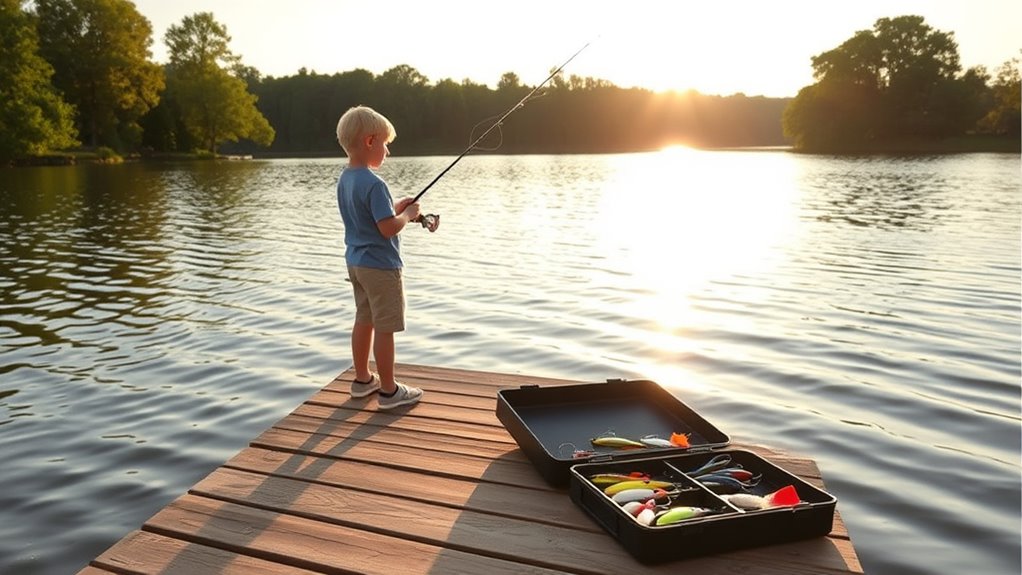
Fishing is an accessible outdoor activity where you catch fish for fun, food, relaxation, or time with family and friends. To get started, you need a simple spinning reel and rod combo, a small tackle box, a valid fishing license, basic knots, and a beginner-friendly place to fish. Choose easy-to-access lakes, ponds, or slow rivers while you learn. With the right gear, safe habits, and respectful etiquette, you can enjoy fishing while protecting the water and fish populations for the next angler.
Quick Answer
To start fishing, buy a beginner spinning rod and reel, get a fishing license, pack hooks, line, sinkers, bobbers, bait, pliers, and a tackle box, then practice basic knots and casting at a local pond, lake, or river. Check local rules before every trip, handle fish gently, and keep your first setup simple.
Key Takeaways
- Start with a medium-light or medium spinning rod and reel because it is simple, affordable, and useful for many freshwater species.
- Always check license rules, seasons, size limits, daily limits, bait rules, and local access rules before fishing.
- Begin at ponds, lakes, piers, docks, or gentle river banks where casting space and fish access are easier.
- Learn the improved clinch knot, Palomar knot, safe casting, hook removal, and proper catch-and-release handling.
- Respect other anglers, clean up your line and trash, and keep fish wet if you plan to release them.
At a Glance
| Time Required | 1 to 2 hours for your first short trip, plus a little practice time for knots and casting. |
| Difficulty | Beginner-friendly when you choose simple gear, easy water access, and common fish such as bluegill, trout, bass, or panfish. |
| Tools Needed | Spinning rod and reel, fishing line, hooks, bobbers, split-shot sinkers, bait or lures, pliers, line clippers, tackle box, license, and a small net. |
| Cost | A basic starter setup is usually modest, but license fees, bait, and local regulations vary by state, age, residency, and water type. |
Getting Started and Essential Gear
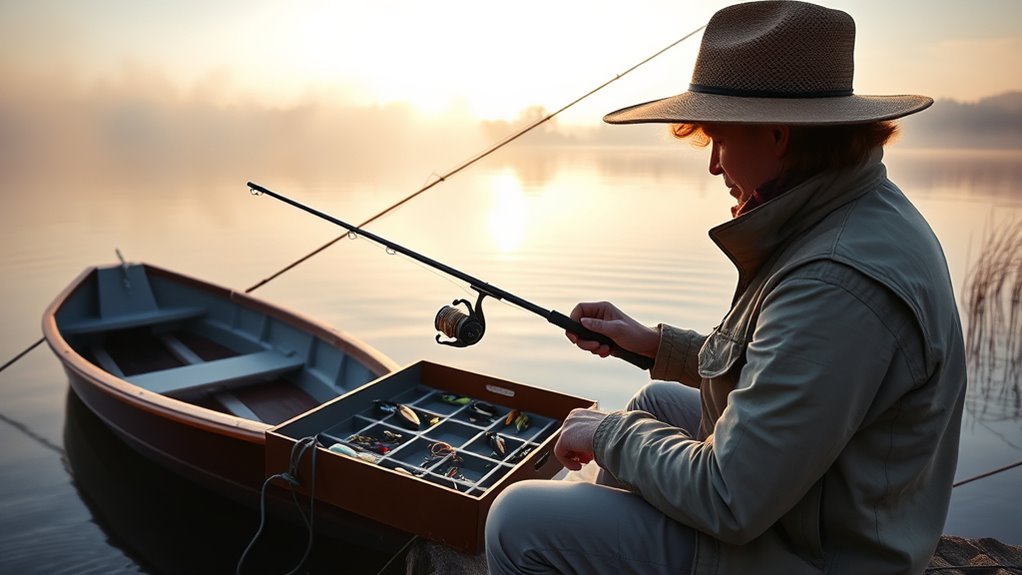
Getting started with fishing can feel exciting and a little overwhelming, but you do not need a huge pile of gear. A simple, balanced setup helps you learn faster and keeps your first trip less frustrating.
First things first, invest in a good spinning reel and rod combo. A spinning setup is user-friendly, casts light bait well, and works for many freshwater situations. For most beginners, a medium-light or medium power rod around 6 to 7 feet long is a practical starting point.
Don’t forget to grab a tackle box to keep your essentials organized. Pack extra hooks, bobbers, split-shot sinkers, small swivels, line clippers, needle-nose pliers, sunscreen, a towel, and a small first-aid kit. You’ll also need a current fishing license, so make sure you have the correct one before heading to your favorite fishing spot.
A beginner-friendly spinning rod, a small tackle box, and a valid fishing license are enough to start learning without overcomplicating your first trip.
For bait, live worms and PowerBait are excellent choices that attract a range of fish. Worms work well for bluegill, panfish, bass, and catfish, while prepared dough baits are popular for stocked trout in many areas. Small inline spinners, spoons, jigs, and soft plastics can also help once you feel comfortable casting.
To keep your hooks and lures secure, learn basic knots like the improved clinch knot and Palomar knot. Practice them at home with thick string first, then repeat with fishing line until you can tie them without rushing.
Finally, try the spinner method to simplify the process and increase your chances of success. Cast a small spinner near the edge of weeds, docks, rocks, or shaded banks, then reel it slowly enough that the blade spins. With these essentials, you’ll be ready to handle fish with more confidence.
Pro Tip: Start with fewer items than you think you need. One rod, one small tackle box, worms, bobbers, hooks, sinkers, and pliers are enough for a productive first outing.
Obtaining a Fishing License
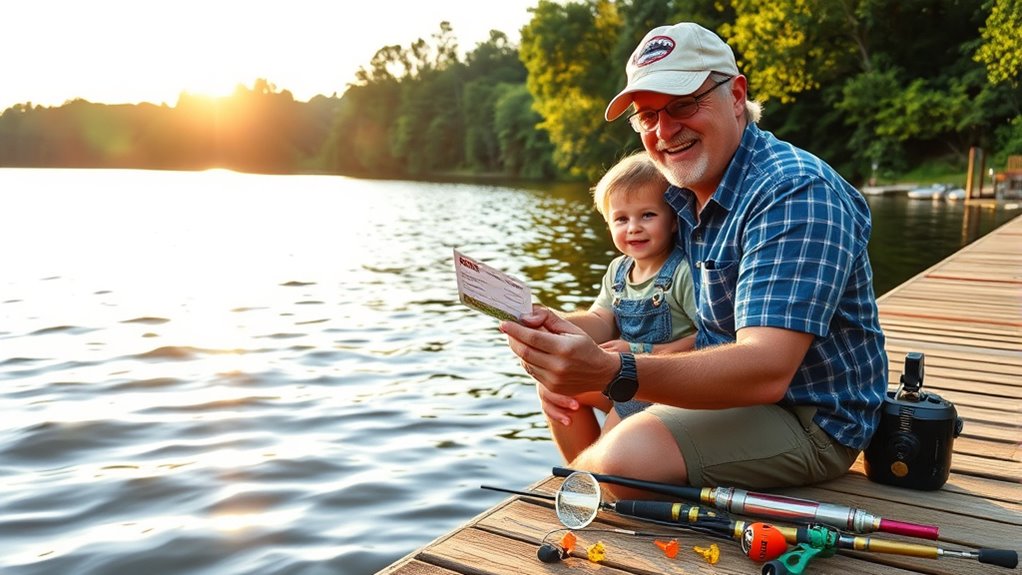
Before you cast your line, it’s important to verify that you have a valid fishing license. This essential document allows you to fish legally in your state, and you can typically obtain one online, through a state wildlife agency, at fishing shops, or at approved retail locations.
License rules vary by location. Your age, residency, target species, water type, and trip length can all affect the license you need. Some places require separate stamps or endorsements for trout, salmon, saltwater fishing, or special areas.
If it’s your first time, a day license or short-term license may be a good way to try fishing before you commit to a full season. Annual licenses often make more sense if you plan to fish frequently. Costs can change, so check your state fish and wildlife agency before buying.
Keep in mind that prices and availability may differ for residents and non-residents, so checking local regulations is vital. Some states offer discounted or free fishing days, allowing beginners to try fishing without the usual upfront license cost.
Always verify the specific regulations and restrictions for your area, as these can impact the type of fishing license you need and the practices allowed. Regulations may include open seasons, daily harvest limits, slot limits, size limits, gear restrictions, bait restrictions, and protected waters.
Warning: Never assume one license covers every fishing situation. Freshwater, saltwater, trout, salmon, public water, private water, and border waters may have different rules.
Choosing Fishing Locations
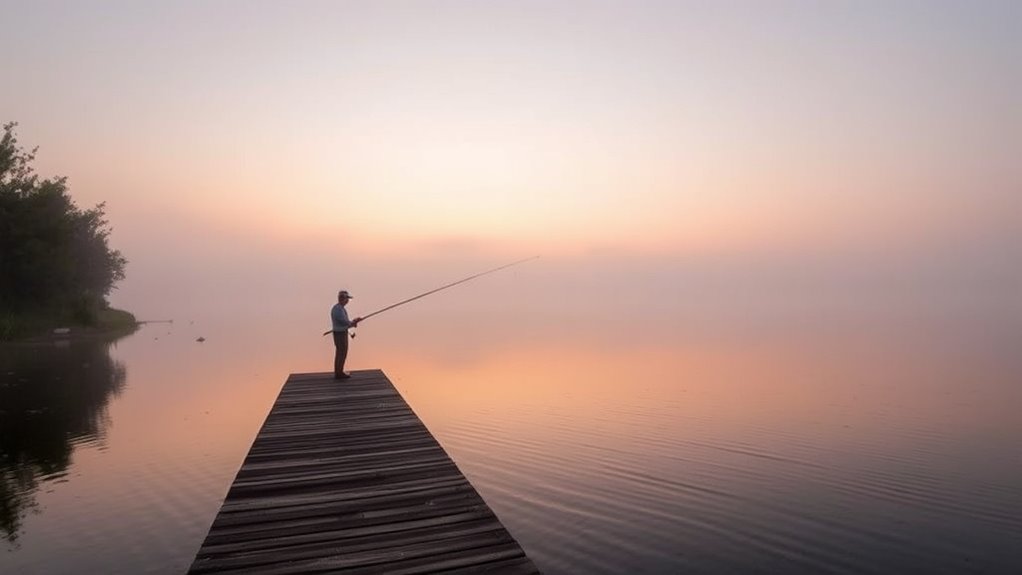
When you’re ready to begin your fishing journey, choosing the right location can greatly improve your experience. Lakes and ponds are perfect for beginners because they often offer easy bank access, calmer water, and a variety of species like bass, panfish, catfish, and rainbow trout.
If you’re feeling adventurous, rivers provide a unique experience, often home to salmon, trout, smallmouth bass, catfish, and other current-loving species. Start on slower sections first, and avoid deep, fast, slippery, or isolated areas until you have more experience.
For your first few trips, look for places with parking, safe shoreline access, restrooms, docks, fishing piers, or mowed banks. Public parks, community lakes, stocked ponds, and state-managed fishing areas are often easier than remote creeks or rugged riverbanks.
To make the most of your fishing outings, consider these tips:
- Utilize crowdsourced fishing apps like Fishbrain or FishAngler for popular spots.
- Consult local anglers, bait shops, park staff, or wildlife agency reports for current fishing conditions.
- Familiarize yourself with local fishing regulations, catch limits, size limits, and seasonal closures.
- Bring a rubber net for easy catch and release, ensuring the fish’s survival.
- Choose open casting areas away from trees, power lines, swimmers, boat ramps, and crowded docks.
- Visit during low-pressure times, such as early morning or evening, when fish may feed closer to shore.
Remember to make sure you’re following sustainable practices while enjoying your time on the water. Keep only legal fish you plan to eat, release unwanted fish quickly, and leave the shoreline cleaner than you found it.
Understanding Basic Fishing Rules
Fishing rules protect fish populations and help everyone share rules protect fish populations and help the water fairly. Before each trip, check the current regulations for the exact water you plan to fish. Rules may change from one lake, river, county, or season to another.
Pay close attention to these common rule categories:
- Season dates: Some species can only be targeted or kept during certain times of year.
- Daily limits: These tell you how many fish you may keep in one day.
- Size limits: Some fish must be released if they are too small, too large, or outside a legal slot.
- Gear rules: Certain waters restrict treble hooks, live bait, barbs, nets, or number of rods.
- Protected areas: Some spawning zones, refuges, dams, hatchery areas, or private waters may be closed.
If you are unsure, release the fish and check the rulebook before keeping anything. A quick photo and a safe release are better than guessing wrong.
Fishing Etiquette
While fishing can be a relaxing escape into nature, practicing proper etiquette helps everyone enjoy the experience. Always maintain a respectful distance from other anglers, especially when they are already casting to a small area. On open banks, 50 to 60 feet is a helpful guideline when space allows.
Be courteous and patient, as sharing the water fosters a positive fishing environment. Avoid casting across another angler’s line, stepping into the water directly above someone’s fishing spot, or crowding a dock where people are already fishing.
Familiarize yourself with local regulations, especially regarding catch limits and bait selection, to support fishing conservation efforts. Adhering to these rules not only promotes sustainability but also enhances your experience and that of others.
Remember the importance of leave-no-trace principles. Clean up your fishing area and dispose of trash properly. Old fishing line can harm birds, turtles, fish, and boat motors, so place it in a recycling tube or sealed trash container when available.
Keep noise reasonable, control pets, respect private property, and avoid blocking boat ramps or paths. A little courtesy goes a long way on busy water.
Useful Skills
Practicing good fishing etiquette sets the stage for a positive experience, but honing your fishing skills is what truly enhances your time on the water.
Mastering essential techniques can make all the difference in your success and enjoyment. Here are some useful skills to develop:
- Knot tying techniques: Learn the improved clinch knot and Palomar knot for secure hook and lure attachments.
- Casting accuracy: Position your rod correctly and time your line release for precise lure placement.
- Hook setting: Properly lift the rod tip and apply moderate pressure to prevent fish from escaping.
- Playing and landing fish: Maintain line tension while using a net to gently bring fish to shore without causing harm.
- Reading water: Look for shade, current seams, weed edges, rocks, drop-offs, docks, and places where fish can hide near food.
- Safe hook removal: Use pliers, keep fingers away from the hook point, and cut the line if a fish is deeply hooked and must be released.
How to Tie Two Beginner Fishing Knots
The improved clinch knot and Palomar knot are two of the most useful knots for beginners. They work for many hooks, swivels, and lures, and they are easy to practice at home.
For the improved clinch knot, pass the line through the hook eye, wrap the tag end around the main line several times, pass it back through the small loop near the hook eye, then pass it through the larger loop you just created. Wet the knot, pull it tight, and trim the tag end.
For the Palomar knot, double the line, pass the loop through the hook eye, tie an overhand knot, pass the loop over the hook, wet the knot, then pull both lines evenly until it tightens. This knot is strong and simple once you learn the motion.
How to Cast a Spinning Rod
To cast a spinning rod, hold the rod with your dominant hand and place your index finger on the line near the reel. Open the bail with your other hand while still holding the line with your finger.
Point the rod tip behind you, check that the area is clear, and swing the rod forward smoothly. Release the line from your finger as the rod tip points toward your target. Close the bail by hand after the lure lands, then reel slowly to remove slack.
Note: Always look behind and beside you before casting. Hooks can injure people, pets, and wildlife if you cast without checking your space.
Catching Your First Fish
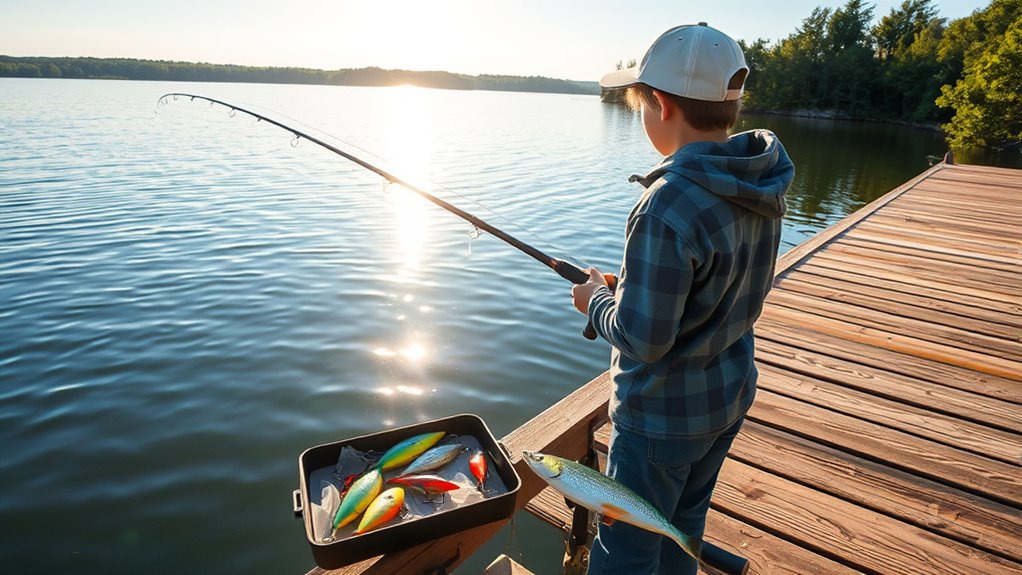
Catching your first fish is an exciting milestone every angler dreams of, and it can happen sooner than you think with the right approach.
Start by mastering casting techniques. Use a spinning reel with about six inches of line between the rod tip and your bait, flip the bail, hold the line with your finger, and cast with steady control toward your target. Select the right bait based on what’s biting. Live bait often works well for beginners because it smells and moves naturally.
A simple bobber rig is one of the easiest ways to start. Tie on a small hook, add a split-shot sinker above it, attach a bobber a few feet above the hook, then bait the hook with a worm. Cast near weeds, docks, rocks, or shaded edges and watch the bobber closely.
Once you feel a tug or see the bobber dip under, it’s time to set the hook. Point your rod tip up and pull back with moderate pressure to secure the fish on the line. Do not yank too hard, especially with small fish or light line.
Keep that rod tip elevated while playing your catch. This tires the fish out and helps prevent line breakage. Reel when the fish gives you line, pause when it pulls hard, and avoid dragging it across rocks or dry ground.
When it’s close enough, use a net to land it gently and avoid injury. If you plan to release it, handle the fish with wet hands, keep it low over the water or ground, and minimize its time out of water to reduce stress.
Safe Fish Handling and Catch Release
Good fish handling protects both you and the fish. Many species have sharp teeth, spines, gill plates, or fins, so use care when picking them up. Keep pliers nearby for hook removal, and never place your fingers near an unknown fish’s mouth until you know it is safe.
If you plan to release a fish, wet your hands before touching it. Dry hands can remove the fish’s protective slime. Keep the fish in the water while you prepare your camera or pliers, and avoid squeezing the belly or touching the gills.
Use barbless hooks or pinch the barb down if you want easier releases. If a fish swallows the hook deeply, cut the line close to the hook instead of digging into the throat. Many fish survive better when released quickly with less handling.
If you plan to keep a legal fish for food, put it on ice quickly and follow local cleaning, transport, and possession rules. Only keep what you will use.
Common Beginner Fishing Mistakes
Most new anglers struggle because they try to do too much at once. Keep your first trips simple, and fix one problem at a time.
- Using gear that is too heavy: Oversized rods, thick line, and huge hooks make small fish harder to catch.
- Fishing without checking rules: A license alone does not tell you every local size, season, or bait restriction.
- Casting into trees or weeds: Choose open water first while you learn casting control.
- Reeling too fast: Many baits and lures work better with a slow, steady retrieve.
- Ignoring the shoreline: Fish often hold near weeds, docks, rocks, shade, and drop-offs close to shore.
- Leaving slack line: Slack makes bites harder to feel and hooksets less effective.
- Handling fish too long: Get your photo quickly, then release the fish or place it on ice if legal to keep.
What to Bring on Your First Fishing Trip
A short checklist helps you avoid frustration once you reach the water. Pack light, but do not skip safety basics.
- Valid fishing license and a copy of current local regulations
- Spinning rod and reel with fresh line
- Hooks, bobbers, split-shot sinkers, swivels, and a few beginner lures
- Live worms, prepared bait, or species-appropriate bait
- Needle-nose pliers or hemostats for hook removal
- Line clippers, small towel, and a rubber landing net
- Sunscreen, sunglasses, hat, drinking water, snacks, and weather-appropriate clothing
- Small first-aid kit and a trash bag for used line and litter
- Cooler with ice if you plan to keep legal fish for food
Hiring a Fishing Guide
If you’re looking to elevate your fishing experience, hiring a fishing guide can be a game-changer. These experts not only enhance your learning curve but also provide tailored insights that suit your skill level.
Here are some key fishing guide benefits:
- Access to prime fishing spots often hidden from the public
- Personalized lessons on reading water and understanding fish behavior
- Equipment rental options, saving you from immediate gear investment
- Connections to the local fishing community and ongoing learning resources
- Help with boat safety, local navigation, seasonal patterns, and legal harvest rules
When choosing guides, consider their experience, specialties, license status, insurance, safety practices, and guide reviews to guarantee a great match. Ask whether they welcome beginners, provide gear, clean fish, teach catch-and-release handling, or focus on specific species.
A knowledgeable guide can dramatically improve your success and enjoyment on the water, making your fishing journey far more rewarding.
Local Clinics and Groups
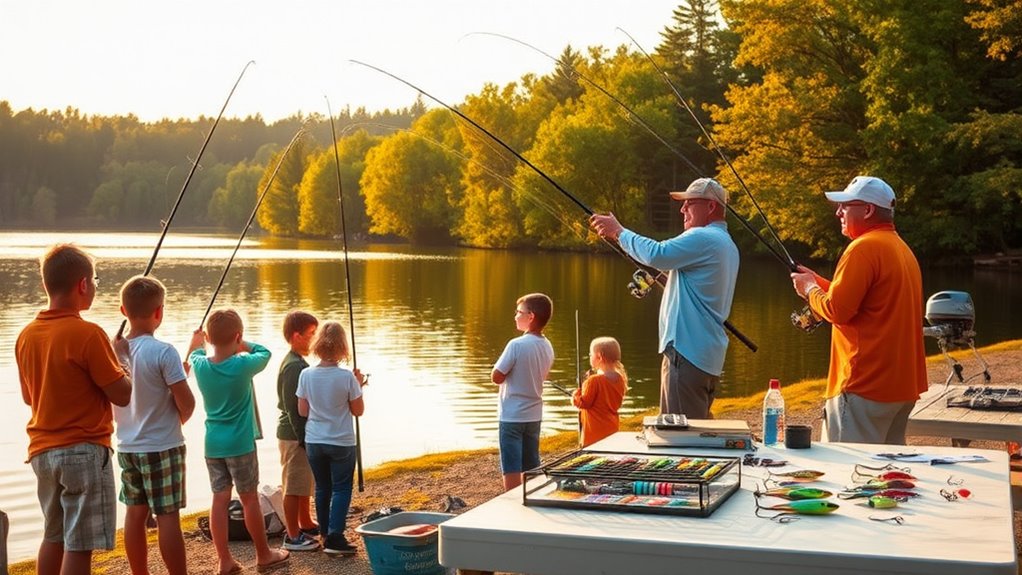
Engaging with local clinics and groups can greatly enhance your fishing journey. Participating in local fishing clinics offers you hands-on experience and expert instruction, helping you sharpen your skills. These clinics often cater to beginners, making them the perfect starting point for your fishing adventure.
Additionally, state fish and wildlife agencies, parks, schools, clubs, and conservation groups may organize community fishing events, like fishing derbies, where you can fish in a supportive and encouraging environment.
Don’t overlook the designated free fishing days, which allow newcomers to fish without needing a license in many locations. These events can ease your entry into the sport, but regular seasons, size limits, and daily limits may still apply.
Joining beginner fishing groups is another fantastic way to expand your knowledge through shared experiences. You’ll connect with fellow anglers, build friendships, and may even find a mentor among more experienced fishermen.
So, immerse yourself in these local opportunities, and watch your fishing skills and confidence grow.
Online Resources and Tutorials
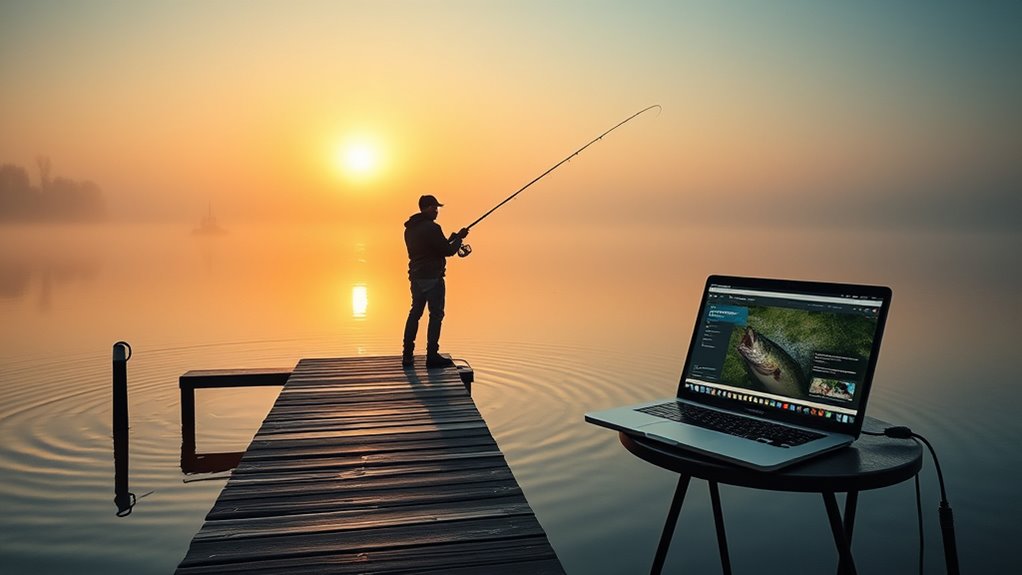
When you’re starting your fishing journey, online resources can be a game changer.
YouTube tutorials offer step-by-step guidance on everything from knot tying to casting, while fishing blogs and forums let you connect with other anglers for tips and support.
Plus, consider enrolling in online fishing courses to deepen your knowledge and skills at your own pace.
YouTube Video Tutorials
YouTube offers countless beginner-friendly fishing tutorials that can transform your learning experience.
With a wealth of visual content, you can easily grasp essential fishing techniques that might be tricky to understand through text alone.
Check out these valuable features:
- Step-by-step guides on knot tying and rod assembly
- Demonstrations of casting and reeling techniques
- Insight into using specific baits and lures for different species
- Tutorials on fishing etiquette and conservation practices
- Visual examples of safe hook removal and catch-and-release handling
Fishing Blogs and Forums
Exploring fishing blogs and forums can be a game-changer for beginners eager to enhance their skills and knowledge. These online resources offer a treasure trove of information, from essential techniques and gear recommendations to local fishing spots.
You’ll find that engaging in blog interactions helps you connect with others who share your passion. Fishing communities like Fishbrain and FishAngler foster supportive environments, making advice exchanges with seasoned anglers easy and enlightening.
Additionally, many blogs address ethics and regulations, ensuring you stay informed on sustainable practices.
Don’t forget to check out dedicated YouTube channels for visual tutorials on casting or knot tying, complementing the insights you gain from your online fishing adventures. Use online tips as a starting point, then confirm local rules with your official state agency before fishing.
Online Fishing Courses
While many beginners plunge into fishing with enthusiasm, online fishing courses can elevate your skills and knowledge to new heights.
These courses offer several online course benefits that cater to your learning needs:
- Thorough lessons on fishing techniques and gear selection
- Video tutorials on essential skills like knot tying and casting
- Interactive learning components for personalized expert feedback
- Access to real-time webinars and live Q&A sessions
- Structured lessons that help you move from basic gear setup to species-specific tactics
Frequently Asked Questions
How do you start fishing for beginners?
To start fishing, get a valid fishing license, choose a beginner spinning rod and reel, pack hooks, bobbers, sinkers, pliers, bait, and a small tackle box, then practice at an easy local pond, lake, dock, or slow river. Learn one or two knots first, and check local rules before keeping fish.
What is the 80/20 rule in fishing?
The 80/20 rule in fishing means a small share of the water often produces most of the fish. Instead of casting randomly, focus on high-percentage areas such as weed edges, shade, drop-offs, current seams, docks, rocks, and places where baitfish gather.
What is the 90/10 rule in fishing?
The 90/10 rule is a common angler saying that suggests most fish are caught by a small percentage of anglers or in a small percentage of the water. It is not a scientific law, but it reminds beginners to learn fish location, seasonal patterns, bait choice, and presentation instead of relying on luck.
How much fishing gear does a beginner need?
A beginner does not need much gear. Start with one spinning rod and reel, fresh line, hooks, bobbers, split-shot sinkers, bait, pliers, clippers, and a small tackle box. Add lures, nets, waders, or specialty gear later after you know what species and water you enjoy most.
What is the easiest fish for beginners to catch?
Bluegill, sunfish, stocked trout, perch, and small catfish are often easier for beginners because they feed near shore and respond well to simple bait. Local options vary, so ask a bait shop or check your state fishing reports for beginner-friendly species near you.
How do you get started as a fishing guide?
To get started as a fishing guide, master local waters, build strong fish-handling and safety skills, learn customer service, check business and guide license rules, understand insurance needs, and follow all local boating and fishing regulations. Many future guides first work with experienced captains, outfitters, or local clubs.
Conclusion
Now that you’ve got the basics of fishing down, what’s stopping you from casting your line? Start small, choose easy water, and focus on one skill at a time. Your first goal is not to own every lure or catch the biggest fish. Your first goal is to fish legally, safely, and confidently.
Embrace the thrill of the chase, connect with nature, and enjoy the camaraderie of fellow anglers. Remember, every fishing trip is an opportunity to learn and grow your skills. So grab your gear, head to your favorite spot, and make unforgettable memories. The water’s waiting, and your first catch may be closer than you think.
Sources
- Take Me Fishing: How to Catch Fish — supports beginner fishing steps, gear basics, and first-fish guidance.
- Take Me Fishing: Get a Fishing License — supports license planning and checking state requirements.
- U.S. Fish & Wildlife Service: Fishing — supports responsible fishing, access, and conservation context.
- National Park Service: Responsible Fishing — supports fishing etiquette, cleanup, and conservation practices.
- BoatUS Foundation: Casting Safety — supports safe casting awareness and avoiding injuries around others.
