When you’re out on the water, good fishing etiquette helps everyone enjoy the same shoreline, river, lake, pier, or boat lane without conflict. It’s not just about catching fish. It’s about giving other anglers space, protecting the habitat, following local rules, and communicating before your cast affects someone else. A few simple habits can make your trip safer, calmer, and more respectful for the whole fishing community.
Quick Answer
Fishing etiquette means giving other anglers enough room, asking before entering active water, rotating through shared spots, keeping noise low, handling fish responsibly, and leaving the area cleaner than you found it. It also means checking local regulations before you fish so your actions protect both the fishery and the people around you.
Key Takeaways
- Give nearby anglers enough room so lines, casts, and fish fights do not overlap.
- Ask before stepping into a run, hole, pier corner, or bank spot someone else is already working.
- Rotate through productive water instead of holding one section for too long.
- Pack out trash, remove loose line, and avoid anything that can pollute the water.
- Follow local rules for licenses, seasons, size limits, creel limits, and protected areas.
At a Glance
| Best Practice | Respect space, communicate clearly, rotate fairly, and protect the water. |
| Difficulty | Easy once you pay attention to other anglers and local rules. |
| Applies To | Bank fishing, fly fishing, boat fishing, pier fishing, kayak fishing, and guided trips. |
| Main Goal | Keep the experience safe, fair, quiet, and sustainable for everyone. |
Understanding Fishing Etiquette

When you head out on the water, understanding fishing etiquette is vital for a pleasant experience for everyone involved. Respecting personal space is one of the first rules. As a basic starting point, leave enough room for another angler to cast, drift bait, fight a fish, and move safely without crossing your line.
On small streams, that may mean staying several rod lengths away. On open beaches, jetties, lakes, or popular boat areas, you may need much more space. The exact distance depends on the water, the fishing method, the current, and how crowded the area is. When in doubt, give more room than you think you need.
Before casting near someone, ask which direction they plan to fish. This helps you avoid cutting off their drift, crossing their retrieve, or stepping into the water they are already working. Keep your interactions brief, polite, and calm, especially when someone clearly wants quiet time.
Avoid monopolizing productive sections. Instead, rotate through smaller areas, make a fair number of casts, and move along when others are waiting. Being courteous does more than improve your own trip. It helps build a positive fishing community where people feel welcome and respected.
Pro Tip: If you are unsure whether you are too close, ask, “Are you working this stretch?” or “Do you mind if I fish below you?” A simple question can prevent most conflicts before they start.
Sharing Water Responsibly
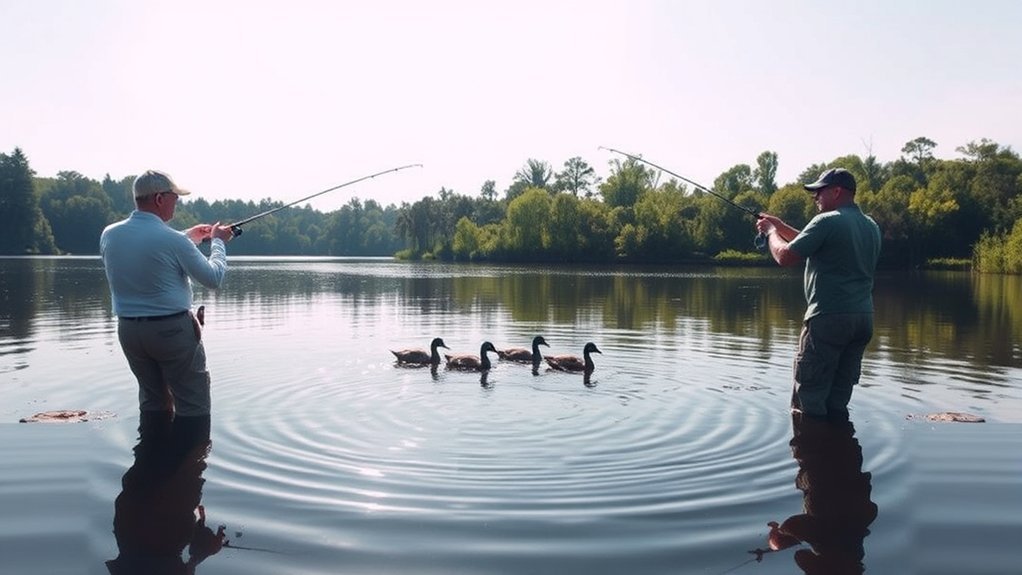
Sharing water responsibly is crucial for creating a harmonious fishing environment where everyone can enjoy the experience. Crowded areas require extra patience because several anglers may be trying to fish the same current seam, dock, bank, rip line, or structure.
Good etiquette does not mean you must give up every good spot. It means you fish it fairly, avoid blocking others, and pay attention to how your cast affects the people nearby. Here are some key practices to keep in mind:
- Practice rotation: Start at the top of a run and move downriver or along the bank, allowing others the chance to fish the same water without monopolizing it.
- Avoid low holing: Don’t step into a run directly below or upriver of existing anglers in a way that cuts off the water they are actively fishing. Ask for permission instead.
- Maintain distance: Keep enough space from another angler to support safe casting, avoid tangled lines, and give them room to land a fish.
- Watch your wake: If you are in a boat or kayak, slow down near anglers, docks, shallow flats, and anchored boats.
- Control your gear: Keep rods, tackle boxes, coolers, and nets out of walkways on piers, docks, and crowded banks.
If you hook a fish, call out politely if your fish runs toward another line. After landing it, step out of the run or move aside so another angler has a turn. By sharing water responsibly, you create a respectful atmosphere that benefits everyone.
Note: Local customs can differ. Fly anglers often expect rotation through a run, while pier anglers may hold a rail spot longer. Watch how respectful local anglers behave, then match that standard.
Environmental Considerations
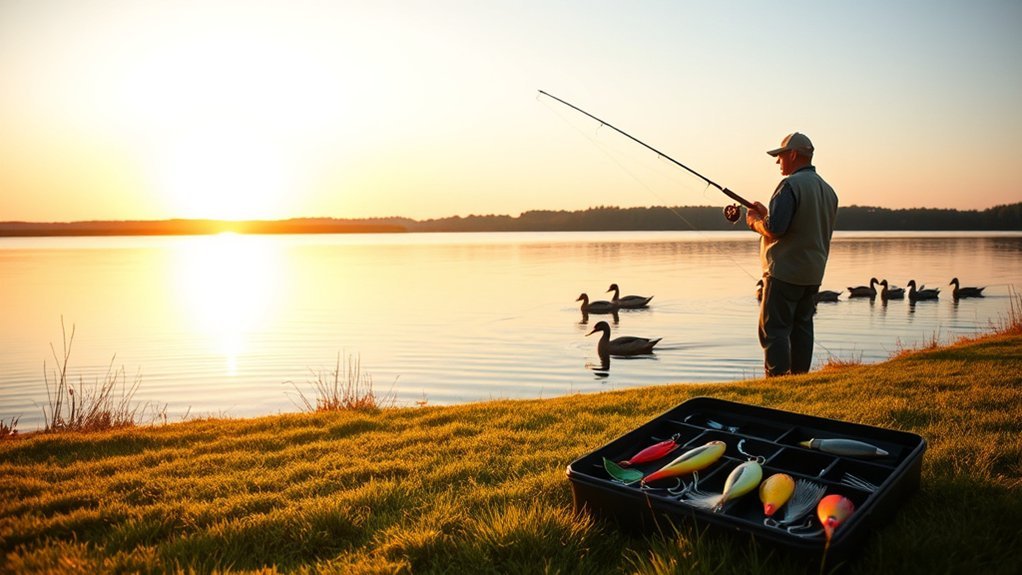
Respecting fellow anglers is just one part of being a responsible fisherman. You also have a duty to protect the environment that makes fishing possible. Always pack out all trash you bring in, including bait containers, food wrappers, soft-plastic packaging, drink bottles, and broken tackle.
If you spot loose fishing line, pick it up when you can do so safely. Discarded line can tangle birds, turtles, fish, and other wildlife. Store used line in a pocket, bag, or line container until you can place it in the proper trash or recycling bin.
Choose gear with care. Use legal tackle for the area, avoid leaving hooks or sinkers behind, and consider lead-free alternatives where they are available or required. When you catch fish, practice catch and release if you do not plan to keep them. Wet your hands before handling fish, support their body, avoid squeezing the gills, and return them quickly to the water.
Avoid polluting waterways by never disposing of gas, oil, bait chemicals, batteries, or other hazardous materials near your fishing spot. Finally, follow local fishing regulations regarding catch limits, size requirements, seasons, bait rules, and protected species. These practices preserve fish populations and support the overall health of the environment we all cherish.
Warning: Never move live bait, fish, plants, or water from one waterbody to another unless local rules clearly allow it. This can spread invasive species and harm native fisheries.
Communicating With Fellow Anglers

Effective communication with fellow anglers enhances the fishing experience for everyone involved. When you approach others, ask which direction they’re fishing before entering the water. This simple act respects their space and keeps the setting peaceful.
Here are some tips for communicating effectively:
- Keep it brief: Many anglers prefer solitude, so respect their wish for minimal conversation.
- Speak quietly: If you need to chat, do so softly to avoid startling fish or disturbing others.
- Ask before crossing: If you need to walk behind, beside, or through another angler’s casting lane, ask first.
- Share useful information with care: General tips are helpful, but avoid revealing someone else’s exact spot online without permission.
- Use social media thoughtfully: Online platforms can be useful for discussions, but avoid posting location clues that could crowd a fragile or small fishery.
If a conflict starts, stay calm. Most fishing disputes happen because someone feels crowded, cut off, or ignored. A short apology and a few steps in the other direction usually solve the problem faster than arguing.
Respecting Local Customs and Regulations

Understanding the local customs and regulations can greatly enhance your fishing experience and foster positive relationships with fellow anglers. Before your fishing trip, familiarize yourself with local fishing regulations, including catch limits, size requirements, seasons, license rules, bait restrictions, and area closures.
Respect the unwritten rules that local anglers follow regarding fishing spots and etiquette, as these customs can vary greatly from one area to another. On some waters, people rotate through a run. On others, anglers hold a shoreline position and expect newcomers to set up with plenty of space. Pay attention before you jump in.
It’s also crucial to acknowledge tribal fishing rights and practices where they apply. These rights may have legal, cultural, and historical significance. Give tribal fishers space, respect posted rules, and avoid interfering with lawful fishing activity.
Engaging with local fishing communities can provide valuable insights into best practices and common courtesies expected in specific locations. Local tackle shops, marina staff, guides, and conservation groups can often explain what is normal for that water. Additionally, prioritize sustainable fishing methods that align with local conservation efforts, contributing to the health of ecosystems and fisheries. By respecting these customs and regulations, you’ll enrich your fishing experience and support the local fishing culture.
Boat, Pier, and Bank Etiquette
Fishing etiquette changes slightly depending on where you fish. On a boat, keep your distance from anchored anglers, avoid running across someone’s casting line, and reduce speed near small craft. A heavy wake can push kayaks, disturb shallow fish, and make shoreline fishing harder.
On a pier, keep your gear compact so people can pass safely. Cast straight out when the rail is crowded unless local custom allows angled casts. If someone hooks a fish, reel in if needed so they can land it without tangling several lines.
On a bank, avoid walking through the exact water someone is casting into. If the shoreline is narrow, pass behind the angler when possible. If you bring children, pets, or guests, help them understand where hooks, rods, and casting lanes are so everyone stays safe.
Catch and Release Etiquette
Catch and release works best when you prepare before the fish reaches your hand. Keep pliers, a net, and a camera ready so the fish stays out of the water for the shortest time possible. If you want a photo, lift the fish briefly, keep it low over the water or boat, and return it quickly.
Use the right tackle for the fish you target. Gear that is too light can extend the fight and tire the fish. If a fish is deeply hooked, cut the line close to the hook when that gives the fish a better chance than rough removal.
If you keep fish, dispatch them humanely, place them on ice when possible, and stop once you reach the legal or personal limit you planned. Responsible harvest is part of good etiquette too.
Frequently Asked Questions
What Is the 80/20 Rule in Fishing?
The 80/20 rule in fishing is a general idea that a small percentage of spots often produce most of the fish. It is not a fixed law, but it reminds you to focus on high-quality areas such as structure, current seams, weed edges, shade, depth changes, and active bait.
What Is the Etiquette for Fishing?
Fishing etiquette means keeping a respectful distance, asking before entering water someone else is fishing, avoiding crossed lines, following local rules, handling fish with care, keeping noise down, and leaving the area cleaner than you found it.
What Is the 90/10 Rule in Fishing?
The 90/10 rule in fishing is a saying that a small group of skilled anglers catch most of the fish. The lesson is simple: learn fish behavior, read water, choose the right presentation, and practice good timing instead of relying only on luck.
What Is a Customary Tip for a Fishing Guide?
A customary tip for a fishing guide is often around 15% to 20% of the trip cost when the service is strong. You can adjust based on effort, teaching, safety, professionalism, weather challenges, and how well the guide supported your group.
How Close Is Too Close to Another Angler?
You are too close if your cast, drift, retrieve, boat position, or fish fight could interfere with another angler. The safe distance changes by location, but the best rule is to ask first and give extra space when the water is open.
Is It Rude to Ask Someone Where They Caught Fish?
It can be rude to ask for an exact spot, especially on small or pressured waters. A better question is, “What kind of water were they holding in?” This shows respect while still helping you learn patterns.
Conclusion
By embracing fishing etiquette, you’re not just enhancing your own experience. You’re helping create safer, cleaner, and more welcoming water for everyone. Keep a respectful distance, share productive spots, communicate before you cast near others, and care for the fish and habitat that make each trip possible.
Good etiquette is simple: notice the people around you, follow the rules, and leave the place better than you found it. When anglers make those habits normal, both nature and camaraderie thrive.