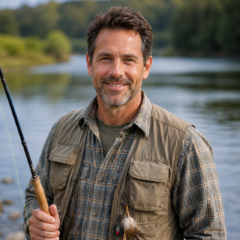
Fishing can be an affordable hobby when you start simple, choose local water, and buy only the gear you truly need. You do not need a boat, premium rods, or a full tackle wall to catch fish and enjoy the outdoors. With a basic rod and reel combo, a few hooks, sinkers, bobbers, low-cost bait, and a valid fishing license where required, you can begin without spending much.
Quick Answer
Fishing does not have to be expensive. Beginners can start with a budget rod and reel combo, basic tackle, natural bait, and public fishing spots. Your main recurring cost is usually a fishing license, but many states offer youth exemptions, senior discounts, and free fishing days.
Key Takeaways
- You can start fishing with a simple rod and reel combo, hooks, sinkers, bobbers, line, and bait.
- A fishing license is required in many places, but rules, costs, exemptions, and free fishing days vary by state.
- Public lakes, rivers, piers, ponds, and parks often provide low-cost or free fishing access.
- Used gear, seasonal sales, local clubs, and youth fishing programs can lower your setup cost.
- Following local size limits, seasons, and catch limits keeps your trip legal and protects fish populations.
At a Glance
| Time Required | One short shopping trip plus a few hours on the water |
| Difficulty | Beginner-friendly |
| Tools Needed | Rod and reel, fishing line, hooks, sinkers, bobbers, bait, pliers, and a valid license if required |
| Cost | Low to moderate, depending on license rules, gear quality, bait, travel, and whether you fish from shore or hire a guide |
Imagine casting your line into a serene lake, only to realize that fishing does not have to drain your wallet like a leaky boat. With the right knowledge, you can start this rewarding hobby without spending a fortune. From affordable gear to budget-friendly locations, fishing offers plenty of options. But what do you really need to get started, and how can you make the most of your fishing experience? Let’s explore this together.
The Cost of Fishing Gear
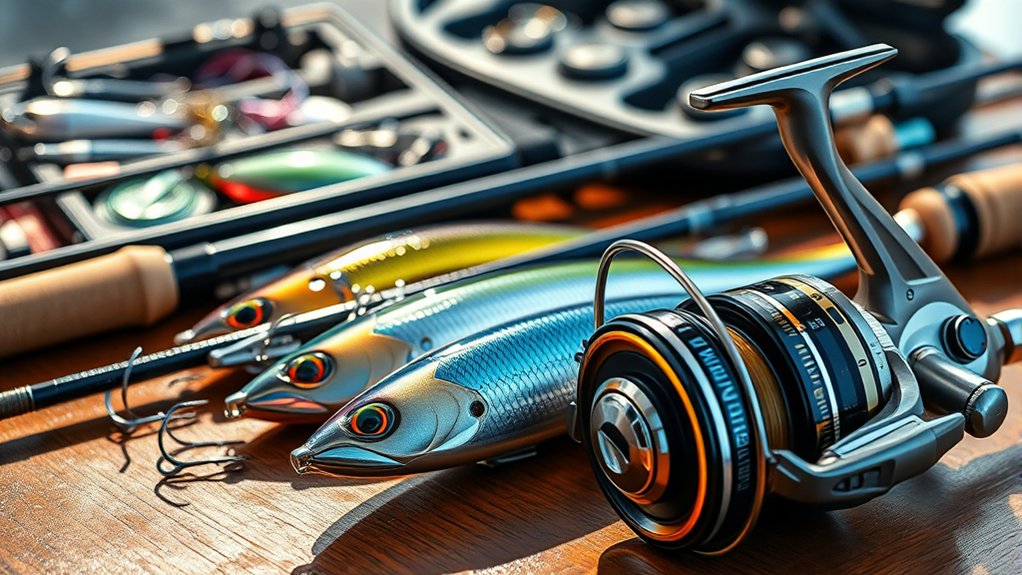
When you start your fishing journey, understanding the cost of fishing gear is essential for budgeting your first trips.
You do not need a large budget to begin. A simple cane pole and some worms can start your fishing experience without breaking the bank. A beginner rod and reel combo is also reasonably priced, easy to use, and widely available.
Essential items like hooks, sinkers, and bobbers are often inexpensive, and natural baits, such as worms or crickets, may even be free if you can collect them safely and legally.
To keep your gear organized, consider a tackle box, a small utility tray, or a sealable plastic container. You only need enough space for basic tackle, spare line, bait tools, and a few lures.
Do not forget to check tag sales, estate sales, local classifieds, and online marketplaces for used fishing equipment. Many anglers upgrade their gear often, so you can sometimes find rods, reels, tackle boxes, nets, and pliers at lower prices.
Pro Tip: Start with one versatile setup before buying specialty gear. A medium-power spinning combo can handle many common freshwater situations, including pond, lake, river, and bank fishing.
Fishing Licenses and Regulations
Before you cast your line, you need to understand the costs and regulations surrounding fishing licenses. Most states require many anglers to purchase a license, though prices, age rules, exemptions, and license types vary by location.
Familiarizing yourself with local regulations, including catch limits, seasons, size limits, gear rules, and restricted areas, is essential for a responsible and enjoyable fishing experience.
Warning: Always check your state fish and wildlife agency before fishing. License rules, bag limits, bait rules, and open seasons can change by waterbody, species, and date.
Licensing Costs Overview
Fishing licenses are essential for anyone who wants to cast a line legally where a license is required. Understanding their costs helps you plan your fishing trips and avoid surprise expenses.
Many states offer an annual fishing license, along with shorter-term options such as one-day, multi-day, resident, and nonresident licenses. If you fish with children, teens, seniors, veterans, or people with qualifying disabilities, check whether discounted or free licenses apply in your state.
Additionally, many regions host designated free fishing weekends, allowing you to fish without a license on certain dates. You can often purchase licenses online, then print them or store them on your mobile device if your state allows digital proof.
Exemptions and Discounts
While most anglers need a fishing license, several exemptions and discounts can make the sport more accessible. Children under a certain age and some seniors may be able to fish for free or at reduced rates, depending on state rules.
Additionally, many states host free fishing weekends, allowing you to enjoy the sport without a license during designated times. These events are useful when you want to try fishing before buying gear or committing to a full license.
Remember, license fees often support fisheries management, conservation work, hatchery programs, access sites, and habitat improvement. Those fees help keep fishing opportunities available for future generations.
Also, look into organizations that provide grants, clinics, loaner rods, and scholarships for free fishing gear for children. These programs encourage youth involvement in this rewarding activity.
Local Regulations Importance
Understanding local regulations is essential for any angler who wants to enjoy fishing responsibly and legally. License rules, bait restrictions, fishing seasons, size limits, and catch quotas can vary from one lake, river, or coast to another.
Some exemptions exist, such as youth exemptions and reduced-cost senior licenses. Additionally, many states host free fishing weekends, allowing you to cast a line without a regular fishing license during approved dates.
It is vital to review local rules before each trip. Following these regulations not only helps you avoid fines but also supports fisheries management and habitat improvement, promoting sustainable fishing for everyone.
Essential Equipment for Beginners
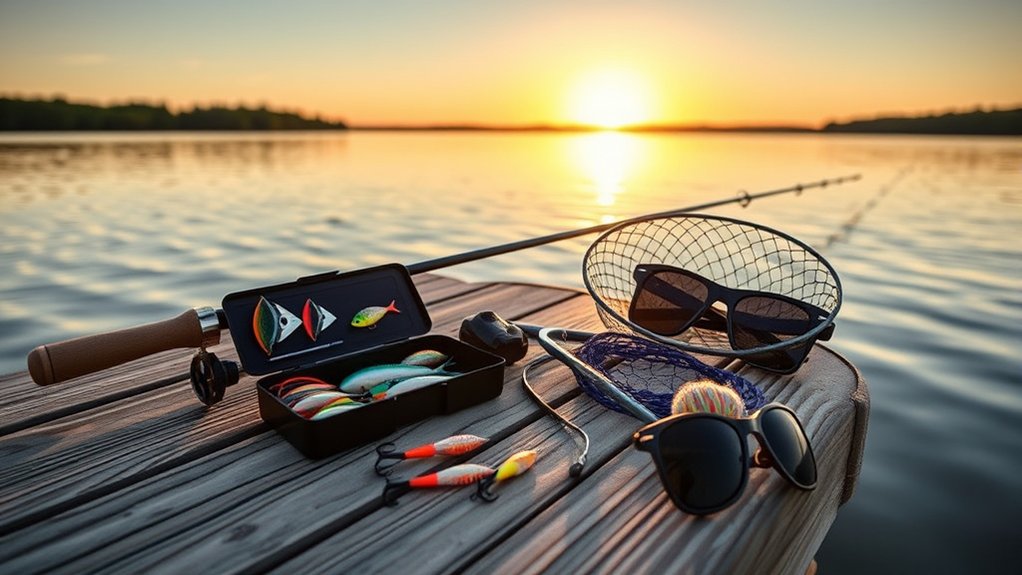
Getting started in fishing does not have to break the bank. A basic rod and reel combo, along with a tackle box for organizing your gear, sets you up for success without a hefty price tag.
Plus, you can easily find affordable bait options to enhance your experience and increase your chances of a catch.
Basic Rod and Reel
Choosing the right rod and reel is essential for any beginner angler because it sets the foundation for a successful fishing experience. A beginner rod and reel combo is recommended for simplicity and cost-effectiveness, allowing you to learn without feeling overwhelmed. Affordable combos can perform well for common freshwater fishing when you match them to the species, line size, and lure weight you plan to use.
For many beginners, a medium-action spinning rod paired with a spinning reel offers useful versatility. It can handle common situations such as pond fishing, lake fishing, bank fishing, and light river fishing. Make sure the reel has a smooth drag and a comfortable grip to improve control while fighting fish.
| Price Range | Features | Ideal Use |
|---|---|---|
| $20 – $30 | Basic materials | Pond fishing |
| $30 – $40 | Durable construction | Lake fishing |
| $40 – $50 | Smooth drag mechanism | River fishing |
Affordable Bait Options
When you are starting out in fishing, finding affordable bait options can make a significant difference in your experience and success.
Natural baits like worms, crickets, and minnows are often low-cost choices for beginners. In some areas, you may be able to collect bait yourself, but always check local bait collection rules first.
You can also grab a variety of hook sizes and a small pack of sinkers to create a cost-effective foundation for your fishing adventures.
Consider making homemade bait with inexpensive grocery items where legal and appropriate for the fish species you target. Dough bait, corn, bread, and hot dog pieces are common low-cost options for some freshwater fish, but rules vary by state and waterbody.
Do not hesitate to ask local bait shops for recommendations tailored to your fishing spot. Local shop staff often know which bait works for nearby ponds, rivers, lakes, and piers.
Additionally, budget-friendly lures like soft plastics, small jigs, inline spinners, and simple spoons allow you to experiment with different techniques without overspending.
Essential Tackle Box Items
After you have stocked up on affordable bait options, the next step is to equip yourself with a well-organized tackle box. A basic tackle box, utility tray, or small backpack gives you a tidy space for your gear.
Start with essential items like hooks, sinkers, and bobbers. These small items help you fish different depths, control bait presentation, and adapt to changing conditions.
Do not forget to grab a spool of monofilament line. Monofilament is popular with beginners because it is affordable, easy to tie, and forgiving when you are learning knots.
For lures, include a mix of soft plastics, jigs, and crankbaits if they match your target fish. Finally, a multi-tool or fishing pliers is a must-have for hook removal and line cutting, enhancing your fishing experience without breaking the bank.
Beginner Fishing Gear Checklist
If you want to avoid overspending, use a short checklist instead of buying every item in the fishing aisle. Focus on the gear that helps you fish legally, safely, and comfortably.
- Rod and reel combo: Choose a beginner-friendly spinning setup for all-around use.
- Fishing line: Start with monofilament that matches your reel and target species.
- Hooks: Carry a few sizes for different baits and fish.
- Sinkers: Use them to keep bait at the right depth or position.
- Bobbers: Helpful for beginners because they show bites clearly.
- Bait or lures: Start with worms, crickets, soft plastics, or simple spinners.
- Pliers: Useful for removing hooks, cutting line, and pinching split shot.
- License: Carry proof of your fishing license if your state requires one.
- Small tackle box: Keep hooks, sinkers, bobbers, and tools organized.
- Safety basics: Bring water, sunscreen, a hat, and a small first aid kit.
Affordable Bait and Tackle Options
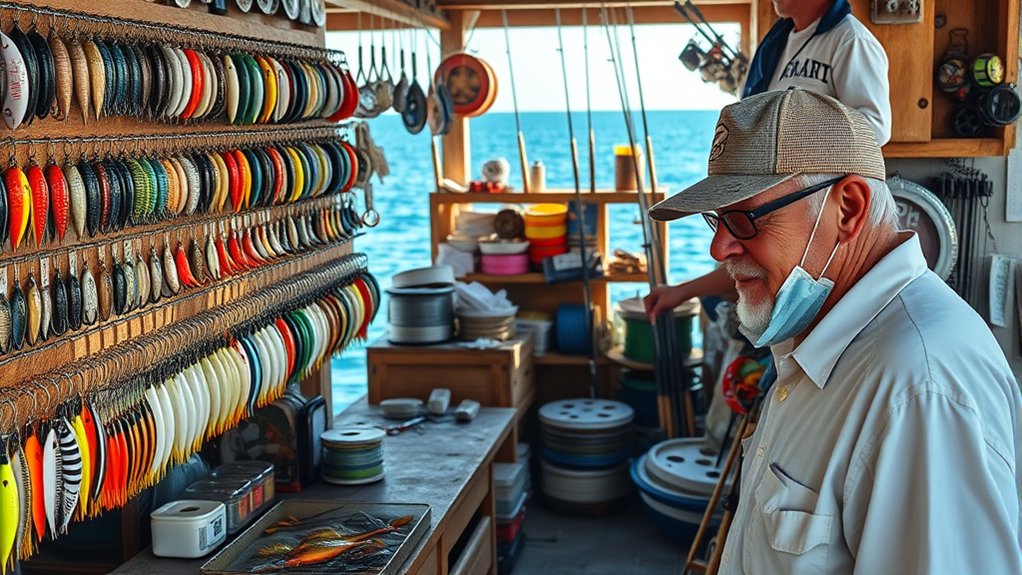
Affordable bait and tackle options are essential for anyone looking to immerse themselves in the world of fishing without draining their wallet.
Affordable fishing gear is key for beginners who want to explore the sport without overspending.
You can start with hooks and sinkers, which are usually among the least expensive pieces of fishing tackle. They are perfect for beginners because they let you fish with simple bait rigs.
Consider using natural baits like worms, crickets, and minnows. These can be affordable and effective, especially when you are learning how fish react to scent, movement, and depth.
If you want a DIY approach, homemade bait recipes using inexpensive grocery items can be alternatives to pricier store-bought options. Use them only where local rules allow that bait type.
For organizing your gear, a basic tackle box keeps everything tidy and prevents small hooks or sinkers from getting lost.
Finally, do not overlook budget-friendly rod and reel combos. A simple setup can help you catch fish while you learn casting, knot tying, fish handling, and bait selection.
With these affordable options, you can enjoy fishing without overspending while still having the gear you need for a successful outing.
Finding Inexpensive Fishing Locations
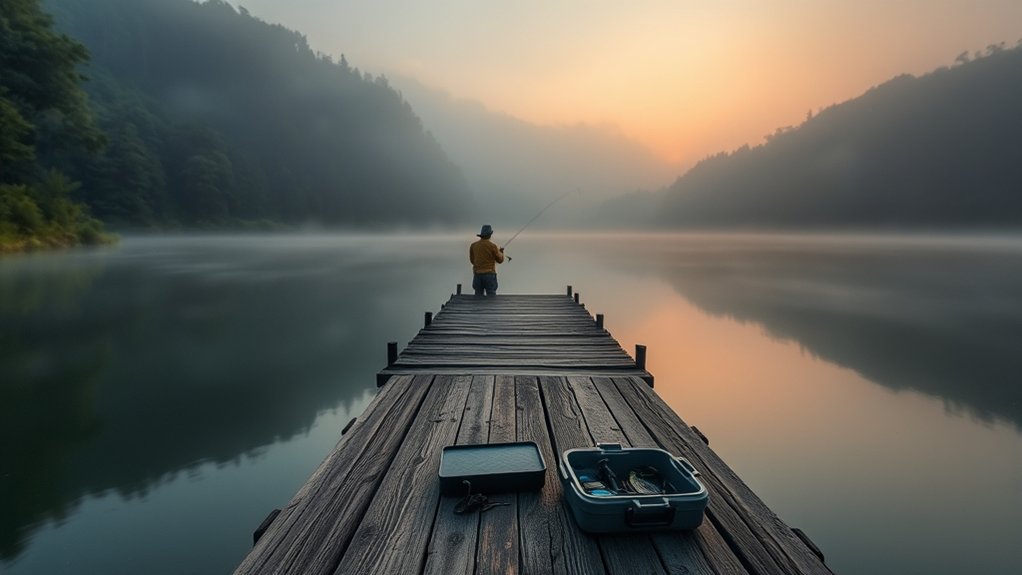
If you are eager to get out on the water without spending a fortune, you will be pleased to know that many local lakes, parks, rivers, ponds, piers, reservoirs, and coastlines offer public fishing areas at low or no access cost.
These accessible spots are perfect for budget-minded anglers. You might also want to check for state-managed free fishing weekends, where you can fish without a license during specific dates. These days are great for exploring new locations without a large financial commitment.
Do not forget to use community resources and maps to pinpoint nearby fishing spots. Staying close to home can reduce fuel costs, parking fees, and travel time.
If you have kids, look into state initiatives that support youth fishing programs. They often provide access to free locations, loaner gear, beginner clinics, and family-friendly events.
Urban areas can be a goldmine, too, featuring stocked ponds and rivers ideal for low-cost outings. So grab your gear and explore these fantastic opportunities.
Best Low-Cost Places to Try First
Beginners often do best at easy-access waters where casting room, parking, and fish populations are beginner-friendly. You do not need a remote wilderness trip to enjoy fishing.
- Community ponds: Often stocked and easy to reach.
- City parks: Good for quick trips and family outings.
- Fishing piers: Useful when you do not own a boat.
- Small lakes: Great for panfish, bass, catfish, and trout where stocked.
- Slow river banks: Good for bait fishing when access is safe and legal.
- Reservoir shorelines: Often provide space for bank anglers.
Budgeting for Fishing Trips
When planning your fishing trips, it is essential to establish a budget that reflects your financial situation while still allowing you to enjoy the experience.
Start by setting aside funds for essential gear, as you can achieve a basic setup without overspending. Do not forget to purchase a fishing license if required in your location. License fees support fisheries management and may be waived or reduced for some children, seniors, or qualifying groups.
Invest in a versatile fishing rod and reel combo found at budget-friendly prices, enabling you to experiment without needing multiple specialized rods.
Take advantage of seasonal sales during slower retail periods to find discounted lures and gear at local tackle shops, sporting goods stores, and online retailers.
Finally, explore online retailers and flea markets for lower-priced gear, including used reels, tackle boxes, landing nets, and simple accessories. Inspect used gear carefully before buying, especially rods with cracked guides and reels with rough drag systems.
Budget wisely, and you will reel in great fishing experiences without breaking the bank.
Sample Beginner Fishing Budget
Your exact cost depends on where you live and what you already own. Still, a simple budget can help you avoid impulse purchases.
| Item | Budget Approach | Money-Saving Tip |
|---|---|---|
| Rod and reel | Buy one all-purpose spinning combo | Check used gear or seasonal sales |
| Tackle | Start with hooks, sinkers, bobbers, and line | Avoid large lure kits until you know your target fish |
| Bait | Use worms, crickets, minnows, or simple soft plastics | Ask local anglers what works before buying several options |
| License | Buy the shortest legal option that fits your plans | Look for youth exemptions, senior discounts, and free fishing days |
| Travel | Fish close to home first | Choose public ponds, parks, piers, and local banks |
Alternative Fishing Techniques
While traditional methods like deep-sea fishing often come to mind, exploring alternative fishing techniques can open up a world of opportunities for anglers of all skill levels.
Techniques such as fly fishing can require a minimal initial investment when you keep the setup basic. You only need an appropriate rod, reel, line, leader, and a few essential flies to begin on suitable water.
Bank fishing and kayak fishing let you access various water bodies without the high costs of boat ownership, offering flexibility and significant savings.
Using natural baits like worms or crickets can be an effective and budget-friendly alternative to pricey lures. You can also create DIY fishing setups and homemade bait recipes to further cut costs while still enjoying effective fishing experiences.
Engaging with local fishing communities and forums can introduce you to new techniques and tips, enhancing your skills and knowledge without breaking the bank. Embrace these alternatives to enjoy fishing in a more affordable and creative way.
Shore Fishing vs. Boat Fishing
Shore fishing is usually the cheapest way to begin because you avoid boat payments, fuel, storage, registration, trailer upkeep, and launch fees. You can still catch plenty of fish from banks, piers, docks, bridges, and beaches where access is legal.
Boat fishing can expand your range, but it adds more cost and responsibility. If you want to try boat fishing without buying a boat, consider a guided trip, a rental, a friend’s boat, or a local club outing.
Catch and Release on a Budget
Catch and release can keep costs low because you do not need coolers, ice, fillet knives, or extra storage. It also helps protect fish populations when done properly.
- Wet your hands before handling fish to protect their slime coat.
- Use pliers to remove hooks quickly.
- Keep fish in the water as much as possible.
- Use barbless hooks or pinch barbs when appropriate.
- Release fish gently, especially in warm water or after a long fight.
Community Resources for Anglers
Community resources for anglers provide a wealth of opportunities to enhance your fishing experience without straining your budget. Many organizations offer grants and scholarships for free fishing gear, particularly for children, making it easier for families to engage in this beloved hobby.
Local fishing clubs and communities frequently host events and workshops, delivering valuable resources and networking chances for anglers at all skill levels. You will find public fishing areas, like lakes, parks, rivers, and coastlines, widely available, allowing you to fish without the costs associated with private locations.
Online resources, forums, and social media groups can also be fantastic for sharing tips, advice, and finding new fishing spots. Additionally, many states host free fishing weekends or days where you can fish without a license, encouraging you and your family to explore the sport without financial worries.
Take advantage of these resources to enhance your fishing adventures.
Ways to Save Through Local Angling Groups
Local angling groups can help you learn faster and spend less. Many experienced anglers have spare tackle, used rods, extra lures, or advice they are happy to share with respectful beginners.
- Join a local fishing club or conservation group.
- Attend beginner clinics at parks, hatcheries, or outdoor stores.
- Ask about loaner rod programs for kids and families.
- Follow state fish and wildlife updates for free fishing events.
- Volunteer at habitat cleanups to meet experienced local anglers.
- Trade unused tackle instead of buying every lure new.
Common Beginner Mistakes That Waste Money
Fishing stays affordable when you avoid buying gear before you understand your local water and target species. Beginners often spend too much on lures, rods, electronics, and accessories they rarely use.
- Buying too many lures: Start with a few proven options instead of a giant kit.
- Ignoring license rules: A fine can cost far more than a proper license.
- Choosing the wrong line: Match your line to your reel, rod, and target fish.
- Fishing poor locations: Local advice can save hours of frustration.
- Skipping basic knots: Weak knots cause lost fish, lost hooks, and wasted bait.
- Overlooking safety: Sunburn, dehydration, slippery banks, and hooks can ruin a trip.
Note: If you are fishing with children, keep trips short, choose easy-access spots, and focus on action over trophy fish. Bluegill, stocked trout, perch, and small catfish can make early trips more fun.
Frequently Asked Questions
How much does a fishing guide cost?
A fishing guide often costs more than a basic do-it-yourself trip because you are paying for local knowledge, boat use if included, gear, fuel, safety planning, and instruction. Prices vary widely by location, trip length, target species, season, and whether the trip is private or shared.
Are fishing guides worth the money?
Fishing guides can be worth it if you want to learn faster, visit unfamiliar water, target a specific species, or avoid buying specialized gear for one trip. If your goal is low-cost casual fishing, you can start from shore with basic tackle and save guided trips for special outings.
Is fishing an expensive hobby?
Fishing does not have to be expensive. You can start with basic gear, natural bait, and public access spots. Costs increase when you add boats, premium rods, electronics, travel, guided trips, and specialty tackle, but those extras are optional for beginners.
Why are guided fishing trips so expensive?
Guided fishing trips are expensive because the guide provides expertise, planning, equipment, boat operation when included, fuel, insurance, maintenance, and time spent scouting productive locations. You are paying for convenience and a better chance of success.
What is the cheapest way to start fishing?
The cheapest way to start fishing is to use a basic spinning combo or cane pole, fish from shore at a public pond or park, use simple bait, and buy only the license required for your trip. Borrowing gear or attending a loaner-rod event can lower costs even more.
Do kids need a fishing license?
In many places, young children do not need a fishing license, but age limits and rules vary by state, province, and waterbody. Always check your local fish and wildlife agency before planning a family fishing trip.
Conclusion
So, if you thought fishing was just for people with expensive boats and premium tackle, think again. With a little creativity and smart budgeting, you can cast your line without emptying your wallet.
From simple gear to free fishing spots, the key is choosing the right approach for your goals. Start with basic equipment, learn local rules, fish close to home, and upgrade only when your skills and interests grow.
Embrace the affordable side of fishing, and you might reel in more than a few fish. You could discover a relaxing outdoor hobby that brings fresh air, patience, family time, and a lasting connection to local water.
Sources
- Take Me Fishing — beginner fishing basics, gear, and getting started
- U.S. Fish & Wildlife Service — fisheries conservation and hatchery program context
- Take Me Fishing Free Fishing Days — free fishing day guidance and state-by-state access information
- U.S. Fish & Wildlife Service Fishing — responsible fishing and public fishing information