
Picture the water swirling around your boat, with seams, eddies, and rips shifting like a living map. Current speed affects how bait moves, where fish hold, and how your lure looks in the strike zone. When you understand that flow, you can time your trip better, present bait more naturally, and fish safer in changing water.
Quick Answer
Current speed matters because fish often feed where moving water brings bait to them, but they usually avoid wasting energy in the strongest flow. Target seams, eddies, structure, and current breaks, then adjust lure weight, retrieval speed, trolling speed, and boat position to match the water movement.
Key Takeaways
- Fish often feed during moving water, especially when current starts, strengthens, slows, or changes direction.
- The best spots are usually current seams, eddies, rips, points, bridge pilings, rocks, grass edges, and other breaks in the flow.
- Fast current usually calls for heavier lures, controlled drifts, sharper casting angles, and faster line management.
- Slow current and slack tide often require quieter presentations, slower retrieves, and more precise casts around structure.
- Safety comes first. Wear a properly fitted PFD, check conditions, and avoid currents that exceed your skill level.
At a Glance
| Best Time to Fish Current | During moving water, tide changes, current shifts, and low-light feeding windows. |
| Difficulty | Moderate. You need to read water, control your boat or kayak, and adjust lure speed. |
| Tools Needed | Tide or current table, GPS, sonar or depth finder, suitable lures, PFD, and local weather updates. |
| Main Goal | Keep your bait moving naturally while placing it near fish holding out of the hardest current. |
Understanding Current and Its Impact on Fishing
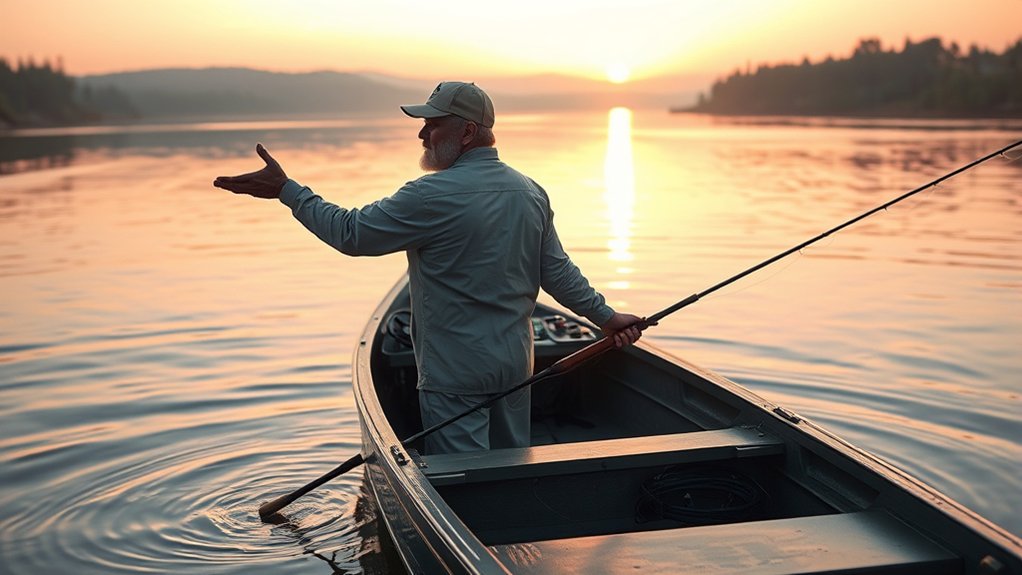
Understanding the impact of current on fishing is essential if you want to make better decisions on the water. Current controls how baitfish travel, how oxygen moves through the water, and where predators can feed without burning too much energy.
Unlike wind, current is often easier to predict in tidal water because you can use tide tables and current predictions to plan your timing. These resources help you estimate direction, strength, and turning points before you leave the dock. In rivers, current depends more on flow rate, rainfall, dams, channel shape, and obstructions.
Fish behavior often changes with current speeds. Many species become more active when flow increases or decreases because bait starts moving and feeding lanes become clear. In contrast, slack tides can lead to slower action, although larger fish may still bite near structure, shade, deeper holes, and ambush points.
When fishing moving water, look for slower currents, current seams, and eddies near rips where baitfish gather. These areas often attract larger predators because they provide food and an energy-saving place to wait. A bass, trout, striper, redfish, or walleye may sit just outside the strongest flow and strike bait that sweeps past.
Kayak fishermen have an edge in some current situations because they can hold tight to seams, drift quietly, and target fish behind rocks, pilings, grass edges, or submerged timber. Still, strong current can become dangerous fast, so boat control and safety matter as much as lure choice.
Note: Current speed does not affect every fish the same way. Species, season, water temperature, clarity, bait type, and available cover all change how fish respond.
Determining Current Direction for Optimal Fishing
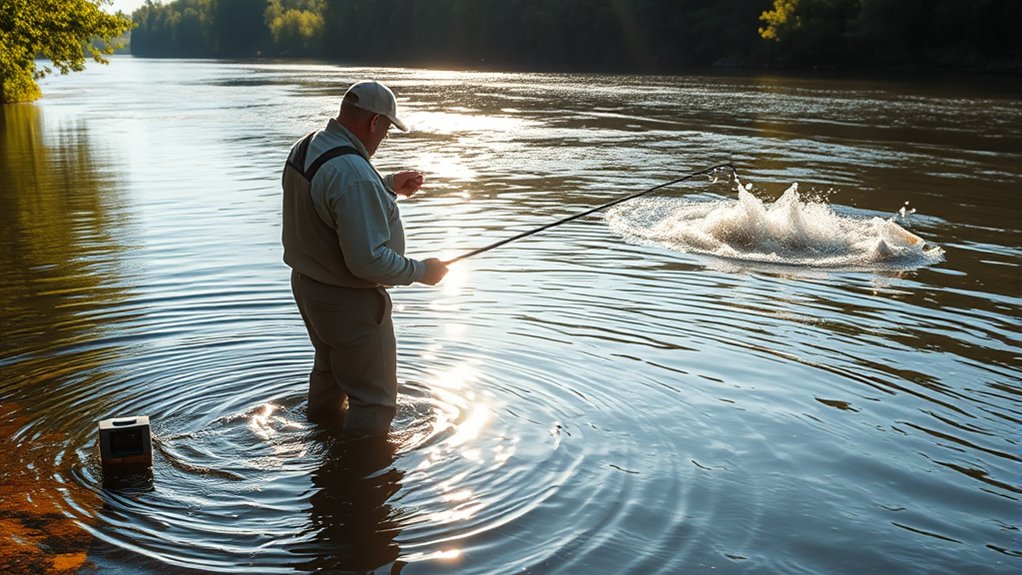
Current direction plays a pivotal role in how you approach fishing strategies. Before you cast, take a minute to read the water. Watch foam lines, floating grass, bubbles, leaves, baitfish, anchor lines, downrigger wires, and how your lure drifts after it lands.
Current direction is crucial for effective fishing because it shows where bait will travel and where predators can ambush it with less effort.
- Observe Downrigger Wires: When trolling, check the angles of your downrigger wires. If they are closer to vertical, you may be moving with the current or facing less water drag. If they trail far behind, current or boat speed may be pulling your gear away from the target depth.
- Utilize Tide Tables: Keep an eye on tide tables and current predictions to estimate changes in current direction. Plan your best spots around incoming flow, outgoing flow, and the period when water begins to move again after slack tide.
- Map Your Course: Before heading out, map intended fishing courses. Mark points, cuts, bridge pilings, channel edges, creek mouths, rips, and bends where current naturally funnels bait.
- Fish with the Current: In many cases, fishing in the direction of the current gives your bait a more natural presentation. Predators expect prey to move with the flow, not fight against it in an unnatural path.
You can also use your GPS track to compare your drift against the shoreline. If your boat moves faster over one side of a channel than the other, you may have found a stronger current lane. That edge can become a productive feeding line.
The Importance of Speed in Fishing
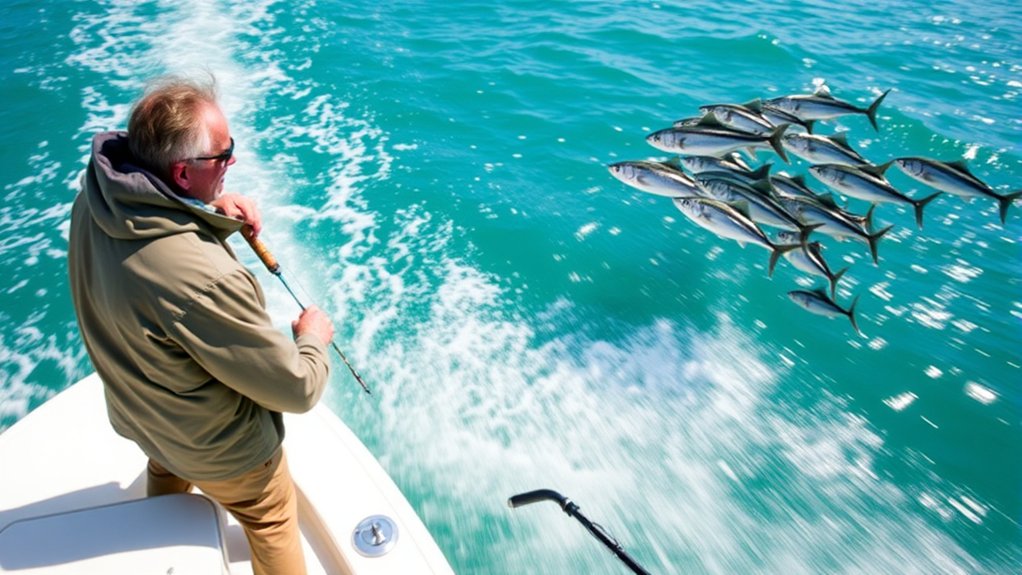
When it comes to fishing, speed is a game changer. Your lure has two kinds of speed to think about: how fast your boat moves over the bottom and how fast your lure moves through the water. Current can make those numbers feel very different.
You may see a steady speed on GPS, but your lure may still move too fast or too slow depending on whether you are trolling with, across, or against the current. That is why anglers often adjust based on lure action, rod tip movement, downrigger angle, and strikes instead of relying on one number alone.
You’ll find that ideal trolling speeds between 2.0 and 3.5 mph can greatly influence fish activity, attracting different species based on their feeding habits. That range is a useful starting point, not a fixed rule. Trout, salmon, walleye, striped bass, lake trout, and saltwater species may all respond to different speeds.
Adjusting your speed according to water conditions and fish behavior can enhance your chances of a successful catch. If fish short-strike or follow without committing, a small speed change can trigger bites. If your lure spins, rolls, drags bottom, or rises above the strike zone, your speed may need a quick correction.
Optimal Trolling Speeds
How can the right trolling speed make a difference in your fishing success? Even though you might think any speed will do, ideal trolling speeds often fall between 2.0 and 3.5 mph for many common trolling setups. Still, lure type, target species, water temperature, and current strength should guide your final choice.
- Adjust for Species: Slow down for trout and some cold-water fish, then speed up for more aggressive salmon, stripers, or other active predators when conditions call for it.
- Monitor Conditions: Keep an eye on water temperature, clarity, bait activity, and current, as they can greatly affect fish activity.
- Use GPS: Track your Speed Over Ground (SOG), but also watch your lure action because current can change the true speed of your bait through the water.
- Experiment: Trial and error is key. Make small changes, then watch which direction, speed, and lure action produces strikes.
Fish Activity Correlation
Understanding the correlation between fish activity and your trolling speed can considerably enhance your fishing success. Fish tend to become more active during changes in current speed, so timing your efforts with tide shifts or flow changes is vital.
Quick retrieval of lures can stimulate bites, particularly when fish are chasing bait or reacting instead of feeding slowly. In colder water, some fish may still respond to a sharp burst of speed, but others may prefer a slower, controlled presentation. Let the fish tell you what they want.
By keeping a brisk pace, you can engage with fish that are not actively feeding, increasing your chances of a reaction strike. Adjusting your speed based on real-time feedback from fish behavior and water conditions is essential. Slower speeds may attract trout, while faster speeds can entice aggressive species like salmon.
Always monitor current direction and strength for ideal fishing opportunities in slower currents, seams, and eddies. These areas often give fish a place to hold while food moves past them.
Adjusting for Conditions
Adjusting your trolling speed based on varying conditions can make all the difference in your fishing success. A lure that looks perfect in calm water may look unnatural once current starts pushing it sideways, lifting it, or dragging it too deep.
- Typical Speed Range: Aim for 2.0 to 3.5 mph as a starting range. Slower speeds often attract trout and neutral fish, while faster speeds may entice aggressive salmon or other predators.
- Monitor Water Conditions: Pay attention to current strength and direction. These can dictate your ideal speed for lure presentation.
- Trial and Error: Use GPS to adjust your Speed Over Ground (SOG), as it may differ from depth sounder readings or lure behavior based on current conditions.
- Cable Angle: Check your downrigger cables. If they are stretched far back, water drag may be high, signaling a need for speed, weight, depth, or direction adjustments.
Pro Tip: When trolling in current, make one adjustment at a time. Change speed, direction, depth, or lure style separately so you know which change caused the bite.
Fishing Techniques for Varying Current Conditions
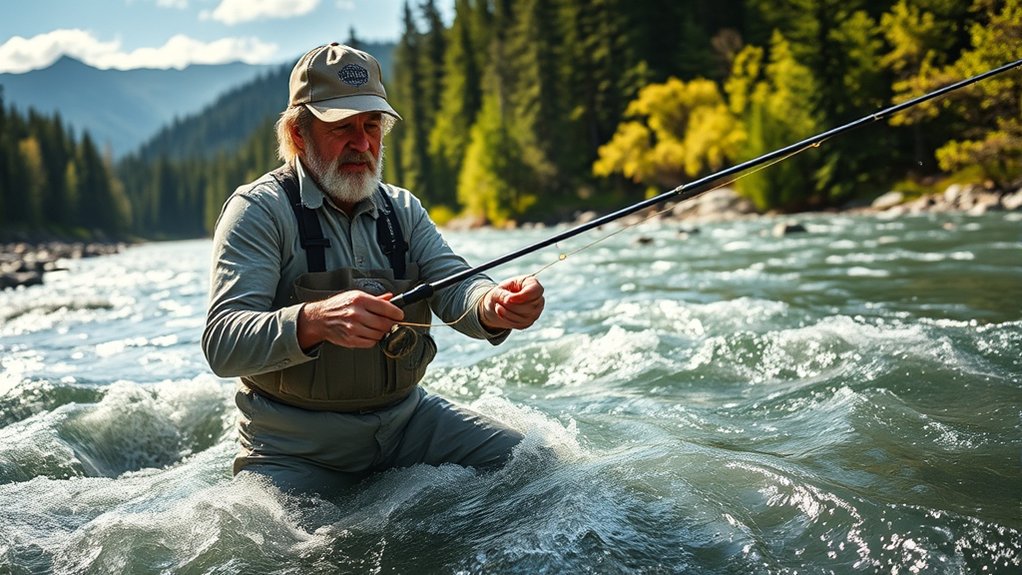
When fishing in varying current conditions, knowing how to adapt your techniques can mean the difference between a successful day on the water and a frustrating one. Moving water creates feeding opportunities, but it also exposes poor lure control, weak knots, bad boat angles, and unsafe positioning.
In strong currents, position your kayak or boat so you can control your drift and cast safely. When possible, point your bow into the flow, cast ahead or slightly upstream, and let your lure work back through the target zone. This helps you maintain control and present your lure to active fish.
Focus on areas where fish hold in slower currents or eddies near rips, as they often feed there during current changes. These soft-water pockets may form behind rocks, dock posts, bridge pilings, grass beds, sandbars, ledges, and fallen trees.
When you encounter slack tides, remember that fish may be less active. However, targeting structure with slower presentations can still yield larger catches. Use jigs, soft plastics, live bait, suspending lures, or slow-rolled baits to stay near cover longer.
If you’re shore fishing, utilize cross-current casting by throwing your lure upstream and letting it drift down naturally. Keep enough tension to feel a bite, but avoid pulling the bait so hard that it looks unnatural. A controlled drift often beats a forced retrieve.
Keep an eye on current speeds, adjusting your lure presentation accordingly. Fish tend to be more active during increasing or decreasing flows, so stay alert and ready to make your next move.
Adjusting Lure Action Based on Current Speed
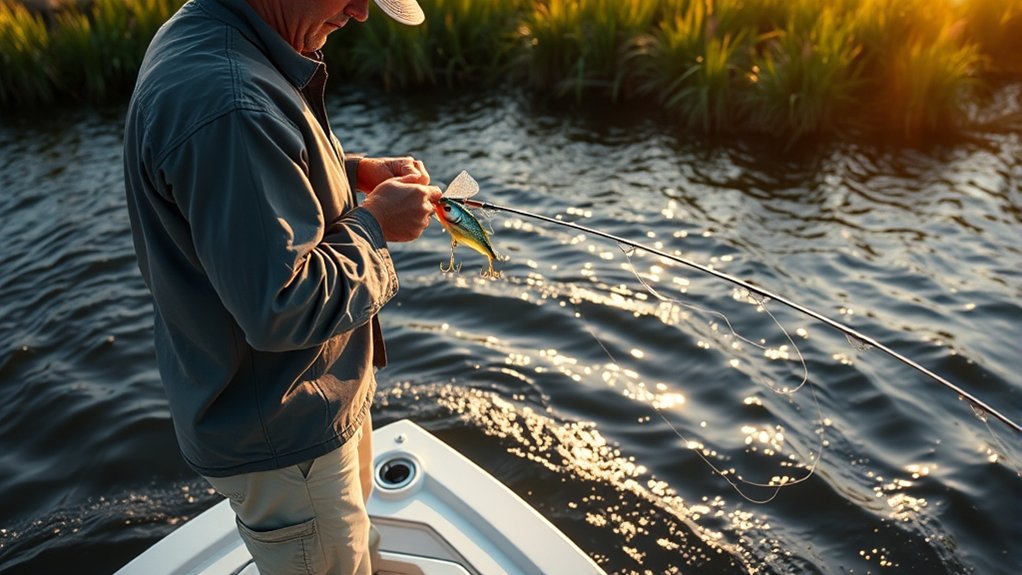
When you’re out on the water, adjusting your lure action based on current speed is essential for success. Faster currents often call for more aggressive presentations, heavier weights, and tighter line control. Slower waters may require a gentler approach with more pauses and subtle movement.
Experimenting with different lure types and weights can help you find the perfect balance to entice the fish in any condition. The goal is simple: keep the lure in the strike zone while making it look like real prey moving naturally with the water.
Current Speed Effects
As you navigate the water, understanding how current speed influences your lure action is essential for maximizing your fishing success. Strong current can lift light lures, sweep bait away from cover, bow your line, and reduce your ability to detect bites.
- Faster Currents: Use quicker retrieval rates or controlled drifts to keep your lure in the strike zone without letting it tumble unnaturally.
- Heavy Lures: In strong currents, opt for heavier lures, jig heads, sinkers, or weighted rigs to maintain contact with the bottom and prevent being swept away.
- Casting Angles: Adjust the angle of your line by casting upstream, cross-current, or slightly down-current to present lures at various depths and speeds.
- Slack Tides: Slow down your retrieval during slack tides to entice larger, less active fish that may hold tight to structure.
Lure Types Adjustment
Adjusting your lure type based on current speed can greatly enhance your fishing success, especially as different species react uniquely to various presentations. If the current is fast, consider using aggressive lures like spoons, plugs, crankbaits, swimbaits, or blade baits to entice species such as salmon, stripers, and active bass.
For slower currents, opt for more subtle offerings like flies, finesse plastics, small jigs, live bait, or suspending jerkbaits, which can mimic the delicate movements of prey. Don’t forget to control your lures’ depth with downriggers, sinkers, weighted hooks, or line choice, adjusting based on current effects.
Monitor the angle of your downrigger wires. A vertical angle often signals less drag or a slower relative current, prompting you to modify your lure speed only if the bait action looks wrong. Finally, experiment with different colors and sizes to match local baitfish, keeping in mind how current speed affects visibility and fish behavior for best results.
Presentation Techniques Adaptation
Understanding how to adapt your lure action to current speed can greatly impact your fishing success. By tailoring your techniques, you can effectively attract more fish and avoid wasting casts in water that is moving too fast or too slow for your setup.
- Use Heavier Lures: In strong currents, heavier lures help maintain depth and desired action against the water’s pull.
- Vary Retrieval Speed: Experiment with faster retrieval in quick currents, as fish may respond better to rapid presentations during active feeding windows.
- Monitor Downrigger Angles: A steeper or trailing angle can signal faster current, heavier drag, or too much speed, prompting adjustments to your lure presentation.
- Observe Fish Behavior: If fish hold in slower water, modify your lure action to mimic natural prey movement, increasing your chances of a strike.
Effective Strategies for Fishing in Strong Currents
When fishing in strong currents, timing your efforts strategically can greatly boost your success. Focus on fishing during periods of increasing or decreasing current speeds, as fish are often most active during these transitions.
Position your kayak into the current and cast straight ahead when conditions allow. This lets you work your lures down current and target fish that hold behind structures in rips. If the current is too strong to hold safely, move to a softer seam, drift with control, or choose a safer location.
Use local knowledge of current patterns and tide tables to find productive areas where fish are likely to congregate. Don’t overlook eddies or slower current areas near rips; these spots often harbor baitfish and larger predatory species.
Adjust your techniques based on the current strength. Maintain a steady speed, use gear suited for the conditions, and keep your bait in the strike zone efficiently. Braided line can help you feel bottom and detect bites in current, while a fluorocarbon or monofilament leader can add abrasion resistance around rocks and structure.
In rivers, cast upstream and let the lure sweep naturally through the target zone. In tidal passes, channels, or inlets, focus on seams where fast water meets slow water. In lakes with wind-driven current, fish points, narrows, humps, and shorelines where bait gets pushed into predictable lanes.
By understanding and adapting to the dynamics of strong currents, you’ll increase your chances of landing that big catch while avoiding unnecessary risk.
Warning: Never anchor a small boat or kayak in heavy current unless you have the proper setup, quick-release system, and experience. A bad anchor angle can swamp or flip a craft quickly.
Monitoring Gear Performance in Relation to Speed
While fishing, keeping a close eye on your gear’s performance in relation to speed is essential for maximizing your success. Monitoring downrigger cable angles, rod bend, lure vibration, and line tension can reveal crucial insights about your setup.
If your gear is not running correctly, even the best location may not produce bites. A crankbait may spin instead of wobble. A spoon may lose its flutter. A jig may sweep too far above the bottom. A bait rig may drag unnaturally behind the boat.
- Cable Angle: A steeper or heavily trailing angle often indicates slower speeds, stronger current, or heavier gear resistance, signaling a need for adjustments.
- Stretched Cables: If you notice your downrigger cable is stretched far behind the boat, that can be a sign of increased water drag, which may hinder lure action.
- Speed Adjustments: By observing cable behavior, rod tip movement, and lure feedback, you can determine if you need to change your speed for effective lure presentation.
- Effective Lure Action: Ensuring your lures are at the right depth and speed can greatly improve your chances of attracting fish.
Check your hooks, leaders, knots, and swivels more often when fishing strong current. Moving water adds pressure to your tackle, and debris can foul hooks or change lure action without you noticing right away.
Utilizing Technology to Assess Current Conditions
To maximize your fishing success, leveraging technology to assess current conditions is essential. Start by utilizing tide tables and current predictions to estimate current direction and strength. These resources provide crucial insights into water flow changes that can impact your catch.
Next, employ local fishing apps, marine weather tools, and wind resources like iWindsurf to monitor real-time wind speed and direction, as they can influence your fishing strategies. Wind against current can create rougher water, while wind with current may speed up your drift.
Incorporate Lowrance Electronics or other sonar and mapping tools to explore underwater structures and fish behavior, helping you pinpoint areas where current conditions favor bass and other game fish. Side imaging, contour maps, and GPS trails can help you see how fish relate to edges, points, drop-offs, and current breaks.
While on the water, observe downrigger wire angles. A closer-to-vertical angle may indicate you’re fishing with the current or experiencing less drag, enhancing your efficiency. Finally, use GPS technology to track Speed Over Ground (SOG) and adjust your fishing speed accordingly.
By harnessing these tools, you’ll greatly improve your chances of landing that big catch. Technology should support your water reading, not replace it. Always compare what your screen says with what you see on the surface.
Safety Considerations When Fishing in Challenging Currents
Fishing in challenging currents can be exhilarating, but it also demands a keen focus on safety. Fast water can push you into rocks, bridge pilings, strainers, boat traffic, shallow bars, or rough standing waves. Conditions can also change when tides turn, wind rises, rain falls, or dams release water upstream.
To guarantee a safer and more enjoyable experience, keep these essential considerations in mind:
- Wear Personal Flotation Device (PFD): Always use a properly fitted PFD to stay buoyant in unexpected conditions. Wear it, do not just store it nearby.
- Assess Skill and Conditions: Be honest about your abilities and monitor environmental factors, planning a safe return route before you start fishing.
- Choose the Right Kayak: Opt for a kayak built for the water you fish. A long, stable model like the Revolution 16 can perform well in some turbulent waters, but no kayak is safe in every current.
- Stay Informed: Use tide tables, current predictions, weather updates, and local knowledge to track current speed and direction, which are critical for both safety and fishing success.
Carry a whistle, light, communication device, knife, and basic first-aid kit. Tell someone where you plan to fish and when you expect to return. If you are new to strong current, go with an experienced angler or guide before attempting it alone.
Note: In current, the safest fishing spot is not always the most productive one. Choose water you can manage, then fish the best current breaks inside that safe zone.
Maximizing Your Fishing Experience Through Current Awareness
Understanding the dynamics of current can greatly enhance your fishing experience. Fish are most active during periods of increasing or decreasing current speeds, so plan your trips around these times for better results whenever possible.
Familiarize yourself with local tide tables and current patterns. Fish often seek slower currents or eddies near rips where baitfish gather. In rivers, learn how water moves around bends, rocks, laydowns, shoals, and channel edges. In tidal water, learn how different spots fish on incoming and outgoing flow.
While slack tides may slow down activity, don’t overlook the chance to catch larger fish. Some big fish use slack water to move, rest, or feed near structure without fighting heavy flow. Adapting your strategy to current conditions is key.
If you’re kayak fishing, you’ll have the advantage of better positioning in some strong-current situations, allowing for precise casting to target fish hiding behind structures. However, that advantage only helps when you can control your craft safely.
To stay informed, utilize apps like iWindsurf for real-time updates on wind and current conditions. You can also compare forecasts with what you see on the water, then adjust your approach on the fly. Embrace current awareness, and you’ll transform your fishing outings into more rewarding experiences.
Frequently Asked Questions
Are fishing guides worth the money?
Yes, hiring a fishing guide can be worth the money, especially in unfamiliar current, tidal water, or large rivers. A good guide brings local knowledge, safe boat handling, proven spots, and gear experience that can shorten your learning curve.
How do you fish in fast current?
In fast current, cast upstream or cross-current, let your bait drift naturally, and target softer water behind rocks, pilings, points, or other current breaks. Use enough weight to stay in contact, but avoid water that is unsafe for your boat, kayak, or skill level.
What is the golden hour for fishing?
The golden hour for fishing usually refers to the first hour after sunrise and the last hour before sunset. Fish often feed more actively during these low-light windows. When golden hour overlaps with moving current, your odds can improve even more.
Should I fish with the current?
Yes, fishing with the current often improves bait presentation because prey usually moves naturally with the flow. However, cross-current casts and controlled upstream drifts can also work well when you need to reach seams, eddies, or structure.
What current speed is best for fishing?
No single current speed is best for every situation. Moderate moving water is often productive because it carries bait and positions fish predictably. Very fast current can be hard to fish, while slack water may require slower, more precise presentations.
How can I tell if the current is too strong?
Current may be too strong if you cannot hold position, control your drift, retrieve your lure naturally, or return safely to shore or the launch. Heavy debris, standing waves, bridge turbulence, and fast water near strainers are also clear warning signs.
Sources
- NOAA Tides & Currents — tide, water level, and current planning information.
- National Weather Service Marine Forecasts — marine weather and safety conditions before fishing trips.
- U.S. Coast Guard Boating Safety — life jacket and PFD safety guidance.
Conclusion
In the world of fishing, understanding current speed is your compass, guiding you toward better timing, safer decisions, and more natural presentations. Just as a river carves its path through the landscape, currents shape fish behavior and your approach.
Watch the seams, eddies, rips, and structure. Adjust your lure weight, retrieve, trolling speed, and casting angle as the water changes. Respect strong current, wear your PFD, and never push beyond your skill level.
By respecting these natural rhythms and adapting your techniques accordingly, you’ll not only enhance your catch but also deepen your connection to the water. Embrace the currents, and let them lead you on an unforgettable fishing adventure, where each cast becomes a step toward mastery.

