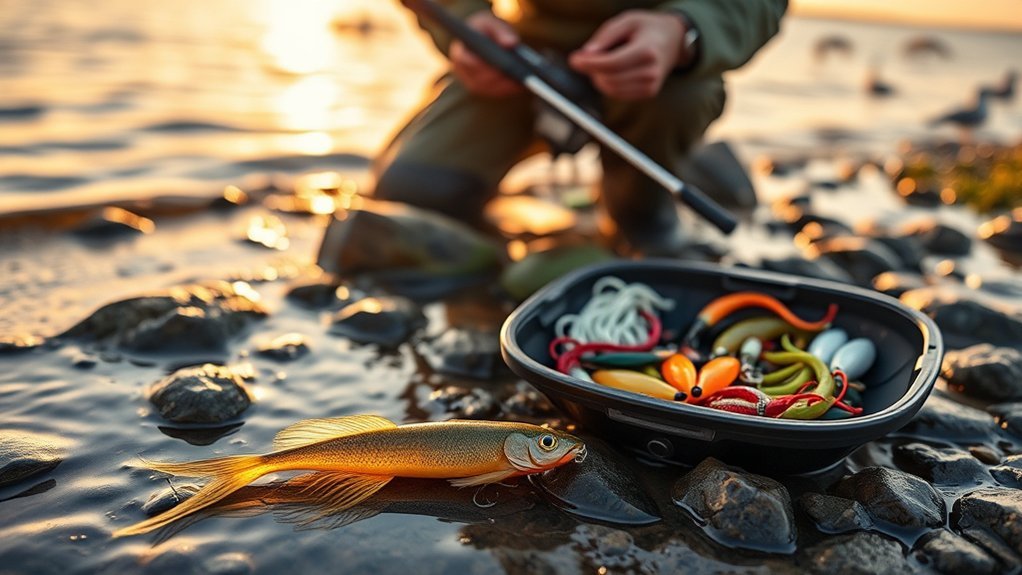
Like a chef learning to use a new knife, you’ll find soft plastics become a go-to tool once you know the basics. These flexible lures imitate worms, minnows, crawfish, shrimp, and baitfish, so they work in ponds, lakes, rivers, and many saltwater spots. You’ll learn what gear works, how to rig for cover, which shapes and colors tempt bites, and how to fish each setup with confidence. Stick with simple setups at first, practice a few retrieves, and you’ll spend more time fishing and less time guessing.
Quick Answer
Soft plastic fishing works best when you match a simple lure shape to the cover, water clarity, and fish mood. Start with a medium spinning setup, 8 to 12 lb line, green pumpkin or black-blue plastics, and two beginner rigs: Texas rig for weeds and wacky rig for open water.
Key Takeaways
- Soft plastics catch fish because they look alive, move naturally, and feel real when fish bite.
- A medium spinning rod, matching reel, and 8 to 12 lb monofilament or fluorocarbon line give beginners a simple, useful setup.
- Texas rigs, wacky rigs, Carolina rigs, and dropshot rigs cover most beginner fishing situations.
- Use natural colors in clear water and darker or brighter colors in stained water.
- Slow down, pause often, and replace torn baits so your lure keeps the right action.
At a Glance
| Time Required | 15 minutes to rig your first bait; a few fishing trips to build confidence |
| Difficulty | Beginner friendly |
| Tools Needed | Medium rod, spinning or baitcasting reel, line, hooks, weights, soft plastics, pliers, and a small tackle box |
| Cost | Low to moderate; you can start with one rod, a few hooks, weights, and two or three bait styles |
What Is Soft Plastic Fishing and Why It Works
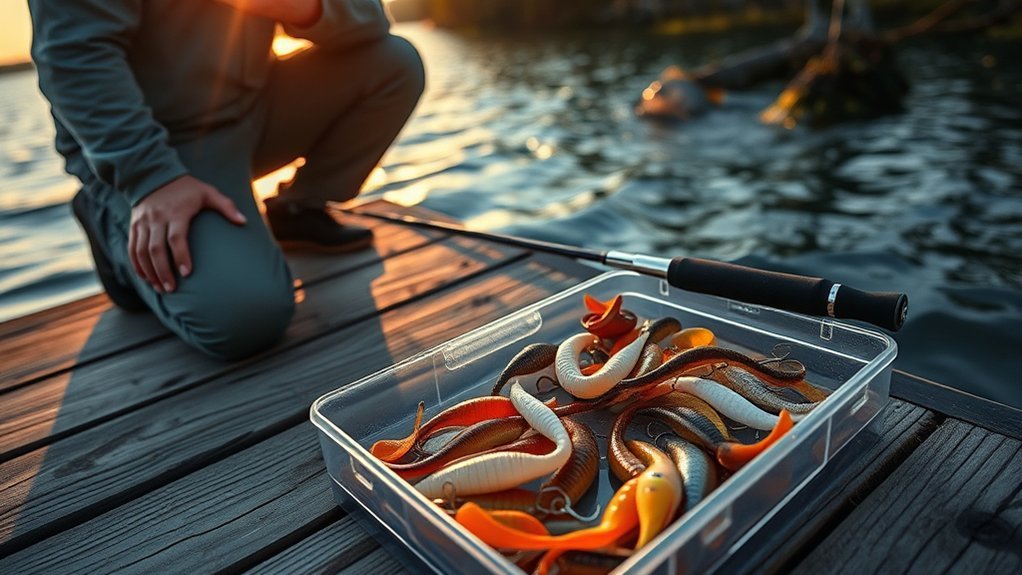
Soft plastic fishing uses pliable, lifelike lures that mimic natural prey. These baits work because fish respond to the lure’s shape, fall, vibration, movement, and soft feel when they bite.
You’ll appreciate how soft plastics let you adapt. Varied shapes, sizes, and colors give you freedom to match forage and water conditions. In clear water, you’ll usually lean toward subtler profiles and natural hues that mimic shrimp, minnows, worms, or crawfish.
Rigging options, from Texas Rig to lighter finesse presentations, let you control depth, snag resistance, and stealth. A Texas rig hides the hook point for cover, while finesse fishing choices keep pressured or wary fish interested.
Rigging choices control where your bait travels, how naturally it moves, and how well it avoids weeds, brush, rocks, and other cover.
You can experiment with retrieves, pauses, hops, shakes, and twitches to trigger strikes. That makes soft plastic baits powerful year-round tools, especially when fish hold near structure or feed during low-light periods.
Embrace soft plastic fishing as essential gear in your kit. It’s practical, flexible, and built for anglers who want more control over lure action and presentation.
Essential Gear and Setup for Beginners
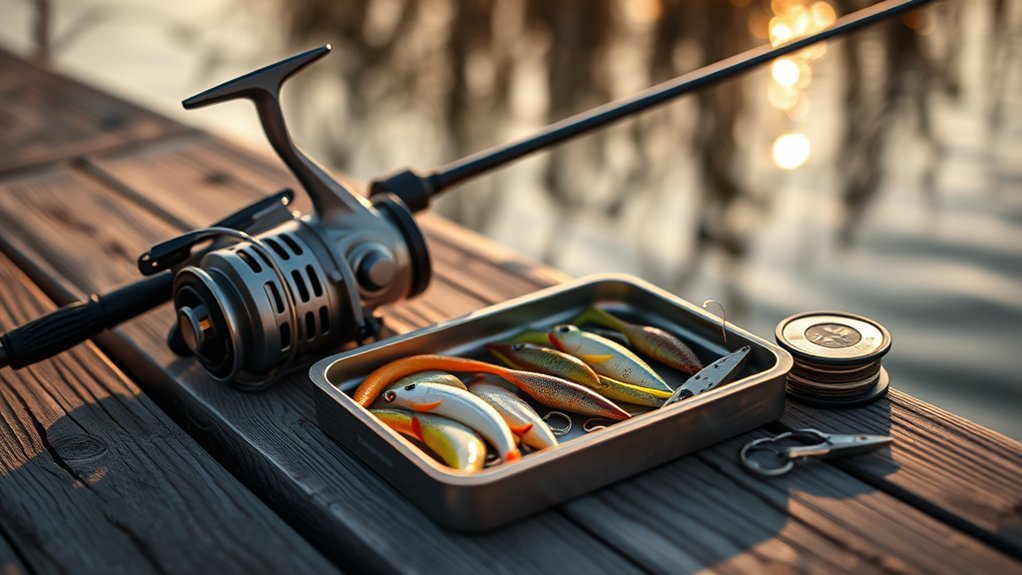
When you’re getting started, pick a general-purpose medium-action rod and pair it with a matching spinning or baitcasting reel. This gives you a versatile setup that handles worms, paddletails, small creature baits, and light weighted rigs.
For many beginners, a spinning rod is easiest to master because it casts lighter baits well and causes fewer backlash problems. Still, the key is balance. Your rod and reel should feel comfortable enough to fish for hours without strain.
Use monofilament line or a fluorocarbon leader in the 8 to 12 lb range to get strength without losing too much sensitivity. Monofilament handles easily and floats more, while fluorocarbon is harder for fish to see underwater and sinks faster.
Braided line can also help when you fish heavy weeds, thick grass, or dense cover. If you use braid in clear water, add a fluorocarbon leader so the bait looks more natural.
When selecting the right soft plastic lures, start with classic colors like green pumpkin, watermelon, black-blue, and pearl white. Add a few paddletails, stick worms, ribbon-tail worms, and craw-style baits before buying too many specialty shapes.
Keep a tidy tackle box with compartments for hooks, weights, spare line, and tools so you can move quickly and confidently. Good organization also helps you notice what works, what you need to replace, and which colors you use most.
Learn a couple of basic presentations like the Texas Rig and wacky rig. Practice changing hooks, tying knots, and adjusting leaders until it becomes instinct.
Note: Beginners do not need a huge tackle bag. A simple box with two hook sizes, two weight sizes, and three proven bait colors will catch fish and keep decisions easy.
This gear foundation frees you to experiment and fish with purpose. Once you can cast, feel the bottom, detect bites, and set the hook cleanly, you can add more specialized rods, reels, and baits.
[Amazon Products Picked for You]

FAST ACTION: The 6-foot fishing rod combo provides Light power making it a versatile choice for freshwater presentations, including both live baits and artificial lures when...
Best Soft Plastic Lures for Beginners
Start with lure styles that work in many places before buying highly specific baits. A few proven shapes will help you learn faster because each one teaches a different action.
- Stick worms: Great for wacky rigs, weightless Texas rigs, and slow falling presentations near docks, grass edges, and shallow cover.
- Ribbon-tail worms: Good for Texas rigs and Carolina rigs because the tail moves even during a slow drag.
- Paddletail swimbaits: Strong choice when fish chase minnows, shad, or small baitfish in open water.
- Craw baits: Best around rocks, wood, and bottom cover where bass and other fish feed on crawfish.
- Creature baits: Useful when fish react to bulk, vibration, and a larger profile in stained water or heavy cover.
- Finesse worms: Ideal for dropshot rigs, shaky heads, and pressured fish that ignore larger baits.
Choose lure size based on fish activity and water conditions. Smaller plastics often help when fish are pressured, cold, or inactive. Larger plastics can draw better bites when fish feed aggressively or when you need the lure to stand out in dirty water.
[Amazon Products Picked for You]

Easy Catch Design – Trembly Sinking + Vibrating Swim. The Shadtale delivers two actions in one lure: steady retrieve triggers a tight vibrating swim with paddle tail kick; jigging hops create a unique trembling fall. This combination triggers strikes from curious and aggressive fish alike

Worm Soft Lures: The worm shape design and length design can quickly attract a variety of fish, especially bass, as these are essential rubber worms for bass fishing. 6 colors for your choice to help you attract many kinds of fish.

GREAT FISHING BAIT - Yamamoto Kreature Bait is very unique big-profiled bait that has awesome gliding action in fall; It makes great flipping/pitching bait; Kreature really shines on Free rig when thrown over brush piles, stumps and grass clumps
Rigging Methods Every New Angler Should Master
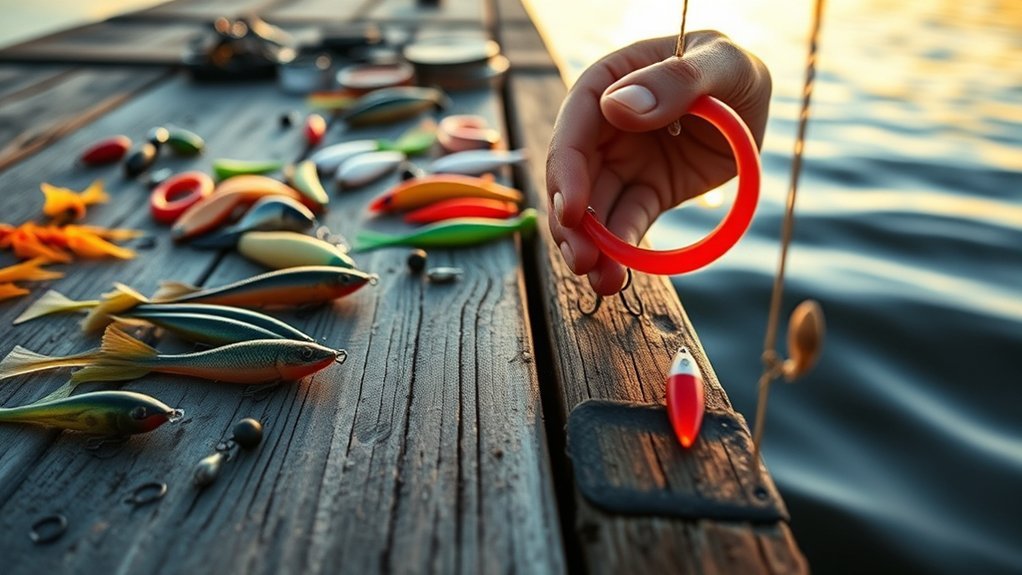
Start with a handful of reliable rigs and you’ll cover most fishing situations while building confidence on the water.
You want rigging methods that free you from fear of every cover or picky fish. Learn the Texas Rig to make a plastic worm weedless. Thread the hook through the nose of the bait, slide it forward, rotate the hook, and lightly bury the point back into the body so you can fish grass, brush, and laydowns with fewer snags.
Use the Carolina Rig for a more natural bottom presentation. The sliding weight and leader let the soft plastic bait move freely behind the sinker, which helps in deeper water, along points, and across flats.
Try the Wacky Rig to get an irresistible wobble by hooking through the middle of a stick worm. It works well around docks, shade lines, shallow cover, and calm water where fish can watch the bait fall.
Dropshotting suspends your bait above a weight, ideal when fish are finicky or holding off the bottom. Nose-hook a small worm for open water, or use a weedless hook when fishing around light cover.
Practice flipping and pitching to place lures into tight spots. These short, controlled casts help you reach pockets in grass, holes in brush, shaded dock corners, and other areas where fish ambush prey.
Master these fishing techniques from this beginners guide, and you’ll gain freedom to choose where and how you fish without hesitation.
Pro Tip: After rigging a soft plastic, drop it beside the boat or bank and watch it move. If it spins, twists, or falls sideways unnaturally, re-rig it straighter before you cast.
[Amazon Products Picked for You]
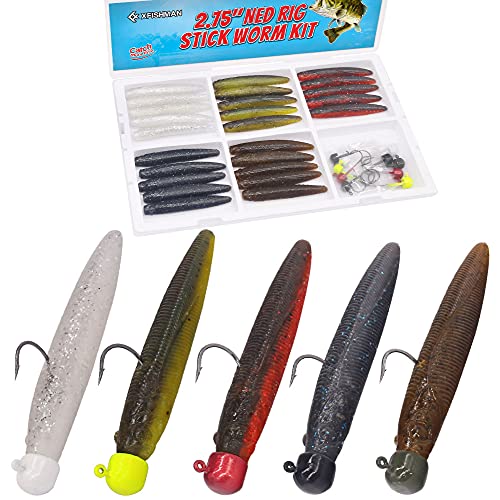
FANTASTIC NED RIG KIT-- It's a fantastic bass-foolin' technique, and the XFISHMAN Ned Rig Kit has everything you need to start honing your Ned Rig fishing skills.

【220 PCS All-In-One Fishing Lures Kit】This complete bass fishing kit includes 5 types of lifelike 40 soft plastic baits (wacky worms, Swimbait worms, paddle tail worms), 49 sharp high-carbon steel hooks (offset wacky hooks, weighted swimbait hooks), 10 Fishing Bullet Weights, 30 nail weights, durable 40 wacky rig o rings, 30 glow-in-the-dark beads, 20 3D eye fish beads, and a portable fishing tackle box. This fishing gear set is a complete solution for every season and water condition

【Flexibility & Durability】 - Bombrooster ned rig baits are crafted with a blend of soft elasticity and optimal salt content, ensuring an ideal sink rate and natural, lifelike action that improves hook-up ratios.
How to Fish Soft Plastics Step by Step
Soft plastics work best when you fish them with patience. Many bites happen during the fall or pause, so do not rush every retrieve.
- Pick a target: Cast near cover, shade, grass edges, rocks, docks, current seams, or visible baitfish activity.
- Let the lure fall: Watch your line as the bait sinks. If the line jumps, stops early, or moves sideways, set the hook.
- Start slow: Drag, hop, or shake the bait gently, then pause. Keep light tension so you can feel bottom changes and bites.
- Change your retrieve: If slow dragging fails, try short twitches, steady swimming, longer pauses, or sharper hops.
- Check the bait often: Make sure the lure stays straight, the hook point is not exposed, and the plastic is not torn.
- Set the hook with control: Reel down until you feel weight, then sweep or snap the rod based on the rig and hook style.
Pay close attention to where bites happen. If fish bite near grass edges, dock shade, rocks, or the first drop-off, repeat that pattern in similar spots.
Choosing Colors, Shapes, and When to Use Them
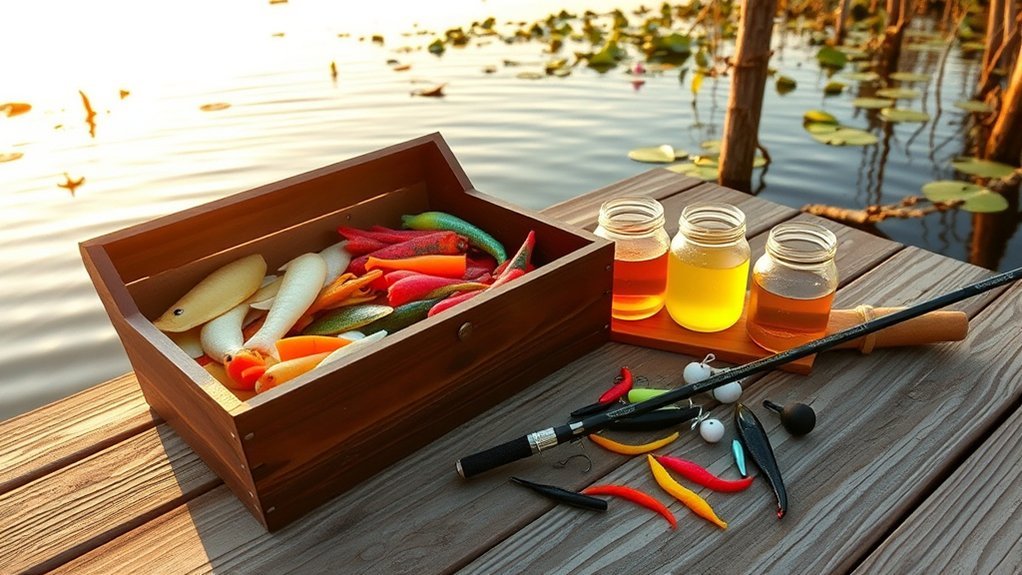
Now that you’ve got a handful of rigs under your belt, pick lures that match the water, cover, and fish you’re after.
When choosing colors, favor natural or translucent colors like green pumpkin, watermelon, smoke, or pearl in clear water and bright sun. Subtle colors mimic local baitfish and help your lure look less threatening.
In stained or murky water, reach for brighter colors or darker high-contrast options like black-blue, junebug, chartreuse accents, or white. Fish may not see fine details in dirty water, so silhouette and vibration matter more.
Match shapes to target species and fishing techniques. Slender worms work for finesse presentations, while bulkier creature baits provoke territorial strikes. Paddletails imitate swimming baitfish, and craw baits look natural around rocks and wood.
Think about time to set. Early morning and late evening near structure can be prime because low light often makes fish more comfortable feeding shallow. During bright midday conditions, fish may slide deeper, hold tighter to cover, or prefer slower presentations.
Also consider tide if you fish saltwater, brackish water, or tidal rivers. High tide can push bait into new pockets, grass lines, and shoreline cover, so switch to larger profiles or a more visible color when fish spread out.
Experiment quickly, learn what local baitfish look like, and trust your instincts. If fish ignore your first choice after several good casts, change one thing at a time: color, size, shape, weight, or retrieve speed.
Where to Fish Soft Plastics
Soft plastics shine because you can fish them almost anywhere. The best spot depends on the rig, fish species, season, and available cover.
- Grass and weeds: Use Texas-rigged worms, creature baits, or weedless swimbaits.
- Docks and shade: Try wacky rigs, weightless stick worms, or small finesse worms.
- Rocky banks: Drag craw baits, shaky heads, or Carolina rigs along the bottom.
- Brush and laydowns: Pitch Texas rigs into openings and let the bait fall beside branches.
- Drop-offs and points: Use Carolina rigs, dropshots, or heavier Texas rigs to reach deeper fish.
- Saltwater flats and grass beds: Swim paddletails, shrimp-style plastics, or jerk shads with jig heads or weedless hooks.
Do not cast randomly for too long. Pick a target, make several casts from different angles, then move if you do not see bait, feel cover, or get bites.
Common Mistakes and Pro Tips to Catch More Fish
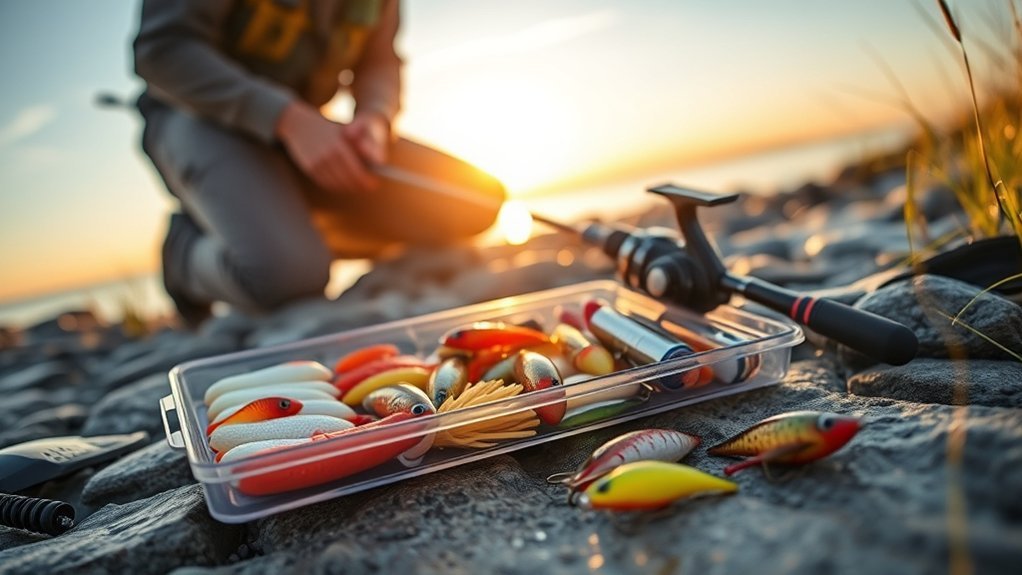
A few simple habits will instantly improve your catch rate and cut frustrating downtime. Don’t yank the rod the instant you feel a bite. Instead, reel down, feel for steady weight, and set the hook with purpose.
Vary retrieval speeds and pauses to match the fish’s mood. Some days fish want a slow bottom drag. Other days they react to a hop, twitch, swim, or sudden pause. Also, swap out scuffed, torn, or misshapen baits before they cost you strikes.
You’ll free yourself from bad habits by learning a few pro moves and staying organized.
- Use several different retrievals: slow drags that let soft plastics sink to the bottom, quick twitches, steady swims, and long pauses. Each one can trigger picky fish.
- Keep the right gear and check that lures provide the action you expect. Replace worn baits, sharpen or replace dull hooks, and use braided line when you need crisp hooksets in heavy cover.
- Tackle organization is a fast action tip: store color options for clear versus murky water and carry a small kit that’ll walk you through everything in this complete guide.
Fish more and worry less. Practice these habits and you’ll feel more comfortable on the water.
Warning: Never leave used soft plastics, fishing line, hooks, or packaging on the bank or in the water. Pack out damaged lures and dispose of them safely so wildlife and other anglers stay protected.
Troubleshooting Soft Plastic Fishing Problems
If soft plastics are not working, do not assume the lure is bad. Small adjustments often make a big difference.
- You keep missing bites: Wait until you feel the fish load the rod, then set the hook. Also check that your hook size matches the bait.
- The bait spins on the retrieve: Rig it straighter. A crooked soft plastic looks unnatural and can twist your line.
- You snag too often: Use a weedless Texas rig, lighter weight, or a different casting angle.
- Fish follow but do not bite: Downsize the bait, switch to a natural color, or add longer pauses.
- You cannot feel the bottom: Use a slightly heavier weight, tighten slack, or switch to a more sensitive line setup.
- Your lure tears quickly: Use softer hooksets with light-wire hooks, try bait keepers, or save torn plastics for shorter rigs.
Related Guides
Frequently Asked Questions
Can I add scent attractants to my homemade soft plastics?
Yes, you can add scent attractants to homemade soft plastics. Test small batches first because oils, salt, dyes, and scent formulas can affect softness, durability, and color. You can also apply scent to finished baits before fishing if you do not want to mix it into the plastic.
How long do homemade soft plastics last in storage?
Homemade soft plastics can last for months or longer when stored well, but shelf life depends on the material, curing process, heat, moisture, scent additives, and packaging. Keep them sealed, cool, dry, and away from direct sunlight. Throw away baits that become sticky, moldy, badly faded, or brittle.
Are there environmental concerns with discarded soft plastics?
Yes. Discarded soft plastics can add to plastic pollution and may harm fish, birds, turtles, and other wildlife if eaten. Keep used plastics in a separate bag, reuse damaged baits when possible, and dispose of them with your trash. Also follow local fishing regulations for tackle and water access.
Can I recycle or reprocess old soft plastic lures?
You can reprocess some old soft plastic lures if the material is compatible and clean, but recycling options vary by product and location. Do not mix unknown plastics, and avoid heating materials unless you understand the safety risks. The easiest beginner habit is to reuse torn baits for shorter rigs and pack out every damaged lure.
Do soft plastic rigs work for saltwater species?
Yes, soft plastic rigs work well for many saltwater species when you match the bait to local forage and conditions. Paddletails, shrimp-style plastics, jerk shads, and flukes can catch fish around grass flats, oyster bars, channels, docks, and current seams. Use corrosion-resistant hooks and rinse tackle after each saltwater trip.
What is the easiest soft plastic rig for a beginner?
The Texas rig is often the easiest all-around beginner rig because it works around weeds, brush, rocks, and shallow cover. A wacky rig is also simple and highly effective in open water or around docks. Learn both first before adding more advanced rigs.
What color soft plastic should I start with?
Start with green pumpkin for clear to lightly stained water and black-blue for muddy water or low light. Add pearl white if fish are chasing baitfish. These three colors cover many beginner situations without making your tackle box confusing.
Conclusion
You’ve got the basics down. The right rod, reel, line, and a couple of go-to rigs will get you catching more often. Start with a medium spinning setup, simple hooks and weights, and proven soft plastics in natural and high-contrast colors.
Stick with classic colors and simple shapes at first, vary your retrieve, and learn from each cast. Practice makes perfect, especially when you pay attention to where bites happen and how fish react to speed, depth, and pauses.
Don’t be afraid to swap tactics when fish aren’t cooperating. Sometimes you’ve just got to roll with the punches. Stay patient, keep experimenting, pack out your used baits, and enjoy the tug on the line.
Sources
- Take Me Fishing: Fishing Lures — supports basic lure types and beginner tackle guidance.
- Take Me Fishing: How to Tie Fishing Knots — supports the importance of rigging and knot practice.
- U.S. Fish & Wildlife Service: Lead-Free Fishing — supports safe tackle choices and wildlife-aware fishing habits.
- NOAA: Ocean Pollution — supports the environmental concern around discarded plastics and trash in waterways.