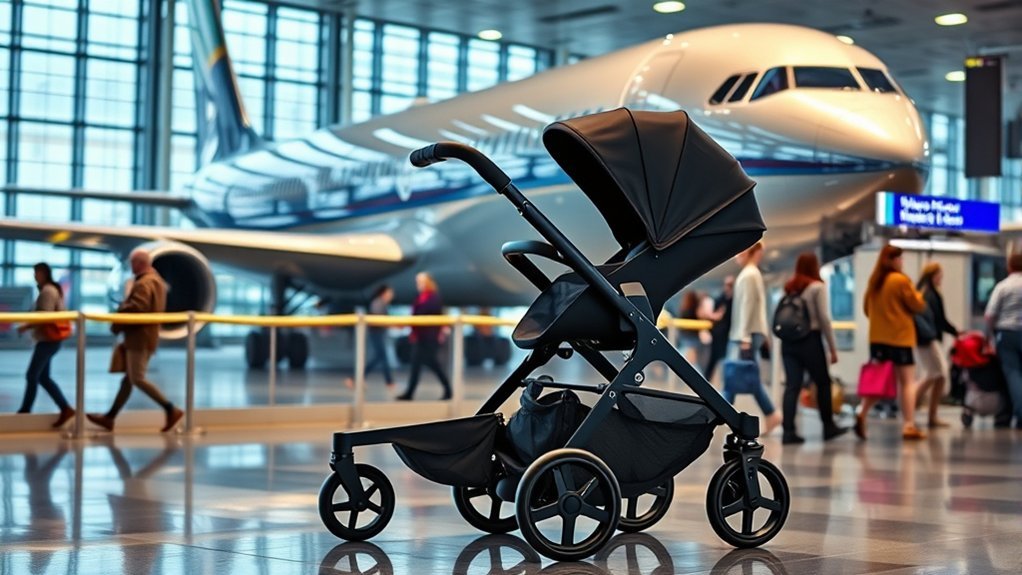
Maneuvering an airport with a BOB stroller presents a unique challenge for parents. While most airlines allow you to fly with a stroller, the specific rules vary by carrier. Knowing what to expect at the ticket counter, the security checkpoint, and the boarding gate improves your overall travel experience. Here is what you need to know before you pack your bags.
Quick Answer
- You can fly with a BOB stroller, but airline weight limits dictate where you check it.
- Because BOB strollers generally weigh over 25 pounds, airlines with a 20-pound gate-check limit require you to check the stroller at the main ticket counter.
- Always remove loose accessories and use a protective travel bag to prevent damage in transit.
- Check your specific airline’s stroller policy before arriving at the airport.
Understanding Airline Policies for Stroller Travel
Checking your airline’s specific policies is the first step when flying with a BOB stroller. Before booking your ticket, review the stroller dimensions and weight limits set by the carrier. Many airlines allow gate checking. However, some carriers enforce weight limits under 20 pounds for items checked at the gate. Since most BOB strollers weigh between 25 and 33 pounds, you may need to check yours at the main ticket counter instead. During security screening, you will have to fold the stroller. If it fits, it goes on the X-ray belt. If it does not fit, TSA agents will inspect it manually. Airlines rarely accept liability for damage to strollers, making protective measures highly recommended.
Advantages of Gate Checking Your Bob Stroller
If your airline allows you to gate check your BOB stroller, this option offers several clear benefits:
- Damage Reduction: Keeping your stroller with you until boarding reduces the total time baggage handlers spend moving it.
- Convenience: You keep a secure place for your child to sit while moving through the terminal.
- Cost-Effective: Gate checking a stroller is almost always free and does not count toward your standard checked baggage fees.
When gate checking, the airline agent provides a tag for your stroller. You leave the stroller at the bottom of the jet bridge right before stepping onto the plane, and the crew returns it to the same spot when you land.
[Amazon Products Picked for You]
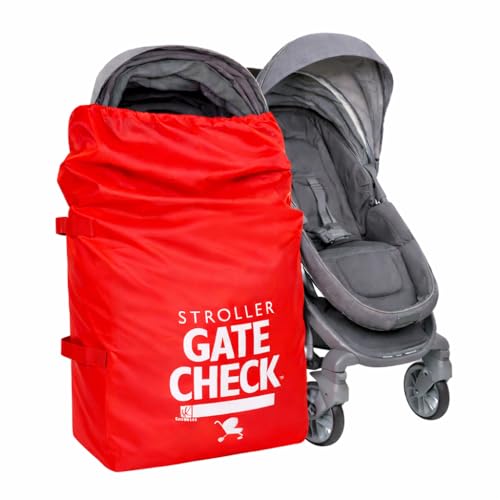
TRAVEL WITH LESS WORRY - Protects your stroller from airport dirt and handling while making family travel a little more manageable. Use to gate check when boarding the airplane.

TRAVEL WITH LESS WORRY - Protects your stroller from airport dirt and handling while making family travel a little more manageable. Use to gate check when boarding the airplane.

TRAVEL WITH LESS WORRY - Protects your single, compact-fold stroller from airport dirt and handling while making family travel a little more manageable. Use to gate check when boarding the airplane.
Preparing Your Bob Stroller for Air Travel
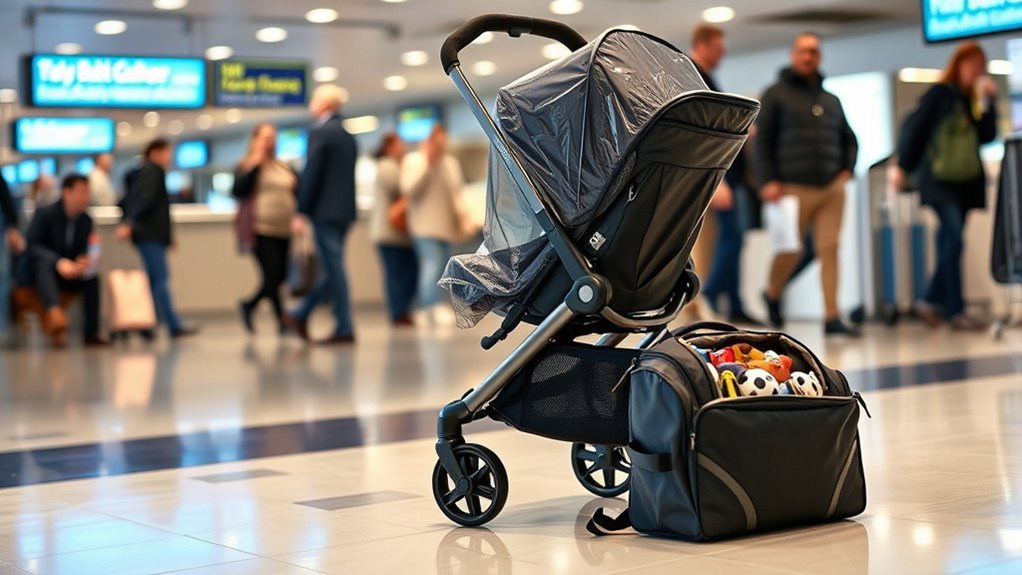
Familiarizing yourself with airline requirements prevents delays during the boarding process. Practice folding your BOB stroller quickly so you do not hold up the line on the jet bridge. Using a protective travel bag keeps the fabric clean and prevents the frame from getting scratched in the cargo hold.
[Amazon Products Picked for You]

Designed with heavy duty material to protect your stroller when traveling

FITS MOST FULL-SIZE DOUBLE & JOGGING STROLLERS — This large stroller travel bag measures 47" H x 24" W x 15" D (119 x 61 x 38 cm) and fits most side-by-side doubles, jogging strollers, and oversized singles, with room to spare for a rain cover or diaper bag. Folded strollers up to 47 inches tall fit inside this bag for planeside check on airplane travel.

CHECK DIMENSIONS BEFORE YOU BUY: Folded size fits up to 18"D x 24"W x 47"H — covers most single strollers, jogging strollers, and compact/narrow double strollers (e.g. side-by-side umbrella-style doubles). Wide double joggers (e.g. BOB, Jeep, Evenflo Pivot) may NOT fit — please measure your stroller folded before ordering. Great for airport stroller bags and stroller travel carry bags.
Stroller Folding Techniques
The folding technique for a BOB stroller requires two hands. Here is how to prepare your stroller for air travel:
- Practice the folding mechanism at home to build speed.
- Remove loose items from the basket. Take off detachable cup holders or snack trays to meet security requirements and prevent loss.
- Lock the stroller in its closed position using the attached wrist strap or travel bag constraints.
Protecting Your Stroller
The cargo hold is dirty and luggage shifts during flight. Buy a dedicated protective travel bag to shield your stroller from grease and rough handling. Remove all loose items and accessories before packing it away. Lock the front wheels so they do not spin or catch on other luggage. If you plan on gate checking, ask the gate agent if you need to place the stroller in the bag before or after receiving the gate check tag.
Airline Policies Overview
To avoid surprises at the airport, review these three factors:
- Check stroller dimensions: Most airlines allow gate checking, but size and weight restrictions apply. Verify that your specific BOB model meets the requirements.
- Know airline allowances: If the airline limits gate-checked strollers to 20 pounds, expect to check your BOB at the ticket counter.
- Prepare for check-in: Secure a gate check tag from the desk agent at your gate. Keep the claim stub with your boarding pass.
The Best Practices for Gate Checking
Properly tagging and folding your stroller keeps the process moving. Secure all loose parts. Keep your claim stub accessible, as you need it to identify your stroller upon arrival or to file a claim if an issue occurs.
| Best Practices | Details |
|---|---|
| Obtain Gate Check Tag | Gets your stroller tracked and loaded onto the correct flight. |
| Secure Loose Items | Prevents lost accessories and reduces snagging. |
| Know Airline Policies | Prevents last-minute fees or forced ticket-counter checking. |
[Amazon Products Picked for You]

Clear Stroller Identification Notice: Features a bold "Stroller as Wheelchair" message to help staff and the public recognize that the stroller should be handled with care during travel and daily outings.

Waterproof Material: Crafted from heavy-duty 420D Oxford fabric with a waterproof coating, this stroller travel bag shields your stroller from rain, dirt, and scratches during airplane travel or storage, ensuring long-lasting protection

【Personalized design】Add your family name, child’s name, or a fun message to create a unique stroller tag that reflects your personality
Tips for Navigating Airports With a Bob Stroller
A BOB stroller is wide and bulky, which requires extra attention in crowded terminals. Follow these tips to manage the size and weight:
- Check Airline Policies: Confirm ahead of time if your airline accepts heavy strollers at the gate.
- Prepare Before Boarding: Empty the bottom storage basket before they call your boarding group. Fold the stroller as soon as you reach the end of the jet bridge.
- Obtain a Gate Check Tag: Ask the desk agent for the tag as soon as you arrive at your seating area. Do not wait until boarding begins.
Managing Your Stroller During Layovers
If you have a connecting flight, you need to know the retrieval process. Strollers are usually returned to the jet bridge during layovers, but this varies by airline and airport routing.
Gate Check Procedures Explained
When you have a layover, clarify the destination of your stroller with the agent. Follow these steps:
- Obtain a Tag: Check if the gate tag states your final destination or your layover city.
- Fold and Secure: Leave the folded stroller at the bottom of the jet bridge.
- Keep the Claim Stub: You may have to sign a liability release acknowledging that the airline is not responsible for minor cosmetic damage.
Retrieving Stroller Efficiently
After landing, wait on the jet bridge or designated pickup area. Ground crew members bring gate checked strollers up from the cargo hold manually. This process takes time, so expect a brief delay. Look for your specific gate check tag to claim the correct stroller. Have your claim stub ready in case an agent asks to verify ownership.
What to Expect When Picking Up Your Stroller
Picking up your stroller requires patience while the ground crew unloads the aircraft. Here is how to manage the pickup:
- Securely Fold and Place: When boarding, leave the stroller flat and fully folded against the wall of the jet bridge so it does not block foot traffic.
- Keep Your Claim Stub: Retain your stub until you have the stroller back and have verified it is undamaged.
- Strategize Retrieval: If traveling with another adult, have one person take the child into the terminal while the other waits on the jet bridge for the stroller.
Alternatives to the Bob Stroller for Traveling
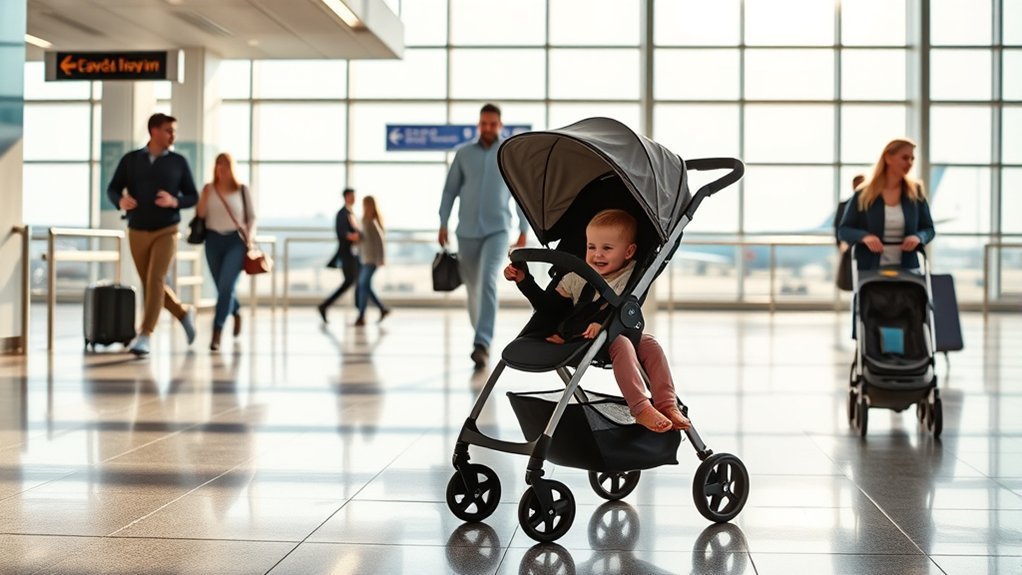
If taking a heavy jogging stroller seems too difficult, compact stroller options provide a much lighter alternative. Standard travel strollers fold easily and fit through narrow airplane aisles and security scanners. You can also look into renting a stroller at your destination to eliminate the hassle of airport transit altogether.
Compact Stroller Options
A compact stroller takes up less space in a rental car trunk and is much easier to carry. Here are three alternatives to consider:
- Maclaren: Known for an easy umbrella folding mechanism and extreme portability.
- City Mini: Features a quick one-hand fold, making it easy to carry onto airport shuttles or buses.
- Umbrella Strollers: Basic umbrella strollers are lightweight, inexpensive, and easily accepted for gate checking on all airlines.
Renting Strollers at Destinations
Leaving your bulky BOB stroller at home is an option if you rent gear locally. Rental services drop off clean, functional strollers directly at your hotel or vacation rental. This prevents airport damage and saves trunk space. Companies like Kingdom Strollers specialize in theme park rentals, offering brands like the City Mini that meet Disney size requirements. Renting removes the stress of transporting large baby gear on an airplane.
Real-Life Experiences of Traveling With a Bob Stroller
Many parents successfully travel with a BOB stroller, primarily by utilizing gate checking. To ensure a positive experience, follow these practical steps:
- Protective Bags: An unbagged stroller will likely get dirty in the cargo hold. A padded travel bag is the best defense.
- Check with Airline Staff: Confirm the rules at the check-in desk before proceeding to security.
- Consider Size: Navigating narrow airport shops and crowded bathrooms with a wide jogging stroller requires extra effort.
Final Thoughts on Traveling With Your Bob Stroller
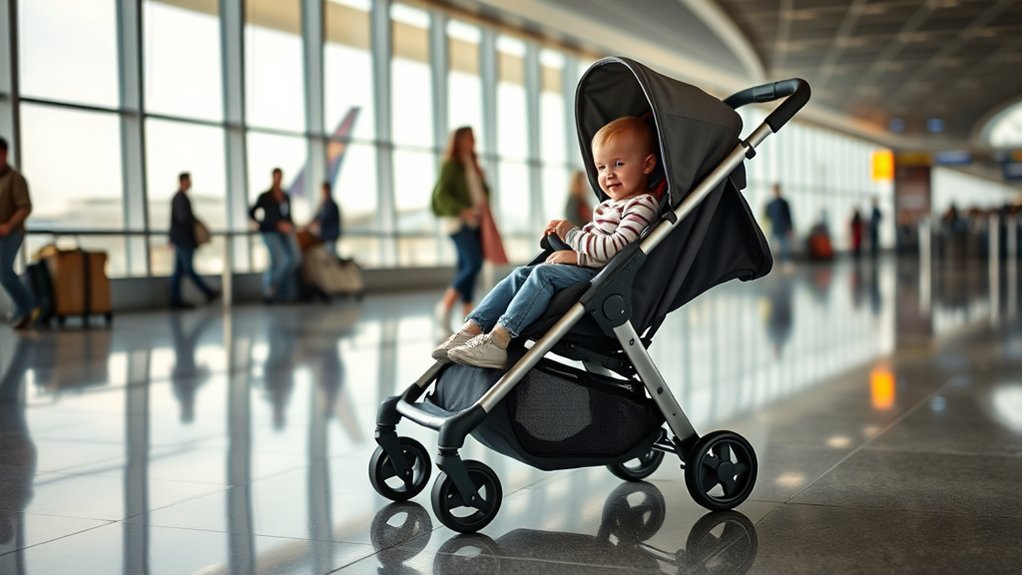
Taking your BOB stroller on a trip provides excellent mobility once you arrive at your destination. The main hurdles are airport navigation and airline weight limits. If your airline enforces strict gate check policies, you must be prepared to check the stroller at the ticketing counter. Use a protective bag to prevent broken parts. If the bulkiness of the BOB is too much to manage alongside luggage and a child, rent a stroller at your destination or purchase an inexpensive travel umbrella stroller for the trip.
Related Guides
Frequently Asked Questions
Can I Bring My Bob Stroller as Carry-On Luggage?
You cannot bring a Bob stroller into the aircraft cabin as carry-on luggage. It is too large. You must check it at the ticket counter or gate-check it before boarding.
Will My Bob Stroller Fit in the Overhead Compartment?
No, a Bob stroller will not fit in a standard overhead compartment. Due to its size and weight, it must go in the cargo hold.
Are There Fees for Checking My Bob Stroller?
Most major airlines allow you to check one stroller per child for free. However, low-cost carriers may charge a fee. Review your specific airline’s baggage policy regarding baby equipment.
How Do I Clean My Bob Stroller Before Traveling?
Wipe down the frame and fabric with mild soap and warm water. Ensure the stroller is completely dry before placing it in a travel bag to prevent mold.
Can I Use My Bob Stroller in the Airport Terminal?
Yes, you can use your stroller inside the terminal right up until boarding, provided your airline allows gate checking for strollers of that size and weight.
Conclusion
Flying with your BOB stroller requires understanding your specific airline’s size and weight rules. If your stroller is too heavy for gate checking, check it at the ticket counter. Always use a protective bag, remove loose parts, and give yourself extra time to clear security. With proper preparation, traveling with a large jogging stroller is entirely manageable.
