If you’re a low-income family in need of a stroller, you are not alone. Many community programs, nonprofits, diaper banks, churches, parenting groups, and local agencies help families find essential baby items without the full retail cost. A free stroller is not always guaranteed, but knowing where to ask, what documents may be needed, and how to check safety can improve your chances. This guide explains legitimate ways to look for free strollers for low-income families and how to request help with confidence.
Quick Answer
Low-income families can often find free strollers through Baby2Baby partner agencies, local diaper banks, WIC referrals, churches, community centers, parenting groups, Freecycle, Facebook Marketplace, and baby gear swaps. Availability depends on location, donations, eligibility, and safety condition, so contact several resources and ask specifically about stroller assistance.
Key Takeaways
- Free stroller programs are usually local, donation-based, and not guaranteed every day.
- Start with WIC, Medicaid caseworkers, diaper banks, family resource centers, churches, and local nonprofits.
- Baby2Baby usually distributes items through partner organizations rather than direct public pickup.
- Online community groups can help, but always inspect a used stroller for recalls, broken parts, and missing harnesses.
- Be polite, specific, and ready to explain your child’s age, transportation need, and stroller type needed.
At a Glance
| Best Starting Point | WIC office, Medicaid caseworker, local diaper bank, family resource center, or nearby church outreach program |
| Cost | Often free if available; some swaps or resale listings may ask for a small pickup or donation amount |
| Common Requirements | Proof of need, referral, child’s age, local residency, program enrollment, or first-come availability |
| Safety Step | Check recalls, brakes, wheels, folding locks, harness straps, frame damage, and manufacturer labels before use |
Medicaid Benefits for Families
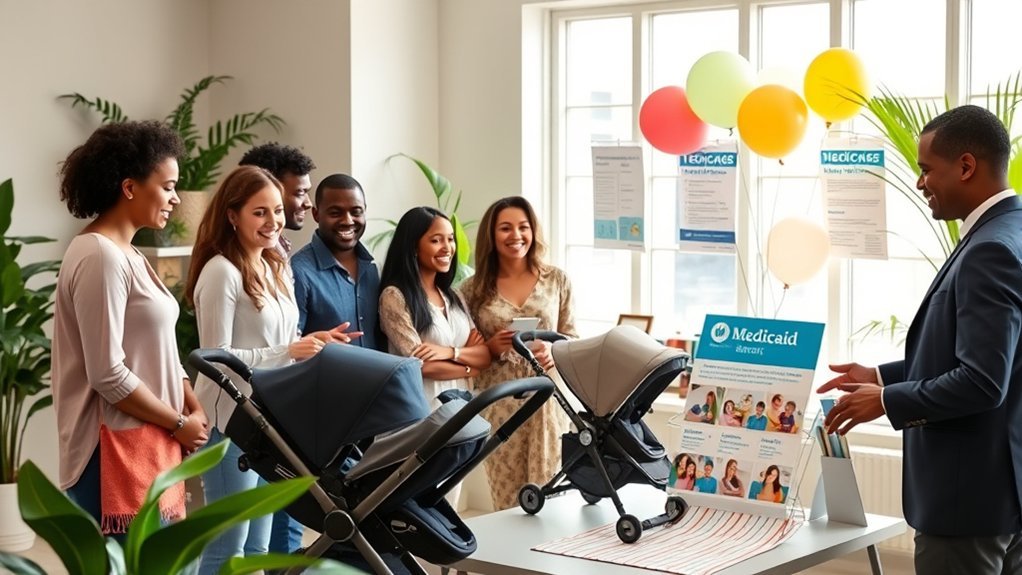
If you’re part of a low-income family, Medicaid can be a crucial lifeline because it helps eligible adults and children access necessary healthcare coverage. Medicaid eligibility is usually based on factors such as household size, income, age, pregnancy status, disability status, and state rules. While Medicaid itself does not usually hand out strollers as a standard benefit, it can connect your family with case managers, social workers, community health programs, and local referrals that may know where baby supplies are available.
Ask your Medicaid plan, pediatrician, local health department, or caseworker whether your area has a family resource program, home visiting program, safe sleep program, pregnancy support program, or baby supply closet. These programs may refer you to organizations that provide strollers, diapers, clothing, car seats, hygiene items, and other essentials.
You can also connect Medicaid support with programs like WIC, local diaper banks, and nonprofit baby gear programs. Using more than one resource is often the best approach because stroller inventory changes quickly and many programs work on a first-come, first-served basis.
Note: Medicaid rules and extra benefits vary by state and by health plan. Call the number on your Medicaid card and ask for “member services,” “care coordination,” or “community resources” if you need help finding baby equipment.
Early and Periodic Screening, Diagnostic, and Treatment (EPSDT)
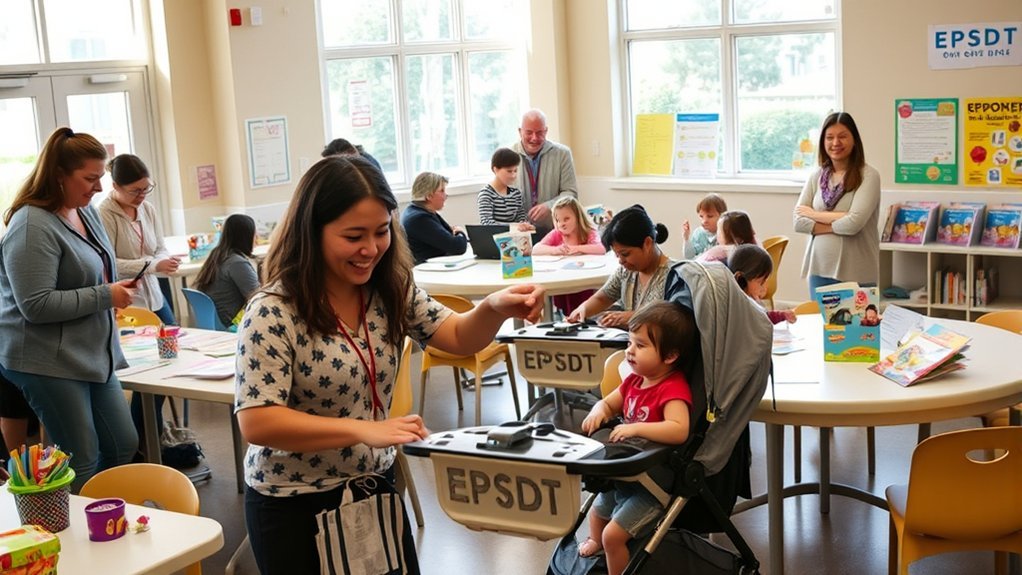
For families enrolled in Medicaid, the Early and Periodic Screening, Diagnostic, and Treatment program, often called EPSDT, is an important child health benefit for people under 21. EPSDT focuses on preventive care, early screening, diagnosis, and treatment so children can receive needed healthcare services before small concerns become bigger problems.
EPSDT services can include well-child visits, immunizations, vision and hearing checks, dental services, developmental screenings, and mental health screenings. These services do not usually mean a stroller is automatically covered, but they can help you connect with doctors, clinics, social workers, and community programs that understand your child’s daily needs.
If a stroller is needed because of a medical or developmental condition, talk with your child’s doctor or Medicaid plan. A standard stroller and a medically necessary mobility device are not the same thing, and the approval process can be different. Your provider can explain whether documentation, a prescription, or durable medical equipment review is required.
Baby2Baby: Essential Supplies for Low-Income Families
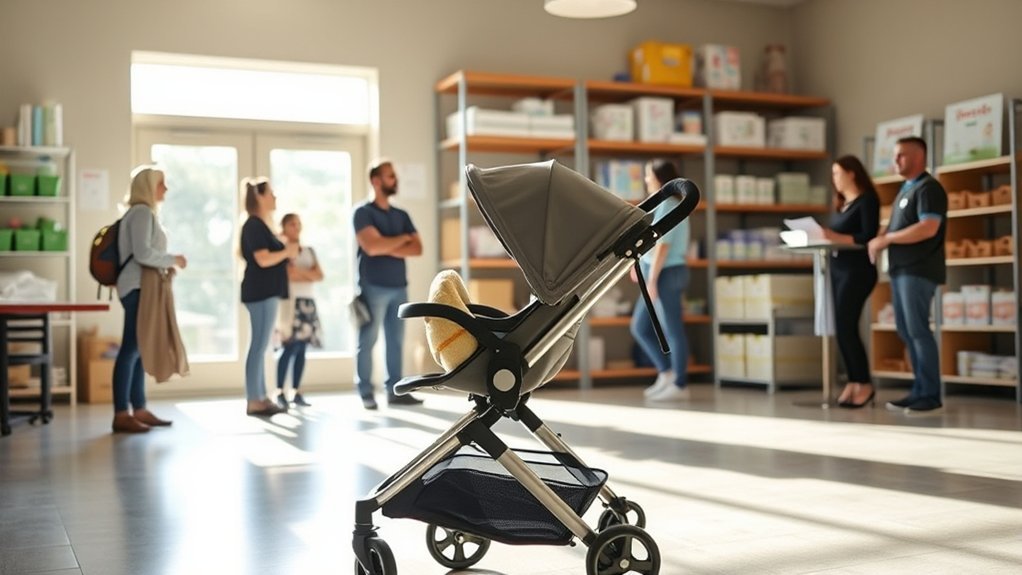
When you’re juggling the demands of parenthood and financial stress, finding basic baby supplies can feel overwhelming. That’s where Baby2Baby may help. This nonprofit organization provides essential items such as diapers, clothing, hygiene products, and baby gear to children and families through a large network of partner organizations.
Baby2Baby is especially important because many families do not receive items directly from the organization’s main office. Instead, supplies are commonly distributed through hospitals, schools, shelters, social service agencies, foster care programs, and other community partners. If you want to request a stroller, the practical first step is to look for a local Baby2Baby partner or ask a caseworker, shelter advocate, school social worker, or family support agency whether they can submit a request or refer you.
Stroller availability can vary by location, season, donations, and agency rules. If you qualify for Medicaid, WIC, SNAP, TANF, housing assistance, foster care support, or another needs-based program, mention that when asking for help. It may make it easier for an agency to confirm eligibility and connect you with available baby items.
Pro Tip: When contacting any stroller assistance program, ask, “Do you provide strollers directly, or do I need a referral from a partner agency?” This saves time and helps you reach the right person faster.
National Diaper Bank Network and Additional Resources
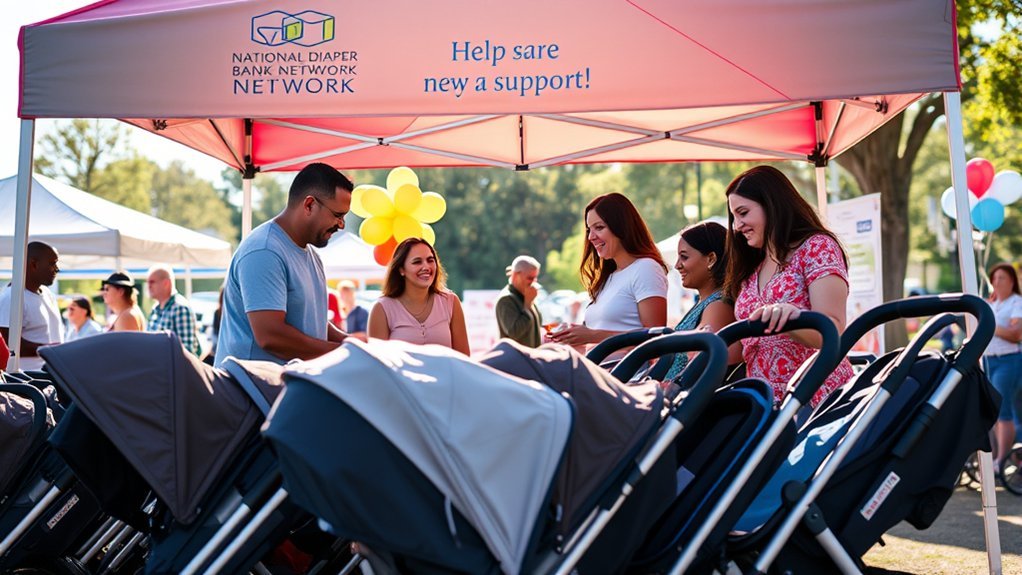
As you navigate parenting on a tight budget, the National Diaper Bank Network can be a helpful place to start. Diaper banks mainly focus on diapers, wipes, and basic hygiene support, but many local diaper banks also know which nearby agencies provide baby clothing, car seats, cribs, strollers, and other gear.
Some local diaper banks may provide additional baby items themselves, depending on donations and community partnerships. Others may refer you to a family resource center, pregnancy center, church pantry, children’s hospital program, or nonprofit that has baby equipment. Because each local organization works differently, it is worth calling or checking the website before visiting.
When you contact a diaper bank, ask three direct questions: whether they provide strollers, whether they know a partner agency that provides strollers, and whether you need proof of income, ID, proof of address, child’s birth certificate, or a referral. This keeps the process clear and helps you avoid extra trips.
Joining the WIC Program for Extra Support
If you’re looking for additional support as a parent, joining the Women, Infants, and Children program, better known as WIC, can be a smart move. WIC provides nutritious food benefits, nutrition education, breastfeeding support, and referrals for eligible pregnant people, postpartum parents, infants, and young children.
WIC does not usually provide free strollers as a standard benefit. However, local WIC offices often know about community resources for baby supplies. They may be able to refer you to diaper banks, health departments, home visiting programs, churches, parenting classes, safe sleep programs, local charities, or agencies that distribute baby equipment.
When you contact WIC, be specific. Instead of only asking for “baby help,” say, “I need a safe stroller for medical appointments, grocery trips, or transportation. Do you know any local programs that provide free or donated strollers?” A clear request makes it easier for staff to point you toward the right resource.
Exploring Local Charities and Non-Profits
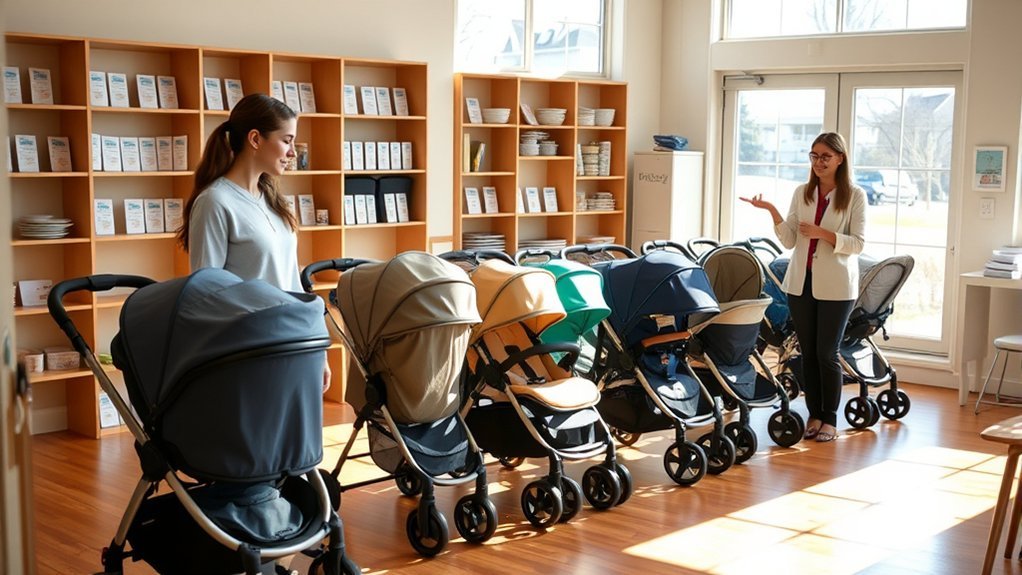
While parenting can be challenging, local charities and nonprofits often step in to provide essential resources, including free strollers when donations are available. Organizations like Baby2Baby and local diaper banks focus on community outreach, while churches, pregnancy centers, shelters, mutual aid groups, and family resource centers may also distribute baby gear through local partnerships.
Connecting with local churches or community centers can also lead to discovering programs that support families in need. Some places run baby closets, clothing closets, parenting classes, emergency assistance programs, or seasonal giveaway events. Even if they do not have a stroller that day, they may keep a waiting list or know another organization that can help.
Here’s a quick look at some helpful local charities and resource types:
| Charity Name | Main Focus | Services Offered |
|---|---|---|
| Baby2Baby | Providing baby essentials through partner agencies | Strollers when available, clothing, diapers, hygiene items, baby supplies |
| WeeCycle Diaper Bank | Diaper and baby gear distribution | Strollers when available, diapers, baby supplies, local referrals |
| Help a Mother Out | Alleviating diaper need and supporting families | Diapers, community support, referrals to baby supply resources |
| Local churches and family resource centers | Emergency family support | Baby closets, donated strollers, clothing, food support, referrals |
Explore your community, and you might find the stroller you need. If one organization cannot help, ask where they refer families for baby gear. That one question can lead you to the next best option.
Online Marketplaces and Community Groups for Free Strollers
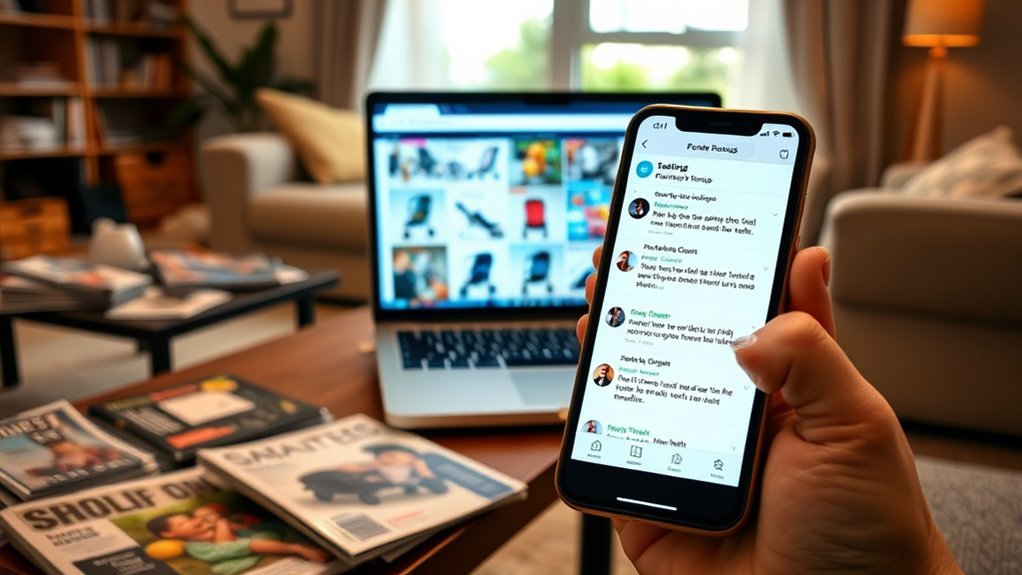
Finding a stroller doesn’t have to be intimidating, especially with online marketplaces and community groups at your fingertips. Start by browsing Facebook Marketplace and local “Buy Nothing” or parenting groups. Search terms like “free stroller,” “baby gear giveaway,” “stroller pickup,” “donated stroller,” and “ISO stroller” can help you find local listings.
Joining local parenting groups on social media can also be a game-changer because members often share or give away items their children have outgrown. Don’t overlook Freecycle, a nonprofit-style community where people give away items for free. Craigslist may also have a “Free” section with baby gear, though you should use extra caution and meet safely.
Community baby gear swaps are another strong option. These events are often organized by parenting groups, libraries, churches, schools, or family centers. Some swaps allow families to exchange items, while others let families take what they need at no cost.
Warning: Never use a stroller that has broken brakes, missing harness straps, cracked wheels, damaged folding locks, sharp edges, unstable frame parts, or an active safety recall. A free stroller is only helpful if it is safe for your child.
How to Check a Used Stroller Before Accepting It
A free stroller can be a huge help, but safety should come first. Before accepting a used stroller, look for the brand name, model name, manufacture date, and any label or sticker that can help you check for recalls. If the stroller has no labels and you cannot identify it, be cautious.
Test the stroller before taking it home. Open and close it several times, lock the frame, press the brakes, turn the wheels, and tug lightly on the harness. Make sure the seat stays secure and the stroller does not collapse, wobble, or pull to one side. Check fabric for mold, smoke smell, heavy stains, loose stitching, or exposed padding.
- Check that the five-point or three-point harness is present and works.
- Confirm the brakes stop the stroller firmly.
- Look for cracks, rust, bent metal, or missing screws.
- Make sure the folding lock clicks fully into place.
- Search the model online for recalls before using it.
- Avoid strollers with missing manufacturer labels unless a trusted program has inspected them.
What to Say When Asking for a Free Stroller
When you’re asking for help, a clear and respectful message can make the process easier. You do not need to share every personal detail, but you should explain what you need, your child’s age, and why a stroller would help your family.
Here is a simple message you can adapt:
Hello, I’m looking for a safe stroller for my child. I’m currently on a tight budget and would be grateful for any free stroller resources, donation programs, or referrals in the area. My child is [age], and I can pick up if needed. Thank you for any help or direction.
If you are contacting a formal organization, add whether you are enrolled in WIC, Medicaid, SNAP, TANF, housing assistance, foster care support, or another program if you feel comfortable sharing that. If you are posting in a community group, keep your location general and avoid sharing private information publicly.
Tips for Requesting Free Samples and Donations
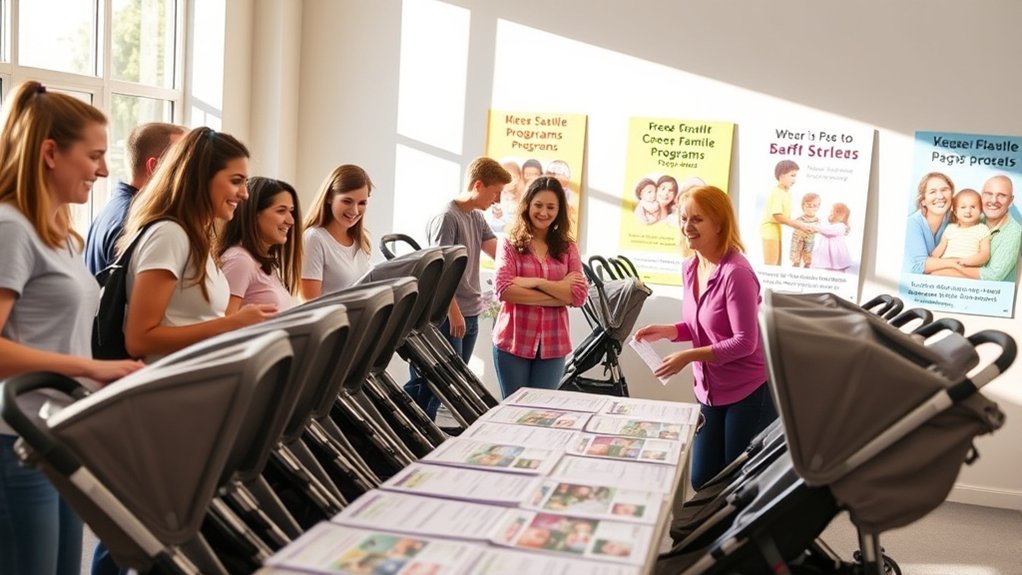
When you’re in need of a stroller but your budget is tight, requesting free samples and donations can be a smart move. Start by signing up for programs like Baby2Baby partner agencies or Help a Mother Out if they serve your area. These programs are designed to assist families with essential baby gear, diapers, and family support resources.
Don’t hesitate to reach out to local community organizations, churches, pregnancy centers, schools, and family resource centers. They often know who distributes strollers, even if they do not provide them directly. Use online platforms, too. Freecycle, Facebook Marketplace, Buy Nothing groups, and local parent groups can be useful places to find free items.
When asking for donations, keep donation etiquette in mind. Be polite, specific, and honest. Avoid demanding a certain brand or style unless your child has a medical or practical need. If someone offers a stroller, respond quickly, show up on time, and thank them. If the stroller is unsafe or not right for your child, it is okay to decline respectfully.
Documents You May Need
Not every program requires documents, especially informal community giveaways. However, some charities and agencies may ask for basic information before they can provide free baby gear. This helps them serve families fairly and meet grant or donor rules.
- Photo ID or proof of identity
- Proof of local address
- Proof of pregnancy or child’s age
- Medicaid, WIC, SNAP, TANF, or other benefit enrollment proof
- Referral from a caseworker, shelter, clinic, school, or social service agency
- Short explanation of need or household situation
If you do not have one of these documents, still ask. Many local organizations can explain alternatives or refer you to a program with fewer requirements.
Related Guides
Frequently Asked Questions
Are there specific eligibility requirements for receiving free strollers?
Yes, some programs have eligibility requirements. They may ask for proof of need, local residency, income level, child’s age, pregnancy status, or enrollment in programs like Medicaid, WIC, SNAP, or TANF. Other community giveaways may not require documents and may work on a first-come basis.
How can I find local charities that provide baby items?
Start with your local WIC office, Medicaid plan, health department, diaper bank, family resource center, church, pregnancy center, library, school social worker, or community action agency. You can also search local parenting groups and ask other parents which organizations provide baby item donations.
What types of strollers are typically available for free?
You may find basic lightweight strollers, umbrella strollers, travel system strollers, full-size strollers, double strollers, or jogging strollers. Availability depends on donations. Always check the stroller’s condition, recall status, brakes, harness, wheels, and folding lock before using it.
Can I request a stroller if I’m not a low-income family?
Yes, you can ask, but programs that serve low-income families may prioritize families with the greatest need. If you are not eligible for a charity program, try community swaps, Buy Nothing groups, Freecycle, Facebook Marketplace free listings, or local parent groups.
How frequently do organizations update their inventory of free strollers?
Inventory can change weekly, monthly, or whenever donations arrive. Strollers are often limited because they are larger and more expensive than diapers or clothing. Stay persistent, ask about waiting lists, and check multiple organizations because one group may be out while another has a recent donation.
Is it safe to accept a used stroller from a stranger?
It can be safe if you inspect it carefully, check for recalls, meet in a public place, and make sure the stroller has working brakes, secure wheels, a stable frame, and a complete harness. Avoid any stroller with broken parts, missing labels, mold, or signs of structural damage.
Can WIC or Medicaid give me a free stroller directly?
WIC and Medicaid usually do not provide standard free strollers directly. However, they can be useful referral points. Ask WIC staff, Medicaid member services, your pediatrician, or a caseworker about local programs that provide baby gear, transportation support, or family assistance.
Conclusion
In your quest for affordable baby gear, don’t overlook the practical resources available around you. From Baby2Baby partner agencies and diaper banks to WIC referrals, churches, family resource centers, and online community groups, there are many ways to search for free strollers and essential supplies. Stay patient, ask specific questions, check several programs, and inspect every used stroller for safety before placing your child in it.
You’re not alone in this process. Many caring communities want to help parents get through difficult seasons with dignity. A safe stroller can make doctor visits, errands, walks, childcare drop-offs, and daily transportation easier, so keep asking, keep checking local listings, and use every legitimate support option available to your family.
Sources
- Medicaid.gov EPSDT — explains Medicaid’s Early and Periodic Screening, Diagnostic, and Treatment benefit for children and youth.
- Medicaid.gov — supports the general Medicaid coverage and eligibility discussion.
- USDA WIC Program — supports WIC benefits, nutrition education, breastfeeding support, and referral information.
- Baby2Baby — supports information about nonprofit baby supply assistance for children and families.
- National Diaper Bank Network — supports diaper bank and local family supply resource information.
- U.S. Consumer Product Safety Commission Recalls — supports checking stroller and baby product recalls before using secondhand gear.
