For towing with a Ford F350, the right shocks can help control bounce, body roll, repeated suspension movement, and the unsettled feeling that can develop when a heavy trailer is attached. The best choice depends first on your truck’s model year, drivetrain, rear-wheel configuration, suspension height, and exact shock position. For a stock-height truck, Bilstein B6 4600 is one of the most straightforward options to compare. For compatible leveled or lifted applications, Bilstein B8 5100 is a strong towing-focused upgrade. FOX 2.0 Performance Series, King shocks, Rancho RS7MT, Rancho RS9000XL, and Carli shock packages serve buyers who want different combinations of performance, adjustability, heat management, ride quality, and suspension-system integration.
Updated: September 2026
Affiliate disclosure: This page may contain affiliate links. If you buy through links on this page, we may earn a commission at no extra cost to you. Recommendations are based on fitment, towing use, buyer needs, and honest product limitations.
Quick Verdict
Best for a stock-height F350: Bilstein B6 4600 is the clearest starting point if your truck remains near factory ride height and you want a straightforward monotube upgrade for towing, daily driving, and work-truck use.
Best for compatible leveled or lifted F350s: Bilstein B8 5100 is a practical choice when the exact part number matches your suspension height and you want stronger body control without moving to a reservoir-style performance shock.
Best adjustable option: Rancho RS9000XL is especially useful if your truck regularly switches between unloaded driving, towing, hauling, or carrying a camper because its damping can be manually adjusted.
Best performance-focused option: FOX 2.0 Performance Series is worth comparing if you want an application-tuned monotube shock with strong heat management and a more performance-oriented design.
Best premium-duty option: King shocks suit compatible F350 owners who want rebuildable, serviceable premium shocks and are willing to pay more for reservoir-style performance.
Best Rancho monotube alternative: Rancho RS7MT offers a non-adjustable monotube design for buyers who want application-specific handling without having to change damping settings.
Best suspension-system option: Carli shock packages make the most sense when you are choosing or already running the matching Carli suspension height, springs, and supporting components.
Key Takeaways
- Bilstein B6 4600 is designed around stock-height applications and is a sensible towing and daily-driving upgrade when the correct F350 part number is available.
- Bilstein B8 5100 is primarily a lifted-application product, so suspension height must be checked before ordering.
- FOX 2.0 Performance Series can provide application-specific monotube damping and improved heat management, but fitment and features vary by exact model.
- King shocks are premium, performance-oriented options for compatible F350 applications, especially when towing is combined with rough-road or off-road use.
- Rancho RS7MT is a non-adjustable monotube option with application-specific valving; actual ride feel depends on the truck and part number.
- Rancho RS9000XL is a strong option when you want manually adjustable damping for unloaded, towing, and hauling conditions.
- Carli shocks and shock packages should be matched to the corresponding suspension system, lift height, springs, and vehicle configuration.
- New shocks can improve control, but they do not increase your Ford F350 tow rating, payload rating, axle rating, tire rating, or hitch rating.
- Correct trailer loading, tongue weight, hitch setup, tire pressure, shock fitment, and suspension condition remain essential for safe towing.
Quick Comparison Table
| Shock Option | Best For | General Character | Main Consideration |
|---|---|---|---|
| Bilstein B6 4600 | Stock-height towing and daily use | Controlled, simple, towing-friendly | Confirm exact F350 year, drivetrain, axle setup, and position |
| Bilstein B8 5100 Series | Compatible leveled or lifted trucks | Firm, controlled, digressive | Do not assume a 5100 fits a stock-height F350; verify required lift range |
| FOX 2.0 Performance Series | Performance towing and mixed road use | Application-tuned and responsive | Year, front/rear position, lift range, and exact FOX model matter |
| King Shocks | Premium towing, rough roads, and off-road use | High-capacity and performance-focused | Many F350 offerings target specific 4WD applications and suspension heights |
| Rancho RS7MT | Non-adjustable monotube upgrade | Application-specific handling | Part numbers vary substantially by year, lift height, axle, and position |
| Rancho RS9000XL | Changing loads and adjustable ride control | Manually tunable from softer to firmer | You need to adjust the settings to take advantage of its main benefit |
| Carli Shock Packages | Integrated premium suspension setups | System-tuned and ride-quality focused | Match the shocks to the correct Carli system, lift height, springs, and truck configuration |
[Amazon Products Picked for You]
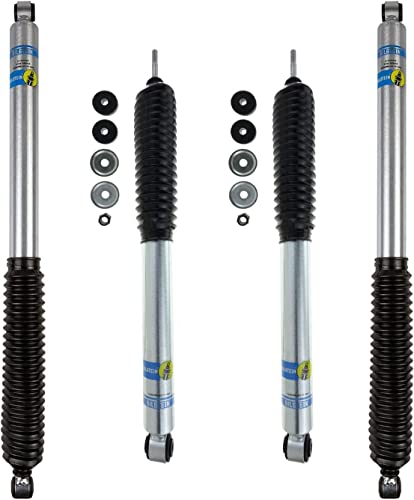
Monotube Design: These 5100 series shock absorbers feature a monotube design which provides consistent fade free performance

Vehicle Compatibility: Specifically designed to fit 2017-2025 F250/F350 4WD without Tremor Package and with 0" Lift , ensuring a perfect fit and compatibility
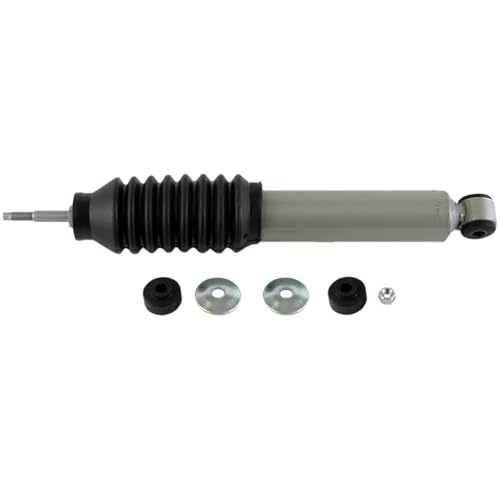
Vehicle Fitment: 80-96 Ford Bronco; 84-89 Ford Bronco II; 80-83 Ford F-100 RWD; 80-96 Ford F-150 4WD; 80-96 Ford F-150 RWD; 80-97 Ford F-250 RWD; 97 Ford F-250 HD 4WD; 80-97 Ford F-350 RWD; 83-89 Ford Ranger
How We Compared Ford F350 Towing Shocks
Choosing the best shocks for Ford F350 towing is not simply a matter of buying the firmest or most expensive shock. The correct shock must fit the truck first, then match how you tow and how much unloaded comfort you want.
- Fitment: Model year, 2WD or 4WD, SRW or DRW, cab and chassis configuration, front or rear position, ride height, and lift kit compatibility can all affect part selection.
- Towing control: Good damping should help control compression, rebound, body motion, and repeated suspension cycling under trailer load.
- Unloaded behavior: A firmer towing-oriented shock can feel different when the bed is empty and no trailer is attached.
- Heat management: Long trips, rough surfaces, and repeated suspension movement can build heat, making shock design and fluid capacity more important.
- Adjustability: Adjustable shocks can be useful when the truck alternates between very different load conditions, but they require driver input.
- Maintenance: Simple monotube replacements are generally easier to own, while rebuildable or reservoir-style shocks can involve additional inspection and service.
- Value: The best choice is the shock that fits your actual truck and use case without paying for performance features you will never use.
Important towing note: Shocks control suspension motion; they do not carry trailer tongue weight in the same way springs do and they do not increase your Ford F350 tow rating, payload rating, axle rating, tire rating, or hitch rating. If the truck squats heavily, feels unstable, or is near a rated limit, inspect trailer loading, tongue weight, hitch setup, springs, tires, and other suspension components instead of relying on shocks alone.
Understanding Shock Types for Towing
Understanding the differences between shock types for towing makes it easier to choose a sensible upgrade for your Ford F350. The shock has to match the truck’s suspension geometry and available travel before damping style becomes useful.
Bilstein B8 5100 shocks use a monotube design with digressive valving. They are primarily aimed at lifted applications, so they make the most sense when the chosen part number matches your F350’s actual suspension height.
Bilstein B6 4600 shocks are positioned for stock-height applications. That makes them a more natural starting point for an F350 that has not been leveled or lifted.
Rancho RS7MT shocks use a monotube layout with application-specific deflective-disc tuning. Rancho also uses a floating piston, high-pressure gas, and an internal rebound bumper in the design. Ride feel still varies by application, so do not assume every RS7MT will be softer or firmer than another brand.
FOX 2.0 Performance shocks use an IFP monotube design on relevant applications, with application-specific valving and an aluminum body intended to help dissipate heat. Exact front/rear fitment and lift range can differ substantially by part number. Regular inspection and timely service help any shock setup perform consistently. Upgrading correctly matched shocks can improve ride quality and handling over uneven pavement, expansion joints, gravel roads, and long highway stretches with a trailer.
Fitment note: Never order shocks by brand family alone. Match the exact part number to your Ford F350 year, drivetrain, front or rear position, suspension height, SRW or DRW configuration, chassis type, and any leveling or lift system. A shock that fits one F350 may be wrong for another.
Evaluating Bilstein 5100 Series for Heavy Loads
For a compatible leveled or lifted Ford F350, Bilstein B8 5100 shocks are worth comparing when towing because their monotube construction and digressive valving are designed to provide controlled suspension response.
The important limitation is fitment. The B8 5100 family is primarily positioned for lifted applications, so it should not be treated as an automatic replacement for every stock-height F350. Confirm the required lift range and the exact front and rear part numbers before ordering.
When properly matched, stronger damping can help the truck feel more settled during braking, cornering, crosswinds, lane changes, and repeated movement over uneven pavement. The shock is controlling motion rather than increasing the truck’s load capacity.
The 5100 also appeals to owners who want a relatively simple direct-fit monotube design rather than stepping immediately into a larger reservoir-style shock system.
[Amazon Products Picked for You]

10 Stage Variable Valving, Military Fluid Rated To -50 Degrees C

[Perfect Fitment]: Compatible with Ford F-150 1997-2003 Fleetside, For F-250 F-350 Super Duty 1999-2016, For F-450 Super Duty 2008-2016---Not fit the F-150 Supercrew, Flareside and Harley Models!!! Rear Tailgate Left(Driver Side)
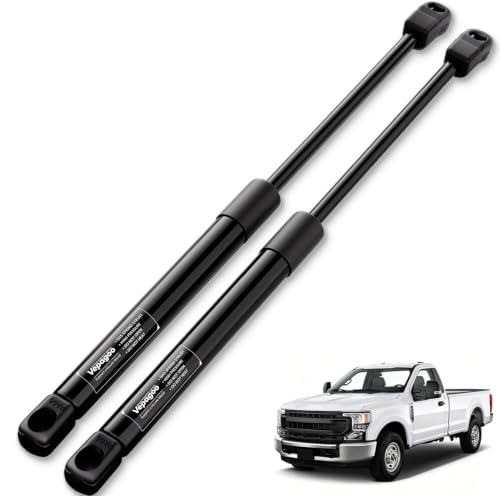
Fitment: 4339 Hood struts directly fits 2000–2005 Ford Excursion & 1999–2007 Ford F250 F350 F450 F550. Ensures a perfect fit for your vehicle's hood lift support needs
Why You’ll Like Bilstein 5100 Shocks
- Digressive monotube damping can provide strong body-motion control.
- The design is simpler than many premium remote-reservoir systems.
- It works well as a comparison point for owners of compatible leveled or lifted Super Duty trucks.
- Bilstein offers different 5100 applications for different suspension heights, giving buyers more fitment choices when selected correctly.
Who Should Avoid Bilstein 5100 Shocks
- Stock-height owners should not automatically choose a 5100 when a B6 4600 or another stock-height-specific shock is the correct application.
- Owners with custom suspension setups must verify compressed length, extended length, mounting style, and required ride height.
- Drivers who want externally adjustable compression damping should compare adjustable Rancho, King, FOX, or other suitable premium options.
When Bilstein 4600 Makes More Sense
The Bilstein B6 4600 is one of the clearest choices to compare if your Ford F350 is at factory ride height and you want a straightforward performance replacement shock. Bilstein specifically positions this family for stock-height applications and notes trailer towing among its intended uses.
For daily driving, highway towing, work-truck use, and owners who do not need a lift-specific shock, the 4600 can make more sense than automatically moving to a B8 5100. It still requires exact vehicle and position fitment, but its intended use aligns more closely with an unmodified F350 suspension.
Bilstein 4600 Is Best For
- Stock-height Ford F350 owners.
- Drivers who want a simple monotube replacement rather than an adjustable or reservoir shock.
- Owners who tow but still use the truck extensively for normal highway and work duties.
- Buyers who value predictable handling more than aggressive off-road suspension performance.
Comparing FOX and King Shocks for Performance
In the performance shock category for a Ford F350, FOX and King offer options for drivers who want more specialized damping or heat management than a basic replacement shock.
FOX 2.0 Performance Series shocks use application-specific valving on compatible Super Duty applications. Many versions use an IFP monotube layout and an aluminum body designed to dissipate heat. That can make them attractive for mixed highway, towing, rough-road, and off-road use.
Do not assume every FOX 2.0 shock is adjustable or fits every F350 year. Some are smooth-body non-adjustable shocks, while other FOX configurations use reservoirs or different lift ranges. Check the exact SKU, position, lift requirement, and vehicle fitment before ordering.
King shocks offer premium F250/F350 applications with large shock bodies, reservoirs, serviceable construction, and vehicle-specific tuning. Some versions also offer optional compression adjustment. That makes King particularly attractive for owners combining towing with rough roads, off-road travel, or repeated high-demand suspension use.
Both brands can be excellent when correctly matched, but paying for a premium reservoir shock makes the most sense when your driving conditions actually justify the added capability and service requirements.
FOX Shocks Are Best For
- Drivers who want a performance-oriented monotube shock with application-specific valving.
- F350 owners who split time between towing, highway driving, and rough roads.
- Buyers willing to confirm the exact lift range and front/rear SKU.
- Owners comfortable following FOX inspection or service guidance for the exact shock they purchase.
King Shocks Are Best For
- Drivers who want a premium rebuildable or serviceable shock setup.
- Compatible 4WD F350 owners who tow and also drive off-road or on rough worksite terrain.
- Buyers who value large shock bodies, reservoir capacity, and performance-oriented construction.
- Truck owners who can justify the higher cost and added complexity of premium shocks.
Rancho Shocks for Monotube Control and Adjustability
Rancho RS7MT shocks are a non-adjustable monotube option available for numerous Ford F350 applications. Rancho uses application-specific deflective-disc valving, a floating piston, high-pressure nitrogen, and an internal rebound bumper. Rather than assuming a universally soft ride, treat RS7MT as an application-tuned alternative and choose the exact part number for your year, axle configuration, lift height, and shock position.
Rancho RS9000XL shocks take a different approach by offering nine manually adjustable damping positions. That can be especially useful when the same F350 spends part of the week unloaded and then tows or hauls on weekends. Firmer settings can provide more control under heavier loads, while lower settings can be used when the truck is unloaded.
Which Rancho Option Should You Choose?
- Choose Rancho RS7MT if you want a straightforward monotube shock without a manual adjustment knob.
- Choose Rancho RS9000XL if you regularly change between unloaded, towing, hauling, or camper loads and want to tune damping manually.
- Check fitment carefully because Rancho part numbers differ by year, suspension height, front/rear position, SRW/DRW configuration, and other application details.
Carli Shocks for Integrated Suspension Systems
Carli shock packages stand out because they are commonly tuned as part of a complete suspension approach rather than being treated as a generic one-size-fits-all F350 shock. Carli offers Super Duty systems and shock packages built around specific ride heights, springs, and intended vehicle configurations.
Some Carli-SPEC packages are specifically described for highway driving, towing, hauling, and off-road use. That makes them relevant for an F350 tow rig, but only when the shock package matches the truck’s suspension system. Before buying, confirm model year, engine where applicable, lift height, spring choice, wheel-and-tire setup, included components, and current warranty or service terms.
Carli Shocks Are Best For
- Owners building a coordinated Carli suspension system rather than replacing shocks alone.
- Drivers who tow but still care about unloaded ride quality and system tuning.
- Buyers comparing premium shock packages matched to specific lift heights and springs.
- F350 owners willing to follow Carli’s application guidance instead of mixing unrelated suspension components.
The Role of Shock Design in Towing Stability
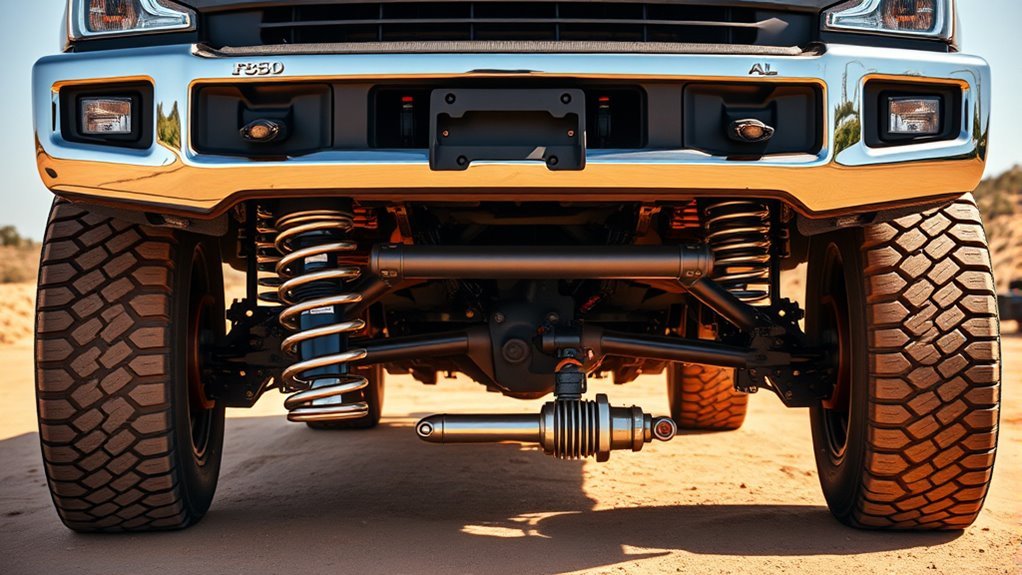
When towing with your Ford F350, shock design affects how quickly and consistently the suspension controls compression and rebound. The right damping can reduce excessive body motion and repeated bouncing, but the shock still has to match the spring rate, suspension travel, load, and vehicle configuration.
Digressive-valved shocks such as the Bilstein B8 5100 can generate relatively strong damping around lower shaft-speed body motions while managing larger suspension movements through their overall tuning. This can help with steering corrections, braking movement, and body control when the shock is correctly matched to the truck.
IFP monotube shocks, including many FOX 2.0 designs, separate the gas charge from the shock oil and are designed to maintain consistent damping during repeated cycling. Heat management becomes more important during long towing trips, rough roads, and sustained suspension movement.
Digressive vs. Linear Shocks
Choosing the right shocks for towing requires more than deciding between the words “digressive” and “linear.” The complete damping curve, spring rate, shock travel, vehicle weight, and application-specific tuning matter more than the label alone.
A digressive design can provide relatively strong control during slower body motions and then change the rate at which damping force builds as shaft speed rises. That can be useful for controlling roll, pitch, and other body movement without simply making every bump feel equally firm.
Linear-style valving increases damping force more consistently with shaft speed. That is not automatically worse for towing. A properly tuned linear shock can work very well when its damping curve matches the truck and suspension.
Instead of assuming one valve style is universally superior, prioritize correct fitment and a shock specifically tuned for your truck’s ride height and intended use.
Load Impact on Performance
Understanding load impact helps you choose shocks that support better towing stability. Trailer tongue weight, cargo, suspension height, tire pressure, road conditions, and speed all affect how frequently and how far the suspension moves.
With heavier use, shock heat capacity and damping consistency become more important. A properly selected Bilstein, Rancho, FOX, King, or Carli shock can control movement more effectively than a worn shock, but no shock can correct an overloaded truck or an improperly balanced trailer.
Rancho RS7MT uses a monotube design with application-specific tuning, while Rancho RS9000XL gives the driver the ability to change damping manually. Those are two different approaches to handling changing road and load conditions.
Bottoming, excessive squat, or unstable handling may indicate a problem with available suspension travel, spring capacity, trailer loading, hitch setup, tire loading, or other components. Do not assume stronger shocks alone will solve those problems.
Shock Absorption for Stability
Effective damping is important for maintaining towing stability with your Ford F350, especially when the suspension is repeatedly disturbed by rough pavement or trailer movement.
Digressive monotube shocks such as compatible Bilstein 5100 applications can offer strong body-motion control, while stock-height trucks may be better matched to the Bilstein 4600.
IFP monotube shocks such as many FOX 2.0 applications can provide quick response and effective heat management. Premium reservoir designs from King, FOX, or Carli can add fluid capacity and performance capability for demanding use.
Correct shock travel is equally important. A shock that is too short or too long for the suspension can top out or bottom out internally and may limit suspension movement. Always use the manufacturer’s specified part for your suspension height.
What Owners Should Expect When Comparing Shock Brands
Ride quality is subjective, so two F350 owners can install different shocks and both be satisfied. Tire pressure, tire construction, wheel size, springs, trailer tongue weight, cab and bed configuration, SRW or DRW setup, and road surface can change how a shock feels.
Bilstein is a sensible comparison point for owners who want a simple monotube solution, with B6 4600 aimed at stock-height applications and B8 5100 aimed primarily at lifted setups.
FOX and King make more sense when performance construction, heat capacity, rough-road use, or serviceable premium shocks justify the added expense. Carli is strongest when the shocks are selected as part of the corresponding Carli suspension package.
Rancho gives buyers two distinct approaches: RS7MT for a non-adjustable monotube upgrade and RS9000XL for manual damping adjustment. Your best choice depends on your exact truck and how often the load changes.
Bilstein 5100 Performance Insights
For the correct leveled or lifted Ford F350 application, Bilstein B8 5100 shocks remain a practical option to compare for towing and everyday control.
The main benefit is a simple monotube design with digressive valving and application-specific tuning. That can improve body-motion control compared with worn shocks without requiring a remote reservoir or manual adjustment system.
The biggest buying mistake is assuming “5100” automatically means it fits every F350. Check the exact lift range and front/rear part numbers before ordering.
If your truck is factory height, compare the B6 4600 first instead of choosing a 5100 solely because it is perceived as the more performance-oriented model.
Carli Package and Warranty Considerations
Carli shock packages are most compelling when their tuning, lift height, springs, and supporting components match the rest of the suspension system.
Carli-SPEC shock warranty terms can differ from the broader warranty language covering other Carli-manufactured suspension components. Because warranty coverage is product-specific and can change, verify the current shock-package terms before purchasing rather than assuming all Carli components receive identical coverage.
The main reason to choose Carli should be the matched suspension approach and ride-quality tuning, not a vague expectation of superior warranty coverage.
Before buying, confirm the exact kit or shock package, vehicle year, engine where applicable, lift-height requirements, spring configuration, wheel and tire setup, and included components.
FOX Service and Maintenance Considerations
FOX performance shocks can deliver strong damping and heat-management capability, but owners should follow the inspection and service guidance for the exact FOX model they buy. Usage severity, environment, shock design, and mileage can all affect service needs.
Simple replacement shocks may require little beyond inspection for leakage, damage, worn bushings, or reduced control, while serviceable performance shocks can involve more specialized maintenance.
| Shock Family | Ownership Consideration | Fitment Priority |
|---|---|---|
| FOX 2.0 | Follow service guidance for the exact smooth-body or reservoir model | Verify year, position, drivetrain, and lift range |
| Bilstein 4600 / 5100 | Routine inspection; choose stock-height or lift-specific family correctly | 4600 for stock-height applications; 5100 primarily for lifted applications |
| Carli | Package-specific service and warranty requirements | Match the complete suspension system and lift height |
| Rancho | Inspect normally; keep RS9000XL adjustment hardware clean and usable | Confirm exact part number, axle configuration, position, and suspension height |
If you want the simplest ownership experience, a correctly fitted Bilstein or non-adjustable Rancho may be easier to live with. If you want manual load-based tuning, Rancho RS9000XL deserves a close look. If your use justifies premium serviceable hardware, FOX, King, and Carli packages become more attractive.
Maintenance Considerations for High-Performance Shocks
All shocks need periodic inspection, while serviceable performance or reservoir shocks may require additional attention depending on their design and use. Follow the shock manufacturer’s instructions instead of using one universal maintenance interval.
Shock cleaning is important in environments with mud, road salt, sand, or heavy grime. Inspect shock bodies, shafts, reservoirs, mounts, bushings, hoses, and surrounding suspension components for damage or corrosion.
Mud, salt, road debris, damaged bushings, and loose mounting hardware can shorten suspension-component life, so periodic inspection is worth the effort.
Damping settings also matter when your setup allows tuning. Rancho RS9000XL shocks use a manual adjuster, so the setting can be changed as load conditions change. Other premium shocks may have different adjustment or tuning systems depending on the exact model.
Watch for wear indicators such as oil leakage, damaged shafts, worn bushings, clunking, excessive bouncing, poor body control, or a noticeable decline in ride quality. Uneven tire wear can have many causes and should prompt inspection of the full steering, tire, alignment, and suspension system.
Proper installation is equally important. Loose hardware, incorrect shock length, damaged mounting points, or mismatched suspension components can cause poor performance or premature failure.
Simple Replacement Shocks vs. Premium Choices
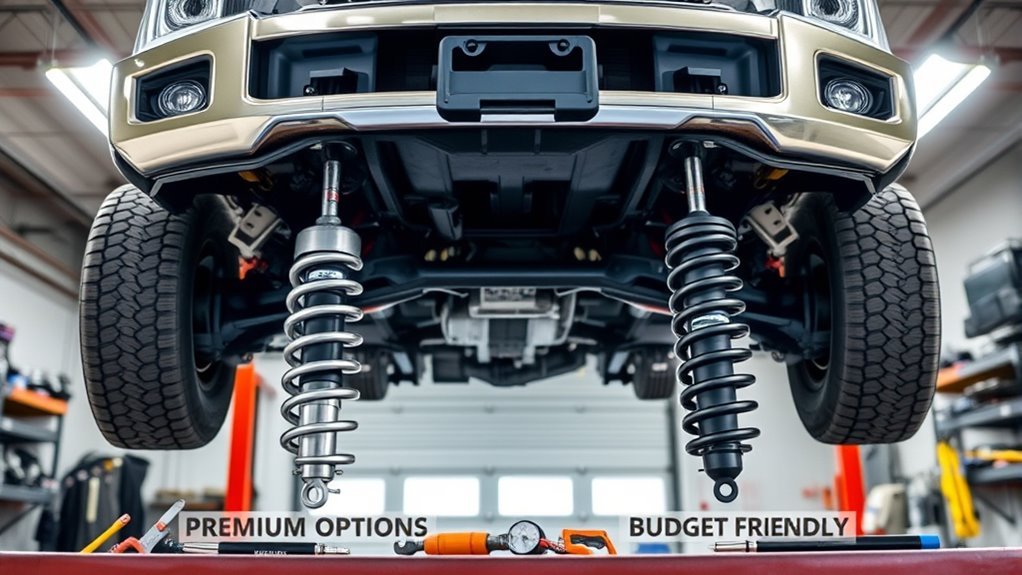
When selecting shocks for towing on a Ford F350, the right level of complexity depends on your suspension height, towing frequency, road conditions, and how much performance capability you actually need.
For a stock-height truck, the Bilstein B6 4600 offers a relatively simple path to improved damping without requiring a reservoir or manual adjustment system.
For a compatible leveled or lifted truck, the Bilstein B8 5100 provides a similarly straightforward monotube approach but must be matched to the appropriate lift range.
FOX 2.0 and King become more attractive when rough roads, heat management, serviceability, reservoirs, or higher performance demands justify the added complexity. Exact models vary, so compare features rather than assuming every shock within a brand family is the same.
Rancho RS7MT offers a non-adjustable monotube path, while Rancho RS9000XL is a better fit if you specifically value manual damping adjustment. Carli is strongest when you are selecting a complete tuned suspension package rather than an isolated shock.
For most buyers, the best value comes from matching the shock to the truck first and the towing job second. More expensive hardware is not automatically better if it does not match your suspension configuration or driving conditions.
Before You Buy Checklist
- Confirm exact fitment: Match the shock to your Ford F350 model year, drivetrain, front or rear position, SRW or DRW setup, chassis configuration, and suspension height.
- Identify stock, leveled, or lifted suspension: Do not order based only on the truck model.
- Check the required lift range: A shock designed for a 2.5-inch or 4-inch lift may be wrong for a factory-height truck.
- Consider load changes: Adjustable damping can be useful if the truck frequently changes between empty, towing, hauling, and camper use.
- Consider unloaded comfort: Stronger body control can change how the truck feels when it is empty.
- Review service requirements: Premium reservoir and rebuildable shocks can require more attention than simple replacement shocks.
- Inspect related components: Worn bushings, springs, mounts, tires, steering components, or track-bar parts can reduce the benefit of new shocks.
- Check trailer setup: Tongue weight, trailer balance, hitch height, tire pressure, and weight-distribution equipment can matter as much as shock choice.
- Verify towing ratings: New shocks do not raise any Ford, axle, tire, or hitch rating.
- Install correctly: Follow the shock and vehicle manufacturer’s instructions and torque specifications.
Installation Tips and Best Practices for Optimal Performance
To get proper performance from new shocks on your Ford F350, confirm compatibility before installation. Overall length, compressed length, extended length, mounting style, suspension height, and position all matter.
During installation, support the vehicle safely and use the manufacturer’s specified procedures and torque values. Do not rely on generic torque numbers because hardware and applications vary.
It is generally best to replace shocks in axle pairs so damping remains consistent from side to side. Replacing all four can make sense when the existing shocks are similarly worn, but it is not mandatory in every situation.
Inspect mounts, bushings, bolts, springs, tires, steering components, and nearby suspension parts while the old shocks are removed. A new shock cannot compensate for worn or damaged supporting components.
If the truck has a suspension lift, unusual tire size, chassis modifications, a camper, or a complex towing setup, professional installation can help confirm that the shock travel and surrounding suspension geometry are appropriate.
Related Guides
Frequently Asked Questions
What Is the Average Lifespan of Shocks on a Ford F350?
There is no single reliable mileage interval for every Ford F350 shock. Lifespan depends on shock design, road conditions, towing frequency, vehicle weight, corrosion exposure, heat, driving style, and maintenance. Instead of replacing shocks at one universal mileage, inspect them for leakage, damaged shafts or bushings, clunking, excessive bouncing, reduced body control, or a noticeable decline in ride quality, and follow the manufacturer’s service guidance for the exact shock.
Do Shocks Affect Fuel Efficiency When Towing?
New shocks should not be purchased as a fuel-economy upgrade. Their main job is controlling suspension movement. Trailer weight, aerodynamic drag, driving speed, tire pressure, wind, terrain, engine load, and gearing have a much larger effect on towing fuel consumption.
Can Shocks Be Used Interchangeably Between Different F350 Models?
No. You should not assume shocks are interchangeable between different F350 configurations. Fitment can vary by model year, suspension height, drivetrain, front or rear position, SRW or DRW setup, cab or chassis configuration, and suspension package. Always verify the exact manufacturer part number before buying.
How Do Weather Conditions Impact Shock Performance?
Road salt, water, mud, sand, and grime can increase corrosion and seal wear, while high temperatures and repeated suspension movement can increase shock heat. Inspect and clean exposed components regularly if you tow or drive in harsh environments.
Are There Any Specific Brands Known for Quieter Shock Performance?
Suspension noise depends more on correct fitment, healthy bushings, proper installation, mounting hardware, and surrounding suspension condition than on the logo printed on the shock. Bilstein, Rancho, FOX, King, and Carli products can all operate quietly when correctly installed. If you hear clunks or rattles, inspect shock mounts, bushings, sway-bar links, track-bar parts, steering components, and other hardware before assuming the shock itself is defective.
Which Shock Is Best for Heavy Towing With a Ford F350?
The answer depends on suspension height and how the truck is used. For a stock-height F350, Bilstein B6 4600 is a sensible first option to compare. For a compatible leveled or lifted F350, Bilstein B8 5100 can provide a straightforward towing-focused monotube upgrade. Rancho RS9000XL is attractive if you want adjustable damping for changing loads. FOX, King, and Carli options make more sense when performance demands, rough-road use, heat management, or a complete suspension system justify the added cost and complexity.
Should I Replace Front and Rear Shocks at the Same Time?
Replace shocks in pairs on the same axle so left-to-right damping remains consistent. Replacing all four can be worthwhile when all of the existing shocks are similarly worn, but a full set is not required simply because one axle needs service.
Will New Shocks Stop My F350 From Squatting When Towing?
Not by themselves. Shocks control suspension movement rather than supporting static tongue weight. If your Ford F350 squats heavily when towing, check trailer loading, tongue weight, hitch height, weight-distribution equipment where appropriate, springs, helper-spring or air-support systems, tire load capacity, axle ratings, and the truck’s payload limits.
Final Recommendation
Choose Bilstein B6 4600 if your Ford F350 remains at factory ride height and you want a simple towing and daily-driving shock upgrade.
Choose Bilstein B8 5100 if your F350 has a compatible leveled or lifted suspension and you want strong monotube body control without stepping into a premium reservoir setup.
Choose Rancho RS9000XL if your truck regularly changes between empty, towing, hauling, or camper loads and manual damping adjustment is useful to you.
Choose Rancho RS7MT if you want a non-adjustable monotube Rancho option and can match the correct part number to your configuration.
Choose FOX 2.0 Performance if you want application-specific performance damping and strong heat-management characteristics and are comfortable verifying the exact model and service needs.
Choose King shocks if you want premium serviceable or rebuildable performance hardware for compatible demanding towing, rough-road, and off-road use.
Choose a Carli shock package if you want shocks engineered around the matching Carli suspension height, springs, and complete system rather than a generic standalone replacement.
[Amazon Products Picked for You]

SPRING ASSIST TOWING SHOCKS: Gabriel Load Carrier shocks combine shock absorber and spring technology to help reduce ride height loss under ongoing loaded conditions for towing and hauling applications

KEY FEATURES: Gabriel Hijackers Air adjustable shocks are design to helps maintain proper ride height when carrying heavy loads, towing, or after installing larger engines. Supports balanced handling and stability for both daily driving and special builds. Built with durable seals, corrosion-resistant finish, and reinforced mounts for dependable performance. Designed for long-term use in vehicles with modified weight distribution or extra cargo

Vehicle Compatibility: Specifically designed to fit 1999-2004 F250/F350 4WD with 0" Lift and Leafspring Front Suspension, ensuring a perfect fit and compatibility (does not fit single rear wheel for F350 models, only fits dually for F350 models)
Conclusion
When selecting shocks for your Ford F350, start with fitment before brand. A stock-height truck and a lifted truck may need completely different shock families even when they tow the same trailer. Bilstein B6 4600 is a strong stock-height starting point, while Bilstein B8 5100 makes more sense for compatible leveled or lifted applications. Rancho RS9000XL stands out when adjustable damping is important, while RS7MT offers a simpler monotube alternative. FOX and King suit more performance-focused buyers, and Carli is strongest when the shocks are part of a matched suspension package. Whichever option you choose, remember that shocks control motion rather than increase load capacity. Correct trailer loading, proper hitch setup, healthy springs and tires, exact part-number fitment, and proper installation are what allow a good shock to make your F350 feel more settled and controlled while towing.
