
When you plan a winter escape, the right shelter depends on how you travel. A lightweight 4-season tent makes more sense when you carry your gear, while a stove-ready hot tent is better suited to vehicle-supported trips where warmth, interior space, and cold-weather livability matter more than pack weight.
This guide narrows the choice to three distinct winter camping tents: a compact budget-friendly 4-season shelter, a two-person stove-ready hot tent, and a heavy-duty basecamp hot tent.
Disclosure: This roundup contains Amazon affiliate links. If you buy through a qualifying link, we may earn a commission at no extra cost to you.
Top Picks
|
Category |
Product |
Best For |
|---|---|---|
|
🏆 Best Heavy-Duty Basecamp Hot Tent |
Vehicle-supported winter camping, ice fishing, hunting, and roomy heated basecamps |
|
|
⭐ Best Stove-Ready Two-Person Pick |
Campers who want a stove jack without moving to a very large basecamp shelter |
|
|
💰 Best Budget 4-Season Pick |
Short backpacking trips, motorcycle camping, and cold-weather camping without a stove |
[Amazon Products Picked for You]

Practical Design: Campers can then use scissors to cut out cooker holes that match the different diameters of the cooker jacks. In addition, the rain flap design aviods rain from entering the tent through the cooker jack.

Safe & Versatile Tent Stove Jack: High-temp silicone, adjustable base, fits most tents & stove pipes.

Packing List: 1 pcs stove jack cloth 9.5" x 9.5"; 4 pairs of hook & loop.
How We Chose These Tents
Winter shelters solve different problems, so we focused on practical buying factors rather than treating every tent as interchangeable. Weather protection matters first: fabric, waterproofing, pole construction, snow-management features, and the ability to tension the shelter securely all affect how useful a tent is when conditions deteriorate.
We also considered ventilation and condensation management. A winter tent still needs controlled airflow, while a hot tent adds another layer of consideration because the stove jack, chimney routing, clearances, and ventilation must match the manufacturer’s instructions.
Weight and packed size matter differently depending on the trip. A tent around six pounds can work for short carries or motorcycle travel, while a roughly 65-pound basecamp shelter clearly belongs in a vehicle, ATV, sled, or snowmobile setup.
Finally, we considered setup, usable interior space, vestibule storage, snow skirts, stove compatibility, and whether each tent fills a genuinely different buyer need.
Quick Decision Guide
- Choose the BISINNA if you want the lightest and simplest option here and do not need an indoor stove system.
- Choose the Naturehike Massif if a factory stove jack is important but you still want a two-person shelter that is easier to transport than a large expedition-style hot tent.
- Choose the RBM UP-5 if interior room, double-wall construction, stove use, and basecamp comfort matter far more than weight.


The BISINNA is the most straightforward choice here if you want a winter-capable tent without moving into hot-tent weight and complexity. Its rollable snow skirt can help limit wind-driven snow around the base, while the double-layer layout, two doors, two windows, and aluminum-pole structure give you a practical balance between weather protection and ventilation.
At roughly 6.4 lb with an approximately 18 × 7 × 7-inch packed size, it is manageable for motorcycle camping, bike travel, short backpacking trips, and camps where your parking spot is some distance from the site. Two people can fit, although winter sleeping pads, bulky bags, boots, and insulated clothing will make a nominal two-person tent feel tighter.
Why You’ll Like It
You get a useful combination of PU3000mm waterproofing, a snow skirt, aluminum poles, two-person capacity, and relatively compact transport size without paying for the larger structure of a hot tent.
Who Should Buy This
Consider it if you camp in cold or wet conditions, carry your shelter part of the way, travel by motorcycle or bicycle, or simply want a compact all-season tent for one person plus gear or two people packing carefully.
Who Should Avoid This
Skip it if your priority is standing room, a large heated living area, or indoor wood-stove compatibility. It is also not a substitute for a specialized expedition or mountaineering shelter when severe snow loading and extreme wind exposure are expected.
Buyer Feedback Snapshot
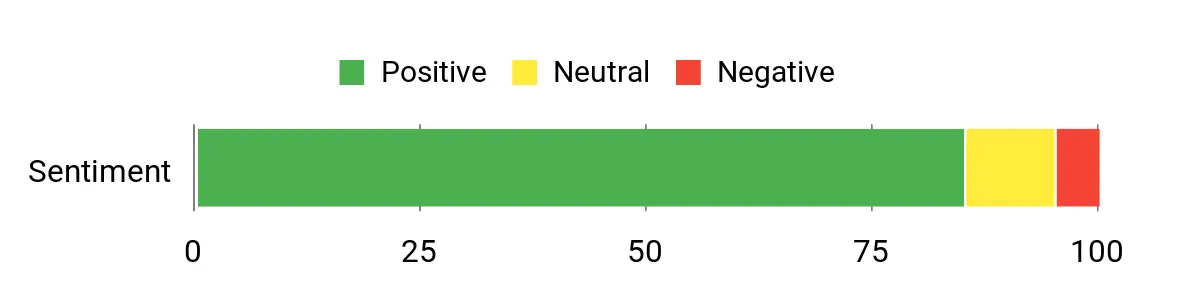
Buyer feedback associated with this model generally emphasizes the relatively easy setup, compact size, waterproof fly, and useful winter features. Hardware, floor durability, and condensation management remain areas where careful setup and a protective footprint can improve the experience.
Overall Sentiment: Positive snapshot; check the current retailer listing for the latest reviews.
Durability
The 210T polyester fly, PU3000mm coating, and aluminum poles provide a practical foundation for regular cold-weather camping. A footprint is worth using to reduce abrasion and moisture exposure underneath the lighter floor fabric, especially on frozen or rocky ground.
Travel Friendliness
At about 6.4 lb (2.9 kg) with a packed size near 18 × 7 × 7 inches, this is the easiest of the three tents here to move without a vehicle. It is still heavier than true ultralight backpacking shelters, so divide shared gear carefully on longer hikes.
Key Benefits
- 210T polyester construction with PU3000mm waterproof coating
- Rollable snow skirt for cold-weather use
- Approximately 6.4-lb packed weight
- Approximately 18 × 7 × 7-inch packed size
- Two doors and two windows for access and airflow
- Freestanding design with two aluminum poles

The Naturehike Massif fills the middle ground between a compact winter backpacking tent and a very heavy expedition-style hot tent. Its factory stove jack and snow skirt make it more suitable for a planned hot-tent setup, while the two-person sleeping area and larger covered vestibule give you room to separate sleeping gear from wet boots and equipment.
The official Massif design uses a 30D polyester fly, a 70D nylon inner, aluminum-alloy poles, ventilating mesh, a stove jack, and a snow skirt. It is considerably easier to transport than the 65-lb RBM UP-5, but it should still be treated as a comfort-oriented winter shelter rather than an ultralight backpacking tent.
Why You’ll Like It
The Massif gives two campers a dedicated sleeping space plus a more functional vestibule area, making it easier to organize winter gear while retaining factory-designed stove compatibility.
Who Should Buy This
It makes sense for winter campers who want a two-person hot tent for motorcycle travel, sled-supported trips, short carries, or vehicle camping but do not need the size and transport burden of the RBM UP-5.
Who Should Avoid This
Long-distance backpackers should look carefully at the current packed weight before buying. Campers who never intend to use a stove may also find that a simpler 4-season tent offers less bulk and easier setup.
Hot-Tent Safety: A stove jack does not make every fuel-burning appliance safe inside a tent. Follow the tent and stove manufacturers’ instructions, maintain the specified clearances and ventilation, route the chimney correctly, use appropriate heat protection, and never substitute a portable propane/butane cooking stove or charcoal appliance as an indoor heater.
Buyer Feedback Snapshot
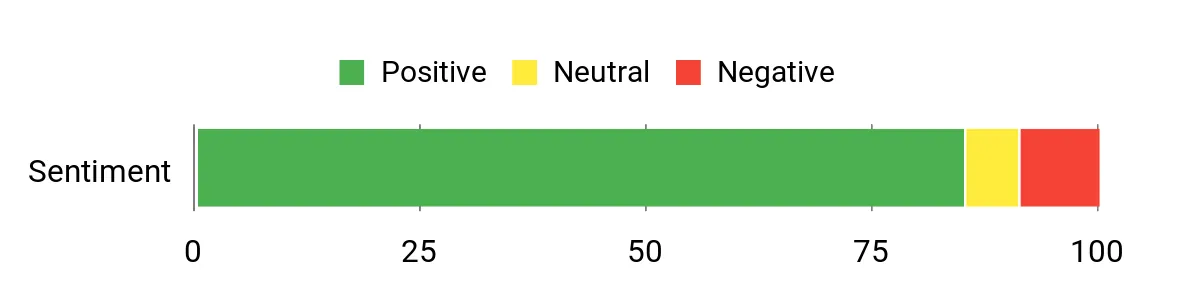
Feedback associated with the Massif tends to focus on its roomy vestibule, winter-oriented layout, stove jack, pole structure, and weather protection. The main compromise is that the extra fabric, poles, and living space make it noticeably heavier and bulkier than compact backpacking shelters.
Overall Sentiment: Positive snapshot; check the current retailer listing for the latest reviews.
Durability
The aluminum-alloy pole structure and multi-layer fabric design are better suited to regular winter use than a minimalist three-season shelter. As with any hot tent, protect the fabric from sparks and hot stove components and use every required guy point when wind or snow is expected.
Travel Friendliness
The Massif is transportable enough for vehicle-supported camping, motorcycle trips, sled access, and shorter carries. Because published weights can vary by configuration or listing, confirm the current packaged weight of the exact two-person version before planning a backpacking trip around it.
Key Benefits
- Factory stove jack for a compatible hot-tent stove system
- 4-season two-person design with snow skirt
- 30D polyester fly and 70D nylon inner construction
- Large vestibule-style area for equipment and wet-weather organization
- Two-door layout with mesh ventilation
- Aluminum-alloy pole structure with multiple guy points

The RBM UP-5 solves a very different problem from the BISINNA. Instead of minimizing carry weight, it prioritizes usable winter living space, double-wall construction, fast umbrella-style deployment, stove compatibility, and enough headroom to make a longer cold-weather camp more comfortable.
The UP-5 is approximately 173 inches in diameter and 87 inches high, with a net tent weight around 65 lb. That makes it practical for car, truck, ATV, snowmobile, or sled-supported trips but unrealistic for normal backpacking.
Why You’ll Like It
The double-layer tent-within-a-tent layout creates a more substantial basecamp environment than lightweight winter shelters. You also get a built-in stove jack, standing-height interior, removable floor, large usable footprint, and a quick-opening umbrella-style frame.
Who Should Buy This
Choose the UP-5 for ice fishing, winter hunting, extended basecamping, remote vehicle-supported camping, or family trips where you value space and stove-ready comfort more than portability.
Who Should Avoid This
Do not choose it for backpacking or trips where every pound matters. Its approximately 65-lb tent weight and large packed dimensions require deliberate transport and storage planning.
Before You Buy: Plan the full hot-tent system, not just the shelter. Check the stove model, chimney routing, heat protection, ventilation requirements, packed dimensions, vehicle capacity, campsite rules, and whether optional flooring or accessories are required for your intended use.
Buyer Feedback Snapshot
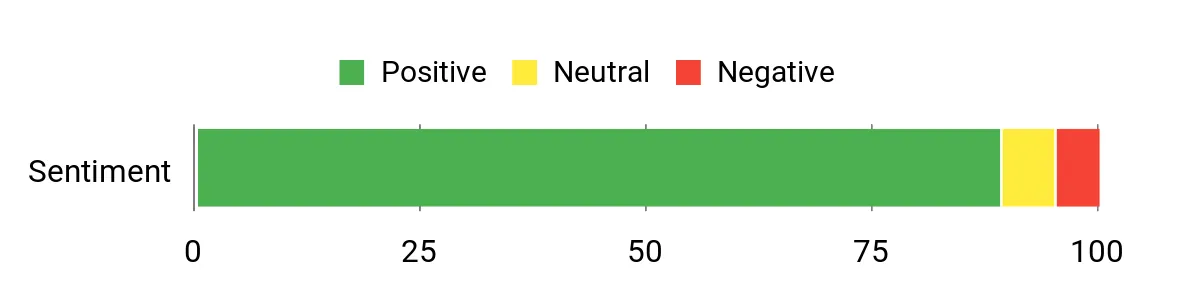
Feedback associated with the UP-5 generally emphasizes the roomy interior, winter-oriented double-wall construction, stove setup, and fast-opening frame. Weight and packed bulk are the obvious compromises, so this tent makes the most sense when transportation is already part of the trip plan.
Overall Sentiment: Positive snapshot; check the current retailer listing for the latest reviews.
Durability
The UP-5 uses a substantial aluminum-alloy frame and double-layer construction intended for repeated four-season basecamp use. Even with a robust shelter, full staking and guying remain important in winter conditions, and all stove-facing materials and clearances should be used exactly as specified by the manufacturer.
Travel Friendliness
At roughly 65 lb net for the tent alone, travel friendliness depends on having the right vehicle or hauling system. It is best treated as mobile basecamp equipment rather than something you carry on foot for meaningful distances.
Key Benefits
- Double-layer 4-season construction
- Built-in stove jack for a compatible wood-stove system
- Umbrella-style frame designed for comparatively fast deployment
- Approximately 173-inch diameter and 87-inch standing height
- Aviation-grade aluminum-alloy frame
- Removable floor and generous basecamp living space
Before You Buy a Winter Camping Tent
Decide how you will transport it first. A shelter that works perfectly beside a vehicle can become a poor choice when you need to carry it for several miles. Compare packed weight and packed dimensions, not just the pitched size.
Allow extra winter space. A two-person floor plan can feel much smaller once you add thick sleeping pads, bulky winter bags, insulated clothing, boots, and wet equipment. Solo campers often appreciate a nominal two-person winter tent for this reason.
Look beyond a waterproof rating. Pole geometry, stakes, guylines, snow accumulation, fabric tension, campsite exposure, ventilation, and setup quality all affect performance. A waterproof coating alone does not guarantee suitability for severe storms or heavy snow loading.
Plan condensation control. Closing every opening may feel warmer initially, but people and wet equipment release moisture. Use the tent’s vents correctly and keep inner and outer layers separated where the design requires it.
Treat stove compatibility as a system. A factory stove jack is only one component. The stove, chimney, spark control, heat-resistant surfaces, clearances, ventilation, and operating procedure all need to be compatible with the shelter manufacturer’s instructions.
[Amazon Products Picked for You]

【Premium Material & Cozy Camping】Crafted from 20D single-sided silicone-coated nylon, our hot tent with stove jack ensures durability and lightness, providing a reliable shelter for camping. Equipped with a stove jack, it offers a cozy space for solo campers, while accommodating a wood stove may make it a bit crowded for two person.If you carry a tent stove, It is recommended to use single person.

**Spacious Interior:** Measuring 11.8 x 6.6 x 6.2 ft, this hammock hot tent offers generous headroom and plenty of usable space for family camping or group trips. The roomy interior gives campers more freedom to move, relax, and sleep comfortably. If you're looking for large hot tents or hot tents for camping, this design provides ample space without feeling cramped.

Durable Materials: Made of TC (Technical Cotton) fabric, our tent offers excellent durability and breathability, helping reduce interior condensation and making it suitable for year-round use. (Note: The cotton material provides limited insulation, so please use with caution in extreme heat or cold.) Sturdy galvanized iron center and door poles ensure reliable stability.
FAQ
How Do I Choose the Right Cold-Weather Tent for Winter Trips?
Start with your transportation method and expected conditions. If you will carry the shelter, prioritize packed weight, compact dimensions, a stable pole structure, a full rainfly, ventilation, and enough interior room for winter sleeping gear. If you camp beside a vehicle, you can trade portability for a larger footprint, standing height, double-wall construction, and a more comfortable basecamp layout.
Also check snow-management features, floor dimensions, vestibule space, ventilation, stake and guy-point layout, and whether the manufacturer actually describes the shelter for four-season or winter use. Do not assume every tent marketed as waterproof is designed for heavy snow or severe alpine weather.
Can I Use a Stove Inside a Hot Tent?
Only use a fuel-burning stove inside a tent when the shelter and stove manufacturers specifically provide an enclosed-space hot-tent system and instructions for that use. A factory stove jack does not make ordinary portable gas cooking stoves, propane heaters, charcoal appliances, or improvised heating systems safe inside a tent.
With an approved hot-tent setup, follow all manufacturer instructions for stove placement, chimney routing, heat shields, spark protection, clearances, and ventilation. Keep combustible gear away from the stove and chimney, never leave the fire unattended, and never operate the stove while occupants are sleeping unless the manufacturer explicitly provides a safe procedure that permits it. A carbon-monoxide alarm can provide additional warning but does not replace correct ventilation and equipment use.
What Practical Steps Should I Take to Set Up a Winter Tent in Snow?
Choose a site that is as sheltered from wind and overhead hazards as practical, then create a firm, level sleeping platform. Stake and guy the shelter fully rather than relying only on the main pole structure. In deep snow, appropriate snow anchors or buried anchors may work better than normal stakes.
Use a footprint when appropriate, keep vents functioning, and check the fly as temperatures and weather change. Remove accumulating snow before excessive weight builds up, keep entrances and vents clear, and avoid forcing frozen zippers. After the trip, dry the tent completely before long-term storage.
Is a Hot Tent Better Than a Regular 4-Season Tent?
Not automatically. A hot tent is useful when you want a manufacturer-approved stove system, more living space, and a warm basecamp for vehicle- or sled-supported winter trips. A conventional 4-season tent is usually simpler, lighter, and easier to transport when hiking or moving camp frequently.
The best choice depends on whether your priority is carry weight or basecamp comfort. The BISINNA fits the lighter end of this comparison, the Naturehike Massif provides a middle ground with a stove jack, and the RBM UP-5 prioritizes space and heated-basecamp capability.
Final Recommendations
For the easiest transport and lowest-complexity setup, choose the BISINNA 4-Season 2P Tent. Its roughly 6.4-lb weight, compact packed dimensions, PU3000mm coating, aluminum poles, and snow skirt make it the most logical option here for short carries, motorcycle camping, and budget-minded cold-weather trips.
For a two-person stove-ready shelter, consider the Naturehike Massif. It adds a factory stove jack, snow skirt, larger vestibule-style area, and winter-oriented layout without moving all the way to a 65-lb expedition-style shelter.
For vehicle-supported winter basecamping, the RBM UP-5 offers the most interior space and substantial construction. Its double-layer design, stove jack, standing-height interior, and umbrella-style frame are attractive when comfort matters more than weight.
No single tent is the right choice for every winter trip. Match the shelter to how far you will carry it, how many people and how much gear must fit inside, whether you truly need a stove system, and the weather conditions you realistically expect to encounter.
| Product | Image | Best For | Size (L × W × H) | Weight | Water Resistance | Material |
|---|---|---|---|---|---|---|
| BISINNA 4 Season Tent for Backpacking Winter Tents |
 |
Budget winter camping and shorter carries | 82.6″L × 59″W × 43.3″H | 2.9 kg / about 6.4 lb | PU3000mm | 210T Polyester |
| Naturehike Massif Hot Tent with Stove Jack |
 |
Two-person stove-ready winter camping | Approx. 141.7″L × 90.6″W × 57.1″H outer footprint | Verify current two-person configuration before purchase | Waterproof 4-season construction; verify current listing for exact hydrostatic rating | 30D Polyester Fly & 70D Nylon Inner |
| RBM Outdoors UP-5 Hot Tent with Stove Jack |
 |
Heavy-duty vehicle-supported winter basecamping | Approx. 173″ diameter × 87″H | Approx. 65 lb net tent weight | Weather-resistant double-layer hot-tent construction | Oxford Fabric with Aluminum-Alloy Frame |
This roundup is reader-supported. When you click through qualifying affiliate links, we may earn a referral commission at no extra cost to you.