As an Amazon Associate I earn from qualifying purchases.
The best LiPo chargers for FPV balance-charge your packs safely and fast enough for a flying day. Look at three numbers first: max watts, max amps and input voltage. Then check that the charger supports your pack’s cell count and plug.
The ten chargers below range from a six-port 1S whoop charger to dual-channel units that run best on DC power. Whichever you choose, never leave a charging LiPo unattended, and charge at or below the rate on the pack label.
Top Picks
|
Category |
Product |
|---|---|
|
🏆 Best Overall |
|
|
🚀 Most Powerful |
|
|
🔋 Best Portable |
|
|
⭐ Most Reliable |
|
|
🔰 Best for Tiny Whoops |
|
|
💼 Best Beginner Friendly |
|
|
🎯 Best Midrange Dual |
|
|
💰 Best Basic Charger |
|
|
🔁 Dual-Channel Option |
|
|
🔌 Single-Channel Option |
How We Selected the Best LiPo Chargers for FPV
We compared listed specs, input options, balance support and owner ratings, and checked power, current and chemistry against maker or retailer pages where we could. We did not bench-test the chargers.
Three numbers matter most:
- Max watts: the real limit on charge speed. Amps equal watts divided by pack voltage. A full 6S pack is 25.2 V, so 200W gives about 8A.
- Max amps: the most one channel can output. Most packs charge at 1C (1.5A for a 1500mAh pack) unless the label allows more.
- Input voltage: AC (100-240 V) for home use, DC (about 10-30 V) for field use. Many chargers give far fewer watts on AC than on DC.
Also check balance support (charging every cell evenly), the cell range (1S to 6S), the chemistries it lists and the plug on its charge port. Many FPV packs use XT60 or XT30, so you may need an adapter lead.
HOTA D6 Pro
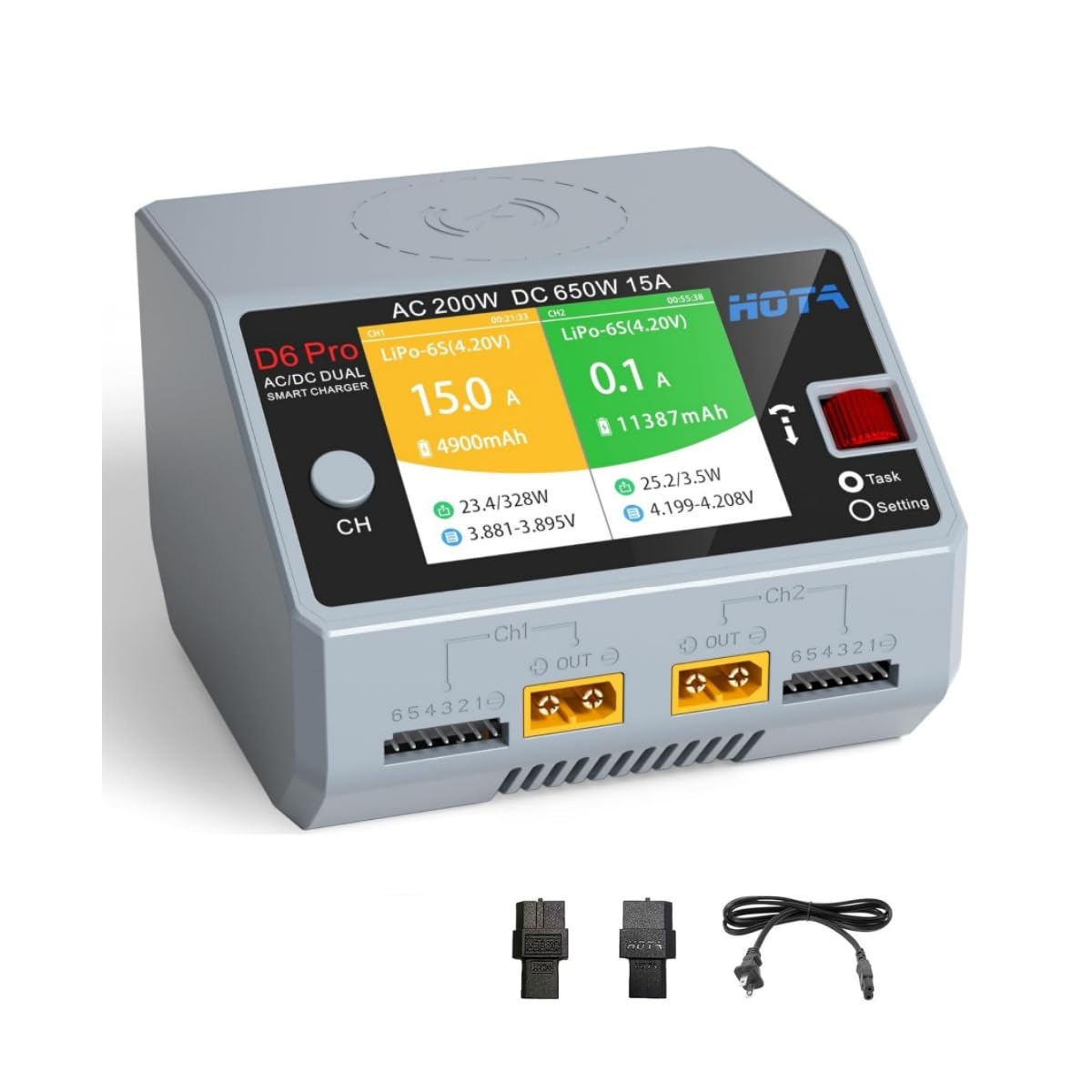
The D6 Pro is a dual-channel charger for 1-6S lithium packs. It charges up to 15A per channel and also lists LiFe, Li-ion, nickel, lead-acid and smart batteries. It has an XT60 charge port, a USB output and a wireless phone-charging pad.
The 15A figure needs DC power. Retailers list 325W per channel on DC (650W in total, 6.5-30 V input) but only 200W in total on AC (100-240 V). On AC, two large packs charge much slower than 15A.
What People Say
Read the newest reviews for menu and setup notes, and read the manual before your first charge.
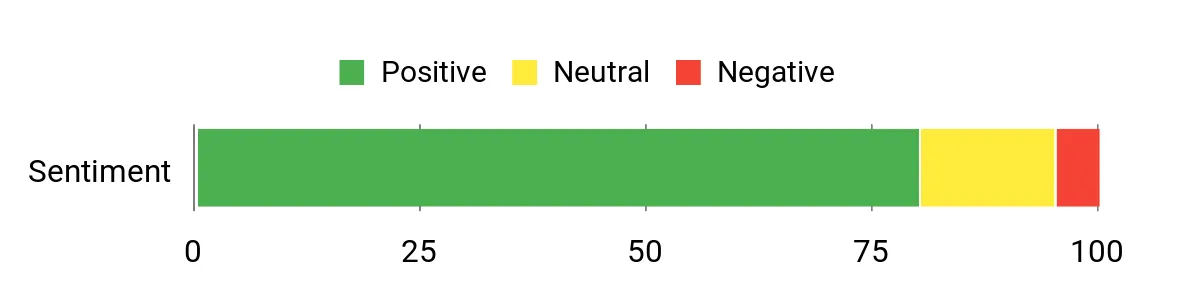
Overall Sentiment: Positive
Situational Benefits
|
Situation |
How It Helps |
|---|---|
|
Weekend Race Day |
You can charge two race packs at once and get them back on the bench quicker, reducing downtime between heats. |
|
Field Sessions |
The compact size and AC/DC support mean you can power it from a car or a field power pack and keep flying without hauling a full lab setup. |
|
Battery Maintenance |
You can balance-charge packs and spot weak cells with consistent readings. |
Ease Of Use
|
Feature |
Ease Level |
|---|---|
|
Initial Setup |
Easy |
|
Menu Navigation |
Moderate |
|
Balancing and Monitoring |
Easy |
|
Field Power Options |
Easy |
Versatility
It charges 1-6S LiPo and LiHV packs and other chemistries, and runs from AC or DC power. Use an adapter lead for plugs other than XT60. It covers everything from tiny quads to 6S freestyle quads.
Safety Features
It balance-charges lithium packs at up to 1.6A per channel. Check the chemistry and cell count on screen before every charge, and stay with the pack while it charges.
Durability
We could not confirm a warranty period or long-term durability data. Check the listing and the newest reviews.
Problem Solving
Two channels let you charge two packs at once. The 15A rating shortens turnaround only on a strong DC supply. On AC, the 200W total is the limit.
Key Benefits
- Dual high‑current channels so you can charge two packs simultaneously
- 15A per channel on DC power for faster turnaround
- Balances individual cells and supports many battery chemistries
- Runs from AC or DC power for bench and field use
- Clear status feedback that helps you monitor charge progress
Watch out for: full 15A needs a strong DC power supply, and AC power is limited to 200W in total.
Gens Ace D300

The IMARS D300 is a dual-channel charger for 1-6S lithium packs and 1-16S nickel packs. It charges up to 16A per channel. Sellers list 300W on AC (100-240 V) and up to 700W on DC (7-30 V).
Watts limit the real current. On AC, 300W is shared between two channels, so large 6S packs charge below 16A. For full speed, use a strong DC supply. Balance current is up to 1.2A per cell.
What People Say
Read the newest reviews for display and menu notes before you buy.
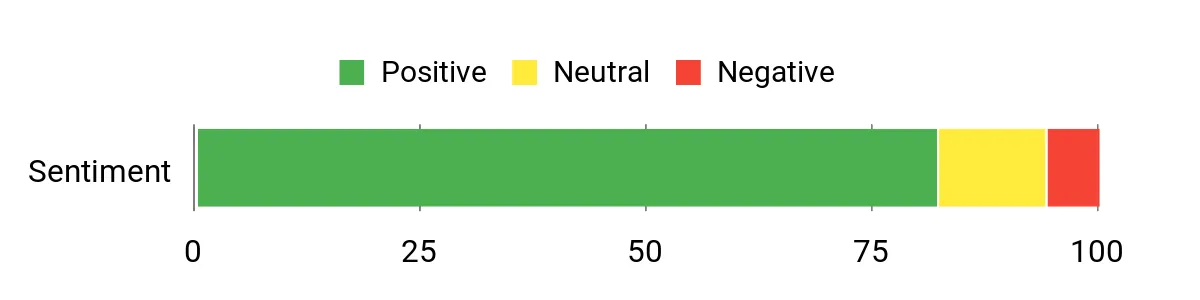
Overall Sentiment: Positive
Situations
|
Situation |
How It Helps |
|---|---|
|
Race Weekend |
Charge two race packs at high amperage to keep you on the track longer and eliminate long waits between heats. |
|
Field Trips |
AC/DC flexibility lets you use available power at the pit area or a vehicle battery, so you don’t need a full workshop setup. |
|
Batch Maintenance |
Fast, precise charging and monitoring make balancing and storage cycles quicker when you’re prepping many packs. |
Ease Of Use
|
Feature |
Ease Level |
|---|---|
|
Initial Setup |
Moderate |
|
Menu Navigation |
Moderate |
|
Monitoring Readouts |
Easy |
|
AC/DC Switching |
Easy |
Versatility
It charges LiPo, LiHV and LiFe packs from 1S to 6S, plus NiMH and NiCd packs, on two independent ports. It runs from AC or DC power.
Safety
It balance-charges lithium packs. We could not confirm its safety certifications, so do not rely on a label. Check the chemistry and cell count on screen before every charge, and stay with the pack while it charges.
Durability
We could not confirm a warranty period or long-term durability data. Check the listing and keep your receipt.
Solves
Two independent ports and high watts cut waiting time when you charge many packs. Full speed needs a strong DC source.
Key Benefits
- Up to 700W on DC power and 300W on AC
- Dual independent ports to charge two packs at once
- Clear monitoring and smart charge controls
- Up to 16A per channel on a strong DC supply
- Robust AC and DC input options for field flexibility
Watch out for: the 700W figure is for DC power. On AC, sellers list 300W. We could not confirm a warranty period.
ISDT 608AC

The 608AC is a single-channel charger for 1-6S LiPo, LiHV, LiFe and Li-ion packs, plus nickel and lead-acid packs. It charges up to 8A and has an XT60 port. Its AC power supply is detachable.
Sellers list 50W from the AC supply and 200W from DC input (10-30 V). At 6S, 50W is only about 2A, so charging on AC is slow. For the full 8A, use a DC source. You can detach the supply and run the charger from DC in the field. It weighs about 350 g.
What People Say
Read the newest reviews on the knob menu and the power supply before you buy.
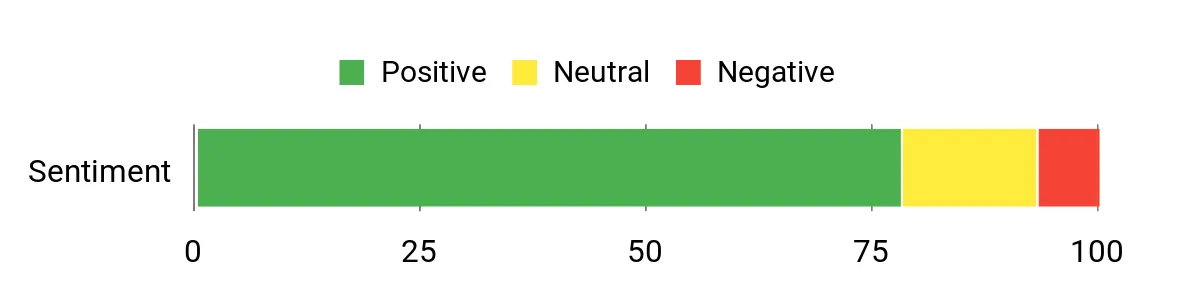
Overall Sentiment: Positive
Situational Benefits
|
Situation |
How It Helps |
|---|---|
|
Field Charging |
Detach the AC supply and run it from a car battery or another 10-30 V DC source, so you do not need a big power station. |
|
Routine Maintenance |
Balance charging and the cell readout let you level cells quickly, which helps prolong pack life. |
|
Traveling To Events |
Its lightweight footprint and simple connectors make it easy to fit in a pit bag without adding bulk. |
Ease Of Use
|
Feature |
Ease Level |
|---|---|
|
Initial Setup |
Easy |
|
Knob Control |
Easy |
|
Menu Navigation |
Moderate |
|
Field Power Switching |
Easy |
Versatility
It charges 1-6S lithium packs and other chemistries from AC or DC power, and has a 10W discharge mode. A single knob controls the menu.
Safety Features
Check the chemistry and cell count on screen before every charge, and stay with the pack while it charges.
Durability
We found no long-term durability data. Check the newest reviews.
Problem Solving
The detachable supply lets you use the charger at home, or detach it and run from DC in the field. This is its main advantage over fixed-supply chargers.
Key Benefits
- Detachable power supply for easy AC or DC operation
- Single-knob menu and a 10-30 V DC input
- Balance charging for 1-6S lithium packs
- Compact, lightweight body that’s easy to transport
- Charges lithium, nickel and lead-acid packs
Watch out for: the AC supply is only 50W, so AC charging is slow for large packs. It has one channel, so you charge one pack at a time.
Venom Pro Duo

The Pro Duo has two independent channels at 80W each and up to 7A per channel. It charges 1-6 cell LiPo and LiHV packs, 1-15 cell NiMH and NiCd packs, and also lists LiFe, Li-ion and lead-acid. It runs from AC (100-240 V) or DC (11-18 V).
The box includes charge leads for XT60, EC3, EC5, Deans, JST, Tamiya and other plugs. XT30 packs need an adapter. At 80W per channel, a 6S pack charges at only about 3A, so it suits 1S to 4S packs best. Balance current is about 300 mA.
What People Say
Read recent reviews on connector fit and adapters.
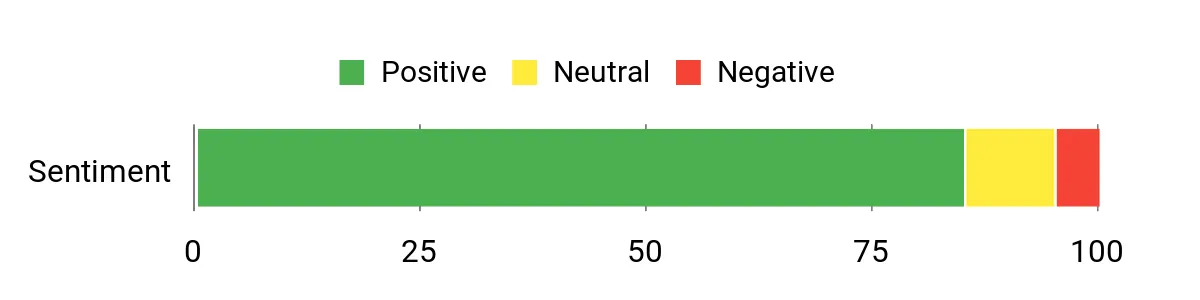
Overall Sentiment: Positive
Situations
|
Situation |
How It Helps |
|---|---|
|
Race Day |
Charge two race packs at the same time so you can cycle through batteries quickly between heats and stay on the track longer. |
|
Family RC Use |
Supports many chemistries and common connectors, letting you manage different packs without swapping chargers for each toy. |
|
Workshop Maintenance |
Balance charging and clear readouts help you diagnose and revive slightly unbalanced packs during routine maintenance. |
Ease Of Use
|
Feature |
Ease Level |
|---|---|
|
Initial Setup |
Easy |
|
LCD Readouts |
Easy |
|
Dual Port Management |
Easy |
|
Connector Adaptation |
Moderate |
Versatility
It handles 1-6S LiPo and LiHV packs and nickel packs, with two channels that can charge different packs at once. The included leads cover many plug types for bench, pit box and household RC use.
Safety
It balance-charges lithium packs, and the maker lists two extended balance leads for charging in a LiPo sack. Check the chemistry and cell count on screen before every charge, and stay with the pack while it charges.
Durability
We found no durability data beyond owner ratings. Judge it from the newest reviews.
Problem Solving
Two channels with their own power supplies let you charge two different packs at once. The limit is 80W per channel, so big 6S packs charge slowly.
Key Benefits
- Two independent charging ports for simultaneous packs
- Clear LCD status readout for easy monitoring
- Compatible with many battery chemistries and common connectors
- Two independent 80W channels with up to 7A each
- Balance charging to keep cells healthy
Watch out for: at 80W per channel, 6S packs charge at about 3A. Many FPV packs use XT60 or XT30 plugs, so check which lead or adapter you need.
HTRC Dual 10A
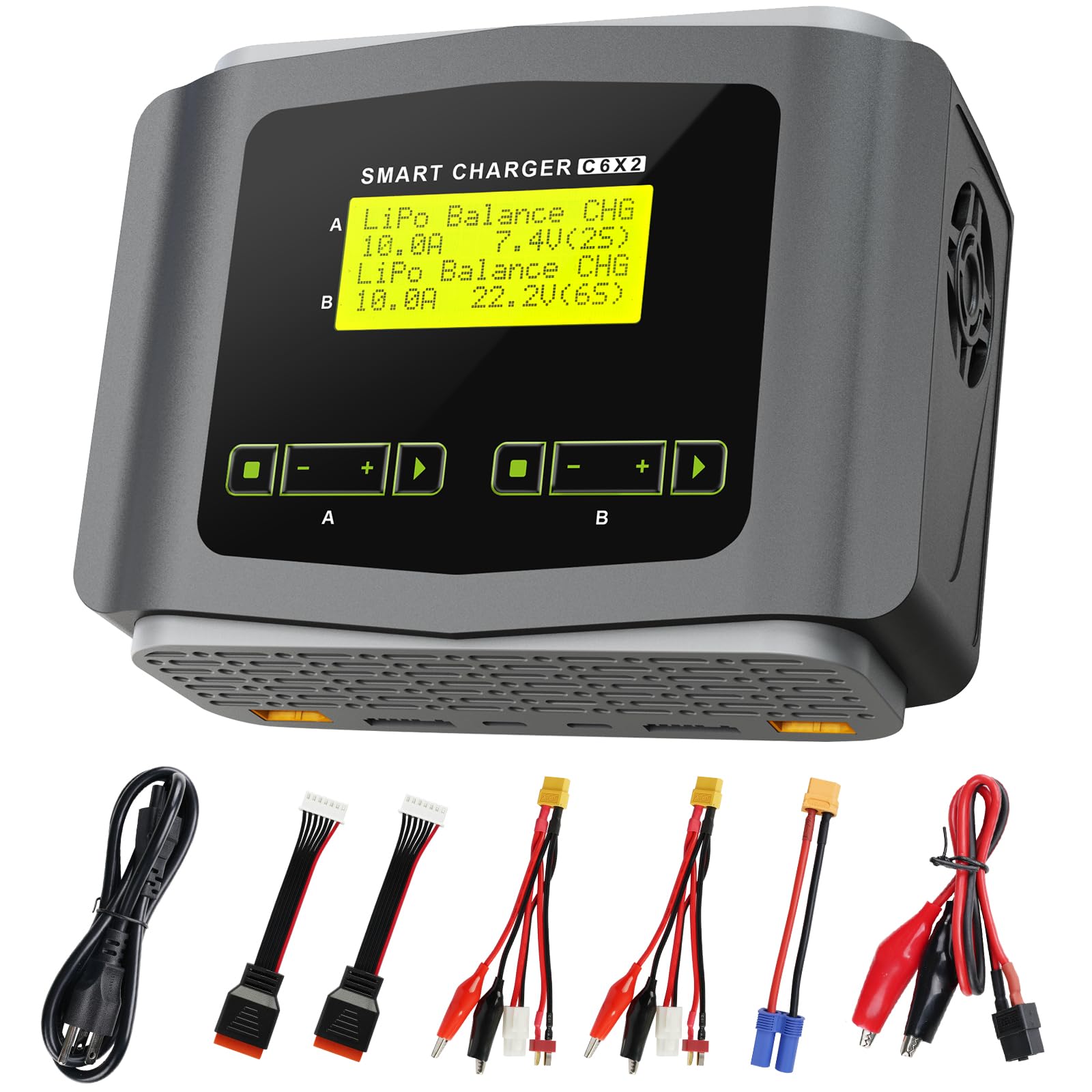
This is a dual-channel charger sold as ‘Dual 10A’. The listing’s spec table shows a 120 V AC input and a 10A current rating, and lists LiPo, LiHV, Li-ion, NiCd, NiMH and lead-acid packs.
We could not confirm total watts or the cell range, so check the listing. Remember that amps equal watts divided by pack voltage: a 10A charge of a 6S pack needs about 250W for that channel alone.
What People Say
Read the newest reviews on the menu and the plugs.
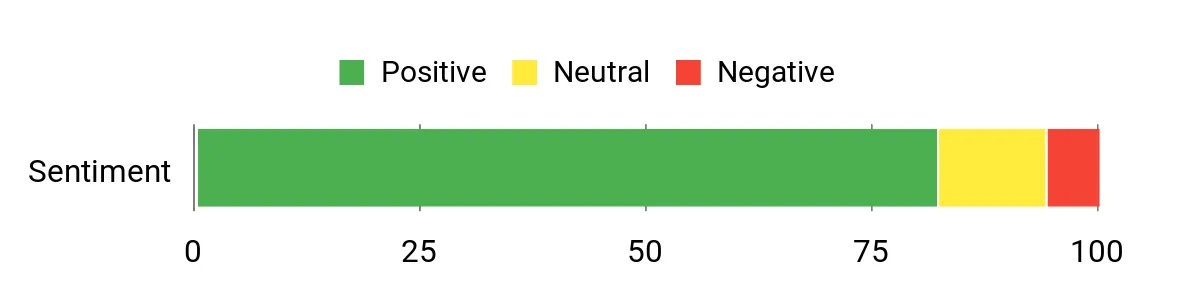
Overall Sentiment: Positive
Situations
|
Situation |
How It Helps |
|---|---|
|
Track Or Race Day |
Charge two race packs simultaneously so you can cycle through batteries faster and stay on the course longer. |
|
Family RC Sessions |
Supports many chemistries and connectors so you can keep different models ready without juggling multiple chargers. |
|
Routine Maintenance |
Large screen and balance modes help you spot and correct cell imbalances during storage or conditioning cycles. |
Ease Of Use
|
Feature |
Ease Level |
|---|---|
|
Initial Setup |
Moderate |
|
Display Readouts |
Easy |
|
Dual Port Management |
Easy |
|
Advanced Settings |
Moderate |
Versatility
It lists LiPo, LiHV, Li-ion, NiCd, NiMH and lead-acid packs on two channels. Check the listing for the cell range and plug types before you buy.
Safety
Use the balance port for every multi-cell LiPo charge. If a charger or lead has no balance connection, do not use it for those packs. Check the chemistry and cell count on screen before every charge, and stay with the pack while it charges.
Durability
We could not confirm a warranty period or long-term durability data. Check the listing and the newest reviews.
Problem Solving
Two channels cut waiting time when you charge two packs.
Key Benefits
- Two independent 10A channels to reduce wait time
- Lists LiPo, LiHV, Li-ion, NiCd, NiMH and lead-acid packs
- Spec table lists 10A and a 120 V AC input
- Review count is the highest in this list
Watch out for: we could not confirm total watts or the cell range. Full 10A on both channels needs a lot of power.
Aorika SAIL6
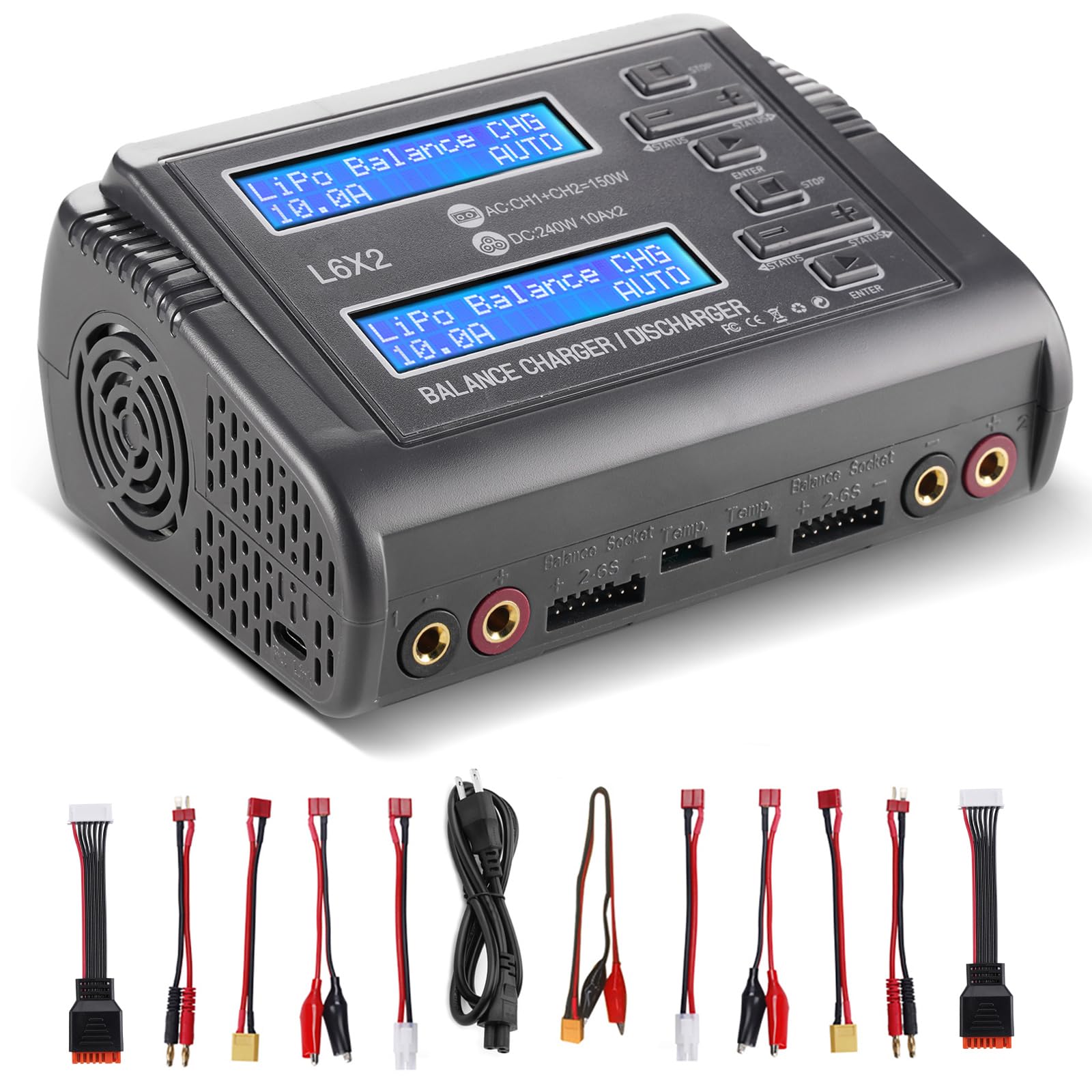
The SAIL6 is sold as a dual-channel charger with a 10A rating per channel. The listing’s spec table shows a DC input, so you may need a separate DC power supply. Check the listing to see what is in the box.
The listing names RC cars and drones as compatible devices. We could not confirm the cell range, chemistries or total watts, so check them against your packs.
What People Say
Read the newest reviews on the menu and the included leads.
Overall Sentiment: Positive
Situations
|
Situation |
How It Helps |
|---|---|
|
Weekend Flying |
You can top off two packs between flights and get back in the air faster without swapping chargers. |
|
Home Maintenance |
Balance and storage modes make it easy to keep cells healthy during routine conditioning and long‑term storage. |
|
Family RC Time |
Check the listing for the plugs it supports before you charge different toys. |
Ease Of Use
|
Feature |
Ease Level |
|---|---|
|
Initial Setup |
Moderate |
|
Display Readouts |
Easy |
|
Dual Port Operation |
Easy |
|
Advanced Settings |
Moderate |
Versatility
It lists RC cars and drones as compatible devices. Check the listing for the cell range, chemistries and plug types before you buy.
Safety
Use the balance port for every multi-cell LiPo charge. Check the chemistry and cell count on screen before every charge, and stay with the pack while it charges.
Durability
We could not confirm a warranty period or long-term durability data. Check the listing and the newest reviews.
Problem Solving
Two channels let you charge two packs at the same time.
Key Benefits
- Two independent 10A channels to charge dual packs
- Compact design that fits a pit bag or small bench
- Dual-channel design for two packs at once
- Clear display for easy status monitoring
Watch out for: the spec table lists a DC input, so check whether a power supply is included. We could not confirm the cell range or total watts.
Tenergy Charger

This Tenergy charger is titled 1S-6S. The spec table lists a 240 V AC input, a 5A current rating, and plugs such as Tamiya, Mini Tamiya and JST. It is aimed at small hobby packs.
At 5A it charges slower than 10A units. FPV packs usually use XT60 or XT30 plugs, so check whether the box includes a lead for them.
What People Say
Read the newest reviews to see which leads come in the box.
Overall Sentiment: Positive
Situations
|
Situation |
How It Helps |
|---|---|
|
Family RC Sessions |
You can keep different toys ready since the charger supports many connector types and common battery chemistries. |
|
Hobby Bench Work |
Balance and storage modes let you condition and store packs safely while monitoring per‑cell health during maintenance. |
|
Field Prep |
Check which leads are in the box, then pack spare leads and adapters for event days. |
Ease Of Use
|
Feature |
Ease Level |
|---|---|
|
Initial Setup |
Easy |
|
Connector Selection |
Easy |
|
Menu And Modes |
Moderate |
|
Balance/Storage Use |
Easy |
Versatility
The title says 1S to 6S, and the spec table lists battery-powered devices with Tamiya, Mini Tamiya and JST plugs. Check the listing for chemistries before you charge anything other than LiPo.
Safety
Use the balance port for multi-cell LiPo packs. We could not confirm that a LiPo bag is included, so buy one. Check the chemistry and cell count on screen before every charge, and stay with the pack while it charges.
Durability
We found no long-term durability data. Check the newest reviews.
Problem Solving
This is a simple charger for pilots with a few small packs. Its 5A rating limits charge speed.
Key Benefits
- Title lists 1S to 6S packs
- Spec table lists Tamiya, Mini Tamiya and JST plugs
- Simple charger for small hobby packs
- Suits pilots with a few small packs
Watch out for: 5A limits charge speed on larger packs. Check which plugs come in the box, because FPV packs use XT30 and XT60.
HTRC C150
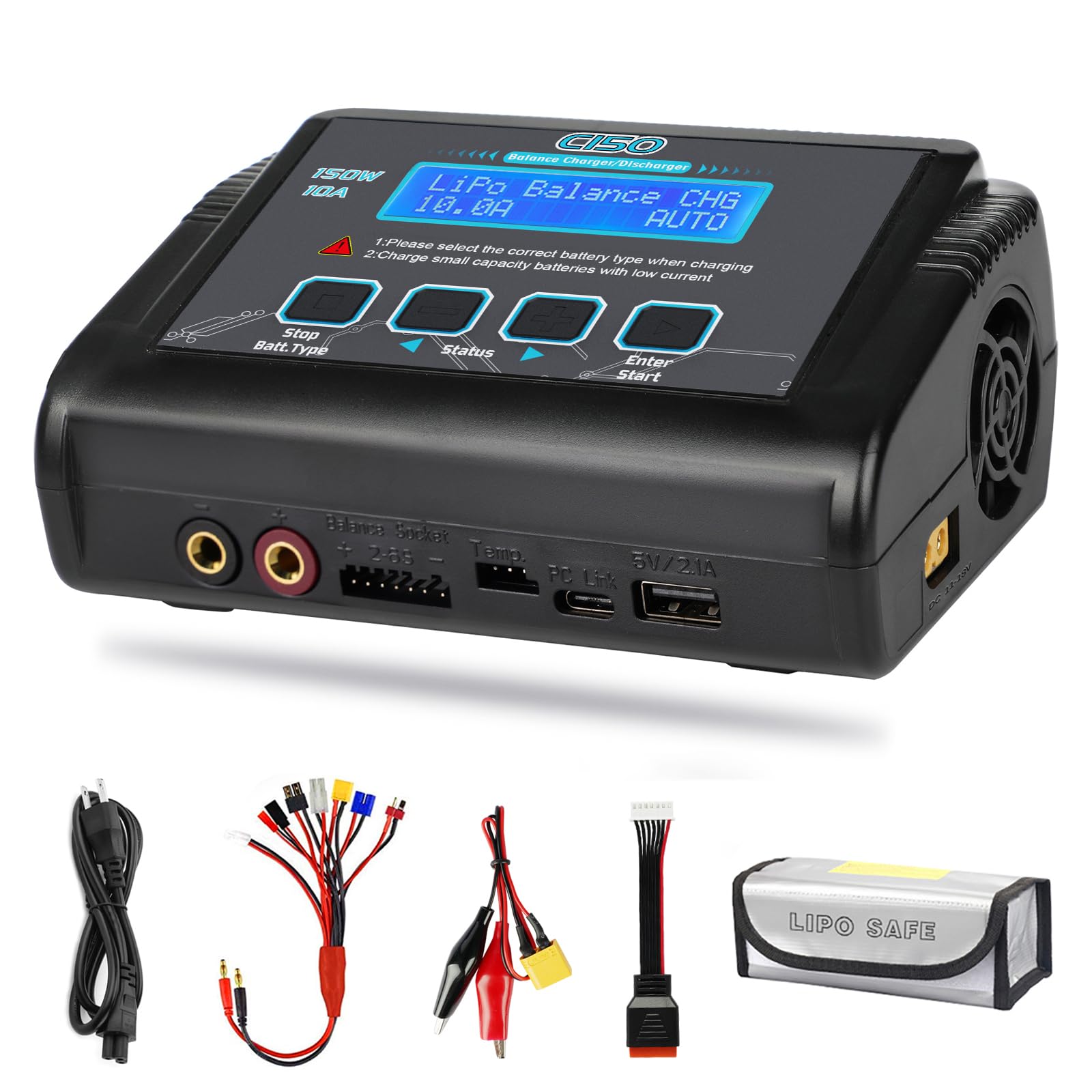
The C150 is a single-channel charger rated 150W and 10A. It runs from AC (100-240 V) or DC (11-18 V). It lists 1-6S LiPo, LiFe, LiHV and Li-ion packs, 1-15S NiCd and NiMH packs, and lead-acid. It has a cooling fan, a USB output and a discharge mode up to 2A.
At 150W, a 6S pack charges at about 6A, not 10A. Use the balance port for lithium packs.
What People Say
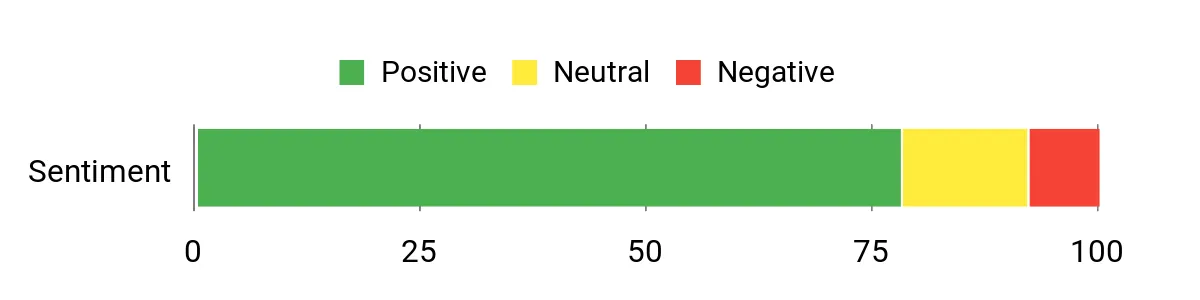
The unit has a built-in fan, so read recent reviews on noise and the menu.
Overall Sentiment: Positive
Situations
|
Situation |
How It Helps |
|---|---|
|
Routine Bench Maintenance |
You can balance-charge packs and spot cell issues with the clear display before they become problems. |
|
Pre‑Flight Prep |
Use the charger to top off and verify cell balance so your packs are consistent and ready for reliable performance on flying days. |
|
Battery Conditioning |
The discharge mode (up to 2A) lets you cycle packs that have been sitting. It cannot repair a damaged pack. |
Ease Of Use
|
Feature |
Ease Level |
|---|---|
|
Initial Setup |
Moderate |
|
Display Readouts |
Easy |
|
Menu Navigation |
Moderate |
|
Discharge Mode |
Easy |
Versatility
It covers lithium, nickel and lead-acid chemistries, with charge and discharge modes. You may need adapters for other plug types.
Safety
Pick the right chemistry mode. Use 4.2 V per cell for standard LiPo and the LiHV mode only for LiHV packs. Check the chemistry and cell count on screen before every charge, and stay with the pack while it charges.
Durability
It has a built-in cooling fan, which can be audible. Check recent reviews for noise and long-term use.
Problem Solving
It suits pilots who want a single-channel bench charger with a discharge mode.
Key Benefits
- 150W power and up to 10A current for fast, controlled charging
- Discharge mode up to 2A
- Clear display for per‑cell monitoring and status
- Runs from AC (100-240 V) or DC (11-18 V)
- Built-in cooling fan and a USB output
Watch out for: it has one channel only, and 150W limits 6S charging to about 6A.
Hilldow B6
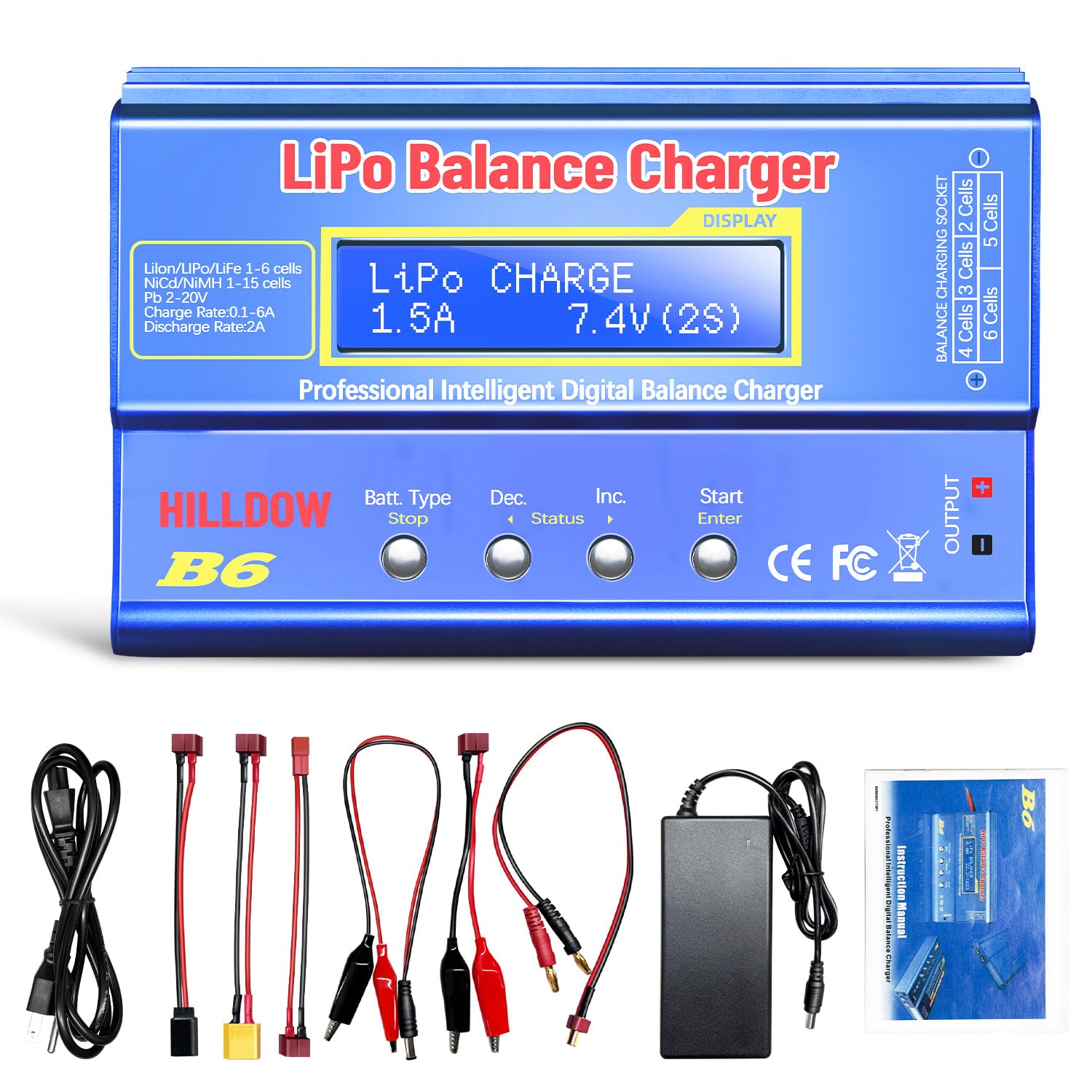
The Hilldow B6 is a compact single-channel charger. The spec table shows a 110 V AC input and a 6A current rating, and lists Li-Po and Li-ion (1-6 cells), Li-Fe, NiMH and NiCd packs.
Check the listing for total watts, because charge speed on large packs depends on them. Do not use this or any charger on a pack that is puffed, damaged or over-discharged.
What People Say
Read the newest reviews on setup, because you must choose chemistry and cell count yourself.
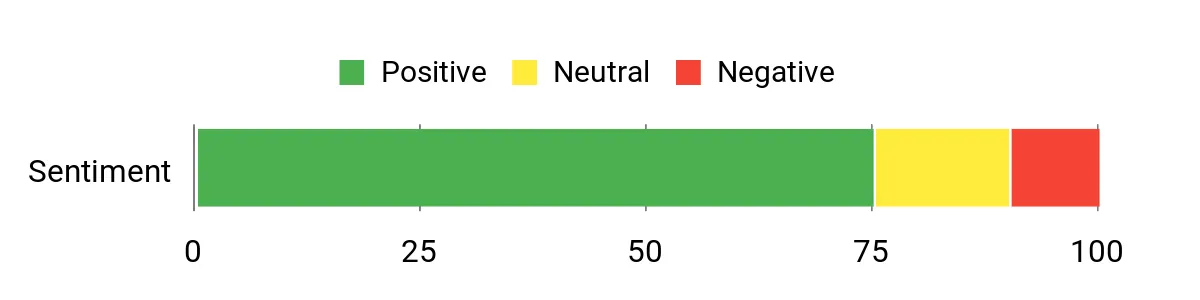
Overall Sentiment: Positive
Situations
|
Situation |
How It Helps |
|---|---|
|
Pack Balancing |
Balance a slightly unbalanced pack with controlled charging. Never charge a pack that is puffed, damaged or deeply over-discharged. |
|
Routine Maintenance |
Use balance charging to level cells before a flying session. Check the listing for a storage mode. |
|
Small Bench Work |
Its compact footprint and simple hookups make it handy for quick diagnostics and repairs without taking up much space. |
Ease Of Use
|
Feature |
Ease Level |
|---|---|
|
Initial Setup |
Moderate |
|
Display And Controls |
Easy |
|
Balancing Operation |
Easy |
|
Advanced Options |
Moderate |
Versatility
It lists Li-Po and Li-ion (1-6 cells), Li-Fe, NiMH and NiCd packs. Check the listing for storage mode and included plugs.
Safety Features
Set the chemistry and cell count by hand and double-check before you press start. Wrong settings can overcharge a pack. Never charge a puffed or damaged pack, and stay with the pack while it charges.
Durability
We found no long-term durability data. Check the newest reviews.
Problem Solving
This is a simple charger for pilots with a few packs. No charger can safely bring a badly over-discharged pack back to life. Retire a pack that stays unbalanced or puffs.
Key Benefits
- Portable mini form factor that fits a small bench or pit bag
- Balance and discharge modes useful for pack maintenance
- Supports 1–6S LiPo/Li‑ion and common NiMH/NiCd packs
- Simple single-channel layout
- Lists Li-Po, Li-ion, Li-Fe, NiMH and NiCd packs
Watch out for: manual setup means mistakes are possible. It charges one pack at a time at up to 6A.
VIFLY WhoopStor

The WhoopStor V3 charges up to six 1S packs at once, each in its own channel, at up to 1.3A per port. It handles standard LiPo (4.20 V) and LiHV (4.35 V), switched by a button. Its storage mode targets 3.80 V or 3.85 V.
It runs from USB-C (PD, 9-20 V), an XT60 input (6-26 V) or a DC jack, and needs at least 40W of input. A plain 5 V USB charger will not work. It takes PH2.0 and BT2.0 plugs.
What People Say
Read the newest reviews on plug fit, because it takes PH2.0 and BT2.0 plugs only.
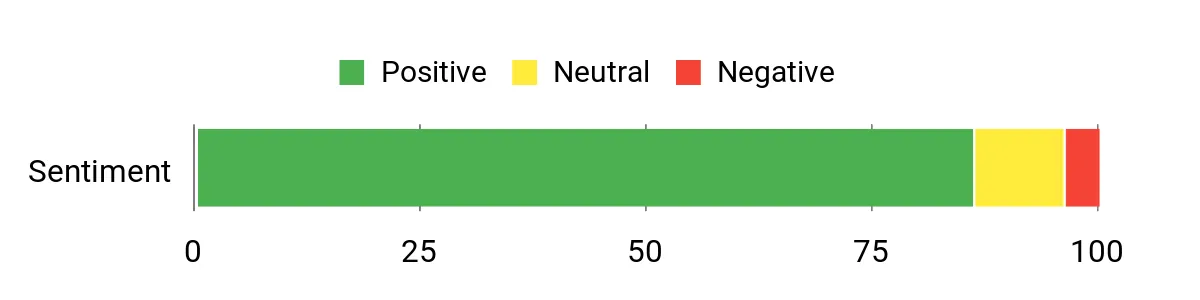
Overall Sentiment: Positive
Situations
|
Situation |
How It Helps |
|---|---|
|
Multiple Whoop Packs |
You can charge six tiny packs at once and pull finished ones as needed, which keeps you flying without a long single‑charger queue. |
|
Field Days |
USB‑C, DC and XT60 inputs let you use whatever power source is available in the pit area so you don’t need a full bench setup. |
|
Storage Maintenance |
Use the storage mode (3.80 V or 3.85 V) to bring packs to a safe long-term voltage and avoid leaving them at full charge for long. |
Ease Of Use
|
Feature |
Ease Level |
|---|---|
|
Initial Setup |
Easy |
|
Independent Bays |
Easy |
|
Menu And Display |
Moderate |
|
Power Input Choices |
Easy |
Versatility
It is made for 1S packs and will not charge 2S or larger packs. Check your whoop battery’s plug type first.
Safety
Each port works on its own, and the OLED shows voltage, current and status. Select LiHV (4.35 V) only for LiHV packs. The standard setting is 4.2 V. Do not leave packs charging unattended.
Durability
It weighs about 140 g and measures about 108 x 55 x 30 mm, so it fits a pit bag. We found no long-term durability data.
Problem Solving
Charging six packs at once cuts the charging queue for whoop pilots. The storage mode brings packs to 3.80 V or 3.85 V between flying days.
Key Benefits
- Six independent bays for simultaneous charging and discharging
- OLED shows voltage, current and status, with storage targets of 3.80 V or 3.85 V
- Memory function saves your last settings
- Multiple power inputs (USB‑C, DC, XT60) for field use
- Compact footprint made for whoop pilots and tight pit bags
Watch out for: it charges 1S packs only. The USB-C input must be a PD charger (9-20 V).
FAQ
How Do I Choose The Right Charger
Start with your packs. Check the cell count (1S to 6S), the plug and the charge rate on the label. Then compare three charger numbers: max watts, max amps and input voltage. Amps equal watts divided by pack voltage, so a 200W charger gives about 8A on a full 6S pack (25.2 V). Many chargers give far fewer watts on AC than on DC, so check both. Choose a model with balance support, and with two channels if you charge many packs. Most packs charge at 1C unless the label allows more: 1.5A for a 1500mAh pack. Many FPV packs use XT60 or XT30 plugs, so you may need an adapter lead.
Are LiPo Chargers Safe And What Should You Do To Minimize Risk
A balance charger lowers the risk, but good habits matter more. Never leave a charging LiPo unattended. Charge on a non-flammable surface or in a LiPo bag. Select the right chemistry and cell count every time, and charge at or below the rate on the pack label. A standard LiPo is full at 4.2 V per cell. Only LiHV packs charge to 4.35 V. Check packs and leads for damage first, and never charge a pack that is puffed, hot, dented or badly over-discharged. For storage, use the charger’s storage mode to set about 3.8 V per cell.
Can One Charger Handle Different Battery Types And Multiple Packs
Many chargers list LiPo, LiHV, LiFe and nickel chemistries, but you must select the correct chemistry and cell count for each charge. Two channels are the safest way to charge two packs at once, because each pack gets its own balance lead. If you charge two packs in parallel on one port, use a parallel board with balance leads, and only identical packs: same cell count, same capacity and similar voltage. Never mix chemistries or cell counts.
Preferred Features
Pick by how you charge. If you cycle many packs, the HOTA D6 Pro and Gens Ace D300 give the most power per channel, but only on DC power. For field work, the ISDT 608AC runs from AC or from 10-30 V DC. For 1S whoop packs, the VIFLY WhoopStor V3 charges six at a time. For simple dual charging of mixed packs, look at the Venom Pro Duo, which includes many charge leads.
Wrapping Up
The HOTA D6 Pro is the pick if you need two channels and high current and can power it from DC. The Gens Ace IMARS D300 has the highest listed power here: up to 700W on DC and 300W on AC. The ISDT 608AC is the portable pick, and the Venom Pro Duo is a simple dual-port charger at 80W per channel, best for 1S to 4S packs. The VIFLY WhoopStor V3 suits whoop pilots with many 1S packs. The Tenergy, HTRC Dual 10A, Aorika SAIL6, HTRC C150 and Hilldow B6 cover simpler needs, so check their specs against your packs.
Match the charger to your pack count and cell count. Use balance charging, charge at or below the rate on the pack label, use a LiPo bag, and never leave a charging pack unattended.
| Product Name | Image | Rating | Input Voltage | Current Rating | Compatible Devices |
|---|---|---|---|---|---|
| HOTA D6 Pro Dual Channel RC Battery Charger |
|
See reviews on Amazon | 100–240 V AC; DC 6.5–30 V | 15 A | RC cars, boats, drones, LiH/LiF/Lilon/Lixx, NiZn/Nicd/NiMH, Smart Battery, Lead Acid |
| Gens Ace Lipo Charger IMARS D300 |
|
See reviews on Amazon | 100–240 V AC; DC 7–30 V | 16 A | Various RC batteries |
| ISDT Lipo Battery Balance Charger 608AC |
|
See reviews on Amazon | 100–240 V AC; DC 10–30 V | 8 A | RC cars, planes, drones |
| Venom Power Pro Duo LiPo Battery Charger |
|
See reviews on Amazon | 100–240 V AC; DC 11–18 V | 7 A | RC cars, drones, LiPo, LiHV, Li-Ion, and Pb batteries |
| HTRC LiPo Battery Charger Dual 10A Fast |
|
See reviews on Amazon | 120 volts AC | 10 A | LiPo, LiHV, Li-ion, NiCD, NiMH, Pb batteries |
| Aorika LiPo Battery Charger Dual 10A |
|
See reviews on Amazon | 11 volts DC | 20 A | RC cars, RC drones |
| Tenergy 1S-6S Digital Battery Pack Charger |
|
See reviews on Amazon | 240 volts AC | 5 A | Battery-powered devices with compatible connectors (Tamiya, Mini Tamiya, JST, etc.) |
| HTRC 150W 10A RC Balance Charger |
|
See reviews on Amazon | 100–240 V AC; DC 11–18 V | 10 A | RC cars, drones, LiPo, Li-ion, LiFePO4, LiHV, NiMH, NiCd, PB batteries |
| Hilldow B6 Mini Lipo Balance Charger |
|
See reviews on Amazon | 110 volts AC | 6 A | Li-Po/Li-ion (1-6 cells), Li-Fe, NiMH (1-15 cells), NiCd (1-15 cells) |
| VIFLY WhoopStor V3 6 Ports 1S LiPo Battery Storage Charger |
|
See reviews on Amazon | 6–26 V DC (USB-C PD 9–20 V) | 1.3 A | 1S LiPo batteries for whoop drones |
This Roundup is reader-supported. When you click through links we may earn a referral commission on qualifying purchases.