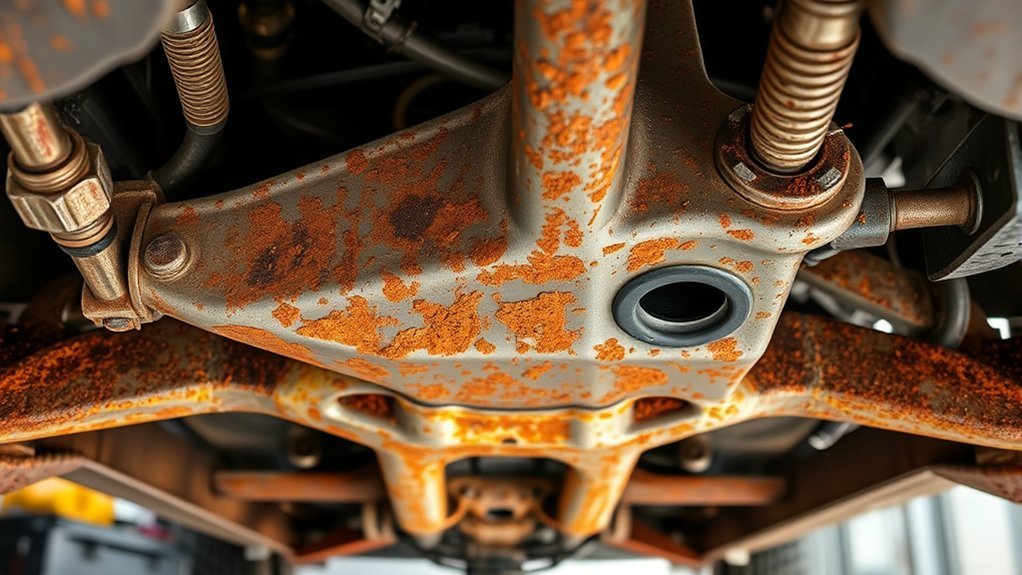
Toyota Tacoma rust can range from harmless surface discoloration to serious frame perforation. Risk increases when road salt, coastal air, mud, and moisture remain on exposed steel or damaged coatings. Because Toyota’s historical frame programs were limited by model year, VIN, and deadlines, you should inspect the individual truck and check its VIN before assuming it has coverage.
Quick Answer
Toyota Tacomas can develop rust, especially older trucks exposed to road salt or coastal moisture. Inspect the frame rails, crossmembers, suspension mounts, leaf-spring hangers, brake and fuel line supports, and spare-tire carrier. Light surface rust may be treatable, but flaking steel, holes, cracks, or weakened mounts require professional inspection before driving.
Key Takeaways
- Road salt, coastal air, trapped mud, standing moisture, and damaged coatings can accelerate corrosion.
- Check the frame near crossmembers, suspension mounts, leaf-spring hangers, fuel-tank supports, and the spare-tire carrier.
- Light orange surface rust differs from deep scaling, perforation, cracking, or weakened mounting points.
- Do not coat over wet metal, loose rust scale, blocked drain openings, or structural damage.
- Use Toyota’s VIN lookup and the NHTSA recall database because model year alone cannot confirm eligibility or repair history.
Note: Toyota’s campaign lookup can show manufacturer service campaigns that may not appear in an NHTSA VIN search. Check both databases and ask a Toyota dealer to review the complete VIN history.
Common Rust-Prone Areas on Tacoma Frames
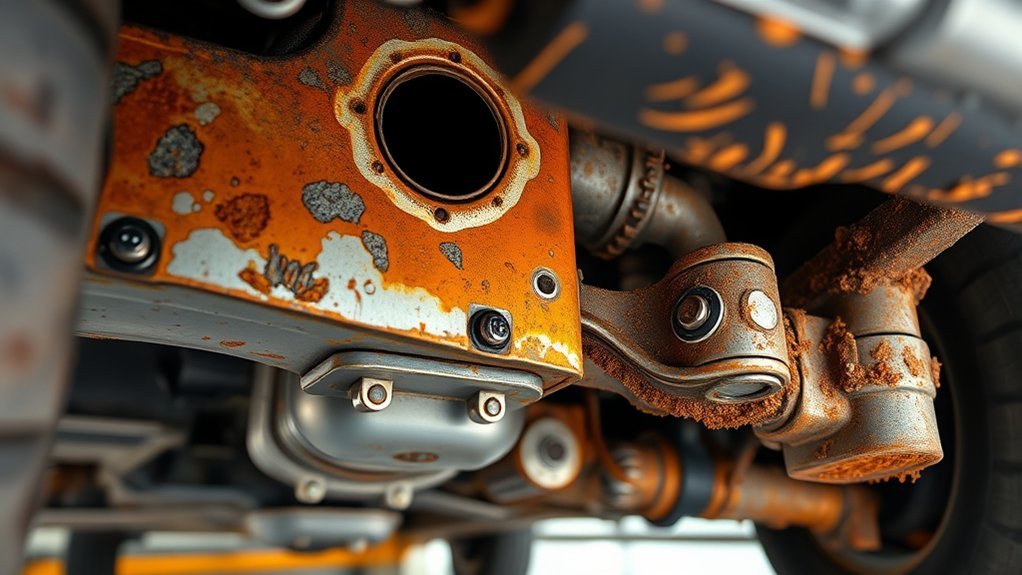
Start your inspection where water, salt, and mud collect or where the frame carries heavy loads. Use a bright flashlight and inspect both the outside and inside faces of accessible frame sections.
- Frame rails behind the cab: Dirt can settle on ledges, seams, and brackets where it remains wet.
- Rear leaf-spring hangers and shackles: These load-bearing mounts deserve close attention for scaling, cracks, or distortion.
- Crossmembers: Inspect the transmission, fuel-tank, bed, and rear crossmembers, including their welds and mounting points.
- Front suspension and control-arm mounts: Rust around a suspension attachment can become a safety concern even when nearby frame surfaces look better.
- Brake and fuel line brackets: Corroded supports can loosen, while rusted lines may eventually leak.
- Spare-tire carrier area: Check the carrier, cable, rear crossmember, and nearby hardware.
- Skid-plate and accessory mounting points: Packed mud behind plates and brackets can retain moisture.
- Drain openings and boxed sections: Confirm that visible openings are not blocked by mud, old coating, or debris.
Look at the entire underbody rather than one famous “problem spot.” A frame can appear clean on the outer face while corrosion develops around a bracket, seam, weld, or hidden inner surface.
Surface Rust Versus Structural Corrosion
Not every orange mark means the frame is unsafe. The depth, location, and effect on the steel matter more than color alone.
| Condition | What It Looks Like | Recommended Action |
|---|---|---|
| Light surface rust | Thin orange or brown film with solid metal underneath and no flaking. | Clean, dry, prepare, and protect the area with a compatible automotive corrosion treatment. |
| Scaling rust | Raised layers, flakes, rough edges, or pieces of metal separating from the surface. | Have the depth and remaining steel thickness assessed before removing material or applying coating. |
| Perforation | Holes, soft sections, enlarged openings, or metal that breaks away with light probing. | Stop DIY treatment and arrange a structural inspection. |
| Structural damage | Cracks, bent mounts, separated welds, severe thinning, or movement around suspension and steering attachments. | Do not continue driving until a qualified professional determines that the truck is safe. |
Warning: Do not drive or tow with a Tacoma that has frame perforation, cracked or shifting suspension mounts, a loose crossmember, severe rust around steering attachments, leaking corroded brake or fuel lines, or metal that collapses under light pressure. Have it transported for professional inspection.
Understanding the Causes of Rust in Toyota Tacomas
Rust forms when exposed iron or steel reacts with oxygen and moisture. Salt and other contaminants make that electrochemical process faster, while trapped dirt keeps the metal wet for longer.
Coating Damage and Trapped Moisture
A sound underbody coating separates steel from water and oxygen. Problems can develop when the coating is chipped, cracked, poorly bonded, or applied over existing contamination. Moisture may enter through a damaged edge and remain hidden beneath material that still looks intact from the outside.
Toyota documented a historical concern involving certain 1995–2000 Tacoma frames that might not have had adequate corrosion protection. Toyota’s March 7, 2008 customer-support announcement covered rust perforation for 15 years from the original sale date with no mileage limit. Toyota also stated that the program was an extended warranty rather than a safety recall.
That announcement should not be treated as proof that every Tacoma or every factory coating is defective. Inspect the individual vehicle, consider where it has been driven, and check its VIN for relevant history.
Environmental Factors That Accelerate Rust
Road salt is one of the strongest risk factors for underbody corrosion. Salt dissolved in water increases electrical conductivity, which speeds the reactions that consume exposed steel. Frequent winter driving can repeatedly coat the frame, brackets, lines, and fasteners with salty moisture.
Coastal air can create a similar chloride-rich environment. High humidity, frequent rain, mud, flooded roads, beach driving, and wet off-road use also extend the time that steel remains damp.
Climate alone does not determine condition. A regularly cleaned northern truck may have less corrosion than a neglected truck from a milder region that spent years near saltwater or carried packed mud inside the frame.
Maintenance Practices That Increase Risk
Corrosion becomes more likely when you:
- Leave winter salt or coastal residue on the underbody for long periods.
- Allow mud, leaves, or gravel to block drain openings and collect around brackets.
- Ignore chipped coatings, exposed seams, and early surface rust.
- Apply thick coating over wet metal, loose scale, dirt, or active corrosion.
- Fail to inspect hidden areas after off-road driving, water crossings, or winter use.
- Assume a clean-looking outer frame face proves that every mount and inner surface is sound.
How Moisture and Salt Accelerate Corrosion
Water allows electrochemical reactions to occur between areas of exposed steel. Dissolved road salt increases the water’s conductivity, so corrosion can progress faster than it would with clean water alone.
Chloride residue can remain in seams and textured surfaces after the visible water dries. When humidity rises or the underbody gets wet again, the residue can attract moisture and restart the corrosion process.
Pitting is especially concerning because it removes metal from concentrated spots rather than producing an even layer of discoloration. Deep pits near a weld, suspension mount, crossmember, or bracket can matter more than broad but shallow surface rust elsewhere.
Pro Tip: During winter, rinse the underbody after significant salt exposure when temperatures allow the truck to dry. Pay attention to frame ledges, wheel wells, crossmembers, and the areas above skid plates instead of spraying only the visible lower surfaces.
The Impact of Undercoating on Rust Prevention
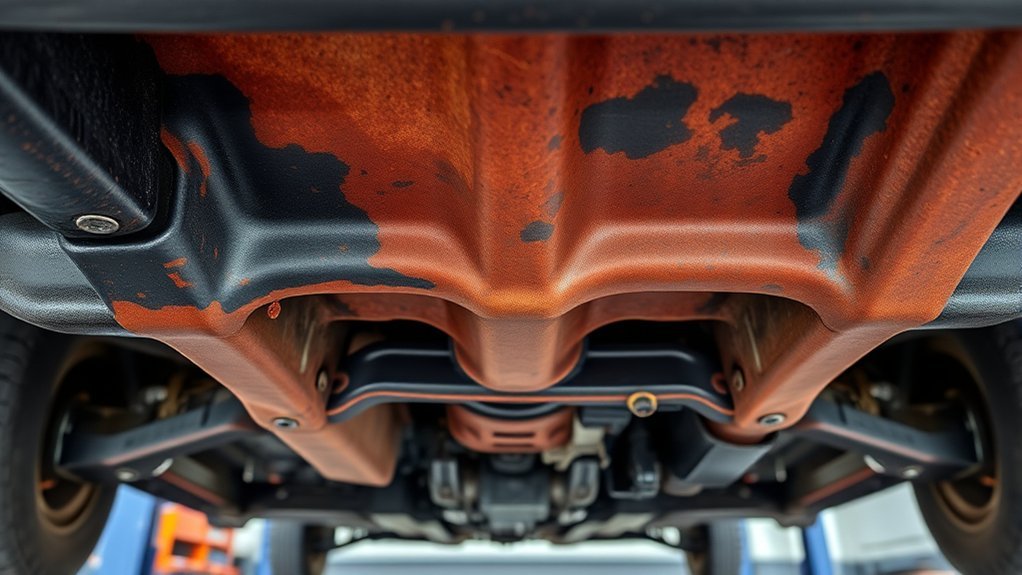
Undercoating can help reduce contact between steel, moisture, and salt, but no coating can restore steel that has already lost structural strength. Its performance depends on surface preparation, product compatibility, coverage, drainage, and future inspection.
Common approaches include durable paint-like coatings and softer oil- or wax-based corrosion inhibitors. A hard coating may resist abrasion well when bonded to properly prepared metal. A softer film may creep into seams and remain easier to inspect or renew. Each product has limitations, so follow its label and confirm that it is suitable for automotive frames, rubber components, wiring, exhaust clearances, and painted surfaces.
- Remove dirt, salt, grease, and loose material before treatment.
- Allow the underbody and enclosed areas to dry completely.
- Keep drain openings, identification labels, and service points accessible.
- Avoid coating exhaust components, brakes, driveshaft surfaces, or areas prohibited by the product manufacturer.
- Inspect the coating regularly for damage, trapped debris, lifting edges, and uncovered areas.
Do not use a fresh coating to hide questionable rust before selling or inspecting a truck. Thick material can make it harder to judge the frame’s actual condition.
[Amazon Products Picked for You]
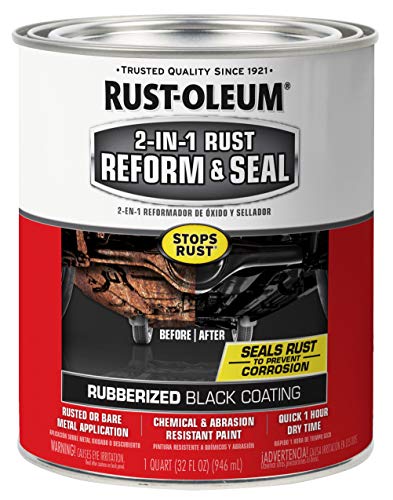
Easy to use spray seals and protects metal surfaces from corrosion and moisture

VERSATILE AUTOMOTIVE UNDERCOATING: Perfect for use on bare or primed metal underbodies of cars, trucks, trailers, RVs and more
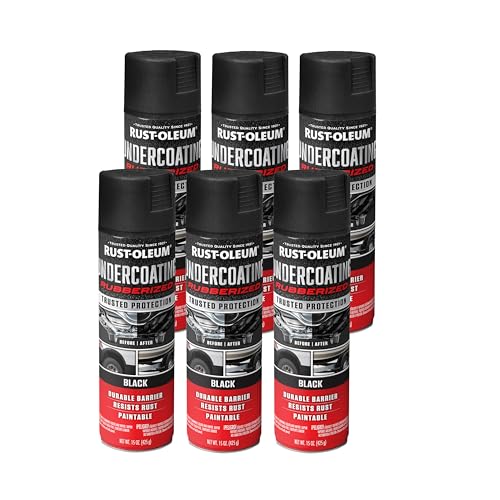
Perfect for use on bare or primed metal underbodies of cars, trucks, trailers, RVs and more
What Tacoma Years Had Frame-Rust Concerns?
Older Tacoma model years have received the most attention, but you should not decide that a truck is safe, defective, or covered based only on its year.
| Model Years | Historical Context | What Owners Should Do Now |
|---|---|---|
| 1995–2000 | Toyota announced a 15-year, unlimited-mileage rust-perforation warranty for certain frames in 2008. That historical coverage period has expired. | Inspect the complete frame and ask Toyota to review the VIN and available service history. |
| Other older Tacomas | Separate corrosion-related recalls, support programs, claims, and repair histories have involved additional older vehicles. Terms and deadlines were not identical. | Do not rely on a year list alone. Check the VIN with Toyota and NHTSA, then inspect the physical truck. |
| Newer Tacomas | A newer model year does not prevent corrosion caused by salt, damage, poor cleaning, coastal exposure, or an unsuitable aftermarket coating. | Inspect based on condition and use history rather than assuming that age alone eliminates risk. |
How to Check Recalls and Service Campaigns
- Find the 17-character VIN at the lower driver-side windshield, registration, title, or insurance record.
- Enter it in Toyota’s Safety Recall and Service Campaign lookup.
- Check the same VIN through the NHTSA recall database.
- Contact a Toyota dealer and request a review of campaign completion and available Toyota service history.
- Keep copies of inspection reports, campaign records, photographs, and repair invoices.
NHTSA explains that its VIN tool may not show completed recalls, some recalls more than 15 years old, or manufacturer customer-service campaigns. A “zero unrepaired recalls” result does not replace a frame inspection.
Proven Methods for Rust Treatment and Prevention
The right response depends on the severity and location of the corrosion. Prevention and cosmetic treatment are appropriate only while the steel remains structurally sound.
| Method | Purpose | Suggested Timing |
|---|---|---|
| Underbody rinse | Removes salt, mud, and debris before they remain against the frame. | After meaningful salt, beach, mud, or off-road exposure. |
| Visual inspection | Finds coating damage, surface rust, scaling, and unsafe structural changes. | At least yearly, and more often in high-salt conditions. |
| Light surface preparation | Removes loose surface oxidation from metal already confirmed to be sound. | As soon as light surface rust is found and the area is dry. |
| Compatible corrosion inhibitor | Adds a barrier against moisture and contaminants. | According to the product instructions and inspection findings. |
| Professional structural inspection | Determines whether scaling, perforation, cracking, or thinning affects safe operation. | Immediately when severe or load-bearing corrosion is found. |
[Amazon Products Picked for You]

Coats metal parts to lubricate and protect against rust and corrosion by blocking out air and moisture. Protects for up to 2 years when used indoors and for up to 1 year when used outdoors

Premium No-Drip Rust Protection: Achieve OEM-matching, long-lasting rust and corrosion protection, resisting rock abrasion and severe weather. This makes it an excellent choice for a durable car undercoating.

The information below is per-pack only
Safe Process for Light Surface Rust
- Inspect before cleaning. Photograph the area and look for holes, cracks, deep scale, bent brackets, or separated welds.
- Lift the truck safely when necessary. Work on a level surface with wheel chocks and correctly rated jack stands at approved lifting points. Never rely on a hydraulic jack alone.
- Wash away contamination. Remove salt, mud, and loose debris without directing high-pressure water into electrical connectors, seals, or sensitive components.
- Let the area dry completely. Applying treatment to damp metal can trap moisture and weaken adhesion.
- Remove only loose surface material. Use a hand wire brush or another method approved for the selected coating. Stop if the steel flakes deeply, opens into a hole, or appears thin.
- Clean the prepared surface. Follow the coating manufacturer’s surface-cleaning instructions.
- Apply a compatible treatment. Keep it away from brakes, exhaust parts, moving surfaces, and any location prohibited by the product label.
- Inspect after curing or settling. Confirm that drains remain open and that the coating has not hidden hardware or service points.
- Recheck periodically. Look for lifting edges, fresh rust, abrasion, and places where road debris removed the protective layer.
A corrosion coating can slow future exposure. It cannot replace missing steel or make a perforated frame structurally sound.
Long-Term Maintenance Tips for Tacoma Owners
Your maintenance schedule should reflect how the truck is used. A Tacoma driven on salted roads every winter needs more frequent cleaning and inspection than a dry-climate truck that remains on pavement.
Seasonal Rust-Prevention Schedule
- Before winter: Inspect existing coatings, repair small chips on sound metal, clear visible drains, and document the frame’s condition.
- During winter: Rinse salt and brine after major exposure when weather permits thorough drying.
- After winter: Perform a detailed underbody wash and inspect frame rails, crossmembers, mounts, brackets, and lines.
- After off-road or beach driving: Remove mud, sand, and salt from skid plates, ledges, wheel wells, and frame openings.
- Before towing or carrying heavy loads: Investigate any scaling or rust around hitch, suspension, and crossmember mounting points.
- Before renewing a coating: Clean and dry the surface, inspect what is underneath, and follow the product’s reapplication instructions.
Inspect the Undercarriage Regularly
Inspect at least once a year under normal conditions. Increase the frequency when the truck sees road salt, coastal air, mud, water crossings, frequent towing, or off-road impacts.
Use photographs taken from the same angles to compare changes over time. Fresh flaking, expanding pits, new cracks, or distortion around a mount matter more than a stable patch of light surface discoloration.
If you cannot see the inner frame surfaces, upper crossmember areas, or metal behind a fuel tank or skid plate, arrange a professional inspection with appropriate lighting and access.
How to Inspect a Used Tacoma Before Buying
A clean body and fresh black undercoating do not prove that a used Tacoma has a healthy frame. Inspect it in daylight or under bright shop lighting and avoid completing the purchase until questionable areas have been evaluated.
- Run the VIN through Toyota and NHTSA before visiting the truck.
- Ask for frame-replacement, corrosion-treatment, recall, and service-campaign records.
- Check whether fresh coating covers dirt, loose scale, hardware, labels, or obvious rust edges.
- Inspect both sides of each frame rail and every accessible crossmember.
- Look closely at spring hangers, control-arm mounts, shock mounts, hitch points, and cab or bed mounts.
- Check brake and fuel lines for heavy corrosion, wetness, swelling, or damaged supports.
- Look for mismatched welds, patches, plates, distorted steel, or undocumented frame repairs.
- Arrange an independent pre-purchase inspection if the truck has lived in a salt-heavy or coastal region.
Walk away from a purchase when the seller will not allow a proper underbody inspection or cannot explain fresh coating placed over questionable metal.
[Amazon Products Picked for You]

Round mirror size: 2 inches in diameter

4 Types in 1 Set: The package includes 2 packs vehicle inspection mirrors and 2 pieces LED inspection mirror, you can choose different style for different occasions, enough to meet your inspection needs

Telescopes from 7-1/2" to 21"
Frequently Asked Questions
Are Toyota Tacomas prone to rust?
Some older Tacomas have well-documented frame-corrosion histories, and any Tacoma can rust after repeated exposure to salt, coastal moisture, mud, or damaged coatings. Condition varies by VIN, climate, maintenance, storage, and previous repairs, so inspect the individual truck rather than judging it only by model year.
Does Toyota have a current Tacoma frame-rust recall?
Recall and service-campaign status is VIN specific. Toyota’s historical 1995–2000 rust-perforation support program was an extended warranty, not a recall, and its 15-year period has expired. Check Toyota’s current campaign database, NHTSA, and a Toyota dealer for the truck’s present status and completed-repair history.
What years of Tacoma have had frame-rust concerns?
Toyota officially announced a corrosion-support program for certain 1995–2000 Tacoma frames in 2008, and additional older Tacomas have been involved in separate corrosion-related actions and claims. Eligibility, remedies, and deadlines varied. Use the VIN and physical frame condition instead of treating every truck from a listed year as defective.
Is light surface rust on a Tacoma frame normal?
A thin layer of surface oxidation can develop on exposed steel without immediately weakening the frame. It still deserves cleaning, preparation, protection, and monitoring. Flaking layers, deep pits, holes, cracks, distorted mounts, or soft metal are not ordinary cosmetic surface rust.
Can a rusted Tacoma frame be repaired?
Light surface corrosion can often be cleaned and protected. Structural repair depends on the location, depth, remaining steel, vehicle condition, local inspection rules, and availability of approved repair procedures or replacement parts. Do not assume that welding a plate over perforation restores the frame safely.
What is the most common problem with a Toyota Tacoma?
No single problem applies to every Tacoma. Common concerns change by generation, engine, transmission, use, and maintenance history. Frame corrosion is a notable issue to investigate on certain older trucks, especially those with long-term salt or coastal exposure.
Conclusion
Tacoma rust prevention starts with knowing the truck’s actual condition. Check the VIN, inspect the complete frame, remove salt and mud, keep drains open, and repair damaged protection while the steel remains sound.
Treat light surface rust early, but do not confuse a fresh coating with a structural repair. Deep scaling, holes, cracks, loose mounts, or corroded safety-related lines require professional evaluation before you continue driving, towing, or carrying heavy loads.
Sources
- Toyota Announces Customer Support Program for 1995–2000 Tacoma Pickups — historical rust-perforation coverage, environmental exposure, and program classification.
- Toyota Safety Recalls and Service Campaigns — current VIN and license-plate campaign lookup.
- National Highway Traffic Safety Administration Recall Lookup — recall searches, complaints, investigations, and VIN-search limitations.
- Toyota Manuals and Warranties — model-specific owner, maintenance, and warranty publications.
