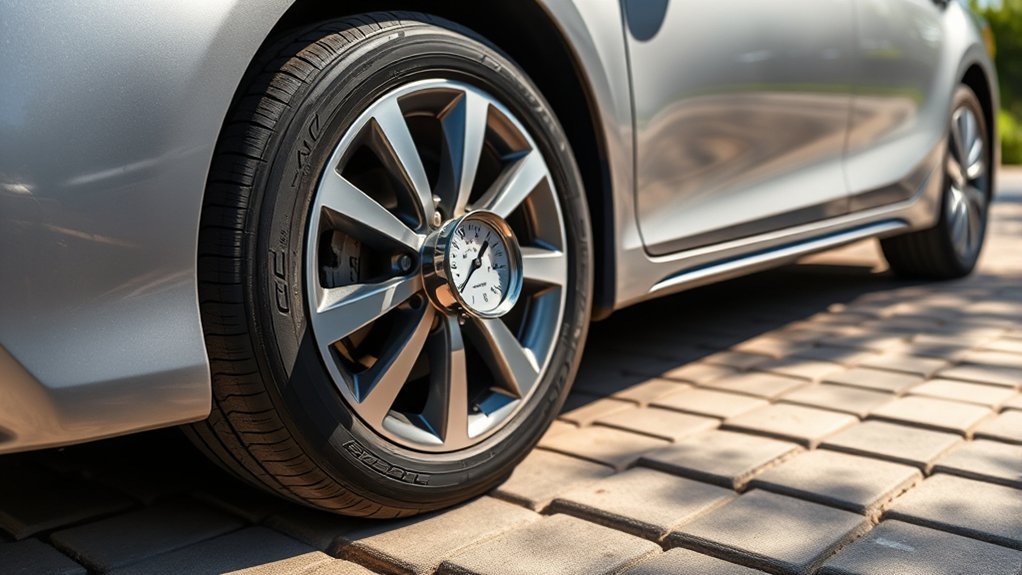
Setting the correct Toyota Camry tire pressure starts with your specific vehicle—not a universal PSI figure. Find the Tire and Loading Information label on the driver’s door jamb, check all four tires while they are cold, and adjust each tire to the front or rear pressure printed on that label.
Quick Answer
Set each Toyota Camry tire to the cold PSI printed on the Tire and Loading Information label inside the driver’s door jamb—not to a universal 32–35 PSI range and not to the tire sidewall maximum. Check with an accurate gauge before driving, adjust all four tires, and initialize TPMS only when your model-year instructions require it.
Key Takeaways
- Use the cold-pressure specification on your Camry’s driver-door placard; front and rear values may differ.
- Do not use the maximum pressure molded into the tire sidewall as your inflation target.
- Check pressure at least monthly, before long trips, and after major seasonal temperature changes.
- A steady TPMS light usually signals low pressure; a light that flashes before staying on usually signals a system malfunction.
At a Glance
| Time Required | About 10–15 minutes |
| Difficulty | Easy |
| Tools Needed | Accurate tire-pressure gauge, air compressor or inflator, and a small tool for releasing air if the gauge lacks one |
Know Your Toyota Camry Tire Pressure

The correct pressure for your Camry is the recommended cold tire inflation pressure printed on the Tire and Loading Information label. Open the driver’s door and look on the door jamb or door pillar. The label lists the original tire size and the required front and rear pressures in PSI, kPa, or both.
Some Camry configurations use pressures in the low-to-mid 30 PSI range, but that is not a safe substitute for reading your own label. Specifications can vary by model year, trim, wheel size, tire package, market, and axle. If the label is missing or unreadable, use Toyota’s official owner’s-manual portal and select the correct year and model.
Which Tire-Pressure Source Should You Trust?
| 1. Driver-door placard | Use this first for the original vehicle configuration. Match the front and rear cold PSI exactly. |
| 2. Exact owner’s manual | Use the manual for the same model year and market if the placard is missing, damaged, or unreadable. |
| 3. Toyota dealer or tire professional | Use this route when the wheel or tire size differs from the placard, or when the vehicle configuration is uncertain. |
| Do not use | A generic internet PSI range or the maximum pressure molded into the tire sidewall. |
Your Camry’s correct tire pressure is the cold-pressure specification on that vehicle’s door placard—not a model-wide PSI range.
Door-Placard Pressure vs. Tire Sidewall Pressure
The number molded into a tire sidewall beside wording such as “maximum pressure” is a tire limit under specified conditions. It is not the pressure Toyota selected for your Camry’s normal handling, braking, ride, and load requirements.
Warning: Never inflate a Camry tire to the sidewall maximum merely because that number appears on the tire. Use the vehicle placard. Do not drive on a visibly flat tire or a tire with a bulge, exposed cord, severe cut, or rapid air loss.
Do the Front and Rear Tires Use the Same PSI?
Often they do, but not always. Read both entries on the placard and set each axle to its listed value. Do not assume the front and rear specifications match, especially when the vehicle has a different tire package or nonstandard equipment.
What About the Spare Tire?
If your Camry has a spare, check it separately. A temporary compact spare typically uses a different—and often much higher—pressure than the four road tires. Follow the pressure printed on the spare or listed in the owner’s manual. Do not set a compact spare to the normal road-tire PSI.
What If Your Camry Has Aftermarket Tires or Wheels?
The door placard describes the vehicle’s original tire and loading configuration. If the installed tire size, load rating, or wheel size no longer matches that configuration, do not choose a new pressure from the replacement tire’s sidewall maximum or from a generic online chart. Confirm the replacement setup and the correct cold operating pressure with Toyota or a qualified tire professional.
How to Check Toyota Camry Tire Pressure
Use an accurate digital, dial, or quality pencil-style gauge. Although newer equipped Camrys can display pressure in the Multi-Information Display, a handheld gauge remains useful for confirming a warning and adjusting pressure precisely.
Check the Tires While They Are Cold
For the most reliable comparison with the door placard, check the tires before driving or after the vehicle has been parked for about three hours. Toyota’s tire-pressure guidance recommends checking before driving or after sufficient cooling because driving heats the tires and raises the reading.
Pro Tip: Check pressure in the morning before the first trip of the day. Keep the same gauge in the glove box or garage so your readings remain consistent.
Step-by-Step Pressure Check
- Park safely: Choose level ground, shift into Park, set the parking brake, and switch the vehicle off.
- Read the placard: Note the specified cold PSI for the front and rear tires.
- Inspect each tire: Look for nails, cuts, cracks, bulges, uneven wear, or a tire that appears lower than the others.
- Remove the valve cap: Put it somewhere clean so it does not get lost.
- Seat the gauge firmly: Press it straight onto the valve stem until the hissing stops and the gauge gives a stable reading.
- Record the result: Compare it with the correct front or rear placard value.
- Repeat on all four tires: Do not check only the tire identified by the dashboard display.
- Check the spare: If equipped, follow its separate specification.
The Toyota tire-pressure guide recommends checking at least monthly, before a long trip, and before carrying a heavy load.
How to Inflate or Release Air Correctly
[Amazon Products Picked for You]

TRUSTED BY OVER 3 MILLION USERS: Based in Garden Grove, California, AstroAI serves customers in more than 15 countries worldwide. Known for professional-grade accuracy and durable construction, this digital tire inflator with gauge is a trusted choice for drivers, mechanics, and DIYers who rely on dependable tools.

Advanced accuracy: Professionally calibrated tire pressure gauges for cars. Accurately measures from 0-100 PSI with a resolution of +/-1 PSI.

ACCURATE MEASUREMENTS: This heavy-duty tire pressure gauge with inflator is manually calibrated to ANSI B40.7 Grade 2A (± 1PSI). It can freely switch between 4 pressure units: PSI, BAR, KPA, and KG/CM².
Adding Air
- Connect the compressor or inflator to the tire’s valve stem.
- Add air in short bursts rather than filling continuously.
- Remove the inflator and recheck with your gauge.
- Stop when the cold reading matches the placard specification for that axle.
- Replace the valve cap snugly by hand.
A small amount of air may escape when you disconnect the hose. Recheck once more if the connector released a noticeable hiss.
Releasing Excess Air
If a cold tire is above the placard value, press the small pin in the center of the valve stem briefly. Many gauges include a pressure-release tip. Release a little air, measure again, and repeat until the reading matches the placard.
Note: Do not bleed a warm tire down to the cold placard value simply because its pressure rose during a drive. Let the vehicle cool and measure it again before making the final adjustment.
If You Must Add Air While the Tires Are Warm
If a tire is clearly low and you cannot wait for it to cool, add enough air to avoid driving underinflated, then perform a final adjustment after the vehicle has been parked and the tires are cold. Never continue driving on a tire that is visibly flat or losing air quickly.
How to Respond to the TPMS Light

The Tire Pressure Monitoring System is a warning system, not a replacement for regular gauge checks. According to NHTSA TireWise, a steady TPMS symbol means at least one tire is significantly underinflated and should be inspected as soon as it is safe to do so.
[Amazon Products Picked for You]
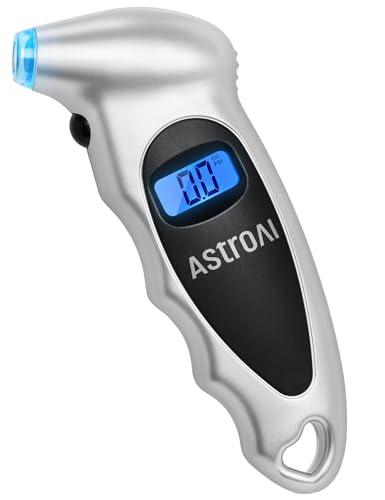
Accurate, Dependable Readings: Factory‑calibrated to ±1 PSI, so you can confidently match your vehicle’s recommended PSI (check the door jamb sticker). Ideal for monthly checks and road trips — consistent results every time, cold or warm.

🌟KEEP YOUR TIRES IN TOP SHAPE: VXDAS GM TPMS Relearn Tool Plus is a 2 in 1 tool that resets your sensor and maintains tire pressure. Works for GM vehicles (Chevy / Buick / GMC / Opel /Cadillac etc)equipped with 315/433 MHz.

[Accurate Real-time Monitoring & Multi-Alert System]: Tymate TM7 tpms sensor can be used to monitor your tires’ pressure and temperature data within robust accuracy of ±1.5 PSI or ±3°F (The units can be displayed as ℃ or ℉ & BAR or PSI). Designed with six distinct alarm modes: high/low pressure, fast leakage, high temperature, sensor low battery, and sensor signal lost. This system is a reliable tool for maintaining tire health, and it is especially beneficial for DIY enthusiasts and pre-owned vehicle markets, where constant vigilance on tire conditions is paramount for safety and vehicle longevity
If the TPMS Light Stays On Steadily
- Slow down and stop in a safe location if the vehicle feels unstable or a tire appears flat.
- Inspect all four road tires for visible damage.
- Measure each tire with a gauge when possible.
- Inflate each tire to its door-placard specification.
- Allow the system several minutes of normal operation to update.
- If the warning remains, recheck the pressures and follow the model-year initialization instructions in the owner’s manual.
If the Light Flashes and Then Stays On
A TPMS light that flashes for approximately 60–90 seconds after startup and then remains illuminated usually indicates a system malfunction. The vehicle may be unable to warn you reliably about low pressure. Check the tires manually and schedule an inspection for the sensors, receiver, or system registration.
If the Light Appears on Cold Mornings
Cold ambient temperatures can lower tire pressure enough to trigger the warning. The light may go out later as the tires warm, but that does not mean the cold pressure is correct. Measure the tires cold and adjust them to the placard value rather than waiting for heat to raise the reading.
How to Reset or Initialize Toyota Camry TPMS
Do not initialize TPMS merely to hide a warning. First confirm that every road tire is correctly inflated and undamaged. Initialization procedures vary by year, so use the instructions for your exact Camry.
2025 Camry Menu Procedure
The 2025 Toyota Camry Quick Reference Guide places TPWS initialization in the Multi-Information Display:
- Open the settings screen in the Multi-Information Display.
- Select Vehicle Settings.
- Select TPWS Setting.
- Select Tire Pressure Setting.
- Choose the specified-pressure option or the current-pressure option as directed by the vehicle’s menu.
- Confirm the selection and wait for the warning light to blink three times and for the setting message to appear.
Only select “current pressure” after the tires have been set accurately while cold. Saving incorrect pressure can prevent the system from warning at the intended level.
Older Camry Models
Depending on model year and instrument panel, an older Camry may use a different Multi-Information Display menu or a physical TPMS reset switch located beneath the dashboard. Do not assume the 2025 steps or a reset-button procedure applies to every Camry. Check the year-specific owner’s manual before initializing the system.
If you need the reset paths separated by control type, see our Toyota Camry TPMS reset guide.
How to Display Individual Tire Pressures
Recent, properly equipped Camrys can show the pressure detected for each tire in the Multi-Information Display. Use the steering-wheel controls to open the vehicle-information or tire-pressure screen. Readings may take a few minutes to appear after the vehicle is switched on.
Some older Camrys provide only a low-pressure warning light and do not show individual PSI readings. If no tire-pressure screen appears in the menu, confirm the feature in the owner’s manual rather than assuming the system has failed.
Temperature Changes and Routine Tire Maintenance
Tire pressure changes with ambient temperature and rises as the tire warms during driving. Seasonal weather changes can therefore cause a previously correct tire to become low when measured cold. NHTSA recommends checking all tires, including the spare if equipped, at least monthly when they are cold; for this purpose, “cold” means the vehicle has not been driven for at least three hours. Natural air loss is another reason to keep the monthly check even when the TPMS light is off.
While checking pressure, inspect:
- Tread for uneven shoulder or center wear
- Sidewalls for cracks, cuts, bubbles, or bulges
- Valve stems for cracking, looseness, or leakage
- Tread for embedded screws, nails, or other objects
- Wheels for bends, corrosion, or impact damage
Do not pull an embedded nail or screw out at the roadside unless you are prepared to install the spare or use an approved emergency repair procedure. Removing it can turn a slow leak into a rapid one.
When to Schedule Tire Maintenance
Arrange professional tire service when:
- A tire repeatedly loses pressure after being inflated correctly.
- One tire is consistently several PSI lower than the others.
- The TPMS light flashes before remaining on.
- The dashboard cannot detect one or more sensors.
- You see a sidewall bulge, deep cut, exposed cord, or severe tread damage.
- The vehicle vibrates, pulls to one side, or develops unusual road noise.
- A wheel or TPMS sensor was replaced and the system will not register it.
- Aftermarket wheels or tires no longer match the original placard configuration.
A continuing loss of pressure can come from a puncture, leaking valve core, damaged valve stem, wheel corrosion, bent rim, or bead leak. Adding air repeatedly without finding the cause can allow the problem to worsen.
[Amazon Products Picked for You]
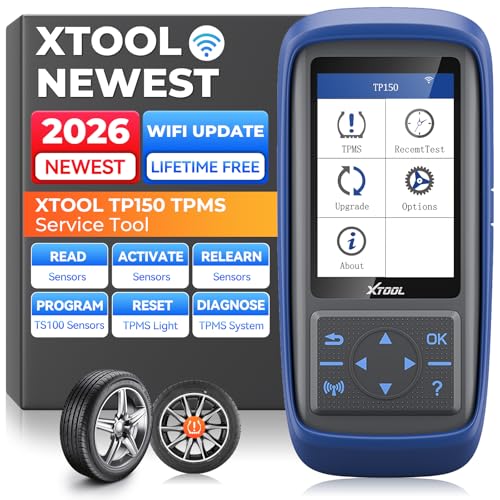
Why XTOOL TP150 TPMS Relearn Tool Stands Out: Perfect for DIYers and professional technicians, the XTOOL TP150 TPMS Reset Tool combines TPMS diagnostics, sensor activation, relearn, reset and sensor programming with XTOOL TS100 Sensors in one portable tool, making common TPMS service easier in one device. Its durable physical button interface is easy to operate with greasy gloves, making it ideal for garages, workshops, or roadside use. Check tire pressure, reset TPMS warning lights, and simplify sensor service with simple, easy-to-use controls. Supports the newest car models with frequent lifetime software updates and 13+ languages. 𝐍𝐎𝐓𝐄: TPMS Programming for XTOOL Sensors Only.
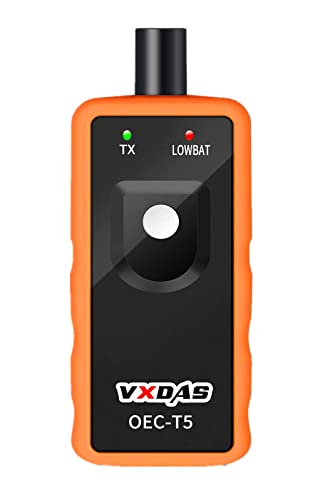
🚗2023 UPDATED FOR WIDER COMPATIBILITY: Specifically designed to work with most GM vehicles 2006-2023 (Chevy / Buick / GMC / Opel /Cadillac and more) equipped with 315/433 MHz. Your vehicle deserves the best tire pressure sensor reset tool.(It is not suitable for heavy trucks with more than 4 tires or vehicles with an external TPMS system.)Tip:Based on factory and customer-tested models shown in A+, please refer to the car model list to confirm compatibility with the VXDAS TPMS tool.
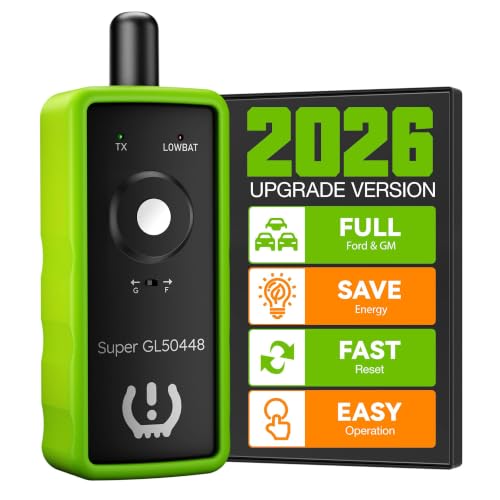
INNOVATIVE 2-IN-1 DESIGN: VXDAS TPMS relearn tool supports for GM and Ford series vehicles, (Buick, Cadillac, Chevrolet, GMC, Lincoln, Mazda, F150, F250, Focus, Fusion, and more). The added "G" and "F" model switch button on top makes it more convenient to use
Frequently Asked Questions
What PSI should Toyota Camry tires be set to?
Set them to the cold front and rear pressures printed on the Tire and Loading Information label inside the driver’s door jamb. Do not rely on a universal Camry range because specifications can vary by year, trim, wheel package, and market.
How do I reset the tire-pressure system on a Toyota Camry?
Correct all tire pressures first. Newer Camrys generally use a TPWS or Tire Pressure Setting menu in the Multi-Information Display, while some older models use a different menu or a physical reset switch. Follow the owner’s manual for the exact model year.
How can I show tire pressure on the Camry display?
On equipped recent models, use the steering-wheel controls to open the tire-pressure or vehicle-information screen in the Multi-Information Display. Pressure values may take several minutes to appear. Older Camrys may provide only a warning light.
Is 40 PSI too high for a Toyota Camry?
Compare the reading with the door placard and consider whether the tire is cold or warm. A cold reading of 40 PSI may be above the specification for many Camrys, but the placard is the deciding reference. Do not release air from a hot tire solely to match the cold value.
Should I check my Camry’s tire pressure when the tires are hot or cold?
Check them cold—before driving or after the vehicle has been parked for about three hours. The placard specification is a cold-pressure value, and driving normally raises the reading.
Why does the TPMS light come on when the weather turns cold?
Lower ambient temperatures reduce cold tire pressure. A tire that was close to the warning threshold may trigger the light overnight. Check every tire with a gauge and adjust it to the placard value while cold.
Do I need to reset TPMS after adding air to a Toyota Camry?
Not always. First set every road tire to the correct cold pressure and allow the system to update. If the warning remains or your model-year manual calls for initialization, use the exact TPWS menu or reset procedure specified for that Camry.
Conclusion
Maintaining Toyota Camry tire pressure is straightforward once you use the right reference. Read the driver-door placard, measure all tires cold with an accurate gauge, adjust the front and rear tires to their listed specifications, and inspect any tire that repeatedly loses air. Treat a steady TPMS light as a pressure warning and a flashing light as a possible system malfunction rather than resetting the system blindly.
Sources
- Toyota: How to Check Tire Pressure — checking frequency, cold-tire readings, inflation steps, and seasonal temperature effects
- Toyota Manuals and Warranties — year- and model-specific specifications and operating instructions
- 2025 Toyota Camry Quick Reference Guide — 2025 Camry TPMS display and initialization procedure
- NHTSA TireWise — TPMS warning behavior, malfunction indications, monthly checks, and tire-safety guidance
