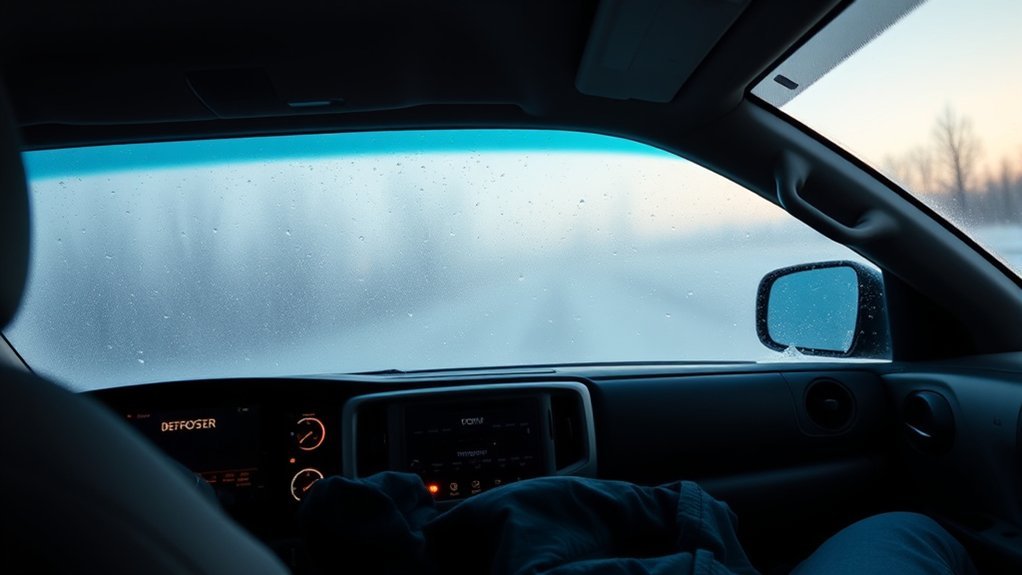
Fogged windows can block your view within seconds, especially during cold, rainy, or humid weather. In most Toyota Tacomas, you can clear the glass by selecting the windshield defogger, turning off recirculation, switching on the A/C, and using moderate-to-warm air. Fog that keeps returning may point to excess cabin moisture, weak airflow, or a water leak.
Quick Answer
To defog Toyota Tacoma windows, select the windshield setting, use fresh outside air, turn on the A/C, raise the temperature to warm, and increase the fan speed. If visibility remains poor, pull over safely. Recurring fog often means wet interior materials, restricted airflow, dirty glass, or an HVAC or water-leak problem.
Key Takeaways
- Use windshield mode, fresh air, A/C, warm temperature, and medium-to-high fan speed for interior fog.
- Turn recirculation off because it can trap moisture from breathing, wet clothing, and damp floor mats.
- If moisture is outside the windshield, use the wipers and reduce the temperature difference across the glass.
- Weak airflow may point to a restricted cabin filter, blocked intake grille, closed vent, or HVAC control problem.
- Persistent moisture or damp carpet deserves inspection for a cabin water leak or drainage problem.
At a Glance
| Time Required | Usually 2 to 5 minutes for normal condensation; longer if the cabin is very damp |
| Difficulty | Easy for normal defogging; moderate diagnosis if moisture keeps returning |
| Tools Needed | Tacoma climate controls and an optional clean microfiber cloth for use while parked |
| Cost | No cost for normal defogging; cleaning supplies, filters, or repairs vary |
Why Are Your Toyota Tacoma Windows Fogging Up?

Your Tacoma’s windows fog when moist air reaches glass that is cold enough for water vapor to condense. Passengers add moisture by breathing, while wet shoes, rain-soaked clothing, snow, and damp floor mats increase the amount of water inside the cab.
Recirculation can make the problem worse because it keeps reusing the same moist cabin air. Fresh-air mode brings in outside air, while the A/C system dries the air before it reaches the windshield. The air can still be warmed after the A/C removes moisture.
Toyota’s 2024 Tacoma Quick Reference Guide directs drivers to use outside air to reduce window fogging. Older Tacoma manuals give similar advice and recommend A/C-assisted heating or cooling for faster clearing.
Is the Moisture Inside or Outside?
Before changing several controls, identify which surface is wet:
- Use the wipers once. If the windshield clears, the moisture is outside.
- Touch a safe corner of the glass while parked. A wet mark on the cabin side confirms interior condensation.
- Check the side windows. Widespread fog on the inside usually points to high cabin humidity.
Interior fog needs dry, fresh air directed at the glass. Outside condensation needs the wipers and a smaller temperature difference between the glass and outdoor air.
Common Causes of Windshield Fogging in a Tacoma
One or more of the following conditions usually explains recurring fog:
- Wet floor mats or carpet: Rain, snow, spilled drinks, or a leak can keep releasing moisture into the cabin.
- Recirculation left on: Moisture from passengers remains trapped instead of being exchanged for outside air.
- Large temperature difference: Warm, humid cabin air condenses against cold glass. In summer, a very cold windshield can also collect moisture on its outer surface.
- Film on the glass: Dust, smoke residue, fingerprints, and detailing products give moisture more material to cling to.
- Restricted airflow: A loaded cabin filter, blocked cowl intake, closed vent, or weak blower can slow the clearing process.
- Water entering the cab: Door, windshield, rear-window, body-seam, or accessory-seal leaks can keep the interior damp.
- HVAC drainage or control problem: Water accumulation, a stuck intake door, or a mode-door problem may prevent the system from managing moisture correctly.
Note: A dirty cabin filter does not create humidity by itself. It can restrict airflow, which makes the windshield take longer to clear.
How to Defog Your Tacoma’s Windows Quickly
Use the following sequence when condensation forms on the inside of the windshield:
- Select the windshield defogger or windshield airflow mode. This sends air toward the front glass and side-window areas.
- Turn recirculation off. Select fresh or outside air. Some Tacoma systems do this automatically when you press the defogger button.
- Turn the A/C on. The compressor removes moisture even when you choose warm air.
- Set the temperature to warm. Warm, dry air heats the glass and lowers the chance of immediate re-fogging.
- Increase the fan speed. Use medium or high speed until the windshield and front side windows clear.
- Use the rear defogger if needed. On equipped models, this may also heat the outside mirrors.
- Open a window slightly only when useful. A brief opening can release moist cabin air if the outside air is drier.
Warning: Do not continue driving if condensation blocks your view of the road, mirrors, pedestrians, or nearby vehicles. Reduce speed and pull over in a safe location until the glass is clear.
Pro Tip: Leave the A/C on after the windshield first clears. Keeping dry air moving across the glass helps prevent the fog from returning a minute later.
[Amazon Products Picked for You]

Instantly removes fog and condensation from auto windows and mirrors

【Elastic and No-scratch】: The car window defogger sponge is made of high-quality sponge, non-woven fabric, and double-sided velvet, which is soft elastic, and scratch-free for cars
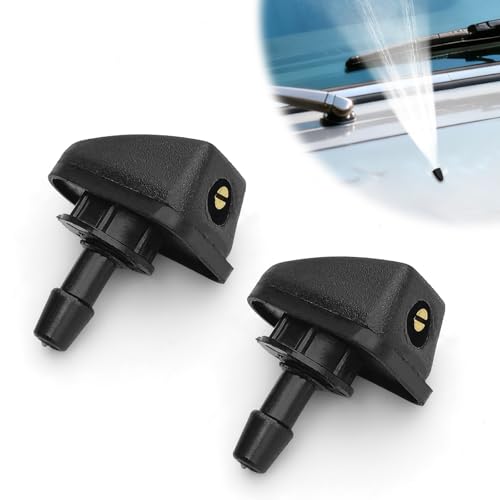
Durable & Waterproof Construction: Crafted from premium materials, these windshield washer nozzles are built to last. This durability also helps extend the life of your wiper blades by providing consistent, gentle cleaning.
Quick Setting Guide
| Condition | Recommended Setting | Extra Step |
|---|---|---|
| Fog inside the windshield | Windshield mode, fresh air, A/C on, warm temperature, medium-to-high fan | Remove wet items and keep airflow running |
| Condensation outside the windshield | Use wipers and slightly reduce cooling or warm the glass | Avoid blowing very cold air against the windshield |
| Frost or ice outside | Windshield defroster, fresh air, A/C on, warm temperature, high fan | Clear loose snow and use a suitable scraper after the glass begins warming |
Clearing Outside Condensation and Frost
Warm, humid outdoor air can condense on a windshield that has been chilled by strong A/C. Use the wipers, raise the cabin temperature slightly, or reduce the cooling directed at the windshield. The goal is to warm the glass enough to stop outside moisture from forming.
For frost or ice, select the windshield defroster and warm the glass gradually. Clear snow from the cowl intake and the rest of the vehicle before driving. Never pour hot water onto frozen glass because sudden temperature change can damage the windshield.
How to Keep Your Windows Clear With Simple Maintenance
Clean glass and a dry cabin reduce how quickly condensation builds. Regular maintenance also helps the HVAC system move enough air across the windshield.
[Amazon Products Picked for You]
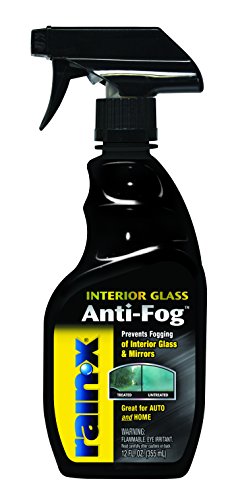

Stay Ahead of Fog: Defy foggy windows with Rain-X Interior Glass Anti-fog spray. Say yes to crystal-clear visibility in any weather, keeping your view unobstructed and your journey safe.

Water Repellent Coating:Our water repellent & rain repellent spray forms a protective layer on the glass surface, preventing water droplets from adhering. This significantly improves visibility during rainy conditions, reducing the need for frequent wiping and ensuring clear vision.
Regular Window Cleaning
Use a streak-free cleaner labeled for automotive glass and a clean microfiber cloth. Wipe one direction on the inside and another direction on the outside. This makes it easier to identify which surface still has streaks.
Toyota’s interior-cleaning guidance recommends automotive glass cleaner and microfiber for interior windows. Toyota also cautions against using glass cleaner carelessly on the rear window because the defogger heater wires can be damaged.
- Spray cleaner onto the cloth instead of soaking the dashboard or window edges.
- Follow the product instructions if your Tacoma has factory or aftermarket tint.
- Use a separate dry cloth for the final wipe.
- Do not wipe the windshield by hand while the truck is moving.
Effective Anti-Fog Solutions
An automotive anti-fog product can reduce condensation on clean interior glass, but it should support the climate controls rather than replace them. Choose a product labeled for automotive glass and compatible with any tint film. Apply it exactly as directed and buff away residue that could cause glare at night.
A clean, dry microfiber cloth is useful for an emergency wipe after you park. Avoid unverified kitchen remedies, including onion or homemade vinegar mixtures, because they may leave residue and are not part of Toyota’s defog procedure.
Reduce Moisture Inside the Cab
- Shake rain or snow from footwear before entering.
- Remove wet jackets, towels, sports equipment, and floor mats when the truck is parked.
- Dry spills promptly instead of covering them with another mat.
- Check beneath rubber or all-weather mats for trapped water.
- Use fresh-air mode for the last few minutes of a damp-weather drive.
- Do not store open containers of water or wet cleaning supplies in the cab.
Check the Filter, Intake, and Vents
If the fan sounds normal but little air reaches the glass, inspect the cabin filter if your model has one. Replace it according to the maintenance guidance for your Tacoma rather than using a single interval for every model and driving condition.
Remove leaves, snow, and debris from the outside intake area near the base of the windshield. Keep dashboard vents open, and make sure bags or other items do not block airflow around the front seats.
User Experiences: What Works?
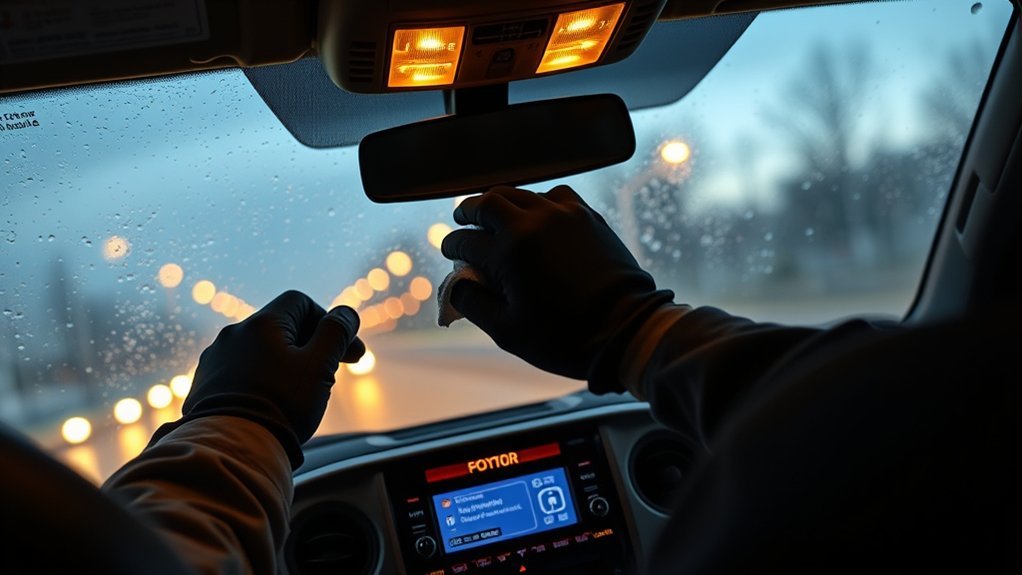
Tacoma owners often try different combinations of heat, A/C, recirculation, and window opening. The most dependable approach is the one Toyota documents: windshield airflow, outside air, active A/C, and enough fan speed to move dry air across the glass.
Effective A/C Settings
Do not assume that the A/C must produce cold air. The compressor can dry the incoming air while the heater raises its temperature. That combination is usually more effective for winter condensation than heat alone.
Automatic climate-control systems may change the fan, air source, and airflow mode after you press the windshield button. Manual systems require you to select those settings yourself. Control layouts vary, so use Toyota’s manuals and warranties portal to find the guide for your Tacoma’s model year.
Temperature Adjustment Tips
Use warm air for interior condensation because it helps warm the glass while the A/C removes moisture. Maximum heat is not always necessary. Increase the temperature and fan gradually until the glass clears without making the cabin uncomfortable.
During hot, humid weather, very cold air directed at the windshield can chill the glass enough to create condensation outside. Use the wipers and raise the temperature slightly if the outer surface keeps becoming wet.
Community-Shared Solutions
Owner experiences can help you identify patterns, but they should not replace the model-year manual. The most practical owner-reported habits also match basic moisture-control guidance:
- Turn off recirculation as soon as fog starts.
- Keep the A/C running while adjusting the temperature warmer.
- Remove wet floor mats and cargo instead of relying only on the defroster.
- Clean the inside glass when it develops a visible film.
- Check airflow and water intrusion when the same problem occurs on every drive.
What to Check When Fog Keeps Returning
Normal condensation should improve within a few minutes once the correct settings are selected. Use the symptoms below when it does not.
| Symptom | Possible Area to Check | Next Step |
|---|---|---|
| Fog clears but quickly returns | Recirculation, wet mats, clothing, cargo, or interior glass film | Use fresh air continuously and remove or dry the moisture source |
| Airflow is weak at every fan speed | Cabin filter, outside intake, blower, or blocked vents | Inspect accessible filters and openings; arrange service if the blower remains weak |
| Air does not switch to the windshield | Mode control, actuator, cable, or control panel | Have the HVAC mode system diagnosed |
| Carpet or padding is damp | Door, glass, body, accessory, or HVAC drainage leak | Dry the area and have the entry point located before mold or corrosion develops |
| A/C does not engage or air never dries | A/C operation, ambient-temperature limitation, refrigerant system, or electrical control | Confirm operation using the manual and schedule HVAC diagnosis if needed |
| Persistent film, unusual odor, or unexplained fluid loss | Possible HVAC or vehicle-fluid issue | Arrange prompt professional inspection instead of repeatedly wiping the glass |
Professional diagnosis is appropriate when the defogger cannot direct air to the windshield, the blower is unusually weak, the carpet remains wet, or condensation returns during every trip despite a dry cabin and correct settings.
Top Anti-Fog Solutions for Immediate Relief
Use these solutions in order. The first options address the cause instead of covering the glass with another substance.
- Use the Tacoma’s defog controls correctly: Windshield mode, fresh air, A/C on, warm temperature, and higher fan speed.
- Remove the moisture source: Take out wet mats, clothing, towels, and gear.
- Clean the interior glass: Remove oily film and residue with automotive glass cleaner and microfiber.
- Vent briefly: Crack a window when outside air is drier than the cabin.
- Apply an automotive anti-fog product: Use it only on clean glass and follow its compatibility and application instructions.
- Inspect recurring problems: Check airflow, intake openings, filters, wet carpet, seals, and HVAC operation.
The fastest dependable fix is dry outside air moving across the windshield, not a household coating or repeated hand wiping.
[Amazon Products Picked for You]

Durable All-Weather Protection: Get long-lasting clarity with our advanced formula. It provides a durable shield that actively fights rain and fog, keeping your windshield and windows clear for months

Superior water repellent coating – The glass water repellent spray forms a protective barrier on the glass surface, causing rainwater to bead up and roll off instantly. During rainy conditions, your visibility is dramatically improved, and you no longer need to wipe the glass repeatedly.
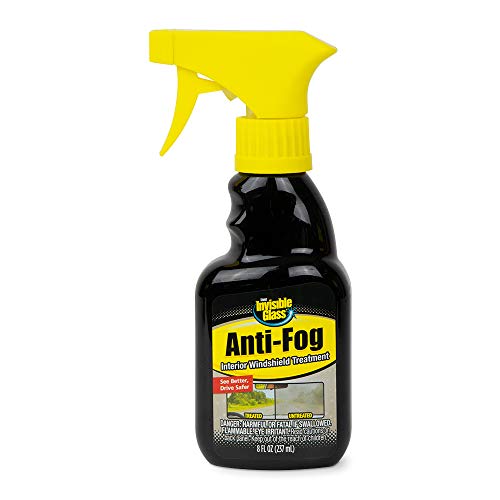
PREVENTS FOGGING: Keep your windows, windshields, and mirrors from fogging up during extreme temperature changes and wet weather to maintain visibility. Less expensive than replacing your defrost or air conditioner.
Frequently Asked Questions
Why are my Tacoma’s windows suddenly fogging up?
A sudden change usually comes from higher humidity, wet clothing or mats, more passengers, recirculation mode, or a sharp temperature difference across the glass. Check whether the moisture is inside or outside before changing the controls.
How do I stop my car windows from fogging up?
Use windshield mode, fresh outside air, A/C, warm temperature, and medium-to-high fan speed. Remove wet items, dry the floor, and clean residue from the interior glass. Keep recirculation off until the cabin moisture falls.
Why does my windshield fog even with the defroster on?
The system may still be using recirculated air, the A/C may be off, the fan may be too low, or the cabin may contain more moisture than the system can remove quickly. Weak airflow, a blocked intake, a dirty filter, or an HVAC control problem can also slow clearing.
How do I defog windows in a Toyota Tacoma?
Press or select the windshield defogger, turn off recirculation, switch on the A/C, choose a warm temperature, and raise the fan speed. Use the rear-window defogger separately when the back glass or heated mirrors need clearing.
Why is the fog on the outside of my windshield?
Outside condensation can form when the A/C makes the windshield colder than warm, humid outdoor air. Use the wipers, reduce cooling directed at the glass, or raise the cabin temperature slightly so the windshield warms.
Why does the A/C turn on when I select the windshield defogger?
Many Toyota climate systems use the A/C compressor during defogging because it removes moisture from the air. The system can then warm that dried air before directing it toward the windshield.
When should I have recurring window fog inspected?
Schedule an inspection when the carpet stays damp, airflow is weak, the system will not direct air to the windshield, unusual odors or film appear, or the glass fogs during every drive despite correct settings and a dry interior.
Sources
- Toyota 2024 Tacoma Quick Reference Guide — current Tacoma climate-control layout and outside-air guidance.
- Toyota 2004 Tacoma Owner’s Manual — dehumidified A/C, fresh-air, interior-defogging, and exterior-defrosting instructions for an older Tacoma.
- Toyota Customer Support: Heating, Ventilation, and Air Conditioning — windshield-defogger and recirculation guidance.
- Toyota: How to Clean Your Car’s Interior — automotive glass-cleaning and microfiber guidance.
- Toyota Manuals and Warranties — model-year-specific owner manuals and operating instructions.
- National Highway Traffic Safety Administration Visibility Research — visibility effects associated with precipitation and window condensation.
Conclusion
Most Toyota Tacoma window fogging clears when you combine windshield airflow, fresh air, active A/C, warm temperature, and enough fan speed. Keep the cabin and glass dry to prevent it from returning. If the defogger has weak airflow or the interior remains damp, inspect the filter, intake, seals, drainage, and HVAC controls rather than relying on repeated wiping or household remedies.
