
For a 2026 U.S.-spec Toyota Tacoma, general scheduled maintenance is due every 5,000 miles or six months, but engine oil and filter replacement is normally due every 10,000 miles or 12 months, whichever comes first. Toyota’s 2026 guide shortens oil service to 5,000 miles or six months for qualifying special operating conditions and repeated sub-five-mile trips below freezing. Older Tacomas can follow different schedules, so always verify the guide for your exact model year and engine.
Last updated: September 19, 2026
Quick Answer
For a 2026 U.S.-spec Toyota Tacoma, replace the engine oil and filter every 10,000 miles or 12 months under normal use. Use 5,000 miles or six months when Toyota’s listed special operating conditions make up most of your driving, or when you repeatedly make trips shorter than five miles below 32°F (0°C). Older model years can differ.
Key Takeaways
- Toyota schedules general maintenance for a 2026 Tacoma every 5,000 miles or six months, even when an oil change is not due.
- The normal 2026 oil-and-filter interval is 10,000 miles or 12 months, whichever comes first.
- Toyota’s 2026 explanation section says qualifying special operating conditions reduce oil service to 5,000 miles or six months, regardless of the oil used.
- Use the viscosity and performance specification listed for your exact model year and engine.
- A red low-engine-oil-pressure warning requires immediate attention and should not be treated as a routine oil-change reminder.
What Are the Recommended Oil Change Intervals for the Toyota Tacoma?

Toyota Tacoma oil-change schedules vary across generations, engines, and markets. You should therefore treat any universal interval as a starting point rather than a substitute for your truck’s Owner’s Manual and Warranty and Maintenance Guide.
The current 2026 Toyota Tacoma Warranty and Maintenance Guide separates general scheduled maintenance from engine oil replacement. Routine maintenance is due every 5,000 miles or six months, but oil and filter replacement normally appears at 10,000-mile intervals.
| Driving or Service Situation | 2026 U.S. Tacoma Interval | What It Means |
|---|---|---|
| Normal oil and filter service | 10,000 miles or 12 months | Use the limit reached first. |
| Qualifying special operating conditions | 5,000 miles or six months | Toyota’s explanation section applies this interval when the listed conditions make up most of your driving. |
| General scheduled maintenance | 5,000 miles or six months | This visit may include inspections and tire rotation without an oil change under normal use. |
| Older or different model years | Model-specific | Check the guide supplied with your truck or Toyota’s online manual portal. |
2026 guide wording: Toyota’s maintenance-chart oil footnote specifically names dirt or dusty roads and repeated trips shorter than five miles below freezing. The later “Explanation of Maintenance Items” is broader and says that driving under any listed Special Operating Condition calls for 5,000-mile or six-month oil service. This article follows that broader Toyota explanation while keeping the chart wording visible so owners can compare both sections.
[Amazon Products Picked for You]

GENUINE OEM: Original Toyota/Lexus factory oil filter part number 90915-YZZN1, ensuring perfect fit and optimal performance for your vehicle

100% Genuine Oil Filters: These oil filters are designed specifically for select Toyota/Lexus vehicles and is manufactured to meet all OEM specifications for quality and performance. These are the latest version of this filter.
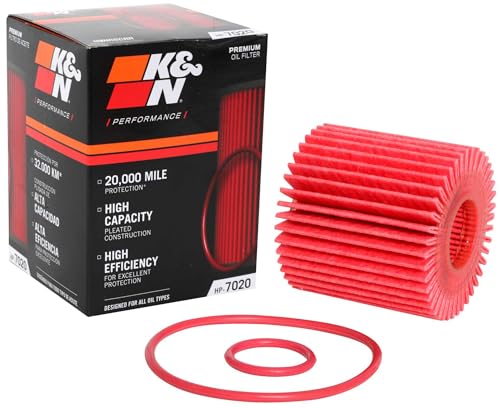
HIGH FLOW RATES: Designed to provide exceptional flow rates and a consistent flow of oil to your engine
How to Find Your Exact Tacoma Schedule
- Confirm the model year. The registration, VIN record, or driver’s-door label can help you verify it.
- Identify the engine. Oil capacity, viscosity, filter type, and service instructions can differ by engine.
- Open the correct maintenance guide. Toyota provides model-specific documents through its Manuals and Warranties portal.
- Check both mileage and time. Follow whichever limit arrives first.
- Classify your normal driving. Use the special-use schedule when the listed demanding conditions make up a significant part of your driving.
Note: A newer Tacoma’s schedule should not be copied to an older truck. Earlier Tacomas may require different oil grades, filters, capacities, or replacement intervals.
Normal Driving Conditions – When to Change Your Oil
For a 2026 Tacoma operated under normal conditions, replace the engine oil and filter at 10,000 miles or 12 months, whichever comes first. Reaching only 6,000 miles in one year does not allow you to ignore the 12-month limit.
Toyota still calls for scheduled maintenance every 5,000 miles or six months. Depending on mileage and equipment, that visit can include tire rotation, fluid-level checks, brake inspection, wiper inspection, and other items listed in the maintenance chart.
Pro Tip: Record the date and mileage of every maintenance visit. A simple log prevents confusion between the 5,000-mile inspection schedule and the normal 10,000-mile oil interval.
Do not extend the schedule because the oil still looks clean or because the truck has spent much of the year parked. Oil service has both a mileage limit and a time limit.
How to Identify When Your Tacoma Needs an Oil Change in Severe Conditions?
Toyota uses the term special operating conditions for demanding use that can require additional or more frequent maintenance. The definitions and the service items tied to them can vary by model year, so read both the chart and the explanation notes for your truck.
The 2026 Tacoma guide lists conditions including:
- Driving primarily on dirt or dusty roads.
- Repeated trips shorter than five miles when temperatures remain below 32°F or 0°C.
- Towing a trailer, using a car-top carrier, or operating with heavy vehicle loading.
- Extensive idling or low-speed driving for long distances, including police, taxi, delivery, and similar use.
In the “Explanation of Maintenance Items,” Toyota says customers who drive under any listed Special Operating Condition, or repeatedly make sub-five-mile trips below freezing, should replace the engine oil and filter every 5,000 miles or six months regardless of the oil used or the vehicle’s certification.
Note: Toyota says these additional special-condition services apply when the majority of your driving occurs under the listed conditions. An occasional dirt road, towing trip, or period of idling does not by itself establish a permanent severe-use schedule.
Does Towing Require 5,000-Mile Oil Changes on a 2026 Tacoma?
Yes, when towing is a regular part of your driving rather than an occasional trip. Toyota lists towing, car-top-carrier use, and heavy vehicle loading as Special Operating Conditions, and its 2026 oil-service explanation says customers who drive under any listed special condition should use the 5,000-mile or six-month oil interval. If you tow only occasionally, Toyota’s guide says the additional special-condition services are generally not required unless most of your driving falls into that category.
Warning Lights Activation
Do not group every oil-related dashboard symbol under the term “oil change light.” Your Tacoma may display a maintenance reminder, while a red oil-can symbol can indicate low engine oil pressure. These warnings require different responses.
- Maintenance reminder: Review the mileage, elapsed time, and model-year maintenance chart. The reminder may correspond to a general 5,000-mile service rather than an oil replacement under normal use.
- Red low-engine-oil-pressure warning: Move to a safe location, shut off the engine, and consult the Owner’s Manual. Continuing to drive can cause serious engine damage.
- Check-engine light: This warning can have many causes and does not, by itself, establish that the oil needs replacement.
Warning: If a red low-engine-oil-pressure light stays on, do not keep driving simply because the oil level appears normal. Low pressure can result from a lubrication-system fault that requires immediate diagnosis.
Oil Condition Monitoring
Check the oil level according to the procedure in your Owner’s Manual, especially before a long trip, after heavy use, or when you notice a leak or warning light. Park on level ground and allow the engine the specified settling time before reading the dipstick.
Do not use color alone to decide whether the oil has reached the end of its service life. Follow Toyota’s mileage and time limits while also watching for signs that require earlier inspection.
| Observation | Possible Meaning | Recommended Response |
|---|---|---|
| Oil below the dipstick’s safe range | Consumption, leakage, or an incorrect previous fill | Add only the specified oil and investigate repeated level loss. |
| Milky or foamy appearance | Possible moisture or coolant contamination | Arrange an inspection before normal driving continues. |
| Visible grit or metallic material | Possible contamination or internal wear | Have the oil and engine inspected rather than relying only on an oil change. |
| Burning odor, smoke, or fresh oil under the truck | Possible leak, overfill, or oil contacting a hot component | Check the level and arrange prompt diagnosis. |
| Dark oil without other symptoms | Not enough information by itself | Continue using Toyota’s time and mileage schedule. |
Laboratory oil analysis can help owners who operate fleets, tow frequently, use modified engines, or want to track contamination trends. It should supplement the official maintenance schedule rather than replace it.
Which Driving Habits Can Shorten a Tacoma Oil-Change Interval?
Your location alone does not create a different Toyota oil-change schedule. What matters is whether your actual use matches the special operating conditions listed for your model year.
For a 2026 Tacoma, regular towing or heavy loading, frequent dirt or dusty-road driving, extended idling or low-speed commercial-type use, and repeated sub-five-mile trips below freezing can move the truck to the shorter oil-service interval described by Toyota. A mostly highway commute generally remains within the normal-use schedule unless another listed condition applies.
Do not shorten the interval merely because of a city name, a hot summer, or ordinary traffic. Compare your routine with Toyota’s exact chart and explanation notes. When your use sits between categories, ask a Toyota dealer or qualified independent technician to interpret the schedule for your specific truck and driving pattern.
Why Regular Oil Changes Are Crucial for Your Tacoma

Engine oil creates a lubricating film between moving parts, carries contaminants toward the filter, and supports heat control inside the engine. Over time, use introduces fuel, moisture, combustion by-products, dirt, and microscopic wear material.
Replacing the filter matters as much as replacing the oil. A fresh filter helps capture particles while maintaining the oil flow required by the engine.
Following the correct schedule can help you:
- Reduce unnecessary wear on bearings, camshafts, turbocharger components, timing components, and other lubricated parts.
- Limit deposits and sludge caused by contaminated or degraded oil.
- Maintain proper lubrication during cold starts and high-load operation.
- Identify leaks, abnormal consumption, and contamination before they cause larger problems.
- Document that the truck received the maintenance required by Toyota.
An oil change cannot repair a mechanical defect or guarantee a particular engine lifespan. It remains one part of a complete maintenance plan that also includes cooling-system, air-filter, brake, tire, and drivetrain service.
Should You Use Synthetic or Conventional Oil for Your Tacoma?
Choose oil by the required viscosity and performance specification, not by the words “synthetic” or “conventional” alone. Toyota directs owners to the model-specific Owner’s Manual for the correct viscosity. The American Petroleum Institute also advises vehicle owners to consult the manual before using general oil-category charts.
[Amazon Products Picked for You]


Advanced protection against the four main causes of engine breakdown: wear friction heat and deposits

Extended Protection Full Synthetic motor oil provides superior protection from deposits, wear, heat and friction – the four major causes of engine breakdown
Synthetic Oil Benefits
A compliant synthetic oil can provide strong low-temperature flow, resistance to high-temperature oxidation, and stable viscosity across a broad temperature range. These qualities make synthetic oil a practical option for many modern engines and demanding operating conditions.
However, synthetic oil does not permit you to exceed Toyota’s maximum interval. The 2026 Tacoma guide states that applicable 5,000-mile or six-month special-use oil service applies regardless of the oil used.
Note: Marketing claims such as “extended performance” do not replace the interval in your Toyota maintenance guide.
Conventional Oil Considerations
Some older Tacoma engines may permit conventional oil when it meets the viscosity and performance standards listed in the manual. Other engines may require a grade that is mainly available as a synthetic or synthetic-blend product.
Do not switch to a thicker oil, an obsolete service category, or an unapproved additive simply to reduce cost or address oil consumption. Diagnose persistent consumption or leakage and follow Toyota’s specified oil requirements.
Before buying oil, confirm:
- The SAE viscosity grade.
- The required API or ILSAC performance category.
- The engine’s refill capacity.
- Whether Toyota provides a temporary alternate viscosity and any limits on its use.
- The correct filter and drain-plug gasket or sealing washer.
DIY Oil Changes vs. Professional Services: Which Is Right for You?
A DIY oil change can work well when you have a level workspace, proper equipment, the correct specifications, and enough experience to complete the job safely. Professional service makes more sense when access is difficult, warning lights are present, the truck has leaks, or you are unsure about its oil requirements.
| Consideration | DIY Service | Professional Service |
|---|---|---|
| Control | You select the oil, filter, and replacement parts. | Ask which products and specifications the shop will use. |
| Safety | Requires safe lifting, hot-oil precautions, and spill control. | The shop supplies lifting equipment and waste handling. |
| Inspection | You must check for leaks, damage, and abnormal oil condition. | A technician may identify related maintenance or repair needs. |
| Records | Keep receipts, product labels, date, mileage, and service notes. | The invoice normally provides a service record. |
Warning: Never work beneath a Tacoma supported only by a lifting jack. Use properly rated ramps or jack stands on a solid, level surface, apply the parking brake, and use wheel chocks.
For a proper DIY service, confirm the oil capacity and viscosity, use the correct filter, install a new sealing washer when specified, tighten components to Toyota’s torque values, run the engine, inspect for leaks, shut it off, and recheck the level as directed by the manual.
Toyota’s 2026 warranty guide says maintenance may be performed by you or by an automotive service provider of your choice. Toyota will not deny a warranty claim solely because you used a nondealer provider. Damage caused by improper maintenance or repairs, however, is not covered.
Keep a record containing:
- The service date and odometer reading.
- The oil brand, viscosity, and performance specification.
- The quantity installed.
- The filter part number.
- Receipts for the oil, filter, gasket, and service.
- Notes about leaks, consumption, warning lights, or unusual material in the drained oil.
Place drained oil in a clean, leak-proof container and take it to an approved collection location. The U.S. Environmental Protection Agency’s used-oil guidance recommends preventing spills and checking with local automotive facilities, waste collectors, or government agencies for recycling options.
[Amazon Products Picked for You]

Exclusive FILTECH media technology screens out and holds on to up to 14 grams of dirt and particles, preventing it from circulating throughout your engine and causing damaging wear that can lead to engine failure

★【 GENUINE OIL FILTER 04152-YZZA1 X 3 ....CANISTER WRENCH】W/ 3 Drain plug Gasket. Enter vehicle into AMAZON FITMENT > TO VERIFY IT FITS YOUR VEHICLE!

Up to 10,000 miles - premium engine protection; 96.5% Dirt Removal Power
Related Guides
Frequently Asked Questions
What are considered severe conditions for a Tacoma oil change?
Definitions vary by model year. Toyota’s 2026 guide lists dirt or dusty-road use, towing or heavy loading, and extensive idling or low-speed use as Special Operating Conditions; its oil-service explanation also includes repeated trips shorter than five miles below freezing. Toyota says the additional schedule generally applies when most of your driving occurs under the listed conditions.
Does towing require 5,000-mile oil changes on a 2026 Tacoma?
Toyota lists towing, car-top-carrier use, and heavy vehicle loading as Special Operating Conditions. Its 2026 oil-service explanation says customers who drive under any listed special condition should use the 5,000-mile or six-month interval. Toyota also says the additional schedule is generally for owners whose driving is primarily under those conditions.
What does Toyota recommend for Tacoma oil-change intervals?
For a 2026 U.S.-spec Tacoma, Toyota specifies 10,000 miles or 12 months for normal oil and filter replacement. Applicable special operating conditions reduce that interval to 5,000 miles or six months. Older model years can differ.
Does a Tacoma need an oil change at every 5,000-mile service?
Not always. Toyota schedules general maintenance every 5,000 miles or six months for a 2026 Tacoma. Under normal use, engine oil and filter replacement occurs at 10,000-mile intervals. Special operating conditions can require oil replacement at each 5,000-mile interval.
Is it okay to go 10,000 miles with synthetic oil?
Yes, when 10,000 miles is the normal interval in your exact Toyota maintenance guide and you have not exceeded the time limit. Synthetic oil does not override a 5,000-mile special-use interval or permit you to exceed Toyota’s schedule.
What oil viscosity does a Toyota Tacoma use?
The correct viscosity depends on the model year and engine. Use the grade and performance specification in your Owner’s Manual rather than relying on a general Tacoma recommendation.
Does changing the oil yourself void a Toyota warranty?
Toyota says maintenance may be performed by the owner or another automotive service provider. A claim cannot be denied solely because a nondealer performed the work. Damage caused by incorrect oil, improper installation, or other faulty maintenance may not be covered, so keep detailed records.
Conclusion
For a 2026 U.S.-spec Toyota Tacoma, the normal oil-and-filter interval is 10,000 miles or 12 months. Toyota’s explanation section reduces it to 5,000 miles or six months when qualifying special operating conditions make up most of your driving, or when you repeatedly make trips shorter than five miles below freezing. General scheduled maintenance still occurs every 5,000 miles or six months.
Before servicing your truck, verify its model year, engine, oil viscosity, capacity, filter, and severe-use rules. Follow the first mileage or time limit reached, respond immediately to a red oil-pressure warning, and keep complete maintenance records whether you perform the work yourself or use a shop.
Sources
- 2026 Toyota Tacoma Warranty and Maintenance Guide — oil-change intervals, special operating conditions, maintenance frequency, oil selection, warranty records, and service-provider guidance.
- Toyota Manuals and Warranties — model-specific Owner’s Manuals and maintenance documents.
- Toyota Warning Lights — dashboard-warning severity and low-engine-oil-pressure guidance.
- American Petroleum Institute Oil Categories — engine-oil performance categories and the importance of consulting the Owner’s Manual.
- U.S. EPA Used-Oil Recycling Guidance — safe collection, storage, and recycling of used motor oil and filters.
