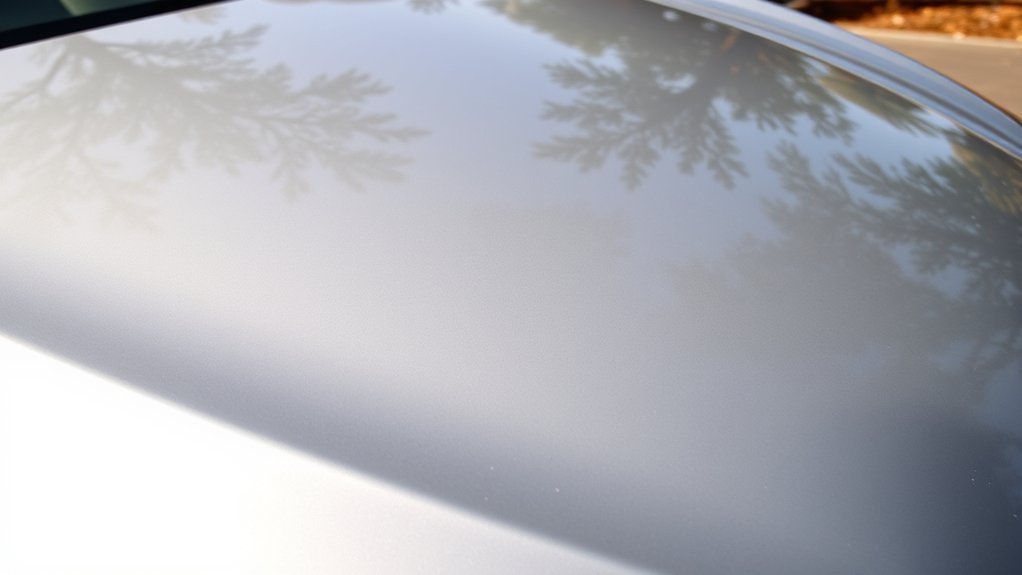
Toyota Camry clear coat failure usually shows up as persistent cloudiness, chalking, flaking, or transparent material peeling from the painted surface. Light contamination, water spots, shallow oxidation, or wash marks may improve with careful cleaning or polishing, but true peeling or delamination normally requires refinishing. On some U.S.-market 2008–2017 Camry and Camry Hybrid vehicles with factory Blizzard Pearl (070) or Super White (040) paint, Toyota Customer Support Program ZKG addressed a separate paint-peeling condition on exterior metal body panels.
Last updated: September 19, 2026. U.S. program details below are based on Toyota Customer Support Program ZKG documents filed with NHTSA; eligibility is VIN- and date-specific.
Quick Answer
If your Camry is only dull, stained, or lightly oxidized, start with safe washing and a small test spot before using any abrasive polish. If the coating is lifting, flaking, or exposing color, primer, or metal, stop polishing and get a body-shop assessment because true delamination normally requires refinishing. For U.S. 2008–2017 Camry or Camry Hybrid vehicles in Blizzard Pearl (070) or Super White (040), ask an authorized Toyota dealer to check Customer Support Program ZKG before paying for repainting; its time-based coverage may already have expired for many vehicles.
Key Takeaways
- Cloudiness, peeling, flaking, or exposed color coat can indicate clear-coat failure, but dirt, mineral deposits, oxidation, and worn wax can produce similar symptoms.
- Wash with automotive shampoo, clean tools, and gentle methods to reduce avoidable scratching.
- Wax, sealant, or ceramic protection may slow weathering on intact paint but cannot reconnect peeling clear coat.
- True delamination usually requires sanding and refinishing by a qualified body shop.
- For U.S. 2008–2017 Camry and Camry Hybrid models in Blizzard Pearl (070) or Super White (040), have an authorized Toyota dealer check ZKG eligibility before paying for repainting; coverage is time-limited and depends on the date of first use.
At a Glance
| Time Required | About 30–60 minutes for washing and inspection; professional refinishing takes longer. |
| Difficulty | Easy for routine care; advanced for paint correction; professional level for peeling-clear-coat repair. |
| Tools Needed | Automotive shampoo, wash mitt, rinse bucket, clean microfiber towels, good lighting, and suitable paint protection. |
| Cost | Routine-care cost varies by product. Refinishing cost depends on panel size, paint color, damage, blending, and local labor rates. |
What Does Toyota Camry Clear Coat Failure Look Like?

Your Camry’s exterior finish normally includes several layers. The clear coat is the transparent upper layer applied over the colored basecoat. It supplies gloss and gives the color layer added resistance to sunlight, moisture, mild chemicals, contamination, and everyday abrasion.
Clear-coat failure occurs when that upper layer deteriorates or separates from the layers beneath it. Early symptoms may include persistent dullness, cloudy patches, chalking, or a rough boundary between healthy and damaged paint. Advanced failure produces lifting, flaking, or peeling that exposes the color coat underneath.
Not every dull surface has failed. Hard-water deposits, embedded contamination, light oxidation, scratches, and exhausted wax can reduce gloss while the clear coat remains serviceable. Correct diagnosis matters because cleaning or controlled polishing may improve surface defects, while delamination normally requires refinishing.
Once clear coat is visibly peeling or flaking, wax and polish cannot bond it back to the paint underneath.
Does Toyota Cover Camry Paint Peeling?
Toyota created Customer Support Program ZKG for certain U.S. vehicles with original factory-applied Blizzard Pearl (paint code 070) or Super White (paint code 040). Toyota’s program documents list 2008–2017 Camry and 2008–2017 Camry Hybrid among the covered model-year groups. The covered condition is paint peeling from exterior metal body panels after adhesion degrades between the factory primer and the base-metal electrodeposition layer. That is a paint-system adhesion failure, not simply a worn top layer of clear coat.
| ZKG Check | What Toyota’s Program Says |
|---|---|
| Camry model years listed | 2008–2017 Camry and 2008–2017 Camry Hybrid. |
| Paint colors | Blizzard Pearl (070) and Super White (040), when factory-applied. |
| Panels | Exterior metal body panels; plastic panels are not covered by this condition. |
| Phase 1–4 coverage term | Primary coverage ran through December 11, 2022; secondary coverage applies for 10 years from the vehicle’s date of first use, regardless of mileage. |
| Who confirms eligibility | An authorized Toyota dealership or Toyota Certified Collision Center must confirm whether the peeling condition is covered. |
As of September 2026, the 10-year secondary period makes eligibility highly dependent on the vehicle’s date of first use. Many earlier Camrys are outside the program window, while a later vehicle may still be within 10 years. Check the VIN, paint code, date of first use, and current dealer records rather than assuming coverage from model year alone. See Toyota’s Customer Support Program ZKG dealer letter filed with NHTSA.
Important distinction: If only the transparent clear coat is failing while the color layer remains bonded, ZKG may not describe your condition. The program addresses a specific factory paint-peeling mechanism on qualifying metal panels, so dealer inspection matters.
Top Reasons Your Toyota Camry’s Clear Coat Fails
Your Toyota Camry’s paint condition reflects several factors rather than one universal cause. Exposure history, climate, washing methods, contamination, previous repairs, coating quality, and storage can all affect how the finish ages.
Harsh Environmental Conditions
Automotive coatings face sunlight, moisture, heat, cold, road film, salt, and airborne chemicals. NIST research on polymeric coatings identifies ultraviolet radiation, temperature, and humidity as major outdoor-weathering variables. That does not mean every faded Camry has a defect, but it explains why exposure history matters when you compare otherwise similar paint. See NIST research on coating weathering factors.
| Environmental Factor | Possible Effect |
|---|---|
| Sunlight and UV exposure | Contributes to chemical weathering, fading, gloss loss, and weakening over time. |
| Heat and repeated temperature changes | Place repeated expansion and contraction stress on an aging or poorly bonded finish. |
| Road salt and coastal salt | Leave deposits and increase corrosion risk where paint is chipped or already exposed. |
| Bird droppings, insects, sap, and road film | Can stain or etch the surface when left in place, especially on hot paint. |
| Outdoor parking | Increases cumulative exposure compared with covered storage. |
Covered parking can reduce exposure, but it does not make paint maintenance unnecessary. Dirt, moisture, and contamination can still collect on a garaged vehicle.
Improper Washing Techniques
Harsh household detergents, dirty wash tools, aggressive scrubbing, and abrasive brushes can create fine scratches and gradually reduce gloss. Washing a hot panel in direct sunlight also allows soap and mineral-rich water to dry before you can rinse them away.
Automatic washes vary. A well-maintained touch-free or modern soft-cloth wash may be convenient, while dirty or aggressive brushes can leave visible swirls. Inspect the facility and avoid any wash that uses visibly worn equipment or allows debris to build up on contact materials.
Lack of Regular Maintenance
Maintenance does not prevent every coating defect, but it helps remove contamination before it becomes difficult to clean. A compatible wax, sealant, or coating can also add a sacrificial layer over sound paint.
Protection durability is not universal. Climate, mileage, washing chemicals, storage, application quality, and the product formula all matter. Follow the product label rather than assuming that every wax must last three to six months.
Previous Repairs and Paint Defects
A panel that was repainted after a collision may age differently from factory paint. Inadequate surface preparation, contamination between layers, incorrect mixing, insufficient curing, or an incompatible product system can contribute to early lifting or delamination.
Compare the damaged panel with adjacent panels. Differences in texture, color, overspray, masking lines, or coating thickness may indicate previous refinishing. These clues do not prove poor work, but they help a body shop decide where to inspect.
How to Spot Clear Coat Damage Early?
Inspect clean, dry paint under bright but indirect light. Dirt and mineral deposits can hide defects, while strong reflections on dirty paint may make normal texture look worse than it is.
| What You See | What It May Mean | Next Step |
|---|---|---|
| Fine circular marks visible in direct light | Wash-induced swirls or shallow scratches | Have the paint safely evaluated before polishing. |
| Roughness that remains after washing | Embedded contamination | Use an appropriate chemical or mechanical decontamination process. |
| Milky, chalky, or cloudy patches | Oxidation, moisture-related damage, staining, or clear-coat deterioration | Ask a detailer or body shop to test a small area. |
| Transparent edges lifting or flaking | Clear-coat delamination | Stop polishing and obtain a refinishing assessment. |
| Color layer or primer exposed | Advanced coating loss | Protect the area from further exposure and arrange prompt repair. |
A standard paint-thickness gauge may help identify panels with unusually high or low total coating thickness. However, common gauges usually measure the combined coating system above the metal, not the clear coat alone. Treat the reading as supporting information rather than a final diagnosis.
Note: Weak water beading does not prove clear-coat failure. Contamination or a worn wax, sealant, or coating can change water behavior even when the factory clear coat remains intact.
The Role of Environmental Factors in Clear Coat Longevity

No single age determines when a Camry’s finish will fail. A vehicle parked outside in a hot, sunny climate may experience different stress from one kept under cover in a mild climate. Humidity, road salt, industrial fallout, washing frequency, prior repairs, and coating quality further change the outcome.
- Reduce avoidable sun exposure: Use covered parking when practical, especially for long-term storage.
- Remove contamination promptly: Soften bird droppings, insects, or sap with a paint-safe cleaner instead of scraping them.
- Rinse winter deposits: Remove road salt from painted surfaces, wheel openings, and the underside according to local conditions.
- Maintain a sacrificial layer: Apply a compatible wax, sealant, or coating to clean, sound paint according to its instructions.
How to Properly Wash and Maintain Your Camry’s Clear Coat
Good washing technique limits the amount of dirt dragged across the finish. It cannot correct a manufacturing defect or reconnect delaminated clear coat, but it can reduce scratches and contamination-related damage on healthy paint.
[Amazon Products Picked for You]
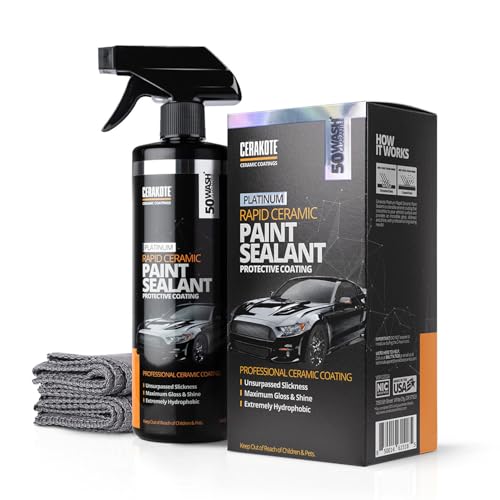
CERAMIC COATING FOR CARS: Delivers an extremely glossy, mirror-like finish on clean paint. Use as a standalone paint sealant or as a quick ceramic topper that deepens color and adds slickness. Not a one-step miracle coating and not a paint corrector

Clean, shine and protect. SHINE ARMOR Fortify Quick Coat combines light cleaning, a glossy finish and water-repellent protection in one convenient waterless detailing spray.

LONG-LASTING PROTECTION: Ceramic wax polymers form a durable shield for your paint, protecting against UV rays, dirt and road contamintants, keeping your car cleaner for longer in between washes
Recommended Washing Techniques
- Work on cool paint. Park in shade and allow hot panels to cool before applying water or cleaner.
- Pre-rinse thoroughly. Remove loose grit from the roof downward before touching the surface.
- Use automotive shampoo. Dilute it according to the label. Avoid household detergents unless the vehicle or product manufacturer specifically approves them.
- Use clean wash media. A clean microfiber or soft automotive wash mitt reduces the chance of dragging grit across the paint.
- Wash from cleaner areas to dirtier areas. Start at the roof and upper panels. Save rocker panels and other heavily soiled areas for later.
- Rinse the mitt frequently. A separate rinse bucket can help release collected dirt before the mitt returns to the shampoo.
- Rinse before the soap dries. Work in manageable sections during warm or windy conditions.
- Dry gently. Blot or glide a clean automotive drying towel over the paint rather than rubbing aggressively.
Pro Tip: Keep separate wash tools for wheels and painted body panels. Brake dust and hard debris collected from wheels can scratch the clear coat if the same mitt is used on both areas.
Essential Maintenance Products
You do not need one specific brand. Choose products designed for automotive paint and use them exactly as directed.
| Product Category | Purpose | Important Limitation |
|---|---|---|
| Automotive shampoo | Lifts routine dirt with appropriate lubrication. | It may not remove bonded minerals, tar, or industrial fallout. |
| Chemical decontaminant | Targets specific deposits such as iron particles, tar, or mineral residue. | Confirm paint compatibility and never combine chemicals unless directed. |
| Clay or synthetic decontamination media | Removes bonded surface contamination after washing. | Incorrect use can mar the paint and does not repair peeling. |
| Polish or compound | Removes a controlled amount of material to reduce correctable defects. | It should not be used on lifting, flaking, or dangerously thin paint. |
| Wax, sealant, or ceramic coating | Adds water repellency and a sacrificial barrier over sound paint. | It does not repair delamination or replace missing clear coat. |
Waxing Frequency Guidelines
Reapply paint protection according to the manufacturer’s instructions and your actual conditions. A vehicle exposed to frequent washing, strong sun, winter chemicals, or outdoor storage may need attention sooner than a lightly driven garage-kept vehicle.
Look for reduced slickness, difficult cleaning, weaker water behavior, or the product’s stated service interval. These observations tell you about the applied protection, not necessarily the condition of the original clear coat.
Effective Products for Preventing Clear Coat Damage
Wax, synthetic sealant, and ceramic coatings protect in different ways and last for different periods. A traditional wax may be simple to apply. A sealant may provide longer chemical resistance. A properly prepared ceramic coating can offer durable water repellency and easier cleaning.
None of these options makes paint scratch-proof, chip-proof, or immune to weathering. Paint-protection film is a separate physical film often installed on high-impact areas to reduce damage from light road debris. It also requires proper preparation and professional-quality installation for the best appearance.
Do not apply a coating over active peeling in an attempt to seal it down. Loose clear coat must be removed during a proper refinishing process, and the remaining layers must be assessed for adhesion and condition.
[Amazon Products Picked for You]
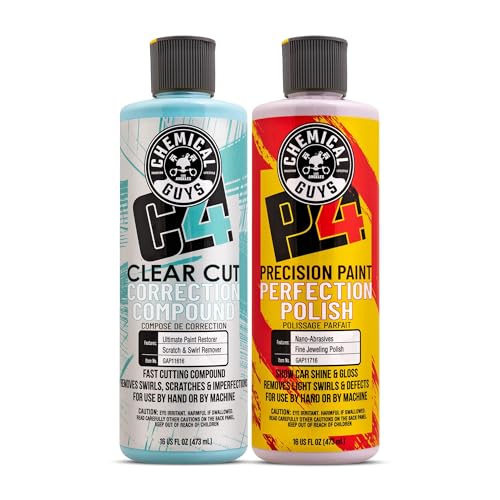
C4 & P4 PAINT CORRECTION COMBO (GAP40016) – Complete 2-step Chemical Guys polishing kit includes C4 Clear Cut Compound for removing defects and P4 Precision Polish for refining paint to a flawless high-gloss finish

BUFF OUT IMPERFECTIONS: Meguiar's Ultimate Compound removes scratches, swirls & oxidation for a clear, perfect finish
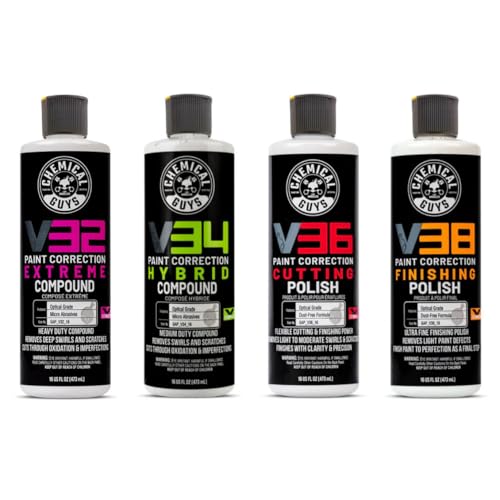
V LINE COMPOUND & CAR POLISHING KIT (GAP_VKIT_16) – Complete 4-bottle system designed to tackle everything from heavy defects to final polishing, restoring paint to a flawless, high-gloss finish
When Should You Think About Professional Detailing for Your Camry?
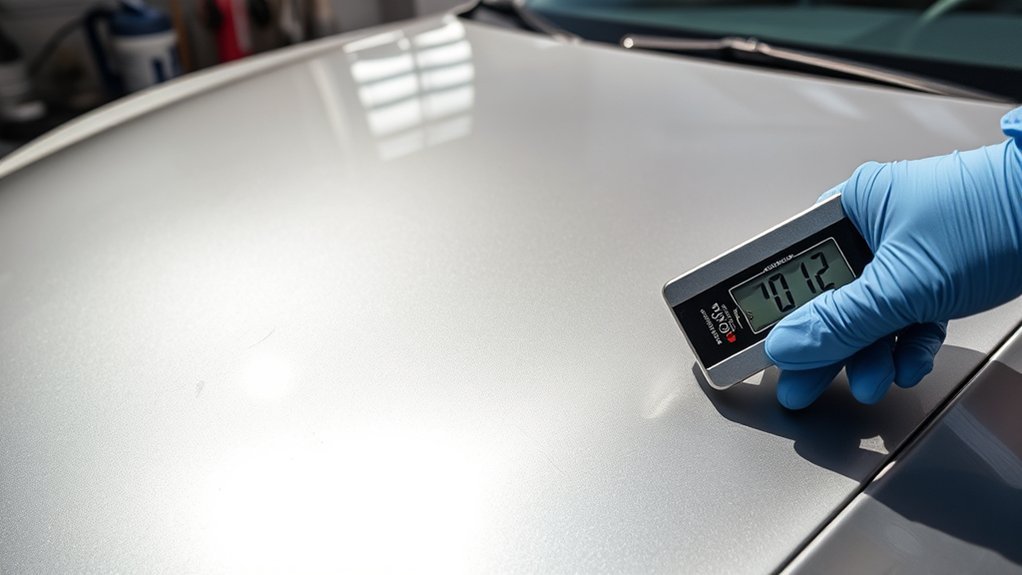
A professional detailer can evaluate contamination, scratches, oxidation, water spots, and other defects that may respond to cleaning or paint correction. A body shop is the better choice when the coating is lifting, flaking, cracked through multiple layers, or exposing the basecoat or primer.
[Amazon Products Picked for You]

Crystal High Clear Gloss: Achieve a breathtaking, showroom-quality shine that transforms your vehicle’s appearance. SENVERN clear coat delivers exceptional clarity and depth, amplifying the color and vibrance of any paint surface. Whether you're restoring a classic or detailing a daily driver, this finish provides a smooth, polished look that rivals professional automotive work.

Crystal High Clear Gloss: Achieve a breathtaking, showroom-quality shine that transforms your vehicle’s appearance. SENVERN clear coat delivers exceptional clarity and depth, amplifying the color and vibrance of any paint surface. Whether you're restoring a classic or detailing a daily driver, this finish provides a smooth, polished look that rivals professional automotive work.

KIT INCLUDES: 1 - 3M Trizact Refining Disc 1000 grit, 3 in/7.6 cm 1 - 3M Trizact Refining Disc 3000 grit, 3 in/7.6 cm 2 - 3M Quick Headlight Clear Coat Wipes 1 - Foam Pad with 3M Hookit Attachment, 3 in/7.6 cm 1- Disposable Glove
Signs of Clear Coat Damage
- Persistent cloudiness: The patch remains after safe washing and decontamination.
- Chalky or rough deterioration: The surface appears chemically weathered rather than simply dirty.
- Peeling or flaking edges: Transparent material visibly separates from the color layer.
- Exposed color or primer: The protective coating system has been lost in the affected area.
- Rapidly expanding damage: A small failed area continues spreading after washing or weather exposure.
Frequency of Professional Inspections
You do not need a universal annual professional inspection. Check the paint whenever you wash the vehicle and after exposure to severe contamination, winter salt, hail, construction debris, or other harsh conditions.
Arrange a professional evaluation when you find peeling, persistent cloudiness, unexplained texture changes, signs of previous bodywork, or a defect that continues to grow. Early assessment may reduce the amount of surrounding paint that needs refinishing, although it cannot always prevent panel repainting.
Benefits of Expert Detailing
A qualified detailer can perform a controlled test spot, determine whether a defect is on or within the coating, and select the least aggressive correction method. This helps avoid unnecessary polishing on paint that is already thin or unstable.
Detailing is not a substitute for refinishing. A trustworthy professional should stop correction and refer you to a body shop when the clear coat has delaminated or the color layer is exposed.
How to Fix Peeling Clear Coat?
Peeling clear coat normally requires refinishing because the adhesion between coating layers has failed. Waxing, hand polishing, machine polishing, or ceramic coating cannot permanently restore the missing bond.
A qualified repair may involve removing unstable material, feathering the damaged edges, preparing the substrate, applying compatible primer or sealer where needed, matching the base color, applying clear coat, curing the finish, and polishing it after the coating has hardened. The shop may need to refinish the full panel or blend color into an adjacent area so the repair does not leave an obvious edge.
| Condition | Likely Response |
|---|---|
| Surface contamination or mineral deposits | Paint-safe cleaning and decontamination may correct the appearance. |
| Light swirls or shallow oxidation with stable coating | A controlled professional polish may improve the finish. |
| Small chip with otherwise stable surrounding paint | A paint-code-matched touch-up may protect the exposed spot, though it may remain visible. |
| Peeling, flaking, or widespread cloudiness | Professional sanding and panel refinishing are usually required. |
| Rust, exposed metal, or failed previous repair | Body repair, corrosion treatment, and complete refinishing may be necessary. |
Warning: Do not spray catalyzed automotive clear coat in an ordinary garage without professional exposure controls. Automotive urethane coatings can involve isocyanate hazards, and OSHA has specific respiratory-protection guidance for spray operations involving isocyanates. Review OSHA’s isocyanate safety information and use a qualified refinishing facility for this work.
Proven Strategies to Prolong Your Camry’s Clear Coat Life
- Wash before contamination builds up: Adjust the schedule for your climate, mileage, parking, and road conditions.
- Use low-friction methods: Pre-rinse, use clean wash media, and avoid scrubbing dry dirt.
- Remove droppings, insects, and sap carefully: Soften deposits with a paint-safe cleaner rather than scraping them.
- Apply compatible protection: Follow the selected wax, sealant, or coating instructions.
- Use covered parking when practical: Reduce cumulative sunlight and weather exposure.
- Repair chips promptly: Protect exposed layers before moisture and corrosion spread.
- Avoid unnecessary polishing: Every abrasive correction removes some coating material.
- Watch repaired panels: Inspect previous collision repairs for lifting edges, color changes, or unusual texture.
How to Keep Your Toyota Camry Looking New?
Use a consistent care routine instead of relying on aggressive correction after damage appears. Keep the car clean, remove harmful deposits promptly, use dedicated automotive products, dry with clean towels, and maintain a suitable protective layer.
Check the hood, roof, trunk lid, mirror caps, panel edges, and upper door surfaces closely because horizontal and highly exposed areas often receive more sunlight and contamination. Also inspect panels that have been repaired or repainted.
For model-specific exterior-care instructions, select your Camry’s year through the official Toyota manuals and warranties portal. Follow the manual when its guidance differs from general detailing advice.
Frequently Asked Questions
What causes clear coat failure on cars?
Clear coat can deteriorate because of long-term UV, heat, humidity, contamination, abrasive care, poor adhesion, incompatible refinishing materials, or previous repair problems. The cause may involve several factors, so appearance alone does not always identify the original failure mechanism.
Why does Toyota clear coat peel?
A Toyota finish can peel when the clear coat or another paint layer loses adhesion. Weathering, previous refinishing, contamination, or a paint-system defect may contribute. Toyota’s ZKG program describes a different specific failure on qualifying Blizzard Pearl (070) and Super White (040) vehicles: adhesion can degrade between the primer and metal electrodeposition layer, causing factory paint to peel from a metal panel.
Can peeling clear coat be polished out?
No. Polishing may improve shallow defects in stable paint, but it cannot reconnect clear coat that is lifting or flaking. Abrasive polishing around a failed edge can remove more material and enlarge the visible damage.
Which Toyota Camry years are listed in paint-peeling program ZKG?
Toyota’s ZKG documents list 2008–2017 Camry and 2008–2017 Camry Hybrid vehicles among the covered model-year groups. The program applies only to qualifying factory-applied Blizzard Pearl (070) or Super White (040) paint on exterior metal body panels, and eligibility is limited by the program’s time terms.
Is Toyota paint-peeling program ZKG still active?
ZKG uses time-limited coverage rather than one permanent eligibility rule. For the Phase 1–4 vehicles that include the Camry groups, primary coverage ran through December 11, 2022, then secondary coverage applied for 10 years from the date of first use regardless of mileage. As of September 2026, many older Camrys are outside that window, so an authorized Toyota dealer should confirm eligibility from the VIN and date of first use.
Will ceramic coating stop clear coat from peeling?
Ceramic coating may protect clear coat that is clean, stable, and properly prepared. It cannot restore adhesion beneath a layer that has already started peeling. Applying it over loose coating may hide the edge temporarily without solving the failure.
How do I find my Toyota Camry paint code?
Toyota commonly prints the exterior color code in the “C/TR” color-and-trim field on the vehicle certification label. Label location and format can vary by model year and market. For ZKG, the relevant factory paint codes are 070 for Blizzard Pearl and 040 for Super White; an authorized Toyota dealer can confirm the factory paint and program eligibility from the VIN.
Conclusion
Toyota Camry clear coat failure requires an accurate diagnosis before you choose a repair. Contamination, worn protection, swirls, and mild oxidation may respond to careful detailing, while peeling or flaking normally requires professional refinishing. If you have a U.S. 2008–2017 Camry or Camry Hybrid in factory Blizzard Pearl (070) or Super White (040), check ZKG eligibility with an authorized Toyota dealer before authorizing paint work.
You can reduce avoidable wear by washing gently, removing contamination promptly, limiting prolonged outdoor exposure, maintaining suitable paint protection, and inspecting repaired or highly exposed panels. When the coating is lifting or the color layer, primer, or metal is exposed, stop abrasive polishing and arrange a professional assessment.
Sources
- Toyota Customer Support Program ZKG dealer letter filed with NHTSA — lists covered Camry model years, paint codes, affected panel type, the described failure mechanism, and coverage terms.
- NIST: Relating Laboratory and Outdoor Exposures of Acrylic Melamine Coatings — supports the roles of ultraviolet radiation, temperature, and relative humidity in coating weathering.
- Toyota Manuals and Warranties — provides model-year-specific owner guidance.
- Toyota Safety Recall and Service Campaign Lookup — provides Toyota VIN-based recall and campaign information where available.
- National Highway Traffic Safety Administration Recall Lookup — provides recall and related vehicle-safety information.
- Occupational Safety and Health Administration: Isocyanates — supports the refinishing safety warning.
