You want a capable mini PC without the bulk of a full tower, but the right choice depends on whether you prioritize gaming performance or a compact retro-style system you can configure yourself. This guide compares two very different mini PCs: a high-performance gaming model with dedicated graphics and a small barebone option for retro gaming, media, office work, and DIY builds.
Important: Check the exact configuration on the product page before ordering. Mini PC listings may switch between barebone and fully configured versions, and those versions can differ in memory, storage, operating system, and wireless hardware.
Affiliate disclosure: This roundup is reader-supported. We may earn a commission from qualifying purchases made through links in this article, at no extra cost to you.
Quick Comparison
|
Best For |
Product |
Main Trade-Off |
|---|---|---|
|
🏆 High-Performance Gaming |
Larger and less upgrade-friendly than a full desktop tower |
|
|
🎨 Retro Barebone Build |
Linked configuration requires RAM, storage, and an operating system |
How We Evaluated These Mini PCs
We compared product category fit, processor and graphics hardware, cooling design, connectivity, storage and memory options, form factor, and the amount of setup required. We also considered who each machine is realistically for rather than treating every compact computer as an equal gaming option.
The AtomMan is the stronger fit for demanding PC gaming because it includes a discrete GPU. The AYANEO is better viewed as a compact, customizable system for retro games, emulation, media, office tasks, and lighter PC gaming. Neither option should be judged only by peak component names: sustained thermals, fan noise, game settings, and the exact seller configuration all affect the ownership experience.
The AtomMan G7 PT solves the main problem that limits many mini PCs: weak integrated graphics. Its Ryzen 9 7945HX processor and Radeon RX 7600M XT discrete GPU make it the more suitable option here for modern PC games, streaming, content creation, and heavier multitasking.
Its compact vertical design saves desk space, but it is still a performance-focused machine with the usual small-form-factor trade-offs. Fan noise may rise under sustained gaming loads, and a full-size desktop can offer easier long-term GPU upgrades. Choose this model because you value compactness and ready-to-use gaming power, not because it replaces every advantage of a tower.
Why You’ll Like It
You get a 16-core, 32-thread mobile-class processor, dedicated 8GB graphics, fast DDR5 memory, and a 1TB SSD in one compact system. HDMI 2.1, DisplayPort 2.0, USB-C, Wi-Fi 7, Bluetooth 5.4, and 2.5Gb Ethernet support modern monitors, networks, and peripherals.
Who Should Buy This
It is a strong fit for gamers who want a smaller alternative to a tower, creators who need substantial CPU performance, and buyers building a clean desk or living-room setup around a compact Windows PC.
Who Should Avoid This
Skip it if you need desktop-class component swapping, near-silent operation under heavy load, or the smallest possible chassis. It is also more computer than you need for basic browsing, streaming, and office work.
Key Benefits
- Ryzen 9 7945HX processor for demanding multitasking and productivity
- Radeon RX 7600M XT discrete graphics with 8GB of dedicated memory
- 32GB DDR5 RAM and a 1TB PCIe 4.0 SSD in the linked configuration
- HDMI 2.1, DisplayPort 2.0, USB-C, Wi-Fi 7, Bluetooth 5.4, and 2.5Gb Ethernet
- Compact vertical design for gaming desks and media-center setups
Check Product Details on Amazon
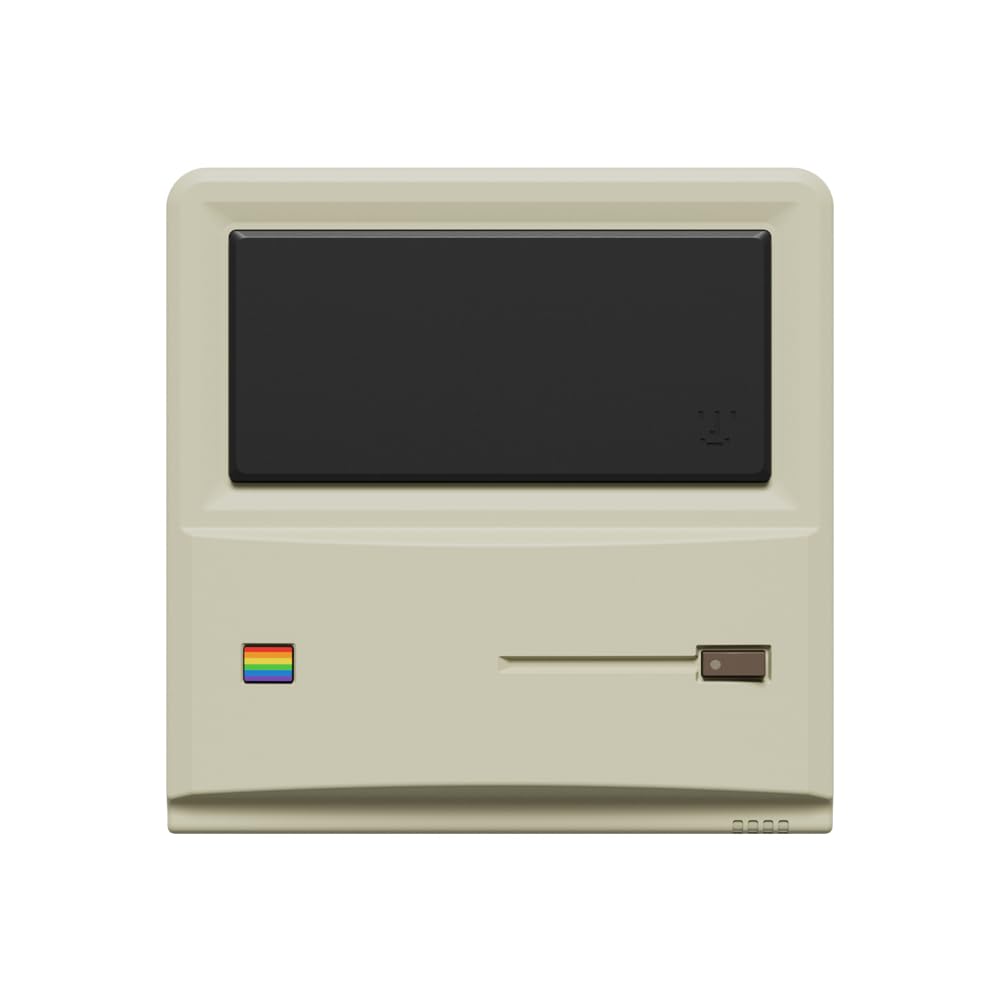
The AYANEO AM01 gives you a small, distinctive chassis for a custom compact PC. Its Ryzen 7 5825U is well suited to everyday productivity, media playback, emulation, retro games, indie titles, and lighter PC gaming, while the retro design gives it more personality than a generic black mini PC.
The linked configuration is barebone. It does not include RAM, storage, or an operating system, so you must budget for compatible components and complete the setup yourself. Its integrated graphics are also not intended to compete with a discrete gaming GPU in demanding modern titles.
Why You’ll Like It
You can choose your own DDR4 memory and storage rather than paying for a fixed configuration. The system supports an M.2 2280 drive and a 2.5-inch SATA drive, giving you a practical upgrade path for a media library, retro game collection, or general-purpose compact computer.
Who Should Buy This
It suits DIY-minded buyers, retro-gaming fans, home-office users, and anyone who wants a small PC that looks intentional in a living room or themed setup.
Who Should Avoid This
Avoid it if you want a computer that works immediately out of the box, need high-end AAA gaming performance, or expect USB4-class external expansion. The USB-C port is for data rather than display output or power delivery.
Key Benefits
- Retro-inspired design in a compact 1-liter-class chassis
- Ryzen 7 5825U processor for everyday work, media, and lighter gaming
- Dual DDR4 slots with support for user-selected memory
- M.2 2280 PCIe 3.0 plus 2.5-inch SATA storage support
- HDMI 2.0, DisplayPort 1.4, Wi-Fi 6, Bluetooth 5.2, and Gigabit Ethernet
Check Product Details on Amazon
Before You Buy a Mini PC
- Confirm the configuration: Check whether the listing is barebone or includes RAM, storage, Windows, and a wireless card.
- Match the GPU to your games: Integrated graphics are practical for retro games, esports, indie titles, and lighter settings; demanding modern games benefit from a discrete GPU.
- Check display outputs: Verify that the HDMI, DisplayPort, or USB-C ports support your monitor count, resolution, and refresh rate.
- Plan for cooling: Leave clearance around the vents and expect performance-oriented systems to become more audible under sustained load.
- Review upgrade access: Confirm the number and type of memory and storage slots before buying components.
FAQ
Are Mini PCs Good For Gaming?
Yes, but gaming performance depends heavily on the graphics hardware. A model with a discrete GPU is the safer choice for demanding modern games, while an integrated-graphics mini PC is better suited to retro games, emulation, indie titles, esports, cloud gaming, and reduced settings.
Look beyond peak benchmark claims. Cooling, power limits, memory configuration, drivers, and sustained performance all affect frame rates during longer sessions.
Is a Barebone Mini PC Ready to Use?
No. A barebone mini PC normally requires compatible memory and storage, and it may also require an operating system and wireless hardware. Read the exact listing carefully because similarly named configurations can include different components.
How Upgradeable Are Mini PCs?
Upgradeability varies by model. Many mini PCs allow RAM and storage upgrades, but the processor and graphics hardware are usually fixed. Confirm the memory type, maximum supported capacity, number of M.2 slots, availability of a 2.5-inch drive bay, and whether opening the chassis affects warranty coverage.
Will Mini PCs Run Quiet And Cool?
They can be quiet during light work, but compact cases have less room for airflow than towers. Performance-focused mini PCs may become audible during gaming or rendering, while poor ventilation can reduce sustained performance.
Keep vents unobstructed, leave space around the chassis, update firmware and drivers, and use balanced power settings when lower noise matters more than maximum speed.
Which of These Two Mini PCs Should You Choose?
Choose the AtomMan G7 PT when gaming performance and heavy multitasking are the priorities. Choose the AYANEO AM01 when you want a smaller retro-style barebone system for emulation, media, office work, and a customized component build.
Wrapping Up
These two mini PCs target different buyers. The AtomMan G7 PT is the better fit for modern gaming and demanding workloads because it combines a high-core-count Ryzen processor with dedicated Radeon graphics. Its trade-offs are a larger performance-oriented chassis, more fan activity under load, and less component flexibility than a conventional desktop tower.
The AYANEO AM01 is the more distinctive and customizable option for retro gaming, emulation, media, and everyday computing. Remember that the linked version is barebone, so the final cost and setup time must include memory, storage, and an operating system.
| Product Name | Image | CPU Model & Speed | Graphics | Memory & Storage | Connectivity |
|---|---|---|---|---|---|
| AtomMan G7 PT Mini Gaming PC |
 |
AMD Ryzen 9 7945HX, up to 5.4 GHz | AMD Radeon RX 7600M XT, 8GB GDDR6 | 32GB DDR5 RAM, 1TB PCIe 4.0 SSD; two M.2 storage slots listed |
|
| AYANEO AM01 Retro Mini PC |
 |
AMD Ryzen 7 5825U, 2.0 GHz base clock | Integrated AMD Radeon graphics | Barebone: RAM and storage not included; dual DDR4 slots, M.2 2280 PCIe 3.0, and 2.5-inch SATA support |
|
This roundup is reader-supported. When you click through links, we may earn a referral commission on qualifying purchases.
