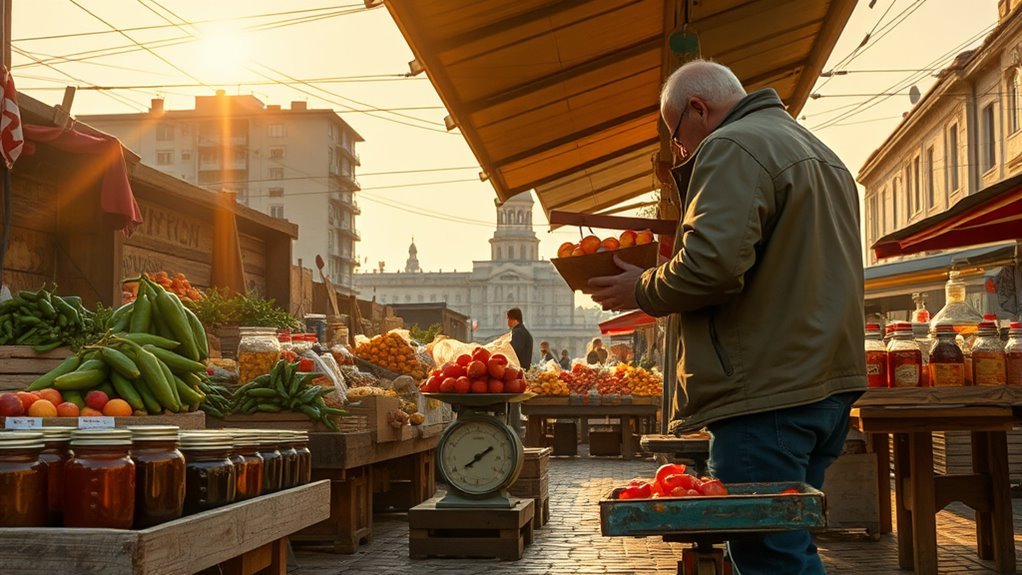
Serbia is a budget-friendly destination with prices that can feel invigoratingly low. The Serbian dinar is the official currency, and cash matters in shops, cafés, and markets. Solo travelers usually find the country safe and welcoming, with friendly locals and a relaxed pace. Meals, coffee, and rakija are affordable, especially outside Belgrade. Cities like Belgrade, Novi Sad, and Niš offer strong value, and smart planning can stretch every dinar further while revealing more.
Key Takeaways
- Serbia uses the dinar (RSD), and cash is essential for small shops, cafés, and markets.
- Budget travel is affordable, with meals often costing $5 to $15 and hostels under $20.
- Belgrade is lively and pricier, while Novi Sad, Niš, and smaller towns offer cheaper, calmer options.
- Serbia is generally safe for solo travelers, with friendly locals and a welcoming hospitality culture.
- Public transport is cheap and reliable, and withdrawing dinars early can help avoid poor exchange rates.
What to Know About Serbian Dinars and Prices
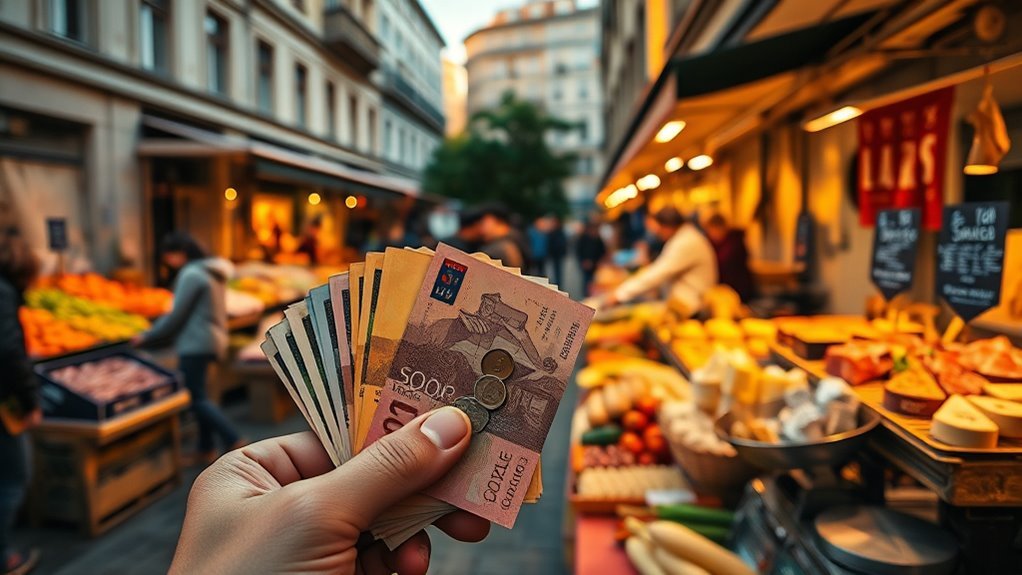
Serbia’s official currency is the Serbian dinar (RSD), and while the exchange rate is roughly 1 RSD to 1 USD, visitors may find the euro slightly more favorable in practice.
The Serbian Dinar anchors daily exchange, but prices often feel light compared with Western Europe. Budget rooms can fall under $20, and generous meals deliver real value, giving travelers more room to choose freely.
Budget rooms can fall under $20, and generous meals deliver real value, making Serbia refreshingly affordable.
Cash remains essential in many local shops, cafés, and markets, even when cards work in larger cities. It is wise to withdraw local money soon after arrival, since some taxi drivers resist euros and may inflate fares when they are offered.
A small reserve of cash also covers the customary 10 percent tip for meals and services. For those seeking autonomy, Serbia rewards practical spending habits: know the prices, carry cash, and move through transactions with confidence.
Is Serbia Safe for Solo Travelers?
For solo travelers, Serbia is generally considered a safe and welcoming destination. Reports of serious safety problems are minimal, and many solo travelers describe feeling at ease from the first arrival. In Serbia, hospitality is not a performance; it is a lived habit. Friendly locals often offer directions, conversation, and cultural insight, creating space for independence without isolation. That openness stands apart from the cooler attitudes found in some European destinations.
| Signal | Meaning | Effect |
|---|---|---|
| Warm greetings | Local openness | Builds trust |
| Low incident reports | Stable safety | Reduces anxiety |
| Social curiosity | Cultural exchange | Deepens freedom |
For solo travelers seeking movement on their own terms, Serbia offers a practical balance of safety, dignity, and human connection. The atmosphere supports wandering, meeting others, and exploring with confidence, while staying alert as in any country.
What Serbian Food, Cafes, and Rakija Cost
What does a meal in Serbia actually cost? For a first time visitor, the answer is often pleasantly low. A hearty plate at a local restaurant usually runs from $5 to $15, and the portions are built for real hunger, not restraint.
Traditional dishes like ćevapi and sarma appear on generous platters, often meant for sharing, which keeps dining out social and affordable. In cafes, coffee commonly costs $1 to $3, making long conversations and slow mornings easy to sustain.
Generous platters of ćevapi and sarma make dining out social, affordable, and built for sharing.
Rakija, the sharp local spirit that often anchors the table, usually sells for $2 to $4 a glass, so trying it does not demand excess. Urban spots such as Belgrade may be a little pricier than rural ones, yet the difference remains modest.
Compared with many Western European cities, Serbia still offers a freer, cheaper rhythm of eating, drinking, and gathering.
Which Serbian Cities Are Worth Visiting?
After the easy affordability of food and drink, the question becomes where that value feels most rewarding to explore.
Belgrade answers with motion: a capital of late-night energy, the Belgrade Fortress, and Skadarlija’s old-world streets, where history and improvisation meet.
Novi Sad offers a calmer release, with EXIT festival spirit, Petrovaradin Fortress, and a Danube riverside that feels open and unforced.
Niš adds depth through age, with the Niš Fortress and the stark Skull Tower marking centuries of survival.
For quieter discovery, Sremski Karlovci is among the best Hidden Gems, pairing baroque façades, 15 wineries, and the Museum of Beekeeping.
Vršac slows the pulse further, with its castle, vineyards, and rural ease.
Things To Know: each city reveals a different tempo, from restless capital to reflective wine town, giving travelers a clear map of Serbia’s most rewarding stops.
How to Save Money on a Serbia Trip
Stretching a travel budget in Serbia is relatively easy, because the basics remain pleasantly inexpensive. Smart travelers can find accommodation with ease: hostels often cost under $20, while boutique hotels may hover near $100, still far below many European capitals.
Dining out is equally forgiving. Portions are generous, traditional dishes are hearty, and sharing plates lets visitors sample more without excess spending.
Public transportation is another quiet victory for freedom-minded explorers, with buses offering reliable, low-cost movement across cities and between regions, often cheaper than taxis. Cash also matters; withdrawing Serbian dinars early can prevent poor exchange rates and fees when paying for small purchases or tips.
For deeper value, local experiences such as culinary tours and visits to kafanas deliver culture, conversation, and flavor at reasonable prices, turning modest spending into rich, unforced discovery.
Frequently Asked Questions
What to Bring Home From Serbia?
From Serbia, one may bring handcrafted souvenirs, traditional snacks, and local wines. Rakija, pottery, embroidered textiles, honey, and jams offer vivid reminders of shared tables, living craft, and liberated tastes worth carrying home.
What to Be Careful of in Serbia?
One should beware of taxi overcharging, smoky restaurants, uncertain tap water, and miscounted change. Cultural differences, Local regulations, and Property rights also matter; withdrawing dinars, confirming fares, and favoring buses help preserve freedom and safety.
Is Serbia Good for Shopping?
Yes—despite assumptions of limited choice, Serbia suits shoppers well. Its shopping districts mix international labels with local markets and traditional crafts, offering vivid bargains, authentic souvenirs, and a liberating range of affordable finds.
Is Serbia Cheap for American Tourists?
Yes, Serbia is cheap for American tourists. A favorable cost comparison, weak local currency, and modest travel budget stretch dollars far; meals, transit, and lodging stay affordable, leaving room for exploration and freedom.
Conclusion
Serbia leaves a traveler with the feel of warm pavement, clinking dinars, and the sharp scent of roasted meat drifting from a café doorway. Its cities—Belgrade’s restless pulse, Novi Sad’s calm grace, and the quiet edges beyond—offer both value and surprise. With a little caution, and a modest budget, the country opens easily: safe enough, flavorful enough, and affordable enough to invite one more walk, one more meal, one more glass of rakija.
