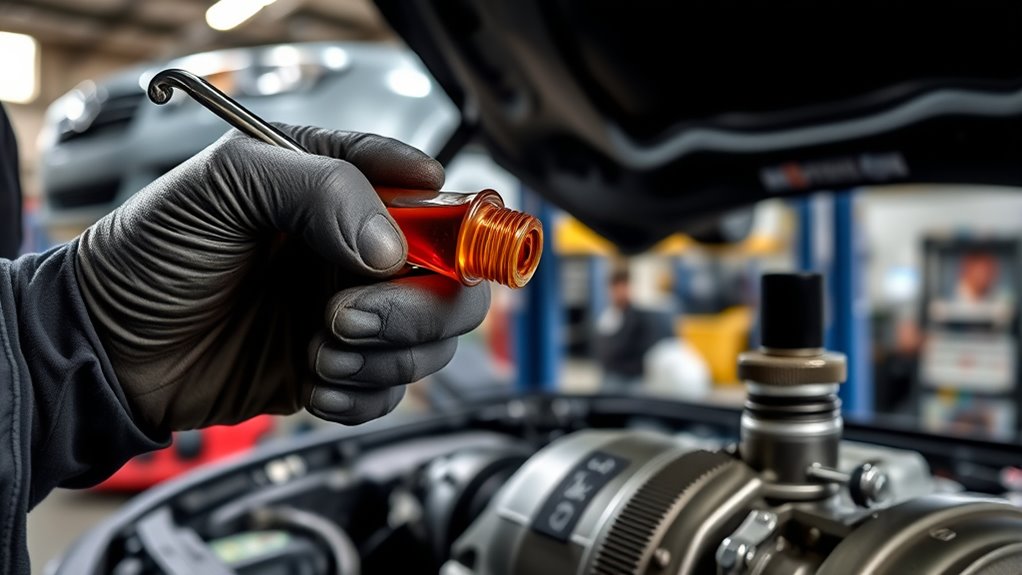
Transmission oil change intervals depend on the gearbox type and how the vehicle is used. Automatic transmissions often need fluid changes between 50,000 and 100,000 km, with 50,000 km serving as a safe preventive point. Manual transmissions may go 50,000 to 90,000 km, or closer to 30,000 km under heavy use. The exact answer is not universal, and the next factor can shift the schedule more than most owners expect.
How Often Should You Change Transmission Fluid?

Transmission fluid change intervals vary by transmission type and use conditions. For most automatic units, a change transmission fluid service is commonly advised between 50,000 and 100,000 kilometers, with 50,000 kilometers serving as a prudent preventive point.
For most automatic units, transmission fluid service is commonly advised between 50,000 and 100,000 kilometers.
The Automatic Transmission Rebuilders Association also supports 50,000 kilometers, or about two years, for steady performance. Manual gearboxes usually follow fluid change intervals of 50,000 to 90,000 kilometers.
Under heavy loading, towing, stop-and-go traffic, or extreme heat, both types may need service nearer 30,000 kilometers. These intervals help preserve shift quality, lubrication, and component life.
The owner’s manual remains the authoritative reference because manufacturer requirements differ by make and model. For a liberated owner, disciplined maintenance reduces avoidable failure, protects mobility, and keeps the drivetrain responsive without unnecessary replacement costs.
What Changes Your Transmission Fluid Interval?
Transmission fluid change intervals are affected by driving conditions, with towing, stop-and-go traffic, and high heat accelerating fluid wear.
Automatic and manual transmissions also follow different service ranges, and heavy-duty use can shorten manual fluid intervals well below standard recommendations.
Fluid appearance and odor remain practical indicators of condition and may justify earlier replacement regardless of mileage.
Driving Conditions Matter
Driving conditions can shorten the interval for automatic transmission fluid changes because heat, load, and operating stress accelerate fluid breakdown. For drivers seeking freedom from avoidable repair costs, the service schedule should follow use, not a fixed ideal.
- Stop-and-go traffic often justifies changing automatic transmission fluid every 30,000 to 40,000 kilometers, since repeated shifting raises heat.
- Towing, steep grades, and other demanding driving conditions may require service near 25,000 kilometers to protect performance.
- Extreme heat or cold can thicken or thin the fluid, so a 30,000-kilometer interval is prudent; racing or high-performance use may need 15,000 kilometers.
Regularly checking color, smell, and debris gives an early signal for sooner service.
Transmission Type Differences
Service intervals vary by transmission design, fluid specification, and operating load. Automatic units typically call for fresh fluid every 50,000 to 100,000 kilometers, with severe service trending toward the lower end.
Manual transmissions usually allow 50,000 to 90,000 kilometers, although some manufacturers shorten that to 25,000 kilometers under hard use.
Synthetic fluid can extend intervals in newer vehicles, sometimes to 100,000 kilometers, while conventional fluid often needs earlier replacement.
When deciding when to change your transmission fluid, the transmission type matters as much as mileage. Vehicle owners should follow manufacturer recommendations rather than rely on generic rules, because design differences alter thermal stress, clutch wear, and lubricant breakdown.
Precise intervals support efficient shifting, lower repair risk, and greater mechanical autonomy.
Fluid Condition Signs
Recommended intervals are only a baseline, because fluid condition can shorten them. For most automatic units, 50,000 to 100,000 kilometers is standard, but heavy loads, heat, and stop-go traffic demand earlier service.
Key fluid condition signs include:
- Dark or burnt fluid, showing oxidation and lost cooling capacity.
- Whining, clunking, or harsh shifts, which can mean degraded lubrication.
- Slipping gears or weak engagement, often pointing to low or worn fluid.
Regular checks of color and consistency reveal whether there is a need to change transmission oil before the odometer says so.
Prompt replacement restores fresh transmission fluid, protects components, and keeps drivetrain control straightforward. That practical discipline supports mechanical freedom from avoidable failure and costly repairs.
Transmission Fluid Change Intervals for Manual Cars
Manual transmission fluid is typically changed every 50,000 to 90,000 kilometers, with the exact interval determined by manufacturer guidance and driving conditions.
Under heavy-duty use such as towing or frequent stop-and-go traffic, the interval is often shortened to about 25,000 kilometers.
Fluid checks remain important, since dark, burnt fluid or shifting noise can indicate the need for earlier service.
Manual Fluid Interval
For manual transmissions, fluid change intervals typically fall between 50,000 and 90,000 kilometers, or about 30,000 to 60,000 miles, though severe use such as towing or frequent stop-and-go driving may shorten that interval to around 25,000 kilometers.
A manual owner should treat this schedule as a baseline, not a rule. When changing your transmission fluid, inspect for clues that service is due.
- The fluid is dark or burnt.
- Shifting becomes noisy or notchy.
- Gears resist engagement.
Regular service limits wear, supports smoother shifts, and preserves drivetrain freedom.
The owner’s manual remains the most precise source for model-specific timing, since makers tune intervals to each gearbox design and lubricant spec.
Heavy-Duty Use Changes
Under heavy-duty conditions, manual transmission fluid should be changed more often, with many applications benefiting from service at about 15,000 kilometers to help preserve lubrication and cooling.
This interval supports component protection during towing, off-road driving, and stop-and-go traffic, where heat and load accelerate wear. When the fluid acts as the only barrier against friction, delayed service can lead to transmission problems, harder shifting, and premature damage.
In lighter use, a 30,000 to 60,000-kilometer range is common, yet severe duty may require an earlier change, sometimes near 25,000 kilometers.
Each vehicle differs, so the owner manual remains the final reference. A disciplined service rhythm gives drivers more control, less mechanical dependency, and a transmission that stays ready for demanding roads.
Transmission Fluid Change Intervals for Automatic Cars
Automatic transmission fluid should typically be changed every 50,000 to 100,000 kilometers, depending on the manufacturer’s recommendations and driving conditions. A timely transmission fluid change helps preserve shifting quality, keeps clean transmission fluid circulating, and supports fuel efficiency by reducing internal friction.
Automatic transmission fluid should be changed regularly to preserve shifting quality, reduce friction, and support fuel efficiency.
The Automatic Transmission Rebuilders Association advises service every 50,000 kilometers or two years for dependable operation.
- Standard use: follow the owner’s manual first.
- Severe use: towing, heavy loads, or stop-and-go traffic may require service near 30,000 kilometers.
- Modern synthetic fluids: some newer vehicles can extend intervals toward 100,000 kilometers, but inspections remain essential.
These intervals are a practical rule for maintaining mechanical freedom from premature wear. Manufacturer guidance remains the final authority, because transmission designs and fluid specifications differ.
When the schedule is respected, the system is better positioned for consistent performance, lower stress, and longer service life without unnecessary intervention.
Warning Signs Your Transmission Fluid Is Due
Even when service intervals are followed, transmission fluid condition should still be checked for warning signs between scheduled changes. Dark or burnt fluid is a direct signal that replacement is due; healthy fluid is normally bright red and free of odor.
Whining, clunking, or other unusual noises during gear shifts may indicate degraded fluid or low fluid level. If gears slip, hesitate, or fail to stay engaged, the system may need immediate attention because the fluid no longer acts as it should.
Delayed gear changes in automatic transmissions also point to deterioration and reduced performance. A dashboard warning light can confirm low level or quality problems, and it should not be ignored.
These signs give the driver a clear method to judge condition without guesswork. Prompt inspection and service help maintain consistent operation and preserve control.
How Fluid Changes Protect Your Transmission
Regular transmission fluid changes help protect the transmission by preserving lubrication, controlling operating temperature, and limiting internal wear. For automatic units, changing fluid every 50,000 to 100,000 km keeps additives effective and prevents degradation that can trigger overheating. Fresh fluid reduces friction, supports smooth gear shifts, and helps the driver retain dependable control.
Regular transmission fluid changes preserve lubrication, prevent overheating, and support smooth, dependable gear shifts.
- It limits debris buildup that can clog filters and scratch internal parts.
- It reduces slipping gears and delayed engagement that often signal damage.
- It lowers the chance of transmission repairs by preventing avoidable wear.
When fluid is neglected, contaminants circulate longer and accelerate seal, clutch, and valve body damage.
Timely changing also supports longer service life and fewer interruptions. If the fluid is dark, burnt, or overdue, replacement should happen right away.
Protecting the transmission is practical maintenance that preserves performance, reduces costs, and keeps mobility independent.
Can You Change Transmission Fluid Yourself?
Changing transmission fluid yourself can reduce service costs, but the job requires basic mechanical knowledge, the correct tools, and careful attention to procedure. A vehicle must be lifted and secured before the pan is accessed, because safety is nonnegotiable. The correct fluid specification must match the manufacturer’s recommendation; using the wrong type can damage components and compromise freedom from repair bills.
| Task | Purpose |
|---|---|
| Drain old fluid | Remove contaminated lubricant |
| Replace filter | Support longevity and flow |
| Check leaks | Confirm sealing |
| Test drive | Verify operation |
After refilling, inspect all joints and fasteners. A filter change is recommend changing when the pan is open, as it improves performance. If a reader need a transmission service beyond simple maintenance, contact us for guidance. Self-service is practical, yet only when discipline, equipment, and accuracy are present.
When to Book a Transmission Service
A transmission service should be booked at intervals set by the vehicle type and operating conditions: automatic transmissions typically every 50,000 to 100,000 kilometers, and manual transmissions every 50,000 to 90,000 kilometers.
For drivers facing heavy loads, towing, or extreme temperatures, the interval may shorten to 25,000 kilometers. The owner’s manual remains the primary source for model-specific guidance on the amount of fluid and service timing.
- Check for dark or burnt fluid.
- Listen for noise during gear changes.
- Act quickly if gears slip or hesitate.
These signs indicate the transmission service is due.
Regular maintenance and timely fluid changes reduce wear, limit failure risk, and protect the drivetrain from expensive damage.
A disciplined schedule gives the vehicle more reliable performance and more freedom from breakdowns.
Frequently Asked Questions
Is 150,000 Miles Too Late to Change Transmission Fluid?
Yes, 150,000 miles is generally too late for transmission fluid service, though changing it now is still better than leaving it unchanged.
Transmission maintenance at this mileage is often overdue, and fluid degradation may already have affected clutch performance and heat control.
The mileage impact can include slipping or harsh shifting. A careful fluid and filter change may help, but inspection is wise to assess existing wear and limit further damage.
Why Do Mechanics Say Not to Change Transmission Fluid?
Mechanics say not to change transmission fluid because transmission myths and real wear often coincide in older units. A sudden fluid service can loosen sludge, exposing weak seals or worn clutches that were being partly protected by degraded fluid.
For that reason, mechanic recommendations sometimes favor cautious fluid maintenance, especially when mileage is high or failure symptoms already exist. The practical aim is not denial, but preserving function until a fuller repair becomes possible.
What Is the Life Expectancy of Transmission Fluid?
Transmission fluid lifespan typically ranges from 50,000 to 100,000 kilometers, depending on the transmission type and use.
Fluid degradation factors include towing, stop-and-go traffic, heat, and heavy loads, all of which shorten service life.
Manual units often need replacement sooner than automatics.
Maintenance schedule impacts are significant: regular inspections and timely changes help preserve performance, reduce wear, and prevent costly failure.
How Often Should I Drain and Fill My Transmission Fluid?
Like a river needing clean currents, a transmission should be drained and filled every 50,000 to 100,000 kilometers, with harsher use favoring the shorter interval. This fluid change frequency supports reliable shifting and longer service life.
Key transmission maintenance tips include checking for dark, burnt fluid, odd noises, or slipping gears—signs of contamination.
A vehicle’s manual remains the final guide, letting drivers move with greater freedom and control.
Conclusion
In practice, transmission oil service should not be treated as a fixed lifetime task. A useful benchmark is that automatic transmissions often benefit from a change around 50,000 km, while manuals may last 50,000 to 90,000 km, or as little as 30,000 km under severe use. One notable statistic: fluid degradation can begin long before failure appears, meaning preventive replacement is usually far cheaper than transmission repair. Vehicle-specific guidance always remains the best reference.

