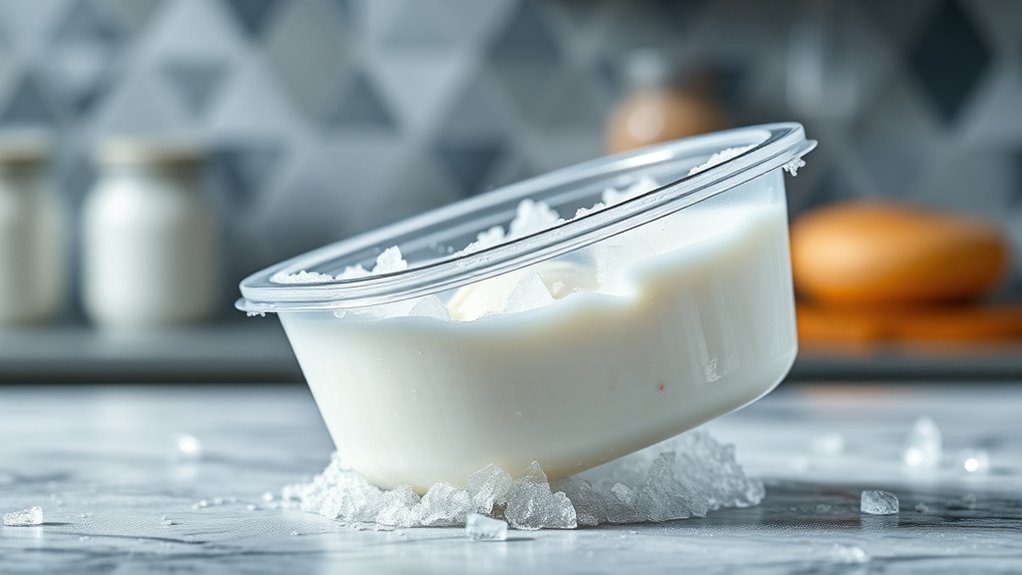
Frozen sloping lids can look simple, but the details affect safety, fit, and long-term use. Ice type, hidden slick spots, material strength, and coverage all change how well a lid performs on an angled surface. A poor choice can lead to leaks, falls, or uneven wear. The next step is to compare durability, maintenance needs, and cost before deciding what actually holds up.
What Is a Frozen Sloping Lid?
A frozen sloping lid is an ice cover that forms on inclined surfaces, creating a slick, hazardous layer for walking and driving. It develops when moisture settles on a slope and hardens into a frozen sloping lid that can trap danger beneath a deceptively solid top.
The surface may look manageable, yet it often hides slick ice below, raising the chance of slips, falls, and vehicle loss of control. Melting and refreezing cycles intensify the buildup, so early winter monitoring matters.
The surface may look safe, yet hidden ice below can cause slips, falls, and loss of control.
Practical control methods include applying ice melt, using heated mats, and keeping storage areas, ramps, and access paths clear. This condition is not merely a nuisance; it limits safe movement and reduces reliable access.
For people seeking safer, freer use of their property, prompt attention and disciplined maintenance are the most effective defenses against a frozen sloping lid.
Why Ice Type Matters for Slopes?
Ice type changes slope safety because white ice is much weaker than clear ice and can fail sooner under load.
Clear ice retains higher strength, while white ice often needs doubled thickness to meet safe-use guidelines.
Shoreline melt can further weaken the surface, so thin, refrozen edges deserve closer inspection.
White Ice Weakens Slopes
White ice weakens sloped surfaces because it forms from melted snow that refreezes into a porous layer, often only about half as strong as clear ice.
On a slope, white ice can fail under load and raise slipping risk. Its opaque look may seem solid, yet the structure can be uneven and unreliable.
Temperature swings and wildlife activity can further disturb the surface, making conditions change quickly.
For practical storage and use decisions, thickness checks matter, and clear-ice rules should not be assumed to apply. More conservative limits are needed, especially where access must stay controlled and movement must remain efficient.
When white ice appears on an incline, caution supports freedom by reducing avoidable loss, delay, and exposure.
Clear Ice Stays Stronger
Clear ice, sometimes called blue ice, offers far greater strength than white ice and is the safer reference point when judging sloped surfaces for storage or access.
Clear ice forms under calm conditions, building large crystals with few oxygen bubbles, which improves load-bearing stability. For practical decisions, clear ice is the standard to compare against because white ice may be only about half as strong and often requires doubled thickness allowances.
That difference matters on any slope where footing, hauling, or cache placement must remain secure. Late-season honeycomb ice is even more fragile and should not be treated as dependable support.
Temperature swings and wildlife activity can further alter conditions, so each slope deserves a fresh assessment before use.
Shoreline Melt Creates Risk
As spring arrives, shoreline ice is usually the first to weaken because vegetation and shallow water warm faster, making sloped edges poor storage or access points.
For anyone managing gear near frozen banks, shoreline melt signals a need for restraint. White ice can be only half as strong as clear ice, so thickness should be doubled before trust is placed in it. Honeycomb ice adds another hidden failure point on late-winter slopes.
- Shoreline melt starts at the edge
- White ice needs extra thickness
- Honeycomb ice can collapse suddenly
- Streams and culverts stay unreliable
- Bridges and bends thin first
On sloped shores, ice may look usable yet fail under weight. Liberation comes from avoiding shortcuts and choosing safer ground.
Clear Ice vs White Ice on Slopes?
On sloped frozen surfaces, ice quality matters as much as ice thickness. Clear ice, or blue ice, forms under calm conditions and brings far greater strength than white ice.
White ice is usually refrozen melted snow, opaque with air bubbles, and only about half as strong. On a slope, that gap matters. Clear ice gives more dependable support for walking or driving, and it is the better choice when traction and load distribution must stay predictable.
White ice can crack more easily and shift under pressure, so it demands stricter caution and thicker coverage; safe-use thickness should be doubled compared with clear ice.
For buyers evaluating frozen slopes, the practical rule is simple: store confidence in clear ice, not assumptions. If white ice is present, its weaker structure should be treated as limited-capacity material, managed carefully or removed when possible to preserve safer, freer movement across the surface.
What Hidden Ice Risks Make Slopes Unsafe?
Hidden ice layers can make a sloped surface far less stable than it appears, especially after snow melts and refreezes into weaker white ice. On ice and snow, the hidden hazard is not only smoothness but uneven strength.
Slopes concentrate load and reduce traction, so a small defect can trigger a fall. White ice may be about half as strong as clear ice, leaving margins too thin for safe use.
- Melted snow can freeze into soft, brittle patches.
- Shorelines and vegetation may hide weak spots.
- Flowing water under ice can thin bridge and culvert areas.
- Wildlife movement can warm the surface and weaken it.
- Refreeze cycles can mask damage beneath fresh snow.
For storage-minded planning, these risks mean a slope should be treated as uncertain until checked carefully. Freedom from injury depends on reading the surface, not trusting its appearance.
What Makes a Frozen Sloping Lid Durable?
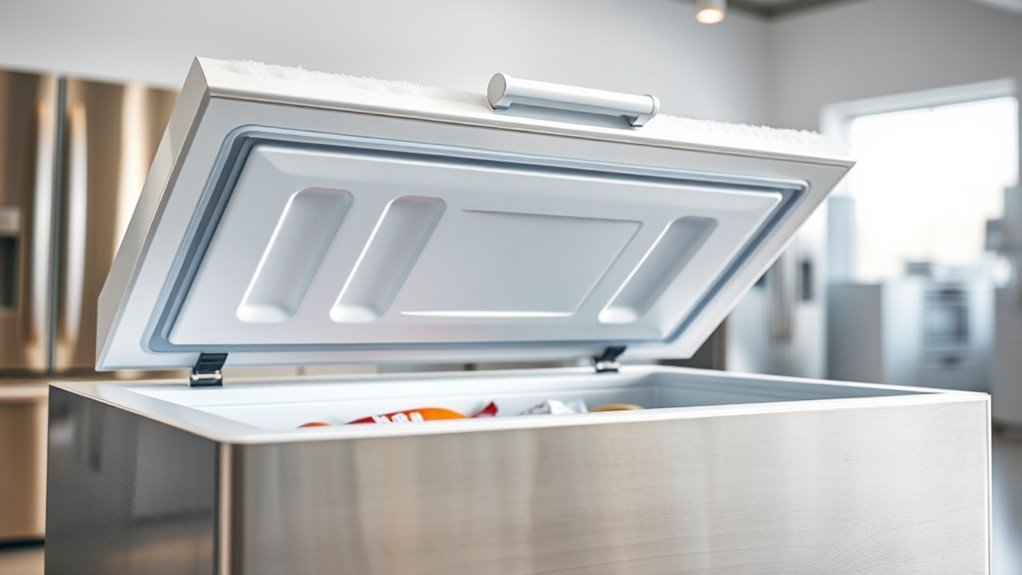
A durable frozen sloping lid is typically built from high-density polyethylene (HDPE), chosen for impact resistance and performance in extreme cold. For durable frozen sloping lids, material choice matters because HDPE helps preserve shape after repeated freezes and handling. UV stabilizers reduce sun damage, while ribbed or contoured reinforcement adds stiffness without excess bulk. Weather-resistant seals and gaskets block moisture intrusion, helping stored contents stay protected and the lid last longer. Rigorous load testing also signals reliable performance under weight.
| Feature | Benefit | Storage Value |
|---|---|---|
| HDPE shell | Resists impact | Long service life |
| Reinforced ribs | Limits cracking | Better structural stability |
| Seals and gaskets | Blocks moisture | Protects stored goods |
These traits support practical, low-maintenance storage and reduce replacement frequency, giving users more freedom from avoidable upkeep.
How Much Coverage Does Your Slope Need?
Coverage needs begin with measuring the slope’s angle, length, and width, since steeper or wider areas often require more mat area to limit ice buildup.
Local snowfall patterns and repeated accumulation should also be factored in, as frequent freezing may call for extra coverage or multiple mats.
A 12-inch overhang on all sides is a practical minimum to keep edges protected and maintain consistent heating.
Slope Size Assessment
Determining the right heated mat setup starts with measuring the slope’s total square footage, since that figure directly affects how much coverage is needed. A clear slope size assessment helps prevent ice buildup and keeps decisions efficient, not wasteful.
- Measure length and width.
- Note steepness and pitch.
- Mark irregular edges or obstacles.
- Compare area against winter snowfall.
- Record storage limits for mats.
Larger, steeper surfaces usually demand broader coverage to maintain safe access.
Irregular shapes may require careful placement, while local climate determines how aggressively ice control must work through the season. This practical review gives the buyer room to choose confidently, with fewer surprises and better use of space.
Mat Coverage Planning
Even a modest slope can require more heated mat coverage than expected once its angle, length, and width are measured.
Effective mat coverage planning begins with calculating square footage: length multiplied by width shows the area needing protection from snow. Steeper grades usually demand extra coverage because runoff and refreezing are more aggressive.
Slight overlaps between mats help block gaps and keep heat distributed evenly across the sloped surface. Power output matters as well; higher wattage can clear exposed sections faster and reduce storage downtime after storms.
The manufacturer’s recommended mat sizes and coverage limits should be checked before purchase, since mismatched pieces waste space and energy.
Careful planning supports a freer, more dependable setup.
How to Choose the Right Frozen Sloping Lid?
Selecting the right frozen sloping lid starts with evaluating material durability and resistance to harsh weather, since both determine how well the lid will prevent ice buildup over time. A well-chosen frozen sloping lid should match the slope’s exact dimensions, preserving coverage without wasted material or gaps that invite freezing.
Practical buyers also compare surface texture, energy use, and vendor support before committing.
Practical buyers compare surface texture, energy use, and vendor support before making a final commitment.
- Confirm weather-rated construction
- Verify non-slip surface finish
- Measure slope dimensions carefully
- Review heated-option energy costs
- Check warranty and support terms
Heated models can lower ongoing operating expense, often near $0.006 per hour, while still maintaining dependable storage conditions. A precise fit supports cleaner deployment, better ice control, and less maintenance pressure.
Reliable warranty coverage and responsive customer service further protect the investment, giving users more freedom from avoidable downtime and replacement risk.
Safety Tips for Using Frozen Sloping Lids?
Safe use of frozen sloping lids depends on controlling slip hazards and limiting ice buildup around the access area. A lid with a non-slip surface gives steadier footing and supports safer access in cold weather.
The underside should be checked often, because trapped ice can release suddenly when opened and create avoidable hazards. Ice Melt or another approved deicer should be applied around the perimeter to reduce freeze-up and keep entry points clear. Heated mats can also preserve a safe, open path during winter storage cycles.
Weather should guide use: heavy snowfall, severe cold, and sustained icing can undermine control and should prompt delay. Routine inspection, prompt clearing, and disciplined surface care help maintain secure operation.
These measures protect both stored contents and the people who need access, while preserving practical freedom through reliable, low-risk handling.
Frequently Asked Questions
Will Dawn Dish Soap Melt Ice?
Yes, Dawn dish soap can help melt ice, but its Soap Efficacy is limited.
It works by lowering surface tension, especially when mixed with hot water, so moisture can reach and loosen the ice.
For practical storage-focused use, it should be treated as a temporary aid, not a full deicer.
To free walkways more effectively, it should be combined with salt or a commercial ice melt to reduce slippery residue.
Will Salt Melt Snow in 20 Degree Weather?
Yes, salt will melt snow in 20 degree weather, though slowly.
Salt Effectiveness remains adequate near this temperature, but results often take several hours and depend on application amount.
Rock salt works best when spread evenly before or during snowfall.
For stronger performance in colder conditions, calcium chloride offers better output.
Proper storage of deicers keeps them dry, ready, and usable, supporting practical, independent winter management with less waste and delay.
Will Ice Stay Frozen at 35 Degrees?
No, ice will not reliably stay frozen at 35 degrees. Ice retention drops as temperatures rise above 32°F, especially with sun, wind, or added heat.
Clear ice lasts longer than porous white ice, but prolonged exposure still encourages thawing.
For practical storage, keep the ice insulated, shaded, and monitored. Brief stability is possible, yet freedom from melt depends on consistently colder conditions and limited environmental warming.
Is It Better to Put Salt Down Before or After Snow?
Salt Application is usually better before snow falls, because it prevents bonding and reduces ice formation.
A light pre-treatment helps keep walkways and driveways usable with less labor later, supporting freedom from heavy clearing.
After snowfall, salt still helps, but it works less efficiently once snow compacts or freezes.
For best results, store salt ready, apply it before the storm, then reapply after shoveling for safer surfaces.
Conclusion
To summarize, a frozen sloping lid should be chosen with careful attention to ice type, hidden hazards, and material durability. Clear ice can appear harmless, yet even a thin hidden layer can sharply increase slip risk. Nearly 1 in 5 winter slip-and-fall injuries is linked to icy surfaces, underscoring the need for proper coverage and maintenance. HDPE construction, correct sizing, and regular snow removal help protect the slope, improve performance, and support safer long-term use.
