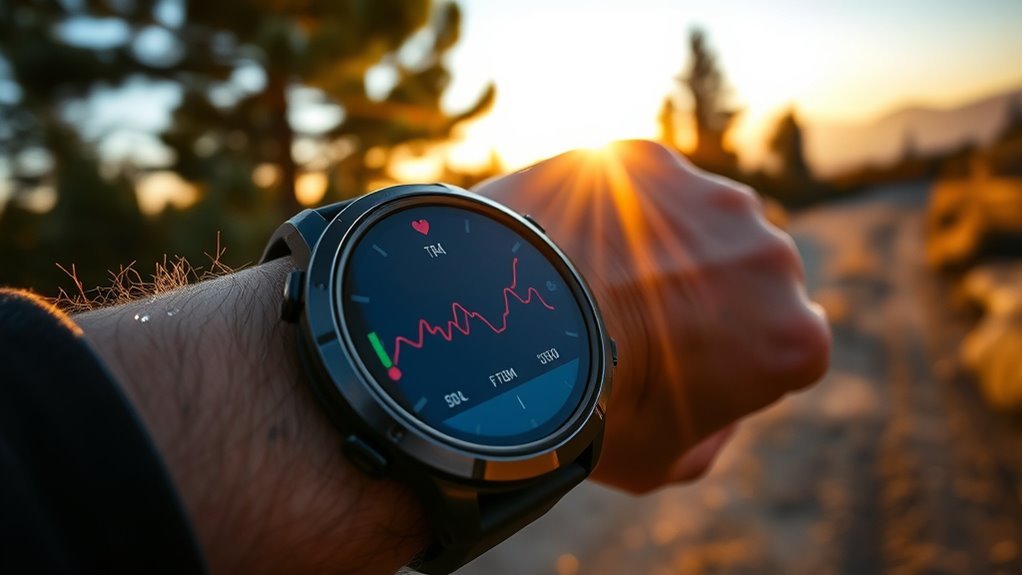
Garmin Pulse Ox estimates blood oxygen saturation, or SpO2, from the wrist using red and infrared light sensors. It can take spot checks or track levels overnight and during the day. Normal readings are usually 95% to 100%, while lower numbers may suggest reduced oxygen levels. It is useful for trends, especially at altitude, but it is not a medical device and can be less precise than fingertip oximeters, as the details below show.
Key Takeaways
- Garmin Pulse Ox estimates blood oxygen saturation (SpO2) from your wrist using red and infrared light sensors.
- It can take spot checks or track oxygen levels continuously during the day and night.
- Normal readings are typically 95% to 100%; lower values may suggest reduced oxygen levels.
- It is useful for spotting altitude adaptation, sleep trends, and recovery patterns in Garmin Connect.
- Garmin Pulse Ox is not a medical device, so it should not replace clinical testing or professional advice.
What Does Garmin Pulse Ox Measure?
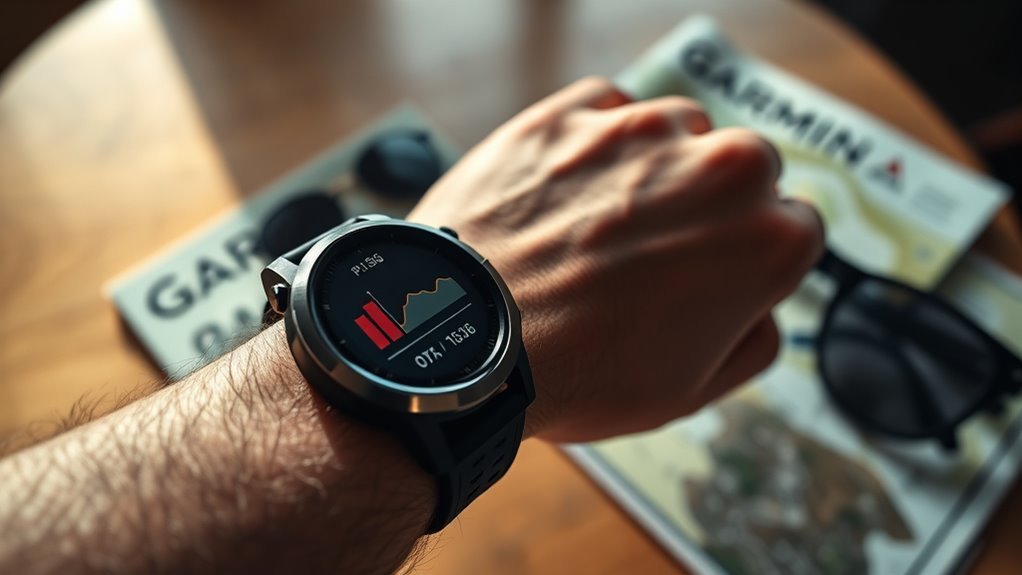
Garmin Pulse Ox measures blood oxygen saturation, or SpO2, by estimating the percentage of hemoglobin in the blood that is carrying oxygen. This Pulse feature offers a practical form of oxygen monitoring, giving a snapshot of how much oxygen is available in the bloodstream.
Readings can be taken while a person is awake or asleep, helping show daily patterns and overnight changes. Healthy SpO2 values usually fall between 95% and 100%, while numbers below 92% may suggest low oxygen levels that deserve attention.
Readings during wakefulness or sleep reveal daily patterns, while values below 92% may warrant attention.
During high-altitude flights, the watch increases monitoring frequency to track possible shifts in saturation more closely. The data can also be reviewed in the Garmin Connect™ app, where trends and averages appear over time.
For users seeking clearer insight into their bodies, the feature supports informed self-awareness without demanding dependence on outside gatekeepers.
How Does Garmin Pulse Ox Work on Your Wrist?
Using red and infrared light sensors, Pulse Ox estimates peripheral oxygen saturation (SpO2) directly from the wrist by detecting how much oxygenated blood is present in circulation.
In practice, the watch shines light into skin and reads the reflected signal to estimate blood oxygen levels as a percentage. Garmin Pulse Ox can record values manually from a glance or track them continuously during the day and while sleeping, giving a broader view of breathing variation and wellness.
Typical Pulse Ox readings fall between 95% and 100%, while numbers below 92% may suggest low oxygen. On Garmin Connect™, users can review history, averages, and trend graphs to see changes over time.
The feature supports self-awareness, but it is not a medical device and does not replace clinical testing or professional judgment when concerns arise.
How Do You Get Better Garmin Pulse Ox Readings?
Getting better Pulse Ox readings on a Garmin watch usually comes down to a few simple habits that help the sensor work more reliably.
The watch should be worn snugly, just above the wrist bone, so the light sensors maintain steady contact with the skin. During monitoring, the wearer should stay still, because movement can distort the signal and reduce accuracy.
Wear the watch snugly above the wrist bone and stay still so the sensors can read accurately.
Clean, dry skin also helps; a wrist free of hair can improve contact, and shaving the area may support more consistent results. Nail polish or colored nails should be avoided when using finger-based checks alongside the watch, since they can interfere with optical measurements.
It also helps to keep the Garmin device updated, because firmware revisions may include improvements to Pulse Ox performance.
With these small adjustments, the watch can use its sensor more effectively and provide steadier blood oxygen readings over time.
What Do Garmin Pulse Ox Numbers Mean?
Pulse Ox numbers on a Garmin watch represent blood oxygen saturation, or SpO2, shown as a percentage of how much oxygen is carried in the blood. In Pulse Oximetry, healthy readings usually fall between 95% and 100%. Numbers below 92% may suggest low oxygen levels and can point to issues that deserve health care attention. Garmin uses red and infrared light to estimate these levels, helping users understand wellness and respiratory health without medical jargon.
| SpO2 % | Common meaning | Practical note |
|---|---|---|
| 95–100 | Typical range | Often seen as normal |
| 92–94 | Lower than ideal | Watch for patterns |
| Below 92 | Possible concern | Consult a provider |
| Trending | Ongoing changes | Useful in Garmin Connect™ |
Historical averages over 24 hours help reveal trends. For athletes at altitude, lower numbers can show acclimatization progress and guide training choices.
How Accurate Is Garmin Pulse Ox?
Garmin Pulse Ox can be reasonably close to reference devices in some conditions, with reported error rates sometimes within about 3 percentage points, but its reliability is not consistent enough to treat as medical-grade.
Its accuracy depends heavily on fit and positioning, and studies found the best results when the watch sat dorsal above the wrist with hair shaved. Even then, measurement failures remain a real issue.
In testing of the fēnix 6 Pro, 53 out of 100 readings failed, showing that SpO2 monitoring can be difficult to obtain reliably. Heart rate data from the same device was more accurate than oxygen saturation readings, which reinforces caution.
For people who want liberation through self-knowledge, the watch may offer useful trends, but not dependable clinical decisions. A validated pulse oximeter remains the better choice when precise oxygen monitoring is needed, especially for health concerns that require trustworthy numbers.
How Does Garmin Pulse Ox Compare to Fingertip Oximeters?
Garmin Pulse Ox measures blood oxygen from the wrist, while fingertip oximeters read SpO2 at the finger, where blood flow and sensor contact are typically more stable.
That difference in measurement location helps explain why Garmin’s readings can vary more than those from validated fingertip models, which are designed for medical use.
For fitness tracking, the watch can provide useful trends, but fingertip oximeters are generally the more reliable option for clinical accuracy.
Measurement Location Differences
Unlike fingertip oximeters, which measure blood oxygen through the fingertip using light refraction in a clinical-style setup, Garmin Pulse Ox reads SpO2 at the wrist.
That measurement location changes how the sensor gathers data and explains why the experience differs from a fingertip clip. Wrist-based readings can be shaped by venous blood flow, watch fit, movement, and arm position, all of which may affect accuracy.
Garmin’s Pulse Ox is built for general wellness tracking, not clinical diagnosis, so it serves a different purpose than devices designed for medical settings. For people seeking freedom from constant clinic visits, the wrist offers convenience and easy access.
Still, the wrist is not the fingertip, and the body can reveal different results depending on where oxygen is checked.
Accuracy Versus Fingertip Models
When compared with fingertip oximeters, Garmin Pulse Ox is generally less accurate and more variable because it measures SpO2 from the wrist rather than from the fingertip, where readings are typically more stable and clinically validated.
Its wrist-based design can be affected by positioning, movement, and venous blood flow, all of which can reduce accuracy.
Research on smartwatch oxygen readings has found differences ranging from -2.7% to 13% versus arterial blood gas tests, showing only moderate reliability.
For that reason, Garmin is best viewed as a tool for general monitoring and fitness trends, not as a medical device for diagnosis.
In clinical or other medical settings, fingertip oximeters remain the stronger choice because they are designed for tighter error limits and more dependable monitoring.
When Should You Trust Garmin Pulse Ox?
Garmin Pulse Ox is most useful as a general wellness indicator, not as a medical measure, so its readings should be trusted most when tracking trends rather than making health decisions.
Values near the healthy range of 95% to 100% are typically reassuring, while readings below 92% may warrant closer attention and professional guidance.
It is especially helpful during altitude training or sleep monitoring, but wrist motion, poor fit, and other conditions can reduce accuracy.
Accuracy Thresholds
A helpful benchmark for Garmin Pulse Ox is whether the reading falls within about 3 percentage points of a clinically validated pulse oximeter, since that range is commonly used as an acceptable clinical error threshold. This accuracy standard helps separate routine monitoring from clinical diagnosis, which Garmin watches do not provide.
- Snug fit above the wrist improves reliability.
- Shaved hair at the testing site can help.
- Larger gaps from a reference device suggest lower trust.
- Inconsistent readings warrant professional evaluation.
Studies show results can vary more in less ideal conditions, and some clinical settings report significant inaccuracy. For people seeking liberation through data, the key is to treat Pulse Ox as a useful signal, not a final verdict.
Best Use Cases
Once the reading is treated as a rough signal rather than a medical verdict, its value becomes clearer in specific training contexts.
Garmin Pulse Ox is most trustworthy for athletes at high altitude, where monitoring oxygen saturation can show whether the body is adapting or struggling. It can also be useful during hard interval sessions, when a brief dip from about 98% to 96% may reflect stress and effort.
After exertion, a return to baseline within roughly 60 seconds can hint at efficient recovery. Even so, Pulse Ox should not outrank power, heart rate, or symptoms.
Its real use is to support informed self-awareness, not to control training. Read it as one thread in a larger picture of health, effort, and acclimatization.
Frequently Asked Questions
What Is a Good Pulse Ox Number for Garmin?
A good Garmin Pulse Ox number is typically 95% to 100%, the normal range. Below 92% may need attention. Regular monitoring health supports fitness benefits, especially during exercise or altitude acclimatization.
Can Garmin Tell if I’m Sick?
No; a Garmin may flag unusual oxygen readings, but like a lighthouse in fog, it cannot diagnose illness. Its wearable technology supports health monitoring and fitness tracking, yet symptoms warrant professional care for real answers.
Should I Turn on Pulse Ox on My Garmin?
He should turn it on if health tracking matters; it offers fitness insights and shows oxygen levels, especially useful during sleep or altitude training. It is optional, though not a substitute for medical monitoring.
Is It Worth Having Pulse Ox on Garmin?
Yes, though not for everyone. Pulse Ox can offer health benefits by highlighting sleep and altitude trends, but data accuracy varies and user experience may suffer from extra battery drain. It suits curiosity, not essential training.
Conclusion
Garmin Pulse Ox acts like a small lighthouse on the wrist, sending light through the skin to estimate blood oxygen levels. It can offer useful trends during sleep, high-altitude travel, or recovery, but it is not a doctor’s stethoscope. For the clearest picture, good fit and stillness matter. In the end, Garmin’s reading is best seen as a weather vane: helpful for direction, but not a substitute for a clinical instrument.
