
The best Garmin watch for hiking should help you stay oriented without turning battery management into another trail chore. For most hikers, accurate positioning, readable navigation, durable hardware and enough runtime for the route matter more than extra smartwatch features.
Garmin fēnix 8 47mm AMOLED is the best overall pick because it combines full maps, multi-band GPS and a bright display. The Garmin Instinct 2 45mm is the best value if you mainly need core navigation and long battery life.
These picks were checked against Garmin specifications, current model information, safety records and recurring owner discussions where a clear pattern could be verified.
Best Garmin Watches for Hiking Compared
| Product | Best for | Display | Battery life | GPS / navigation | Score |
|---|---|---|---|---|---|
|
Premium
|
Best overall | 1.4-inch AMOLED | Up to 16 days | Multi-band GPS + built-in maps | 97/100 |
|
Premium
|
Best solar mapping | 1.3-inch MIP, Power Sapphire | Up to 18 days; 22 with solar | Multi-band GPS + built-in maps | 94/100 |
|
Mid-range
|
Best rugged AMOLED | 1.2-inch AMOLED | Up to 18 days | Multi-band GPS with SatIQ | 89/100 |
|
Mid-range
|
Best battery life | 1.1-inch MIP | 40 days; unlimited with solar* | Multi-band GPS | 87/100 |
|
Budget
|
Best value | 0.9-inch MIP | Up to 28 days | Multi-GNSS + TracBack | 83/100 |
Best Garmin Watches for Hiking: Our Top Picks
1. Garmin fēnix 8 47mm AMOLED

Bottom line: Garmin fēnix 8 47mm AMOLED — the most complete hiking watch here if you want full maps, multi-band positioning, a bright touchscreen and a built-in flashlight in one device.
Key Specs
- Display: 1.4-inch AMOLED, matched to its battery strategy.
- Battery: Up to 16 days, Garmin-rated maximum smartwatch runtime.
- GPS/navigation: Multi-band GPS + built-in maps, the key trail-navigation difference.
- Water rating: 10 ATM; dive rated, suitable for wet outdoor use.
- Case size: 47 mm, important for wrist fit and visibility.
Its strongest hiking advantage is built-in mapping. You can carry routable maps on the watch, use multi-band GPS in difficult terrain, and switch between touch and buttons depending on weather or gloves.
The 1.4-inch AMOLED display is easier to read for detailed maps than the smaller Instinct screens. Garmin rates this 47 mm model for up to 16 days in smartwatch mode and up to 35 hours with all satellite systems plus multi-band enabled.
It also adds a built-in LED flashlight, speaker and microphone, training readiness tools, and a 10 ATM water rating with dive support. The tradeoff is a premium price tier and shorter basic smartwatch endurance than the monochrome Instinct 2X Solar.
Sentiment Snapshot
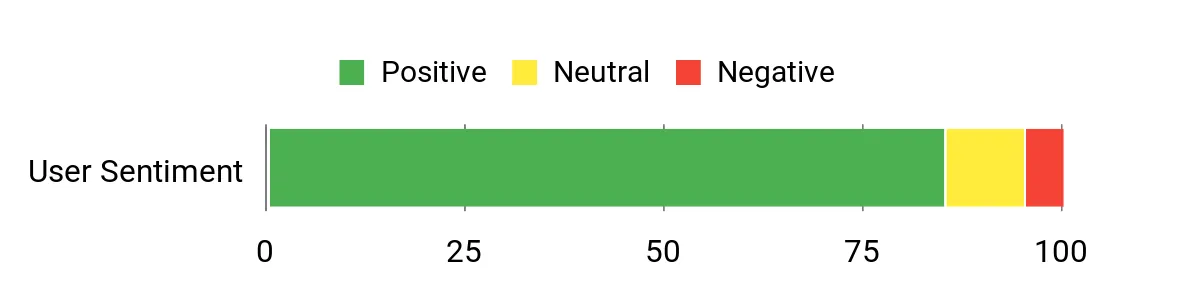
- Built-in routable maps for on-wrist navigation
- Multi-band GPS for challenging satellite conditions
- Bright 1.4-inch AMOLED touchscreen plus physical buttons
- Built-in LED flashlight and broad multisport support
- Premium price tier
- AMOLED uses more power than the longest-running solar models
- More features and menus to learn than the Instinct line
2. Garmin fēnix 7 Pro Sapphire Solar 47mm

Bottom line: Garmin fēnix 7 Pro Sapphire Solar 47mm — for hikers who want full maps and multi-band GPS with a sunlight-friendly MIP screen and solar-assisted battery life.
Key Specs
- Display: 1.3-inch MIP, Power Sapphire, matched to its battery strategy.
- Battery: Up to 18 days; 22 with solar, Garmin-rated maximum smartwatch runtime.
- GPS/navigation: Multi-band GPS + built-in maps, the key trail-navigation difference.
- Water rating: 10 ATM, suitable for wet outdoor use.
- Case size: 47 mm, important for wrist fit and visibility.
The Power Sapphire lens combines scratch resistance with solar charging. Garmin rates the 47 mm Sapphire Solar model for up to 18 days in smartwatch mode, or up to 22 days with sufficient solar exposure under Garmin’s stated conditions.
For navigation, you get preloaded TopoActive maps, multi-band GPS, SatIQ and a built-in LED flashlight. The MIP display stays efficient and is well suited to bright outdoor light, while touch controls remain available when you want them.
Choose it over the fēnix 8 if you prefer MIP and solar support. The catch is that it is an older generation, and Garmin now sells newer fēnix models.
Sentiment Snapshot
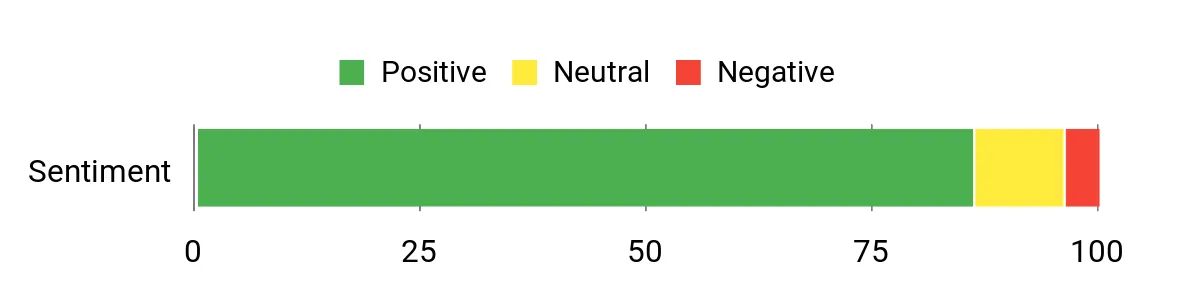
- Full TopoActive mapping and multi-band GPS
- Power Sapphire lens adds solar charging and scratch resistance
- Long smartwatch battery life for a map-capable model
- Built-in LED flashlight
- Older generation than current fēnix models
- MIP has less color punch than AMOLED indoors
- Premium tier despite its older generation
3. Garmin Instinct 3 AMOLED 45mm

Bottom line: Garmin Instinct 3 AMOLED 45mm — a strong fit if you want a rugged button-driven hiking watch with a bright screen, multi-band GPS and less complexity than the fēnix line.
Key Specs
- Display: 1.2-inch AMOLED, matched to its battery strategy.
- Battery: Up to 18 days, Garmin-rated maximum smartwatch runtime.
- GPS/navigation: Multi-band GPS with SatIQ, the key trail-navigation difference.
- Water rating: 10 ATM, suitable for wet outdoor use.
- Case size: 45 mm, important for wrist fit and visibility.
The 45 mm model uses a 1.2-inch AMOLED display and keeps physical buttons, which helps when gloves or wet hands make touchscreens inconvenient. Garmin also gives it a metal-reinforced bezel and a built-in LED flashlight.
Its multi-band GPS with SatIQ can prioritize accuracy while managing battery use. Garmin rates smartwatch battery life at up to 18 days, with up to 23 hours in all-satellite plus multi-band mode under its published test assumptions.
The main limitation for hikers is mapping: it does not offer the same built-in routable map experience as the fēnix models. It is better for course following, positioning and outdoor metrics than detailed on-watch map browsing.
Sentiment Snapshot
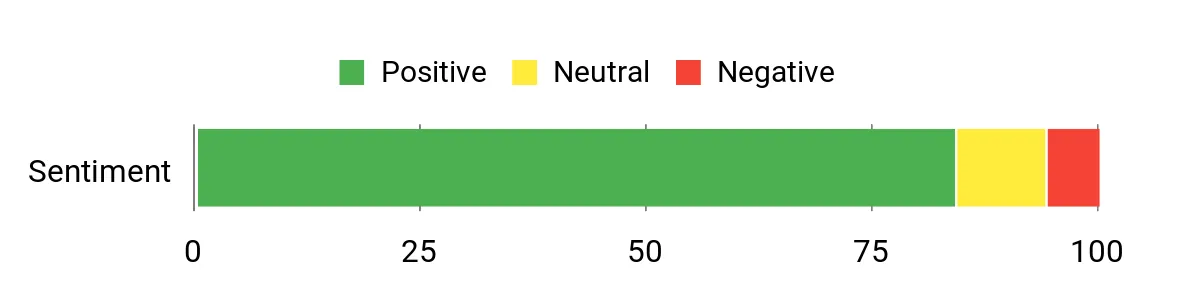
- Bright 1.2-inch AMOLED display
- Multi-band GPS with SatIQ
- Rugged metal-reinforced bezel and 10 ATM rating
- Built-in LED flashlight
- No full built-in routable maps like the fēnix line
- AMOLED battery life is lower than solar Instinct models
- Button-only navigation can take time to learn
4. Garmin Instinct 2X Solar 50mm

Bottom line: Garmin Instinct 2X Solar 50mm — the battery-first pick for long trips, with a large 50 mm case, solar charging, multi-band GPS and a built-in flashlight.
Key Specs
- Display: 1.1-inch MIP, matched to its battery strategy.
- Battery: 40 days; unlimited with solar*, Garmin-rated maximum smartwatch runtime.
- GPS/navigation: Multi-band GPS, the key trail-navigation difference.
- Water rating: 10 ATM, suitable for wet outdoor use.
- Case size: 50 mm, important for wrist fit and visibility.
Garmin rates smartwatch mode at 40 days, with unlimited smartwatch battery possible under its stated solar exposure conditions. GPS-only mode is rated up to 60 hours, or up to 145 hours with qualifying solar exposure.
The display is a 1.1-inch monochrome MIP panel, not a 1.48-inch screen. That efficient display helps battery life and remains easy to read outdoors. Multi-band GPS, a barometric altimeter, compass and flashlight cover the core tools hikers need.
The main tradeoff is size. At 50 mm, it takes up more wrist space than the 45 mm Instinct models. It also lacks the full color routable maps found on the fēnix series.
Sentiment Snapshot
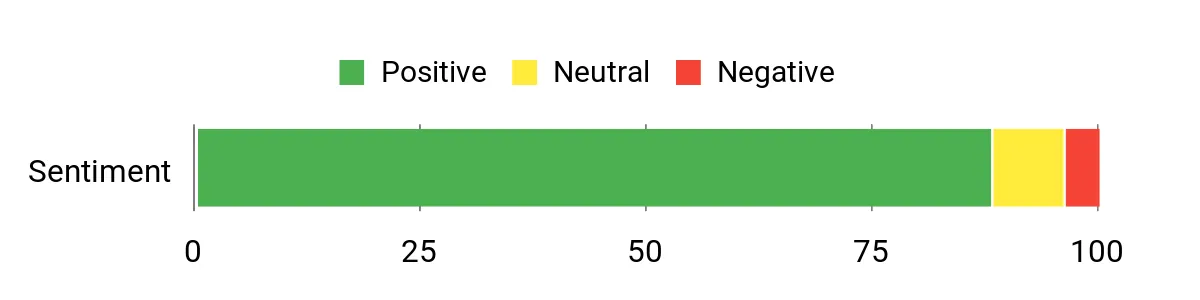
- Longest smartwatch endurance in this group under Garmin’s ratings
- Solar charging can extend runtime in strong light
- Multi-band GPS and built-in LED flashlight
- Rugged 10 ATM, MIL-STD-810-oriented design
- Large 50 mm case can feel bulky
- Monochrome display is less detailed than AMOLED
- No full routable maps
5. Garmin Instinct 2 45mm

Bottom line: Garmin Instinct 2 45mm — the value pick if you want a tough hiking watch with reliable multi-GNSS tracking, TracBack routing and long battery life without paying for premium mapping.
Key Specs
- Display: 0.9-inch MIP, matched to its battery strategy.
- Battery: Up to 28 days, Garmin-rated maximum smartwatch runtime.
- GPS/navigation: Multi-GNSS + TracBack, the key trail-navigation difference.
- Water rating: 10 ATM, suitable for wet outdoor use.
- Case size: 45 mm, important for wrist fit and visibility.
The linked model is the standard non-solar 45 mm Graphite version. Garmin rates it for up to 28 days in smartwatch mode and up to 30 hours in GPS mode, which is substantially longer than the 14-day figure in the original comparison table.
Its monochrome MIP display favors outdoor readability and battery efficiency. Navigation is simpler than on fēnix watches: you get multi-GNSS support, ABC sensors and TracBack instead of full color routable maps.
The appeal is focus. You get hiking, running, swimming and health tracking in a durable package, but you give up multi-band GPS, an LED flashlight and the richer map interface of the newer premium models.
Sentiment Snapshot
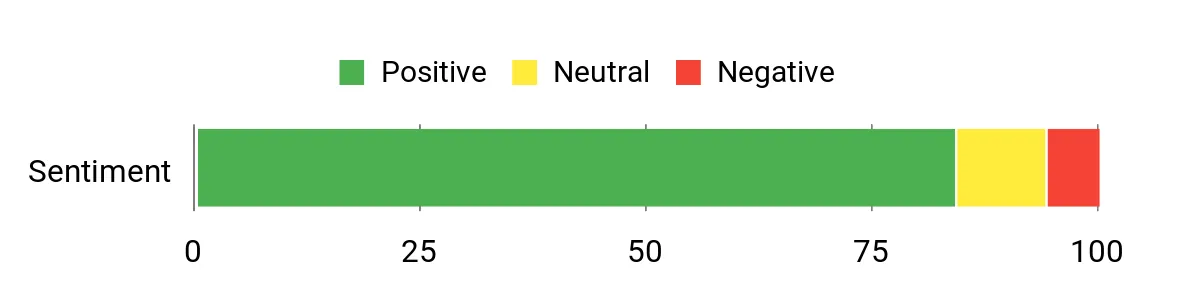
- Up to 28 days of smartwatch battery life
- Multi-GNSS positioning and TracBack navigation
- Compact rugged design with 10 ATM water rating
- Straightforward physical-button controls
- No multi-band GPS
- No built-in LED flashlight
- No full routable maps or AMOLED display
Garmin fēnix 8 vs Garmin Instinct 2: Is the Upgrade Worth It?
The tradeoff is simple: the fēnix 8 gives you richer navigation and a brighter interface, while the Instinct 2 gives you longer basic smartwatch battery life and a much simpler feature set.
- Maps: fēnix 8 has built-in routable maps; Instinct 2 uses simpler course and TracBack navigation.
- GPS: fēnix 8 supports multi-band positioning; Instinct 2 uses standard multi-GNSS.
- Display: fēnix 8 uses a 1.4-inch AMOLED touchscreen; Instinct 2 uses a 0.9-inch monochrome MIP display.
- Battery: Instinct 2 is rated up to 28 days in smartwatch mode versus up to 16 days for the 47 mm fēnix 8 AMOLED.
Which Garmin GPS Watch Should You Buy?
- Most complete hiking tool: get the Garmin fēnix 8 47mm AMOLED.
- Full maps with solar-assisted MIP: get the Garmin fēnix 7 Pro Sapphire Solar 47mm.
- Rugged AMOLED without full fēnix complexity: get the Garmin Instinct 3 AMOLED 45mm.
- Maximum battery focus: get the Garmin Instinct 2X Solar 50mm.
- Lower-cost core navigation: get the Garmin Instinct 2 45mm.
How We Chose
- Navigation: We prioritized multi-band positioning, map capability, course tools and ABC sensors that matter on trails.
- Battery: We compared Garmin’s published smartwatch and GPS-mode figures, including the conditions attached to solar claims.
- Outdoor durability: We checked water ratings, case construction, lens type and manufacturer ruggedness information.
- Usability: We considered screen type, case size, physical controls and flashlight availability for real trail use.
- Sources: Manufacturer pages and manuals led spec decisions; safety records and recurring owner discussions were checked for issues and trends.
How to Choose a Garmin Watch for Hiking
Full Maps vs Course Navigation
If you want to inspect trails, reroute and browse detailed maps from your wrist, choose a map-capable fēnix model such as the Garmin fēnix 8 47mm AMOLED. Instinct watches are better when you mainly follow a course, check direction and use return-to-start tools.
GPS Accuracy in Difficult Terrain
Multi-band GPS can help in places where satellite signals bounce or get blocked, such as steep valleys or dense urban areas near a trailhead. The fēnix 8, fēnix 7 Pro, Instinct 3 and Instinct 2X support multi-band positioning. The standard Garmin Instinct 2 45mm does not.
Battery Life and Solar Charging
Start with the longest trip you actually take, then compare the GPS mode you plan to use. Solar can extend runtime, but Garmin’s maximum solar figures assume specific light exposure. For battery-first hiking, the Garmin Instinct 2X Solar 50mm has the strongest published endurance in this group.
AMOLED vs MIP Displays
AMOLED gives you richer color and sharper map detail, which favors the Garmin fēnix 8 47mm AMOLED and Instinct 3 AMOLED. MIP uses less power and remains highly readable in strong daylight, which suits the fēnix 7 Pro, Instinct 2X and Instinct 2.
Case Size and Wrist Fit
A larger case gives you more screen area but can feel bulky during all-day wear or under jacket cuffs. The 50 mm Garmin Instinct 2X Solar is the largest watch here, while the 45 mm Instinct models are easier choices if you prefer a smaller outdoor watch.
Water and Ruggedness
Every watch in this roundup carries a 10 ATM water rating, but that does not make every model a dive computer. The fēnix 8 adds dedicated dive capability, while the other models are better treated as rugged hiking, swimming and general outdoor watches within Garmin’s published use limits.
Mistakes to Avoid When Buying a Garmin GPS Watch
- Buying for battery alone: Check whether you also need full maps, multi-band GPS or a brighter display.
- Ignoring variant differences: Case size, Solar, Sapphire and AMOLED versions can have different battery figures and materials.
- Treating solar as a wall charger: Solar extends runtime under the stated conditions; it does not replace normal charging in every situation.
- Assuming every Garmin has full maps: Instinct navigation is useful, but it is not the same as fēnix routable mapping.
- Choosing a case that is too large: Compare wrist fit before prioritizing the biggest screen or battery.
FAQs
Which Garmin Should I Choose for Hiking?
Choose based on navigation first, then battery and display. A fēnix model fits hikers who want full maps and richer route tools. Instinct models make more sense when you prefer rugged simplicity, long battery life and button controls. Within this list, the fēnix 8 is the most complete option, while the Instinct 2 is the simpler value choice.
How Accurate Is Garmin GPS and How Can I Improve It?
Modern Garmin watches can be very accurate, but terrain and settings matter. Use multi-band GPS or SatIQ when your model supports it, let the watch acquire satellites before starting, and keep firmware current. In steep canyons or heavy tree cover, wait for a solid satellite lock before relying on pace, distance or route position.
How Do I Maximize Battery Life on Long Hiking Trips?
Use the least power-hungry GPS mode that still meets your navigation needs, reduce display brightness or always-on use, and disable features you do not need. On solar models, expose the watch to strong light when practical. Preload routes and maps before leaving, and carry a small backup power source for trips where navigation is safety-critical.
Do I Need Built-In Maps on a Garmin Hiking Watch?
You need built-in maps if you want to browse terrain, inspect nearby trails and make more informed route choices directly on the watch. If you normally follow a known course and mainly need direction, distance and return-to-start guidance, an Instinct model can be enough. Your phone or a paper map should still remain part of a sensible backup plan.
Is AMOLED or MIP Better for Hiking?
AMOLED is better when you value color, contrast and detailed map readability. MIP is better when battery efficiency and strong-light visibility matter more than rich graphics. Neither is automatically better for every hiker. Choose AMOLED for a more vivid interface and MIP for a simpler, lower-power display that suits long outdoor days.
Is Solar Charging Worth It on a Garmin Hiking Watch?
Solar is useful if you spend long periods outdoors and want to extend time between charges, but it should not be treated as unlimited power in all conditions. Garmin’s maximum solar figures depend on specific light exposure. Solar makes the most sense for multi-day trips, field work and users who regularly spend hours outside in strong daylight.
Buyer Preferences
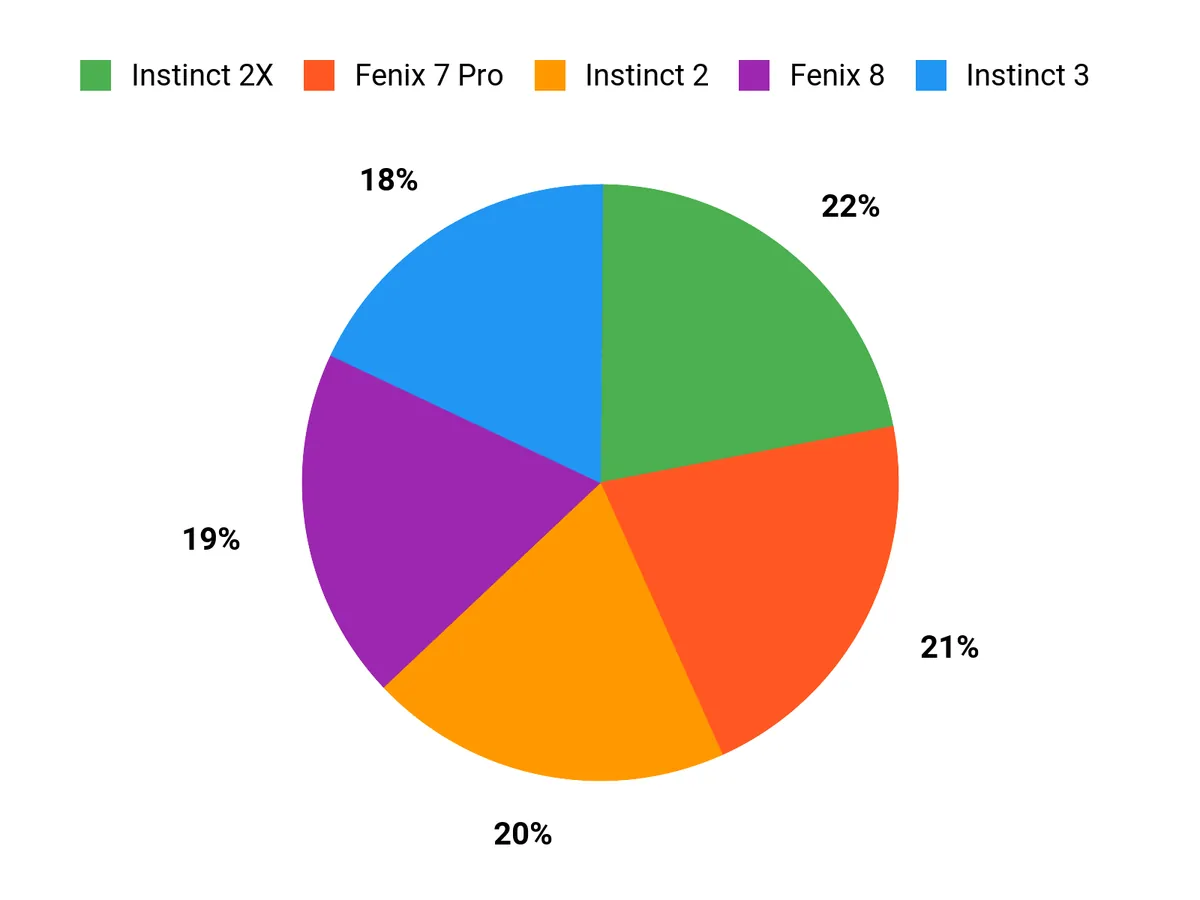
Most buyers in this group are choosing among three tradeoffs: full maps and premium training tools, solar-assisted endurance, or rugged simplicity. The fēnix models favor mapping depth; the Instinct 3 favors rugged AMOLED clarity; the Instinct 2X favors battery life; and the Instinct 2 keeps the core hiking features at the lowest tier in this roundup.
Final Verdict: Best Garmin Watch for Hiking
If you want one Garmin that can handle detailed hiking navigation, training and everyday use, the Garmin fēnix 8 47mm AMOLED has the broadest verified feature set in this roundup. Its built-in maps and multi-band GPS are the biggest reasons to choose it over the simpler Instinct models.
For a lower-cost option, consider the Garmin Instinct 2 45mm. For a premium solar-and-maps alternative, consider the Garmin fēnix 7 Pro Sapphire Solar 47mm.
Detailed Product Reference
| Product Name | Image | Display | Battery Life | GPS Technology | Water Resistance Rating |
|---|---|---|---|---|---|
| Garmin fēnix 8 47mm AMOLED |
|
1.4-inch AMOLED | Up to 16 days | Multi-band GPS + built-in maps | 10 ATM; dive rated |
| Garmin fēnix 7 Pro Sapphire Solar 47mm |
|
1.3-inch MIP, Power Sapphire | Up to 18 days; 22 with solar | Multi-band GPS + built-in maps | 10 ATM |
| Garmin Instinct 3 AMOLED 45mm |
|
1.2-inch AMOLED | Up to 18 days | Multi-band GPS with SatIQ | 10 ATM |
| Garmin Instinct 2X Solar 50mm |
|
1.1-inch MIP | 40 days; unlimited with solar* | Multi-band GPS | 10 ATM |
| Garmin Instinct 2 45mm |
|
0.9-inch MIP | Up to 28 days | Multi-GNSS + TracBack | 10 ATM |
