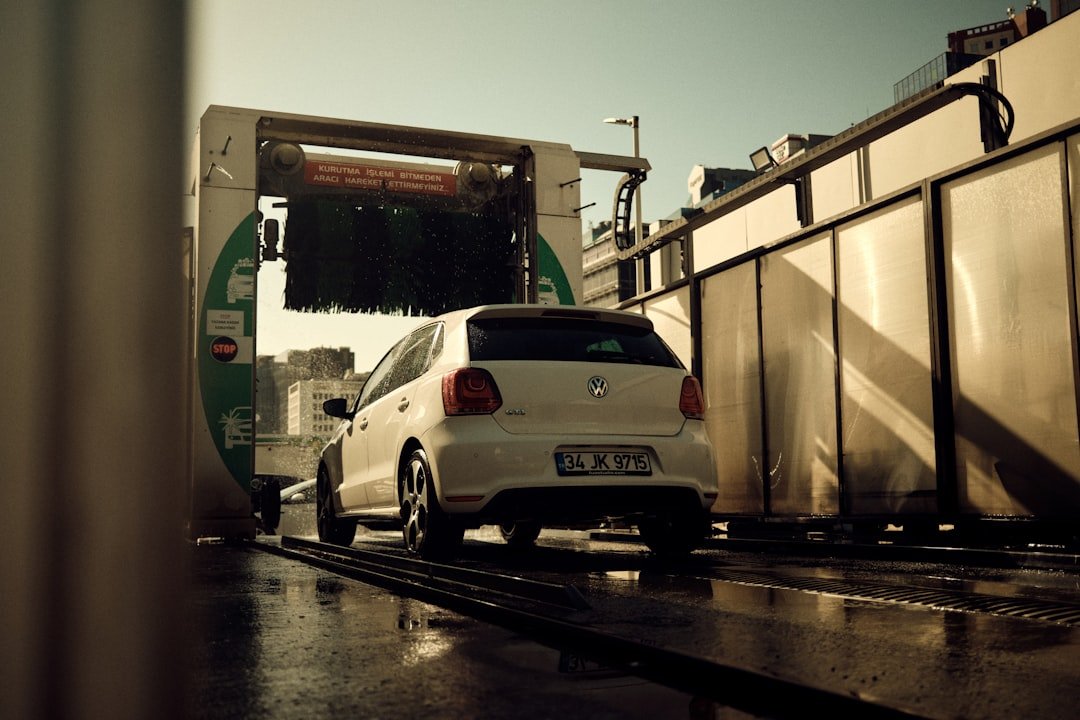
Regular car washing is one of the easiest ways to protect your vehicle’s appearance, finish, safety, and resale value. Dirt, grime, bird droppings, tree sap, pollen, bugs, brake dust, and road salt can build up on the surface and make your car harder to clean later. If those contaminants sit too long, they may stain clear coat, dull the finish, or speed up corrosion on exposed metal.
A clean car also helps with safer driving. Clear glass, clean mirrors, bright headlights, and visible taillights all support better visibility, especially in rain, fog, or low-light conditions. A regular washing routine is not just about making the car look good. It also helps you spot damage early, protect the paint, and keep your vehicle more comfortable to drive.
Quick Answer
The best way to wash a car is to rinse loose dirt first, use a pH-balanced car wash soap, wash from top to bottom with a microfiber mitt, rinse the mitt often with the two-bucket method, clean wheels separately, dry with soft microfiber towels, and protect the paint with wax or sealant when needed.
Key Takeaways
- Regular car washing helps maintain your vehicle’s appearance, value, visibility, and protection against environmental damage.
- Use pH-balanced car wash soap, microfiber towels, and a soft wash mitt to reduce the risk of paint damage.
- Rinse the car before washing so loose dirt and debris do not scratch the finish.
- The two-bucket method uses one bucket for soapy water and one for rinsing the mitt, which helps prevent swirl marks and scratches.
- Use different tools and techniques for paint, glass, wheels, tires, and interior surfaces to avoid cross-contamination.
- Dry the car properly after rinsing to reduce water spots, streaks, and mineral deposits.
At a Glance
| Time Required | 30 to 60 minutes for a basic exterior wash; longer for wheels, interior cleaning, and paint protection |
| Difficulty | Easy for beginners when using gentle products and a careful washing process |
| Tools Needed | Car wash soap, two buckets, grit guards, microfiber wash mitt, microfiber drying towels, wheel brush, tire cleaner, glass cleaner, and wax or sealant |
| Cost | Low to moderate, depending on the quality of soap, towels, brushes, wax, and detailing products you choose |
Choosing the Right Products for Car Washing
Selecting the right products for car washing helps you clean the vehicle thoroughly without damaging paint, trim, glass, or wheels. Start with a dedicated car wash soap instead of household cleaners. A pH-balanced car wash soap is made to lift dirt while being gentle on automotive paint and existing wax or sealant layers.
Avoid dish soap, laundry detergent, abrasive cleaners, and harsh degreasers on painted surfaces. These products may remove protective wax, leave residue, or dry out rubber and plastic trim. If your car has a ceramic coating, paint protection film, vinyl wrap, or matte finish, follow the care instructions for that surface before choosing a soap or cleaner.
Microfiber towels, microfiber wash mitts, and soft detailing brushes also play a major role in the washing process. Microfiber is soft, absorbent, and effective at lifting dirt away from the surface when used correctly. A quality wash mitt made from microfiber or lambswool can hold more wash solution than a basic sponge and may reduce the risk of dragging dirt across the paint.
Wash mitts made from similar soft materials can help lift dirt away from the surface without causing damage. For extra cleaning power, clay bars, clay mitts, iron removers, tar removers, and detailing sprays can help remove embedded contaminants that regular washing may not address. Use these specialty products only as directed, and always test on a small, hidden area if you are unsure.
Warning: Do not use the same mitt, brush, or towel on wheels and painted panels. Brake dust and road grit from wheels can scratch paint if they are carried onto the body of the car.
[Amazon Products Picked for You]

GENTLE CLEANING: pH neutral foaming car wash safe for use on all exterior car surfaces breaking down tough dirt, soils and road grime without stripping car wax, sealants or protective ceramic coatings

HERO CAR WASH SOAP FOR FOAM CANNONS (CWS_402_64SW) - Top-selling Chemical Guys soap formula delivers thick suds for safe cleaning, reducing swirl marks while leaving paint, glass, wheels, and trim spotless and glossy

HERO CAR WASH SOAP FOR FOAM CANNONS (CWS_402_16SW) - Top-selling Chemical Guys soap formula delivers thick suds for safe cleaning, reducing swirl marks while leaving paint, glass, wheels, and trim spotless and glossy
Preparing the Car for Washing

Before you start washing, proper preparation makes the process safer and more effective. Gather your supplies first, including car wash soap, buckets, grit guards, microfiber towels, a wash mitt, wheel cleaner, tire cleaner, and any protective products you plan to use.
Choose a shaded area whenever possible. Direct sunlight can cause soap and water to dry too quickly, which may leave streaks and water spots on the paint. If you cannot find shade, wash earlier in the morning or later in the day when the panels are cooler.
Inspect the vehicle for pre-existing damage before washing. Look for scratches, dents, loose trim, cracked lights, chipped paint, peeling clear coat, or areas where dirt has collected more heavily. If you find stubborn bug splatter, bird droppings, sap, or tar, pre-treat those spots with a product designed for automotive surfaces.
Rinse the entire car with water before applying soap. This first rinse removes loose dirt and debris, which lowers the chance of scratching the paint during hand washing. Pay extra attention to lower panels, rocker panels, wheel arches, bumpers, and the rear of the vehicle because these areas often collect the most grime.
Pro Tip: Wash the wheels and tires first if they are very dirty. That keeps brake dust and wheel cleaner overspray away from freshly washed paint.
The Two-Bucket Method for Washing
| Bucket | Usage |
|---|---|
| Wash Bucket | Contains soapy water for washing the car |
| Rinse Bucket | Contains clean water for rinsing the wash mitt |
| Grit Guard | Placed at the bottom of each bucket to trap dirt and debris |
| Benefits | Reduces the risk of scratching the car’s paint |
The two-bucket method is a widely recommended technique among car enthusiasts and detailers because it helps reduce scratches during washing. One bucket holds soapy water, and the second bucket holds clean rinse water. After washing a small section of the car, rinse the mitt in the clean water bucket before loading it again with soap.
This simple process helps keep dirt out of the wash solution. Instead of repeatedly dipping a dirty mitt back into the soap bucket, you release grit into the rinse bucket first. A grit guard at the bottom of each bucket adds another layer of protection by helping trap dirt below the mitt.
Work in small sections and rinse the mitt often. Start with cleaner upper panels, then move to dirtier lower panels. Save rocker panels, bumpers, and the lower rear area for last because they usually hold the most road grime.
Washing Techniques for Different Parts of the Car
Different parts of the car need different washing techniques. For painted body panels, start at the roof and work your way down. Gravity carries dirt and soap downward, so this order keeps cleaner areas from being contaminated again.
Use straight-line motions rather than circular ones to minimize swirl marks on the paint. Keep your pressure light and let the soap and mitt do the work. If the mitt feels gritty, stop and rinse it before continuing. Never scrub dry dirt across the surface.
For the front bumper, grille, mirrors, and lower panels, allow bug remover or pre-wash cleaner to dwell according to the product directions. Do not let it dry on the surface. For glass, use a dedicated glass cleaner after washing to remove haze, fingerprints, and remaining water spots.
The wheels and tires require a stronger approach because they face brake dust, road grime, and oily residue. Use a separate wheel brush, tire brush, and wheel-safe cleaner. Avoid using acidic or aggressive cleaners on delicate wheel finishes unless the product clearly says it is safe for that finish.
Note: Always read the label on wheel cleaners, tire cleaners, waxes, sealants, and interior products. Some cleaners are not safe for matte paint, satin wheels, polished aluminum, natural leather, touchscreens, or certain trims.
Drying the Car Properly

Proper drying is just as important as washing. If water dries on the paint, it can leave spots, streaks, or mineral deposits. A clean microfiber drying towel is one of the safest tools for this step because it absorbs water well and feels soft against the finish.
Start drying from the top and move downward. Use gentle blotting or light dragging motions with a clean towel. Avoid pressing hard, especially on darker paint, because any trapped grit can leave visible marks.
For mirrors, badges, grilles, door handles, fuel doors, trim gaps, and other tight areas, trapped water may drip after you finish drying. A small blower, leaf blower, or compressed air can help remove water from those spaces. If you use compressed air, keep the pressure controlled and avoid forcing water into sensitive electrical areas.
Use a separate towel for door jambs, trunk jambs, and lower areas. These spots often hold hidden dirt that you do not want on your main paint-drying towel.
Cleaning the Wheels and Tires
Cleaning wheels and tires is often overlooked, but it makes a major difference in the final result. Wheels collect brake dust, road film, mud, tar, and grime. Tires can also turn brown or dull from old dressings, dirt, and oxidation.
Begin by rinsing each wheel and tire. Spray a dedicated wheel cleaner onto the wheel and allow it to dwell for the time listed on the product label. Do not let the cleaner dry. Use a soft wheel brush for the face of the wheel and a smaller brush for lug nuts, spokes, and tight corners.
For tires, apply a tire cleaner or degreaser that is safe for automotive use. Scrub the sidewall with a tire brush until the foam no longer turns brown. Rinse thoroughly to remove cleaner and loosened grime.
Dry the wheels with a separate microfiber towel. If you apply tire dressing, use a thin, even layer and wipe away extra product. Too much dressing can sling onto the paint when you drive.
[Amazon Products Picked for You]

8-Piece Wheel & Tire Detailing Kit: Our all-in-one kit includes 4 specialized wheel brushes (for rims, wheel faces, and gaps) and 3 high-quality boar hair detail brushes—ideal for lug nut cavities, tire crevices, and hard-to-reach spots. Perfect for cars, motorcycles, and trucks, it restores wheels to their original glory.

A DETAILING SET for RIMS AND TIRES: Our Car Wheel Cleaning Brush Set (4 Pack) including 2pcs ultra soft and supremely fluffy ideal sizes synthetic plush brush for wheel rims surface& cracks, 1pcs soft detailing brush for lug nut cavities, 1pcs stiff tire brush for tire cleaning. Complete cleaning brush kit perfect for car wheels and tires

PROFESSIONAL WHEEL & RIM CLEAN BRUSH SET: Our Car Wheel Cleaning Brush Set included Soft Microfiber Wheel Brush x 2, Car Detailing Brushes x 5, Tire Brush x 1, Car Wash Mitt x 1, Cleaning Towel x 1, Car Tire Hook x 1, Bag x 1. Complete cleaning brush kit perfect for car motorcycle wheels and tires.
Protecting the Car’s Paint and Finish
Once the car is clean and dry, protecting the paint should be part of your maintenance routine. Wax, paint sealant, spray ceramic coating, or a detail spray can add a protective layer against UV exposure, bird droppings, tree sap, water spots, and road grime. Protection also makes future washes easier because dirt has a harder time sticking to the surface.
Carnauba wax is known for a warm shine, but it may need more frequent application. Synthetic sealants often last longer and can be easier to apply. Spray waxes and ceramic sprays are convenient for quick maintenance, while professional ceramic coatings require more careful preparation.
Apply wax or sealant in small sections using a clean applicator pad. Follow the product directions for curing and removal time. After it hazes or flashes as directed, buff it off with a clean microfiber towel. Do not apply wax to hot paint, textured black trim, rubber seals, or matte finishes unless the product says it is safe for those areas.
A careful wash protects more than shine. It helps remove contaminants before they bond to paint, stain trim, dull glass, or hide early signs of damage.
Interior Car Washing Tips
While exterior cleaning gets most of the attention, the interior matters just as much for comfort, hygiene, and long-term value. Start by removing personal items, trash, loose papers, chargers, and floor mats. Shake out the mats away from the vehicle before vacuuming.
Vacuum the seats, carpets, cargo area, and floor mats first. Use attachments to reach under seats, between seat rails, around pedals, inside cupholders, and along seams where dirt collects. If pet hair is present, a rubber brush or pet-hair tool can help loosen it before vacuuming.
For dashboards, door panels, center consoles, and other hard surfaces, use an interior cleaner with microfiber cloths. Spray the cleaner onto the towel instead of directly onto electronics, screens, buttons, or vents. Pay close attention to high-touch areas such as the steering wheel, gear selector, door handles, seat belt buckles, and control knobs.
For fabric seats or carpets, use a fabric cleaner when deeper cleaning is needed. For leather or leather-like surfaces, choose a cleaner made for that material and avoid harsh household products. After cleaning glass inside the car, wipe in one direction on the interior and another direction on the exterior so you can quickly identify which side has streaks.
Tips for Maintaining a Clean Car
Maintaining a clean car is easier when you build small habits into your routine. A weekly or biweekly exterior wash works well for many drivers, but your ideal schedule depends on weather, road salt, pollen, dust, parking conditions, and how often you drive. Cars exposed to salt, mud, bugs, tree sap, or bird droppings may need cleaning sooner.
For the interior, schedule quick tidying sessions between deeper cleanings. Remove trash when you fuel up, shake out mats after messy trips, and keep a small trash bag or container inside the car. Organizers can also keep personal items from sliding around and creating clutter.
Regularly checking for spills or stains can also help prevent them from setting in and becoming more challenging to remove later.
Keep a small microfiber towel in the trunk for quick wipe-downs. Clean bird droppings, sap, and bug splatter as soon as possible with a safe quick detailer or spot cleaner. These contaminants can be more difficult to remove when they bake onto the surface.
Professional Car Washing Services
Professional car washing services are a good option when you want convenience, lack the tools, or need a deeper clean than a basic home wash can provide. Services range from quick exterior washes to full detailing packages that include interior cleaning, paint decontamination, waxing, polishing, upholstery cleaning, and engine bay cleaning.
When choosing a professional service, review local options carefully. Look for clear service descriptions, strong customer reviews, careful wash methods, and transparent pricing. Ask whether the shop uses clean mitts and towels, safe chemicals, and separate tools for wheels and paint.
Touchless washes can be convenient because they reduce physical contact with the paint, but they may rely on stronger chemicals and may not remove heavy grime as well as hand washing. Brush-style automatic washes may be fast, but dirty or worn brushes can leave marks on paint. A careful hand wash or reputable detailer is usually better for delicate finishes, dark paint, classic cars, and vehicles with specialty coatings.
If you’re looking for more tips on home maintenance, you may want to check out Mastering the Art of Decluttering Your Home. This article provides helpful advice on how to organize and simplify your living space. Just like keeping your car clean, decluttering your home can help create a more comfortable and inviting environment.
[Amazon Products Picked for You]

[Professional Detailing Brush Set] MVEQRRN Detailing Brushes Set Features 3 Soft Different Hair Bristles that are Gentle on Surfaces but can Cleaning on Dirt and Debris Grime .

【Value 27PCS-in-1 Car Detailing Kit】Our 27 pcs car detailing kit including car Detailing Drill Brushes*5, Car Detailing Brushes*5, Wire Brushes*3, car dash duster Brush*1, tire brush*1, air outlet brush*1, Car Wash Mitt*1, microfiber wax applicator*2, Car Washing Towel*2, Car Foam Drill Polishing Pads*2, Woolen Polishing Pad*2, Sponge Backer*1, tool box * 1. The car accessories for men can satisfy your car’s internal and external beauty and cleaning.(Drill not include). It's pefect valentines day gifts for him, men!

🚗【Professional 26 Pcs-in-1 Car Cleaning Kit】 The complete and decent car detailing kit equipped with 5 * detailing brush set, 4 * drill brushes, 3 * wire brush, 2 * vent cleaning brush, 1 * wheel brush, 1 * tire brush, 1 * detachable handle, 4 * of strong water absorption cloth cover and a 100ml spray bottle, 1 * dash duster brush, 1 * towel, 1 * car wash mitt, 1 * storage bag. Excellent completion of all works required for external and internal details! A gift for car buffs. Best gifts for men, dad, father's day gifts tool.
Related Guides
Frequently Asked Questions
What is the best way to wash a car?
The best way to wash a car is to rinse off loose dirt first, use a gentle pH-balanced car wash soap, wash with a microfiber mitt, and use plenty of clean water. The two-bucket method helps keep dirt away from the paint, while microfiber drying towels help reduce water spots and scratches.
How often should I wash my car?
Many drivers can wash their car every two weeks, but the best schedule depends on climate, parking conditions, and driving habits. Wash sooner if the car is exposed to road salt, mud, heavy pollen, bird droppings, tree sap, bugs, or coastal air.
Should I use a pressure washer to wash my car?
A pressure washer can help remove stubborn dirt and grime, but it must be used carefully. Use a low-pressure setting, choose a wide spray pattern, and keep the nozzle a safe distance from the paint, trim, seals, sensors, decals, and damaged areas to reduce the risk of paint damage or water intrusion.
Is it necessary to wax my car after washing it?
You do not need to wax your car after every wash, but regular protection helps maintain shine and guard the paint against UV rays, grime, water spots, bird droppings, and other contaminants. Apply wax, sealant, or spray protection based on the product directions and your driving conditions.
Can I wash my car in direct sunlight?
It is best to avoid washing your car in direct sunlight. Heat can cause soap and water to dry too quickly, leaving water spots, streaks, and residue on the paint. Wash in shade or during cooler parts of the day for better results.
Can I use dish soap to wash my car?
Dish soap is not the best choice for routine car washing because it can be harsh on wax, sealant, and some exterior materials. A dedicated car wash soap is safer for automotive paint and is designed to clean without stripping protection as aggressively.
What should I wash first, the wheels or the paint?
If the wheels are very dirty, wash them first with separate tools so brake dust and grime do not splash onto clean paint. If you wash the paint first, make sure you still use separate brushes, mitts, and towels for wheels and tires.
Sources
- Consumer Reports — supports safe car washing basics, including using proper car wash products and avoiding common washing mistakes.

2 thoughts on “The Best Way to Wash a Car: Tips and Techniques”