
Towing capacity tells you the maximum weight your vehicle can safely pull when it is properly equipped. It matters any time you tow a utility trailer, boat, camper, ATV trailer, or work equipment because excess weight can reduce braking control, overheat drivetrain parts, damage suspension components, and make the vehicle harder to steer. Your safe towing limit is not based on one number alone. You also need to check the Gross Vehicle Weight Rating (GVWR), Gross Combined Weight Rating (GCWR), payload rating, hitch rating, trailer weight, tongue weight, and the specific towing instructions in your owner’s manual.
Quick Answer
Your vehicle’s towing capacity is the maximum trailer weight the manufacturer says it can tow when properly equipped. To tow safely, compare that rating with your loaded trailer weight, tongue weight, payload limit, GVWR, GCWR, hitch rating, tire rating, and local towing laws before you leave.
Key Takeaways
- Check your owner’s manual first because towing capacity changes by engine, drivetrain, axle ratio, trim, cab style, and factory tow package.
- Never rely only on trailer dry weight. Use the loaded trailer weight, cargo weight, fluids, passengers, and tongue weight.
- GVWR, GCWR, payload rating, hitch class, trailer brakes, and tire ratings all affect whether your setup is safe.
- Aftermarket upgrades may improve towing control, cooling, or stability, but they usually do not change the official manufacturer tow rating.
- Safe towing depends on proper weight distribution, working lights, safety chains, brake equipment, tire pressure, and slower driving habits.
- Legal towing requirements vary by state, so check trailer registration, brake rules, lighting rules, and license requirements before towing.
At a Glance
| Best First Step | Read your owner’s manual and the tire-and-loading label on the driver’s door jamb. |
| Main Numbers to Check | Towing capacity, GVWR, GCWR, payload, tongue weight, hitch rating, axle rating, and tire load rating. |
| Common Mistake | Using the trailer’s empty weight instead of the real loaded weight. |
| Safety Priority | Stay within the lowest-rated part of your towing setup, including the vehicle, hitch, ball mount, trailer, tires, and brakes. |
Checking Your Vehicle’s Owner’s Manual
The owner’s manual is the best starting point for finding your vehicle’s towing capacity. Manufacturers provide towing information based on the exact vehicle configuration, including the engine, transmission, drivetrain, axle ratio, cooling system, cab style, bed length, trim level, and towing package. Two vehicles with the same model name can have very different towing limits, so a general online number may not match your vehicle.
Your manual may list the maximum trailer weight, maximum tongue weight, recommended hitch type, trailer brake guidance, cooling requirements, and special driving instructions for towing. It may also explain how much weight you can carry inside the vehicle while towing, which matters because passengers, cargo, tools, fuel, and accessories all count against payload.
You should also check the certification label or tire-and-loading label on the driver’s side door jamb. This label usually lists payload capacity, tire pressure, GVWR, and other weight ratings. If the manual, door label, hitch label, and trailer specifications do not match, follow the lowest safe rating in the full towing setup.
Warning: Do not assume a towing package automatically lets you tow the highest number advertised for that model. The real limit depends on your exact vehicle configuration and the lowest-rated part of your towing system.
Understanding GVWR, GCWR, Payload, and Tongue Weight
Towing capacity is easier to understand when you separate the main weight ratings. The Gross Vehicle Weight Rating (GVWR) is the maximum safe weight of the vehicle itself when loaded with passengers, cargo, fuel, accessories, and tongue weight. The Gross Combined Weight Rating (GCWR) is the maximum safe weight of the loaded vehicle and loaded trailer combined.
Payload is the amount of weight your vehicle can carry inside or on the vehicle. This includes passengers, luggage, tools, aftermarket accessories, and trailer tongue weight. Many towing problems happen because the trailer weight is within the advertised towing capacity, but the tongue weight pushes the vehicle over its payload or rear axle rating.
Tongue weight is the downward force the trailer places on the hitch. For many conventional trailers, tongue weight is often around 10% to 15% of the loaded trailer weight, but you should always follow the trailer and vehicle manufacturer’s guidance. Too little tongue weight can cause sway, while too much can overload the rear axle, reduce steering control, and strain the suspension.
Factors That Affect Towing Capacity

Several factors influence towing capacity beyond engine size or horsepower. Drivetrain is one important factor. Rear-wheel-drive and four-wheel-drive vehicles often tow more than some front-wheel-drive vehicles because they may offer stronger driveline components, better rear-axle loading, and improved traction under load. However, the only number that matters is the rating for your exact vehicle.
Engine output, transmission gearing, axle ratio, cooling capacity, frame strength, suspension design, brake system, wheelbase, tire rating, and vehicle weight all affect towing performance. A vehicle with a stronger engine but weak cooling, soft suspension, or low payload rating may still have a modest towing limit. That is why towing ratings are set by the manufacturer as a complete system, not by engine power alone.
The type of hitch also matters. Hitch classes are designed for different weight ranges, from light-duty Class I hitches to heavy-duty Class V hitches. Your hitch, receiver, ball mount, hitch ball, safety chains, and trailer coupler must all be rated for the load. If one part has a lower rating, that lower rating becomes your practical limit.
Modern towing features can improve confidence, but they do not replace correct loading. Trailer sway control, integrated brake controllers, tow/haul mode, transmission temperature monitoring, and backup camera guidance can make towing safer and easier. Still, these systems cannot make an overloaded trailer safe.
Upgrading Your Vehicle’s Towing Capacity
| Vehicle Model | Original Towing Capacity (lbs) | Upgraded Towing Capacity (lbs) |
|---|---|---|
| Toyota Tacoma | 3,500 | 6,800 |
| Ford F-150 | 7,700 | 13,200 |
| Chevrolet Silverado 1500 | 9,500 | 12,100 |
If your current vehicle does not meet your towing needs, you may be able to improve towing performance with the right equipment. Examples include a factory-style towing package, transmission cooler, upgraded radiator, integrated brake controller, higher-rated hitch, weight-distribution hitch, sway-control device, heavy-duty tires, or suspension support parts. These upgrades can help the vehicle handle towing stress more effectively.
However, you should treat towing capacity upgrades carefully. In most cases, aftermarket parts do not officially increase the manufacturer’s certified towing capacity, GVWR, GCWR, payload rating, or axle rating. They may improve stability, braking control, cooling, or ride height, but the safest approach is still to stay within the original manufacturer ratings for your exact vehicle.
The table above should be read as an example of how towing ratings can vary by equipment package, configuration, and model year. It should not replace the towing chart in your owner’s manual. For example, a truck with the right engine, axle ratio, cooling system, and tow package may have a much higher rating than a similar truck without that equipment.
Note: If you need to tow more than your vehicle is rated for, the safest fix is usually a properly rated tow vehicle, not a bigger hitch alone.
[Amazon Products Picked for You]

USCAR Connector: This Universal Multi-Tow 7 way USCAR harness is the truck end connector that plugs into the back of your 7 way USCAR male plug, common fits for Ford, Dodge, GM, Toyota, Chevy and other vehicles. Mainly used to replace damaged or missing USCAR vehicle harness

Multi-Tow Design: Nilight dual-output adapter is a great upgrade for a variety of vehicles with an USCAR 7 way socket. It features both standard 4 Pin sockets and 7 Pin plug in case you have multiple trailers with different connectors, adding versatile towing options
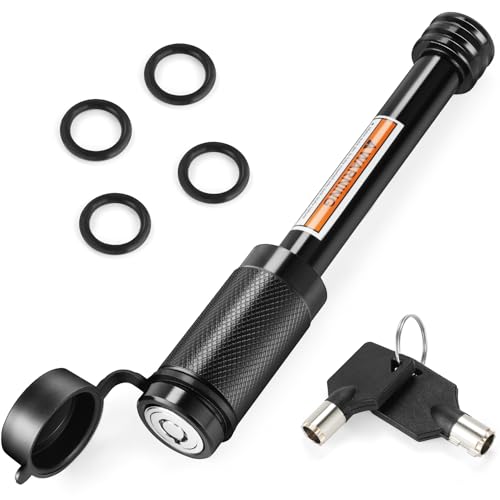
NIVERSAL COMPATIBILITY:The trailer hitch lock is designed with a 5/8"diameter hitch pin and a length of 3-1/2"of effective pin length,fits most class III IV 2" and 2-1/2" hitch receivers for towing, trailer, boat, RVs, truck, car and tractors
Choosing the Right Trailer for Your Vehicle
Selecting the right trailer is just as important as understanding your vehicle’s towing capacity. The trailer must fall within your vehicle’s weight limits when fully loaded, not just when empty. A trailer’s dry weight does not include cargo, propane, water, tools, passengers’ gear, batteries, food, spare parts, or accessories, so the loaded weight can be much higher than the brochure number.
If you own a compact SUV with a lower towing limit, a lightweight utility trailer, small boat trailer, or compact camper may be more suitable than a large travel trailer. If you own a pickup or full-size SUV, you may have more towing room, but you still need to compare payload, hitch rating, tongue weight, and GCWR before choosing a trailer.
Trailers with multiple axles can distribute weight more evenly and may feel more stable during travel, but they can also weigh more. Trailers with their own braking systems can improve safety by reducing strain on the tow vehicle’s brakes, especially on hills, highways, and emergency stops. For heavier trailers, trailer brakes are often required by law.
Also check the trailer coupler size, safety chains, breakaway system, tire condition, wheel bearings, lighting plug, and load-securement points. A trailer that is poorly maintained or mismatched to your hitch can create safety problems even when the weight looks acceptable on paper.
[Amazon Products Picked for You]
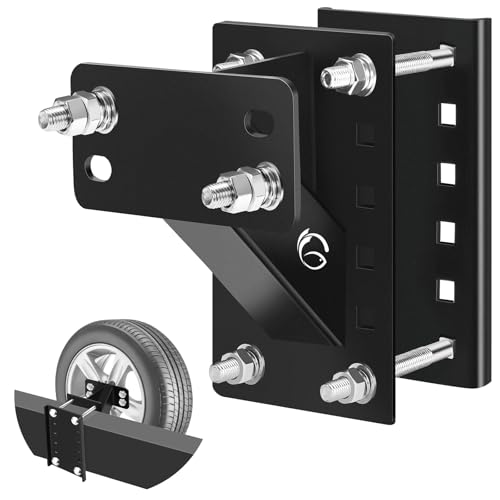
【150 LBS HEAVY DUTY】This spare tire bracket is reinforced with an upgraded triangular structure welded together, with a sturdy rectangular behind plate that holds the steel beam firmly in place and holds up to 150 Lbs.

LARGE LOAD CAPACITY: 1500lb; 15 cu.ft of hauling capacity

OMNI-SHIELD: For light precipitation and everyday protection against stains, this garment repels rain, resists stains, and dries quickly.
Safety Considerations When Towing

Safety should always come before convenience when towing. Start by confirming that your vehicle and trailer lights work correctly. Brake lights, turn signals, running lights, reflectors, and hazard lights help other drivers understand your movements. Check them before every trip, especially after connecting the trailer plug.
Load distribution is another major safety factor. Place heavier cargo low and near the trailer’s centerline. Avoid loading too much weight behind the trailer axle because that can increase sway. A balanced trailer should track smoothly behind the vehicle without bouncing, fishtailing, or pulling the tow vehicle out of line.
Proper tongue weight helps maintain stability. Too little tongue weight can make the trailer sway at highway speeds. Too much tongue weight can overload the rear axle, lift weight off the front tires, reduce steering control, and aim headlights too high. If your trailer feels unstable, stop safely and adjust the load before continuing.
Safety chains provide a backup connection if the coupler separates from the hitch. Cross the chains under the trailer tongue so they can help catch the tongue if it drops. Leave enough slack for turns, but not so much that the chains drag on the road. Use a properly rated hitch pin and clip, and lock the coupler before driving.
Check tire pressure on both the tow vehicle and trailer before departure. Trailer tires can age out, crack, or fail even when the tread looks acceptable. Also inspect wheel bearings, lug nuts, breakaway battery, brake controller settings, mirrors, and load straps. When towing, leave more following distance, brake earlier, accelerate gradually, and take wider turns.
Pro Tip: Before a long trip, take a short test drive with the loaded trailer. Listen for unusual noises, test braking, check mirror visibility, and recheck straps, coupler, chains, and tire temperature after a few miles.
[Amazon Products Picked for You]

Rugged construction =====Made of high-quality galvanized steel, this trailer's safety cable kit can withstand the harshest conditions. The galvanized surface has excellent corrosion resistance, ensuring that the cable maintains its strength and durability even when exposed to rain, snow or other harsh environments. Its rugged construction has excellent tensile strength and wear resistance, long term performance for all your traction needs.

HEAVY-DUTY GRADE 30 STEEL. Forged from high-tensile G30 steel to provide a 2,000 lbs breaking strength capacity. This 2-pack offers a reliable backup connection for light-duty utility trailers, ensuring your gear stays attached during transport if the main hitch becomes disengaged

5,000 LBS ALL-PURPOSE PROTECTION. Secure your mid-sized trailer with confidence using our Grade-30 high-tensile steel chains. Rated for a 5,000 lbs breaking strength, this kit provides a heavy-duty backup connection that keeps your equipment tethered to your vehicle, effectively preventing accidents if your primary hitch fails on the road
Legal Requirements for Towing
Towing regulations vary by state, province, region, and country. Before towing, check the rules where you live and where you plan to travel. Some places have specific requirements for trailer registration, license plates, safety inspections, lighting, reflective markings, brake systems, safety chains, breakaway devices, maximum width, maximum length, and speed limits.
License requirements can also change based on weight. A standard driver’s license may be enough for light towing, but heavier trailers or commercial use may require a special endorsement, upgraded license class, or additional documentation. If you tow for work, business, agriculture, or interstate travel, extra rules may apply.
Trailer brake laws are especially important. Many areas require trailer brakes above a certain weight threshold. Some also require a breakaway system that activates the trailer brakes if the trailer separates from the tow vehicle. Failing to meet these requirements can lead to fines, liability issues, and serious safety risks.
Tips for Maximizing Your Vehicle’s Towing Capacity
To get the safest performance from your vehicle, start by weighing your setup before a trip. Many truck stops, gravel yards, moving centers, and public scales can help you measure the tow vehicle, trailer, axle weights, and combined weight. This gives you a real number instead of a guess.
Pack the trailer carefully. Keep heavy items low and secure. Do not exceed the trailer’s cargo capacity, axle rating, tire rating, or coupler rating. Use tie-down straps or cargo nets to prevent shifting. A load that moves during braking or cornering can change the trailer’s balance and create sway.
Maintain your tow vehicle in peak condition. Check engine oil, transmission fluid, coolant, brake fluid, brake pads, tire pressure, tire tread, suspension parts, and lights. Towing places extra strain on the engine, transmission, cooling system, brakes, tires, and wheel bearings, so preventive maintenance matters.
Use the correct hitch setup. A weight-distribution hitch may help with certain heavier conventional trailers when the vehicle manufacturer allows it. Sway control can also help reduce unwanted trailer movement, but it should not be used to hide poor loading or an overloaded trailer.
Adjust your driving style when towing. Drive slower than usual, leave extra stopping distance, avoid sudden steering inputs, and downshift on long grades when needed. Strong crosswinds, passing trucks, wet roads, and steep descents can all affect trailer control. If sway begins, avoid sharp steering corrections and sudden acceleration. Slow down carefully and stop when safe.
Practice also helps. If you are new to towing, practice turns, lane changes, braking, parking, and reversing in an open lot before driving in traffic. Trailer handling feels different from normal driving, especially when backing up or turning through tight spaces.
Every safe towing setup depends on matching the tow vehicle, trailer, hitch, cargo, and driver skill. When in doubt, reduce the load, choose a lighter trailer, or use a vehicle rated for the job. Staying within the ratings may feel conservative, but it protects your vehicle, your trailer, your passengers, and other drivers on the road.
Related Guides
Frequently Asked Questions
What is towing capacity?
Towing capacity is the maximum trailer weight a vehicle can safely tow when properly equipped. It is set by the manufacturer and depends on the vehicle’s engine, transmission, brakes, frame, axle ratio, suspension, cooling system, tires, hitch equipment, and overall design.
How do I find out my car’s towing capacity?
Check your owner’s manual first. You can also look at the driver’s door jamb label for payload and weight ratings, then confirm details with the manufacturer or dealer using your vehicle identification number. Do not rely only on a general model listing because towing capacity can vary by trim, drivetrain, axle ratio, and tow package.
What factors affect a car’s towing capacity?
Important factors include engine power, transmission type, axle ratio, drivetrain, frame strength, suspension, brakes, cooling system, tire load rating, hitch rating, payload capacity, GVWR, GCWR, and trailer tongue weight. Cargo and passengers inside the vehicle also affect how much you can tow safely.
Can I increase my car’s towing capacity?
You can add equipment that improves towing control, such as a better hitch, brake controller, cooling upgrades, or suspension support. However, these upgrades usually do not change the official manufacturer towing capacity, GVWR, GCWR, payload rating, or axle rating. For heavier loads, use a vehicle rated for the trailer.
What happens if I exceed my car’s towing capacity?
Exceeding towing capacity can cause reduced braking performance, poor steering control, trailer sway, overheated transmission fluid, tire failure, suspension damage, hitch failure, and increased crash risk. It can also create legal, insurance, and warranty problems after an accident.
Should I use dry trailer weight or loaded trailer weight?
Use loaded trailer weight. Dry weight does not include cargo, water, fuel, propane, batteries, tools, food, accessories, or personal gear. The safest method is to weigh the loaded trailer and compare that number with your vehicle, hitch, axle, tire, and combined weight ratings.
Why does payload matter when towing?
Payload matters because trailer tongue weight counts against the weight your vehicle can carry. Passengers, luggage, tools, roof cargo, aftermarket accessories, and tongue weight all reduce available payload. A trailer can be within the tow rating but still overload the vehicle’s payload or rear axle rating.
Sources
- National Highway Traffic Safety Administration: Towing Safety — supports safe towing practices, trailer connection checks, and general towing safety guidance.
- Federal Motor Carrier Safety Administration: Commercial Driver’s License Information — supports the point that heavier or commercial towing may involve additional licensing rules.
- National Highway Traffic Safety Administration: Tire Safety — supports tire pressure, tire condition, and load-rating safety reminders.
- National Highway Traffic Safety Administration — supports the broader safety principle of following manufacturer instructions and checking vehicle safety equipment before travel.