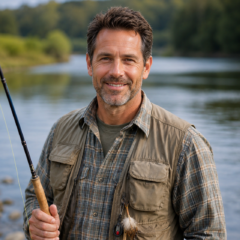
Bank fishing gives you a simple, affordable way to catch fish without owning a boat. You can work shorelines, docks, bridges, riprap, grass edges, points, and creek mouths with only a small gear setup. The best results usually come from choosing high-percentage spots, staying quiet, matching your lure to the water conditions, and moving until you find active fish.
Quick Answer
To catch more fish from the bank, target structure and cover, cast parallel to the shoreline, keep your approach quiet, and use a small lure selection that covers topwater, mid-depth, and bottom presentations. Fish early, late, or during stable weather, and move often when a spot does not produce.
Key Takeaways
- Focus on visible cover, docks, bridges, grass edges, rocks, shade lines, and current seams before casting open water.
- A 7 to 7.5-foot medium spinning rod with a 30 or 40 size reel works well for many beginner bank fishing situations.
- Cast parallel to the bank first because many fish hold close to shore, especially near cover or drop-offs.
- Use natural colors in clear water and brighter or darker profiles in stained water or low light.
- Stay mobile, quiet, and organized so you can cover more water without carrying too much gear.
At a Glance
| Time Required | 1 to 4 hours for a typical bank fishing session |
| Difficulty | Beginner-friendly, with room to build advanced casting and lure skills |
| Tools Needed | Rod, reel, fishing line, basic tackle, pliers, scissors, polarized sunglasses, water, license, and first aid kit |
| Cost | Low to moderate, depending on your rod, reel, tackle, and local license requirements |
Understanding Bank Fishing

When you step onto the bank, you get access to productive fishing water without the hassle of launching a boat. Bank fishing, also called shore fishing, works well for beginners because you can learn how fish use cover, shade, depth changes, and current from a stable position.
To maximize your success, focus on high-percentage areas first. Man-made structures like docks, bridges, culverts, seawalls, and riprap often attract baitfish and give predator fish a place to ambush prey.
Focusing on structure and cover, such as docks, bridges, rocks, grass, and fallen trees, can greatly improve your chances of getting bites from the bank.
Natural cover matters too. Look for grass lines, laydowns, stumps, overhanging trees, shaded banks, points, creek mouths, and areas where shallow water drops into deeper water.
One of the best shore fishing tips is to cast parallel to the shoreline before casting straight out. Many fish hold close to the bank, especially when cover, shade, or food is nearby.
Early mornings and late evenings are often prime times to fish because low light can make fish more comfortable feeding shallow. Overcast days, light wind, and gentle rain can also help bank anglers because fish may roam closer to shore.
Stealth is key. Move quietly, avoid heavy footsteps, keep your shadow off the water when possible, and make soft casts so you do not spook fish sitting near the bank.
With these basics in place, you can turn a simple shoreline into a productive fishing spot.
Essential Gear for Beginners

Essential gear can make all the difference in your bank fishing experience. You do not need to carry a full boat-load of tackle. A simple, organized setup helps you move faster and fish more efficiently.
Start with a spinning rod between 7 to 7.5 feet paired with a 30 or 40 size spinning reel. This setup works well for finesse techniques like drop shots, wacky rigs, small swimbaits, light Texas rigs, and small jigs.
When it comes to line, braided line with a fluorocarbon leader gives you strong casting distance, sensitivity, and lower visibility near the lure. Monofilament also works for beginners because it is affordable, easy to handle, and forgiving.
To keep your essentials organized, use a small tackle box, waist pack, sling bag, or backpack. Bring scissors or line cutters, pliers, extra hooks, a few weights, soft plastics, a topwater lure, a moving bait, and one or two bottom-contact lures.
A streamlined lure selection helps you cover the water column. Think topwater options like frogs or poppers, middle-zone lures like jerkbaits and spinnerbaits, and bottom baits like Texas rigs, jigs, or Ned rigs.
Finally, carry no more than three to four rods if you need multiple setups. Many beginners do better with one spinning rod and one casting rod because they stay mobile and spend more time fishing.
Note: Check your local fishing license, size limits, bag limits, and bait rules before you fish. Regulations can change by state, lake, river, and species.
Rod and Reel Recommendations

When you’re bank fishing, choosing the right rod and reel can make your day easier. The best setup depends on your target species, lure size, shoreline access, and the amount of cover around you.
A 7 to 7.5-foot medium action spinning rod is a strong all-around choice for finesse techniques. A medium-heavy casting rod gives you more power for heavier baits, thicker vegetation, and stronger hooksets.
Don’t forget to spool up with the right line for your water. Braided line with a fluorocarbon leader helps with sensitivity and stealth, while monofilament can work well for treble-hook lures and beginner setups.
Spinning Rod Specifications
To maximize your success while bank fishing, select a spinning rod that balances casting distance, lure control, and comfort. A rod between 7 to 7.5 feet in medium action gives you versatility for many common bank fishing techniques.
Pair your rod with a spinning reel sized between 30 and 40 for a balanced setup that supports smooth casting and steady retrieval. This size range works well for bass, panfish, trout, catfish, and many mixed-species shore fishing situations when matched with the right line and lure.
Use braided line in the 10 to 20 lb range when you need casting distance and strength. Add a 3 to 4-foot leader of 8 or 10 lb fluorocarbon when fish are line-shy or the water is clear.
The medium action helps with finesse techniques like drop shots, wacky rigs, shaky heads, and small swimbaits. It gives enough flex to protect light line while still offering control during the fight.
Casting Rod Features
After getting the hang of spinning rod specifications, it helps to understand how a casting rod can elevate your bank fishing game.
A solid choice for many bank anglers is a 7 to 7.5-foot casting rod with medium-heavy action. This length offers enough casting distance for open banks while still giving you control around docks, brush, grass, and rocks.
Pair it with a high gear ratio reel, such as 7:1 or faster, when you need quick line pickup. Fast retrieval helps when working jigs, frogs, Texas rigs, buzzbaits, and spinnerbaits around cover.
This setup allows for precise casting and better control with heavier lures. It also gives you the backbone needed to drive hooks home and steer fish away from snags.
Portability still matters. Choose a rod that balances weight and strength so you can walk long banks without wearing yourself out.
Line Recommendations
Selecting the right line can greatly enhance your bank fishing experience. Your line affects casting distance, bite detection, lure action, and how well you handle fish around cover.
- Braided line: Use braid when you need long casts, strong hooksets, and better sensitivity. It has low stretch and works well around vegetation.
- Fluorocarbon leader: Pair braid with a 3 to 4-foot leader of 8 or 10 lb fluorocarbon when you want lower visibility near the lure.
- Monofilament line: Choose mono when you want an affordable, easy-handling line with some stretch. It works well for many beginner setups.
For versatility, a medium-heavy casting rod with a high gear ratio reel is excellent for heavier lures. A medium spinning rod is better for finesse baits and lighter presentations.
Choosing the right line and rod ensures you are prepared for many bank fishing scenarios without carrying too much gear.
Lure Selection for Success

Choosing the right lure isn’t just about what looks good. It is about matching the baitfish, insects, crawfish, frogs, or other prey in the water you are fishing.
Pay attention to seasonal color changes, water clarity, light level, and fish activity. Bright colors can help in stained water or summer reaction bites, while natural tones often work better in clear water or colder conditions.
Matching Lures to Prey
When you’re out bank fishing, understanding the natural prey in your area can dramatically increase your chances of success. By matching lures to prey, you mimic the size, shape, color, and movement of food fish already expect to see.
Pay attention to the water column. Experiment with soft plastics, jigs, crankbaits, spinners, and topwater baits at different depths to find where fish are actively feeding.
Use these effective fishing tips and techniques to refine your lure selection:
- Observe baitfish, insects, frogs, crawfish, and other visible prey near the bank.
- Use bright hues in stained water, low light, or aggressive feeding windows.
- Use natural colors in clear water, high sun, or pressured fishing areas.
- Watch fellow anglers from a respectful distance; their catches can reveal active depths and lure styles.
With these strategies, you will make smarter lure choices and avoid wasting time with baits that do not fit the conditions.
Seasonal Color Adjustments
As you refine your lure selection based on the prey in your area, consider how seasonal changes affect color and presentation.
In summer, bright colors like chartreuse, white, or orange can trigger active fish, especially in stained water or around grass. In clear summer water, natural baitfish shades may look more realistic.
As temperatures drop, switch to more natural or subtle colors such as green pumpkin, brown, shad, smoke, and watermelon. Slower presentations often work better when fish are less active.
In stained water, bright lures, dark silhouettes, and baits with vibration can help fish locate your presentation. In clear water, subtle hues and smaller profiles often look more natural.
During early spring and late fall, darker lure colors can stand out during low-light periods. Pay attention to changing prey patterns throughout the year, and do not hesitate to experiment with color variations throughout the day.
Simple Bank Fishing Lure Box
You do not need dozens of lures to fish from the bank. A small, balanced selection keeps you mobile and gives you options for different depths.
- Topwater lure: Try a popper, walking bait, buzzbait, or frog during low light, around grass, or when fish are feeding shallow.
- Moving bait: Use a spinnerbait, squarebill crankbait, swimbait, or chatter-style bait to cover water quickly.
- Finesse bait: Use a wacky rig, Ned rig, drop shot, or small worm when fish are pressured or inactive.
- Bottom bait: Use a jig, Texas rig, or shaky head around rocks, brush, docks, and deeper edges.
This setup gives you a lure for the surface, middle of the water column, and bottom without overloading your bag.
Effective Fishing Techniques

To maximize your success on the bank, master a range of effective fishing techniques tailored to the conditions and species you’re targeting.
One key method is to cast parallel to the shoreline. This lets your lure stay in the strike zone longer and helps you cover fish that are holding near rocks, grass, docks, or shade.
Using different presentations, such as wacky rigging or Texas rigging, can help you adapt to fish behavior and preferences. Fast-moving baits can locate active fish, while slower bottom baits can tempt fish that refuse to chase.
Here are a few techniques to improve your bank fishing experience:
- Pitching and flipping: Use these short, accurate casts around heavy cover, laydowns, docks, and shoreline brush.
- Lure selection: Adjust your colors based on water clarity. Bright hues can help in stained water, while natural tones usually work better in clear conditions.
- Stay mobile: Make several casts from one spot, then relocate if you do not see bait, cover, or signs of fish activity.
- Fan cast: Cast left, center, and right from each position so you cover shallow, mid-depth, and deeper angles.
- Change retrieve speed: Try steady retrieves, pauses, twitches, hops, and slow drags until fish show a preference.
These techniques can boost your success while you fish from the bank because they help you cover water with a clear plan.
Pro Tip: Make your first few casts before walking right up to the water. Fish often sit close to the bank, and heavy footsteps can push them away before your first cast.
Choosing the Right Fishing Spot

Finding the right fishing spot can make all the difference in your bank fishing success. Start by scouting areas around heavy cover and structure, such as vegetation, rocks, laydowns, docks, bridges, and fallen trees.
Use satellite maps or mapping apps before your trip to identify points, bends, creek mouths, riprap banks, access trails, ponds, coves, and possible depth changes. These features can attract fish in different seasons and water conditions.
Pay close attention to water clarity and depth variations. Clear water may require subtle presentations and longer casts. Murky water lets you use brighter colors, darker silhouettes, vibration, and slower presentations.
During spawning season, look for protected shallow areas with firm bottom, warmer water, and nearby cover. If you do not see activity or get bites after a reasonable effort, move to another stretch of bank.
Also watch environmental factors like wind direction, temperature, water level, current, shade, and sun angle. Wind can push baitfish toward a bank, shade can hold fish during hot periods, and current can create feeding lanes near bridges or culverts.
High-Percentage Bank Fishing Spots
Some shoreline areas are more productive than others. Instead of casting randomly, start with spots that naturally funnel food or provide cover.
- Points: Fish can move up and down points to feed at different depths.
- Riprap banks: Rocks hold heat, algae, baitfish, crawfish, and ambush points.
- Docks and piers: Shade and posts create cover for bass, panfish, and other species.
- Creek mouths: Moving water can bring oxygen, food, and cooler temperatures.
- Grass edges: Vegetation gives fish cover and attracts bait.
- Laydowns: Fallen trees create shade, ambush points, and protection.
- Drain pipes and culverts: Current and runoff can draw feeding fish after rain.
When a spot combines more than one feature, such as a windy point with rocks and shade, give it extra attention.
Importance of Stealth and Approach

When you’re bank fishing, keeping your movement and noise to a minimum is essential for success. Fish close to shore can feel vibrations from footsteps, dropped tackle, and sudden movement.
Approach the water quietly, and remember that your shadow can easily spook fish. Stay low when needed, avoid standing on top of steep banks, and cast before you step into full view.
Using longer casts and stealthy lures can make all the difference when you are targeting wary fish near the shore.
Minimizing Noise and Movement
As you approach the water, remember that every step counts in your quest for a successful catch. Minimizing noise and movement helps you avoid alerting fish before your lure reaches them.
Fish are easily spooked in shallow water, so move slowly and deliberately. Avoid sudden gestures, loud talking, dragging tackle boxes, or stomping near the edge.
Be mindful of your shadow. Casting from a lower angle, standing back from the edge, and using nearby trees or brush for cover can help you maintain a low profile.
Many fish lurk within five feet of the shore. To enhance your stealth, wear muted or natural colors and avoid bright clothing that stands out against the bank.
Use stealthy presentations like light jigs, weightless soft plastics, small swimbaits, and quiet topwaters when fish are pressured or shallow.
- Approach the water quietly.
- Maintain a low profile by casting low.
- Use natural colors to blend in.
- Keep your tackle organized so you do not make extra noise.
Casting Techniques for Stealth
Mastering casting techniques is essential for stealthy bank fishing, where every move can mean the difference between a bite and an empty hook.
To improve your chances, approach the water quietly and make your first cast from several steps back. This prevents you from spooking fish that may be holding right against the bank.
Aim to cast beyond your target and bring the lure through the strike zone. This approach gives your lure a more natural path and reduces the chance of landing directly on top of fish.
Longer casts are useful because they keep you away from shallow fish that are sensitive to movement. When you cast, keep the lure low to reduce splash.
Finally, blend into your surroundings by wearing muted colors and avoiding casting shadows. These subtle adjustments can greatly improve your chances of landing a fish from shore.
Casting Techniques for Shore Fishing

Casting techniques are essential for successful shore fishing. Better casting helps you reach bass-holding areas, avoid snags, reduce splash, and present your lure naturally.
To improve your fishing experience, focus on these strategies:
- Cast parallel to the shoreline to cover more water and increase your chances of finding bass close to the bank.
- Use a 45-degree angle for your casts to target different depths and structures while maintaining a stealthy approach.
- Use short pitches and flips in heavy cover, aiming to land your lure within 10 feet of the bank where fish often hide.
- Use sidearm casts under branches, docks, and low cover when overhead casting is not practical.
- Use skipping casts with soft plastics when fish are tucked under shade or overhanging cover.
Avoid loud overhead casting when fish are shallow and spooky. Smooth, quiet casts keep the water calm and help your lure look natural.
Practicing techniques like skipping, pitching, flipping, and sidearm casting during the off-season can improve your accuracy and versatility when shore fishing.
Seasonal Considerations for Fishing
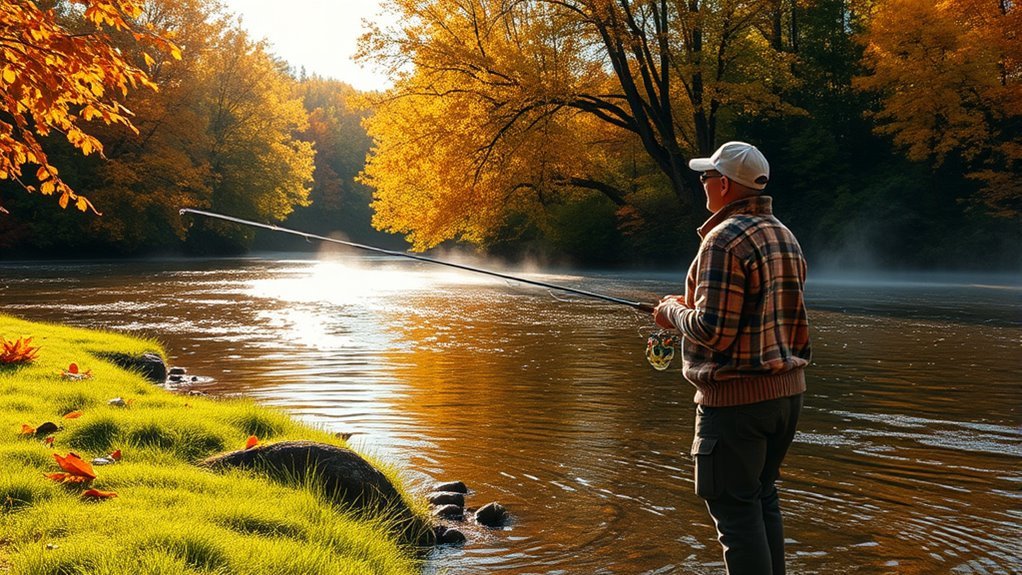
Understanding seasonal considerations can greatly improve your bank fishing success. Fish location, feeding mood, and lure choice can change as water temperature, daylight, and weather patterns shift.
In spring, many fish move toward shallow water as temperatures rise. This can make bank fishing productive, especially around protected coves, warming flats, grass, wood, and rocky banks.
In summer, fish often seek cooler, shaded spots during the brightest parts of the day. Focus your efforts around dawn, dusk, shade lines, deeper edges, current, and vegetation.
In fall, baitfish often move shallow again, and predator fish may feed heavily. Moving baits, topwater lures, and natural baitfish colors can work well when fish are chasing food.
When winter arrives, water temperatures drop, and many fish become less active. Slow down your retrieve, downsize your lure, and target deeper water near accessible banks, steep drops, rocks, and sunny areas.
Also keep an eye on local spawning seasons. Some fish become more aggressive during this period, but you should follow local regulations and handle fish carefully if you practice catch and release.
Remember that seasonal changes also affect feeding patterns. Overcast days, wind, or light rain can trigger increased activity, making it a good time to cast from the bank.
Weather, Water, and Timing
Weather and water conditions can turn an average bank fishing trip into a productive one. Before choosing a lure, look at water clarity, wind direction, current, sunlight, and recent rainfall.
Clear water often calls for longer casts, lighter line, natural colors, and subtle lure action. Stained water lets you use vibration, contrast, scent, and brighter or darker colors to help fish find your bait.
Wind can be helpful when it pushes baitfish toward the bank. A windblown shoreline may look rough, but it can concentrate feeding fish if you can cast safely.
Rain can improve fishing when runoff brings food and oxygen into the water. After heavy storms, however, rising water, muddy banks, strong current, and floating debris can make conditions unsafe.
Low-light periods are often best for shallow fish. Try fishing early morning, late evening, cloudy periods, and shaded banks when fish may move closer to shore.
Warning: Leave the water immediately during lightning, dangerous wind, flash flooding, fast current, or unstable bank conditions. No fish is worth a safety risk.
Safety Tips While Bank Fishing
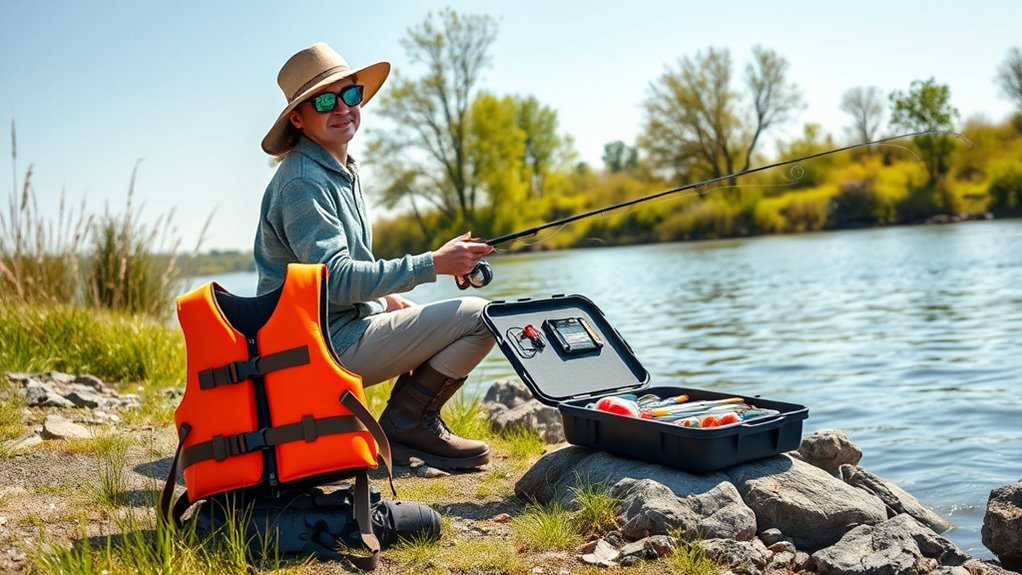
While you enjoy the calm of bank fishing, prioritize safety so your trip stays comfortable and worry-free.
Start by scouting your fishing area for potential hazards like steep banks, slippery rocks, unstable mud, broken glass, hooks, alligators, venomous snakes, strong current, and sudden drop-offs.
Wearing polarized sunglasses improves visibility and helps you spot underwater hazards, shallow rocks, fish beds, and safe casting lanes. They also help protect your eyes from glare and stray hooks.
Keep a well-stocked first aid kit on hand. Include antiseptic wipes, bandages, allergy medication, tweezers, sunscreen, insect repellent, and any personal medication you may need.
Stay hydrated. Bring plenty of water, especially on hot days, and take breaks when fishing exposed banks with little shade.
Also tell someone where you are fishing if you go alone. Carry a charged phone, watch your footing, and avoid fishing too close to fast water or steep drop-offs.
- Always scout for hazards before casting.
- Wear polarized sunglasses for visibility and eye protection.
- Keep a first aid kit handy.
- Carry water and sun protection.
- Follow posted rules and local fishing regulations.
Common Bank Fishing Mistakes
Many bank anglers struggle because they fish too fast, carry too much gear, or overlook the water right in front of them. Fixing a few common mistakes can quickly improve your results.
- Walking straight to the edge: Fish may be close to shore. Cast before stepping into view.
- Only casting straight out: Cast parallel and at angles to keep your lure in productive water longer.
- Carrying too much tackle: Heavy bags slow you down and make it harder to stay mobile.
- Ignoring wind and shade: These factors can position baitfish and feeding fish.
- Using one retrieve all day: Change speed, pauses, depth, and lure action until fish respond.
- Staying too long in dead water: If a spot has no cover, bait, bites, or signs of life, move.
Good bank fishing is active and observant. Keep learning from each cast, each missed bite, and each shoreline change.
Related Guides
Frequently Asked Questions
What is the 80/20 rule in fishing?
The 80/20 rule in fishing means most fish often come from a small percentage of the water. Instead of casting everywhere, focus on high-percentage areas such as structure, cover, shade, current seams, points, grass edges, and depth changes.
What is the best setup for bank fishing?
For many beginners, the best bank fishing setup is a 7 to 7.5-foot medium action spinning rod with a 30 or 40 size reel. Pair it with braid and a fluorocarbon leader, or use monofilament if you want a simple and affordable setup.
What is the best way to fish from the bank?
The best way to fish from the bank is to approach quietly, cast parallel to the shoreline, target cover and structure, and move often until you find active fish. Start with versatile lures that cover topwater, mid-depth, and bottom presentations.
What is the 90/10 rule for bass fishing?
The 90/10 rule for bass fishing means a large percentage of bass often use a small percentage of available water. Focus on productive areas like vegetation, rocks, docks, laydowns, points, shade, and current instead of fishing featureless banks.
How many rods should I carry for bank fishing?
Most bank anglers should carry one to three rods. One spinning setup is enough for beginners. Add a casting rod if you want to throw heavier lures, frogs, jigs, spinnerbaits, or Texas rigs around cover.
What time of day is best for bank fishing?
Early morning and late evening are often best because fish may move shallow during low light. Cloudy weather, light wind, and stable conditions can also keep fish active near the bank during the day.
Conclusion
Bank fishing is one of the easiest ways to enjoy fishing without a boat. You can catch more fish by choosing better shoreline spots, keeping your approach quiet, using the right gear, and matching your lure to the season and water conditions.
Start simple. Carry a balanced rod and reel, a small tackle selection, basic safety gear, and enough water for the day. Then focus on structure, cover, shade, and depth changes instead of casting randomly.
Each trip teaches you something. The more you observe the bank, the bait, the weather, and the way fish respond, the faster your shore fishing skills will grow.
Sources
- National Park Service: How to Fish — supports beginner fishing basics, gear awareness, and responsible fishing practices.
- National Weather Service: Lightning Safety — supports the warning to leave the water during lightning and dangerous weather.
- U.S. Coast Guard: Life Jacket Wear — supports water safety awareness near banks, drop-offs, boats, and moving water.
- Take Me Fishing: How to Catch Fish — supports basic fishing techniques, tackle selection, and beginner-friendly fishing guidance.