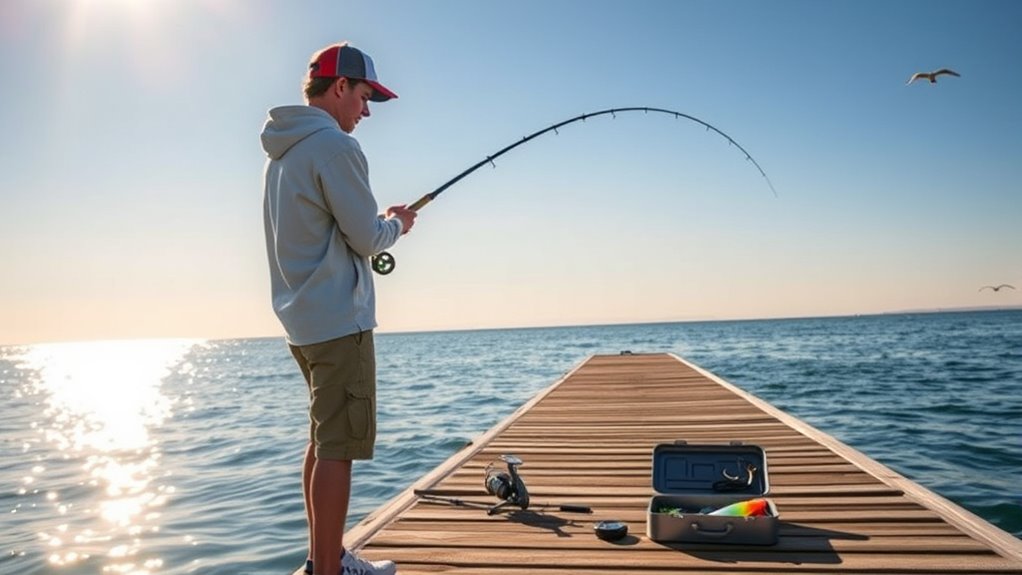
Black drum fishing can be rewarding, beginner-friendly, and surprisingly exciting when you match your timing, bait, and tackle to how these fish feed. Start by checking the current bag limit, slot size, and license rules for your state. Then focus on structure, moving water, and fresh natural bait like live crabs and shrimp to improve your odds.
Quick Answer
To catch black drum, fish near jetties, oyster beds, docks, bridges, channels, and surf troughs with fresh shrimp, crab, clams, mussels, or cut bait. Use a medium to heavy rod, 20-30 lb test line, a bottom rig, and circle hooks. Always check local size, bag, and license rules before keeping fish.
Key Takeaways
- Black drum feed close to the bottom, so keep your bait near structure, current edges, oyster bars, and deeper holes.
- Fresh natural bait works best. Live or fresh shrimp, crabs, clams, mussels, sand fleas, and cut bait all deserve a spot in your bait plan.
- Early spring, early morning, evening, night fishing, and strong tidal movement can improve your catch rate.
- Medium to heavy rods, 20-30 lb test line, circle hooks, and enough weight to hold bottom make a simple and reliable setup.
- Regulations vary by state and may change, so check the current rules before you keep any black drum.
At a Glance
| Best Time | Early spring, early morning, evening, night, and moving tides |
| Difficulty | Easy to moderate, depending on current, structure, and fish size |
| Gear Needed | Medium-heavy rod, spinning or baitcasting reel, 20-30 lb line, leader, circle hooks, sinkers, pliers, net, and fresh bait |
| Best Baits | Shrimp, blue crab pieces, fiddler crabs, clams, mussels, sand fleas, blood worms, and fresh cut bait |
First Things First! Black Drum Fishing Regulations
Before you grab your gear and head out to catch black drum, take a few minutes to review the fishing regulations for the exact state and waterbody you plan to fish. Black drum rules can cover season, slot size, daily bag limit, possession limit, gear restrictions, and license requirements.
In Florida, black drum are commonly managed with a year-round season, a daily bag limit of five fish, and size regulations that require fish to measure between 14-24 inches, with only one fish over 24 inches allowed. Still, you should always confirm the current rule before your trip because regulations can change.
Make sure you have a valid saltwater fishing license if your state requires one for your age, residency status, fishing method, or location. Some piers, charter trips, or license-exempt situations may have special rules, so never assume the same rule applies everywhere.
Check the current black drum slot, bag limit, and license rules before you keep fish. Regulations vary by state, and Maryland, Virginia, Florida, Texas, Louisiana, Georgia, South Carolina, and North Carolina may all manage black drum differently.
For example, Maryland and Virginia have different size limits and bag limits. Other states along the Atlantic and Gulf coasts may also set different rules for recreational anglers. If you fish near a state line, confirm which jurisdiction applies to your location.
Warning: Do not rely on old screenshots, dock talk, or last season’s rule booklet. Black drum limits can change, and the legal length is measured by the method your state requires.
Best Times to Go Fishing for Black Drum
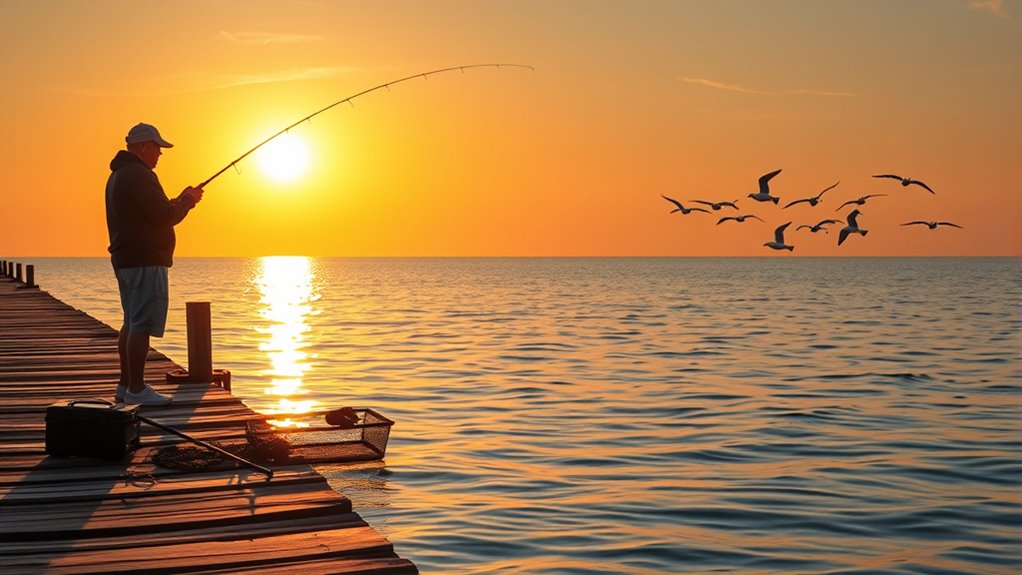
When planning your black drum fishing trip, timing can make all the difference in your success rate. The best times to target black drum are often during the early spring months, when many fish move, feed, and gather around passes, bridges, bays, inlets, and nearshore structure.
Early morning hours are often productive because boat traffic is lighter, the water can be calmer, and black drum may feed more confidently in shallow areas. Evening can also be strong, especially around docks, bridges, lighted areas, and channel edges.
Additionally, focus on fishing during high outgoing tides or other periods with steady moving water. Current can sweep shrimp, crabs, small baitfish, worms, and shell fragments past feeding lanes, which makes crustaceans more accessible to black drum.
Night fishing can also yield good results, though it requires patience, safe lighting, and a solid supply of mosquito repellent to keep pesky insects at bay. At night, listen for feeding activity near pilings, docks, rocks, and oyster bars.
To maximize your catch rates, target specific locations like jetties, bridges, and oyster beds during these peak times. By aligning your fishing efforts with tide, season, bait movement, and structure, you’ll considerably increase your chances of reeling in those prized black drum.
Happy fishing, but keep your plan flexible. If the tide slows, bait gets picked clean, or the bite fades, move to nearby current seams, deeper holes, or fresh structure instead of waiting too long in one dead spot.
Pro Tip: Start fishing before the tide reaches full strength. Black drum may feed best when the current moves enough to carry scent but not so hard that your bait rolls away.
Where to Go Black Drum Fishing
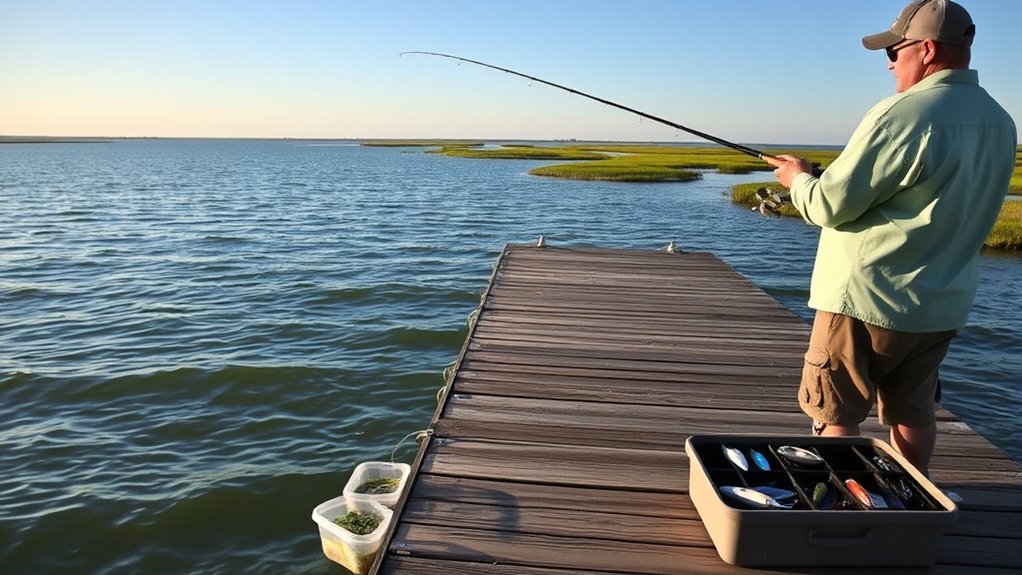
Finding the right spot for black drum fishing can greatly enhance your chances of landing a big catch. Black drum often patrol areas where hard bottom, shell, current, and food come together. Look for structure first, then adjust your bait and rig to match the depth and flow.
Popular locations along Florida’s east coast, like Singer Island, Juno Beach, and Jupiter, are known for their accessibility and abundance of black drum. Jetties, bridges, piers, seawalls, inlets, and surf zones can all hold fish when bait is present.
You’ll find excellent inshore and offshore fishing in areas such as Tequesta, Hobe Sound, and Port Salerno. Stuart, Sewells Point, Jensen Beach, and Fort Pierce are additional hotspots, especially during peak fishing seasons.
For peak success, fish during high outgoing tides when bait fish and small crustaceans are flushed out, making jetties, docks, and oyster beds particularly productive. If the water is dirty, use scent-heavy bait like shrimp, crab, clams, or cut bait.
Consider hiring fishing charters for expert guidance and local knowledge. A local captain can help you understand tide timing, safe access points, productive structure, and how black drum patterns shift through the season.
Always familiarize yourself with local regulations and seasonal patterns in spots like Vero Beach, Wabasso, and Sebastian. This fishing information will help you maximize your chances of a memorable black drum fishing experience.
Best Black Drum Habitat
Black drum are bottom-oriented fish, so they often feed where they can root around for crabs, shrimp, worms, clams, mussels, and other shellfish. Productive habitat usually includes:
- Oyster beds and shell bars: Great places to find crabs, shrimp, and small shellfish.
- Jetties and rock piles: Current breaks and hard structure attract bait and drum.
- Bridges and pilings: Pilings collect barnacles, crabs, shrimp, and moving water.
- Channels and drop-offs: Larger fish may cruise deeper edges near shallow feeding flats.
- Surf troughs: Black drum may feed close to the beach when waves stir up food.
- Muddy or sandy bottom near shell: This mix often holds worms, clams, and crustaceans.
Black Drum Fishing Gear
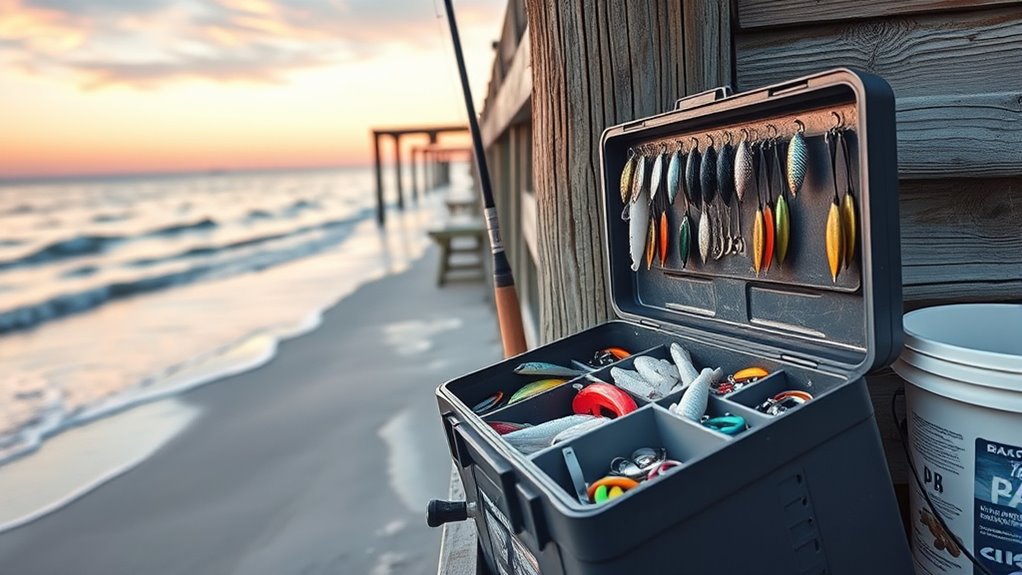
Having the right gear is essential for a successful black drum fishing experience. These fish can pull hard, hug the bottom, and use current to their advantage, so your setup needs enough backbone without becoming too heavy to enjoy.
To effectively target these strong fighters, you’ll need the following black drum fishing gear:
- Rod and Line: A medium to heavy spinning or baitcasting rod paired with a 20-30 lb test line offers the durability needed to handle their size. Use lighter gear for smaller inshore fish and heavier gear around jetties, bridges, deep current, or big drum.
- Hooks and Weights: Circle hooks are perfect for improving catch and release success while minimizing harm to the fish. Weights are also vital to keep your bait on the bottom, where black drum typically feed.
- Tackle Box Essentials: Fill your tackle box with a variety of live baits, such as shrimp and crabs, along with cut bait for larger catches. Add pliers, a dehooker, leader material, swivels, beads, sinker slides, extra sinkers, and a measuring tool.
Lastly, consider using a fish finder to locate schools of black drum, making your fishing trip even more rewarding. From shore, you can still read the water by watching for current seams, deeper troughs, birds, bait movement, and anglers who are getting steady bites.
Simple Black Drum Rig
A basic bottom rig works well for most black drum trips. Slide an egg sinker or sinker slide onto your main line, tie to a swivel, then add 12-24 inches of leader and a circle hook. Use just enough weight to hold bottom without making the bait look stiff or unnatural.
For bridges, jetties, and deeper current, a fish-finder rig can help black drum pick up the bait without feeling too much resistance. For oyster beds and rough bottom, shorten the leader and check it often for nicks.
Note: Black drum have strong mouths, but they often bite with a slow pull instead of a sharp strike. With circle hooks, avoid a hard hookset. Reel down, let the rod load, and keep steady pressure.
Best Black Drum Baits
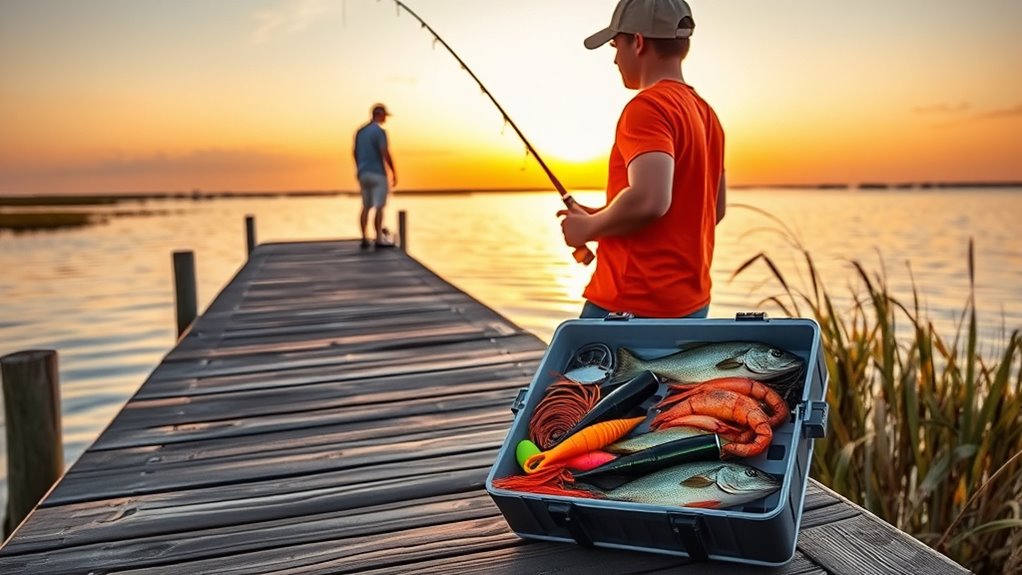
To maximize your chances of catching black drum, choosing the right bait is essential. The best black drum baits include live crabs, shrimp, clams, and mussels, as they’re highly attractive to these fish. Fresh bait is vital, and bait with natural scent can greatly boost your success because black drum rely heavily on smell and taste when feeding near the bottom.
Shrimp is one of the easiest baits to find and rig. Peel part of the shell if small bait stealers are not a problem, or thread the shrimp naturally on the hook so it stays secure in current. For larger black drum, pieces of blue crab, cracked crab, clams, mussels, or fresh cut bait can help discourage tiny fish.
Here’s a quick reference table to help you choose the right bait based on the season and conditions:
| Season | Best Baits | Notes |
|---|---|---|
| Warmer Months | Live Crabs, Mussels | Crabs are often the top choice |
| Cooler Months | Shrimp, Clams | Both are effective in colder waters |
| Year-Round | Blood Worms, Cut Fish | Great for targeting larger black drum |
| Fishing Conditions | Fresh Bait | Always opt for the freshest options |
Experimenting with these options can enhance your catch rate. If one bait gets stripped too quickly, switch to a tougher bait like crab, clam, or cut fish. If bites are slow, downsize the bait, refresh it more often, or add more natural scent.
How to Hook Black Drum Bait
- Shrimp: Hook through the horn, tail, or body depending on current and casting distance.
- Crab pieces: Remove the top shell, cut into halves or quarters, and place the hook through a leg socket or firm body section.
- Clams and mussels: Thread the soft meat onto the hook and use elastic bait thread if needed.
- Cut bait: Use fresh strips or chunks that release scent but still stay on the hook.
- Sand fleas: Hook lightly through the shell so the bait looks natural in surf wash.
How to Fish for Black Drum Step by Step
Once your bait, gear, and spot are ready, keep the process simple. Black drum fishing is often more about patience, bait placement, and fresh scent than constant casting.
- Check the rules first. Confirm the current license, size, and bag regulations for your location.
- Pick structure with moving water. Start near oyster bars, jetties, bridges, docks, channels, surf troughs, or muddy edges near shell.
- Rig for the bottom. Use a fish-finder rig, Carolina-style bottom rig, or simple sinker-and-leader setup.
- Use fresh bait. Start with shrimp, crab, clams, mussels, sand fleas, blood worms, or fresh cut bait.
- Cast up-current. Let the bait settle naturally near the feeding zone instead of dragging it too fast.
- Watch for a slow load. Black drum may thump, tap, or slowly pull the rod tip down.
- Reel into the fish. With circle hooks, avoid a violent hookset. Let the rod bend and maintain steady pressure.
- Land the fish carefully. Use a net when possible, especially around rocks, docks, and high banks.
Black Drum Bites and Fighting Tips
Black drum bites can feel different from redfish, snook, trout, or snapper bites. Smaller fish may tap quickly, while larger drum may slowly pull, stop, then pull again. Give the fish a moment to take the bait, then reel down smoothly.
During the fight, keep your rod at a steady angle and avoid pumping too aggressively. Large black drum can use their weight and the current to wear you down. If the fish turns toward rocks, pilings, or oyster shells, apply side pressure and guide it into open water.
If you plan to release the fish, keep the fight as short as you reasonably can. Long fights in warm water can stress big drum, especially oversized breeding fish.
Safe Handling and Release
Black drum can be tough fish, but safe handling still matters. Wet your hands before touching the fish, support its belly, and avoid hanging large fish vertically by the jaw. If you need a photo, have your camera ready before lifting the fish.
Use pliers or a dehooker to remove the hook quickly. If the hook is deep and the fish will be released, cutting the leader close to the hook may be safer than digging around and causing more damage.
For larger black drum, especially oversized fish, keep them in the water as much as possible. Revive the fish by holding it facing into the current until it kicks strongly from your hands.
Warning: Avoid placing fingers near the crushing plates inside a black drum’s mouth. These fish eat shellfish and can clamp down hard.
Common Black Drum Fishing Mistakes
Many missed black drum come from simple mistakes. If you fix these problems, your catch rate can improve quickly.
- Using stale bait: Old bait loses scent and may not draw fish from a distance.
- Fishing too far from bottom: Black drum usually feed low, so keep your bait where they search for food.
- Using too little weight: If your rig rolls away from the strike zone, black drum may never find it.
- Setting the hook too hard: With circle hooks, a hard swing can pull the bait away.
- Ignoring tide changes: A dead tide can slow the bite. Moving water often matters more than the clock.
- Skipping the leader check: Oyster shells, rocks, and pilings can scrape leader material fast.
- Keeping fish without measuring: Always measure carefully before placing a fish in your cooler.
Frequently Asked Questions
How do you fish for a black drum?
To fish for black drum, use live shrimp, crabs, clams, mussels, sand fleas, or fresh cut bait on a bottom rig. Target structures like jetties, piers, bridges, docks, oyster beds, and surf troughs during moving tides. Use medium-heavy gear, circle hooks, and enough weight to hold bottom.
What is the best month to catch black drum?
March and April are often strong months in many areas because black drum activity can increase around spring patterns and spawning movement. The best month still depends on your region, water temperature, tide, and local migration patterns.
What is the best bait to catch black drum?
The best bait to catch black drum includes live crabs, shrimp, clams, mussels, sand fleas, blood worms, and fresh cut bait like mullet. Crab and clam can work well for larger fish, while shrimp is a reliable all-around option.
Are black drum fish hard to catch?
Black drum are not usually hard to catch when you use fresh bait, fish near structure, and keep your bait on the bottom during moving water. They become more challenging when the tide is slack, bait is stale, or heavy structure breaks your leader.
Can you catch black drum from shore?
Yes, you can catch black drum from shore. Focus on piers, bridges, jetties, seawalls, oyster bars, beach troughs, passes, and areas where current moves bait across the bottom. A simple bottom rig with shrimp or crab works well.
What size hook should you use for black drum?
For many black drum trips, circle hooks in the 2/0 to 6/0 range work well, depending on bait size and fish size. Use smaller hooks for shrimp and sand fleas, and larger hooks for crab pieces, clams, or cut bait.
Conclusion
To sum up, black drum fishing offers an exciting challenge for anglers of all skill levels. These fish may not always strike hard, but they reward patience, fresh bait, careful tide timing, and solid bottom-fishing basics.
Remember, black drum can grow large, with some fish reaching impressive weights. By understanding regulations, timing your trips, choosing productive structure, and using the right gear and bait, you’ll increase your chances of success.
So grab your tackle box, check the current rules, pack fresh bait, and get ready to cast your line. There’s nothing quite like the steady pull of a hefty black drum using the tide and bottom to test your setup.