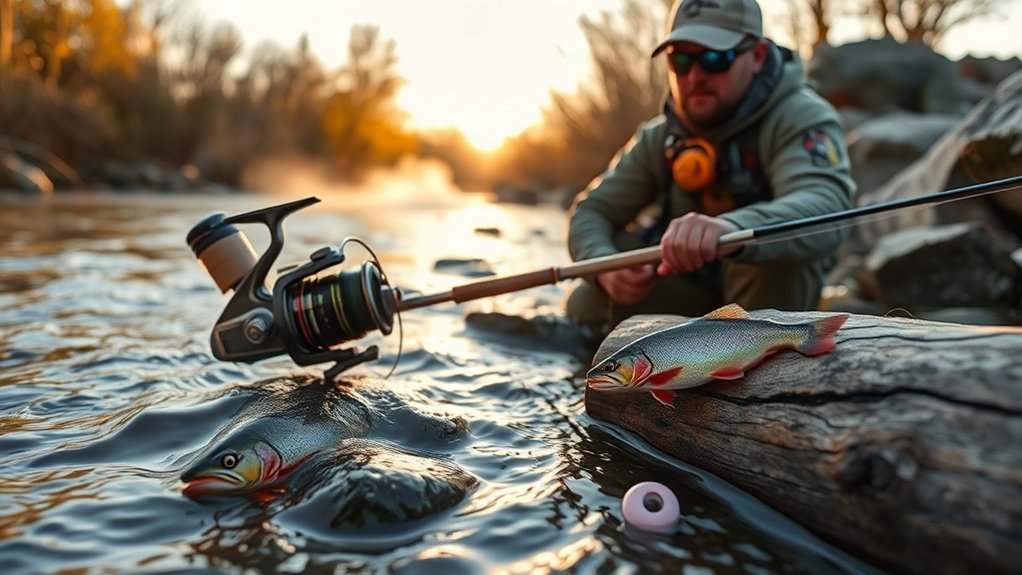
The best fishing retrieve is the one that keeps your lure working correctly at the depth fish are using and matches how willing they are to chase. Start with a steady retrieve, then adjust one variable at a time: speed, pause length, rod movement, depth, or cast angle. Use fast retrieves to cover water and trigger active predators, stop-and-go or twitch-and-pause retrieves for followers, walk-the-dog or pop-and-pause for topwater, and slower presentations when fish are cautious. The key is not finding one “perfect” retrieve—it is learning how to read the response and change your presentation deliberately.
Last updated: September 11, 2026 — retrieve terminology, technique selection, topwater hook-setting, wind guidance, and FAQ coverage refreshed.
Quick Answer
Start with the retrieve that lets your lure move correctly in the target depth zone. Use a steady retrieve as your baseline, speed up when fish are actively chasing, add pauses when fish follow without striking, and use subtle twitches or slower movement for pressured or inactive fish. For topwater, walking-the-dog and pop-and-pause retrieves create controlled surface action. Change only one variable at a time so you can tell what actually triggers the next bite.
Key Takeaways
- Begin with a steady retrieve, then change speed, pauses, rod action, or depth based on how fish respond.
- Fish that follow without striking often respond to a stop, sudden slowdown, twitch, or direction change.
- Topwater walking lures need controlled slack and rhythm; poppers depend on the balance between disturbance and pause time.
- Fast retrieves help cover water, while slow and subtle retrieves keep a lure available to fish that are less willing to chase.
- Rod tip position, line tension, lure depth, and pause length can matter as much as reel speed.
At a Glance
| Active, Chasing Fish | Steady-fast or burn retrieve, as long as the lure stays in its effective running range |
| Followers Without Strikes | Stop-and-go or twitch-and-pause to create a sudden change in speed or direction |
| Cold or Pressured Fish | Start slower, use longer pauses, and keep the lure in the strike zone longer |
| Topwater Fish | Walk-the-dog for side-to-side movement or pop-and-pause when sound and surface disturbance help |
Fishing Retrieve Techniques: The Main Types and When to Use Them
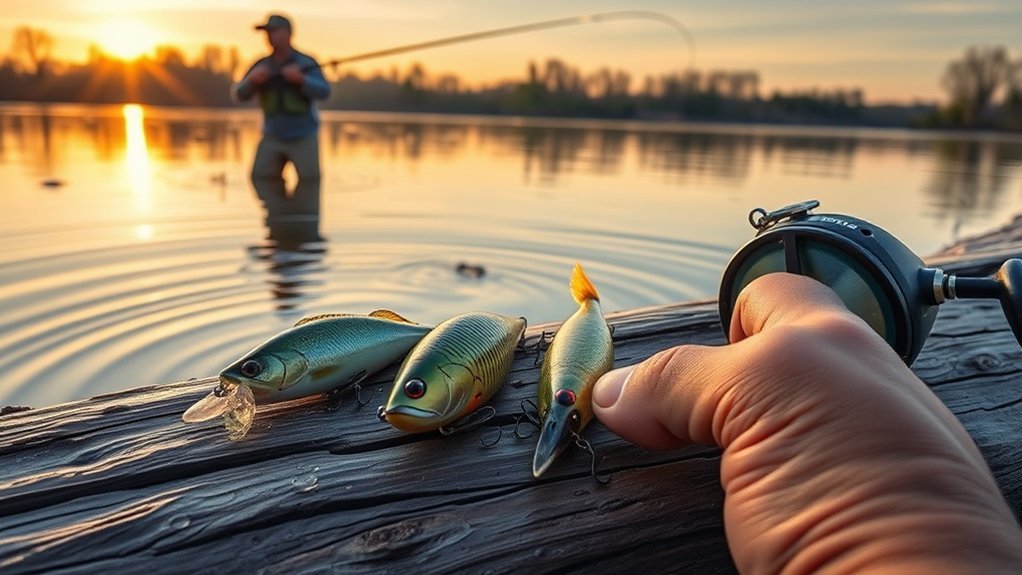
Most artificial-lure retrieves fit into a few useful families. Learn these first, then adapt them to your lure and target fish instead of memorizing dozens of names.
Steady retrieve: Reel at a consistent speed and let the lure create most of its own action. This is a practical starting point for crankbaits, swimbaits, inline spinners, spoons, and other moving lures.
Stop-and-go: Reel for several turns, stop briefly, then restart. The interruption can make a following fish react when a continuous retrieve does not.
Twitch-and-pause: Move the lure with short rod-tip twitches, then let it rest, suspend, glide, or fall. This works especially well with jerkbaits, soft plastics, and many minnow-style lures.
Lift-and-drop: Raise the rod to lift a jig, spoon, blade bait, or soft plastic, then follow it down while maintaining enough contact to detect a strike. Many bites occur as the lure falls.
Fast or burn retrieve: Increase speed to cover water or trigger fish that are actively chasing. Do not reel so fast that the lure rolls, blows out, rises away from the target depth, or stops working correctly.
Topwater retrieves: Walking-the-dog creates a side-to-side surface path, while pop-and-pause uses short bursts of noise and splash separated by stillness.
Fly-fishing retrieves: The roly-poly uses alternating hands for a continuous retrieve, while the figure-of-eight gathers fly line in small continuous loops for controlled movement. These are line-hand techniques rather than general spinning-lure retrieves.
Start with the lure’s normal action, then change one variable at a time. Speed, pause, depth, rod movement, and line tension are easier to diagnose when you do not change all of them at once.
Note: No retrieve works all the time. First make sure the lure is running correctly at the depth you want. Then adjust speed, pauses, and rod movement until fish show you what they prefer.
Surface Retrieves: Walking the Dog and Popper Techniques
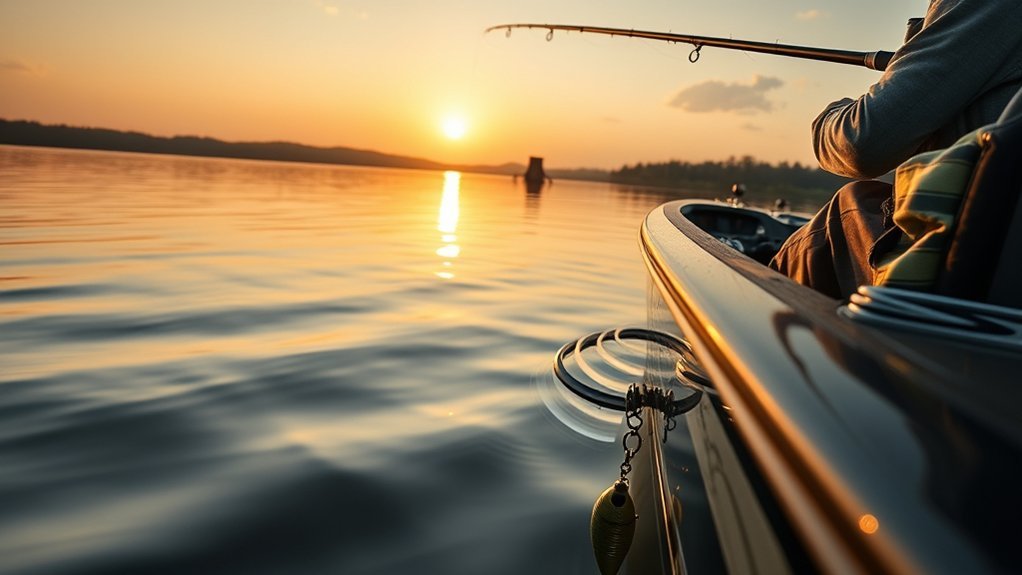
Surface retrieves combine visible movement, vibration, and sound. Walking baits usually depend on controlled slack and rhythmic rod-tip movement, while poppers use their cupped face to push water. The Vermont Fish & Wildlife Department similarly recommends rod-tip action for walking and popping lures and warns anglers not to pull a topwater lure away the instant a fish strikes.
Start with a low rod tip and enough slack for a Walking the Dog lure to pivot instead of simply pulling straight toward you. Short twitches move the lure from side to side, while the reel mainly recovers the slack created between twitches.
For poppers, use short rod movements to create sharp pops, then let the bait pause. Adjust how hard you pop and how long you wait according to fish response and surface conditions.
If fish swirl, follow, or miss, do not automatically change lures. First test a longer pause, a shorter pause, a faster cadence, or one small twitch after the miss.
Walking the Dog
Walking the dog creates a repeating side-to-side surface glide. Cast the bait, let it settle when appropriate, point the rod tip low, and introduce a small amount of slack before the first twitch.
Use short downward or sideways wrist movements. After each twitch, allow the lure enough freedom to swing before recovering excess slack with the reel. If you keep the line completely tight, many walking lures will pull forward instead of pivoting cleanly.
Once you can produce a consistent zigzag, experiment with fast, medium, and walk-pause-walk cadences. Pause beside cover, at shade edges, over depth changes, or when a fish follows without committing.
| Action | Purpose |
|---|---|
| Cast | Reach the target zone |
| Create controlled slack | Let the lure pivot |
| Low rod tip | Keep the twitch moving sideways |
| Twitch + recover | Create the zigzag rhythm |
| Pause | Give a following fish time to strike |
Popper Popping Rhythm
A popper works when each pull makes the cupped face displace water. Start with a short, firm rod-tip movement, recover unnecessary slack, then pause before the next pop.
Do not assume louder is always better. Hard pops create more disturbance, while softer twitches keep the lure in a smaller area and can be useful when fish are close but hesitant.
Try several patterns: one pop and a pause, two quick pops and a pause, or a short series followed by a longer stop. Keep the pattern long enough to judge the response before changing it.
If a fish strikes a topwater lure, avoid setting the hook solely because you saw the splash. Wait until you feel the fish load the line or the lure clearly disappears, then make the appropriate hookset.
Pro Tip: After a fish misses a topwater lure, avoid ripping the bait immediately out of the strike zone. Pause briefly or give it one controlled twitch. A second strike may follow.
Subsurface Retrieves: Strip, Pause, and Passive Streamer Methods
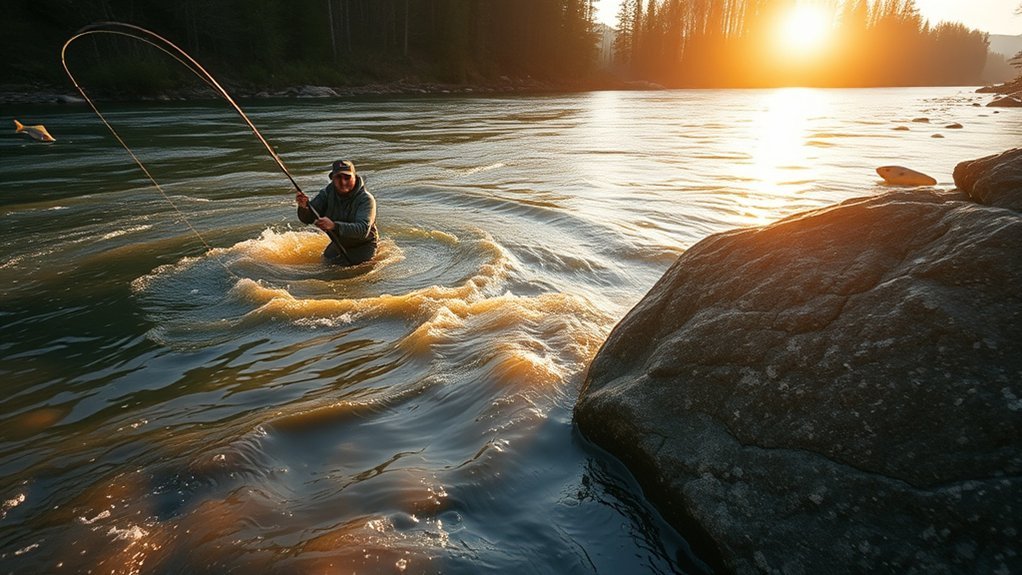
Subsurface retrieves are controlled by more than reel speed. Your lure or fly must also reach the right depth, remain there long enough, and move in a way that its design can support.
A basic strip-and-pause retrieve alternates movement with a controlled stop. The pause may let a lure suspend, glide, flutter, or sink. Watch the line during the stop because a bite may appear as a jump, sideways movement, unexpected slack, or a line that stops falling early.
With soft plastics, jigs, spoons, and other sinking presentations, follow the lure during the fall while maintaining enough contact to detect a take. Too much tension may kill the natural fall, but uncontrolled slack can hide a light bite.
Fly anglers can also use a passive or dead-drifted streamer when current supplies the movement. In still water, a slow strip, hand-twist, or figure-of-eight retrieve can keep a fly moving with less aggressive acceleration.
The main goal is to separate movement from depth control. If the lure repeatedly rises above the fish, slow down or allow it to sink longer. If it drags below the productive zone, shorten the pause, change rod angle, or increase retrieve speed within the lure’s workable range.
Fast-Action Retrieves: The Fast Retrieve and Roly-Poly
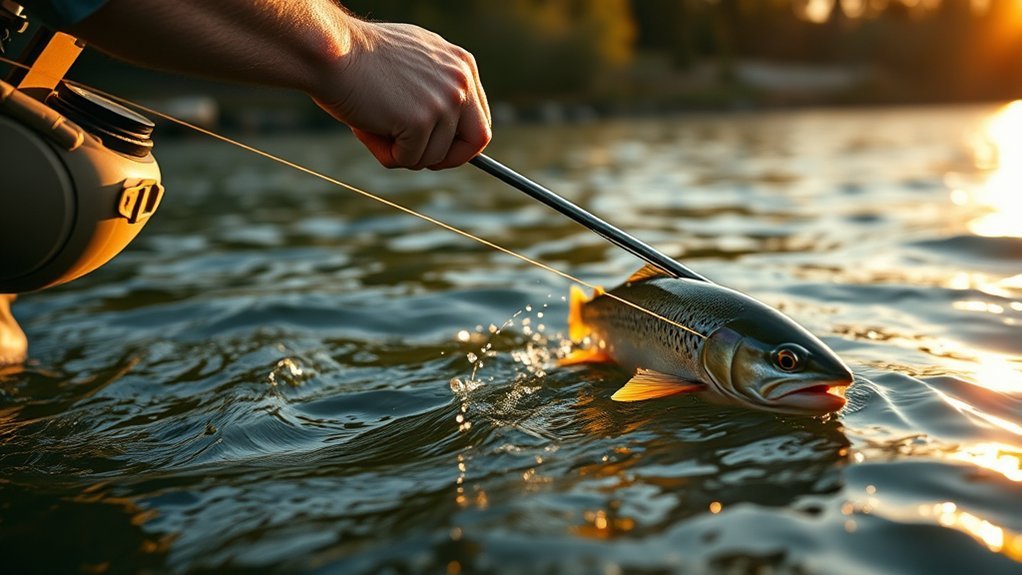
Fast retrieves help you cover water and can trigger fish that are actively chasing. The correct speed is not simply “as fast as possible.” The lure must remain stable, stay in the intended depth range, and continue producing its designed action.
With conventional tackle, increase reel speed gradually and watch what the lure does beside the boat or bank. If it rolls, skips uncontrollably, rises too high, or loses its normal action, back off.
In fly fishing, the roly-poly retrieve is a continuous hand-over-hand line retrieve, usually performed with the rod tucked under the arm. Alternating hands allows the angler to maintain smooth movement without relying on individual long strips.
Speed and Distance
Fast retrieves are useful when you need to search a large area efficiently. A faster presentation can also create a short decision window for fish that are already feeding aggressively.
Speed also changes lure depth. Many moving lures ride higher as speed increases, while sinking presentations can be kept deeper by allowing extra sink time before the retrieve begins.
Do not judge success only by how many fish follow. A fast retrieve that attracts repeated followers but produces no strikes is a signal to test a pause, slowdown, twitch, or direction change.
When a fast cadence produces a bite, repeat both the speed and the approximate depth before making another adjustment.
Arm-and-Hand Rhythm
On fly tackle, long strips and the roly-poly produce different movement patterns. Long strips create distinct bursts, while alternating hands can maintain a smoother continuous pace.
Keep the rod positioned so the line travels cleanly and unnecessary slack does not build between your hand and rod tip. Enough connection should remain to recognize a take.
Practice several speeds rather than one fixed cadence. The useful skill is being able to repeat a productive rhythm once the fish reveal it.
When to Slow Down
Slow down when fish follow without striking, when the lure repeatedly leaves the target depth, or when fish appear unwilling to chase for long.
Instead of changing immediately from fast to extremely slow, test a short interruption first. Burn the lure for several seconds, pause, then restart. That single change can show whether the strike trigger is the speed itself or the transition between speeds.
In colder or heavily pressured conditions, a slower starting point often keeps the lure available longer. However, fish behavior should override the rule: if fish are visibly chasing fast prey, test a faster presentation even in conditions where you expected to fish slowly.
Warning: Fast retrieves can move a lure past inactive fish before they commit. If you repeatedly see follows without strikes, slow down, introduce a pause, change depth, or reduce the amount of rod movement.
Subtle Presentations: Micro-Twitch and Figure-of-Eight Retrieves
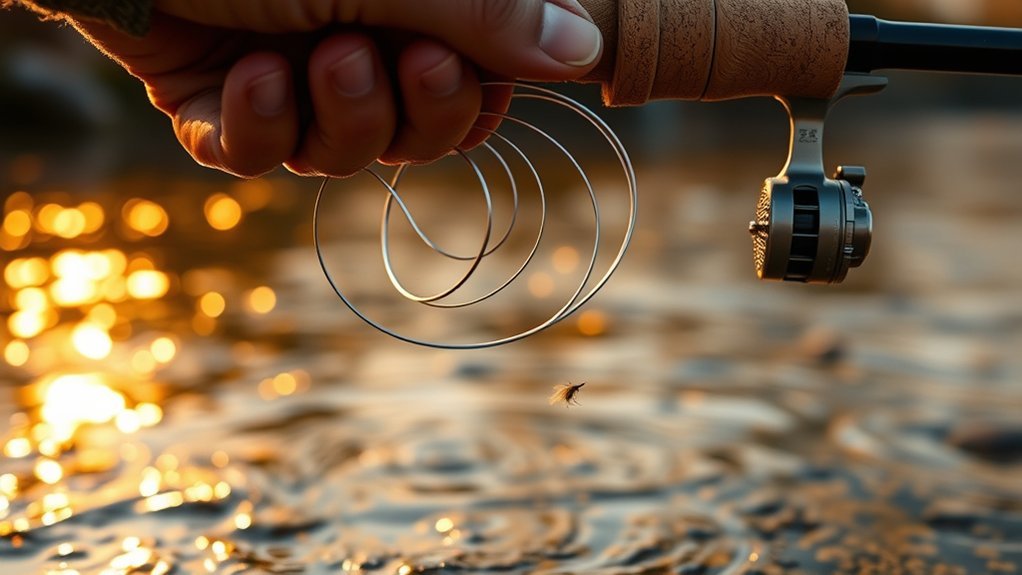
When fish react poorly to large, fast movements, reduce both the distance and intensity of each movement before changing lures.
A micro-twitch retrieve uses very small rod-tip or wrist movements separated by pauses. It can keep a soft plastic, small minnow bait, jig, or fly alive without moving it far from the strike zone.
For fly fishing, the figure-of-eight retrieve is a line-hand technique. Gather the fly line continuously in small loops with your fingers and hand rather than making long strips. The method can produce a slow, even retrieve and precise speed control. Trout & Salmon describes it as a core stillwater retrieve used with many fly types.
This should not be confused with the boat-side figure-eight presentation commonly associated with large predator fishing. In this section, “figure-of-eight” refers specifically to gathering fly line with the line hand.
With either subtle method, watch for small changes in line tension. The goal is not simply to move slowly; it is to keep the presentation controlled while giving reluctant fish enough time to inspect and eat it.
Stop-and-Go Retrieves for Followers and Short Strikes
A stop-and-go retrieve is one of the simplest adjustments to make when fish follow, bump, or nip at a lure without fully committing. Instead of retrieving at one constant speed, alternate movement with short stops.
Start with three to five turns of the reel handle, pause for one or two seconds, then resume. Treat those numbers as a starting pattern, not a rule. If fish follow but refuse, test a longer pause. If they lose interest during the stop, shorten it or add one twitch before restarting.
This retrieve can work with jerkbaits, swimbaits, crankbaits, spoons, streamers, and many soft plastics, but the lure behaves differently during the pause. A suspending lure may hover, a floating crankbait may rise, and a spoon or soft plastic may fall.
That pause behavior is part of the technique. Watch what your lure actually does so you know whether the stop is keeping it in the strike zone or moving it away from the fish.
Rodwork and Reel Strategies to Impart Lure Action
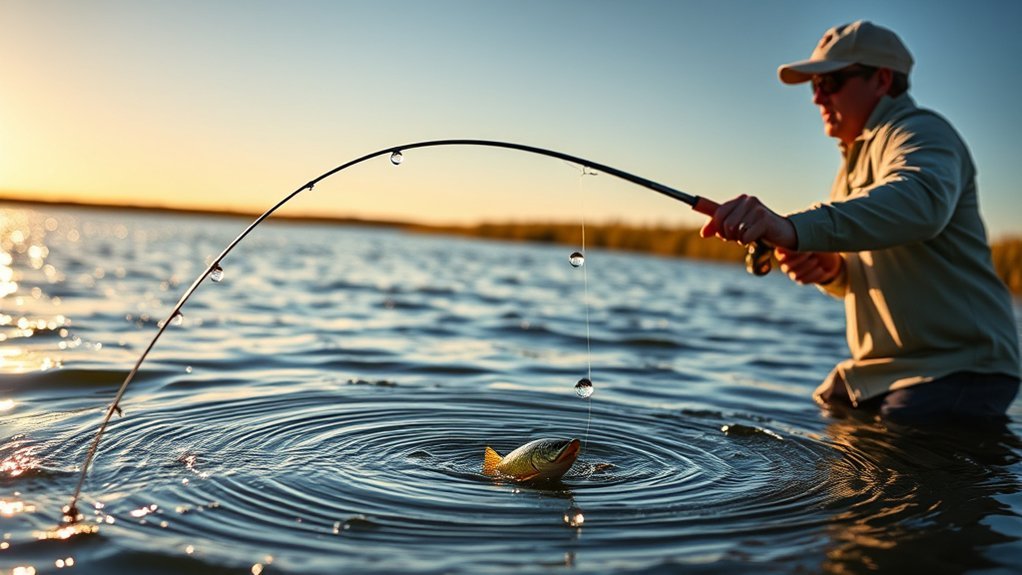
The reel controls forward speed and line recovery, while the rod controls many of the lure’s sudden changes in direction. Knowing which tool is creating the action makes your retrieve easier to repeat.
Use the reel to control pace and recover line. Use the rod to twitch, lift, sweep, or pop the lure when its presentation calls for added action.
A steady retrieve relies mostly on the reel. Crankbaits, swimbaits, inline spinners, and other self-acting lures often need only enough speed to keep them working correctly.
A twitch-and-pause retrieve relies more on short rod-tip movements. The reel should recover excess slack without dragging the lure through the pause.
A lift-and-drop retrieve uses an upward rod movement to raise the lure, followed by a controlled fall. Follow the lure down instead of immediately reeling it upward again.
Topwater walking baits need repeated rhythmic twitches plus controlled slack. Poppers use sharper individual movements. Jigs and soft plastics may need anything from tiny shakes to broad lifts depending on depth and cover.
Practice each action where you can see the lure. Watching its response beside the bank or boat is one of the easiest ways to understand how rod angle, line tension, and reel speed change its movement.
- Use the reel for steady speed and line recovery
- Use short rod movements for twitches and pops
- Use controlled lifts and falls for vertical movement
- Change only one retrieve variable at a time when troubleshooting
Handling Wind and Casting Adjustments for Effective Presentation
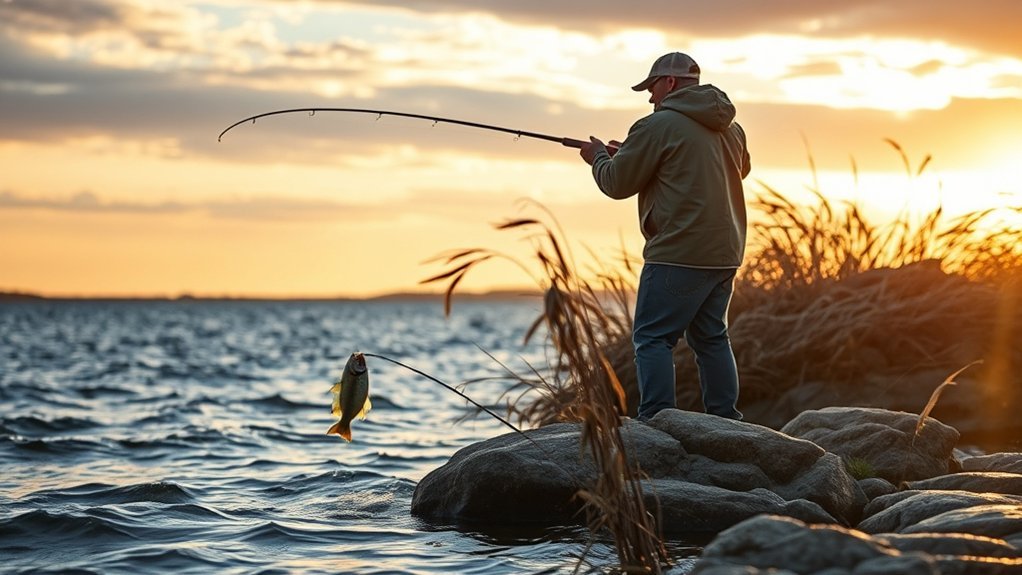
Wind affects both casting accuracy and line control. For fly anglers, safety comes first because a crosswind blowing toward your casting shoulder can push the fly toward your head or body.
Into a headwind, use a controlled, efficient casting stroke and avoid wide loops that expose more line to the wind. A slightly downward delivery can help the leader turn over close to the water when conditions permit.
If a crosswind blows toward your casting side, move the casting plane so the line travels on the downwind side of your body. Depending on your skill and surroundings, that may mean a cross-body presentation, a sidearm cast with safe clearance, switching casting hands, or delivering the presentation on the backcast.
With a tailwind, do not simply overpower the forward cast. Keep the backcast controlled and allow the wind to assist the forward delivery.
After the lure or fly lands, keep unnecessary line low and under control. Wind-blown slack can make subtle takes difficult to detect and may change the path of a lightweight presentation.
| Situation | Starting Adjustment | Main Goal |
|---|---|---|
| Headwind | Efficient, tighter loop and controlled delivery | Reduce wind exposure |
| Crosswind toward casting side | Move line path to downwind side | Keep the fly away from your body |
| Crosswind toward opposite side | Keep the cast controlled and account for drift | Maintain accuracy |
| Tailwind | Controlled backcast; let wind assist forward delivery | Maintain turnover and safety |
How to Match Retrieve Speed to Fish, Season, and Water Conditions
Retrieve speed should satisfy three requirements: the lure must work correctly, remain near the depth you want to fish, and match how willing the fish are to chase.
Start faster when fish are visibly chasing bait or when you need to search a large area. Start slower when fish are inactive, pressured, or repeatedly following without closing the distance.
In colder water, slower movement and longer pauses are useful starting points because they keep the lure in the strike zone longer. Do not treat that as an absolute rule. If fish are actively pursuing fast prey, follow the behavior you can observe.
In clear water, prioritize a natural presentation, appropriate distance, and controlled lure action. In stained or murky water, vibration, displacement, contrast, or sound may help fish locate the presentation. That does not automatically mean you should always retrieve faster.
Current also changes effective lure speed. A lure moving slowly relative to you may be moving quickly relative to the water, while a lure retrieved against current may need different reel input to maintain the same action.
Electronics can help identify depth and bait concentration, but fish response still determines the final cadence. If a lure crosses fish on sonar without a reaction, test a different depth, speed, or pause before abandoning the area.
- Keep the lure working correctly first
- Keep it in the target depth zone second
- Then adjust speed and pause to fish behavior
Common Retrieve Mistakes to Avoid
Many anglers change lures too quickly when the retrieve is the real problem. Before switching bait, change one variable at a time: speed, pause length, rod movement, retrieve depth, or cast angle.
Avoid fishing every lure with the same reel speed. A crankbait, jig, popper, streamer, spoon, and soft plastic produce different actions and behave differently when you stop them.
Do not leave excessive slack in the line unless the presentation genuinely needs it. Controlled slack can improve a topwater walk or natural fall, but uncontrolled slack makes subtle strikes harder to detect.
Do not overlook depth. A productive retrieve performed above or below the fish can still produce nothing. Adjust sink time, rod angle, lure weight, or retrieve speed until the lure passes through the zone fish are using.
Finally, avoid setting the hook solely because you see a topwater explosion. Maintain composure until you feel the fish load the line or know the lure has been taken.
Frequently Asked Questions
What is the best retrieve for a fishing lure?
There is no single best retrieve for every lure. Start with the retrieve the lure is designed to perform, usually a steady retrieve for moving baits, then adjust speed, pauses, rod action, and depth according to fish response. If fish follow without striking, a pause or sudden change in speed is often the first adjustment to test.
How fast should I retrieve a fishing lure?
Retrieve fast enough for the lure to produce its intended action while staying near the depth you want to fish. Begin at a moderate pace, then speed up when fish are actively chasing or slow down when they follow without committing. If the lure rolls, blows out, or rises too far, reduce speed.
What is a stop-and-go retrieve?
A stop-and-go retrieve alternates several turns of the reel with a short pause. During the stop, a lure may suspend, rise, glide, or fall depending on its design. The sudden change can trigger fish that followed a steady retrieve without striking.
How do you walk the dog with a topwater lure?
Keep the rod tip low and use short rhythmic twitches while allowing controlled slack between movements. The reel should mainly recover excess slack rather than pull the lure continuously. When the timing is right, the bait pivots from side to side instead of traveling straight toward you.
Should you retrieve a lure slower in cold water?
A slower retrieve with longer pauses is a useful starting point in cold water because it keeps the lure available longer to fish that are not chasing aggressively. It is not an absolute rule. If fish are visibly chasing fast-moving prey, test a faster retrieve and let their response guide the adjustment.
How do you know when to change your retrieve?
Change your retrieve when fish repeatedly follow without striking, miss the lure, stop responding, or bite only during one part of the motion. Adjust one variable at a time—speed, pause length, rod movement, depth, or cast angle—so you can identify which change produces the next bite.
Conclusion
Effective fishing retrieve techniques are built around a small number of repeatable actions: steady movement, speed changes, stops, twitches, lifts, drops, and controlled surface action. Learn what your lure does during each one before trying to make the presentation more complicated.
Start with the lure working correctly at the target depth. Watch how fish respond, then change one variable at a time. When you can repeat the speed, pause, depth, and rod movement that produced a strike, retrieve selection stops being guesswork and becomes a pattern you can use on the next cast.