Camera drones can be practical business tools for real estate media, marketing content, construction progress photos, location scouting, event footage, and basic visual inspections. This guide focuses on portable camera drones for small-business content and general visual work—not thermal inspection, survey-grade mapping, public-safety, or enterprise payload missions.
This guide compares current business-friendly camera drones based on camera quality, claimed flight time, portability, obstacle sensing, controller options, ecosystem support, and day-to-day workflow. You’ll find compact sub-249 g models for travel, stronger Air and Mavic options for higher-end footage, and non-DJI alternatives for buyers who want a different price point or ecosystem.
Updated September 2026: Product availability changes quickly. Check the exact Amazon listing, seller, included controller, battery bundle, warranty, and return terms before you buy.
Commercial-use safety note: Rules depend on country and operation. In the U.S., Part 107 operations require each drone to be registered regardless of weight, and registered drones generally must comply with Remote ID. Keep the aircraft within visual line of sight unless your operation is specifically authorized otherwise, and obtain any required airspace authorization before flight.
Reader-supported disclosure:. As an Amazon Associate I earn from qualifying purchases. This roundup contains Amazon affiliate links. If you buy through these links, we may earn a commission at no extra cost to you.
Top Picks
| Category | Product | Best For | Main Caveat |
|---|---|---|---|
| 🏆 Best Overall | DJI Air 3S Fly More Combo (RC 2) | Real estate, visual inspections, marketing footage, longer field sessions | Heavier than Mini-series drones |
| ⚖️ Best All-Around Value | DJI Air 3 (DJI RC-N2) | Real estate, visual inspections, marketing footage, dual-camera flexibility | Older than Air 3S and lacks its 1-inch main camera |
| ⚡ Best Premium / Cinematic Work | DJI Mavic 3 Pro (DJI RC) | High-end imaging, weddings, agency work, cinematic projects | Larger, heavier, and more expensive |
| 🎯 Best for Travel & Vertical Content | DJI Mini 4 Pro (DJI RC-N2) | Portable business content, travel shoots, social video | Commercial use still requires compliance with local rules |
| 💰 Best Simple DJI Value | DJI Mini 3 (DJI RC) | Simple 4K footage, travel, basic business content | No full obstacle avoidance |
| 🔋 Best Kit for Longer Sessions | DJI Mini 3 Fly More Combo (DJI RC) | Longer shoot days with spare batteries and charging hub | Same core drone limitations as Mini 3 |
| 💸 Best Budget DJI Alternative | Potensic ATOM 2 | Budget-friendly stabilized content and beginner use | Less mature ecosystem and no advanced obstacle avoidance |
| 🚀 Best Spec-Heavy Alternative | SKYROVER X1 Fly More Combo | Buyers comparing strong specs outside the DJI lineup | Verify app support, warranty, Remote ID, and local compliance |
How We Picked These Drones
Business relevance came first. Camera quality, reliable flight performance, practical battery life, controller usability, and safety features mattered more than headline specs alone. A drone that looks good on paper but slows your workflow is not a smart business tool.
Regulatory practicality also mattered. Sub-249 g drones can simplify travel and some recreational rules, but business use may still require registration, pilot certification, Remote ID, insurance, or airspace authorization depending on your country and operation. Always check current local rules before flying.
We also considered workflow efficiency. Fly More Combos, charging hubs, built-in-screen controllers, vertical shooting, and obstacle sensing can reduce downtime and make paid shoots easier to manage. DJI models generally offer the more established accessory and support ecosystem, while Potensic and SKYROVER give buyers alternatives at different price points.
Important context: Manufacturer flight-time and transmission figures are maximum test claims, not guaranteed real-world results or legal operating distances. Customer-review excerpts and sentiment graphics reflect the source material used for this article and should not be treated as independent lab testing.
Quick Verdict
Choose the DJI Air 3S Fly More Combo if you want the strongest all-around balance of image quality, obstacle sensing, battery logistics, and field-ready accessories. Choose the DJI Air 3 if you want a capable dual-camera DJI option and can accept the older imaging platform. Choose the DJI Mavic 3 Pro if premium image quality and lens flexibility matter more than size or cost. Choose the DJI Mini 4 Pro if portability, true vertical shooting, and sub-249 g weight are your top priorities. Choose the Potensic ATOM 2 if you want a lower-cost stabilized camera drone and can accept a less mature ecosystem.
DJI Air 3S Fly More Combo (RC 2)

If you need a drone that balances pro-level imaging with everyday practicality, the Air 3S Fly More Combo is a strong pick. The wide camera’s larger sensor helps with detail and lower-light scenes, while the medium tele camera gives you tighter framing for property details, events, and cinematic B-roll.
The Fly More package matters for business use because batteries and charging logistics often decide whether a shoot runs smoothly. The RC 2 controller with a built-in screen also helps you work faster outdoors without depending on your phone.
Best for: Real estate creators, marketing teams, construction documentation, event coverage, and general visual-inspection work where a stronger camera system and longer field sessions matter.
Keep in mind: It is not a sub-249 g travel drone. Plan for a proper case, battery management, and the registration, Remote ID, pilot-certification, and airspace rules that apply to your operation.
What People Say
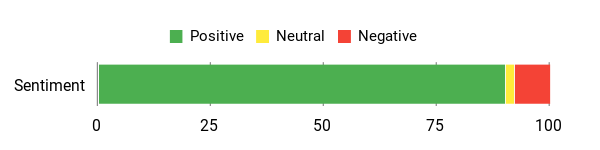
Owners highlight the jump in image quality and the convenience of the RC 2 screen. Many mention that obstacle sensing and subject-tracking modes make creative shots easier, and that extra batteries change how long you can work in the field.
Overall Sentiment: Positive
🗣️ Will
I use this for travel and cinematic footage—flight is easy, it’s not overly large, and the video quality is a big step up. The longer flight time, 3x tele zoom, obstacle avoidance and subject tracking all helped me capture better footage while staying safe.
🗣️ Peter E.
The RC 2 display is a game-changer: no phone needed and the connection felt rock-solid. Image quality was outstanding, intelligent flight modes were useful for quick shots, and the Fly More Combo’s three batteries let me do long sessions without constant recharging.
Why You’ll Like It
- 1-inch wide camera helps with detail and lower-light work
- Medium tele camera gives you tighter framing without flying closer
- Fly More kit is better for full-day shoots and multi-location jobs
- RC 2 screen reduces setup friction outdoors
- Omnidirectional sensing improves confidence in complex environments
Who Should Avoid It
Skip it if your top needs are the lowest weight and fastest travel setup. Mini 4 Pro is easier to pack and still gives strong creator features.
DJI Air 3
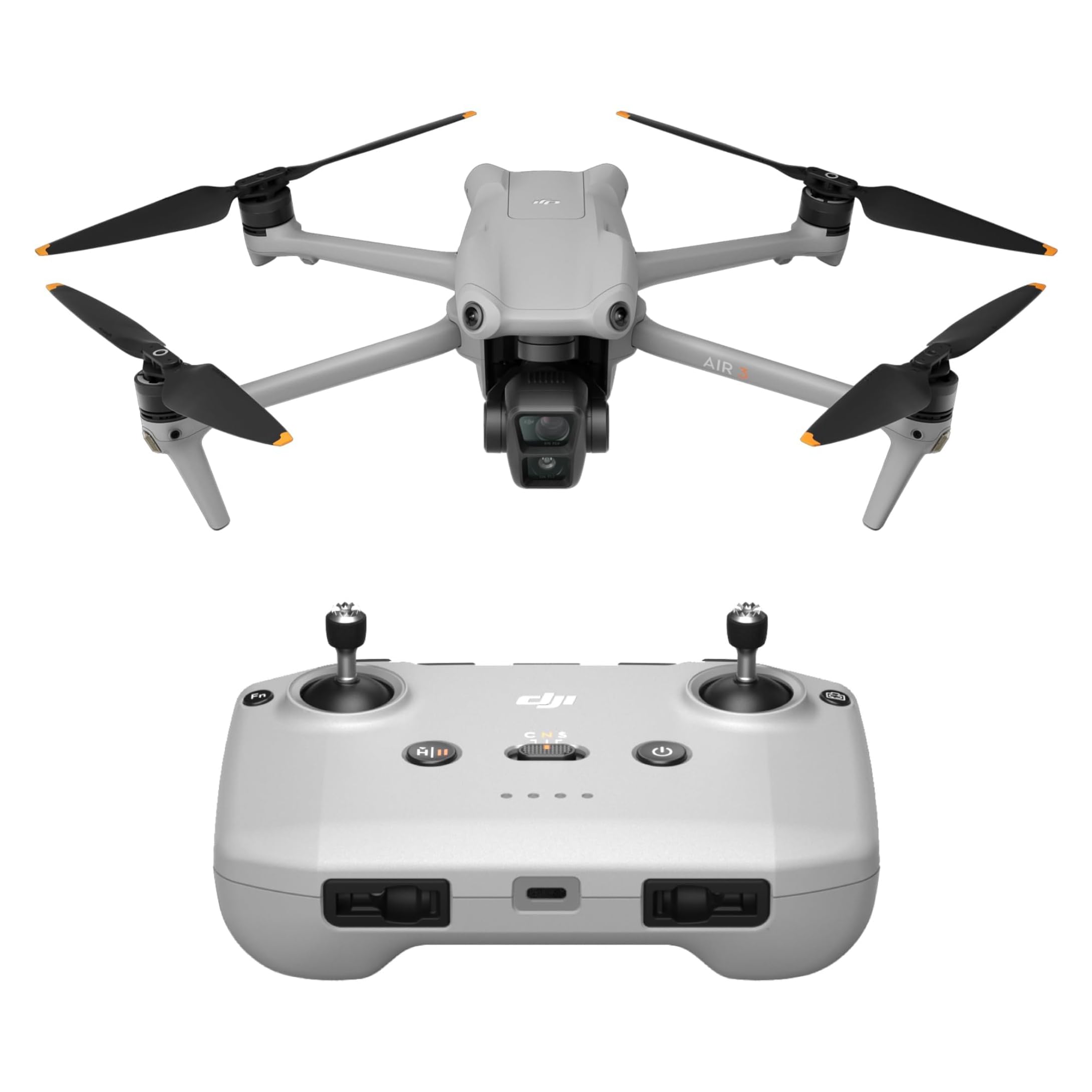
You get a compact yet capable drone built for creators and business users who need reliable footage without fighting the controls. The Air 3 pairs a wide-angle lens with a 3x medium-tele camera, so you can capture both broad establishing shots and tighter details without changing aircraft or repositioning as often.
For everyday work, it fits quick site inspections, real estate footage, social media clips, and location scouting. The long claimed flight time helps reduce interruptions, while omnidirectional sensing makes routine flights less stressful in open but obstacle-heavy locations.
Best for: Business owners who want one drone that can handle property footage, inspections, event highlights, and marketing content without moving up to a larger flagship model.
Keep in mind: It is not a sub-249 g drone. In the U.S., Part 107 operators must register each drone regardless of weight, and registered drones generally must comply with Remote ID. Check pilot certification, airspace, and local operating rules before commercial use.
What People Say
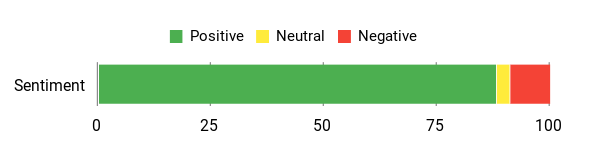
People commonly highlight the image quality, extended flight time, and dependable obstacle sensing. Many report it handles wind well and feels like a meaningful upgrade over older or smaller models, while some mention a learning curve and the need for extra accessories like chargers, spare batteries, or a case.
Overall Sentiment: Positive
🗣️ Alexander
Upgraded from a Mini 4k and found Air 3 to be a real step up — lots of shooting possibilities, reliable Follow Me tracing (works with and without obstacle avoidance), strong wind stability, and solid behavior at long tested distances where permitted.
🗣️ Siyang Liu
Flight experience feels improved with an intuitive remote and comfortable grip. The dual-camera setup and 1/1.3″ sensor deliver sharp images, and the 46-minute flight time plus omnidirectional obstacle sensing let you focus on capturing instead of constantly managing battery swaps or collisions.
Why You’ll Like It
- Dual-camera setup gives you more framing choices on the same flight
- Strong fit for real estate, inspections, events, and agency content
- Omnidirectional sensors help reduce common collision risks
- Long claimed max flight time means fewer forced battery breaks
- DJI ecosystem support makes accessories and learning resources easier to find
Who Should Avoid It
Skip it if your top priority is the lightest possible travel drone. A Mini-series model will be easier to carry and may simplify some weight-based rules, depending on your location and use case.
DJI Mavic 3 Pro

You get a professional-grade drone that still feels approachable once you learn the DJI controls. The Mavic 3 Pro pairs a Hasselblad 4/3 main camera with extra tele options, letting you capture wide landscapes, property details, and compressed cinematic shots without swapping gear.
For bigger projects such as short films, weddings, premium real estate videos, and agency campaigns, the image quality and flexible camera stack can reduce reshoots. The longer claimed flight time and dependable transmission also help when you need controlled, repeatable passes.
Best for: Teams that care more about image quality, dynamic range, and lens flexibility than ultra-light travel.
Keep in mind: It is heavier and more expensive than Mini and Air models. For commercial work, budget for proper cases, batteries, insurance, memory cards, and pilot training.
What People Say
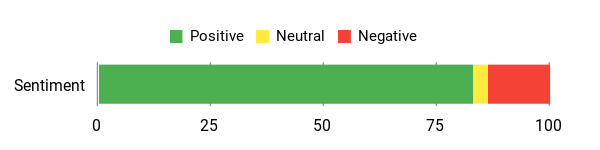
Reviewers repeatedly highlight the outstanding image quality, long single-battery sessions, and dependable obstacle sensing. Many users say it performs well in light wind and that transmission feels steady. A smaller number mention quality-control or activation issues, so check the listing, warranty, and return terms before buying.
Overall Sentiment: Positive
🗣️ John
Build quality and durability are outstanding. Stunning image quality and advanced obstacle sensors give you confidence in tricky shoots, and the extended flight time means longer sequences without constant battery swaps.
Why You’ll Like It
- Hasselblad 4/3 main camera for detailed, high-quality stills and video
- Triple-camera setup helps you create varied shots without changing aircraft
- Strong fit for premium real estate, weddings, brand campaigns, and film-style work
- Omnidirectional sensing and APAS help reduce collision risk in routine use
- Better creative headroom than smaller beginner drones
Who Should Avoid It
Skip it if you mainly need quick social clips, simple roof checks, or a drone that fits in a small day bag. A Mini 4 Pro or Air 3 will be easier to manage for many small-business workflows.
DJI Mini 4 Pro (RC-N2)

You get a surprisingly powerful pocketable drone that works well for solo creators, agents, contractors, and small teams. It packs strong camera features and omnidirectional sensing into a lightweight frame, so it is easier to carry and faster to deploy than larger rigs.
For everyday use, you can run quick site checks, roof views, listing footage, and vertical social clips. For special projects such as event highlights or short marketing videos, the stable transmission and obstacle sensing help you focus on framing rather than constantly worrying about the aircraft.
Best for: Buyers who want strong safety features and modern creator tools in a compact travel-friendly drone.
Keep in mind: Sub-249 g status depends on the battery and accessories. Commercial use may still require registration or pilot certification depending on your local rules.
What People Say
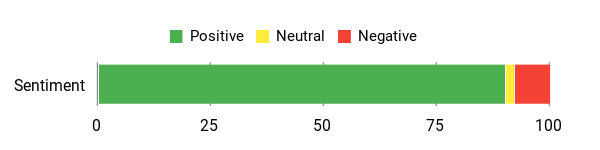
Owners praise how easy it is to fly and the image quality you can get from such a small platform. Many mention practical uses like roof checks, property footage, wildlife viewing, and social video creation. The obstacle sensing and recovery features give people confidence, though thin branches and power lines can still be difficult for any small drone to detect.
Overall Sentiment: Positive
🗣️ Amazon Customer
Easy to control with great picture quality. I use it to check my roof after wind storms, watch eagles by the river, and even keep foxes away from the chicken coop. Flight times vary by use; obstacle avoidance handled big objects well but missed small limbs and power lines. The Find My Drone feature helped recover it from a stand of trees.
🗣️ CyberFox
By far one of the best compact drones I’ve flown. Obstacle sensing in all directions and advanced flight modes deliver very high quality video and images. With extra batteries I’ve comfortably recorded long 4K sessions. It feels a bit plasticky to the touch, but in flight it handles wind impressively for its size.
Why You’ll Like It
- Sub-249 g standard setup makes it easy to pack and carry
- 4K HDR video and 48 MP photo capability support marketing and inspection visuals
- Omnidirectional sensing provides a stronger safety net than older Mini models
- True Vertical Shooting is ideal for Reels, Shorts, TikTok, and property teasers
- Good fit as a primary travel drone or a secondary drone for larger teams
Who Should Avoid It
Skip it if you need a larger sensor, stronger wind confidence, or heavy color-grading flexibility. For premium footage, consider Air 3S or Mavic 3 Pro.
DJI Mini 3 (DJI RC)

If you want a compact drone that is easy to bring to jobsites or content shoots, the Mini 3 is a solid entry point. You get 4K HDR footage, portrait-friendly vertical shooting, and a built-in-screen controller that keeps setup simple in the field.
For everyday business use, it works well for basic property photos, quick aerial clips, and simple site checks. Auto takeoff, precise hovering, and Return to Home help newer pilots feel more comfortable, but this non-Pro model does not include full obstacle avoidance.
Best for: Budget-minded buyers who want DJI ease of use, 4K footage, and a controller with a screen.
Keep in mind: Plan flight paths carefully because it lacks full obstacle avoidance. It is better for open areas than tight spaces with trees, wires, signs, or buildings.
What People Say
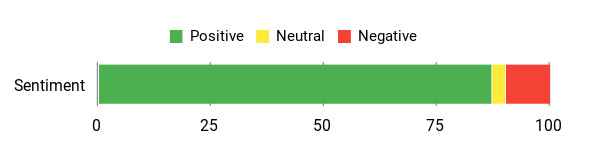
Owners highlight the camera quality, steady flight, and useful battery life for such a small drone. Practical tips keep coming up: bring spare batteries for longer sessions and remember that this non-Pro model needs more careful route planning because it lacks full obstacle avoidance.
Overall Sentiment: Positive
🗣️ Josee
This lightweight drone packs a punch for its size — crisp 4K video and clear photos, DJI RC controller feels intuitive, and battery life lasts through solid shooting sessions. Foldable and easy to carry, which makes it handy for travel or spontaneous shoots. Feels beginner-friendly while still delivering high-quality footage.
Why You’ll Like It
- 4K HDR video is enough for many small-business marketing needs
- True Vertical Shooting makes social content easier
- DJI RC built-in display removes phone setup friction
- Lightweight foldable design is easy to pack
- QuickShots and automated modes help beginners create polished clips
Who Should Avoid It
Skip it if obstacle avoidance is important. For more confidence around structures, trees, and complex routes, move up to Mini 4 Pro, Air 3, or Air 3S.
DJI Mini 3 Fly More Combo (DJI RC)

If you need a compact, easy-to-carry drone for business use, this Fly More Combo makes sense because the extra batteries matter in real work. You get the same simple Mini 3 shooting experience, but the kit helps you stay in the field longer before needing to recharge.
For quick property photos, short videos, basic site inspections, or social clips, the included batteries and charging hub reduce downtime. The DJI RC controller also makes setup easier because you do not have to rely on your phone screen.
Best for: Buyers who already like the Mini 3 but know one battery will not be enough for client work or long shoot days.
Keep in mind: It still has the same core limitation as the Mini 3: no full obstacle avoidance.
What People Say
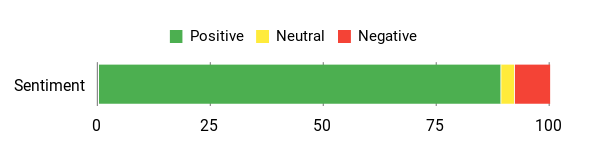
Owners repeatedly praise the camera quality, battery convenience, and the practicality of the Fly More kit. The main advantage is simple: spare batteries and the charging hub reduce downtime during longer sessions.
Overall Sentiment: Positive
🗣️ JM
Great drone. I am so glad I bought the fly more kit-the flight time is good but it’s so nice to swap between batteries and keep flying. Always have one ready to go! The controller with built in screen is also really great. Shipping was good, one of the updates was “delayed at customs” but it showed more info on the carriers tracking than what Amazon showed, and it was only at customs for a few hours.
Why You’ll Like It
- Extra batteries make it more practical for business use than the base package
- 4K HDR video and vertical shooting cover common marketing needs
- Charging hub helps organize batteries between jobs
- Built-in-screen controller keeps setup simple outdoors
- Lightweight kit is easy to transport between sites
Who Should Avoid It
Skip it if you need obstacle avoidance. In that case, choose a Pro Mini model or an Air-series drone instead.
Potensic ATOM 2

If you’re looking for a budget-friendly starter drone outside the DJI ecosystem, the ATOM 2 is a practical alternative for content-focused work. It is compact, foldable, and built around stabilized 4K footage, which makes it useful for simple marketing clips, site documentation, and social content.
AI Track, QuickShots, and vertical shooting help you capture usable clips faster. The Fly More-style kit is especially useful if you need more batteries for longer work sessions. It is less polished than DJI’s ecosystem, so check app reviews, firmware support, and warranty coverage before using it for paid jobs.
Best for: Budget-conscious beginners who want stabilized 4K video and more features than a toy-grade starter drone.
Keep in mind: It does not offer the same mature obstacle-avoidance experience as higher-end DJI models, so plan flights carefully around trees, buildings, people, signs, and wires.
What People Say
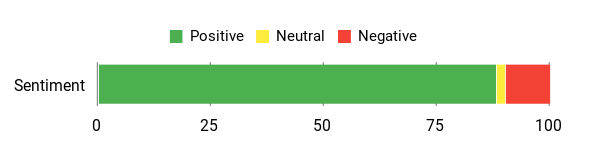
Owners highlight the camera quality, dependable transmission, ease of use, and stability for a compact budget drone. People also appreciate the AI shot modes and having extra batteries for longer sessions.
Overall Sentiment: Positive
🗣️ Christopher
Super fun and really easy to fly. The 4K video is clear and sharp both day and night with decent lighting. It handled strong winds (class 4–5) well and stayed stable when hovering. I also flew it a full mile line of sight and still had three bars of signal on the remote.
🗣️ Syamanth Sreejith
Impressive compact drone that punches above its weight: stunning 4K video and 8K photos, very easy setup and stable flight. Advanced AI modes like smart tracking and waypoint flying make capturing shots straightforward whether you’re a beginner or experienced.
Why You’ll Like It
- Budget-friendly alternative to DJI Mini models
- Stabilized 4K video is useful for small-business content
- Vertical shooting helps with social media deliverables
- Fly More-style bundle options reduce battery downtime
- Beginner-friendly assists make routine flights easier
Who Should Avoid It
Skip it if you need the most polished app, the widest accessory ecosystem, or advanced obstacle sensing. For mission-critical client work, DJI’s mature platform may be worth the higher cost.
SKYROVER X1 Fly More Combo

If you want a spec-heavy alternative outside the DJI lineup, the SKYROVER X1 is worth a careful look. It promises strong video, high-resolution photos, long transmission range, obstacle-sensing features, and a three-battery kit that can support longer sessions.
For everyday tasks such as property photos, progress documentation, site overview shots, or event clips, the feature set is appealing. Still, because this is a less established ecosystem than DJI, verify app support, firmware updates, warranty service, replacement parts, Remote ID details, and local compliance before using it for paid work.
Best for: Buyers who want ambitious specs and a Fly More-style kit at a competitive price.
Keep in mind: Treat transmission-distance and safety-feature claims as maximum specifications, not guaranteed real-world performance or permission to fly that far. Always stay within legal visual-line-of-sight and local operating rules unless specifically authorized otherwise.
What People Say
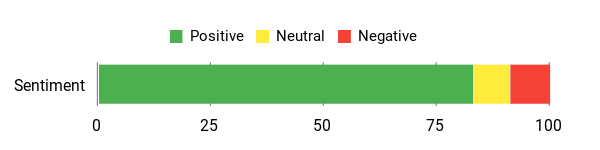
Owners often point to the camera quality, dependable transmission, and easy handling. People mention the drone feels intuitive out of the box, that return-to-home is dependable, and that having three batteries makes longer sessions easier.
Overall Sentiment: Positive
🗣️ M. Lowe
I needed a sub-249 g option for international travel and this fit the bill. Picture and video quality exceeded expectations, flight felt intuitive, return-to-home was rock solid, and obstacle avoidance is a big plus. Controller uses a tethered phone but remained light.
🗣️ Tobey
Performance beat my expectations: sharp video, smooth stable flight and reliable obstacle sensing that helped me feel safer while learning. Transmission range and battery life held up well during extended use.
Why You’ll Like It
- Ambitious specs for buyers comparing alternatives to DJI
- Three-battery bundle helps with longer jobs
- Under-249 g design makes packing and travel easier
- Tracking and automated modes can speed up creator work
- Strong fit for buyers who want value and are willing to verify support details
Who Should Avoid It
Skip it if you need a proven professional ecosystem, widely available accessories, or predictable enterprise-style support. In that case, a DJI Air or Mavic model is the safer business purchase.
Before You Buy a Business Drone
- Match the drone to the job: Real estate needs clean video and vertical clips, inspections need stability and safety features, and cinematic work needs better sensors and color options.
- Check flight rules: Business flights can require pilot certification, registration, Remote ID, airspace authorization, and site or client permission. In the U.S., Part 107 requires registration for each drone regardless of weight.
- Budget beyond the aircraft: Spare batteries, ND filters, propellers, memory cards, landing pad, case, charger, and care plans can matter as much as the drone.
- Do not rely blindly on obstacle sensing: Thin branches, wires, glass, low light, and sport modes can reduce protection.
- Confirm the exact package: Controller type, battery count, charging hub, bag, and included accessories vary by listing.
- Verify current Amazon details: Ratings, review counts, availability, included accessories, warranty, and seller terms can change.
FAQ
How Do I Choose The Right Drone For My Business?
Start with the job. If you need real estate videos and social clips, prioritize stable 4K video, vertical shooting, and easy flight modes. If you need inspections, prioritize obstacle sensing, reliable Return to Home, strong battery life, and a clear live feed. If you need cinematic client work, look for a larger sensor, flexible lens options, and color profiles that hold up in editing.
Also consider the total system, not just the drone. Batteries, chargers, controller type, app reliability, accessory availability, and service support can affect your workflow more than one headline spec.
What Legal And Safety Steps Should You Take Before Flying Commercially?
Check your local aviation rules before every business flight. Paid or promotional drone work can require pilot certification, registration, Remote ID or equivalent identification rules, airspace approval, and operating limits. In the U.S., many business operations fall under FAA Part 107; Part 107 operators must register each drone regardless of weight, and drones that are required to be registered generally must comply with Remote ID.
For safety, complete a preflight checklist: inspect propellers, batteries, firmware status, compass and GNSS lock, weather, takeoff area, return-to-home height, and nearby people, roads, airports, wires, trees, and buildings. Keep the drone within the visual-line-of-sight rules that apply to your operation. Obstacle sensors help, but they do not replace careful planning.
Which Drone Is Best For Real Estate?
The DJI Air 3S Fly More Combo is the best all-around pick in this list for many real estate creators because it combines a 1-inch wide camera, a medium-tele camera, strong obstacle sensing, and a field-friendly battery kit. The DJI Mini 4 Pro is better if you need a lighter travel setup and true vertical social clips. The Mavic 3 Pro is better for premium listings where image quality and lens flexibility matter most.
Which Drone Is Best For Inspections?
For general visual inspections, choose a drone with strong obstacle sensing, stable transmission, reliable Return to Home, and enough battery capacity to complete the job without rushing. From this list, DJI Air 3S, DJI Mini 4 Pro, and DJI Mavic 3 Pro offer the strongest safety-feature sets. For thermal, zoom-inspection, survey-grade mapping, or regulated enterprise missions, use a purpose-built enterprise platform instead of a consumer camera drone.
Are Sub-249 g Drones Always Better For Business?
No. Sub-249 g drones are easier to carry and can simplify some recreational or country-specific weight rules, but that does not automatically simplify commercial compliance. In the U.S., Part 107 requires registration for each drone regardless of weight. Larger drones can also offer stronger imaging systems and different flight characteristics, so choose based on the job and the rules that apply to your operation.
What Practical Tips Help You Get Professional Results?
Scout the location, check weather and airspace, plan your shot list, and schedule around good light when possible. Use ND filters in bright conditions, keep batteries warm or cool as needed, format memory cards before important jobs, and back up footage immediately after each flight.
Practice manual control, Return to Home behavior, emergency landing, and automated modes before using the drone for client work. Keep a maintenance log so you know which batteries, propellers, and aircraft have been used heavily.
Wrapping Up
Pick the drone that matches your workflow. Choose a Mini-series model if you travel often and need quick setup. Choose the Air 3S if you want the strongest all-around balance in this list, or the Air 3 if you want a still-capable dual-camera DJI option on an older platform. Choose the Mavic 3 Pro if premium imaging and multi-lens flexibility matter most.
The best business drone is the one that fits the job without adding unnecessary risk or workflow friction. Check the exact Amazon listing, included accessories, seller, warranty terms, Remote ID status where relevant, and local flight rules before buying.
| Product | Image | Best For | Flight Time Claim | Camera Highlights | Transmission Spec* | Obstacle Avoidance | Amazon |
|---|---|---|---|---|---|---|---|
| DJI Air 3S (Fly More Combo) |
 |
Best all-around business camera drone | Up to 45 minutes | 1-inch wide camera plus medium tele camera | Up to 20 km claim | Omnidirectional | Check Price |
| DJI Air 3 (DJI RC-N2) |
 |
All-around value and dual-camera flexibility | Up to 46 minutes | Dual 1/1.3-inch cameras, 48 MP photo capability, 4K HDR video | Up to 20 km under ideal FCC conditions | Omnidirectional | Check Price |
| DJI Mavic 3 Pro (DJI RC) |
 |
Premium cinematic work | Up to 43 minutes | 4/3 Hasselblad main camera plus tele cameras | Up to 15 km under ideal FCC conditions | Omnidirectional | Check Price |
| DJI Mini 4 Pro (DJI RC-N2) |
 |
Travel and vertical content | Up to 34 minutes with standard battery | 48 MP photos, 4K HDR video, vertical shooting | Up to 20 km under ideal FCC conditions | Omnidirectional | Check Price |
| DJI Mini 3 (DJI RC) |
 |
Simple value and beginner business content | Up to 38 minutes with standard battery | 4K HDR video, vertical shooting | Up to 10 km claim | Downward vision only | Check Price |
| DJI Mini 3 Fly More Combo |
 |
Longer starter shoot days | Up to 38 minutes per standard battery | 4K HDR video, vertical shooting | Up to 10 km claim | Downward vision only | Check Price |
| Potensic ATOM 2 |
 |
Budget-friendly stabilized content | Varies by battery/package | 4K video, high-resolution photo modes | Up to 10 km claim | No full obstacle avoidance | Check Price |
| SKYROVER X1 |
 |
Spec-heavy non-DJI alternative | Three-battery bundle claim | 4K/60fps HDR video and high-resolution photo claims | Up to 15 km claim | 360-degree sensing claim | Check Price |
*Transmission note: These are manufacturer maximum transmission specifications under test conditions, not recommended or legal flight distances. Follow local visual-line-of-sight and airspace rules.