
A handheld gaming device can mean two very different things: a simple console you pick up and play, or a compact Windows PC that gives you more game stores and settings to manage.
Among these linked models, the ASUS ROG Ally X (2024) is the strongest all-around hardware choice, thanks to its 24 GB memory, 1 TB SSD, 120 Hz VRR display and 80 Wh battery. The Nintendo Switch is the value-focused choice for original-Switch games and simpler console play.
We compared platform access, verified hardware specifications, battery design, storage, controls, current product status and corroborated owner feedback where available.
Handheld Gaming Devices Compared
| Product | Best for | Display | Storage | Battery |
|---|---|---|---|---|
|
Budget
|
Simple original-Switch gaming | 6.2-inch, 1280 × 720 LCD | 32 GB + microSD expansion | About 4.5–9 hours |
|
Mid-range
|
Better original-Switch handheld visuals | 7-inch, 1280 × 720 OLED | 64 GB + microSD expansion | About 4.5–9 hours |
| Legacy large-screen Windows handheld; withdrawn model | 8.8-inch, 2560 × 1600 IPS, 144 Hz | 512 GB SSD + microSD | 49.2 Wh | |
|
Premium
|
Battery-focused Windows gaming | 7-inch, 1920 × 1080, 120 Hz VRR | 1 TB SSD + microSD | 80 Wh |
Handheld Gaming Devices: Our Top Picks
Bottom line: The Nintendo Switch is the simplest verified option here for original-Switch games, detachable controls and flexible TV or handheld play. It suits you if console simplicity matters more than newer hardware.
- Platform: Nintendo Switch ecosystem, simple console-style operation
- Display: 6.2-inch 1280 × 720 LCD, compact for travel
- Storage: 32 GB plus microSD expansion, useful for downloads
- Battery: About 4.5–9 hours, varies by game and settings
You can attach the Joy-Con controllers for handheld play, detach them for compatible multiplayer games or use the dock for television play. Nintendo specifies up to 1920 × 1080 output through HDMI in TV mode, while the built-in screen remains 1280 × 720.
The tradeoff is age. Switch 2 launched in 2025 and is now Nintendo’s newer hardware platform, so the original Switch makes the most sense when its existing game library and simpler purchase cost matter more than newer-generation features.
Storage is another limitation. The built-in 32 GB fills quickly with digital games, although compatible microSDHC and microSDXC cards provide straightforward expansion.
Feedback Snapshot
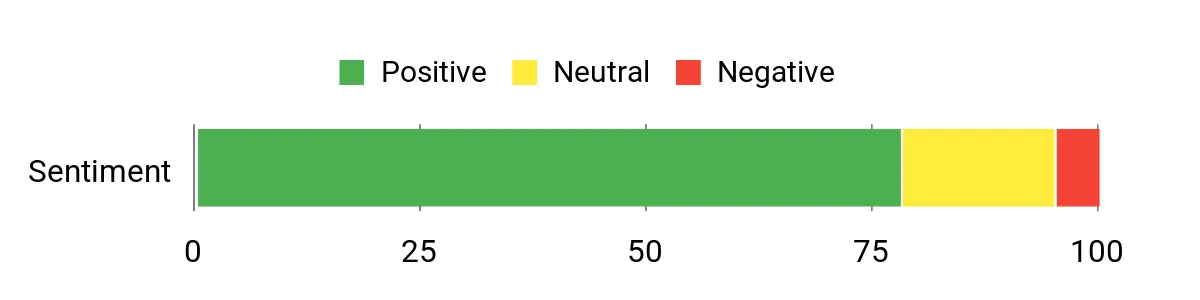
The existing sentiment graphic is retained below for continuity. Current buying guidance on this page is based on verified specifications and current platform status rather than the graphic alone.
Overall Sentiment Shown: Positive
- TV, tabletop and handheld play modes
- Detachable Joy-Con controllers
- Access to the original Nintendo Switch library
- Compatible microSD storage expansion
- Only 32 GB of built-in storage
- Previous-generation Nintendo hardware
- Original kickstand is less useful than the OLED model’s stand
Bottom line: The Nintendo Switch OLED is the better original-Switch model for handheld and tabletop play. Its OLED screen and wide stand improve the experience without changing the underlying game performance.
- Platform: Nintendo Switch ecosystem, same original-Switch software family
- Display: 7-inch 1280 × 720 OLED, stronger contrast handheld
- Storage: 64 GB plus microSD expansion, twice standard Switch capacity
- Battery: About 4.5–9 hours, varies by game and settings
The 7-inch OLED panel gives you deeper blacks and stronger perceived contrast than the standard Switch LCD. Its wider adjustable stand is also much more practical for tabletop play.
Other upgrades include 64 GB of internal storage, enhanced onboard audio and a dock with a wired LAN port. Docked game output still reaches up to 1920 × 1080 rather than 4K.
It does not deliver a meaningful processor-performance upgrade over the standard original Switch. With Switch 2 now available, compare the newer platform before paying extra solely for the OLED screen.
Feedback Snapshot
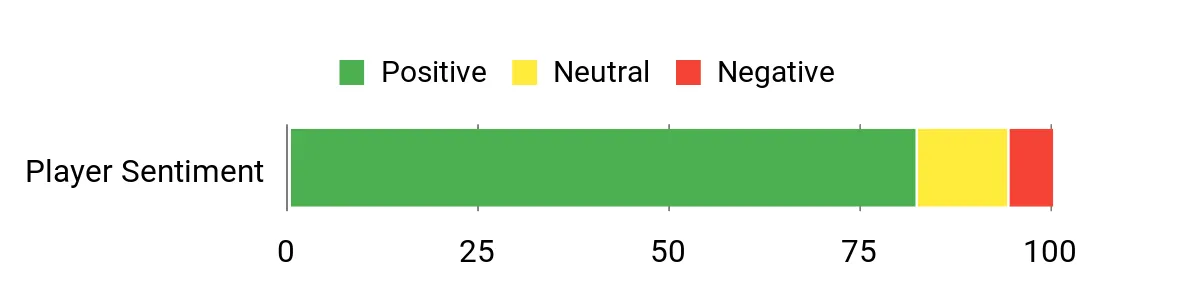
The existing sentiment graphic is retained below for continuity. Current buying guidance on this page is based on verified specifications and current platform status rather than the graphic alone.
Overall Sentiment Shown: Positive
- 7-inch OLED touchscreen
- 64 GB of built-in storage
- Wide adjustable tabletop stand
- Dock includes a wired LAN port
- Enhanced onboard audio
- No meaningful game-performance upgrade over standard Switch
- Built-in display remains 1280 × 720
- Previous-generation Nintendo hardware
Status: Lenovo’s current PSREF marks the original Legion Go 8APU1 product family as withdrawn. This section is retained for reference because the linked product and its images were part of the original roundup; compare Lenovo’s current Legion Go Gen 2 before considering remaining marketplace inventory.
Bottom line: The original Lenovo Legion Go remains notable for its 8.8-inch display and detachable controllers, but it is no longer a current recommended pick in this roundup because Lenovo lists the product family as withdrawn.
- Platform: Windows 11, broad compatible PC software access
- Display: 8.8-inch 2560 × 1600 IPS, up to 144 Hz
- Storage: 512 GB SSD plus microSD, expandable for libraries
- Battery: 49.2 Wh, smaller capacity than Ally X
The Ryzen Z1 Extreme, 16 GB LPDDR5X memory and 512 GB SSD were competitive specifications for the original generation. The native 2560 × 1600 resolution is demanding, so heavier games may benefit from a lower rendering resolution and adjusted graphics settings.
Its detachable controllers, integrated kickstand and USB4 connectivity remain useful design features. The main issue in 2026 is product status rather than category fit: Lenovo has moved on to the Legion Go Gen 2.
Feedback Snapshot
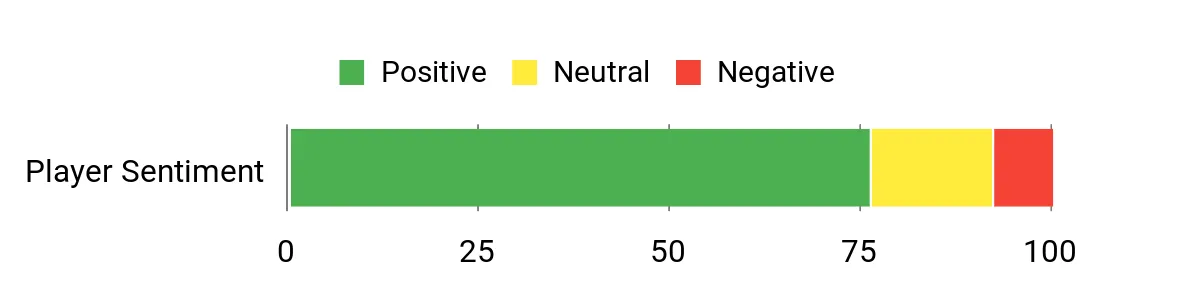
The existing sentiment graphic is retained below for continuity. It should not override the current withdrawn-product status.
Overall Sentiment Shown: Positive
- Large 8.8-inch 2560 × 1600 touchscreen
- Refresh rate up to 144 Hz
- Detachable controllers and integrated kickstand
- Ryzen Z1 Extreme processor
- USB4 and microSD expansion
- Lenovo lists the original product family as withdrawn
- 49.2 Wh battery is modest for high-power gaming
- Large chassis is less convenient for compact travel
Bottom line: The ASUS ROG Ally X (2024) is the strongest verified all-around hardware package among these linked models. It combines an 80 Wh battery with 24 GB memory, a 1 TB SSD and a 120 Hz VRR display.
- Platform: Windows 11, broad compatible PC game-store access
- Display: 7-inch 1920 × 1080 IPS-level, 120 Hz VRR
- Storage: 1 TB PCIe SSD plus microSD, useful for large games
- Battery: 80 Wh, largest capacity among these linked models
The Ryzen Z1 Extreme uses integrated Radeon graphics, while AMD FreeSync Premium lets the display vary its refresh rate with compatible workloads. That can make changing frame rates look smoother than on a fixed-refresh handheld display.
The 24 GB of onboard memory provides more headroom than the 16 GB original Legion Go configuration, and ASUS uses a standard 1 TB M.2 2280 PCIe SSD in the ROG Ally X. Two USB-C connections include one USB4-capable port.
The tradeoff is Windows management. Firmware, graphics drivers, launchers and individual games may all need attention. This particular Amazon link is also a HIDevolution listing, so check the current seller, condition, warranty handling and included accessories before ordering.
Feedback Snapshot
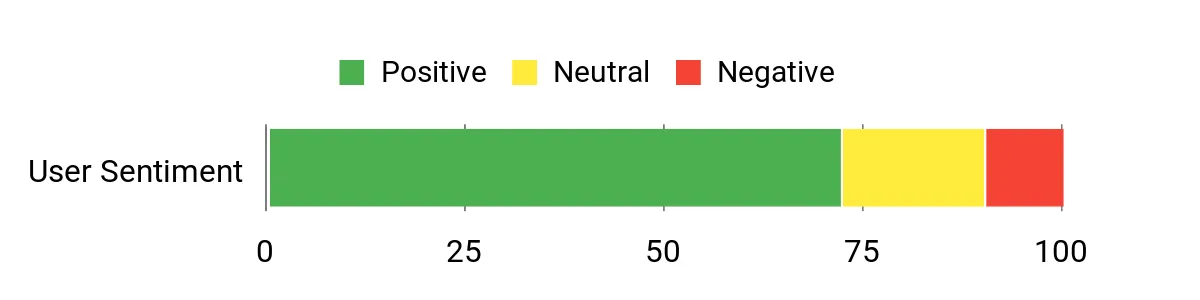
The existing sentiment graphic is retained below for continuity. Current buying guidance also considers verified hardware specifications and cross-source owner trends.
Overall Sentiment Shown: Positive
- 80 Wh battery capacity
- 24 GB onboard memory
- 1 TB M.2 2280 PCIe SSD
- 120 Hz display with FreeSync Premium VRR
- Two USB-C ports, including USB4
- Windows requires more maintenance than a console
- 7-inch display is smaller than the Legion Go’s panel
- No detachable controllers or OLED panel
ASUS ROG Ally X (2024) vs Nintendo Switch: Is the Upgrade Worth It?
These are not direct substitutes. The ASUS ROG Ally X is a Windows gaming PC with more powerful hardware and broader PC software access, while the Nintendo Switch prioritizes simplicity and the original Nintendo Switch ecosystem.
- Platform: The Ally X runs Windows 11; the Switch uses Nintendo’s console platform.
- Display: The Ally X provides 1920 × 1080 at up to 120 Hz with VRR; the Switch uses a 1280 × 720 LCD.
- Storage: The Ally X includes a 1 TB SSD; the Switch includes 32 GB and relies more heavily on microSD expansion.
- Setup: The Switch is easier to manage, while the Ally X gives you more PC flexibility and more settings.
Which Handheld Gaming Device Should You Buy?
- Simple original-Switch gaming: get the Nintendo Switch.
- Better original-Switch handheld screen: get the Nintendo Switch OLED.
- Windows game-store flexibility: get the ASUS ROG Ally X (2024).
- Higher battery capacity and more memory: get the ASUS ROG Ally X (2024).
How We Chose
- Exact product match: We checked the linked model or configuration rather than relying on a similar product name.
- Platform and compatibility: We considered game ecosystem, Windows access, controller design and setup complexity.
- Hardware that changes daily use: Display, storage, memory, battery design, ports and expansion were compared using manufacturer specifications.
- Current status: We checked manufacturer product records, successor hardware and official safety or recall information.
- Owner feedback: Trends were used only where the same pattern appeared across independent retailer and enthusiast-owner sources.
Before You Buy
- Check that every must-play game is available on your chosen platform.
- Confirm the exact seller, condition, configuration, warranty and return terms shown on Amazon.
- Remember that system files reduce usable storage below the advertised capacity.
- Expect demanding Windows games to need resolution, graphics or frame-rate adjustments.
- Match chargers and power banks to the handheld’s supported USB-C power requirements.
How to Choose a Handheld Gaming Device
Choose the Game Library Before the Hardware
Your first decision should be the games you want to play. The Nintendo Switch and Nintendo Switch OLED run compatible original-Switch software. Windows handhelds use PC stores and launchers, but individual games can still have anti-cheat, controller or operating-system limitations.
Balance Display Size Against Portability
A bigger display makes small text and desktop interfaces easier to see, but it usually means a larger device. The Switch OLED gives you a 7-inch OLED screen without changing original-Switch performance. The ASUS ROG Ally X (2024) uses a 7-inch 1080p panel with up to 120 Hz and variable refresh rate.
Do Not Judge Performance by Resolution Alone
A high-resolution screen does not mean every demanding game should run at its native resolution. Integrated graphics have a limited power budget, so Windows handhelds often benefit from lower render resolutions, upscaling and sensible frame-rate targets. Choose the device whose platform and controls fit you first, then tune demanding PC games as needed.
Compare Battery Capacity and Workload Together
Battery specifications are not direct runtime promises. Nintendo rates the current HAC-001(-01) Switch and Switch OLED at roughly 4.5–9 hours depending on software and usage. Windows runtime varies even more with processor power, brightness and game load. The ASUS ROG Ally X (2024) has an 80 Wh battery, but demanding games can still consume power quickly.
Plan Storage Before Building a Large Library
Modern digital games can consume substantial space. The standard Switch has 32 GB and the OLED model has 64 GB, so microSD expansion becomes useful quickly. The ROG Ally X includes a 1 TB PCIe SSD and also supports removable storage, making it the better fit here for a large PC library.
Decide How Much PC Maintenance You Want
Nintendo’s console interface requires less day-to-day management. Windows handhelds give you more stores and desktop applications, but Windows updates, firmware, graphics drivers, launchers and game settings create more work. If you dislike PC troubleshooting, the Nintendo Switch is easier to live with.
Mistakes to Avoid When Buying a Handheld Gaming Device
- Buying from specifications alone: Check your must-play game library before comparing processors.
- Ignoring product generation: Older hardware can remain listed after a successor arrives.
- Assuming native resolution is the ideal game setting: Demanding PC titles may run better at lower settings.
- Forgetting storage overhead: Operating-system files reduce usable capacity.
- Skipping seller checks: Marketplace condition, warranty and included accessories can vary by offer.
FAQs
How Long Will the Battery Last?
Nintendo rates the HAC-001(-01) Switch and Switch OLED at approximately 4.5–9 hours, depending on the software and usage conditions. Windows handheld runtime varies more sharply with power mode, brightness, frame rate and game load. An 80 Wh battery gives the ROG Ally X more capacity, but it does not guarantee a fixed number of gaming hours.
Which Handheld Plays the Games I Want?
Choose by platform first. Nintendo Switch systems run compatible original-Switch software, while the Windows models can use compatible PC game stores, launchers and applications. A Windows game may still depend on controller support, anti-cheat compatibility or other system requirements, so check each important title before buying the handheld.
Is the Nintendo Switch OLED More Powerful Than the Standard Switch?
No meaningful performance upgrade separates the Switch OLED from the standard original Switch. Its main changes are the 7-inch OLED display, 64 GB of internal storage, improved onboard audio, wider adjustable stand and wired-LAN dock. If faster game performance is your goal, the OLED screen alone does not provide it.
Can the Nintendo Switch or Switch OLED Play Games in 4K?
No. The built-in displays on these original-Switch models operate at 1280 × 720, and Nintendo specifies supported HDMI output up to 1920 × 1080 in TV mode. They should not be confused with Nintendo Switch 2, which is newer hardware with different display and output capabilities.
Why Is the Original Lenovo Legion Go No Longer Recommended Here?
Lenovo’s current Product Specifications Reference marks the original Legion Go 8APU1 product family as withdrawn. That does not erase its hardware capabilities or prevent remaining marketplace units from appearing, but it means the model is no longer a current-generation Lenovo recommendation. Buyers should compare Lenovo’s Legion Go Gen 2 before ordering old inventory.
Does a Higher Refresh Rate Always Mean Better Gaming?
No. A 120 Hz or 144 Hz display can show motion more smoothly when the game produces enough frames, but demanding games may run well below that level. Resolution, graphics settings, processor power and variable-refresh support also matter. A high-refresh panel is useful, but it does not guarantee a specific game frame rate.
Can a Windows Handheld Connect to a Monitor or TV?
Yes, compatible Windows handhelds can connect to external displays through supported USB-C or USB4 adapters, docks and DisplayPort-capable connections. The exact resolution, refresh rate and power behavior depend on the handheld, adapter, display and cable. Check the accessory’s charging and video specifications before building a docked setup.
Should I Buy a Windows Handheld If I Dislike Troubleshooting?
A Nintendo console is usually the simpler choice if you strongly dislike troubleshooting. Windows handhelds offer broader PC software access, but they can require Windows updates, firmware changes, graphics drivers, launcher logins and per-game settings. They suit buyers who value flexibility enough to accept some additional setup and maintenance.
Final Verdict
The best handheld gaming device in this focused comparison depends first on platform, but the ASUS ROG Ally X (2024) offers the strongest verified hardware balance among the currently recommended linked models. Its 80 Wh battery, 24 GB memory, 1 TB SSD and 120 Hz VRR display give it clear advantages for portable Windows gaming.
If you primarily want original-Switch games, the Nintendo models remain much simpler to operate, although both should now be compared with Switch 2 before purchase.
For the Best value option, compare the Nintendo Switch; for the premium hardware pick, see the ASUS ROG Ally X (2024).
| Product Name | Image | Platform and Game Access | Storage Capacity | Display and Battery |
|---|---|---|---|---|
| Nintendo Switch with Neon Blue and Neon Red Joy-Con |
 |
Nintendo Switch ecosystem; TV, tabletop and handheld modes | 32 GB internal storage; compatible microSD expansion | 6.2-inch 1280 × 720 LCD; supported docked output up to 1920 × 1080; approximately 4.5–9 hours depending on use |
| Nintendo Switch – OLED Model w/White Joy-Con |
 |
Nintendo Switch ecosystem; TV, tabletop and handheld modes | 64 GB internal storage; compatible microSD expansion | 7-inch 1280 × 720 OLED; supported docked output up to 1920 × 1080; approximately 4.5–9 hours depending on use |
| Lenovo Legion Go 8.8″ 144Hz Handheld Gaming PC |
 |
Windows 11; compatible Windows game stores and applications | 512 GB PCIe SSD; microSD expansion | 8.8-inch 2560 × 1600 IPS touchscreen; up to 144 Hz; 49.2 Wh battery |
| HIDevolution ASUS ROG Ally X RC72LA 7″ FHD Gaming Handheld |
 |
Windows 11; compatible Windows game stores and applications | 1 TB PCIe SSD in the linked configuration; microSD expansion | 7-inch 1920 × 1080 IPS-level touchscreen; up to 120 Hz with variable refresh rate; 80 Wh battery |
