As an Amazon Associate I earn from qualifying purchases.
The best laptops for drone video editing have a fast multi-core CPU, a strong GPU or an Apple M-series chip, at least 16GB of RAM (32GB is better for 4K), a fast SSD and an accurate screen. Our top pick is the Lenovo Legion Pro 5i. The MacBook Air is the best light option for editing on location.
Most DJI drones record H.264 or H.265 (HEVC) video, and newer models also record 10-bit footage. That footage is heavy to edit, so hardware video decoding and enough memory matter more than gaming speed. Below are eight laptops, what each does well and where each falls short. Last checked: October 2026. Models and stock change often, so check the current listing.
Top Picks
|
Category |
Product |
|---|---|
|
🏆 Best Overall |
|
|
💰 Best Value |
|
|
🚀 Best for Mobile Editing |
|
|
⭐ Best for High-FPS Rendering |
|
|
🎨 Best for Large-Screen Editing |
|
|
🏅 Best Workstation |
|
|
🎬 Best for Color Grading |
|
|
🪶 Best Lightweight OLED |
How We Chose These Laptops for Drone Video Editing
We compared specs and owner reviews for each laptop. We did not run our own render tests. We looked at CPU and GPU power, hardware decoding of H.264 and H.265 video, RAM, storage speed, screen quality, ports, cooling and battery life.
What to look for: 16GB of RAM is enough for 1080p and light 4K edits with proxy files. 32GB is better for long 4K timelines. A fast NVMe SSD, Thunderbolt and an SD card reader help you move footage quickly. A screen with 100% DCI-P3 helps with color. Newer drones can record 10-bit H.265 files, which can stutter on some laptops. NVIDIA says its RTX 50-series GPUs are the first to decode 4:2:2 video in hardware. Software support depends on your editing app and version, so test a clip before you commit.
Legion Pro 5i
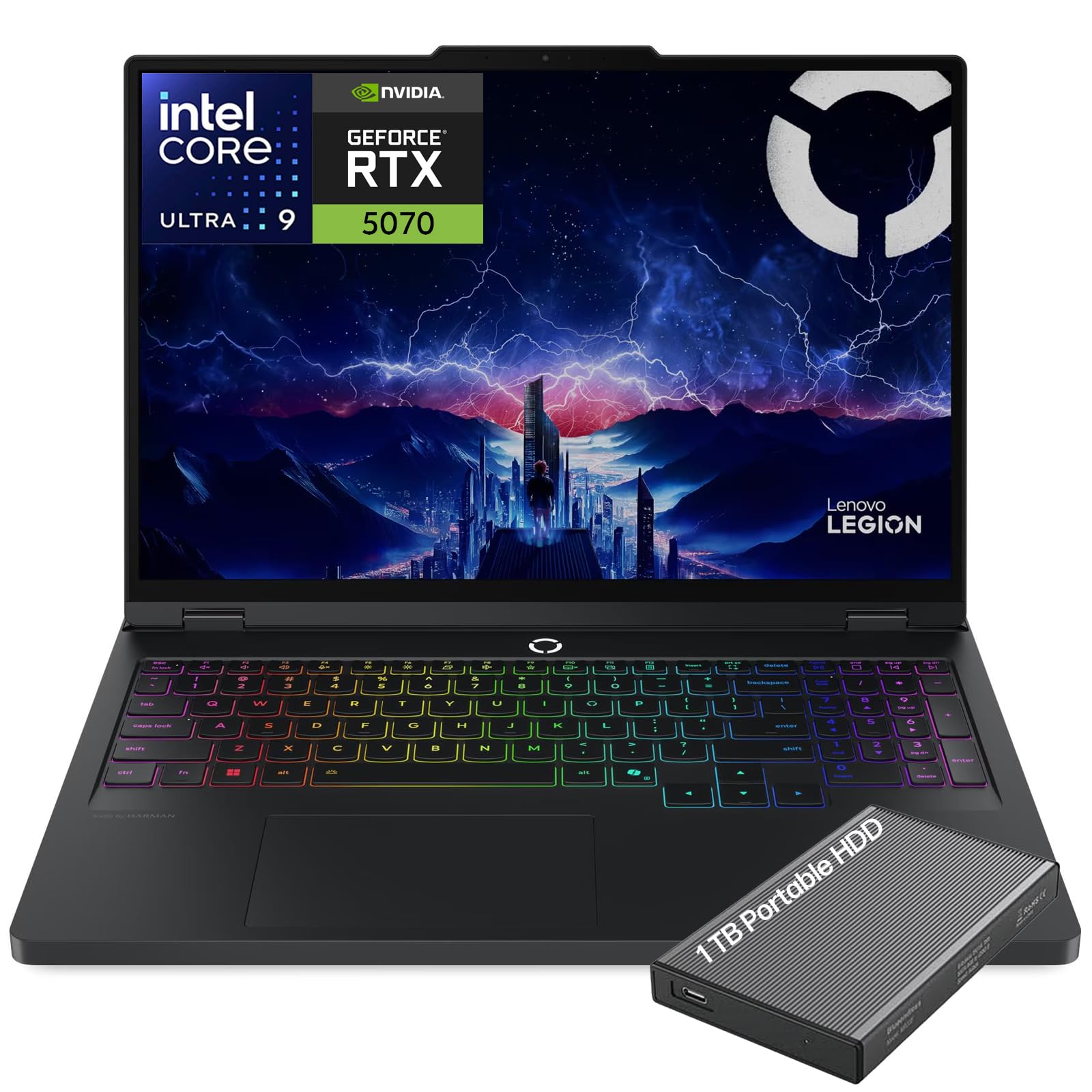
The Legion Pro 5i has a 16-inch WQXGA OLED screen rated at 500 nits, an RTX 5070 laptop GPU and 32GB of RAM. That is a strong setup for 4K timelines and GPU-accelerated exports.
Reviewers say the chassis warms up under long loads, so use it on a desk or stand for long renders. This listing includes a 1TB portable drive, which helps with offloading footage. The RTX 5070 is a laptop GPU, not a desktop card, but it is fast enough for most drone edits.
What People Say
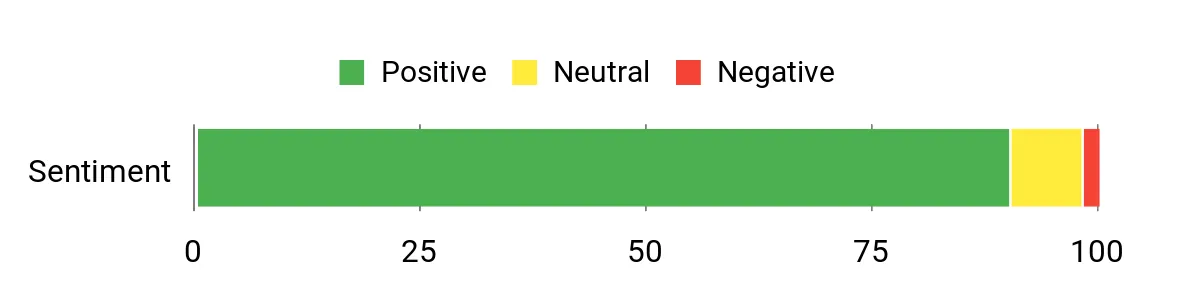
Only one rating is listed for this model, so there is little owner feedback to judge it by. Reviews from tech sites praise the OLED screen and say it runs warm under long loads.
Overall Sentiment: Not enough reviews to judge
When You Need It
|
Situation |
How It Helps |
|---|---|
|
On‑location Editing |
The bright OLED and accurate colors help you assess exposure and color on the spot, and the bundled portable HDD gives you extra space for footage. |
|
Rendering Long Timelines |
A dedicated RTX GPU gives fast exports, though the chassis warms up under long loads, so use a stand. |
|
Color Grading |
WQXGA OLED with wide gamut and 500 nits gives you a reliable reference for grading, reducing surprises when you view footage on other displays. |
|
Travel With Heavy Projects |
It is heavy for a laptop (about 2.4 kg, or 5.3 lb, according to one review) but still portable enough to move between locations. |
Versatility
You can switch from editing drone footage to gaming or development work without swapping machines. The Legion handles creative apps, playback, and general multitasking with ease, making it a multipurpose tool if you wear several hats.
Practicality
Ports, HDMI output and fast Wi‑Fi 7 support quick offloads and multi‑monitor setups. Expect decent battery life for light work, but plan to plug in for extended rendering or color‑critical sessions.
Expertise Level
Intermediate to professional creators who need serious GPU power and a color‑accurate screen will get the most from this machine.
Speed & Response Time
Very fast for timeline responsiveness and preview scrubbing thanks to the combination of high core counts, 32GB RAM, and an RTX 5070 GPU.
Performance Speed
Exports and hardware‑accelerated encoding run quickly, and real‑time playback of multi‑layer timelines is smooth for typical drone codecs when you use proxy workflows where needed.
Key Benefits
- High‑clarity 16″ WQXGA OLED at 165Hz for accurate preview and smooth scrubbing
- NVIDIA RTX 5070 GPU accelerates timeline playback and hardware encoding
- 32GB RAM plus 1TB NVMe and a bonus 1TB portable HDD for fast project storage
- Solid build and a large chassis for sustained exports
Things to Consider
- Heavy, and the chassis warms up under long loads.
- Only one rating is listed, so owner feedback is thin.
Nitro V
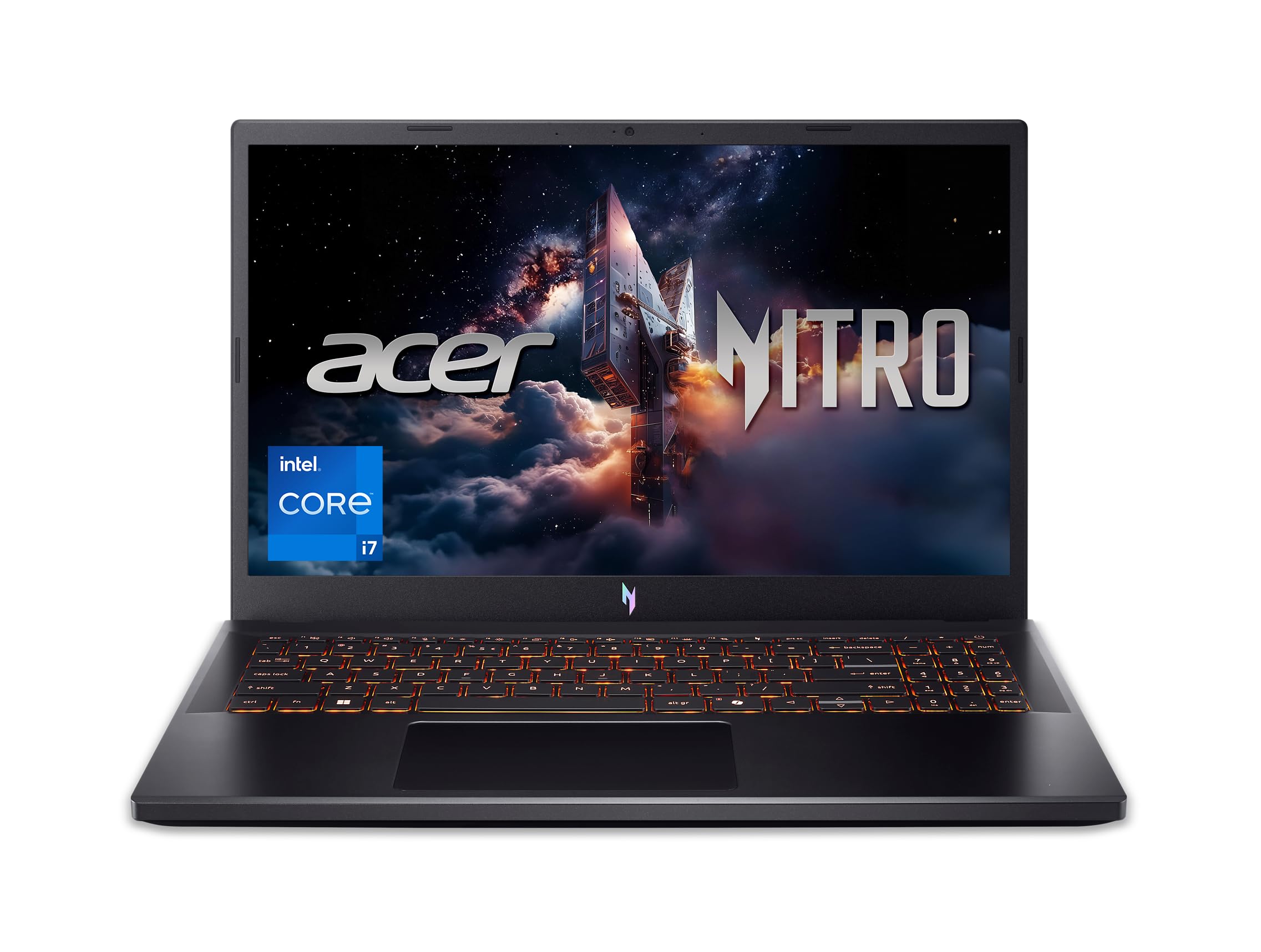
The Acer Nitro V has a 15.6-inch 165Hz Full HD screen, a Core i7-13620H, an RTX 4050 and a 1TB Gen 4 SSD. It is a budget-friendly way to get a dedicated GPU for drone clips. It is a gaming laptop, so expect a thicker body than an ultrabook.
It ships with 16GB of RAM, which is enough for 1080p and light 4K edits with proxy files. RAM can be upgraded on many Nitro V models, which helps with bigger projects.
What People Say
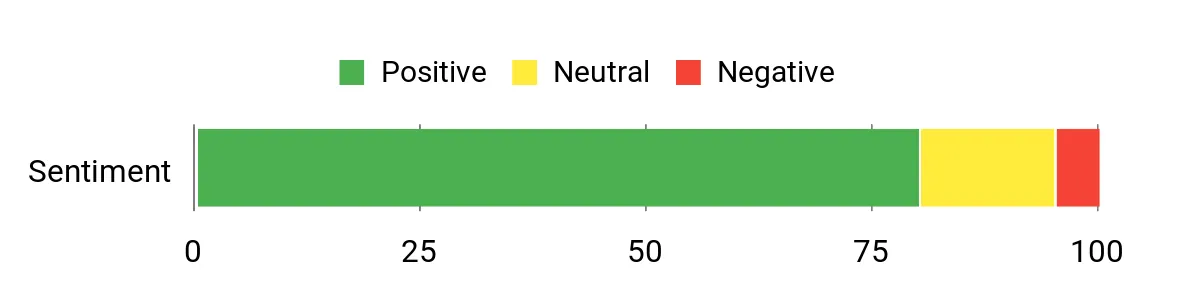
Users often highlight the Nitro V’s strong performance for both gaming and creative tasks, noting smooth playback and quick setup out of the box. People also mention it’s portable enough to travel with, while minor complaints center on fan noise and heat under sustained load.
Overall Sentiment: Positive
When You Need It
|
Situation |
How It Helps |
|---|---|
|
On‑Location Editing |
The fast SSD and responsive display let you review clips and assemble rough cuts quickly without waiting on long file transfers. |
|
Quick Previews |
GPU acceleration and a high refresh panel keep playback smooth, so you can check motion and stabilization in real time. |
|
Multi‑Use Setup |
You can switch between editing, gaming, and photo work without juggling multiple machines thanks to a balanced CPU/GPU pair. |
|
Travel With Projects |
The 15.6-inch body is easy enough to carry between shoots and edit suites. Plug in for heavy exports. |
Versatility
This laptop moves between roles comfortably: editing drone footage, playing games, or handling student and office tasks. It’s versatile enough for creators who need one machine for work and play.
Practicality
Ports, Wi‑Fi 6 and a roomy SSD make day‑to‑day workflows practical. Expect louder fans during heavy renders, so plan for a stand or quieter environment for long sessions.
Expertise Level
Best for intermediate creators and hobbyist pros who want capable GPU acceleration without a full workstation.
Speed & Response
Responsive for timeline interaction and preview scrubbing, with minimal stutter on common drone codecs when using optimized settings.
Performance
Solid export performance for 1080p and 4K H.264/HEVC. Heavier 10-bit or RAW files are easier to edit with proxy files.
Key Benefits
- Smooth 165Hz display for fluid timeline scrubbing
- RTX 4050 accelerates GPU-backed playback and exports
- Fast Gen4 NVMe storage for quick project loads
- Dedicated RTX 4050 GPU in a mainstream gaming laptop
Things to Consider
- Fans get loud and the chassis heats up under long renders, according to owners.
- Only 16GB of RAM and an older RTX 4050, so use proxy files for 4K.
MacBook Air

The MacBook Air 13-inch has the M4 chip, 16GB of memory and a 13.6-inch Liquid Retina screen rated at 500 nits. The M4 media engine speeds up H.264, HEVC and ProRes video, so common drone files play back smoothly.
Two Thunderbolt 4 ports and MagSafe cover fast drives and charging. Battery life is long, so it suits editing on location. It has no fan, so very long exports can slow down. The base model has 256GB of storage, so plan on a fast external drive.
What People Say
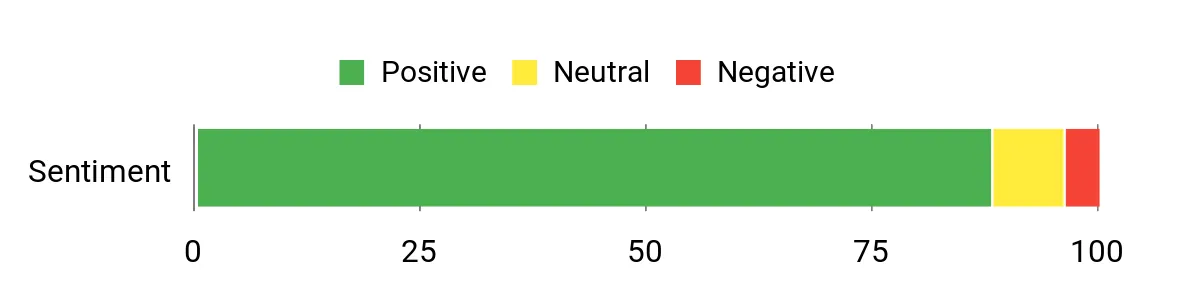
Customers regularly praise the Air for its speed, battery longevity, and display quality, noting that apps open instantly and common editing tasks feel snappy. Reviewers also highlight how portable and well‑built it is, with positive mentions of the camera and the overall reliability for daily creative work.
Overall Sentiment: Positive
When You Need It
|
Situation |
How It Helps |
|---|---|
|
Field Editing |
The long battery life and light weight let you assemble rough cuts and review footage on location without hunting for outlets. |
|
Color Checks |
Liquid Retina with wide color support gives you a trustworthy preview for exposure and basic grading before you move to a larger monitor. |
|
Quick Exports |
Hardware‑accelerated ProRes and HEVC encoding reduce export times on common drone formats, so you can deliver cuts faster. |
|
Remote Collaboration |
Thunderbolt 4 ports make it easy to connect fast external drives or dock into a studio setup when you need more storage or displays. |
Versatility
You can move seamlessly from editing to color work to everyday productivity. The Air is especially strong if your workflow relies on Apple’s hardware acceleration and you value mobility.
Practicality
Two Thunderbolt 4 ports and MagSafe keep connections simple, but limited internal storage means you’ll likely rely on fast external drives or cloud storage for larger projects.
Expertise Level
Suitable for intermediate creators and professionals who prioritize portability and efficient codec handling over workstation expandability.
Speed & Response
Very responsive for app launches, timeline scrubbing and common edits, especially when working with optimized media or proxies.
Performance
Excellent for 1080p and 4K H.264/HEVC and ProRes. Extremely heavy RAW or multi‑cam 6K+ projects will benefit from higher‑end workstations, but the Air handles most on‑the-go workflows smoothly.
Key Benefits
- M4 Media Engine for hardware‑accelerated H.264/HEVC and ProRes workflows
- Bright 13.6″ Liquid Retina with P3 color for confident grading
- Long battery life that supports on‑location editing
- Ultra‑light chassis that’s easy to carry between shoots
Things to Consider
- This configuration has 16GB of memory and 256GB of storage. Neither can be upgraded later.
- No fan, so very long exports can slow down.
Vector 16

The MSI Vector 16 HX AI has an RTX 5070 Ti, an Intel Core Ultra 7 255HX and a 16-inch 144Hz screen. MSI’s Cooler Boost cooling helps it hold speed in long sessions, and its Thunderbolt 5 ports connect fast drives or extra monitors.
It is thick and heavy (MSI lists 2.7 kg). This listing has 16GB of RAM and a 512GB SSD, which is small for 4K projects. MSI lists support for up to 96GB of RAM, so you can upgrade, or use fast external storage.
What People Say
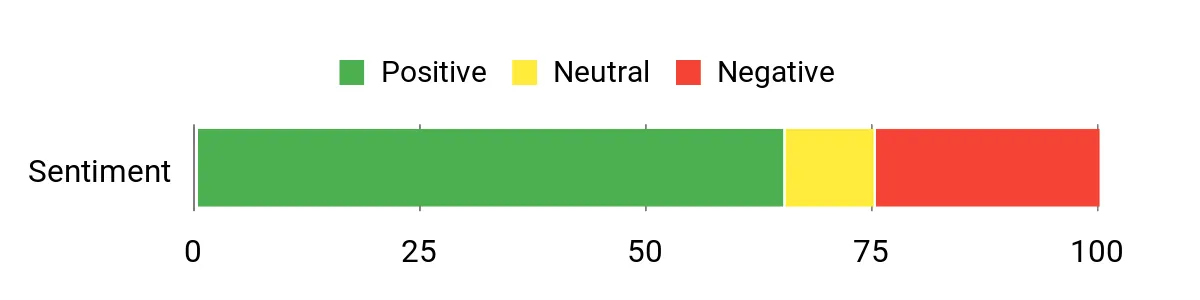
Buyers frequently praise the Vector 16 for raw performance and the feeling of desktop‑class power in a laptop, especially for high‑frame‑rate work and rendering. Many note reliable cooling and strong connectivity, while a minority report intermittent issues like display or stability problems that affected their experience.
Overall Sentiment: Neutral
When You Need It
|
Situation |
How It Helps |
|---|---|
|
Heavy Rendering |
The high‑end GPU and Cooler Boost keep render times down and maintain performance during long exports. |
|
Real‑Time Playback |
A 144Hz panel and RTX acceleration reduce stutter on multi‑layer timelines so you can judge motion effects more accurately. |
|
Studio Expansion |
Thunderbolt 5 makes hooking up fast external RAID or additional displays straightforward for a full editing bay. |
|
On‑the‑go Power |
It brings near‑desktop performance to travel setups, though you’ll trade some weight and battery life for that capability. |
Versatility
This machine is tuned for GPU‑heavy tasks and gaming; it’s versatile for creators who also play or stream, but less ideal if you need ultra‑light portability or long battery life.
Practicality
Plenty of ports and robust cooling make studio use practical; expect shorter unplugged editing sessions and plan for a desk or carry case when moving between sites.
Expertise Level
Geared toward advanced hobbyists and professionals who need high FPS testing, fast renders, and expandability rather than an ultraportable daily driver.
Speed & Response
Very responsive for timeline scrubbing and previews with GPU acceleration, though occasional software or hardware glitches reported by some users can impact consistency.
Performance
Excellent for 1080p and 4K editing and high‑FPS rendering; heavy multi‑cam or extreme RAW workflows will still see clear benefits from the powerful GPU and fast NVMe storage.
Key Benefits
- RTX 5070 Ti for fast GPU‑accelerated encoding and rendering
- 16″ high‑refresh display that improves playback and motion checks
- Advanced Cooler Boost design to sustain performance under load
- Thunderbolt 5 for high‑speed external storage and multi‑display workflows
Things to Consider
- Heavy (2.7 kg per MSI) and short on battery when unplugged.
- Only 16GB of RAM and a 512GB SSD in this listing. Some owners report display or stability problems.
TUF A18
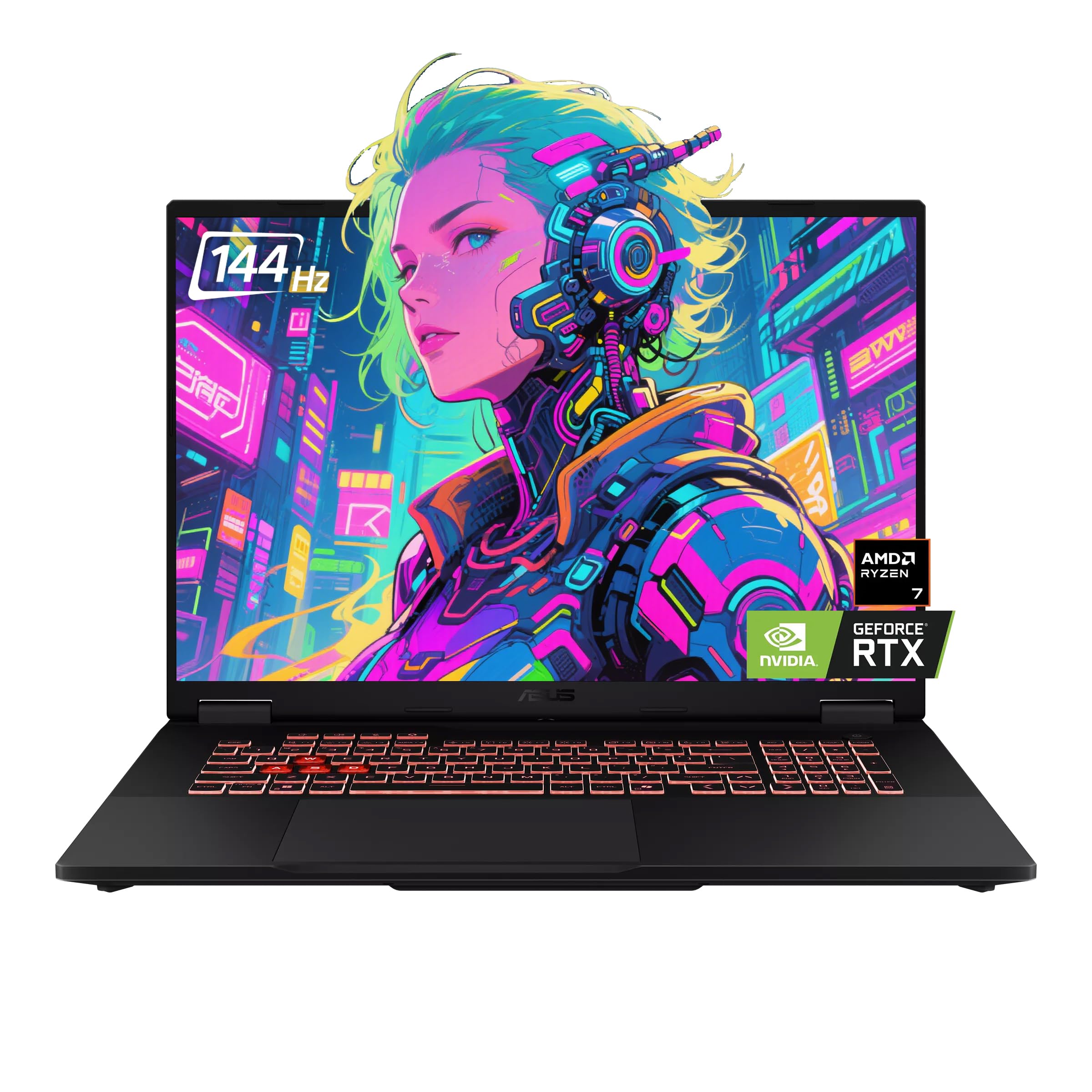
The ASUS TUF A18 has an 18-inch FHD+ 144Hz screen, an AMD Ryzen 7 260 and an RTX 5060. The big screen gives you more room for the timeline and previews.
This listing shows 128GB of RAM and 12TB of storage, far more than ASUS’s standard models. Check exactly what is included, and who supports the upgrades, before you buy. It is heavy, so it works best on a desk.
What People Say
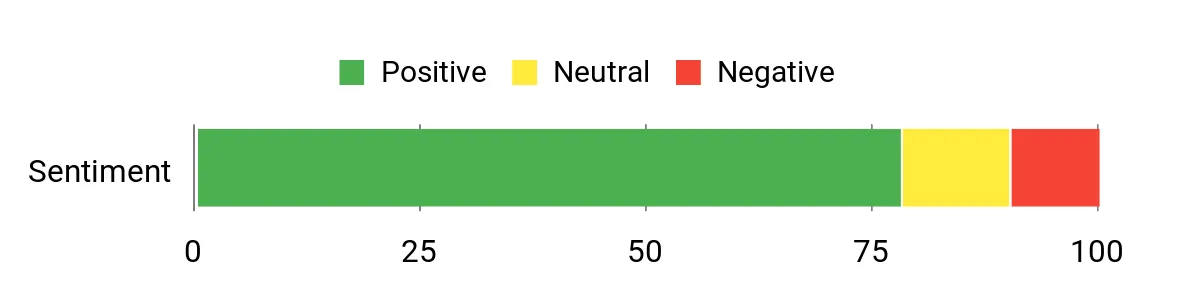
Only a few ratings are listed for this model, so owner feedback is limited. Those who reviewed it like the big screen and strong performance. Some owners say it runs hot under sustained load and works best on a desk, not on your lap.
Overall Sentiment: Positive (few reviews)
When You Need It
|
Situation |
How It Helps |
|---|---|
|
Detailed Timeline Work |
The large, high‑refresh panel gives you more visible timeline space and smoother scrubbing for motion and stabilization checks. |
|
High‑FPS Renders |
RTX 5060 and beefy cooling let you push frame rates and render complex sequences with fewer slowdowns. |
|
Local Project Storage |
Generous NVMe capacity means you can store large 4K or multi‑cam drone projects without immediate reliance on external drives. |
|
Streaming Or Remote Calls |
An array of ports makes it easy to connect a second screen or fast drives while you work. |
Versatility
You can move between heavy edits, gaming sessions and school or office work without swapping machines. It’s best if you need a single, powerful laptop for multiple creative and leisure roles.
Practicality
Ample ports and robust cooling make it studio‑friendly, but note the weight and heat for long lapside use; plan to edit on a desk or cooling stand for sustained sessions.
Expertise Level
Best suited to intermediate and professional users who need high FPS testing, fast renders, and expanded storage rather than ultra‑light portability.
Speed & Response
Very responsive for timeline scrubbing and preview playback thanks to the high‑refresh display and discrete GPU.
Performance
Strong export and rendering performance for 1080p and 4K workflows; heavy RAW or extremely large multi‑cam timelines will still benefit from additional RAM or external storage but the core performance is solid.
Key Benefits
- Large 18″ FHD+ 144Hz display for comfortable timeline viewing and motion checks
- RTX 5060 GPU accelerates rendering and realtime previews
- Large memory and storage in this listing (check the exact configuration)
- Solid I/O including HDMI/DisplayPort options and fast wireless for transfers
Things to Consider
- Heavy, and it runs warm under long loads, so it works best on a desk.
ThinkPad P1
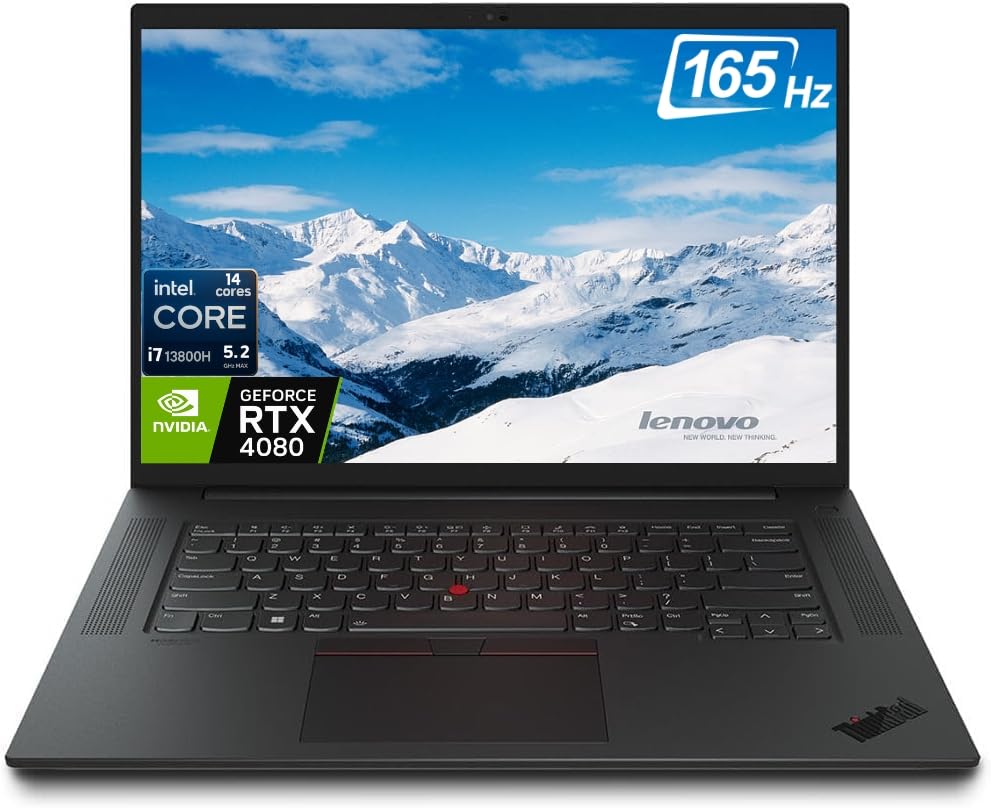
The ThinkPad P1 is a workstation laptop with a 16-inch 4K OLED touch screen, an RTX 4080 and DDR5 memory (up to 64GB). Thunderbolt 4 and an SD Express 7.0 card reader make it quick to offload footage.
The Core i7-13800H listed here is a 2023 chip, so this model is older than most laptops in this guide. Check the listing for the exact generation and condition before you buy.
What People Say
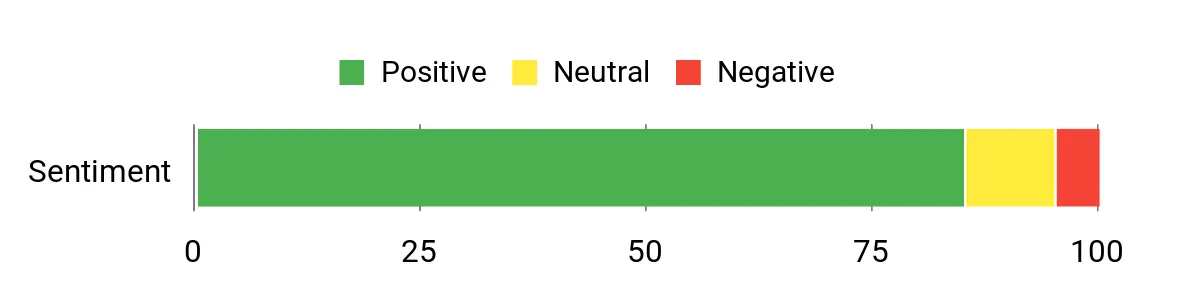
No rating or review data was available for this listing when we checked, so there is no owner feedback to report here.
Overall Sentiment: Not available
When You Need It
|
Situation |
How It Helps |
|---|---|
|
Color Grading |
The 4K OLED with wide gamut gives you a trustworthy preview for fine grading before you move to client displays. |
|
Multi‑Layer Renders |
RTX 4080 and plentiful DDR5 RAM reduce render times and keep previews smooth when you stack effects and color passes. |
|
On‑Location Work |
Lightweight chassis and strong I/O let you offload footage, review clips, and tether into a studio dock without juggling adapters. |
|
Collaborative Review |
The accurate display and built-in webcam simplify remote client reviews and collaborative color checks. |
Versatility
This machine adapts from editing and grading to 3D work or software development; it’s a single machine solution if you need workstation power with occasional travel.
Practicality
Ports, a fast SD reader and Thunderbolt expandability make daily workflows efficient, though battery life can shorten under sustained, full‑power workloads so plan for mains when rendering.
Expertise Level
Designed for professionals and advanced creators who need certified performance, accurate displays and expandable workflows.
Speed & Response
Very responsive in timelines and interactive grading, with minimal lag when using GPU‑accelerated effects and proxies where appropriate.
Performance
Top‑tier export and real‑time playback performance for 4K and high‑bitrate formats; excellent for multi‑cam and color‑heavy projects.
Key Benefits
- True 4K OLED touchscreen with wide color coverage for accurate grading
- NVIDIA RTX 4080 and up to 64GB DDR5 for demanding GPU and multitask workloads
- Robust I/O including Thunderbolt 4 and SD Express 7.0 for fast media workflows
- Large internal SSD capacity options and compact, lightweight chassis for travel
Things to Consider
- Older 2023 hardware (13th-gen Intel and an RTX 4080 laptop GPU).
- Battery life can shorten under sustained full-power loads.
Rating: N/A (no reviews listed)
Creator Z16

The MSI Creator Z16 has a 16-inch QHD+ screen with 100% DCI-P3 coverage, an RTX 3060 and 32GB of RAM. The wide color range suits grading and composition.
It also has Thunderbolt 4 and a fast NVMe SSD for quick transfers, in a slim body that is easy to carry. It is an older design: the Core i7-11800H is a 2021 chip, and the RTX 3060 is two GPU generations behind current RTX 50 models.
What People Say
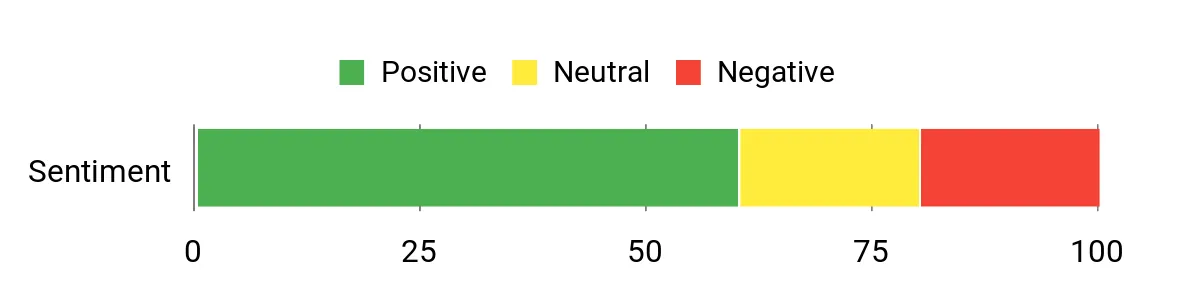
Buyers often highlight the Z16’s excellent display and strong creative performance, saying it makes color checks and motion work feel more reliable. Many appreciate the solid build and portability for studio‑to‑field workflows, while common critiques mention heat under heavy loads and occasional software or driver quirks.
Overall Sentiment: Neutral
When You Need It
|
Situation |
How It Helps |
|---|---|
|
Color Grading |
A wide‑gamut QHD+ panel gives you a trustworthy preview for basic grading and color decisions before you move to a reference monitor. |
|
GPU‑Accelerated Effects |
The RTX 3060 speeds up realtime previews and shortens render times for many common effects and encodes. |
|
On‑Site Reviews |
A slim chassis and good screen brightness let you run client checks and collaborative reviews without hauling a larger setup. |
|
Fast Offloads |
Thunderbolt 4 and NVMe storage let you move large drone clips quickly to external drives or a RAID for larger projects. |
Versatility
You can move between editing, color work and light 3D or motion tasks without changing machines; it’s well suited to creators who want a single laptop for most studio needs.
Practicality
Good port selection and a roomy SSD make everyday workflows efficient, though you should expect louder fans and warmer surfaces during long, heavy renders.
Expertise Level
Best for intermediate creators and professionals who value display accuracy and solid GPU performance but don’t require top‑end workstation expandability.
Speed & Response
Responsive for timeline scrubbing and common edits, especially when working with optimized media or proxies.
Performance
Strong for 1080p and 4K H.264/HEVC workflows and many GPU‑accelerated tasks; extremely large RAW or multi‑cam 6K+ projects may push its limits compared with higher‑end workstations.
Key Benefits
- QHD+ 16″ display with 100% DCI‑P3 for reliable color previewing
- RTX 3060 GPU accelerates exports and real‑time effects
- 32GB RAM and 1TB NVMe keep timelines and media responsive
- Thunderbolt 4 for fast external drives and docking
Things to Consider
- Older 2021 hardware (11th-gen Intel and an RTX 3060).
- Owners report heat under heavy loads and some software or driver quirks.
Vivobook S16
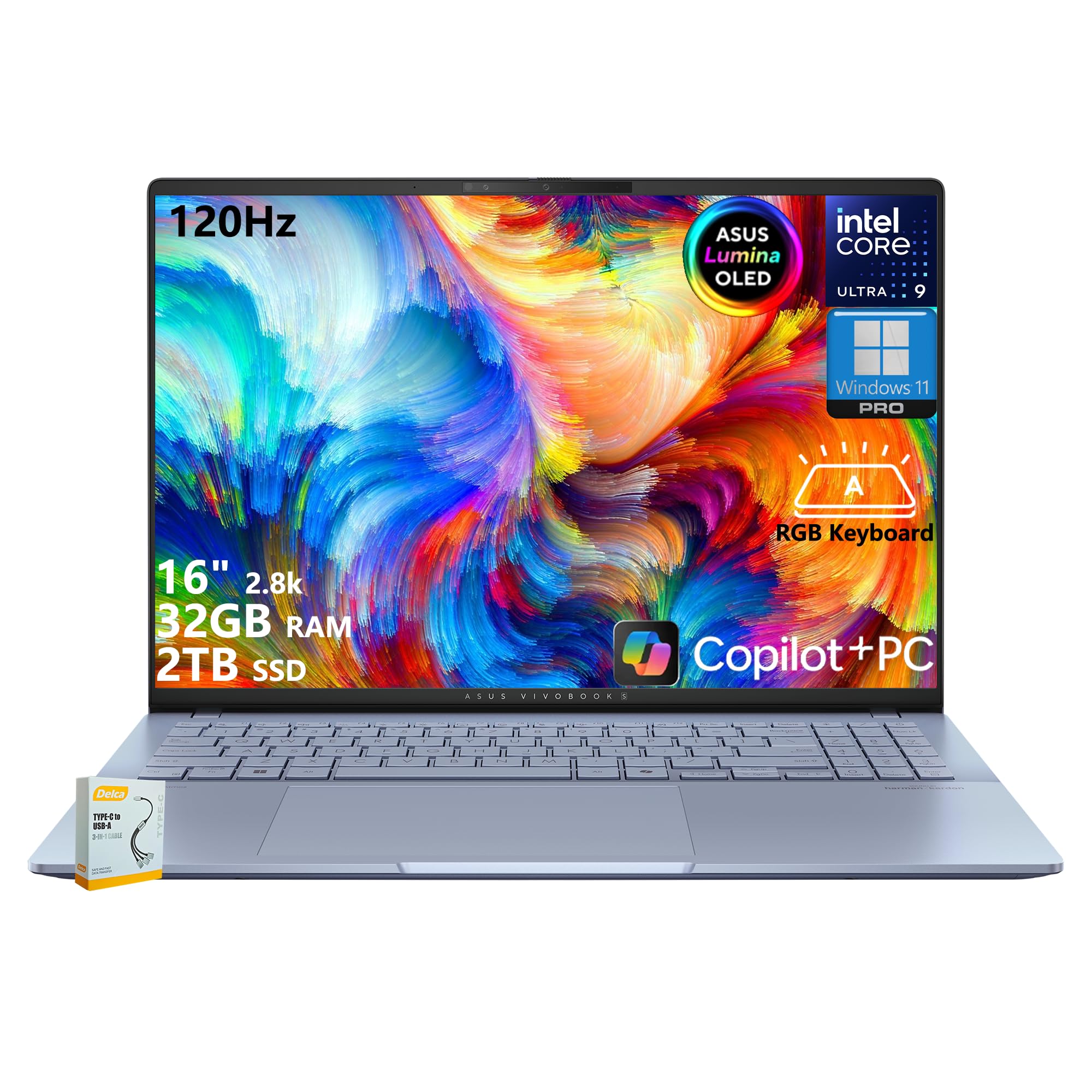
The ASUS Vivobook S16 has a 16-inch 2.8K OLED screen at 120Hz with 100% DCI-P3 and 600 nits peak brightness, plus an Intel Core Ultra 9 285H, 32GB of RAM and a 2TB SSD. At about 3.3 lb it is easy to carry between shoots. It uses Intel Arc integrated graphics, not a dedicated GPU, so heavy effects and long 4K timelines will be slower than on the RTX laptops here.
What People Say
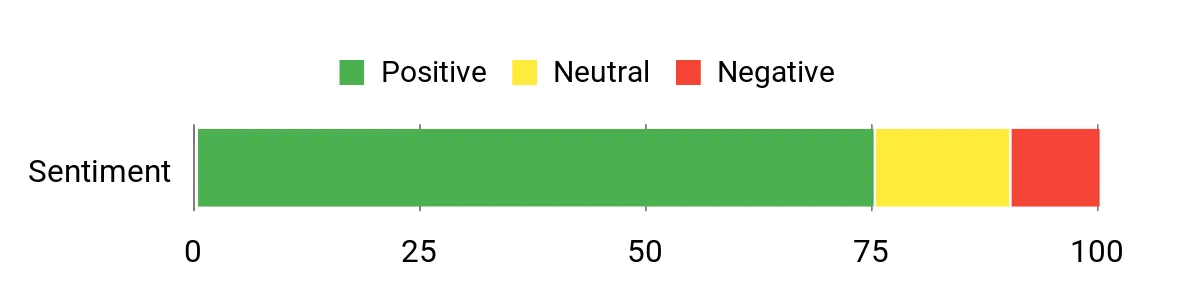
Users consistently praise the Vivobook’s display and overall responsiveness, saying the screen makes color checks and motion playback feel much more reliable. People also appreciate the generous RAM and storage for real projects, though several mention the RGB keyboard lighting can make key labels hard to read in some modes.
Overall Sentiment: Positive
When You Need It
|
Situation |
How It Helps |
|---|---|
|
Field Review |
The bright OLED and accurate color let you inspect exposure and quick grades without lugging extra monitors. |
|
On‑the‑go Edits |
Light weight and fast storage let you assemble rough cuts between locations without a long wait for media loads. |
|
Color Checks |
Wide DCI‑P3 coverage and strong peak brightness give you a trustworthy reference for initial color decisions. |
|
Fast Offloads |
Thunderbolt 4 support and large internal SSD speed transfers to external drives or a docked studio setup. |
Versatility
This laptop moves well between creative work, multitasking and casual media use. It’s a solid single‑machine choice if you switch between editing, design and everyday productivity.
Practicality
Good port selection and a large internal SSD simplify workflows; be mindful of keyboard lighting choices if you rely on visible key legends for fast typing.
Expertise Level
Well suited to intermediate creators and professionals who value display accuracy and portability over extreme workstation expandability.
Speed & Response
Very responsive for app launches and timeline scrubbing thanks to the high‑core CPU and abundant RAM; proxies help for heavier RAW timelines.
Performance
Handles 4K H.264/HEVC well. ProRes is decoded in software on this laptop, and large RAW or multi-cam 6K+ projects will need proxy workflows or a more powerful machine.
Key Benefits
- 2.8K OLED at 120Hz with 100% DCI‑P3 and 600 nits peak brightness for confident previews
- Intel Core Ultra 9 and 32GB RAM for smooth multitasking and timeline interaction
- 2TB NVMe storage plus Thunderbolt 4 for fast media transfers and external expansion
- Lightweight chassis that’s genuinely portable for field editing
Things to Consider
- Intel Arc integrated graphics only, so heavy effects and long 4K timelines are slower than on the RTX laptops here.
- Some owners say the RGB keyboard lighting makes key labels hard to read in some modes.
FAQ
What Specs Matter Most
Prioritize a multi-core CPU, a capable GPU (or an Apple M-series chip), 16GB of RAM or more (32GB for long 4K timelines) and a fast NVMe SSD. Hardware decoding of H.264 and H.265 (HEVC) makes playback smoother. Check for Thunderbolt or an SD card reader so you can offload footage quickly. For color work, look for a screen with 100% DCI-P3.
Do You Need a Dedicated GPU
Not always. A dedicated GPU helps most with 4K video, heavy effects and fast exports. For 1080p or light 4K edits, an Apple M-series laptop or a laptop with strong integrated graphics can be enough, especially with proxy files. If you shoot 10-bit footage, test a clip first, because hardware decoding depends on the chip and your editing app. NVIDIA says its RTX 50-series GPUs are the first to decode 4:2:2 video in hardware.
How Do You Manage Files And Workflow On Location
Keep active projects on a fast internal NVMe drive for smooth editing and offload completed shoots to external drives or a RAID for backup, and always maintain at least one copy of your footage as a backup before clearing memory cards. Use proxy workflows to speed up editing on compact laptops, carry a reliable card reader or Thunderbolt dock for fast transfers, and plan for power and cooling during long render sessions to avoid throttling.
Buyer Preferences
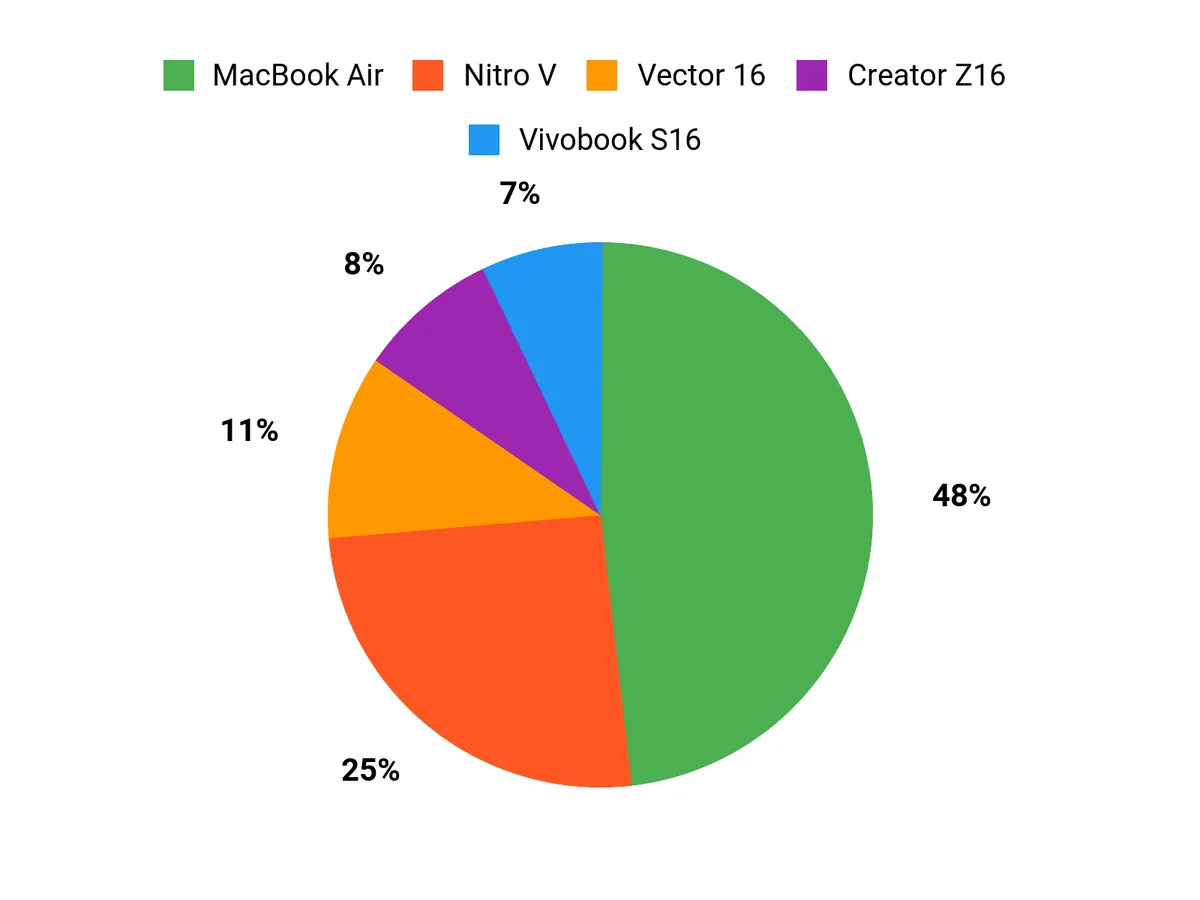
Buyers usually weigh three things: GPU power for heavy 4K timelines, portability for travel, and battery life. If you want a fast GPU and a color-accurate OLED, look at the Legion Pro 5i. If you want a capable laptop at a lower cost, the Nitro V fits many workflows. If mobility and battery life matter most, the MacBook Air is a strong pick.
Wrapping Up
Choose a laptop that matches how you edit. For heavy 4K or 10-bit footage, look at the Legion Pro 5i, or the ThinkPad P1 if you accept its older 2023 hardware. For editing on location, the MacBook Air and the Vivobook S16 are the light options.
The Nitro V is a lower-cost way to get a dedicated GPU, but it has 16GB of RAM and an older RTX 4050.
Before you buy, check the exact RAM, storage and ports in the listing. If you can, test a clip from your drone first.
| Product Name | Image | Rating | Processor | Graphics Card | RAM | Storage | Display |
|---|---|---|---|---|---|---|---|
| Lenovo Legion Pro 5i 16″ Gaming Laptop |
|
See reviews on Amazon | Intel Core Ultra 9-275HX | NVIDIA GeForce RTX 5070 | 32GB | 1TB SSD, 1TB Portable HDD | 16 inches, 2.5K WQXGA OLED, 165Hz, 500 nits |
| Acer Nitro V Gaming Laptop |
|
See reviews on Amazon | Intel Core i7-13620H | NVIDIA GeForce RTX 4050 | 16GB | 1TB Gen 4 SSD | 15.6 inches, FHD IPS, 165Hz |
| Apple 2025 MacBook Air 13-inch |
|
See reviews on Amazon | Apple M4 | Integrated | 16GB Unified Memory | 256GB SSD | 13.6 inches, Liquid Retina, 2560 x 1664, 500 nits |
| MSI Vector 16 HX AI 16″ Gaming Laptop |
|
See reviews on Amazon | Intel Core Ultra 7-255HX | NVIDIA Geforce RTX 5070Ti | 16GB | 512GB NVMe SSD | 16 inches, FHD+ 144Hz |
| ASUS TUF A18 Gaming Laptop |
|
See reviews on Amazon | AMD Ryzen 7 260 | NVIDIA GeForce RTX 5060 | 128GB DDR5 | 12TB SSD | 18 inches, FHD+ 144Hz |
| Lenovo ThinkPad P1 Workstation Laptop |
|
N/A | Intel Core i7-13800H | NVIDIA RTX 4080 | 64GB DDR5 | 4TB SSD | 16 inches, 4K OLED, 3840 x 2400 |
| MSI Creator Z16 Professional Laptop |
|
See reviews on Amazon | Intel Core i7 11800H | NVIDIA GeForce RTX 3060 | 32GB | 1TB NVME SSD | 16 inches, QHD+ 120Hz |
| ASUS Vivobook S16 AI PC Laptop |
|
See reviews on Amazon | Intel Core Ultra 9 285H | Intel Arc Graphics | 32GB | 2TB SSD | 16 inches, 2.8K WQXGA+, 120Hz |
This Roundup is reader-supported. When you click through links we may earn a referral commission on qualifying purchases.