As an Amazon Associate I earn from qualifying purchases.
The best FPV radios for beginners are easy to learn, work with the receivers in your quad, and double as a simulator controller. Choose by protocol first. ExpressLRS (ELRS) on RadioMaster and BETAFPV radios is the most common choice today.
The eight radios below cover pocket-size, full-size and DJI options. Before you buy, check that your receiver matches the radio, and check whether a receiver and batteries are in the box.
Top Picks
|
Category |
Product |
|---|---|
|
🏆 Best All-Rounder |
|
|
💼 Best Portable |
|
|
💰 Best Budget |
|
|
🎯 Best Compact |
|
|
🔰 Best Versatile |
|
|
🚀 Best Long-Range |
|
|
⭐ Best for DJI |
|
|
🎨 Best Power User |
Selection Criteria for the Best FPV Radios for Beginners
A beginner radio should be easy to learn and still work when you upgrade. We compared listed specs, protocols, firmware, gimbals, batteries and owner ratings. We did not fly or bench-test these radios.
- Protocol: the radio and receiver must use the same system. ELRS is the most common choice on 2.4 GHz. Some versions use 900 MHz (915 MHz in the US, 868 MHz in the EU) for longer range, but then the receiver must use the same band. Crossfire needs a separate module. Older FrSky ACCST and FlySky AFHDS 2A radios work only with receivers from their own system.
- Firmware: EdgeTX is the active open firmware, and OpenTX is the older version. It lets you set switches, mixes and telemetry.
- Simulator: most EdgeTX radios can work as a USB game controller. Practice in a simulator before you fly a real quad.
- Receiver: some radios include one and many do not. Check the box list.
- Gimbals and power: Hall gimbals have no wearing contact, so they stay smooth longer than potentiometer sticks. Check whether the radio uses a built-in battery, 18650 cells or a LiPo, and whether they are included.
RadioMaster Boxer

The Boxer is a full-size EdgeTX radio with Hall effect gimbals, a JR module bay and a carry case in the box. You pick the internal radio when you buy: ExpressLRS 2.4 GHz, a 4-in-1 multi-protocol module, or CC2500 only.
It works as a USB controller for flight simulators, so you can practice before you fly. It takes a 2S LiPo or two 18650 cells (not included) and charges over USB-C. The screen is a 128 x 64 monochrome LCD, not a touchscreen.
What People Say
That is a small review count, so read the newest reviews. Pick the version that matches your receivers: ELRS for ELRS receivers, or multi-protocol for older gear.
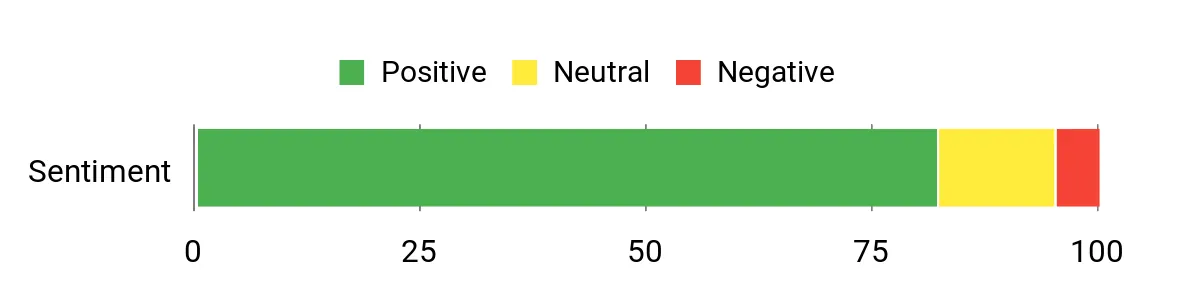
Overall Sentiment: Positive
Situational Benefits
|
Situation |
How It Helps |
|---|---|
|
Learning On A Simulator |
You can map the Boxer easily to common sim setups and use the smooth gimbals to develop precise stick control before flying real hardware. |
|
Field Practice Sessions |
Its full-size shape and ergonomic grip keep you comfortable during long practice sessions so you can focus on consistency and muscle memory. |
|
Traveling To Events |
The lightweight form factor and included carrying case make it simple to pack and protect, while the JR bay gives you options if you need different RF modules on the road. |
|
Upgrading From A Basic Radio |
You get pro-level features like Hall gimbals and EdgeTX without a steep jump in complexity, so you can grow into advanced mixes and telemetry at your own pace. |
Ease Of Use
|
Feature |
Ease Level |
|---|---|
|
Gimbal Feel |
Easy |
|
Firmware & Customization |
Moderate |
|
Setup & Binding |
Easy |
|
Portability |
Easy |
Versatility
High. The internal ELRS or 4-in-1 module covers most current FPV receivers, and the JR bay takes external modules such as Crossfire. EdgeTX gives up to 16 channels, depending on the receiver.
Safety Features
Good. EdgeTX shows link telemetry such as RSSI when the receiver sends it. Set failsafe on your receiver and flight controller, and test it with props off before your first flight.
Practicality
It ships with a carry case, a gimbal protector and a USB-C cable. Batteries are not included.
Expertise Level
Beginner to Intermediate
Key Benefits
- Hall effect gimbals for precise stick input
- EdgeTX firmware for deep customization
- ELRS or multi-protocol options for broad receiver compatibility
- Carry case, gimbal protector and USB-C cable in the box
- JR module bay for future expansion
Watch out for: the screen is monochrome and not a touchscreen. Batteries are not included, and you need a matching receiver.
RadioMaster Pocket

The Pocket is a small EdgeTX radio with Hall effect gimbals and a foldable antenna. You choose the internal radio when you buy: ExpressLRS (250 mW) or CC2500 (100 mW), both on 2.4 GHz. A nano-size bay takes modules such as TBS Nano Crossfire.
It charges over USB-C (QC3), but batteries are not included: it takes 18650 cells. EdgeTX can run it as a USB joystick for simulators, and it handles up to 16 channels depending on the receiver. The screen is a 128 x 64 monochrome LCD.
What People Say
Read the newest reviews on batteries, because you must supply 18650 cells. Pick the version (ELRS or CC2500) that matches your receivers.
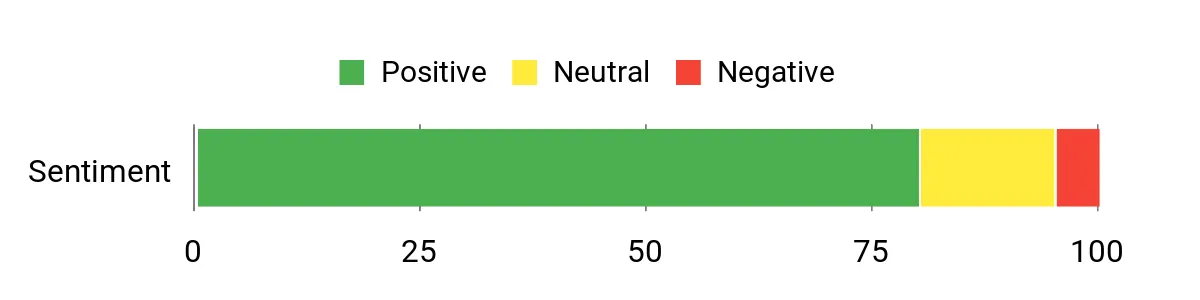
Overall Sentiment: Positive
Situational Benefits
|
Situation |
How It Helps |
|---|---|
|
Commuter Practice |
You can slip it in a bag and run quick sim sessions or practice at lunch without dragging a full-size radio. |
|
Traveling To Events |
The foldable antenna and removable sticks make packing easier and reduce the risk of damage in tight luggage. |
|
Tight-Handed Pilots |
Compact layout works well for thumbers and pilots who prefer a smaller grip without sacrificing channels. |
|
Field Sessions |
USB-C charging and a lightweight profile let you keep flying longer with fewer aches during long practice days. |
Ease Of Use
|
Feature |
Ease Level |
|---|---|
|
Portability |
Easy |
|
Basic Setup & Binding |
Easy |
|
Firmware Customization |
Moderate |
|
Battery Management |
Moderate |
Versatility
High for its size. Choose ELRS or CC2500 inside, or add a nano module such as Crossfire. EdgeTX gives up to 16 channels, depending on the receiver.
Safety
Solid. EdgeTX can show RSSI and other telemetry from your receiver. Set failsafe on your receiver and flight controller, and test it with props off before your first flight.
Practicality
Very practical to carry: it has removable stick ends, a foldable antenna and USB-C charging. You must supply the 18650 batteries.
Expertise Level
Beginner to Intermediate
Key Benefits
- True pocketable size with foldable antenna
- EdgeTX firmware for customization
- Removable stick ends for comfort and transport
- Built-in USB-C QC charging
- Internal ELRS or CC2500 version, plus a nano module bay
Watch out for: batteries are not included, the screen is monochrome, and the nano bay is smaller than the JR bay on larger radios.
FLYSKY FS-i6X

The FS-i6X is a low-cost 6-channel radio on FlySky’s 2.4 GHz AFHDS 2A system. The listing includes an FS-iA6B receiver. It can reach 10 channels with a compatible 10-channel receiver.
It works with FlySky receivers only, so it does not bind to ELRS or FrSky receivers. It suits airplanes, helicopters and multirotors. It can fly an FPV quad if your flight controller accepts the FS-iA6B’s iBUS or PPM output, so check that before you buy.
What People Say
Read the newest reviews on the plastic build and the receiver size.
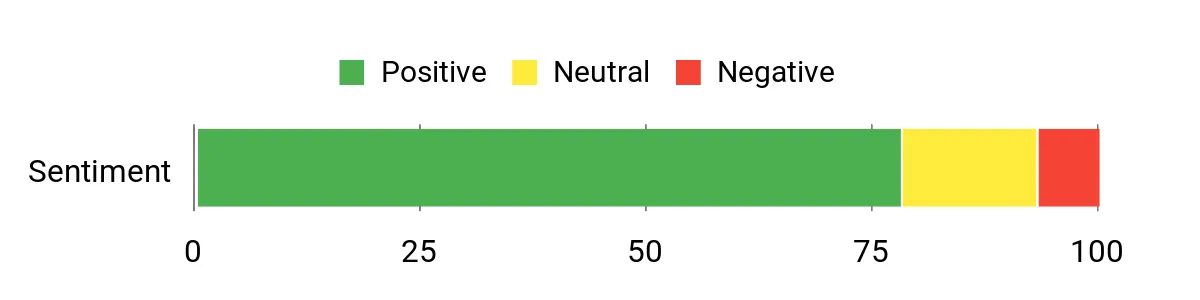
Overall Sentiment: Positive
Situational Benefits
|
Situation |
How It Helps |
|---|---|
|
First Serious Radio |
You get real programming options and a receiver in the box, so you can move beyond toy controllers without a steep learning curve. |
|
Multi-Model Use |
Support for mixes and multiple channels lets you fly planes, helicopters or multirotors with the same transmitter. |
|
Sim Practice |
Check owner guides for simulator setup before you buy. |
|
Backup Or Spare Radio |
It’s compact and familiar enough to serve as a reliable backup when your primary rig is in the shop. |
Ease Of Use
|
Feature |
Ease Level |
|---|---|
|
Basic Setup |
Easy |
|
Programming Mixes |
Moderate |
|
Binding Receiver |
Easy |
|
Ergonomics |
Moderate |
Versatility
Basic. It has 6 channels (10 with a 10-channel receiver) and programmable mixes, and it works across airplanes, helicopters and multirotors. It uses AFHDS 2A only.
Safety
Basic. The FS-iA6B supports failsafe settings. Set failsafe and test it with props off before your first flight.
Practicality
Practical for learning on a simple LCD menu. The included receiver lets you bind and test right away. You must keep using FlySky receivers, so it is a poor fit if you plan to move to ELRS.
Expertise Level
Beginner to Intermediate
Key Benefits
- AFHDS 2A radio with an included FS-iA6B receiver
- Bundled receiver simplifies getting started
- Easy-to-read LCD and intuitive menu layout
- Programmable mixes for common model setups
- 90-day manufacturer warranty listed
Watch out for: AFHDS 2A works with FlySky receivers only, the build is plastic, and the FPV ecosystem is smaller than ELRS.
BETAFPV LiteRadio

The LiteRadio 3 is a small radio with a built-in 2000mAh battery that charges over USB-C. BETAFPV sells an ExpressLRS 2.4 GHz version and a FrSky version. A nano module bay takes external modules, such as BETAFPV’s ELRS Nano TX module.
It has 8 channels and works as a USB controller in simulators such as Liftoff, VelociDrone and DJI’s simulator. Check which version the listing sells before you order, because the ELRS and FrSky versions use different receivers.
What People Say
Read the newest reviews on pairing, and check which version the listing sells.
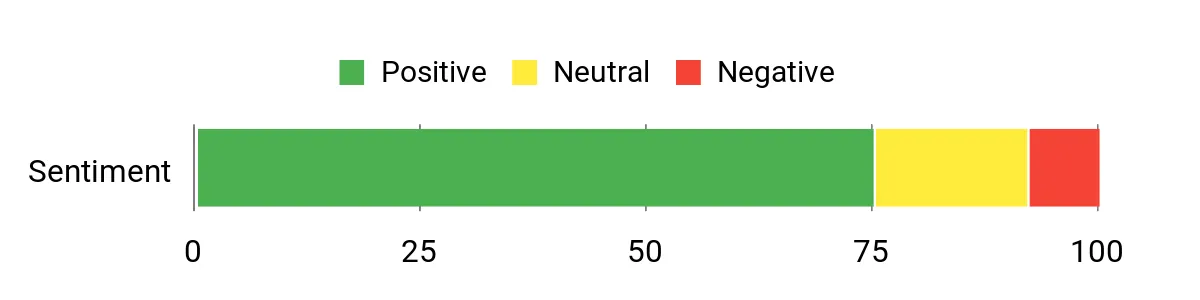
Overall Sentiment: Positive
Situational Benefits
|
Situation |
How It Helps |
|---|---|
|
Commuter Practice |
Its compact footprint and built-in battery let you squeeze practice into short breaks without hauling full-size gear. |
|
Travel And Events |
Small size and Nano bay support make it easy to pack and adapt to different RF environments with minimal fuss. |
|
Learning ELRS |
ELRS v3 support gives you a modern low-latency link so you can learn reliable radio behavior and telemetry early on. |
|
Simulator Sessions |
USB simulator support (Liftoff, VelociDrone and DJI’s simulator) makes stick practice straightforward. |
Ease Of Use
|
Feature |
Ease Level |
|---|---|
|
Portability |
Easy |
|
Basic Binding |
Easy |
|
Firmware Updates |
Moderate |
|
Pairing Procedure |
Moderate |
Versatility
Good for a small radio. It comes as ELRS or FrSky, has a nano bay for external modules and supports USB simulators. It has 8 channels, so it suits quads but not complex models.
Safety
Good. The ELRS version can show link telemetry such as RSSI. Follow the binding steps exactly. Set failsafe on your receiver and flight controller, and test it with props off before your first flight.
Practicality
Practical to carry: the built-in battery means you do not need to buy cells. Charge it over USB-C. BETAFPV lists about 15 hours of use without an external module.
Expertise Level
Beginner to Intermediate
Key Benefits
- Comfortable, ergonomic form factor for long sessions
- USB simulator support for Liftoff, VelociDrone and more
- Built-in rechargeable 2000mAh battery for ease of use
- Nano bay for external TX modules expands compatibility
- ELRS v3 support for low-latency links
Watch out for: it has 8 channels and a simpler layout than the EdgeTX radios here. Check whether the listing sells the ELRS or the FrSky version.
Radiolink AT9S Pro
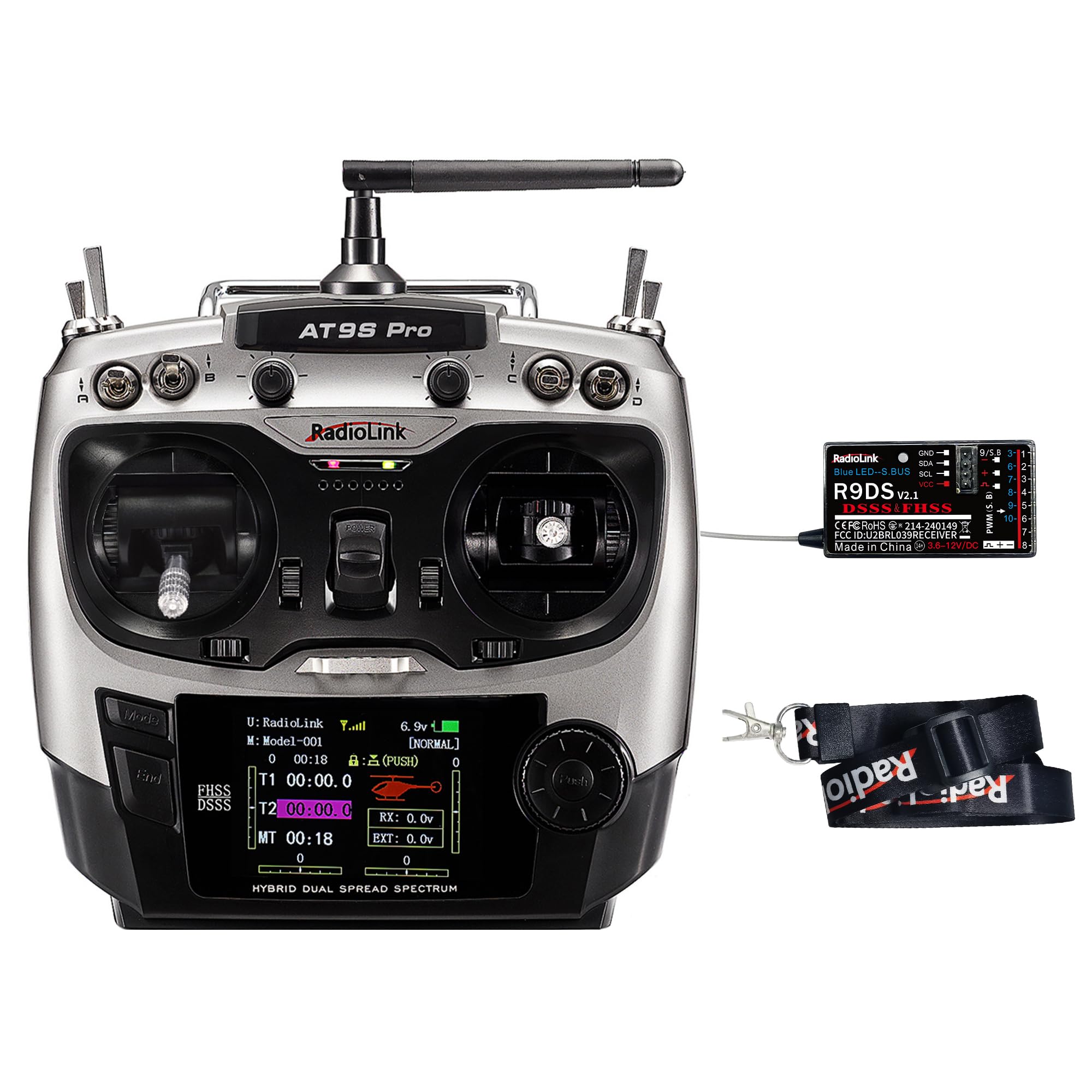
The AT9S Pro is a 12-channel radio on Radiolink’s own 2.4 GHz system. The box includes an R9DS receiver with SBUS and PWM outputs. The maker lists a control range of about 3.4 km in the air.
It binds to Radiolink receivers only, such as the R9DS, R6DSM and R12DSM. It can also send CRSF to a TBS Crossfire module. It does not run EdgeTX, and it suits airplanes, helicopters and multirotors more than freestyle FPV.
What People Say
Read the newest reviews on menu depth and the learning curve.
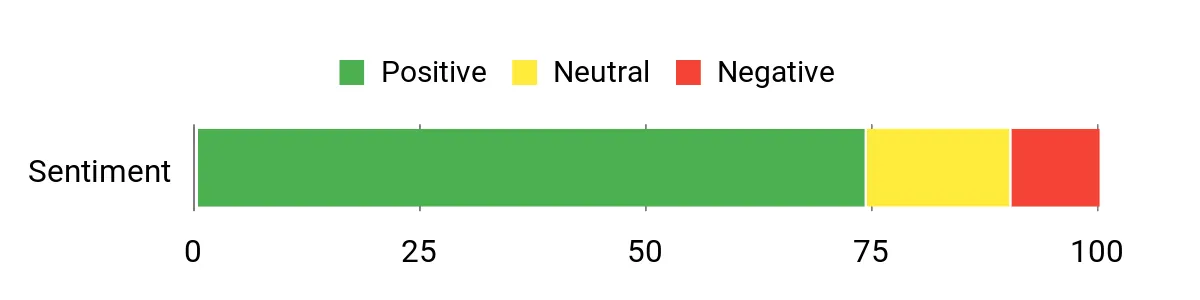
Overall Sentiment: Positive
Situational Benefits
|
Situation |
How It Helps |
|---|---|
|
Switching Between Models |
The 10-12 channel capacity and programmable mixes let you keep setups for planes, helicopters, multirotors and cars on the same transmitter. |
|
Long‑Range Flights |
The maker lists about 3.4 km of control range in the air. Real range varies with setup. |
|
Learning Advanced Mixes |
The display and menu structure make it easier to create and fine‑tune mixes compared with basic budget radios. |
|
Getting Started Quickly |
Shipping with an R9DS receiver simplifies first flights so you can focus on flying rather than sourcing compatible hardware. |
Ease Of Use
|
Feature |
Ease Level |
|---|---|
|
Basic Setup |
Easy |
|
Programming Mixes |
Moderate |
|
Binding Receiver |
Easy |
|
Advanced Configuration |
Moderate |
Versatility
High for pilots who fly several model types. It has 12 channels, memory for 15 models and presets for airplanes, helicopters, gliders, multirotors, cars and boats. It binds to Radiolink receivers only.
Safety
Basic. The radio shows alarms and status on its LCD. Set failsafe on your receiver and flight controller, and test it with props off before your first flight.
Practicality
Practical for pilots who fly several model types, and it includes a receiver. It has a trainer and simulator port.
Expertise Level
Beginner to Intermediate
Key Benefits
- LCD with alarm and status display
- Includes R9DS receiver for quick setup
- Supports 10–12 channels for complex models
- Outputs SBUS, PPM, PWM and CRSF
- Versatile across fixed wing, multirotor and surface craft
Watch out for: it works with Radiolink receivers only, it does not run EdgeTX, and its FPV community is smaller than that of ELRS radios.
RadioMaster TX15
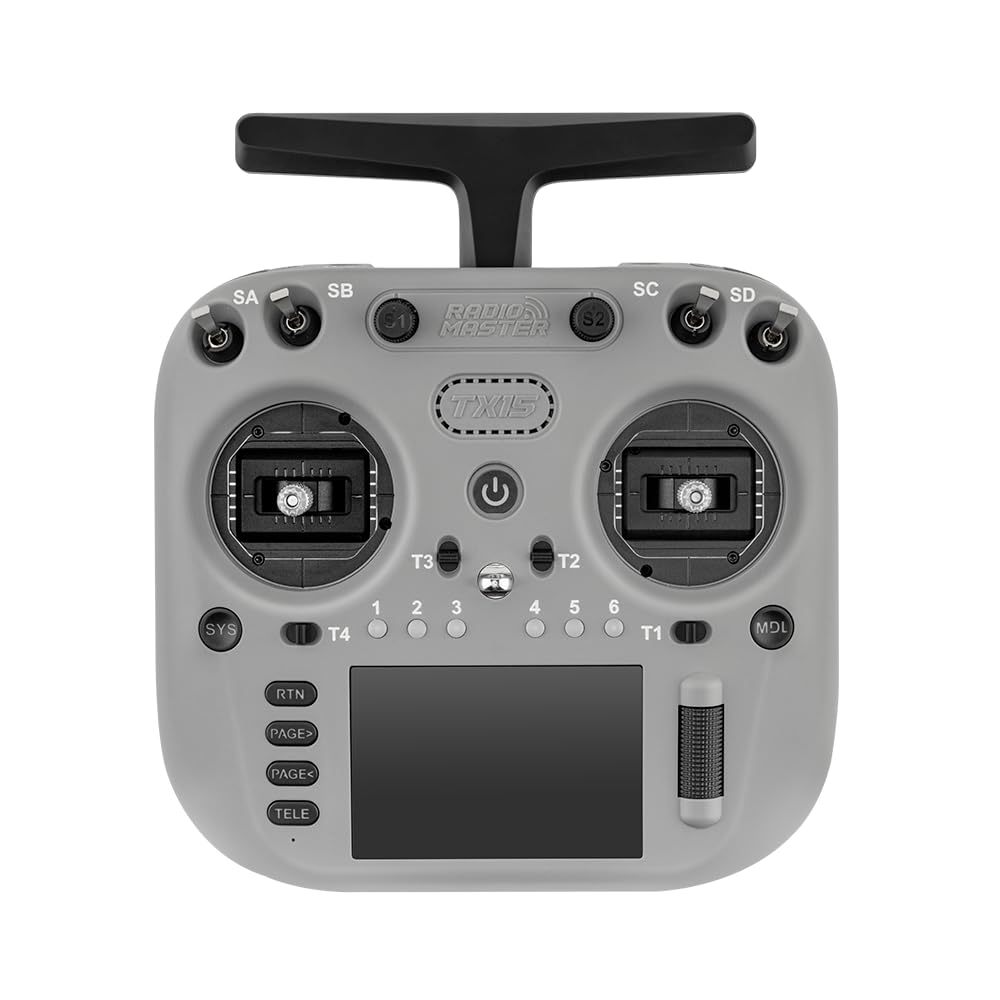
The TX15 is a compact EdgeTX radio with a 3.5-inch IPS touchscreen, V5 Hall gimbals, a JR module bay and a built-in gyro for tilt controls. You choose the built-in ExpressLRS band when you buy: 2.4 GHz or 900 MHz (915 MHz in the US).
It takes a 2S LiPo or two 18650 cells (not included) and charges over USB-C. The box includes a carry case. A 900 MHz version needs 900 MHz receivers and cannot bind a 2.4 GHz receiver, so check which band the listing sells.
What People Say
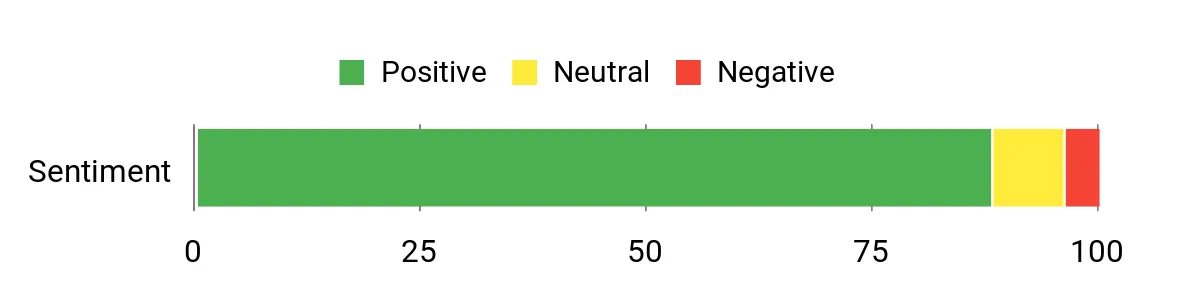
That is too few to judge, so read the newest reviews and check the band.
Overall Sentiment: Positive
Situational Benefits
|
Situation |
How It Helps |
|---|---|
|
Long‑Range Flights |
Built-in ELRS (2.4 GHz or 900 MHz by version) gives you a stable link when you push distance. |
|
Travel And Events |
A compact body and a carry case make it easy to pack and swap into different flying locations. |
|
Camera Work |
TiltX/TiltY and the touchscreen let you assign simple pan/tilt controls or telemetry callouts while piloting. |
|
Learning And Sim Practice |
Clear display, intuitive menus and EdgeTX support make simulator mapping and firmware updates straightforward for steady progression. |
Ease Of Use
|
Feature |
Ease Level |
|---|---|
|
Touchscreen Menu |
Easy |
|
Gimbal Feel |
Easy |
|
Firmware Updates |
Moderate |
|
Module Swapping |
Easy |
Versatility
Very high. It has ELRS built in (2.4 GHz or 900 MHz by version), a JR bay for other modules, and EdgeTX with touchscreen menus. The gyro can drive camera or other controls.
Safety
Strong. EdgeTX can show RSSI and link data from your receiver on the touchscreen. Set failsafe on your receiver and flight controller, and test it with props off before your first flight.
Practicality
Practical for frequent flyers: it is compact, charges over USB-C and includes a carry case. Batteries are not included.
Expertise Level
Beginner to Intermediate
Key Benefits
- Built-in ELRS in a 2.4 GHz or 900 MHz version
- 3.5-inch IPS touchscreen for clear menus
- V5 Hall gimbals for precise, low‑wear control
- Tilt/gyro controls for auxiliary inputs and camera pan/tilt
- JR module bay for external modules such as Crossfire
Watch out for:
DJI Remote 3

The DJI FPV Remote Controller 3 is a two-stick controller made for the DJI Avata 2 with DJI Goggles 3. It uses DJI’s O4 transmission and supports normal, sport and manual flight modes. DJI lists up to 13 km (8.1 miles) in open areas.
It only works with DJI gear. You cannot use it to fly ELRS or other non-DJI quads. It also works as a USB controller for simulators such as Liftoff, Uncrashed and DCL. US availability of DJI products varies. Last checked: October 2026.
What People Say
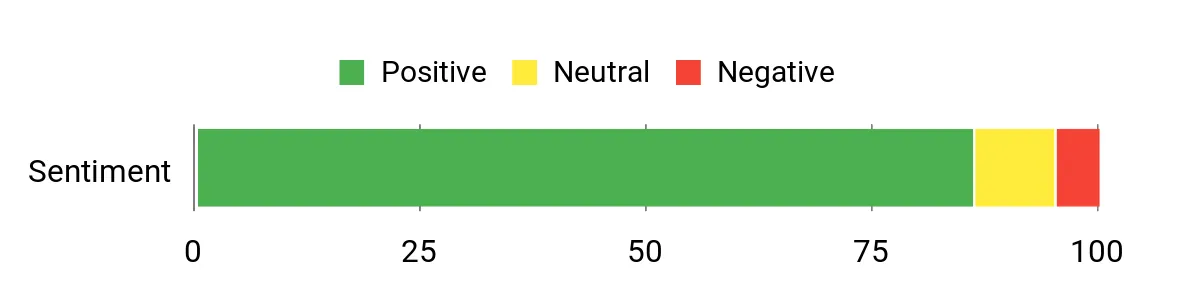
Check which DJI drone and goggles you own, because the controller does not work with every DJI model.
Overall Sentiment: Positive
Situational Benefits
|
Situation |
How It Helps |
|---|---|
|
Simulator Practice |
You can connect via USB‑C and map controls easily, which speeds up safe stick training before you fly real gear. |
|
Flying Avata 2 |
Made for the Avata 2 with Goggles 3, so pairing is simple and the controller works with DJI’s flight modes. |
|
Long Training Sessions |
Ergonomic layout and responsive sticks reduce fatigue so you can focus on building consistent stick inputs. |
|
Advanced Manual Flying |
Stable transmission and precise stick feel give you the control needed to practice aggressive or technical maneuvers. |
Ease Of Use
|
Feature |
Ease Level |
|---|---|
|
Pairing |
Easy |
|
Stick Feel |
Easy |
|
Simulator Setup |
Moderate |
|
Firmware Updates |
Moderate |
Versatility
Narrow but strong inside DJI gear. It is built for the Avata 2 and Goggles 3, and it also works with simulators. It does not work with non-DJI receivers.
Safety
Strong. DJI’s link and flight modes are built in. Start in normal mode, because manual mode removes the flight assists, and practice in a simulator first.
Practicality
Practical if you fly DJI gear. It has USB-C, a 2600mAh battery (about 10 hours listed) and replacement sticks in the box.
Expertise Level
Intermediate to Advanced
Key Benefits
- Replacement sticks included in the box
- Reliable O4 transmission and long range performance
- Smooth, responsive sticks suited to manual flying
- Made for the DJI Avata 2 and Goggles 3
- USB‑C connectivity for simulator and firmware updates
Watch out for: it only works with DJI gear such as the Avata 2 and Goggles 3, and US availability varies. It is not an ELRS radio.
RadioMaster TX16S

The TX16S Mark II is a full-size EdgeTX radio with a 4.3-inch color touchscreen and up to 16 channels, depending on the receiver. You choose the internal radio when you buy: a 4-in-1 multi-protocol module or an ExpressLRS module. Both versions also have a JR module bay.
It has V4.0 Hall gimbals (an AG01 CNC upgrade is offered), reverse polarity protection, USB-C charging up to 2.2A and a DIY socket on the back. It weighs about 750 g without a battery. Check the listing for battery details.
What People Say
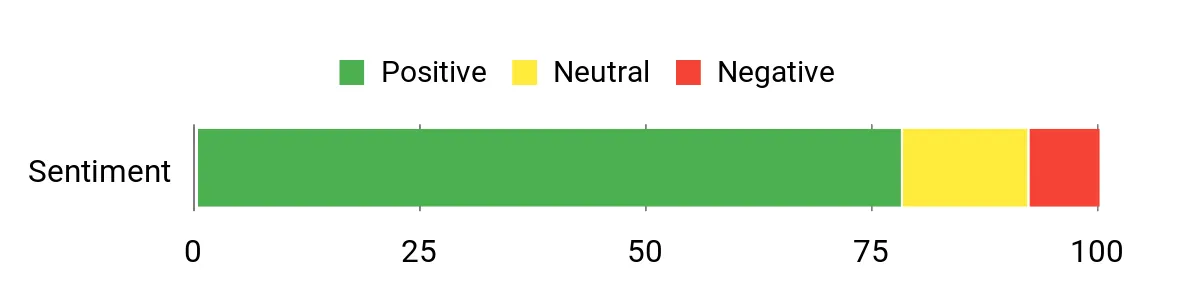
Read the newest reviews, and pick the version (multi-protocol or ELRS) that matches your receivers.
Overall Sentiment: Positive
Situational Benefits
|
Situation |
How It Helps |
|---|---|
|
Multi‑Model Fleets |
You can store complex setups for planes, quads and surface craft without swapping radios thanks to the high channel count and programmable mixes. |
|
Simulator Practice |
The touchscreen and clear menus speed up binding and mapping so your sim time translates directly to real flights. |
|
Competition Or Racing |
Responsive gimbals and precise centering help you maintain consistent inputs under pressure. |
|
Custom Builds |
The DIY socket and module bay make it simple to add protocols or custom hardware as your projects demand. |
Ease Of Use
|
Feature |
Ease Level |
|---|---|
|
Touchscreen Navigation |
Moderate |
|
Gimbal Feel |
Easy |
|
Initial Setup |
Moderate |
|
Advanced Mixes |
Moderate |
Versatility
Very high. An internal multi-protocol or ELRS module, a JR bay, up to 16 channels and open EdgeTX firmware cover most receivers and model types.
Safety
Solid. Reverse polarity protection helps protect the radio when you connect a battery, and EdgeTX can show telemetry such as RSSI. Set failsafe on your receiver and flight controller, and test it with props off before your first flight.
Practicality
Practical on a field bench, but larger than the Pocket and Boxer. It weighs about 750 g without a battery.
Expertise Level
Beginner to Advanced
Key Benefits
- Generous 16‑channel support for complex models
- Large IPS touchscreen for intuitive programming
- V4.0 Hall gimbals, with optional AG01 CNC gimbals
- USB‑C charging with reverse polarity protection
- DIY socket and module bay for future expansions
Watch out for: it is heavy (about 750 g) and has more menus to learn than the smaller radios. Check the listing for battery details.
FAQ
Which Radio Should I Start With?
If you will fly ELRS quads, start with an EdgeTX radio that has ELRS, such as the RadioMaster Pocket (small) or Boxer (full-size). For a low-cost start, the BETAFPV LiteRadio 3 has a built-in battery and works in simulators. If you fly the DJI Avata 2 with Goggles 3, you need the DJI Remote 3, which does not work with non-DJI quads. The FlySky FS-i6X and Radiolink AT9S Pro include a receiver, but their FPV ecosystems are smaller.
Whatever you pick, practice in a simulator first. EdgeTX radios, the LiteRadio 3 and the DJI Remote 3 can connect to a PC over USB.
ELRS Or Multi‑Protocol: Which Is Better?
ELRS gives low latency and long range with ELRS receivers, and it is the default for new builds. A multi-protocol (4-in-1) module can bind many older receivers, such as FrSky and FlySky types. Choose ELRS if all your gear is new. Choose multi-protocol if you own older receivers.
Some ELRS versions use 900 MHz (915 MHz in the US) for longer range. The receiver must use the same band, so a 2.4 GHz radio cannot bind a 900 MHz receiver. Radios with a JR bay (Boxer, TX15, TX16S) can add a Crossfire or ELRS module later. The Pocket and LiteRadio 3 have a nano bay.
Do These Radios Come With A Receiver?
The FlySky FS-i6X and Radiolink AT9S Pro list a receiver in the box. For the others, check the listing. The Boxer and TX15 box lists we checked include no receiver. Buy a receiver that matches your radio’s protocol and band.
How Do I Maintain And Update My Radio?
Protect the radio in a case, check and calibrate the gimbals now and then, and use quality batteries with the right charger. Update EdgeTX and ELRS firmware for fixes, but back up your model files first. Practice binding on the bench, and check telemetry and failsafe before every flight.
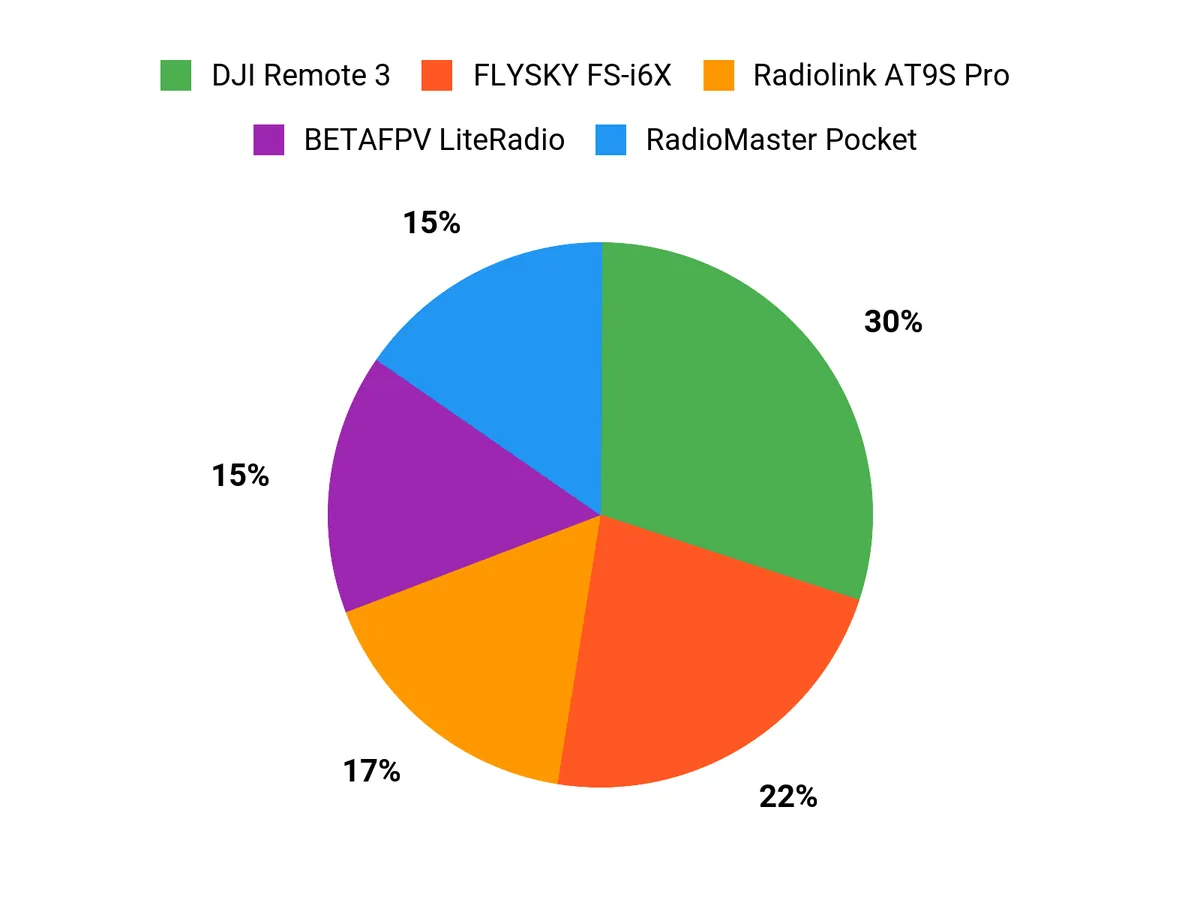
Customer Preferences
Choose the Boxer for a full-size EdgeTX radio with a carry case, or the Pocket for a small one. The FS-i6X suits a low-cost start with a bundled receiver, but it works with FlySky receivers only. The LiteRadio 3 has a built-in battery. The TX16S Mark II has a 4.3-inch touchscreen and 16 channels, and the TX15 has a 3.5-inch touchscreen and a gyro. The AT9S Pro suits pilots who fly many model types. Choose the DJI Remote 3 only if you fly the Avata 2 with Goggles 3.
Wrapping Up
Pick the radio that matches your receivers and your quad. For most new ELRS pilots, the RadioMaster Pocket or Boxer is a good start: both run EdgeTX and can work as simulator controllers. The TX16S Mark II and TX15 add touchscreens, and the BETAFPV LiteRadio 3 is a small radio with a built-in battery. The FlySky FS-i6X and Radiolink AT9S Pro include receivers but work in their own systems. The DJI Remote 3 is only for DJI gear such as the Avata 2 with Goggles 3, and US availability varies. Last checked: October 2026.
Before your first flight, practice in a simulator, set failsafe on your receiver and flight controller, and test your radio’s range with props off.
| Product Name | Image | Rating | Key Highlights | Max Range |
|---|---|---|---|---|
| RadioMaster Boxer 2.4GHz 16CH Hall Gimbals Radio Controller |
|
See reviews on Amazon |
|
N/A |
| RadioMaster Pocket Portable Remote Controller |
|
See reviews on Amazon |
|
– |
| FLYSKY FS-i6X 6-10CH Transmitter and FS-iA6B Receiver |
|
See reviews on Amazon |
|
N/A |
| BETAFPV LiteRadio 3 Radio Transmitter for FPV Drone |
|
See reviews on Amazon |
|
N/A |
| Radiolink AT9S Pro 10/12 Channels Radio Transmitter |
|
See reviews on Amazon |
|
N/A |
| RadioMaster TX15 ExpressLRS Touchscreen Radio Controller |
|
See reviews on Amazon |
|
Supported range varies by configuration |
| DJI FPV Remote Controller 3 |
|
See reviews on Amazon |
|
13000 meters |
| RadioMaster TX16S Mark II 2.4GHz 16 Channel EdgeTX Radio Transmitter |
|
See reviews on Amazon |
|
– |
This Roundup is reader-supported. When you click through links we may earn a referral commission on qualifying purchases.