
As an Amazon Associate I earn from qualifying purchases.
Choosing the right laptop for programming shapes how efficiently you write, test, and ship code. You want a machine that balances processing power, memory, battery life, comfortable typing, and the right operating system for your toolchain.
This guide helps you focus on the factors that matter for everyday development, from web apps to data science, so you can pick a laptop that keeps your workflow fast and your travel light.
Top Picks
|
Category |
Product |
Score |
|---|---|---|
|
🏆 Best Overall |
97/100 |
|
|
💼 Best For Portability |
92/100 |
|
|
🎯 Best For Windows Devs |
90/100 |
|
|
🔰 Best For Travel |
89/100 |
|
|
🎮 Best For GPU Workloads |
86/100 |
Selection Criteria
You need a laptop that fits your specific development needs, so we focused on real-world factors that affect daily coding. First, we looked at raw and sustained CPU performance and memory capacity because compile times and multitasking depend on them.
We evaluated storage speed and capacity for container images and local databases, and we checked GPU options for ML and parallel workloads. Battery life and thermals determine how long you can work unplugged and whether the machine will throttle under load, while keyboard quality, port selection, and display clarity affect comfort and long sessions.
Finally, we considered operating system compatibility with popular developer tools and the overall value each machine offers compared with its price.
You get a laptop built around the M4 chip that keeps development snappy while staying surprisingly portable for a 14-inch machine. The Liquid Retina XDR display makes reading code, inspecting color in UI work, and reviewing docs easier on your eyes. Battery life and quiet thermals mean you can compile, run containers, and test apps without being tied to a desk for long stretches.
Ports like HDMI, SDXC, and MagSafe cover everyday needs without constant dongles, and Apple Intelligence plus the media engine speed up tasks like video encoding or on-device model testing. If you want a high-end machine that handles heavy builds, multitasking, and creative tasks in one package, this is an easy laptop to rely on for serious programming days.
What People Say
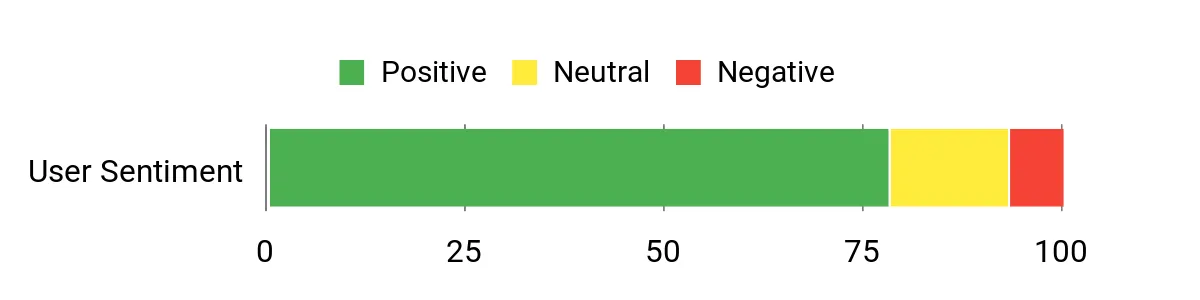
People often highlight how smoothly the M4 handles heavy workloads and how bright, crisp the Liquid Retina XDR display is for long days of coding. Many customers appreciate the long battery life and the overall build quality, noting the keyboard feel and the convenience of ports like MagSafe and HDMI.
A few mention that they expected more ports, but most find the balance between performance and portability compelling.
Overall Sentiment: Positive
When It Helps
|
Situation |
How It Helps |
|---|---|
|
Remote Development |
You can run long compile jobs and keep many apps open without draining the battery quickly, so you stay productive from coffee shops or home offices. |
|
On-the-Go Coding |
The combination of a lightweight 14-inch chassis and long runtime lets you carry less gear and work through flights or commutes with minimal recharge stops. |
|
Prototype ML Workloads |
Hardware-accelerated media and the Neural Engine let you iterate on small models and test inferences locally before moving to cloud training. |
|
UI/Frontend Development |
A high-contrast, color-accurate display helps you spot layout and color issues quickly while you run browsers and design tools side by side. |
Versatility
This laptop covers a wide range of developer needs, from backend builds and container work to frontend design and light ML testing. You can use it as your daily driver for coding, content creation, and meetings without swapping devices.
Key Benefits
- Top-tier M4 performance for fast builds and multitasking
- Best-in-class Liquid Retina XDR display for long coding sessions
- Long battery life and efficient thermals for mobile work
- Pro-grade media engine accelerates compile and encoding tasks
- Solid aluminum chassis with comfortable keyboard and Touch ID
You get a roomy 15.6-inch FHD+ display and a 10-core Intel i7 that keeps builds and multitasking moving without obvious slowdowns. With 32GB of DDR5 and a 1TB SSD, the XPS 15 handles large projects, local containers, and multiple VMs with ease.
The chassis feels solid and the keyboard is comfortable for long coding sessions, while Thunderbolt and USB ports make it simple to connect external monitors and fast drives. It leans toward being a desktop replacement rather than an ultraportable, so pick this when screen real estate and expandability matter more than the lightest carry.
What People Say
Customers commonly note the XPS 15’s smooth performance under heavy workloads and praise the roomy display for coding and multitasking. People also appreciate the generous RAM and fast SSD for real-world productivity. A few mention the weight and battery life as trade-offs for the larger screen and power, but most find the balance appropriate for a powerful Windows workstation.
Overall Sentiment: Positive

When It Helps
|
Situation |
How It Helps |
|---|---|
|
Remote Development |
You can run IDEs, terminals, and remote sessions concurrently without the system feeling strained, which keeps you productive away from the office. |
|
Local VMs and Containers |
Generous RAM and fast storage let you spin up multiple containers or VMs for testing complex setups on your laptop. |
|
Windows-Only Tooling |
If your toolchain relies on Windows apps or enterprise integrations, this machine runs them natively and smoothly. |
|
Desktop Replacement |
Hook up external monitors and peripherals via Thunderbolt and you have a capable workstation that doubles as a travel laptop when needed. |
Versatility
This laptop suits developers who need Windows compatibility, screen space, and expandability. It works well as a primary work machine for full‑stack development, data tasks, and running local test environments.
Key Benefits
- Strong multi-core Intel performance for faster compiles
- 32GB DDR5 memory keeps many apps and VMs responsive
- Large FHD+ screen that’s easy on the eyes for long sessions
- Plenty of ports including Thunderbolt for external displays
- Backlit keyboard and a solid build suited to professional use
You get a compact, travel-focused laptop that doesn’t skimp on performance. The 14-inch WUXGA touchscreen and anti-glare coating make long coding sessions easier on your eyes, while 32GB of LPDDR5X memory and a fast SSD keep large projects and multiple apps responsive.
At about 2.4 pounds, it slips into a bag comfortably and the ThinkPad build feels solid for frequent travel. Security features like fingerprint recognition and enterprise-ready Windows 11 Pro make it a good fit if you work with sensitive code or corporate systems. If you want a durable, lightweight daily driver that balances battery life and power for on-the-go development, this model is a strong candidate.
What People Say
Users often praise the X1 for being lightweight yet sturdy, with a keyboard that’s comfortable during long coding sessions. Many highlight the bright, low‑glare screen and the compact charger as practical travel perks.
A small portion of customers report early hardware issues, but the included warranty and Lenovo support are mentioned as reassuring by others.
Overall Sentiment: Positive

When It Helps
|
Situation |
How It Helps |
|---|---|
|
Frequent Travel |
The light, slim profile and long runtime let you code on trains and planes without bulky power bricks or frequent stops to charge. |
|
Remote Work |
Enterprise features and Windows 11 Pro integrate well with corporate VPNs and security policies, so you can connect to work resources safely. |
|
Local Development |
Ample RAM and fast storage make spinning up containers and local databases practical for testing complex stacks on a single machine. |
|
Design‑Focused Frontend |
A crisp touchscreen and anti‑glare display help you spot UI details and test touch interactions while running browsers and design tools. |
Versatility
This ThinkPad adapts well between disciplined business use and developer workloads. It’s especially suited to professionals who travel often but still need enough power for local testing, multitasking, and enterprise integrations.
Key Benefits
- Ultra‑portable 2.38‑pound chassis for easy travel
- 32GB LPDDR5X memory keeps multitasking and VMs smooth
- Anti‑glare touchscreen with accurate colors for long sessions
- Durable ThinkPad construction and business security features
- Comfortable keyboard and useful privacy options
You get a compact 14-inch laptop that squeezes desktop-class CPU and GPU power into a travel-friendly chassis. The Ryzen 9 and RTX 2060 combo handles parallel builds, local GPU tests, and occasional model training while the 120Hz display keeps scrolling and animations smooth.
It’s a solid pick when you need graphics acceleration for ML workflows, GPU-accelerated compiling, or hardware-accelerated rendering alongside everyday coding. Expect a lively machine that rewards performance-focused workflows, though you may want to manage thermals during sustained heavy loads.
What People Say
Users often praise the Zephyrus for delivering serious performance in a surprisingly small package, calling out the Ryzen CPU and RTX graphics as highlights. People appreciate the responsive 120Hz screen and solid build quality, though several mention heat under sustained load and point out Windows edition or configuration differences out of the box. Overall the conversation centers on how much power you get for the size.
Overall Sentiment: Positive

When It Helps
|
Situation |
How It Helps |
|---|---|
|
GPU-Accelerated Development |
You can prototype small ML models, run local inferences, and accelerate certain build steps that use GPU libraries, reducing round-trip time to cloud resources. |
|
Frontend And UI Work |
A high-refresh display makes scrolling through complex layouts and animations feel smoother, so spotting visual bugs is easier during development. |
|
Game Dev And Graphics |
Dedicated GPU power lets you compile shaders, test game builds, and run real-time previews without needing an external workstation. |
|
Power-User Multitasking |
Plenty of RAM and fast storage let you keep IDEs, containers, browsers, and emulators open at once with minimal slowdown. |
Versatility
This laptop fits developers who want portable GPU capability alongside a responsive display. It suits game developers, ML tinkerers, and power users who value on-device acceleration and a compact form factor.
Key Benefits
- Strong Ryzen 9 CPU and RTX 2060 GPU for GPU-accelerated tasks
- 120Hz display that makes code, terminals, and UIs feel responsive
- 1TB SSD and 16GB RAM for fast project loads and multitasking
- Compact, well-built chassis that balances portability and performance
- Useful gaming-grade cooling when you push parallel workloads
You get a super portable Mac that balances day‑long battery life with surprisingly capable M4 performance. The 13.6-inch Liquid Retina display is bright and clear for long coding sessions, while the lightweight chassis and MagSafe charging make it easy to carry between meetings or work spots.
It handles typical developer tasks—IDEs, terminals, containerized workflows and browser testing—smoothly, and the Neural Engine and media accelerators help when you need to prototype small ML experiments or transcode media. If you want a daily driver that stays out of the way while keeping your workflow fluid, this is one of the easiest laptops to rely on for everyday development.
What People Say
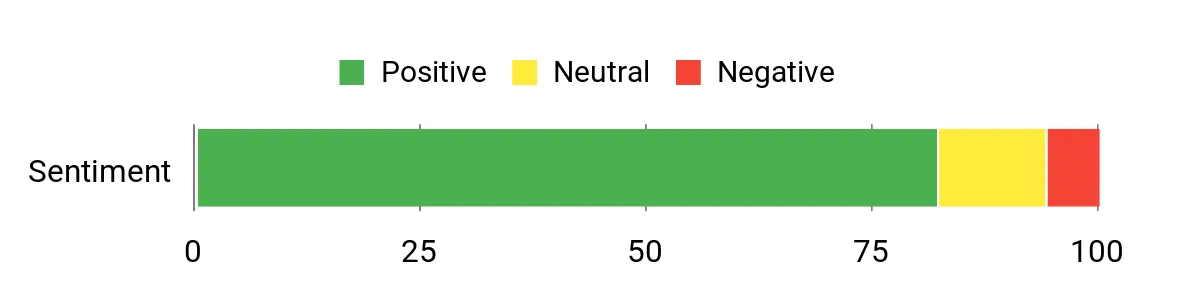
People frequently praise how the M4 makes everyday tasks feel instant and how easy the Air is to carry between workspaces. Many call out the screen and battery as standout features for long coding days, and the camera plus Touch ID are noted as practical perks for remote meetings.
A few mention base storage size as something to watch, but most appreciate the overall balance of portability and power.
Overall Sentiment: Positive
When It Helps
|
Situation |
How It Helps |
|---|---|
|
Remote Work |
You can run your full toolchain and video calls without hunting for a plug mid‑afternoon, and the camera and mic make meetings painless. |
|
Coworking Or Coffee Shops |
The light chassis and long runtime mean you can move between spots easily and stay productive without carrying a heavy power brick. |
|
Student Or Learning |
Fast boot times and responsive multitasking let you run IDEs, browser tabs and documentation side by side for coursework and projects. |
|
Quick ML Prototyping |
The Neural Engine and media accelerators let you test small models and run local inferences before scaling to cloud resources. |
Versatility
This MacBook Air works well as a primary development laptop for web, mobile and light data work, and it also doubles as a great travel and meeting machine thanks to its portability and battery life.
Key Benefits
- Lightweight and highly portable for working anywhere
- M4 performance keeps IDEs and multitasking responsive
- Long battery life that supports full workdays
- High‑quality Liquid Retina display for comfortable reading
- Center Stage camera and Touch ID improve meeting convenience
FAQ
Which Specs Matter Most?
Focus on a few core areas that affect daily development: CPU for compile and build speed, RAM for multitasking and running containers, and a fast SSD for project load times and virtual machines. If you do ML or GPU-accelerated tasks, a dedicated GPU helps, otherwise integrated graphics are fine.
Also consider display quality for reading code, keyboard comfort for long sessions, and ports for external monitors and drives. Thermals and battery life determine whether that peak performance is sustained during long workloads.
Mac Or Windows For Development?
Pick the OS that matches your primary toolchain and target platform. macOS is convenient if you need native iOS builds and a Unix-like terminal, while Windows is better for Windows-only tooling and enterprise software.
You can bridge gaps with WSL or virtualization for Linux workflows, and Docker works on both with some configuration differences, so decide based on the ecosystems you use most rather than theoretical benchmarks.
How Do I Balance Portability And Power?
Decide how often you’ll carry the laptop versus how heavy your workloads are. A 14-inch machine often hits the sweet spot for mobility and performance, while 15–16 inch systems give more screen real estate and cooling for sustained tasks. If you travel, prioritize battery life and weight; if you mostly work at a desk, choose a more powerful machine and use a dock for peripherals.
Look for Thunderbolt or similar ports so you can connect monitors and fast storage when you need a desktop setup.
Wrapping Up
This round-up puts practical developer needs first so you can match a laptop to your work. If you want the fastest, most future-proof option with a top-tier display and long battery life, the MacBook Pro is the safest pick. If portability and day‑long battery life matter most and you still need solid M4 performance, the MacBook Air gives the best balance for mobile developers. Choose the XPS 15 when you need a powerful Windows workstation with a larger screen and expandability.
If you travel frequently and need a durable, lightweight machine with an excellent keyboard, the ThinkPad X1 is tailored to your workflow. If your projects require GPU acceleration for machine learning or heavy parallel tasks, the Zephyrus G14 delivers strong graphics performance for its price.
Use these profiles to prioritize which features will speed up your tasks and fit your daily routine.
| Product Name | Image | CPU | RAM | Storage | Battery Life |
|---|---|---|---|---|---|
| Apple 2024 MacBook Pro Laptop with M4 Chip |
 |
Apple M4 10-core CPU (4 performance, 6 efficiency) | 16 GB Unified Memory | 512 GB SSD | Up to 24 hours video streaming, 16 hours web |
| Dell 2024 XPS 15 9530 Business Laptop |
 |
Intel 13th Gen i7-13620H 10-core | 32 GB DDR5 | 1 TB SSD | Up to 12 hours |
| Lenovo ThinkPad X1 Carbon Gen 12 |
 |
Intel Core Ultra 7 155U | 32 GB LPDDR5X | 512 GB SSD | Up to 15 hours |
| ASUS ROG Zephyrus G14 Gaming Laptop |
 |
AMD Ryzen 9 4900HS | 16 GB DDR4 | 1 TB SSD | Up to 8 hours |
| Apple 2025 MacBook Air 13-Inch Laptop |
 |
Apple M4 8-core CPU | 16 GB Unified Memory | 256 GB SSD | Up to 18 hours |
This Roundup is reader-supported. When you click through links we may earn a referral commission on qualifying purchases.