
Dropped frames and corrupted clips usually trace back to one thing: a microSD card that can’t keep up with sustained 4K writes. DJI drones need a card rated V30 or higher with real-world write speed to match, not just a fast-looking read number on the box.
For most pilots, the SanDisk Extreme 256GB is the best all-around pick. If you want the fastest offloads and the most write headroom for high-bitrate footage, step up to the SanDisk Extreme Pro. Flying casually and don’t need the extra capacity? The SanDisk Extreme 128GB is the better value.
We checked manufacturer spec sheets for read/write speeds and video speed class, confirmed each card’s DJI compatibility, and looked for any active safety recalls before ranking these six cards.
Best MicroSD Cards for DJI Drones Compared
| Card | Best for | Capacity | Write speed | Rated class | Editor score |
|---|---|---|---|---|---|
 |
One dependable card for most drone pilots | 256GB | 130MB/s | V30, U3, C10, A2 | 95/100 |
 |
High-bitrate 4K and fastest offloads | 256GB | 140MB/s | V30, U3, C10, A2 | 97/100 |
 |
Highest rated speeds, different brand | 256GB | 150MB/s | V30, U3, C10 | 92/100 |
 |
Casual flyers, shorter sessions | 128GB | 90MB/s | V30, U3, C10, A2 | 88/100 |
 |
Long missions, multi-camera shoots | 512GB | 130MB/s | V30, U3, C10, A2 | 90/100 |
 |
Continuous recording, not cinema 4K | 256GB | 40MB/s | V30, U3, C10 | 89/100 |
Best MicroSD Cards for DJI Drones: Our Top Picks
1. SanDisk Extreme 256GB
Bottom line: The SanDisk Extreme 256GB is the best all-around pick for DJI drone footage: fast enough for sustained 4K recording, quick to offload, and tough enough for outdoor flying.
- Capacity: 256GB, the size sold at this listing
- Read speed: 190MB/s, how fast you can offload footage
- Write speed: 130MB/s, what actually prevents dropped frames
- Rated class: V30, U3, C10, A2
- Warranty: Lifetime limited warranty
You want a memory card that won’t slow your DJI workflow and the SanDisk Extreme 256GB is built for exactly that. It balances fast sustained writes for 4K capture with high read speeds so you can offload footage without long waits.
In day-to-day use it’s great for practice flights, cinematic runs, and capturing long battery cycles, while its durability makes it a solid pick for travel or beach shoots. If you need a dependable, broadly compatible card that keeps things simple, this one is an easy choice.
You can use this card across DJI drones, action cams, smartphones and tablets, so it’s a versatile choice whether you’re shooting B-roll on a handheld or capturing cinematic drone footage. The included adapter extends compatibility to full-size SD slots, which helps when you need quick access on a laptop or DSLR. Built to handle bumps, moisture and X-rays during travel, the card’s rugged specs mean you’re less likely to face data loss from everyday hazards. The manufacturer backs it with a lifetime limited warranty, which adds a layer of confidence for important shoots. The card is compact and lightweight and the included adapter makes it easy to plug into most laptops or readers on the road. You can stash extra cards in a small case and carry plenty of storage without bulk.
| Situation | How It Helps |
|---|---|
| Extended Aerial Sessions | You can record longer flights without dropped frames thanks to sustained write speeds, so you won’t lose parts of a long cinematic pass. |
| On-the-Go Editing | Fast read speeds make offloading to your laptop noticeably quicker, letting you start editing sooner between flights. |
| Adventurous Weather | Temperature and water resistance mean you can shoot in chilly mornings or humid conditions without worrying about immediate failures. |
| Backup & Archiving | The 256GB capacity lets you store multiple flights on a single card, simplifying backups before you sync to your main archive. |
What Owners Say
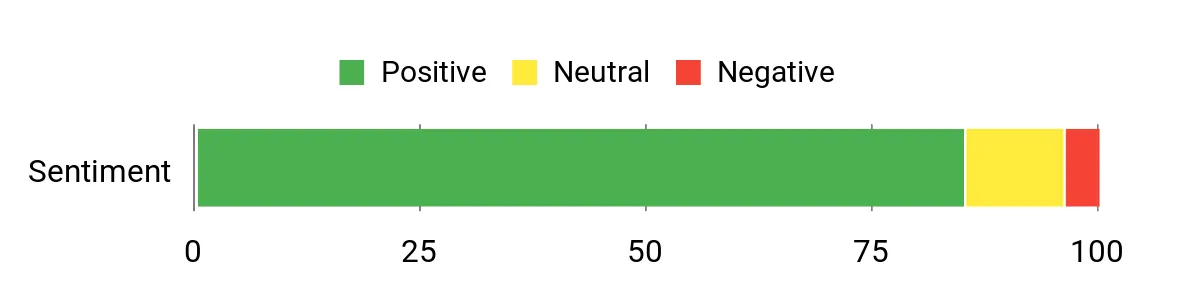
Customers repeatedly highlight the card’s consistent performance during long recordings and appreciate the quick transfer speeds that shave time off editing. Many users note reliability in varied conditions and call out the included adapter as a handy addition for moving footage to a laptop or reader.
- Sustained write performance for 4K/5K recording
- Fast 190MB/s reads for quicker transfers
- Rugged build: shockproof, temperature-proof, waterproof, X-ray-proof
- Includes an SD adapter for laptops and readers
- A2-rated, so it also performs well in a phone or tablet
- 130MB/s write trails the Extreme Pro, so it has less headroom for a drone’s highest-bitrate 4K modes
- 256GB can fill up on long multi-flight days if you don’t offload between sessions
- Requires the included adapter for laptops without a microSD slot
2. SanDisk Extreme Pro 256GB
Bottom line: The Extreme Pro is the fastest card in this roundup, with the read and write headroom to handle high-bitrate 4K drone footage without dropped frames.
- Capacity: 256GB, the size sold at this listing
- Read speed: 200MB/s, how fast you can offload footage
- Write speed: 140MB/s, what actually prevents dropped frames
- Rated class: V30, U3, C10, A2
- Warranty: Lifetime limited warranty
You want top-tier throughput when shooting high-bitrate 4K with a DJI drone and the Extreme Pro is designed for that. Its higher read and write ceilings mean you can record long cinematic passes and offload footage faster between flights, which keeps your editing sessions moving.
The A2 spec also helps if you use the card in a smartphone or for running apps, so it’s useful beyond the drone. If you shooting professional or demanding hobby work, this card gives you the headroom and durability to focus on capture rather than storage limits.
This card works across DJI drones, action cameras, phones and laptops, and the A2 spec makes it handy for app-driven tasks as well. That flexibility means you can rely on a single card for most of your capture and mobile editing needs. Built to be shockproof, temperature-proof, waterproof and X-ray-proof, the card is suited to varied field conditions and backed by SanDisk’s reputation for reliability. Compact and lightweight, it pairs with an adapter for easy use in laptops or cameras, so you can carry several cards without bulk and swap them quickly during trips.
| Situation | How It Helps |
|---|---|
| Cinematic Drone Shoots | You get the sustained write performance needed to record high-bitrate 4K without frame drops during long gimbal passes. |
| Live Events And Sports | Fast write speeds handle continuous bursts and quick scene changes so you’re less likely to miss decisive moments. |
| Mobile Content Creation | A2 optimization improves app load times and responsiveness when you use the card in a phone or tablet for editing or storage. |
| Quick Turnaround Workflows | High read speeds reduce offload times, letting you start editing sooner between flights or shoots. |
What Owners Say
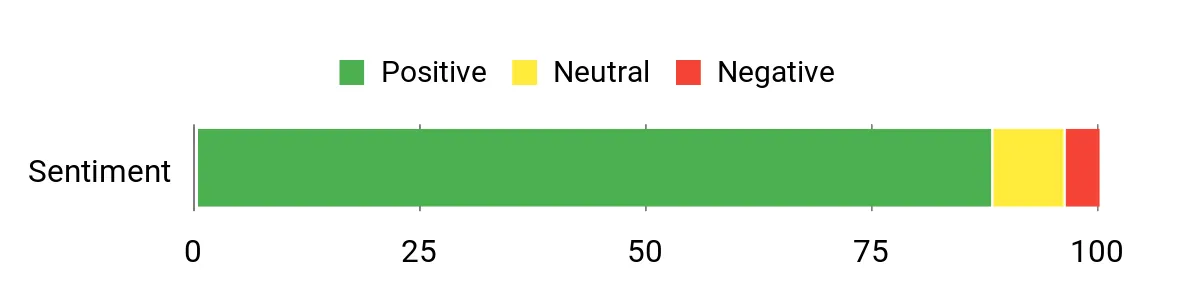
Customers point to the noticeably faster transfers and reliable recording during action or long takes, noting fewer dropped frames and smoother workflows. Many mention the card’s toughness in field conditions and that pairing it with a fast reader makes a tangible difference when you need files on your edit machine quickly.
- Highest sustained writes here (140MB/s) for stable 4K capture
- Fastest reads (200MB/s) for rapid offloads
- A2 rating improves app responsiveness if you also use it in a phone
- Rugged design for harsh shooting conditions
- Costs more than the standard Extreme line for the added speed
- Overkill if you only shoot casual, lower-bitrate clips
- Same 256GB ceiling as the standard Extreme, so long shoots still need offloading
3. Lexar Silver Plus 256GB
Bottom line: The Lexar Silver Plus edges out the SanDisk cards on paper for read and write speed, making it a solid alternative if you want to spread purchases across more than one brand.
- Capacity: 256GB, the size sold at this listing
- Read speed: 205MB/s, how fast you can offload footage
- Write speed: 150MB/s, what actually prevents dropped frames
- Rated class: V30, U3, C10
- Warranty: Manufacturer limited warranty
You want a card that moves fast and records cleanly, and the Lexar Silver Plus fits that role. With high read/write ceilings it keeps up with 4K60 drone footage and speeds up offloads so you spend less time waiting and more time editing. It’s designed for both everyday shoots and demanding sessions, whether you’re gathering B-roll on a weekend or running a long cinematic pass.
If you need a step up in throughput without overcomplicating your kit, this card is a practical pick.
This card is flexible enough for DJI drones, action cameras, smartphones and gaming devices, so you can rely on it across the tools you use most without carrying multiple card types. Built to resist water, temperature changes, x-rays, vibration, magnetic fields, shock and wear, the card is meant to handle rough conditions and long-term use backed by a lifetime limited warranty. Tiny and lightweight, the card slips into any kit without bulk and lets you carry several for extended trips; just bring a small case to keep them organized.
| Situation | How It Helps |
|---|---|
| Cinematic Drone Passes | You get consistent writes that prevent dropped frames during long gimbal moves, so footage stays clean and usable. |
| Rapid Offloads | High read speeds mean you can transfer large clips faster and start editing sooner between flights. |
| Rugged Field Shoots | Resistance to water, shock and vibration reduces the chance of cards failing when you’re shooting outdoors. |
| Multidevice Use | You can swap the card between a drone, action cam, or a phone adapter and retain fast performance across devices. |
What Owners Say
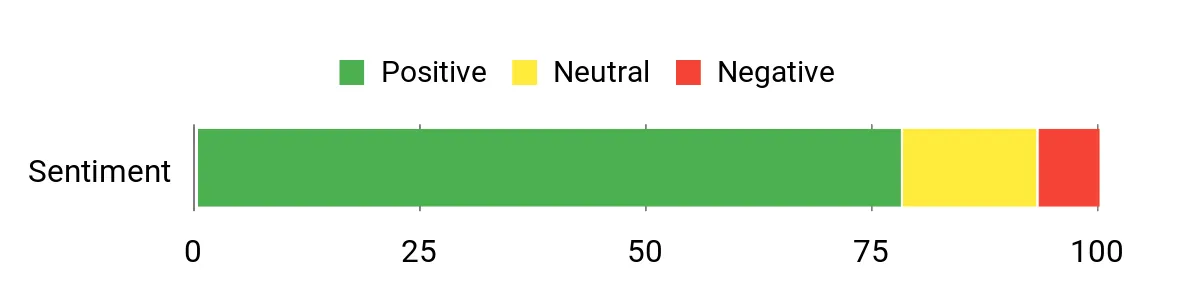
Reviewers commonly praise the card’s speed and reliability for high-resolution recordings, noting that it reduces dropped frames and speeds up workflow. Many users also point to the robust build and warranty as reasons they trust it for field work.
- Highest rated read/write speeds in this roundup (205MB/s / 150MB/s)
- V30-rated for 4K60 drone footage
- Resists water, shock, temperature extremes and X-rays
- Works across drones, action cams, phones and some gaming devices
- DJI-specific track record is thinner than SanDisk’s Extreme line, which DJI more commonly lists as tested
- Warranty length isn’t as clearly published as SanDisk’s, so treat it as unconfirmed
- Only available at 256GB here, with no smaller or larger size to match a tighter budget or bigger project
4. SanDisk Extreme 128GB
Bottom line: The SanDisk Extreme 128GB gives casual flyers dependable 4K recording and fast offloads without paying for capacity you won’t use.
- Capacity: 128GB, the size sold at this listing
- Read speed: 190MB/s, how fast you can offload footage
- Write speed: 90MB/s, what actually prevents dropped frames
- Rated class: V30, U3, C10, A2
- Warranty: Lifetime limited warranty
You need a reliable card that won’t interrupt a creative session and the SanDisk Extreme 128GB is a compact, dependable option. It delivers strong read speeds for quick offloads and enough sustained write performance for most 4K drone shoots and action-cam clips.
That balance makes it a great daily driver: use it for practice flights, vlogging, or weekend shoots where you want good performance without fuss. If you rotate cards regularly or prefer smaller filesets that are easy to manage, this one fits neatly into a lightweight kit.
The card suits DJI drones, action cameras and smartphones, and the bundled adapter makes it simple to move footage into a laptop or SD reader. It’s flexible enough for both casual trips and more structured shoots. Designed to resist temperature extremes, water exposure and X-rays, the card is built for field use and backed by a lifetime limited warranty that gives extra assurance for important shoots. Compact and lightweight with an adapter for laptops, it slips into any travel kit easily and lets you carry multiple cards without added bulk, which is handy on multi-day shoots.
| Situation | How It Helps |
|---|---|
| Short To Medium Flights | You can capture multiple 4K sorties without swapping cards, keeping your workflow smooth on routine shoots. |
| Vlogging And B-Roll | Quick read speeds let you offload clips fast so you can edit between sessions without long delays. |
| Travel And Outdoor Shoots | Temperature and water resistance reduce the chance of failure when you’re shooting in varied conditions. |
| Multi-Device Use | Works well in drones, action cams and phones, making it useful across your kit without juggling formats. |
What Owners Say
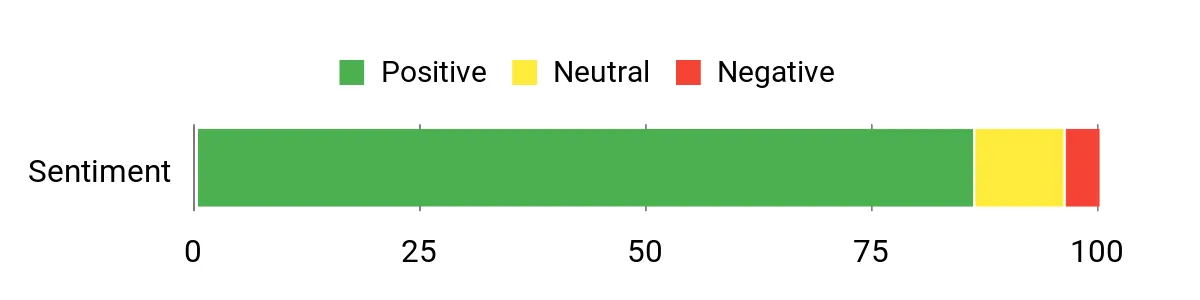
Users frequently point to consistent performance during recordings and noticeably faster offloads that speed up editing. Many mention the reliability across different devices and appreciate the included adapter for easy transfers to a laptop or card reader.
A lot of feedback highlights that the 128GB size is a practical middle ground for regular pilots.
- Fast 190MB/s reads for quick offloads
- Solid sustained writes for routine 4K clips
- Rugged and A2-rated like the rest of the Extreme line
- Smaller size is easy to rotate through a multi-card kit
- 90MB/s write is the lowest of the three Extreme capacities here, so it has less headroom for the longest or highest-bitrate takes
- 128GB fills up faster, meaning more card swaps on long shooting days
- Best paired with spares if you fly often, which adds to the total cost
5. SanDisk Extreme 512GB
Bottom line: The SanDisk Extreme 512GB is the pick for long missions and multi-camera shoots where you don’t want to interrupt a session to swap cards.
- Capacity: 512GB, the size sold at this listing
- Read speed: 190MB/s, how fast you can offload footage
- Write speed: 130MB/s, what actually prevents dropped frames
- Rated class: V30, U3, C10, A2
- Warranty: Lifetime limited warranty
You want large, dependable storage for long drone missions and the SanDisk Extreme 512GB delivers that without overcomplicating your kit. It offers high sustained writes to record extended 4K passes and fast reads to shorten offload times between flights.
The capacity is useful when you don’t want to swap cards mid-session, and the included adapter makes it easy to move footage to a laptop or reader. If you routinely shoot long flights or multi-camera projects, this card keeps your workflow flowing.
This card works well across DJI drones, action cameras, smartphones and laptops thanks to broad format support and the included adapter, so you can use it for everything from quick practice flights to professional shoots. Rated for temperature extremes, water and X-rays, the card is built for real-world field use and backed by SanDisk’s limited lifetime warranty for added peace of mind. Despite its large capacity, the card is tiny and lightweight; paired with a small protective case it’s easy to carry several spares without adding bulk to your travel kit.
| Situation | How It Helps |
|---|---|
| Long Mapping Or Survey Flights | You can record multiple long sorties without swapping cards, reducing the risk of lost clips during frequent swaps. |
| Multi-Camera Shoots | High capacity lets you centralize more footage on one card when juggling drone and action-cam footage. |
| Rapid Turnarounds | Fast read speeds trim transfer time so you can start editing sooner between flights. |
| Remote Field Work | Durable construction and wide temperature tolerance reduce the chance of failures when you’re shooting in harsh environments. |
What Owners Say
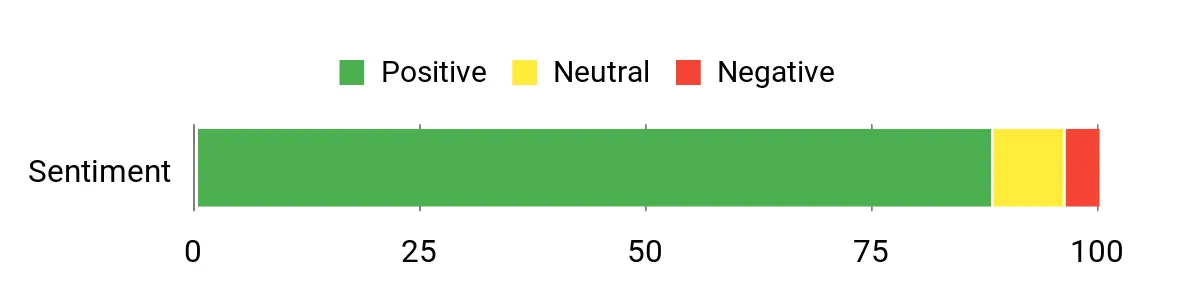
Users commonly praise the card’s ability to hold many flights on a single card and appreciate the faster offloads that shorten turnaround time. Many highlight reliability in varied conditions and the convenience of the adapter for quick transfers to laptops or card readers.
- Largest capacity here for extended recording sessions
- Sustained 130MB/s writes suited to 4K/5K capture
- Fast 190MB/s reads to speed up offloads
- Same rugged, A2-rated durability as the rest of the Extreme line
- Costs more than the smaller Extreme cards for the added capacity
- A single card holding more footage means more to lose if it fails, so back up regularly
- Same 130MB/s write ceiling as the 256GB Extreme, not the faster Extreme Pro
6. SanDisk High Endurance 256GB
Bottom line: This isn’t a high-bitrate cinema card — it’s built for constant overwriting, like a dash cam or security camera. For drone work it fits long mapping or survey flights better than short cinematic takes.
- Capacity: 256GB, the size sold at this listing
- Read speed: 100MB/s, how fast you can offload footage
- Write speed: 40MB/s, what actually prevents dropped frames
- Rated class: V30, U3, C10
- Warranty: 2-year limited warranty
If your priority is uninterrupted capture rather than top-end transfer speed, this High Endurance card is built to keep recording. It’s tuned for devices that write constantly, like dash cams and home monitors, so you won’t worry about premature wear during long sessions.
For drone work it’s a smart choice when you need reliable loop recording or long mapping flights rather than maximum bitrate cinema captures. The tough build and lifetime backing mean you can leave it in a device and trust it to keep logging footage.
This card shines in devices that need long-term, continuous writes like dash cams and security systems but also works fine in drones and action cams when endurance is more important than peak bitrate. Engineered for prolonged use with resistance to heat, cold, water, shock and humidity; rated for many thousands of hours of continuous recording and backed by a 2-year limited warranty. Small and lightweight, it’s easy to carry multiple cards in a compact case; its rugged design also makes it suitable for on-the-road installs where conditions vary.
| Situation | How It Helps |
|---|---|
| Dash Cam Use | You get a card that withstands constant overwriting and keeps footage intact when incidents occur, reducing the chance of lost clips. |
| Home Monitoring | Continuous writes from security systems won’t wear the card down quickly, so recordings remain available for longer periods. |
| Long Survey Or Mapping Flights | For extended drone flights where you log lots of telemetry and video, the endurance rating minimizes the need to swap cards mid-project. |
| Remote Field Work | Rugged specs and temperature tolerance reduce failures when you’re shooting in harsh environments without easy access to backups. |
What Owners Say
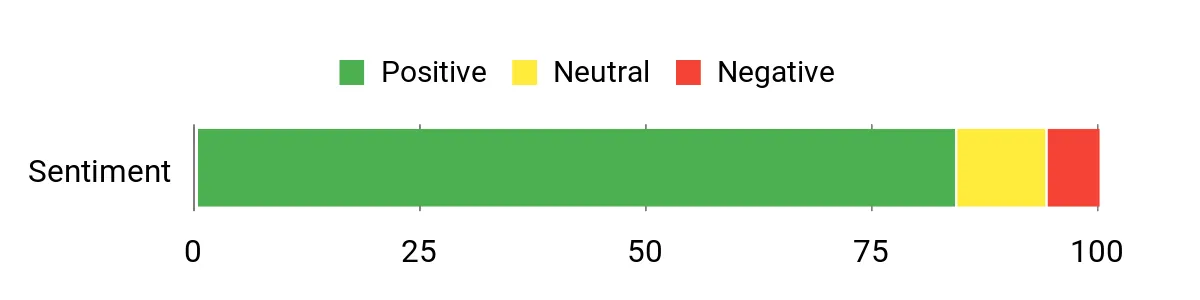
Customers consistently praise the card’s longevity and reliability in continuous-recording applications, noting it rarely fails during long duty cycles. Many reviewers appreciate how plug-and-play it is for dash cams and home monitors, and they often call out the peace of mind that comes with the endurance rating and warranty.
- Built for continuous, long-duration recording without premature wear
- Resistant to heat, cold, water and shock
- Rated for up to 40,000 hours of video on this capacity
- Backed by a 2-year limited warranty
- 40MB/s write is the slowest in this roundup, close to V30’s 30MB/s floor rather than giving headroom for high-bitrate 4K
- 100MB/s read trails the Extreme line, so offloads take longer
- Shorter 2-year warranty than SanDisk’s Extreme cards, which carry a lifetime warranty
SanDisk Extreme 256GB vs SanDisk Extreme 128GB: Is the Upgrade Worth It?
Both are the same card at different sizes, so the choice comes down to how you fly and how often you want to offload.
- Capacity: 256GB fits roughly double the footage of the 128GB before you need to swap or offload.
- Write speed: 130MB/s on the 256GB card versus 90MB/s on the 128GB, so the larger card has more headroom for demanding 4K clips.
- Price: the 256GB card costs more, but per-gigabyte it’s often the better deal — check current pricing before you decide.
- Best fit: casual or occasional flyers can save with the 128GB; anyone flying multiple sessions a week benefits from the 256GB’s extra room and write headroom.
Which MicroSD Card Should You Buy for Your DJI Drone?
- Most DJI pilots who want one reliable card: get the SanDisk Extreme 256GB.
- Maximum write and read headroom for high-bitrate 4K: get the SanDisk Extreme Pro 256GB.
- Slightly higher rated speeds, different brand: get the Lexar Silver Plus 256GB.
- Casual flying and shorter sessions: get the SanDisk Extreme 128GB.
- Long missions and multi-camera shoots: get the SanDisk Extreme 512GB.
- Continuous recording, like long mapping flights, over cinematic 4K: get the SanDisk High Endurance 256GB.
How We Chose
We prioritized video speed class (V30 or higher) and sustained write speed to prevent dropped frames, plus real-world read speed for fast offloads. We also weighed capacity options for different flight lengths, durability ratings for temperature and water resistance, DJI compatibility, warranty terms, and overall value.
- Manufacturer specifications: read/write speeds, video speed class and warranty terms confirmed against SanDisk’s and Lexar’s own product pages.
- Safety records: checked for any active recalls affecting these cards.
- DJI compatibility: cross-checked against DJI’s published storage-card guidance.
- Owner feedback: looked for patterns that show up across more than one independent source, not just a single listing.
How to Choose a MicroSD Card for Your DJI Drone
Video Speed Class and Write Speed
You should prioritize cards with a V30 video speed rating and U3/Class 10 compatibility as a baseline for reliable 4K recording; those ratings indicate sustained write performance that helps prevent dropped frames. If you shoot high-bitrate or professional codecs, opt for higher-rated variants like the SanDisk Extreme Pro for greater write ceilings, and remember advertised read speeds matter for offloads but real-world sustained write performance is what keeps your footage intact.
How Much Capacity to Choose
Choose capacity based on how long you fly and how often you offload: 128GB is a solid choice for casual pilots and shorter sessions, 256GB fits most pilots who want fewer card swaps, and 512GB or larger is useful for long mapping flights or multi-camera shoots where swapping cards is inconvenient. Carry spare cards, format them in your drone before first use, and avoid filling a single card to capacity during critical shoots so you have room to record contingencies.
Which Card Fits Your Shooting Style
You’re typically choosing based on sustained write speed for reliable 4K recording, read speed to shorten offloads, and ruggedness for field use. Pick the Extreme Pro if you need the highest write and read ceilings and A2 app performance, choose the Extreme for a balanced daily driver, and go with the Lexar Silver Plus when slightly higher peak read/write numbers matter for 4K60 workflows.
Getting the Most Reliability From Your Card
Always format cards in the drone or with an official SD formatter before use, use a quality USB 3.0 reader for transfers, and buy from an authorized seller to avoid counterfeits. Back up footage regularly rather than relying on a single card, keep cards away from extreme heat or magnets, and check your drone’s manual for compatible file systems and firmware recommendations.
Mistakes to Avoid When Buying a MicroSD Card for Your Drone
- Buying from a third-party marketplace seller instead of an authorized retailer, which raises the risk of counterfeit cards.
- Choosing a card by read speed alone — write speed is what actually prevents dropped frames during recording.
- Filling a card to its full capacity during an important shoot, leaving no room for contingencies.
- Skipping regular backups and relying on a single card to hold irreplaceable footage.
- Ignoring your specific drone model’s supported capacity and speed-class requirements before buying.
FAQs
What speed and class do I need for a DJI drone?
You should prioritize cards with a V30 video speed rating and U3/Class 10 compatibility as a baseline for reliable 4K recording; those ratings indicate sustained write performance that helps prevent dropped frames. If you shoot high-bitrate or professional codecs, opt for higher-rated variants like the SanDisk Extreme Pro for greater write ceilings, and remember advertised read speeds matter for offloads but real-world sustained write performance is what keeps your footage intact.
How much capacity should I choose?
Choose capacity based on how long you fly and how often you offload: 128GB is a solid choice for casual pilots and shorter sessions, 256GB fits most pilots who want fewer card swaps, and 512GB or larger is useful for long mapping flights or multi-camera shoots where swapping cards is inconvenient. Carry spare cards, format them in your drone before first use, and avoid filling a single card to capacity during critical shoots so you have room to record contingencies.
Do I need to format the card before first use?
Yes. Format the card in the drone itself, or with an official SD Association formatting tool, before you record on it for the first time and periodically afterward. This keeps the file system matched to what your drone expects and helps prevent the kind of write errors that lead to corrupted clips.
How do I maximize reliability and performance?
Always format cards in the drone or with an official SD formatter before use, use a quality USB 3.0 reader for transfers, and buy from an authorized seller to avoid counterfeits. Back up footage regularly rather than relying on a single card, keep cards away from extreme heat or magnets, and check your drone’s manual for compatible file systems and firmware recommendations.
Can I use the same card in my drone and my phone?
Yes, for the cards in this roundup. All six are UHS-I microSDXC cards that work in phones, tablets, action cameras and card readers in addition to DJI drones, and each includes a full-size SD adapter for devices without a microSD slot.
Final Verdict
For most DJI pilots, the best microSD card is the one that keeps up with sustained 4K writes without costing more than you need.
If raw throughput matters more than price, step up to the SanDisk Extreme Pro 256GB. For occasional flyers, the SanDisk Extreme 128GB delivers the same reliability at a smaller size, and the SanDisk Extreme 512GB is worth it once you fly long missions or multi-camera projects.