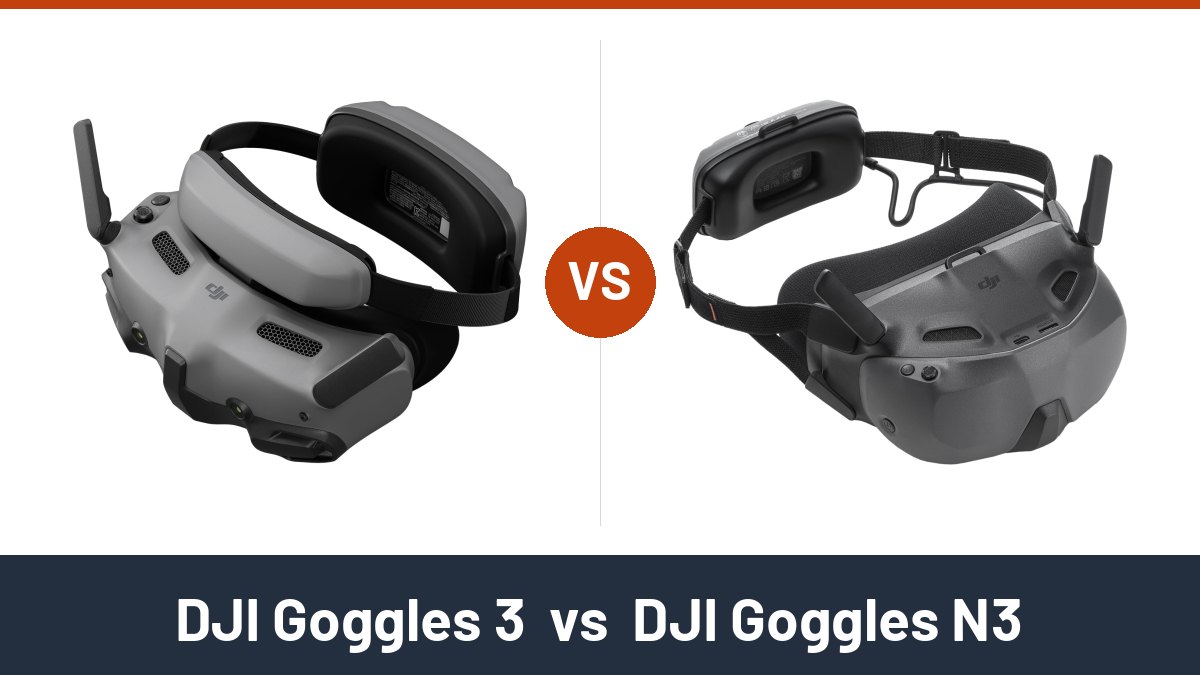
Trying to choose between the DJI Goggles 3 and DJI Goggles N3 for your Avata 2? This DJI Goggles 3 vs Goggles N3 comparison shows how the two headsets differ in sharpness, view size, latency, comfort, and fit.
Short answer: the DJI Goggles 3 win for most pilots, thanks to dual micro-OLED screens at up to 100 Hz and latency down to 24 ms. Pick the DJI Goggles N3 if you want a wider 54° view, room for your own glasses, and a lower price tier.
We compared both on DJI’s official specs for the same Avata 2 setup, plus independent coverage and safety records.
DJI Goggles 3 vs Goggles N3 Compared
| Compare |
 Best overall
Premium
|
 Best value
Budget
|
|---|---|---|
| Best for | Pilots who want the sharpest, most responsive view | Casual pilots and glasses wearers who want a wider view |
| Score | 94/100 | 90/100 |
| Display | Dual 1920×1080 micro-OLED, up to 100 HzBetter | Single 1920×1080 screen, up to 60 Hz |
| Field of view | 44° | 54°Better |
| Latency with Avata 2 | Down to 24 ms (1080p/100fps)Better | Down to 31 ms (1080p/100fps) |
| Weight | Approx. 470 g with batteryBetter | 536 g with battery and headband |
| Battery life | Approx. 3 hoursBetter | Approx. 2.7 hours |
| Vision correction | Built-in diopter, −6.0 D to +2.0 D | Fits over your own glasses |
DJI Goggles 3 vs Goggles N3: Quick Verdict
DJI Goggles 3
Bottom line: The DJI Goggles 3 give you the sharper, smoother, and more responsive view of the two. Buy them if image quality and quick reactions matter more to you than price.
- Display: dual 0.49-inch micro-OLED, 1920×1080 per eye, up to 100 Hz, sharp detail and smooth motion
- Field of view: 44°, keeps the whole frame easy to see
- Latency with Avata 2: down to 24 ms at 1080p/100fps, quicker reactions in tight, fast flying
- Weight: approx. 470 g with battery, less pressure during long sessions
- Battery life: approx. 3 hours, covers several Avata 2 batteries
The DJI Goggles 3 put a micro-OLED panel in front of each eye, each at 1920×1080. With the Avata 2, the feed runs at up to 100 fps with latency as low as 24 ms. You get crisp edges on branches and gaps, and quicker corrections at speed.
Real View PiP opens a small window to your surroundings, so you can check takeoff and landing spots without lifting the goggles. The integrated forehead pad helps the fit, and the built-in diopter covers −6.0 D to +2.0 D, with −2.0 D lenses in the box. You can also share the live view to a phone over Wi-Fi through the DJI Fly app.
They pair with more DJI gear than the DJI Goggles N3, including the Air 3, Mini 4 Pro, Neo, and O3 and O4 Air Units. The catch is the higher price tier and a narrower 44° view.
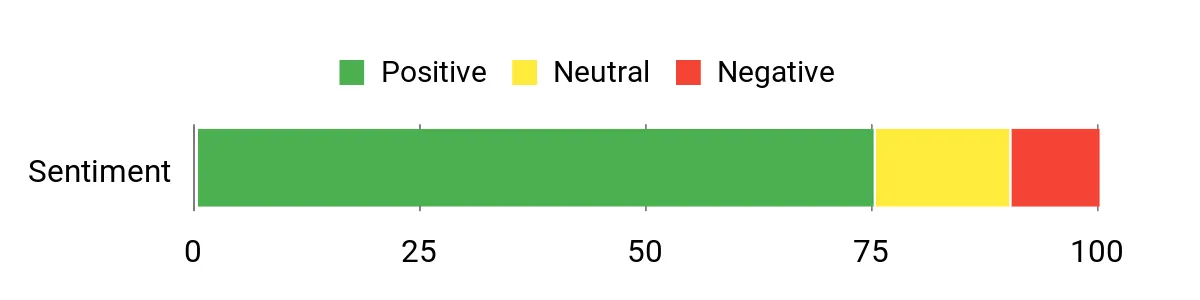
- Dual micro-OLED screens with sharp, high-contrast detail
- Up to 100 Hz and latency down to 24 ms with Avata 2
- Real View PiP for safer takeoffs and landings
- Built-in diopter plus included −2.0 D corrective lenses
- Works with Air 3, Mini 4 Pro, Neo, and O3 and O4 Air Units
- Sits in a higher price tier than the DJI Goggles N3
- Narrower 44° field of view
- IPD and diopter need setting before your first flight
DJI Goggles N3
Bottom line: The DJI Goggles N3 give you a wider view and room for your own glasses in a lower price tier. Buy them if you fly for fun and want a simpler setup.
- Display: single 3.5-inch 1920×1080 screen, up to 60 Hz, clear image, less smooth than 100 Hz
- Field of view: 54°, a bigger, more immersive picture
- Latency with Avata 2: down to 31 ms at 1080p/100fps, fine for cruising, slightly slower response
- Weight: 536 g with battery and headband, heavier, but spread over a larger face pad
- Battery life: approx. 2.7 hours, still covers several Avata 2 batteries
The DJI Goggles N3 use one 1920×1080 screen with a 54° field of view, 10° wider than the DJI Goggles 3. The picture feels bigger and more immersive, which suits cruising, scouting, and relaxed flights.
The roomy design fits over your own glasses, and there is no IPD or diopter to set. One-tap defogging clears the view when temperatures shift. You can share the live feed to a phone with a USB-C cable and the DJI Fly app, which helps when you show friends or students what you see.
With the Avata 2 you still get O4 transmission at up to 60 Mbps and 13 km (FCC). The trade-offs are a 60 Hz screen, latency from 31 ms, no Real View PiP, and 66 g more weight than the DJI Goggles 3.
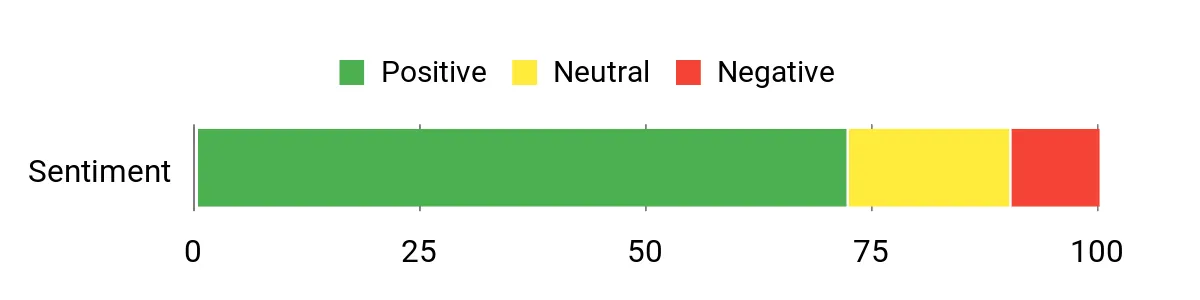
- Wide 54° field of view for an immersive picture
- Fits over personal glasses with no IPD or diopter setup
- One-tap defogging when temperatures change
- Same 60 Mbps bitrate and 13 km (FCC) range with Avata 2
- Sits in a lower price tier
- 60 Hz screen and 31 ms latency trail the DJI Goggles 3
- Heavier and bulkier at 536 g
- No Real View PiP, and phone sharing needs a cable
DJI Goggles 3 vs DJI Goggles N3: Head-to-Head Breakdown
The DJI Goggles 3 vs Goggles N3 choice comes down to image quality and responsiveness versus a wider view and a lower price tier. Here is how they compare, category by category.
Image Quality
Micro-OLED gives the DJI Goggles 3 deeper contrast and finer detail, which helps you read gaps and edges at speed. The DJI Goggles N3 still show a clear 1080p picture, but 60 Hz looks less smooth in fast turns.
Field of View
The bigger picture on the DJI Goggles N3 feels more immersive for cruising and scouting. The narrower view on the DJI Goggles 3 keeps the whole frame in sight, which some pilots prefer when framing shots.
Latency and Responsiveness
Both use O4 transmission with up to 60 Mbps and 13 km (FCC) range, so link quality is similar. The lower delay on the DJI Goggles 3 helps most in tight gaps and fast flying. The DJI Goggles N3 suit relaxed flights well.
Fit and Vision Correction
If you like dialing in your vision and IPD (56–72 mm), the DJI Goggles 3 give you more control. If you would rather keep your glasses on and skip setup, the DJI Goggles N3 are simpler.
Battery Life and Weight
Both cover several Avata 2 batteries per charge. The DJI Goggles 3 are lighter and more compact, which makes long sessions and packing easier.
Features and Compatibility
The DJI Goggles 3 work with the Avata 2, Neo, Air 3, Mini 4 Pro, and O3 and O4 Air Units. The DJI Goggles N3 work with the Avata 2, Neo, and O4 Air Units, and they add one-tap defogging and wired phone sharing.
Value for Money
The DJI Goggles 3 sit in a higher price tier. That buys sharper screens, lower latency, Real View PiP, and wider compatibility. The DJI Goggles N3 give you most of the flying experience for less.
DJI Goggles 3 or DJI Goggles N3: Which Should You Buy?
- Sharpest image and smoothest motion: get the DJI Goggles 3.
- Lower price tier: get the DJI Goggles N3.
- Wearing your own glasses while you fly: get the DJI Goggles N3.
- Real View PiP for takeoffs and landings: get the DJI Goggles 3.
- Flying an Air 3, Mini 4 Pro, or O3 Air Unit too: get the DJI Goggles 3.
- The widest view for cruising and scouting: get the DJI Goggles N3.
How We Compared
We compared both goggles on the same specs and the same Avata 2 setup, using these criteria:
- Display and smoothness: screen type, resolution, and refresh rate from DJI’s spec sheets.
- Field of view and fit: viewing angle, IPD range, diopter range, and support for glasses.
- Transmission: latency, bitrate, and range with the Avata 2 on O4.
- Comfort and runtime: weight with battery and rated operating time.
- Sources: DJI’s official spec and FAQ pages, independent drone publications, and safety and recall records.
Buyer Preferences
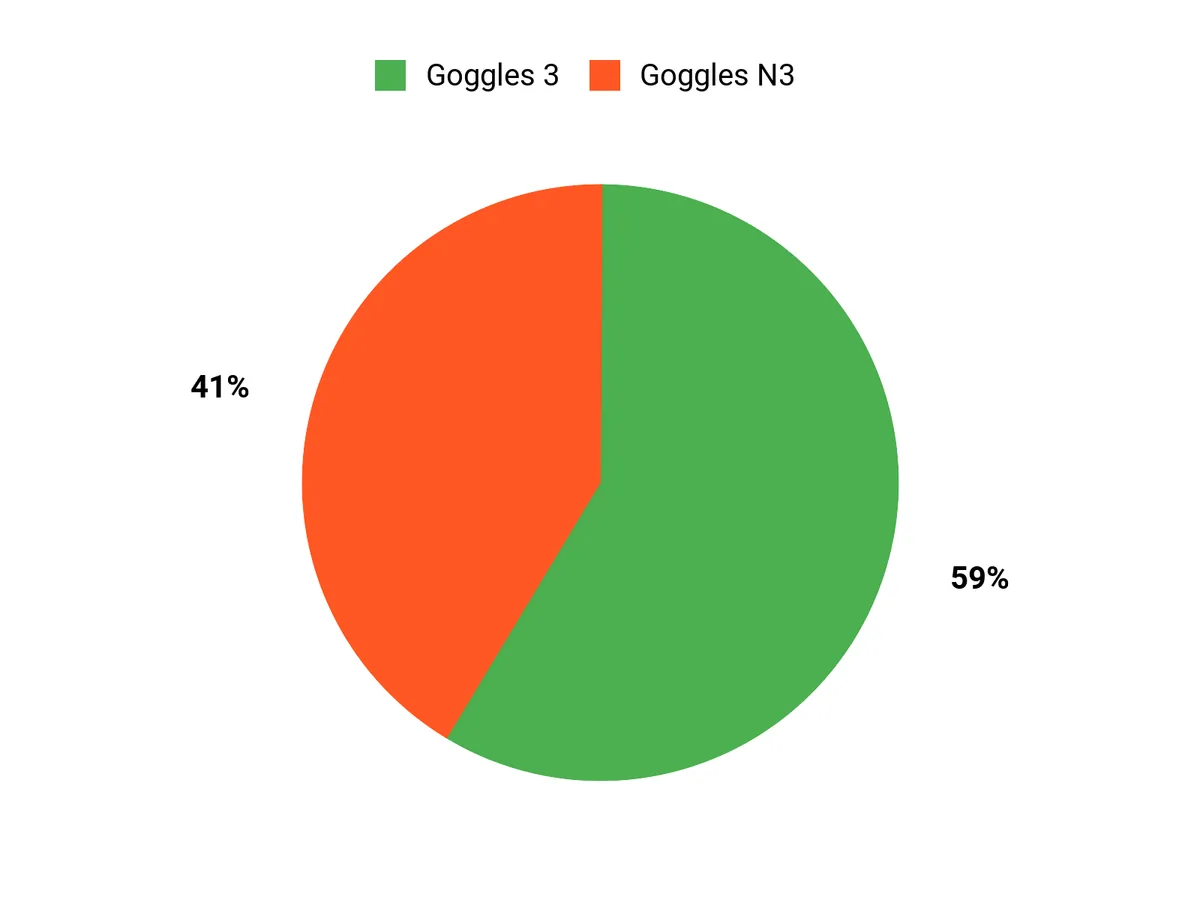
Most buyers choosing between these two weigh image fidelity against a bigger view. If you value micro-OLED detail, Real View PiP, and lower latency, the DJI Goggles 3 fit better. If you want a wide 54° view, room for your glasses, and a lower price tier, the DJI Goggles N3 make more sense.
How to Choose FPV Goggles for DJI Avata 2
Display Type and Refresh Rate
Micro-OLED screens show deeper blacks and higher contrast, which helps you pick out branches and gaps. Refresh rate matters too, since 100 Hz looks smoother than 60 Hz in fast turns. For cruising and casual flights, 60 Hz works fine. For fast, tight lines, the DJI Goggles 3 are the better fit.
Field of View
A wider view feels more immersive and shows more of the scene at once. A narrower view keeps the whole frame in sight without moving your eyes. If immersion matters most, the DJI Goggles N3 at 54° fit better.
Latency
Latency is the delay between the drone’s camera and your screen. Lower is better when you fly close to obstacles. Both models are quick enough for normal flying, but the DJI Goggles 3 lead with 24 ms versus 31 ms with the Avata 2.
Vision Correction and Fit
If you wear glasses, check how the goggles handle them. A diopter dial suits many common prescriptions, while a roomy shell lets you keep your own glasses on. If you would rather not fiddle with diopters or extra lenses, the DJI Goggles N3 are simpler.
Battery Life and Weight
A typical session uses several drone batteries, so goggle runtime matters. Both models last close to three hours on a charge. Lighter goggles put less pressure on your face over long sessions, which favors the DJI Goggles 3 at about 470 g.
Aircraft and Controller Compatibility
Check every DJI aircraft you own or plan to buy. The DJI Goggles 3 support the Avata 2, Neo, Air 3, Mini 4 Pro, and O3 and O4 Air Units. The DJI Goggles N3 support the Avata 2, Neo, and O4 Air Units. With the Avata 2, either pair needs a DJI RC Motion 3 or DJI FPV Remote Controller 3.
Mistakes to Avoid When Buying FPV Goggles
- Buying goggles that don’t match your drone: check DJI’s compatibility list, since the DJI Goggles N3 do not support the Air 3 or Mini 4 Pro.
- Forgetting the controller: the Avata 2 needs a DJI RC Motion 3 or DJI FPV Remote Controller 3 to fly with goggles.
- Ignoring your eyesight: confirm your prescription fits the diopter range, or that your glasses fit inside.
- Skipping firmware updates: update the goggles, aircraft, and controller before your first flight.
- Judging by field of view alone: a wider view is not always sharper, so compare refresh rate and latency too.
FAQs
Which Goggles Are Best For Avata 2?
The DJI Goggles 3 are the better pick for most Avata 2 pilots. They pair dual micro-OLED screens at up to 100 Hz with latency down to 24 ms. Choose the DJI Goggles N3 instead if you want a wider 54° view, room for your own glasses, and a lower price tier. Update firmware on both before your first flight.
What Is the Main Difference Between the DJI Goggles 3 and DJI Goggles N3?
The main difference is the display. The DJI Goggles 3 use two micro-OLED screens at up to 100 Hz with a 44° view. The DJI Goggles N3 use one 1920×1080 screen at up to 60 Hz with a wider 54° view. The DJI Goggles 3 also add Real View PiP and Wi-Fi phone sharing.
How Do They Differ In Visual Quality And Comfort?
The DJI Goggles 3 look sharper and smoother, thanks to micro-OLED panels at up to 100 Hz. The DJI Goggles N3 trade some sharpness for a bigger 54° picture. For comfort, the DJI Goggles 3 are lighter at about 470 g versus 536 g. The DJI Goggles N3 spread their weight over a larger face pad and fit over glasses.
Can I Wear Glasses With the DJI Goggles N3?
Yes. DJI designed the DJI Goggles N3 with a roomy interior that fits personal glasses, so there is no diopter or IPD to adjust. The DJI Goggles 3 take a different route, with a built-in diopter from −6.0 D to +2.0 D plus included −2.0 D lenses for stronger prescriptions.
Which Has Lower Latency With the Avata 2?
The DJI Goggles 3 do. DJI lists latency down to 24 ms at 1080p/100fps with the Avata 2, versus 31 ms for the DJI Goggles N3 at the same setting. Both run O4 transmission at up to 60 Mbps with 13 km (FCC) range, so the link itself is similar.
Do They Use the Same Controllers?
Yes, with the Avata 2 both work with the DJI RC Motion 3 and the DJI FPV Remote Controller 3. Head tracking needs the RC Motion 3 on either model. The DJI Goggles 3 also pair with the Air 3 and Mini 4 Pro using the DJI RC 2 or RC-N2, which the DJI Goggles N3 do not support.
Is the DJI Goggles 3 Worth the Higher Price Tier?
It is if you fly fast, film cinematic lines, or plan to own several DJI drones. You get micro-OLED clarity, 100 Hz, lower latency, Real View PiP, and wider aircraft support. If you mostly cruise with an Avata 2 or Neo, the DJI Goggles N3 cover the basics in a lower price tier.
Any Practical Tips For Setup And Daily Use?
Update the goggles, aircraft, and controller through DJI Assistant 2 or the DJI Fly app before pairing. Set the diopter and IPD on the DJI Goggles 3, or simply wear your glasses with the DJI Goggles N3. Lower screen brightness to stretch battery life, carry a protective case, and check local radio rules, since some regions limit screen sharing.
Final Verdict: DJI Goggles 3 vs Goggles N3
In the DJI Goggles 3 vs Goggles N3 matchup, the DJI Goggles 3 win for most Avata 2 pilots. They are sharper, smoother, lighter, and quicker to respond. The DJI Goggles N3 remain a smart pick when a wider view, a glasses-friendly fit, and a lower price tier matter more.

