Rust on bolts and fasteners can make routine repairs much harder. The right treatment depends on whether the hardware can be removed, whether the rust must be treated in place, and whether your main goal is removal or long-term corrosion prevention.
This guide focuses on three products that match those jobs closely. You can use a rust-removal soak for removable bolts, a cling-on gel for fixed or vertical hardware, or a protective corrosion inhibitor when you want to slow rust from returning.
Affiliate Disclosure:. As an Amazon Associate I earn from qualifying purchases. This article contains Amazon affiliate links. If you buy through a qualifying link, we may earn a referral commission at no additional cost to you.
Quick Verdict
WD-40 Specialist Rust Remover Soak is the strongest match when rusty nuts, bolts, and small hardware can be removed and submerged. Evapo-Rust Gel is more practical when the fastener or surrounding metal must stay in place. STA-BIL Rust Stopper is the better choice after cleaning when your priority is preventing recurring surface corrosion and adding light lubrication.
Important: Removing rust and freeing a severely seized bolt are not always the same job. A frozen fastener may still require a dedicated penetrant, correct hand tools, controlled heat where appropriate, or replacement.
Top Picks
|
Category |
Product |
Best Use |
|---|---|---|
|
🏆 Best for Removable Bolts |
Nuts, bolts, tools, and small metal parts that can be submerged |
|
|
🎯 Best for Fixed or Vertical Hardware |
Rusty bolt heads, brackets, and surfaces that cannot be dipped |
|
|
🛡️ Best for Rust Prevention |
Protecting exposed metal and lightly lubricating joints after maintenance |
Selection Criteria
For rusty bolts and fasteners, product format matters as much as rust-removal strength. We prioritized products that have a clear role in removing rust from small hardware, treating corrosion without disassembly, or protecting exposed metal afterward.
We also considered application access, cleanup, surface compatibility, whether the product leaves a coating behind, and whether its intended use makes sense around threads and serviceable hardware. Broad chassis coatings, cooling-system flushes, and large-panel rust converters were excluded because they do not closely match this buyer intent.
Before You Treat Rusted Bolts
Check the condition of the fastener first. Surface rust can often be cleaned successfully, but a bolt with severe section loss, badly damaged threads, a rounded head, cracking, or another structural defect may be safer to replace.
Do not automatically lubricate torque-critical threads before reassembly. Oil and protective films can change thread friction and therefore alter the clamping force produced at a given torque. Follow the vehicle or equipment manufacturer’s specified thread condition and torque procedure.
WD-40 Soak

WD-40 Specialist Rust Remover Soak is the most direct match in this roundup for removable rusty nuts, bolts, tools, and small metal parts. Instead of grinding away corrosion, you place the hardware in the ready-to-use solution and let the chemistry work around threads, recesses, and other areas that are difficult to reach with a wire brush.
It is most useful during restoration or repair work when the fastener has already been removed. If the bolt is still installed and completely seized, a dedicated penetrating product may be more appropriate before removal.
Best for: Removable rusty nuts, bolts, sockets, brackets, and small metal parts.
Main advantage: Reaches threads and detailed surfaces without aggressive sanding.
Skip it if: The hardware cannot be removed for immersion or has a sensitive oxide finish that must be preserved.
What People Say
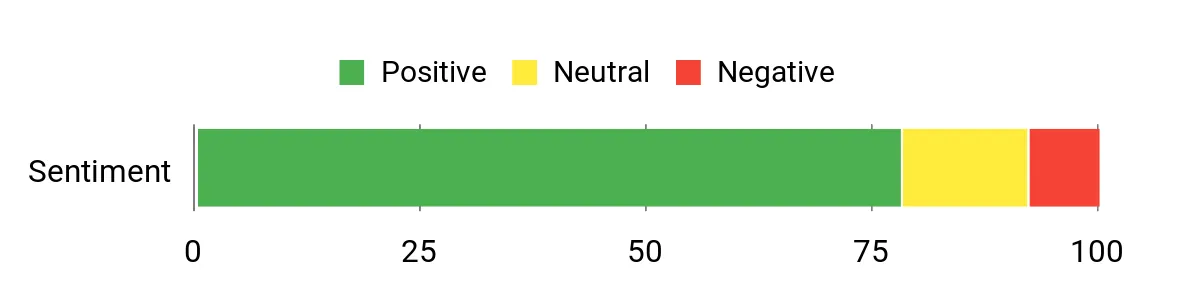
Customer feedback commonly favors the low-effort soaking process and the ability to clean detailed metal surfaces without extensive scrubbing. Heavier corrosion naturally requires more dwell time, and immersion makes the product less convenient for large fixed assemblies.
Customer sentiment note: Review sentiment can change over time, so treat the chart below as directional rather than a current Amazon rating.
When To Use It
|
Situation |
How It Helps |
|---|---|
|
Removable Nuts and Bolts |
Immersion lets the solution reach exposed threads, recesses, and bolt heads without aggressive mechanical cleaning. |
|
Small Hand Tools |
Useful for sockets, wrenches, and other rusty steel parts that fit inside a soaking container. |
|
Restoration Hardware |
Helps bring rusty removable brackets and hardware back to bare metal before drying and applying suitable protection. |
DIY Guide
Remove loose dirt, grease, and debris before immersion. Submerge the rusted hardware in the solution. Manufacturer guidance calls for at least about 30 minutes for light rust, around eight hours for medium corrosion, and up to 24 hours for heavier rust.
Check progress rather than assuming every fastener needs the maximum time. Once the rust is removed, rinse as directed, dry the hardware thoroughly, and protect bare metal promptly to reduce flash rust.
Avoid using the soak on blued, browned, or other protective oxide finishes that you want to preserve. When dealing with plated or specially finished fasteners, confirm compatibility before full immersion.
Ease Of Use
|
Feature |
Ease Level |
|---|---|
|
Soaking |
Easy |
|
Surface Prep |
Easy to Moderate |
|
Rinsing & Drying |
Easy |
|
Installed Fasteners |
Not Ideal |
Versatility
This is the most useful option here when the rusty component is small enough to remove and immerse. Its main limitation is access: it is not designed to cling to an upright bolt, chassis surface, or installed assembly.
Problem Solving
The soak removes corrosion from areas that a brush may miss, including exposed threads and recessed surfaces. That can make cleaned hardware easier to inspect before deciding whether it should be reused or replaced.
Response Time
Light corrosion may respond within roughly 30 minutes, while medium and heavy rust can require several hours or an overnight treatment. Temperature and corrosion severity can affect how quickly the treatment works.
Key Benefits
- Directly suited to rusty nuts, bolts, tools, and removable metal parts
- Reaches detailed surfaces and exposed threads through immersion
- Does not require aggressive grinding or sanding for ordinary surface corrosion
- Leaves cleaned hardware ready for inspection, drying, and appropriate protection
Check Product Details on Amazon
Evapo-Rust Gel

Evapo-Rust Gel solves the access problem that a liquid soak cannot. Its thicker consistency is designed to cling to vertical, inverted, or oversized surfaces, making it useful when rusty bolt heads, brackets, mounting hardware, or nearby metal cannot be placed in a container.
This is primarily a surface-rust remover rather than a dedicated seized-thread penetrant. It is therefore most useful when corrosion is exposed and accessible rather than buried deep inside a tightly loaded threaded joint.
Best for: Installed hardware, upright surfaces, brackets, and rust spots that cannot be submerged.
Main advantage: Clings where a liquid soak would run away.
Skip it if: You need deep penetration into a completely seized threaded joint or are treating magnesium or a magnesium alloy.
What People Say
Customer feedback often favors the brush-on application and the way the gel stays on vertical areas. Results can vary with rust depth, preparation, temperature, and dwell time, so heavily corroded surfaces may require another application.
Customer sentiment note: Review sentiment can change over time, so treat the chart below as directional rather than a current Amazon rating.

When To Use It
|
Situation |
How It Helps |
|---|---|
|
Installed Bolt Heads |
Lets you target exposed corrosion without removing the entire assembly simply to create a soaking bath. |
|
Vertical Brackets |
The gel stays in contact with upright rusted metal longer than a thin liquid treatment. |
|
Large or Awkward Hardware |
Brush-on application makes it practical for shapes that are too large or inconvenient to immerse. |
DIY Guide
Make sure the surface is dry and remove oil, grease, dirt, and loose rust scale. Apply a thick coat with a brush or roller and allow it to work for roughly one to two hours before rinsing or wiping it away with water as directed.
For best results, avoid direct sunlight and use the product within the manufacturer’s recommended working-temperature range of about 60°F to 90°F. Reapply if heavy corrosion remains.
Do not use Evapo-Rust Gel on magnesium or magnesium alloys. For specialty plating or coatings, check compatibility before treating the full part.
Ease Of Use
|
Feature |
Ease Level |
|---|---|
|
Brush-On Application |
Easy |
|
Vertical Surfaces |
Easy |
|
Cleanup |
Easy |
|
Deep Seized Threads |
Limited |
Versatility
The gel is useful across automotive, workshop, household, and restoration jobs where exposed rust must be treated without immersion. Its strength is surface contact, not capillary penetration deep inside a seized threaded connection.
Problem Solving
It solves one of the biggest limitations of rust-removal soaks: keeping the chemistry against a fixed or upright surface long enough to work.
Response Time
Plan on approximately one to two hours for a normal application. Heavier corrosion may need additional treatment rather than simply applying an excessively long first coat.
Key Benefits
- Clings to vertical, inverted, and irregular rusted surfaces
- Useful when bolts or surrounding hardware cannot be removed for soaking
- Brush-on format helps control where the treatment goes
- Can be reapplied when one treatment does not remove all visible corrosion
Check Product Details on Amazon
STA-BIL Rust Stopper

STA-BIL Rust Stopper fills a different role from the two removers above. It leaves a water-resistant protective coating on exposed metal and also provides lubrication, making it better suited to preventing recurring corrosion after maintenance than stripping a fastener back to bare metal.
The manufacturer also describes it as capable of penetrating where sprayed, loosening stubborn joints, and helping stop existing rust from spreading. That makes it useful around exposed hardware, pivots, tools, and outdoor equipment, but it should not be confused with a dedicated rust-dissolving soak.
Best for: Protecting exposed metal fasteners, joints, tools, and outdoor equipment after cleaning.
Main advantage: Combines corrosion protection with light lubrication and penetration.
Skip it if: You need to dissolve substantial rust or need a clean, paint-ready surface immediately afterward.
What People Say
Customer feedback commonly highlights easy application and the protective film left on exposed tools, equipment, and metal surfaces. Because the coating is intentionally persistent, it may be undesirable when you need a completely clean surface for painting, bonding, or certain precision assembly work.
Customer sentiment note: Review sentiment can change over time, so treat the chart below as directional rather than a current Amazon rating.

When To Use It
|
Situation |
How It Helps |
|---|---|
|
Exposed Fasteners |
Leaves a protective film over exposed metal to help reduce recurring corrosion after maintenance. |
|
Joints and Pivots |
Provides light lubrication while helping protect the surrounding metal from moisture. |
|
Outdoor Tools and Equipment |
Creates a water-resistant barrier on metal that regularly encounters humidity, rain, or road salt. |
DIY Guide
Remove dirt and loose, flaky corrosion first. Shake the can well, then apply an even coating to the exposed metal from the distance recommended on the product directions. Avoid unnecessary overspray onto surfaces where an oily protective film would be unwanted.
Reapply periodically according to exposure conditions. Wet, salty, or winter environments generally require more frequent maintenance than dry storage.
For torque-critical fasteners, do not assume the protective film should remain on the working threads during final tightening. Follow the equipment manufacturer’s specified assembly condition and torque procedure.
Ease Of Use
|
Feature |
Ease Level |
|---|---|
|
Application |
Easy |
|
Joint Access |
Easy |
|
Surface Prep |
Easy to Moderate |
|
Clean Removal Before Painting |
Moderate |
Versatility
This is useful for automotive, agricultural, household, and outdoor-equipment maintenance where exposed metal needs continued protection. It is less appropriate when your main objective is stripping heavy corrosion down to clean bare metal.
Problem Solving
It addresses the recurrence side of the rust problem. After you clean or service hardware, the protective film helps isolate exposed metal from water and other conditions that encourage corrosion.
Response Time
Application is immediate, but the real benefit comes from leaving the protective film in place and maintaining it as environmental exposure gradually wears it away.
Key Benefits
- Helps prevent new corrosion on exposed metal surfaces
- Provides light lubrication and can reach joints where sprayed
- Water-resistant protective film suits outdoor equipment and hardware
- Useful as a maintenance step after rust removal or cleaning
Check Product Details on Amazon
How To Choose the Right Treatment
|
Your Situation |
Best Approach From This Guide |
|---|---|
|
The bolt has already been removed |
Use WD-40 Specialist Rust Remover Soak when immersion is practical. |
|
The hardware must remain installed |
Use Evapo-Rust Gel for accessible surface corrosion on fixed or vertical areas. |
|
The metal is already clean and you want to slow future rust |
Use STA-BIL Rust Stopper as a protective maintenance coating where an oily film is acceptable. |
|
The fastener is completely seized inside the threaded joint |
A dedicated penetrating product and proper removal technique may be more appropriate than a surface rust remover alone. |
|
The bolt is heavily pitted, stretched, cracked, or structurally weakened |
Replace the fastener with the correct specification rather than relying on cosmetic rust removal. |
FAQ
Which Product Is Best for Rusty Bolts?
For a bolt that has already been removed, WD-40 Specialist Rust Remover Soak is the clearest fit because immersion lets the solution contact the bolt head, shank, and exposed threads. For an installed bolt or vertical surface, Evapo-Rust Gel is more convenient because it stays where you apply it.
What Should I Use for a Bolt That Is Completely Seized?
A rust remover is not always the best first tool for a severely seized threaded connection. Dedicated penetrating products are designed to creep into tight interfaces and break rust bonds. Proper sockets, controlled leverage, heat where safe and appropriate, or an extractor may also be needed.
Can I Put Rust Preventer on Bolt Threads Before Tightening?
Do not automatically coat torque-critical threads. Lubrication and protective films can change friction, which changes the clamping force produced by a given torque. Follow the service manual or equipment manufacturer’s instructions for whether the fastener should be assembled dry, lubricated, treated with thread locker, or prepared another specific way.
Can I Reuse a Bolt After Removing the Rust?
Only if the fastener remains structurally sound and suitable for reuse. Check for deep pitting, material loss, stretched or damaged threads, cracking, a rounded drive surface, and any application-specific replacement requirement. Critical one-time-use or torque-to-yield fasteners should be replaced when the manufacturer specifies replacement.
Will These Products Damage Plated or Finished Fasteners?
Compatibility depends on the finish. WD-40 warns against using its soak on blued, browned, or other protective oxide finishes. Evapo-Rust Gel also has material limitations, including magnesium and magnesium alloys. For plated, coated, or specialty fasteners, check the product directions and test a small inconspicuous area before treating the entire part.
How Do I Prevent Flash Rust After Cleaning a Bolt?
Rinse when required by the rust remover’s directions and dry the metal completely. Bare steel can begin corroding again quickly in humid conditions, so apply an appropriate protective treatment or reinstall the fastener using the procedure specified for that assembly.
Wrapping Up
Choose the product based on what stage of the job you are actually dealing with. WD-40 Specialist Rust Remover Soak is the best fit here for removable rusty nuts and bolts. Evapo-Rust Gel makes more sense for exposed rust on fixed or vertical hardware. STA-BIL Rust Stopper is primarily a prevention and maintenance product for metal that needs continued protection after cleaning.
For a severely seized fastener, use the correct removal method rather than expecting a surface rust remover to do the work of a dedicated penetrant. And when corrosion has materially weakened the bolt, replacement is usually the more sensible solution.
| Product Name | Image | Format | Best Use | Main Limitation | Special Highlights |
|---|---|---|---|---|---|
| WD-40 Specialist Rust Remover Soak, One Gallon |
|
Immersion soak | Removable rusty nuts, bolts, tools, and small parts | Requires the item to fit in a soaking container |
|
| CRC Evapo-Rust Gel Rust Remover, 8 oz Bottle |
|
Brush-on gel | Installed, vertical, or awkward rusted hardware | Not designed as a deep seized-thread penetrant |
|
| STA-BIL Rust Stopper Corrosion Inhibitor |
|
Protective aerosol coating | Rust prevention and light lubrication after maintenance | Does not replace a dedicated rust-removal soak for heavy corrosion |
|