
You might think replacing stroller wheels is unnecessary, but worn wheels can quickly affect steering, braking, stability, and ride comfort. If your stroller feels harder to push, pulls to one side, wobbles, squeaks, or shows cracked tires or damaged tread, it may be time to inspect the wheels and replace them with parts that match your exact stroller model.
Quick Answer
Replace stroller wheels when they wobble, drag, squeak after cleaning, show cracks or flat spots, lose tread, or no longer lock securely into the frame. Always match the wheel size, axle style, brake design, and stroller model before buying replacement wheels.
Key Takeaways
- Replace stroller wheels when wear affects steering, braking, stability, or smooth movement.
- Do not buy wheels by appearance alone. Match the exact stroller brand, model, axle, wheel size, and brake setup.
- Genuine or manufacturer-approved parts are usually the safest fit, especially for travel systems and brake-connected rear wheels.
- After installation, test the stroller empty before placing your child inside.
At a Glance
| Time Required | 10 to 30 minutes for most snap-on or screw-secured stroller wheels |
| Difficulty | Easy to moderate, depending on axle type and brake connection |
| Tools Needed | Screwdriver, wrench, pliers, clean cloth, mild soap, and silicone-based lubricant if allowed by the manual |
| Cost | Varies by brand, wheel type, stroller model, and whether you buy one wheel or a full kit |
Understanding the Need for Replacement Wheels
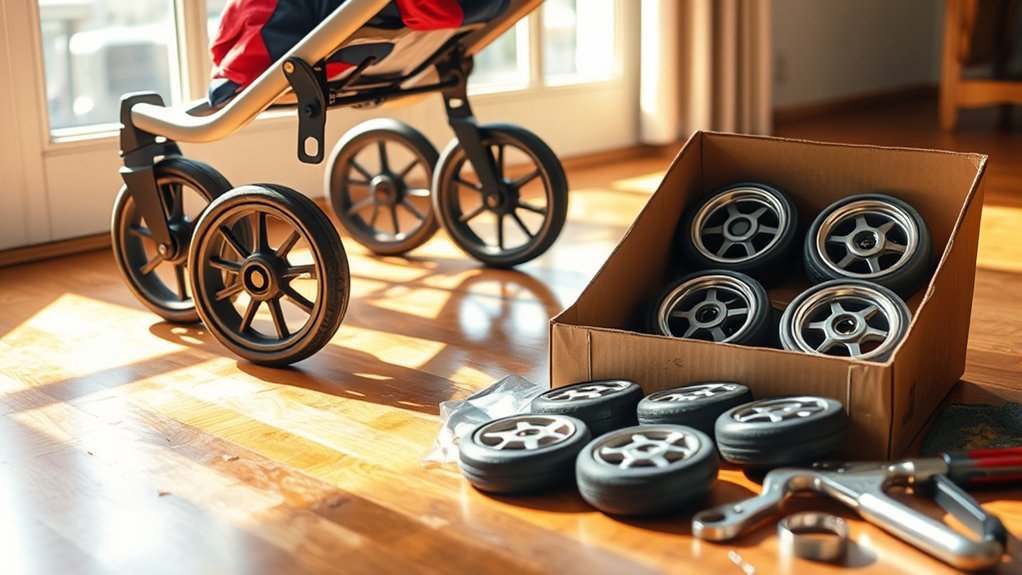
As you use your stroller regularly, the wheels can wear down from sidewalks, gravel, grass, curbs, moisture, and everyday storage. That wear can affect both safety and performance. Different wheel types also change how the stroller handles. Foam-filled wheels, rubber wheels, plastic wheels, air-filled tires, swivel front wheels, and fixed jogging wheels all behave differently on smooth floors, city sidewalks, and rough outdoor paths.
If you notice wobbling, dragging, squeaking, uneven rolling, or resistance while pushing, do not ignore it. These signs can point to worn tires, bent axles, clogged bearings, loose fasteners, or a wheel that no longer locks into the frame correctly. Replacement wheels may be necessary when cleaning and tightening no longer fix the problem.
Genuine parts, such as a Zelia Stroller Rear Wheel Replacement Kit for compatible Maxi-Cosi Zelia models, can help protect fit, braking, and frame alignment. Always confirm the exact model number before buying. A wheel that looks similar may still use a different axle, hub width, brake notch, or locking pin.
Regularly changing worn wheels helps prolong the life of your stroller and supports safer outings with your child. By staying proactive with wheel maintenance, you can keep the stroller easier to steer and give your little one a smoother ride.
Warning: Stop using the stroller if a wheel comes loose, the brake no longer holds, the frame feels unstable, or the stroller pulls sharply to one side. Inspect it empty first, then contact the manufacturer if you are unsure about the repair.
Signs Your Stroller Wheels Need Replacing
Some wheel problems only need cleaning, but others mean the wheel should be replaced. Use the signs below before your next walk.
- Visible cracks: Replace wheels with cracked rubber, split plastic, or damaged hubs.
- Flat spots: A flat area on the tire can make the stroller bounce, drag, or roll unevenly.
- Wobbling: A wheel that shakes side to side may have a worn hub, bent axle, or loose bearing.
- Hard steering: If the stroller takes more effort to push after cleaning, the wheel or axle may be worn.
- Uneven tread: One worn side can make the stroller pull left or right.
- Brake trouble: If a rear wheel no longer works smoothly with the parking brake, replace it with the correct brake-compatible part.
- Repeated squeaking: Squeaks that return after cleaning and safe lubrication may point to bearing or axle wear.
Benefits of Replacing Stroller Wheels
Worn stroller wheels can greatly affect your daily experience, so it helps to understand the benefits of replacing them. New wheels can improve stroller function and help deliver smoother and safer rides for both you and your child.
With improved maneuverability and stability on different surfaces, you may find walks, errands, and travel days easier. Fresh wheels can also reduce vibration, lower pushing effort, and make turning feel more controlled.
Replacing worn wheels can also extend your stroller’s lifespan. A damaged wheel can put extra stress on the frame, axle, brake, and suspension. Fixing the wheel early may help you avoid larger repairs or an early stroller replacement.
Using genuine replacement parts, like a compatible Zelia Stroller Rear Wheel Replacement Kit, helps protect safety and reliability because the part is designed for the intended stroller model. Investing in new wheels also encourages outdoor adventures, giving your family more confidence during walks, park trips, and everyday errands.
Compatibility and Fitment Considerations
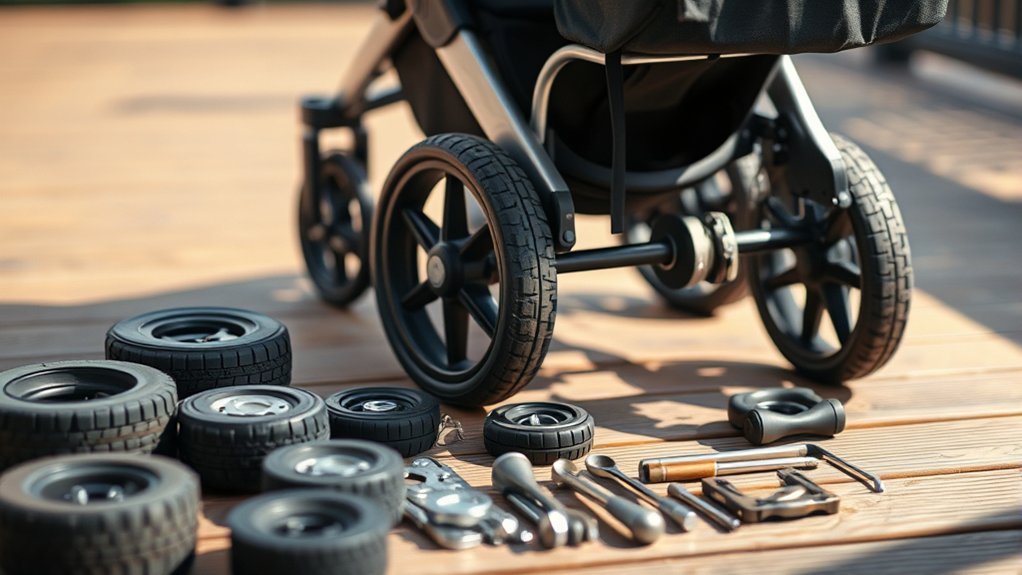
When you’re replacing stroller wheels, it’s essential to confirm they’re compatible with your specific stroller model. Failing to do so can cause poor steering, weak braking, loose fitment, or safety hazards.
- Check wheel specifications: Verify the replacement wheels match the size, tire type, axle style, hub width, and wheel position required for your stroller.
- Know model variations: Each stroller model can have specific fitment requirements. For example, some Zelia wheel kits may fit model CV368 and travel systems TR389, TR414, TR426, and TR427, but you should still confirm your exact model before ordering.
- Opt for genuine parts: Genuine replacement kits usually offer the best chance of correct fit, durability, and reliable locking.
- Verify travel system compatibility: Confirm the wheels support your stroller’s travel system configuration, especially if the stroller also holds an infant car seat.
- Check brake design: Rear wheels often interact with the parking brake, so the brake teeth, notch, or hub shape must match.
- Match wheel position: Front and rear wheels are not always interchangeable. Swivel wheels, fixed wheels, and rear brake wheels serve different functions.
Always verify compatibility before making a purchase to support smooth operation and safer use.
Note: A stroller wheel can match the diameter but still fail to fit. The axle shape, locking button, hub width, brake connection, and frame socket matter just as much as wheel size.
Front vs. Rear Stroller Wheels
Front and rear stroller wheels usually do different jobs, so you should identify the problem before buying parts.
| Wheel Position | Main Job | Common Problems | Replacement Notes |
|---|---|---|---|
| Front Wheels | Steering and turning | Swivel sticking, wobbling, pulling, clogged debris | Check swivel lock, fork width, axle pin, and wheel diameter |
| Rear Wheels | Stability, load support, and braking | Brake slipping, flat spots, uneven tread, loose hub | Match the brake system, axle style, and hub design exactly |
| Jogging Wheels | Straight tracking and outdoor handling | Low tire pressure, bent rim, tracking drift | Use the correct tire size and follow the stroller manual for inflation |
| All-Terrain Wheels | Rougher paths and mixed surfaces | Tread wear, punctures, squeaking, mud buildup | Check whether the wheel is foam-filled, rubber, or air-filled before ordering |
Installation Process for New Wheels
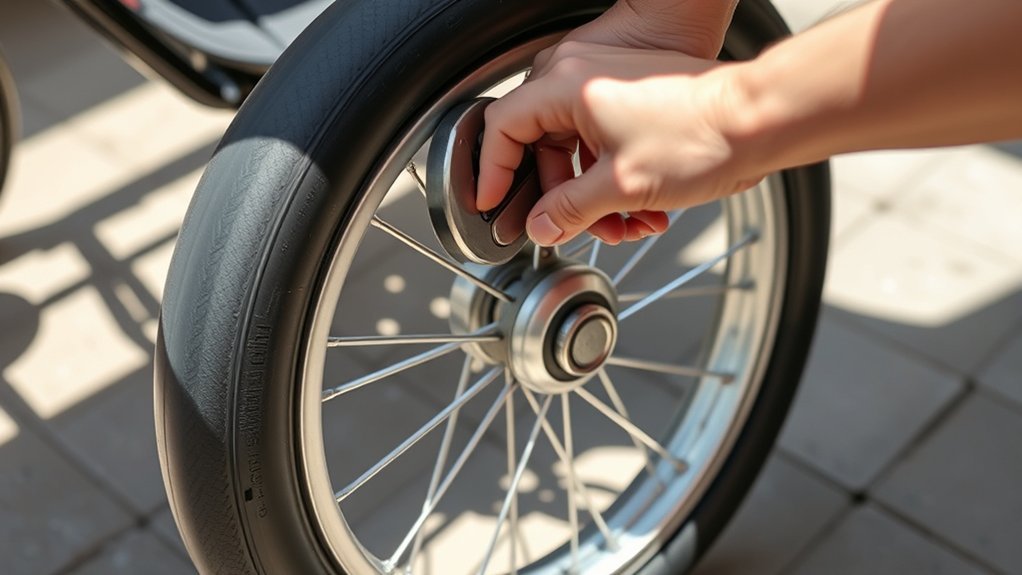
Before you start the installation process for new stroller wheels, gather the necessary tools and confirm the new wheels fit your stroller. Follow a careful step-by-step process and keep safety tips in mind throughout. This helps you avoid loose wheels, brake problems, and poor alignment.
Tools You Need
To replace your stroller wheels, you may need a few basic tools, mainly a screwdriver and possibly a wrench, depending on your specific stroller model. Some wheels snap on and off without tools, while others use screws, bolts, clips, or axle caps.
- Screwdriver: Check whether your stroller uses Phillips, flathead, or other screw types.
- Wrench: Match the wrench size to any axle bolts or nuts that need loosening.
- Pliers: Use carefully if you need to remove a retaining clip or stuck cap.
- Replacement wheels: Make sure these are the right fit for your stroller model.
- Instruction manual: Review the manual for model-specific guidelines, warnings, and torque or locking instructions.
- Clean cloth and mild soap: Clean the axle area before installing the new wheel.
Having the right tools ready makes the process smoother and helps protect your stroller from accidental damage.
Step-by-Step Instructions
As you prepare to install the new wheels on your stroller, gather the correct replacement wheels for your specific model. For instance, if you have a Zelia stroller, you may need a rear wheel replacement kit for compatible models such as CV368 or travel systems TR389, TR414, TR426, and TR427. Confirm your model number first because fitment can vary.
| Wheel Types | Stroller Brands |
|---|---|
| Rear Wheels | Zelia |
| Front Wheels | Graco |
| All-Terrain | Baby Jogger |
| Jogging | BOB |
| Double | Joovy |
- Park and empty the stroller: Remove your child, bags, cup holders, and accessories before working.
- Engage the brake if safe: Keep the stroller steady while you inspect how the old wheel attaches.
- Remove the old wheel: Press the release button, remove the clip, or use the required screwdriver or wrench.
- Clean the axle area: Wipe away hair, sand, dirt, and sticky debris before installing the new wheel.
- Align the new wheel: Match the axle, locking pin, brake side, and wheel direction.
- Secure the wheel: Push, click, screw, or tighten it according to the stroller manual.
- Check the lock: Pull gently on the wheel to make sure it does not slide off.
- Test the stroller empty: Push it forward, turn both ways, and test the brake before placing your child inside.
Use a screwdriver or wrench only where required. Do not force a wheel into place because that can damage the frame socket, axle, or brake mechanism.
Safety Tips Checklist
Once you’ve installed the new wheels on your stroller, prioritize safety before the next outing. Use this checklist to avoid common installation mistakes:
- Confirm compatibility: Verify the replacement wheels match your stroller model, such as the Maxi-Cosi Zelia or your exact brand and model.
- Gather tools first: Keep all tools and the new wheels nearby so you do not rush the job.
- Follow instructions: Use the manufacturer’s guidelines to secure the wheels properly.
- Check both sides: Compare the left and right wheels to make sure they sit evenly.
- Test stability: Push the stroller on a flat surface to confirm the wheels are aligned and functioning correctly.
- Test the brake: Engage the parking brake and gently push the empty stroller to make sure it holds.
- Inspect again after the first walk: Check for looseness, rubbing, or unusual sounds after short use.
Regularly inspect your new wheels for wear and keep the stroller clean for better performance and safety during use.
Pro Tip: Take a clear photo of the old wheel before removing it. The photo can help you remember washer, clip, brake, and axle placement during reassembly.
Where to Purchase Replacement Wheels
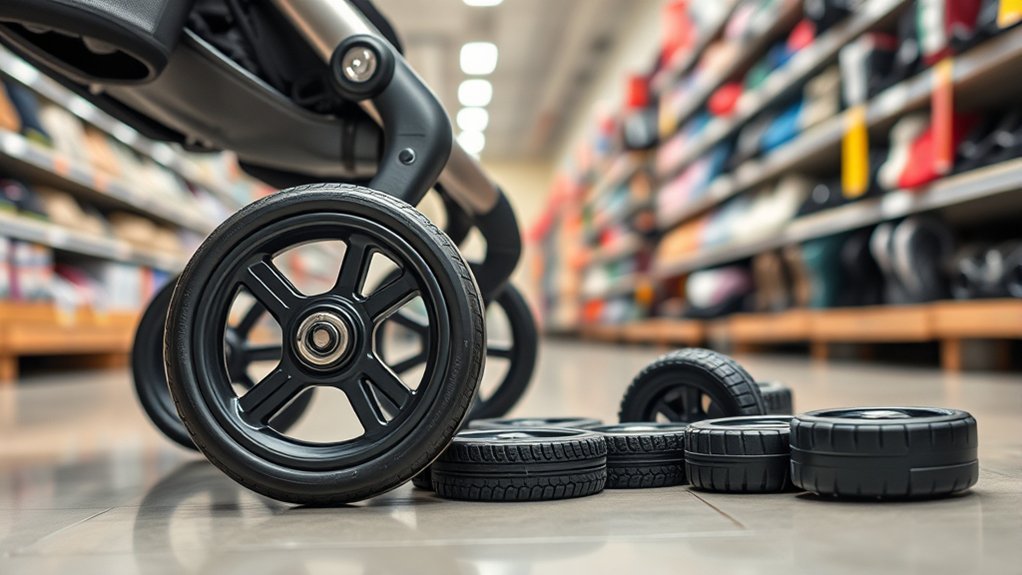
Finding replacement wheels for your stroller can be straightforward if you know where to look. Start with the stroller manufacturer because the safest wheel is usually the one made or approved for your exact model. You can also check trusted online retailers, local baby gear shops, stroller repair shops, and parent community forums.
You may see options like the Zelia Stroller Rear Wheel Replacement Kit, which is designed for compatible Maxi-Cosi Zelia travel systems. If a product is marked unavailable, do not rush into a lookalike part unless the seller clearly confirms the exact model fit.
| Source | Type | Notes |
|---|---|---|
| Online Retailer | Zelia Replacement Wheels | Monitor availability and confirm the model list before buying |
| Local Shops | General Stroller Wheels | Visit or call with your stroller brand, model number, and wheel photos |
| Manufacturer’s Site | Genuine Parts | Best for compatibility, safety guidance, and warranty information |
| Community Forums | Recommendations | Useful for parent experiences, but verify fitment with the manufacturer |
Always document your communication with the manufacturer or seller. Save screenshots, part numbers, model lists, and order details in case you need a return, warranty claim, or fitment confirmation later.
Tips for Maintaining Stroller Wheels
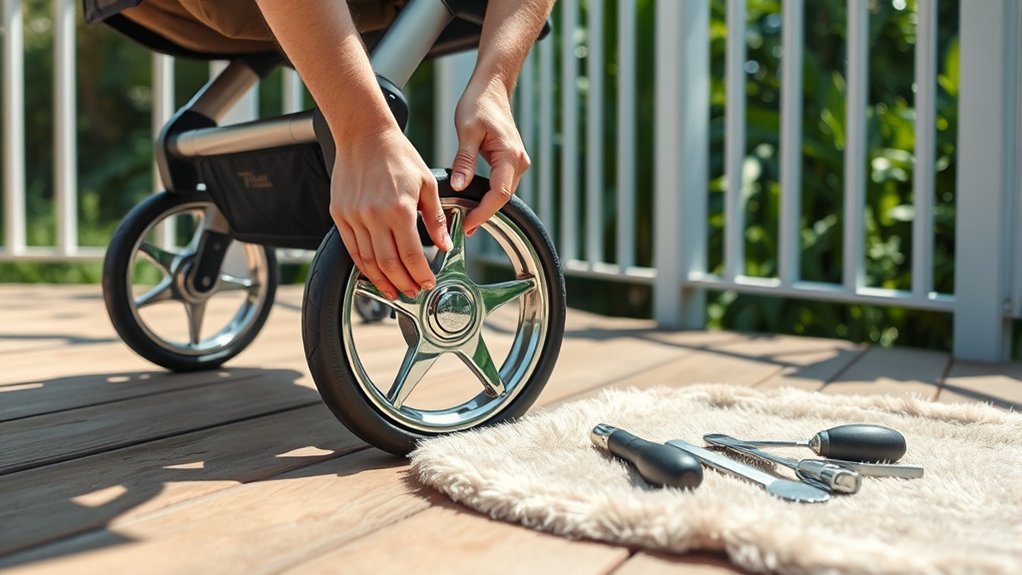
To keep your stroller wheels in top shape, make regular cleaning a priority and inspect them for any signs of wear. Check for cracks, flat spots, loose pieces, missing screws, and debris wrapped around the axle. Staying proactive can help you maintain a smoother ride and extend the life of your stroller wheels.
Regular Cleaning Practices
While stroller wheel maintenance might seem minor, regular cleaning helps protect performance and safety. Add these cleaning habits to your routine:
- Inspect wheels for dirt, sand, leaves, hair, and string that can wrap around the axle.
- Clean the wheels with warm, soapy water and a soft brush to remove grime.
- Dry the wheel and axle area fully before storage.
- Lubricate only where the stroller manual allows it, using a silicone-based lubricant when appropriate.
- Store your stroller in a dry place to help prevent rust, corrosion, mildew, and wheel damage.
Inspect for Wear
After keeping your stroller wheels clean, focus on their condition. Regular wheel inspection is essential for smooth mobility. Look for wear indicators like cracks, flattening, uneven tread, loose hubs, or damaged locking parts.
Don’t forget to check for loose or missing components, such as screws, clips, washers, or bearings, since these can compromise stability. Periodically clean the wheels to remove debris that may hinder movement and cause premature wear.
If your stroller wheels are inflatable, check the sidewall or stroller manual for the correct pressure range and avoid overinflating. Always follow manufacturer guidelines for replacement parts to support compatibility and reliability when you need to replace worn wheels.
Troubleshooting Common Wheel Problems
Before replacing a wheel, identify the cause of the problem. Some issues come from dirt or loose hardware, while others require a new wheel or professional support.
| Problem | Likely Cause | What to Try |
|---|---|---|
| Wheel squeaks | Dirt, dry axle, worn bearing | Clean the axle area and use safe lubricant only if the manual allows it |
| Stroller pulls to one side | Uneven wear, low tire pressure, bent axle, misaligned wheel | Check both wheels, inflate air tires correctly, and replace damaged wheels |
| Wheel wobbles | Loose fastener, worn hub, damaged axle | Tighten hardware if safe, then replace the wheel if wobble remains |
| Brake slips | Wrong rear wheel, worn brake teeth, poor engagement | Stop using the stroller until the correct brake-compatible wheel or repair is confirmed |
| Wheel will not click in | Wrong part, blocked socket, damaged locking pin | Clean the socket, check the part number, and contact the manufacturer if it still fails |
Frequently Asked Questions
How often should I replace my stroller wheels?
Replace stroller wheels when they show wear, wobble, drag, crack, lose tread, or affect steering and braking. Some families may need new wheels within a year with heavy daily use, while occasional users may go much longer. Inspect them monthly and before trips.
Are there specific brands known for quality replacement wheels?
Many stroller brands offer replacement wheels or approved parts, including brands such as Baby Jogger, Chicco, Graco, BOB, Joovy, and Maxi-Cosi. The best choice is not just a trusted brand. It is the wheel that fits your exact stroller model, axle, brake system, and wheel position.
Can I mix different brands of stroller wheels?
You should avoid mixing different stroller wheel brands unless the manufacturer or part seller confirms compatibility. Different wheels can vary in axle design, hub width, tire diameter, brake connection, and locking style. A poor match can affect safety, steering, and stability.
What tools do I need for wheel replacement?
You may need a screwdriver, wrench, pliers, clean cloth, mild soap, and the correct replacement wheels. Some stroller wheels release with a button and need no tools, while others use screws, bolts, clips, or axle caps. Check the stroller manual first.
Are replacement wheels covered by warranty?
Replacement wheels may be covered under warranty if the issue comes from a defect and the stroller is still within the warranty period. Normal wear, damage, incorrect installation, or incompatible parts may not qualify. Check your manufacturer’s warranty terms before ordering.
Should I replace one stroller wheel or the full set?
Replace one wheel if the other wheels are in good condition and the replacement matches perfectly. Replace a pair or full set when the tread wear is uneven, both rear wheels affect braking, or the stroller feels unbalanced after replacing only one wheel.
Can I keep using a stroller with a wobbly wheel?
Do not keep using a stroller with a wobbly wheel until you inspect it. A loose wheel can affect steering and stability. Clean the axle, check the locking mechanism, tighten approved hardware if needed, and replace the wheel if the wobble remains.
Conclusion
Just like a car needs dependable tires to stay safe on the road, your stroller needs reliable replacement wheels for good performance. Worn-out wheels can make steering harder, reduce stability, affect braking, and make outings less comfortable for your child.
Choose wheels that match your exact stroller model, axle style, wheel position, and brake setup. When possible, use genuine or manufacturer-approved parts for the best fit and long-term reliability. Keep up with regular maintenance, clean debris from the axles, and inspect the wheels often.
Don’t wait until a damaged wheel makes the stroller unsafe to use. A careful inspection and the right replacement wheels can keep your stroller rolling smoothly and make every outing easier.
Sources
- U.S. Consumer Product Safety Commission Recalls — helps parents check whether a stroller or stroller part has been recalled.
- U.S. Consumer Product Safety Commission — general consumer product safety resource for children’s products.
- ASTM International — publishes safety standards used for many consumer products, including juvenile products.
