The Dell Laptop 3252 showing a normal temperature status usually indicates stable thermal behavior and no immediate fault. Typical operating ranges around 70°C under light load can be acceptable, provided airflow is unobstructed and fan activity remains consistent. If fan noise increases or heat rises unexpectedly, the cause may lie in power settings, dust buildup, or background load. The next step is determining whether the system is cooling as designed or masking a deeper issue.
What Dell Laptop Temperature Status Means
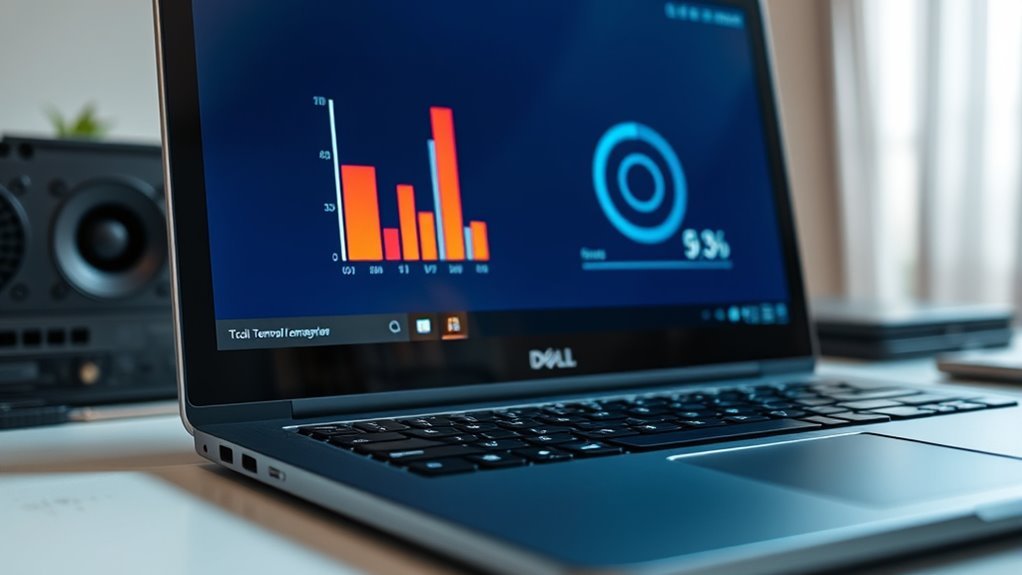
A Dell laptop temperature status marked “Normal” indicates that operating temperatures remain within safe limits and that the system’s thermal controls are functioning as intended. For Dell laptops, this Temperature reading usually reflects an Operating temperature near the expected range, often around 70°C under light workloads.
Such a status suggests the thermal management systems are responding correctly, preserving performance without unnecessary restriction. It also signals that immediate Overheating Issues are unlikely, because built-in safeguards are containing heat before damage develops.
Temperature monitoring tools can confirm whether readings remain stable or drift toward unsafe levels. When status remains Normal, the device is not being pushed beyond design limits, and the user retains usable freedom from thermal disruption.
Regular maintenance and software updates support this condition by improving cooling efficiency, dust control, and firmware behavior. Detached observation of the status consequently points to controlled heat, functional safeguards, and stable operation.
How to Check Your Dell Laptop Temperature
When a Dell laptop reports Normal temperature status, the next step is to verify the actual readings through its diagnostic interfaces. The BIOS or UEFI can be opened from Windows Settings, then used to inspect the CPU Temperature directly. This is the most direct Thermal check and helps confirm whether the system is stable or drifting toward Dell Laptop Overheating.
For ongoing monitoring, lightweight software provides real-time readings; HWMonitor and CoreTemp are common tools, and they present temperatures clearly during active use. Windows Task Manager also offers a basic indicator under the Performance tab, showing CPU load and suggesting thermal stress when activity rises.
Regular review supports control, because heat can trigger thermal throttling, reduce performance, and shorten battery life. Clean vents, maintain airflow, and use monitoring tools to Prevent Overheating while preserving a liberated, self-managed workflow.
Why Your Dell Laptop Fan Keeps Running
Dell laptop fans often keep running because the system is reacting to elevated CPU temperatures, even during light workloads, with processors sometimes operating at or above 70°C.
In Dell systems, this can sustain higher fan speeds as a normal defense against overheating. Thinner chassis designs reduce thermal headroom, so small load changes can trigger active cooling.
CPU temperatures should be interpreted alongside task demand, since background processes or poor power states may keep heat elevated. Dust in vents and fans can also restrict airflow, increasing acoustic output and forcing the controller to maintain speed.
Degraded thermal paste may further impair heat transfer from the processor. Diagnostic review of BIOS settings and power management profiles is useful for identifying aggressive thermal behavior.
From a user-liberation perspective, understanding these signals reduces dependence on guesswork and supports preventing overheating through informed system control.
Continuous fan operation is consequently often a symptom, not a fault, and reflects Dell’s thermal protection logic.
How to Reduce Heat and Fan Noise
Reducing heat and fan noise starts with restoring airflow and lowering processor demand. A liberated, efficient system should not waste energy on avoidable thermal load. Dust should be cleared from vents and fans so the Operating System can maintain normal cooling without unnecessary ramping.
Restore airflow and reduce processor demand so the system can cool efficiently without unnecessary fan noise.
A cooling pad can elevate the chassis and lower heat by improving intake flow. Power settings should cap the Maximum processor state at 85% or 99% for routine workloads, reducing fan response and extending battery life.
- Clean vents and fan paths.
- Set conservative power limits.
- Monitor temperatures with third-party software.
- Apply a BIOS Update if Turbo Boost can be disabled.
CPU readings should stay below the maximum temperature recommended by the platform. Brief High Temperature spikes may indicate poor airflow, while persistent elevation suggests a configuration issue.
If noise remains excessive, verify thermal behavior after each adjustment and keep the machine free from dust, friction, and wasted heat.
When to Run Dell Thermal Troubleshooting
Thermal troubleshooting on a Dell laptop should be run when excessive fan noise, elevated CPU temperatures, or unexpected shutdowns appear, especially during demanding workloads such as gaming or video playback.
Dell thermal troubleshooting should then verify whether the issue stems from load, airflow, or hardware fault. Dell ePSA Diagnostics can confirm fan operation and detect overheating conditions that suggest component failure.
Users should monitor CPU usage with Task Manager or HWMonitor to see whether high CPU temperatures match sustained processor demand. Ventilation openings must remain clear, and accumulated dust should be removed to restore airflow and preserve system freedom from thermal stress.
If symptoms continue, power plan settings may need adjustment, including lowering maximum processor state to reduce heat output. This process helps distinguish normal performance from a persistent cooling problem and supports a more autonomous, resilient laptop experience.
Frequently Asked Questions
What Should Be the Normal Temperature of a Laptop?
A laptop’s normal temperature is typically 30°C to 50°C at idle and up to about 85°C under load.
Sustained readings above 90°C suggest overheating and reduced freedom from throttling.
Proper laptop cooling depends on clean heat sinks, fresh thermal paste, regular fan maintenance, suitable ambient temperature, balanced power settings, and, if needed, hardware upgrades.
Monitoring software helps verify safe operation and preserve performance.
What Are the Signs That My Laptop Is Overheating?
Like a furnace bell at 90°C, a laptop signals distress through noise and heat. Signs include constant laptop fans, hot surfaces, shutdowns, and throttling during high CPU usage.
Diagnostic checks should consider vent blockage, degraded thermal paste, or weak cooling pads. Environmental factors can worsen symptoms.
Persistent spikes suggest hardware upgrades may be warranted. These indicators expose a machine fighting to stay free from thermal constraint.
How Do I Check the Current Temperature of My Laptop?
They can check the laptop’s current temperature through BIOS/UEFI on startup or by using software tools such as HWMonitor, Core Temp, or lm-sensors.
These methods support temperature monitoring, hardware diagnostics, and fan control assessment.
Task Manager offers limited clues through load and performance impact.
If readings stay high, laptop cooling may be failing, often due to dust or degraded thermal paste, requiring corrective action and careful maintenance.
How Long Does It Take for a Laptop to Recover From Overheating?
A laptop typically recovers from overheating in 10 to 30 minutes, if cooling techniques are applied and load is stopped.
Cooling techniques, thermal paste, fan maintenance, hardware upgrades, environmental factors, usage habits, and monitoring software all shape recovery speed.
Fast fans, fresh air, and fewer tasks favor faster cooling.
Persistent heat suggests deeper diagnosis, because thermal throttling and dust often extend recovery and restrict reliable, liberated operation.
Conclusion
In the Dell Laptop 3252, a normal temperature status signals stable operation rather than distress, even when readings approach 70°C under light workloads. The fan may run persistently, yet that motion can indicate protection, not failure. Clean vents, updated drivers, and balanced power settings often reduce both heat and noise. When temperatures rise beyond expected limits or performance drops, thermal troubleshooting becomes appropriate. Stability and vigilance, then, define healthy laptop behavior.
