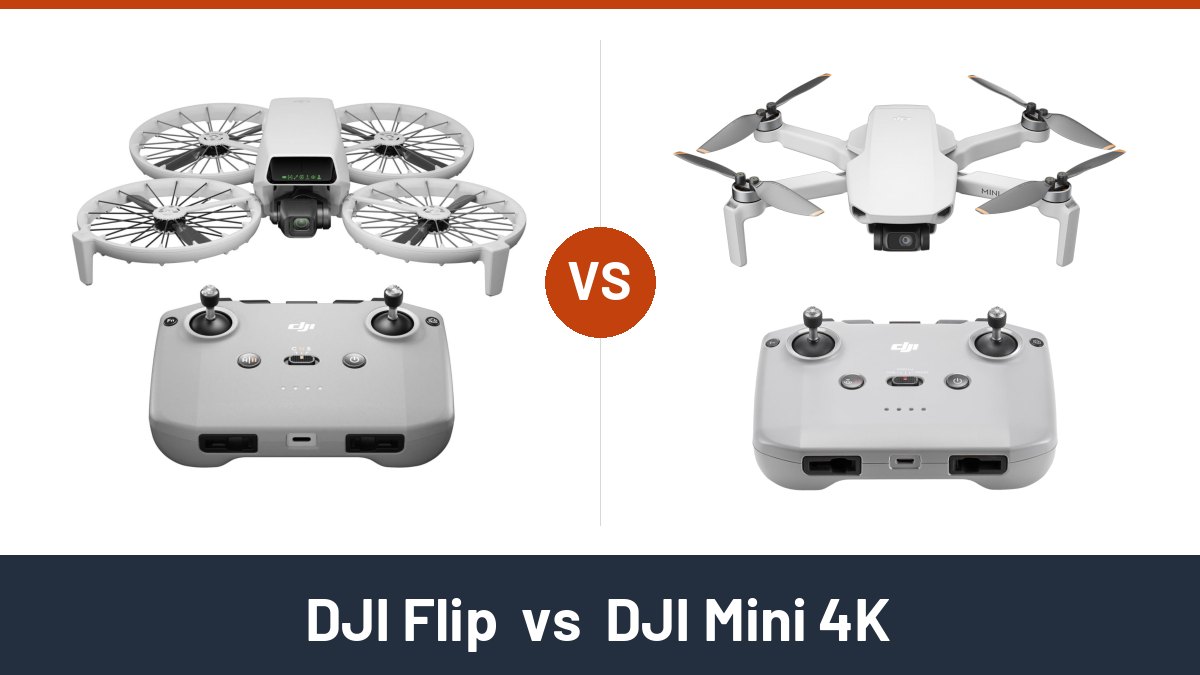
Trying to choose between the DJI Flip and the DJI Mini 4K? This DJI Flip vs DJI Mini 4K comparison covers two sub-249 g 4K drones with different priorities: built-in prop guards or a classic mini design in a lower price tier.
Short answer: the DJI Flip is the better all-round pick, thanks to its larger 1/1.3-inch 48 MP sensor and full-coverage propeller guards. Pick the DJI Mini 4K if you want a simple first drone for open spaces with the same 31-minute flight time rating.
We compared both drones on DJI’s published specs, authorized retailer listings, and safety and recall records, using the same spec for each.
DJI Flip vs DJI Mini 4K Compared
| Compare |
 Best overall
Mid-range
|
 Best value
Budget
|
|---|---|---|
| Best for | Flying near people, tracking shots, and sharper footage | Beginners and open-space flying in a lower price tier |
| Score | 90/100 | 92/100 |
| Camera sensor | 1/1.3-inch CMOS, 48 MPBetter | 1/2.3-inch CMOS, 12 MP |
| Max 4K video | 4K/60fps HDRBetter | 4K/30fps |
| Video transmission | DJI O4, up to 13 km (FCC)Better | DJI O2, up to 10 km (FCC) |
| Propeller guards | Built-in, full coverageBetter | Not built in |
| Obstacle sensing | Forward 3D infrared plus downwardBetter | Downward only |
| Subject tracking | AI subject trackingBetter | QuickShots only, no tracking |
DJI Flip vs DJI Mini 4K: Quick Verdict
DJI Flip
Bottom line: The DJI Flip beats the DJI Mini 4K on image quality, safety, and range. Buy it if you fly near people or want tracking shots and can accept a higher price tier.
- Camera: 1/1.3-inch CMOS, 48 MP, f/1.7, more detail and better results in dim light
- Video: 4K/60fps HDR, smoother motion and more highlight detail
- Flight time: Up to 31 minutes, rated in windless conditions
- Transmission: DJI O4, up to 13 km (FCC), 1080p/60fps live view, a clearer feed for framing shots
- Weight: Under 249 g, lighter rules in many regions
The DJI Flip is built around foldable, full-coverage propeller guards with a carbon fiber support structure. That makes it a calmer choice for flights near people, pets, or gear, and it can launch from your palm without the remote.
You can fly it from your phone over Wi-Fi with the DJI Fly app, use voice control, or pair it with the DJI RC-N3 when you want full range. AI subject tracking keeps you in frame on hikes, rides, or runs.
Forward 3D infrared sensing and downward sensors help in tight spaces, and the 3-axis gimbal keeps footage steady. It is rated for Level 5 wind (10.7 m/s), but like any small drone it needs care in strong gusts.
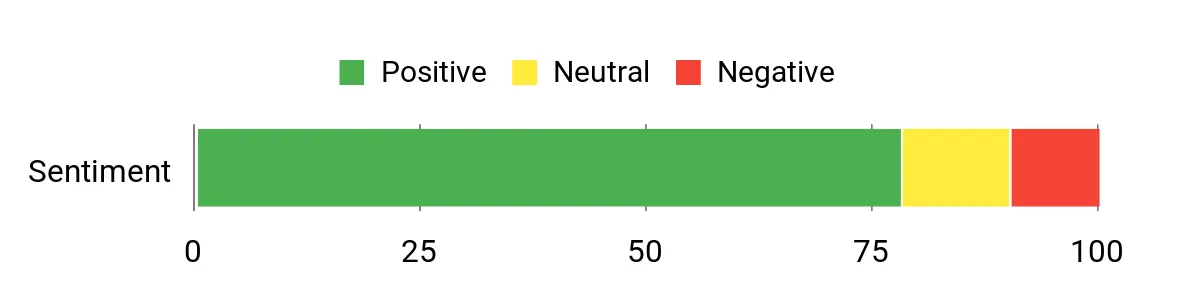
- Full-coverage propeller guards for safer flights near people
- Larger 1/1.3-inch 48 MP sensor with 4K/60fps HDR video
- Palm takeoff, phone control over Wi-Fi, and voice control
- AI subject tracking for hands-free shots
- O4 transmission up to 13 km (FCC) with 1080p/60fps live view
- Sits in a higher price tier than the DJI Mini 4K
- Obstacle sensing covers only the front and underside
- Vertical shooting is limited to 2.7K and FHD
DJI Mini 4K
Bottom line: The DJI Mini 4K matches the DJI Flip on flight time and weight class in a lower price tier. Buy it if you want an easy first drone for travel and practice in open spaces.
- Camera: 1/2.3-inch CMOS, 12 MP, f/2.8, fine for daylight scenes and social clips
- Video: 4K/30fps, plus 2.7K/60fps for smoother motion
- Flight time: Up to 31 minutes, same rating as the DJI Flip
- Transmission: DJI O2, up to 10 km (FCC), 720p/30fps live view, enough for line-of-sight flying
- Weight: Under 249 g, lighter rules in many regions
The DJI Mini 4K keeps things simple. It folds small, ships with the DJI RC-N1C controller, and uses GPS-assisted flight and return to home to make early flights less stressful.
The 3-axis gimbal keeps 4K footage steady, and 2x digital zoom at 4K helps you frame distant subjects. QuickShots such as Dronie, Helix, Rocket, Circle, and Boomerang give you smooth cinematic moves with one tap.
It is rated for Level 5 wind (10.7 m/s), the same as the DJI Flip. It has no built-in propeller guards and senses only downward, so fly it in open outdoor spaces and take extra care indoors or near people.
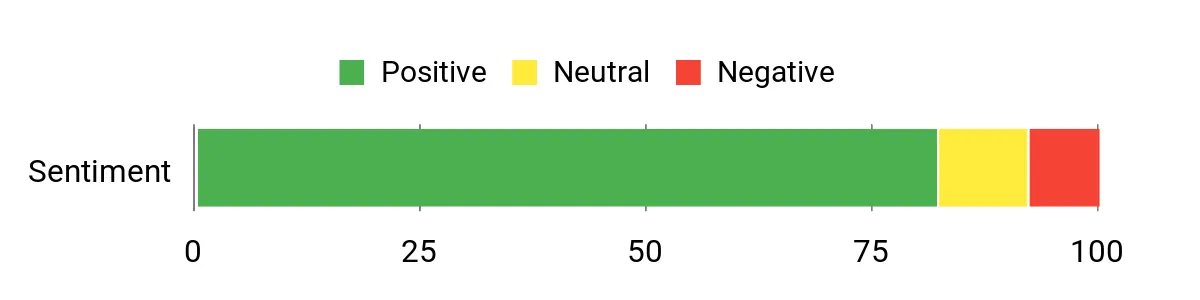
- Lower price tier than the DJI Flip
- Same 31-minute flight time rating
- Stable 4K video from a 3-axis gimbal
- GPS and return to home help first-time pilots
- Simple controls with the included DJI RC-N1C
- Smaller 1/2.3-inch 12 MP sensor, and 4K tops out at 30fps
- No built-in propeller guards or forward obstacle sensing
- No subject tracking mode, only QuickShots
DJI Flip vs DJI Mini 4K: Head-to-Head Breakdown
The core trade-off is simple. The DJI Flip adds a bigger sensor, guards, and tracking, while the DJI Mini 4K keeps the basics in a lower price tier.
Camera and Video Quality
The DJI Flip has a much larger sensor and a brighter f/1.7 lens, against f/2.8 on the DJI Mini 4K. For you, that means more detail, more room to crop, and better results at sunrise or in shade.
Safety Near People
Guards lower the risk of blade contact when you fly near people, pets, or furniture. The DJI Mini 4K still offers GPS and return to home, but you need more distance and slower flying in tight spaces.
Range and Live View
Most hobby flying stays within line of sight, so the extra range matters less than signal quality. The DJI Flip’s sharper live view makes framing and spotting hazards easier.
Smart Flight Features
The DJI Flip can follow you on a ride or run without a second pilot. The DJI Mini 4K covers preset moves like Dronie and Circle, which suit travel clips but not tracking.
Flight Time, Wind, and Weight
Neither drone flies longer or handles wind better on paper. Both sit in the sub-249 g class, which keeps rules lighter for recreational pilots in many regions.
Value for Money
The DJI Mini 4K sits in a lower price tier and still gives you 4K, a 3-axis gimbal, and 31 minutes per battery. The DJI Flip sits in a higher price tier, and that buys a larger sensor, built-in guards, tracking, and O4 transmission.
DJI Flip or DJI Mini 4K: Which Should You Buy?
- Flying near people or indoors: get the DJI Flip.
- Sharper 4K with more editing room: get the DJI Flip.
- Hands-free tracking shots: get the DJI Flip.
- A lower price tier: get the DJI Mini 4K.
- Learning to fly in open outdoor spaces: get the DJI Mini 4K.
- A simple, portable second drone: get the DJI Mini 4K.
How We Compared
- Camera: sensor size, photo resolution, aperture, and maximum 4K frame rate.
- Safety: propeller protection, obstacle sensing, and return-to-home support.
- Flight: rated flight time, wind resistance, and weight class.
- Control: transmission system, range, live view quality, and controller or phone options.
- Sources: DJI spec pages, authorized retailer listings, and safety and recall records. We compared both drones on the same specs for the same standard kits.
Customer Preferences
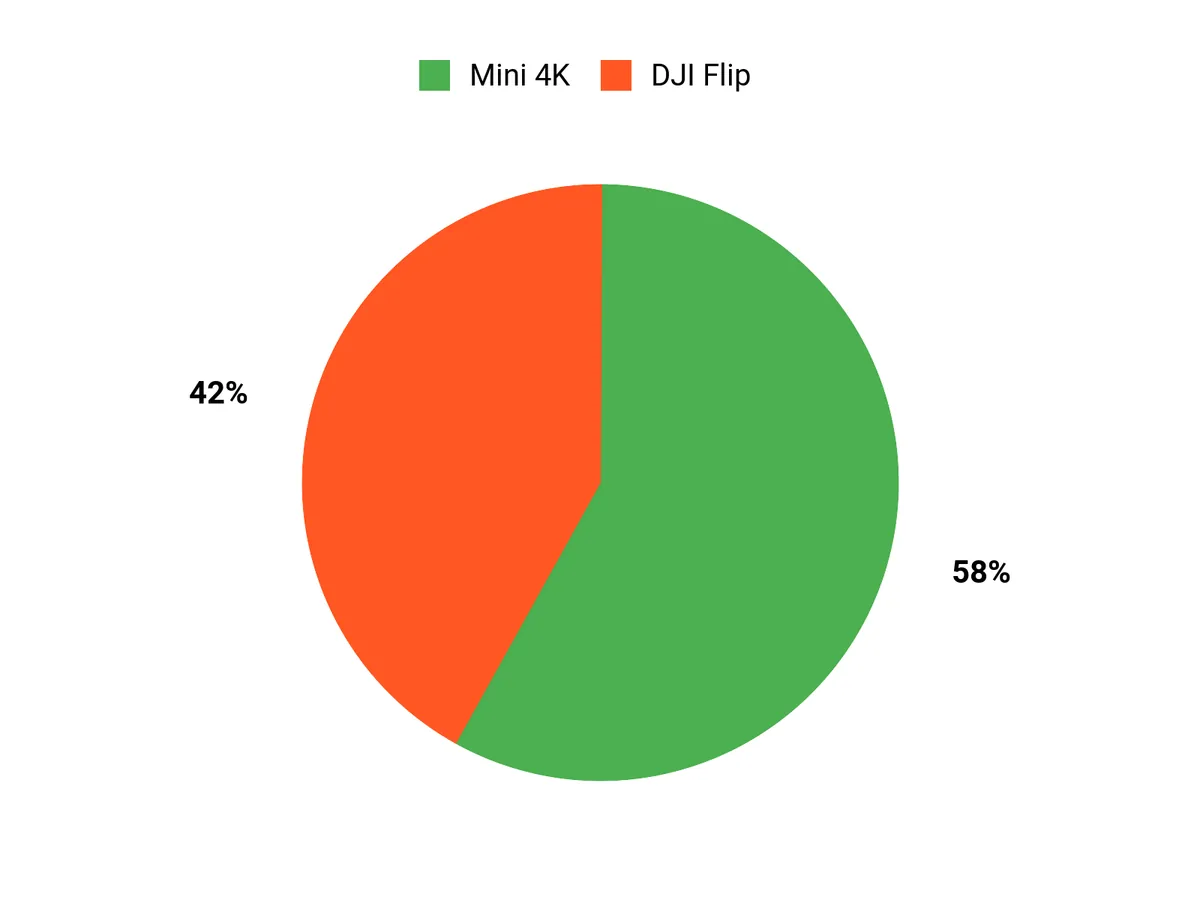
Most buyers choose between these two on one question: protection or simplicity. If you fly near people or indoors, the DJI Flip’s full-coverage guards and palm takeoff make it the natural pick. If you mostly fly outdoors and want an easy drone in a lower price tier, the DJI Mini 4K delivers stable 4K footage in a compact kit.
Compact 4K Drone Buying Guide
Weight and Local Rules
Weight decides which rules apply to you. In many countries, drones under 250 g face lighter registration rules for recreational flying. Both of these drones stay under 249 g in standard form, but heavier batteries or add-ons can change that. Check your aviation authority before you fly.
Camera Sensor and Video
Sensor size matters more than megapixel claims. A larger sensor gathers more light, which helps at sunrise, sunset, and in shade. For social clips in good light, 4K/30fps is enough. For smoother motion or more editing room, look for 4K/60fps and HDR, where the DJI Flip fits better.
Safety Around People and Indoors
If you fly near people, pets, or indoors, look for full propeller guards and forward obstacle sensing. GPS and return to home help with lost signals, but they don’t stop a blade strike. For close-quarters flying, pick the DJI Flip.
Range and Live View
Most hobby flying stays within visual line of sight, so a stable, clear signal matters more than maximum range. A sharper live view helps you frame shots and spot hazards. The DJI Flip’s 1080p/60fps feed beats the DJI Mini 4K’s 720p/30fps feed.
Flight Time and Spare Batteries
Rated flight times come from windless tests, so expect less in the field. One battery covers a quick session. For trips or long shoots, plan on spare batteries. Both drones are rated for 31 minutes, so this factor will not decide between them.
Controls and App Setup
Think about how you will launch. A palm or phone launch is fastest for quick clips, while a dedicated controller gives better range and feel. The DJI Flip offers both. If you want one simple setup with an included controller, the DJI Mini 4K keeps it easy.
Mistakes to Avoid When Buying a Compact 4K Drone
- Ignoring local rules: check registration, altitude limits, and no-fly zones before your first flight.
- Judging by megapixels alone: compare sensor size and 4K frame rates too.
- Skipping guards for indoor use: choose built-in guards if you plan to fly near people or indoors.
- Trusting rated flight time: plan for shorter real flights and add spare batteries if you shoot often.
- Not checking the bundle: confirm which controller and accessories come in the box.
FAQs
What Is the Main Difference Between the DJI Flip and DJI Mini 4K?
The main difference is protection and camera quality. The DJI Flip has built-in full-coverage propeller guards, a 1/1.3-inch 48 MP sensor, and 4K/60fps HDR video. The DJI Mini 4K has no built-in guards, a 1/2.3-inch 12 MP sensor, and 4K/30fps video, but it sits in a lower price tier. Both weigh under 249 g and are rated for 31 minutes.
Which Drone Is Safer for Flying Near People?
The DJI Flip is the safer pick near people. Its full-coverage propeller guards and palm takeoff lower the chance of blade contact, and forward 3D infrared sensing helps in tight spaces. The DJI Mini 4K has no built-in guards and senses only downward, so keep more distance, fly slower, and practice in open areas first.
Will I Need to Register or Take Tests?
It depends on where you fly. Both drones are rated under 249 g in their standard setup, which can mean lighter registration rules for recreational flying in many countries. Testing rules vary, and added accessories or heavier batteries can push weight over the limit. Check your national aviation authority before flying, and follow local altitude and distance limits.
How Do App and Setup Differences Affect Daily Use?
Both drones use the DJI Fly app. On Android, you may need to download it from DJI’s website, so install it, update firmware, and activate the drone before your first trip. The DJI Flip can also fly from your phone over Wi-Fi or launch from your palm. The DJI Mini 4K flies with its included DJI RC-N1C controller and your phone.
Which Is Better for Beginners?
Both suit beginners, but different ones. The DJI Mini 4K is the simpler start in a lower price tier for open outdoor practice, with GPS and return to home. The DJI Flip is the better beginner pick if you plan to fly near people or indoors, since its guards and forward sensing add a safety margin.
Do the DJI Flip and DJI Mini 4K Have the Same Flight Time?
Yes. DJI rates both drones for up to 31 minutes per battery, measured in windless conditions. Real flights run shorter in wind, cold, or with lots of fast maneuvering. Both are also rated for Level 5 wind resistance (10.7 m/s). If you shoot long sessions, plan on spare batteries for either drone.
Can the DJI Flip Fly Without a Remote Controller?
Yes. The DJI Flip supports palm takeoff, connects to the DJI Fly app on your phone over Wi-Fi, and supports voice control. For full range, pair it with the DJI RC-N3 or DJI RC 2. The DJI Mini 4K needs its included DJI RC-N1C controller, so plan to carry it on every flight.
Is the DJI Flip Worth the Higher Price Tier?
For most buyers, yes. The DJI Flip adds a larger sensor, 4K/60fps HDR, built-in guards, subject tracking, and O4 transmission up to 13 km (FCC). If you mostly fly in open spaces and want basic 4K clips, the DJI Mini 4K gives you the same flight time rating in a lower price tier.
Final Verdict: DJI Flip vs DJI Mini 4K
In the DJI Flip vs DJI Mini 4K matchup, the DJI Flip is our overall pick. It wins on camera, safety, range, and smart features, while matching the DJI Mini 4K on flight time and weight class. The DJI Mini 4K remains the better fit if you want simple 4K flying in a lower price tier.

