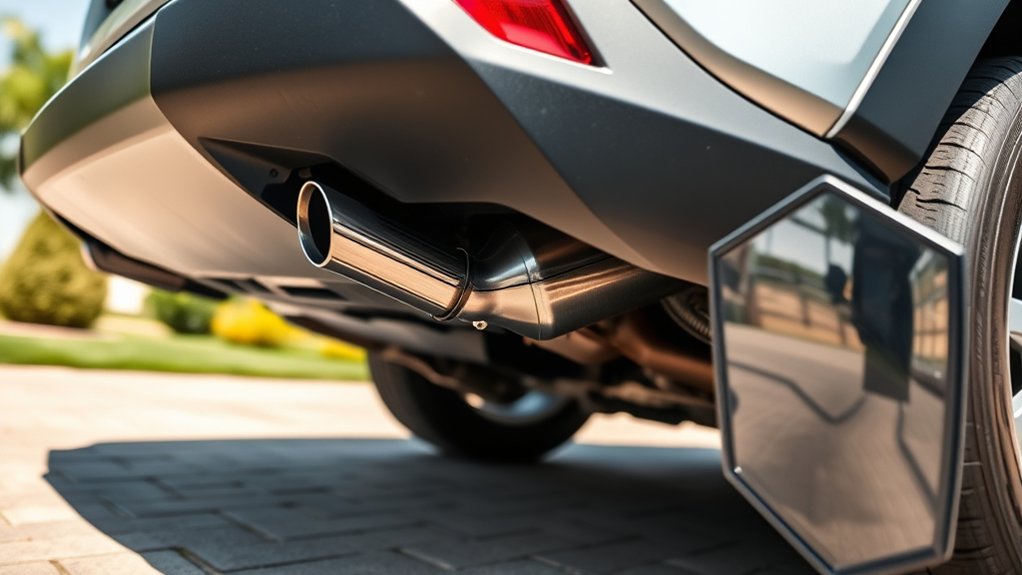
Most Toyota RAV4 models have one or more catalytic converters because they use a gasoline engine for at least part of their propulsion. That includes conventional gasoline models, RAV4 Hybrid models, and plug-in-hybrid versions such as the RAV4 Prime. The main exception is the discontinued battery-electric RAV4 EV.
Quick Answer
Yes. U.S.-market gasoline, hybrid, and plug-in-hybrid Toyota RAV4 models use one or more catalytic converters as part of their emissions systems. The battery-electric RAV4 EV is the exception because it has no gasoline engine or exhaust. A shield may deter theft, but no device can guarantee protection.
Key Takeaways
- Gasoline, hybrid, and plug-in-hybrid RAV4 models need catalytic converters because they produce engine exhaust.
- Battery-electric RAV4 EV models do not have catalytic converters.
- Converter count, position, and shield compatibility vary by model year, drivetrain, powertrain, and emissions specification.
- A vehicle-specific shield can make theft slower and more difficult, but it cannot make the converter theft-proof.
- Comprehensive auto insurance may cover theft, while the federal emissions warranty generally applies to qualifying defects rather than stolen parts.
Why Your RAV4 Needs a Catalytic Converter
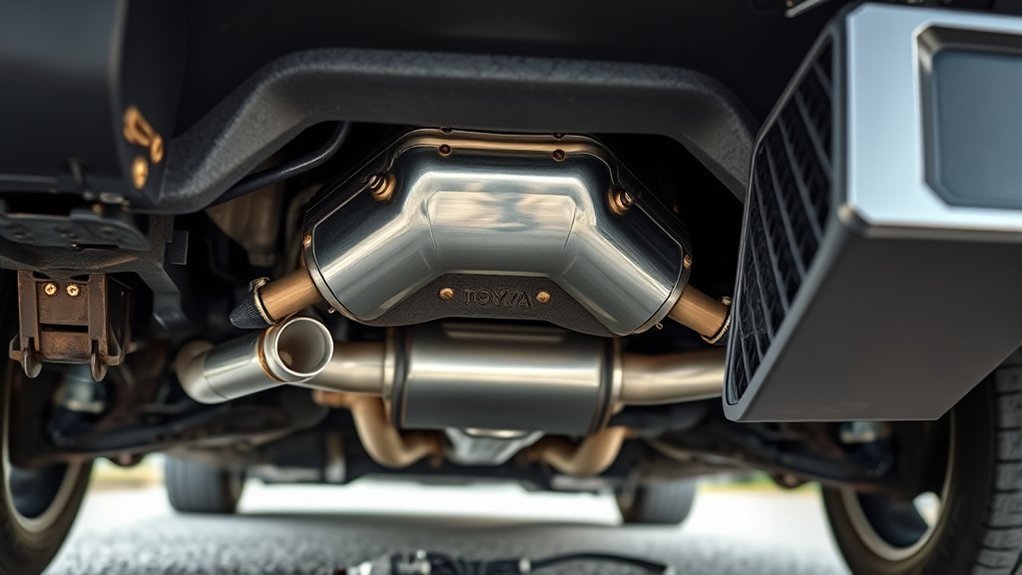
A catalytic converter is part of your RAV4’s exhaust and emissions-control system. Exhaust passes through a catalyst-coated structure that helps change harmful pollutants into less harmful gases before they leave the tailpipe.
A modern three-way catalytic converter helps control carbon monoxide, unburned hydrocarbons, and nitrogen oxides. The U.S. Environmental Protection Agency regulates these and other vehicle pollutants through emissions standards.
The converter works with oxygen sensors, the engine computer, and other emissions equipment. When one component fails, the vehicle may turn on its check-engine light, store a diagnostic trouble code, or fail an emissions inspection.
Note: Federal law prohibits knowingly removing or disabling required emissions controls. A straight pipe or other converter-delete modification is not a lawful substitute for an emissions-compliant replacement.
Which Toyota RAV4 Models Have a Catalytic Converter?
The answer depends on the powertrain rather than one specific model-year cutoff.
| RAV4 Type | Catalytic Converter? | Why |
|---|---|---|
| Gasoline RAV4 | Yes | The gasoline engine produces exhaust that must pass through an emissions-control system. |
| RAV4 Hybrid | Yes | The hybrid system still includes a gasoline engine, even though electric motors assist propulsion. |
| RAV4 Prime or plug-in hybrid | Yes | It can travel on battery power for some trips, but it also has a gasoline engine and exhaust system. |
| Battery-electric RAV4 EV | No | An all-electric RAV4 EV has no gasoline engine, tailpipe exhaust, or catalytic converter. Toyota discontinued the U.S. RAV4 EV in 2014. |
If you are uncertain which version you own, check the badges, registration information, owner’s documents, or the vehicle identification number. Toyota’s official parts catalog or a Toyota service department can use the VIN to identify the correct exhaust configuration.
Where Is the RAV4 Catalytic Converter Located?
The converter sits in the exhaust path between the engine and the muffler. Depending on the RAV4’s model year and powertrain, part of the catalyst assembly may be close to the engine while another section may be farther underneath the vehicle.
Some configurations may use more than one catalyst or combine a catalyst with another exhaust assembly. That is why a photograph from a different model year is not a reliable fitment guide.
Use a VIN-based parts diagram, the correct repair manual, or a qualified exhaust technician when you need the exact number and location. This is especially important when ordering a replacement converter or anti-theft shield.
The Risk of Catalytic Converter Theft: Understanding the Threat
Catalytic converters contain small amounts of precious metals, including platinum, palladium, and rhodium. These metals help create the chemical reactions that clean the exhaust, but they also give stolen converters resale value.
SUVs may offer easier underbody access than lower vehicles. Hybrid converters may also attract thieves because efficient engine operation can leave more recoverable catalyst material in some applications. However, your actual risk depends on location, parking conditions, local resale networks, and the exact RAV4 configuration.
A catalytic-converter shield is a delay and deterrence device. It can increase the time, noise, and effort required, but it cannot guarantee that theft will never occur.
The National Insurance Crime Bureau recommends layered precautions such as secure parking, cameras, identification marking, and anti-theft hardware.
Laws governing converter possession, recycling, marking, and resale vary by state and locality. Do not rely on the article’s previous claim that one nationwide federal theft law took effect on January 1, 2023.
How to Tell Whether the Converter Was Stolen or Is Failing
A stolen converter usually produces sudden and dramatic symptoms. A failing converter often causes a slower change in performance or an emissions-related warning.
| Condition | Common Signs |
|---|---|
| Converter may have been stolen |
|
| Converter may be failing or restricted |
|
These symptoms are not a complete diagnosis. Misfires, oxygen-sensor faults, exhaust leaks, fuel-control problems, and other engine issues can produce similar signs. A technician should diagnose the cause before replacing an expensive converter.
What to Do If Your RAV4’s Catalytic Converter Is Stolen
- Turn off the vehicle. A cut exhaust can release excessive noise and hot exhaust gases beneath the vehicle.
- Do not touch cut pipes. Exhaust components can remain hot and may have sharp edges.
- Photograph the damage. Record the surrounding area, cut pipes, damaged sensors, and any nearby evidence without disturbing it.
- Report the theft to local police. Provide the VIN, license plate, location, approximate time, photographs, and camera footage if available.
- Contact your insurer. Ask whether your policy includes comprehensive coverage and whether towing, sensor damage, rental transportation, or related exhaust repairs are covered.
- Arrange an inspection or tow. Avoid driving when the exhaust is cut, hanging, entering the cabin area, or damaging nearby wiring and components.
- Use a compliant replacement. The replacement must match the vehicle’s emissions requirements and any additional rules in your state.
Warning: Do not crawl beneath a RAV4 supported only by its emergency jack or a hydraulic floor jack. Work on a hard, level surface with the wheels secured and the vehicle supported by correctly rated stands, ramps, or a professional lift. Use a qualified installer if you lack the proper equipment or experience.
Evaluating Shield Options: What to Choose and Why
A shield covers or restricts access to vulnerable sections of the exhaust. The best option is not simply the thickest or most expensive product. It is the shield that fits your exact vehicle and is installed correctly.
Verify Exact RAV4 Compatibility
Match the shield to the model year, gasoline or hybrid powertrain, front-wheel drive or all-wheel drive configuration, and any relevant emissions package. A shield designed for a RAV4 Hybrid may not fit a gasoline RAV4, RAV4 Prime, or newer generation.
Toyota lists selected catalytic-converter shields through its official parts catalog, while manufacturers such as MillerCAT publish application-specific products. Use the part number and written fitment information rather than relying only on a product photograph.
Compare Shield Materials
Available products may use aluminum or stainless steel. Aluminum is usually lighter and corrosion-resistant. Stainless steel is generally heavier and more resistant to cutting or deformation. Construction quality, mounting design, fastener placement, and coverage can matter as much as the base material.
Check Fasteners and Coverage
Look for tamper-resistant hardware, protected mounting points, and coverage that limits direct tool access. Confirm that the shield does not interfere with exhaust clearance, heat management, oil service, drainage, or other maintenance points.
Review Installation and Written Terms
Some RAV4 shields use existing mounting points and require no drilling. That does not mean every installation is tool-free or suitable for every owner. Read the complete instructions before purchase and verify the seller’s current warranty, return, shipping, and installation terms.
Pro Tip: Keep the shield’s security-bit key, part number, receipt, and installation instructions in a secure place outside the vehicle. A technician may need the key for later exhaust or underbody service.
Understanding the Costs of Catalytic Converter Protection Options
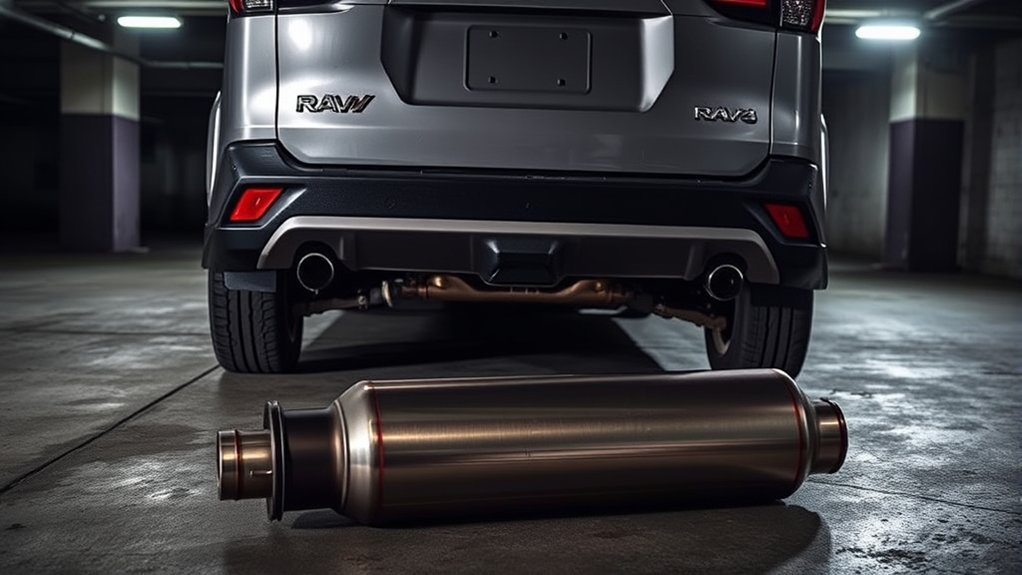
The total cost of protection cannot be reduced to one permanent online price. Products, promotions, taxes, shipping, dealer labor, and local shop rates change over time.
| Cost Factor | What to Check |
|---|---|
| Shield purchase | Material, vehicle-specific coverage, included hardware, seller, taxes, and shipping |
| Installation | Dealer or independent-shop labor, underbody access, and whether existing parts are damaged or corroded |
| Identification marking | VIN etching, high-temperature marking, or a local law-enforcement marking event |
| Parking security | Motion lighting, cameras, alarms, gate access, or garage improvements |
| Future service | Whether technicians must remove and reinstall the shield for exhaust or underbody repairs |
| Insurance deductible | Your comprehensive deductible compared with the expected replacement and repair cost |
Before buying, compare the complete installed cost rather than a temporary sale price. Also confirm whether the product’s written terms cover manufacturing defects, missing hardware, surface condition, or installation issues. A product warranty does not normally promise that theft cannot occur.
Practical Catalytic-Converter Theft Prevention
The strongest approach combines several deterrents. A thief may bypass one precaution, but multiple visible obstacles increase time, noise, exposure, and difficulty.
- Use a locked garage when possible. Close the garage door even when you are home.
- Choose a visible parking space. Park near entrances, foot traffic, lighting, or active security cameras.
- Install a vehicle-specific shield. Use secure hardware and inspect it periodically for looseness or tampering.
- Mark the converter. VIN engraving or approved identification marking can make the part easier to trace and harder to sell openly.
- Use motion lighting and cameras. Position cameras to capture people approaching the vehicle and record useful identifying details.
- Activate the vehicle alarm. A tilt, vibration, or shock-sensitive system may add another layer of deterrence when properly adjusted.
- Watch for tampering. Check for loose panels, missing fasteners, fresh scratches, metal shavings, or partial cuts.
- Share verified local alerts. Report suspicious activity and confirmed theft patterns to property management or local law enforcement.
Avoid improvised strategies such as parking over mud, puddles, curbs, or unstable surfaces. They are not substitutes for secure parking and may create access, traction, or vehicle-damage problems.
Insurance and Warranty Coverage
Auto Insurance
Catalytic-converter theft is generally treated as theft damage under optional comprehensive coverage, subject to the language of your policy. Liability-only coverage normally does not pay for theft of your own vehicle parts.
Your deductible applies before the insurer pays a covered claim. The claim may include more than the converter because thieves can damage oxygen sensors, wiring, heat shields, exhaust pipes, and nearby underbody components.
Contact the insurer before authorizing non-emergency repairs when your policy requires an inspection, estimate, approved shop, or police report.
Federal Emissions Warranty
The EPA explains that catalytic converters are among the major emissions components generally covered for eight years or 80,000 miles, whichever comes first, when a qualifying defect in materials or workmanship occurs. Your Toyota warranty guide contains the terms that apply to your exact vehicle.
Theft, attempted-theft damage, collision damage, misuse, and unauthorized modification are different from a manufacturing defect and are not automatically covered by the emissions warranty.
Related Guides
Frequently Asked Questions
Does every Toyota RAV4 have a catalytic converter?
Gasoline, hybrid, and plug-in-hybrid RAV4 models have catalytic converters because they use gasoline engines. Battery-electric RAV4 EV models do not have converters because they produce no engine exhaust.
How many catalytic converters does a Toyota RAV4 have?
The number and arrangement vary by model year, engine, powertrain, market, and emissions specification. Use your VIN with Toyota’s parts catalog or ask a qualified service department for the exact configuration.
What are the signs of a failing catalytic converter?
Possible signs include a check-engine light, reduced power, poor fuel economy, rattling, unusual exhaust odor, or a failed emissions test. Other engine and sensor problems can cause similar symptoms, so diagnosis should come before replacement.
How do I know whether my RAV4’s converter was stolen?
A stolen converter usually causes an immediate, extremely loud exhaust sound. You may also see cut pipes, hanging wiring, missing underbody parts, or fresh tool marks. Turn the vehicle off and inspect only from a safe position.
How can I report catalytic-converter theft?
Contact your local police department and provide the VIN, license plate, theft location, approximate time, photographs, witness information, and available camera footage. Keep the report number for your insurer and repair records.
Does insurance cover a stolen catalytic converter?
Optional comprehensive coverage may cover catalytic-converter theft and related damage, subject to your deductible, exclusions, claim requirements, and policy limits. Liability-only insurance normally does not cover theft of your own vehicle parts.
Can I install a catalytic-converter shield myself?
Some shields are designed for bolt-on installation, but you still need the exact product, correct tools, safe underbody access, proper lifting points, and the manufacturer’s instructions. Never work beneath a vehicle supported only by a jack. Use professional installation when you lack rated stands, ramps, a lift, or suitable experience.
Can I drive my RAV4 after the converter is stolen?
Driving is not recommended when the exhaust has been cut. The vehicle may be extremely loud, release hot exhaust beneath the cabin, damage sensors or wiring, and violate emissions or noise rules. Arrange towing or obtain instructions from a qualified repair shop and insurer.
What are the environmental benefits of a catalytic converter?
A functioning catalytic converter reduces harmful tailpipe pollutants by changing carbon monoxide, unburned hydrocarbons, and nitrogen oxides into less harmful substances. It helps the vehicle meet emissions requirements and reduces its effect on local air quality.
Conclusion
Your gasoline, hybrid, or plug-in-hybrid Toyota RAV4 uses a catalytic converter to control engine emissions. A battery-electric RAV4 EV does not need one because it has no gasoline engine or exhaust.
If theft is a concern, start with exact vehicle identification and use several deterrents together. Secure parking, lighting, cameras, converter marking, an alarm, and a correctly fitted shield can make your RAV4 a more difficult target. No shield guarantees protection, so keep your insurance details, VIN, product records, and repair information accessible.
After a suspected theft, shut the vehicle off, document the damage, contact police and your insurer, and arrange a professional inspection. Use only a legal, emissions-compliant replacement that matches your RAV4’s VIN and local requirements.
Sources
- U.S. Environmental Protection Agency: Emission Standards Reference Guide — supports the explanation of regulated vehicle pollutants.
- U.S. Environmental Protection Agency: Transportation and Emissions FAQs — supports federal emissions-warranty information.
- Toyota: RAV4 EV — confirms that the discontinued RAV4 EV is a battery-electric vehicle.
- Toyota RAV4 Warranty and Maintenance Guide — provides Toyota-specific emissions-warranty information.
- National Insurance Crime Bureau: Catalytic Converter Theft Guidance — supports theft-risk and prevention recommendations.
- Toyota Parts: Catalytic Converter Shield — supports vehicle-specific shield, material, hardware, and installation considerations.

