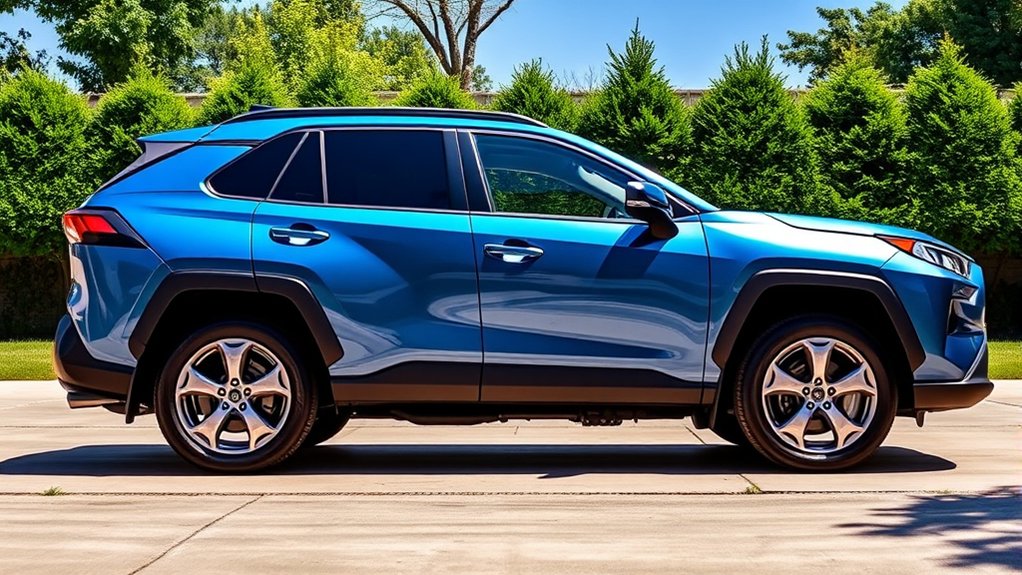
Honda Accord tires wearing on the outside edge usually point to one of two different problems: one outer shoulder wearing faster often suggests wheel alignment or steering/suspension geometry, while both shoulders of the same tire commonly point to chronic underinflation. Center tread wear is the more typical overinflation pattern. Identify the pattern first, then correct the cause before installing another tire.
Last updated: September 19, 2026
Affiliate disclosure: As an Amazon Associate I earn from qualifying purchases.
Quick Answer
If only one outside shoulder of a Honda Accord tire is wearing, check cold Honda Accord tire pressure first, then have the wheel alignment and steering/suspension inspected. Excessive positive camber, incorrect toe, or worn parts can create one-sided wear. If both shoulders are worn while the center still has more tread, underinflation is the stronger suspect. Overinflation typically wears the center, not the outer edges.
Key Takeaways
- One-sided outer-shoulder wear commonly points to camber, toe, or a worn or damaged steering/suspension component.
- Wear on both shoulders of one tire commonly points to underinflation; center wear is the more typical overinflation pattern.
- Worn shocks or struts more often create cupping, scalloping, bouncing, or poor body control than smooth one-sided shoulder wear.
- On recent Accords, Honda Maintenance Minder subcode 1 calls for tire rotation; follow your exact model-year manual rather than a universal mileage rule.
- Replace or professionally inspect a tire immediately if cords are exposed, a bulge or tread separation appears, or tread reaches the wear indicators.
What’s in This Article
- What Does Your Honda Accord Tire Wear Pattern Mean?
- What Causes Outside Edge Tire Wear on a Honda Accord?
- Common Causes of Uneven Tire Wear
- How Wheel Alignment Affects Tire Wear
- How Tire Pressure Influences Outer Edge Wear
- How Suspension Problems Cause Outside Edge Wear
- How Driving Habits Lead to Uneven Tire Wear
- Signs of Outside Edge Tire Wear and When to Act
- Why Regular Tire Maintenance Matters
- How to Fix and Prevent Outside Edge Tire Wear
- When to See a Professional
- Frequently Asked Questions
What Does Your Honda Accord Tire Wear Pattern Mean?
Start with the shape of the wear before assuming the car needs an alignment. Different tread patterns point to different first checks.
| Wear Pattern | Likely Direction | What to Check First |
|---|---|---|
| One outer shoulder | Camber, toe, steering or suspension wear, impact damage, repeated hard cornering | Cold pressure, then four-wheel alignment and suspension/steering inspection |
| Both shoulders, center less worn | Chronic underinflation or excessive loading | Cold pressure and Tire and Loading Information label |
| Center tread wears faster | Overinflation or pressure/load mismatch | Cold pressure against the vehicle placard |
| Feathered or saw-tooth tread | Toe alignment or loose steering/suspension parts | Alignment measurement and front/rear suspension inspection |
| Cupped or scalloped high/low spots | Wheel imbalance, worn shocks/struts, or suspension looseness | Balance, tire/wheel condition, dampers, and suspension |
Do not diagnose from one glance at the center tread. Compare the inside, center, and outside of all four tires, and measure the shallowest area with a tread-depth gauge. For broader patterns such as inner-edge wear or cupping, see the Honda Accord uneven tire wear guide.
What Causes Outside Edge Tire Wear on a Honda Accord?
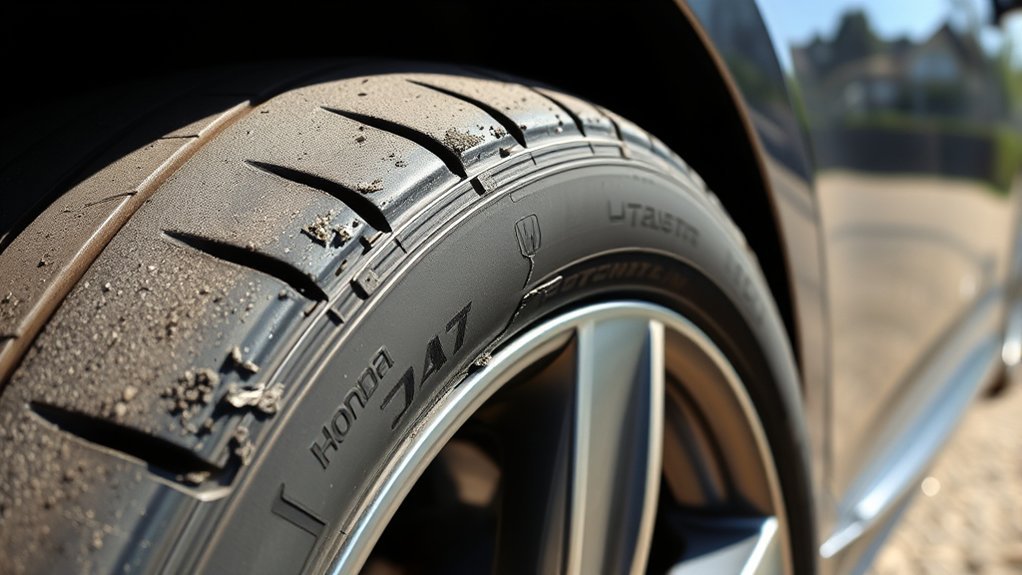
Outside-edge wear does not have one universal cause. If only one shoulder is worn, excessive positive camber, incorrect toe, a bent or loose steering/suspension component, or repeated hard cornering deserves attention. If both shoulders are wearing, chronic low tire pressure is a more typical explanation.
Tire rotation helps distribute normal differences in wear between wheel positions, but rotation cannot correct an alignment or mechanical fault. On recent Accords, Honda identifies tire rotation with Maintenance Minder subcode 1. Use your exact model-year guidance and tire warranty rather than treating one mileage number as universal. See the Honda Accord tire rotation schedule for the rotation-specific details.
Suspension and steering condition matter because the wheels must stay at the intended angles while the car is moving. Loose tie-rod ends, ball joints, control-arm bushings, or impact-damaged components can let toe or camber move out of specification and wear one shoulder rapidly.
Common Causes of Uneven Tire Wear
The main causes can overlap, so diagnose them in order instead of replacing parts based only on appearance:
- Alignment outside specification: Excessive positive camber can load the outside shoulder, while incorrect toe can scrub the tread and create feathering or edge wear.
- Chronic underinflation: Low pressure shifts more load toward both shoulders and generates extra heat.
- Loose or damaged steering/suspension parts: Worn bushings, tie rods, ball joints, or bent parts can prevent the alignment from staying in specification.
- Wheel imbalance or worn dampers: These are stronger suspects when the tread is cupped or scalloped rather than smoothly worn on one edge.
- Repeated hard cornering: High lateral load can work the outer shoulder harder, particularly when combined with low pressure or marginal alignment.
If a new tire develops the same pattern as the old one, the underlying cause is still present. Correct pressure, alignment, balance, or suspension faults before sacrificing another tire.
How Wheel Alignment Affects Tire Wear
Wheel alignment controls how the tires point and lean relative to the road. For outside-shoulder wear, camber and toe deserve the most attention:
- Positive camber: When the top of the wheel leans too far outward, the outside shoulder can carry more load.
- Incorrect toe: A wheel that points too far inward or outward scrubs across the road instead of rolling cleanly. Feathering is a common clue.
- Worn components: Loose tie rods, ball joints, bushings, or other parts can let the alignment change while driving.
- Road impacts: A hard pothole or curb strike can bend a wheel or component or move alignment outside specification.
There is no single alignment mileage that fits every Honda Accord generation. Have the alignment checked when you see one-sided wear, the car pulls on a straight level road, the steering wheel sits off-center, or after a significant impact or relevant suspension/steering repair. Check your exact model-year manual if it gives a scheduled inspection interval.
Pro tip: Ask the shop for a before-and-after alignment printout showing camber, caster, and toe. If a reading cannot be brought into specification, ask which worn, bent, or non-adjustable component is preventing correction.
How Tire Pressure Influences Outer Edge Wear
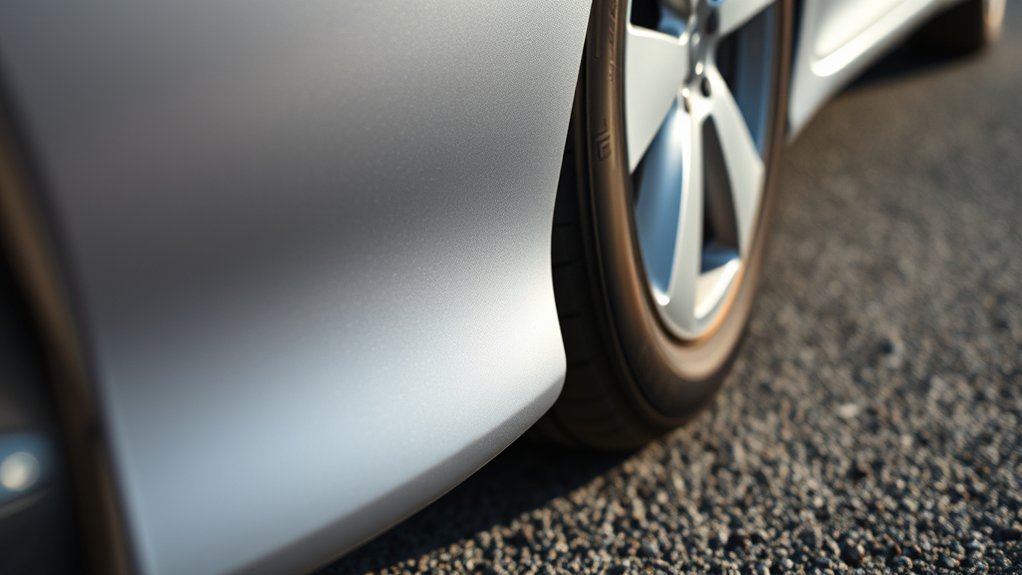
Tire pressure changes the shape of the contact patch. For outside-edge diagnosis, the direction matters: underinflation commonly wears both shoulders, while overinflation more commonly wears the center. Check pressure when the tires are cold and compare it with the Tire and Loading Information label on the driver-side door area, not the maximum pressure printed on the tire sidewall.
Tire Pressure Effects
- Underinflation: More load shifts toward the shoulders, the sidewall flexes more, heat increases, and both outer edges can wear faster.
- Overinflation: More load is concentrated toward the center of the tread, so center wear is the more typical pattern.
- Correct pressure: The vehicle manufacturer’s cold-pressure specification gives the tire the intended shape and load distribution.
- Monthly checks: Honda and NHTSA guidance supports checking tire pressure regularly rather than waiting for a TPMS warning.
Can Overinflation Cause Outside Edge Wear?
Overinflation is not the normal explanation for isolated outer-shoulder wear. Too much air typically reduces the contact patch and concentrates more load toward the center tread, so the center wears faster. If your Accord has one bald outside shoulder, focus first on alignment, steering/suspension condition, and repeated hard cornering.
Set pressure to the cold PSI shown on the vehicle placard. Do not intentionally lower or raise pressure to “correct” a wear pattern without first confirming the manufacturer’s specification.
Underinflation Consequences Highlighted
Chronic underinflation produces a different pattern:
- Shoulder loading: Low pressure lets more of the tire’s shoulders carry the vehicle’s load.
- Heat buildup: Greater sidewall flex creates extra heat and reduces tire durability.
- Both-edge wear: The inner and outer shoulders can wear faster than the center.
- Higher failure risk: Severe or prolonged underinflation can contribute to tire damage and failure.
Warning: If a tire is visibly low, repeatedly loses pressure, has a bulge, exposed cords, tread separation, or severe vibration, do not treat it as a routine pressure adjustment. Have it inspected before normal driving.
For a step-by-step pressure check, use the Honda Accord tire pressure guide.
How Suspension Problems Cause Outside Edge Wear
Steering and suspension faults can create outside-edge wear when they let the wheel move away from its intended toe or camber. Loose tie-rod ends, worn ball joints, damaged control-arm bushings, sagging springs, or impact-damaged parts can all change wheel geometry under load.
Worn shocks and struts deserve slightly different treatment. Weak dampers are more commonly associated with cupping or scalloping, excessive bouncing after road bumps, nose dive, body float, or poor control rather than a smooth strip of wear on only one shoulder.
Note: Smooth one-sided shoulder wear points more strongly toward alignment geometry or a part that is allowing that geometry to move. Repeating high-and-low cups around the tread point more strongly toward balance, damping, or suspension problems.
A driveway bounce check may reveal a severely failed damper, but it cannot prove that a strut is healthy. Look for fluid leakage, damaged mounts, excessive bouncing after real road bumps, nose dive, body roll, or cupped tread, and have the suspension inspected when those symptoms appear.
How Driving Habits Lead to Uneven Tire Wear
Driving style can accelerate an existing edge-wear problem, but it should not replace mechanical diagnosis.
- Repeated hard cornering: High lateral load works the outer shoulders harder, especially on the outside tire in a turn.
- Fast ramps and repeated same-direction turns: A route with frequent hard turns can create a consistent shoulder-loading pattern over time.
- Pothole and curb impacts: The impact itself can damage a tire, bend a wheel or component, or move alignment outside specification.
- Heavy braking and acceleration: These increase general tire wear but do not by themselves diagnose an isolated outside shoulder.
If ordinary street driving is producing rapid outer-edge wear, check pressure and mechanical geometry instead of blaming driving style alone.
Signs of Outside Edge Tire Wear and When to Act
Inspect all four tires and compare the inside, center, and outside tread. Important clues include:
- One outer shoulder is visibly lower: Alignment or steering/suspension geometry deserves attention.
- Both shoulders are lower than the center: Check cold inflation pressure and vehicle load first.
- Feathered tread blocks: Toe alignment or steering/suspension looseness may be scrubbing the tread sideways.
- Cupped or scalloped tread: Inspect balance, shocks/struts, tire/wheel condition, and suspension.
- Tread at 2/32 inch or level with the wear indicators: NHTSA says the tire should be replaced.
- Exposed cords, bulges, separation, rapid air loss, or severe vibration: Stop treating the problem as ordinary wear and have the tire inspected before normal driving.
Do not measure only the center groove. One shoulder can become unsafe while the center still looks acceptable. A tread-depth gauge makes it easier to compare several points across and around the tire.
Why Regular Tire Maintenance Matters

Honda recommends regular tire-pressure and tread inspections, and NHTSA advises checking pressure at least monthly when the tires are cold. Use the vehicle’s Tire and Loading Information label for the correct pressure.
For tire rotation, recent Accord Maintenance Minder guidance uses subcode 1 rather than one universal mileage interval. Follow the Maintenance Minder or your exact model-year owner’s manual first. If your tire manufacturer or warranty uses a mileage-based schedule, follow that requirement; USTMA gives 5,000 to 8,000 miles as general tire-industry guidance.
Alignment is different from rotation. Do not automatically buy an alignment every few thousand miles if the vehicle tracks straight and the tires wear evenly. Have it checked after a significant impact, when the steering wheel is off-center, when the car pulls on a level road, after certain steering/suspension repairs, or when one-sided wear appears.
On recent Accords with Honda’s indirect TPMS, Honda instructs drivers to start TPMS calibration after adjusting tire pressure, rotating tires, or replacing tires. The menu and procedure vary by model year, so follow the owner’s manual for your exact Accord.
Proper inflation also helps fuel economy. The U.S. Department of Energy reports that keeping tires properly inflated can improve gas mileage by about 0.6% on average and by as much as 3% in some cases.
How to Fix and Prevent Outside Edge Tire Wear
Use the wear pattern to choose the repair instead of starting with a parts list. A reliable sequence is:
- Check all four tires for structural damage, bulges, cords, cuts, or separation.
- Measure cold pressure and set it to the driver-door placard specification.
- Measure tread depth at the inside, center, and outside of each tire.
- If one edge is worn, inspect alignment, steering, and suspension.
- If the tread is cupped or the car vibrates at speed, check wheel/tire balance and damper condition.
- Repair the cause before installing another tire whenever possible.
Regular Tire Maintenance
- Check cold tire pressure at least monthly and before long trips.
- On recent Accords, rotate tires when Maintenance Minder subcode 1 calls for it; otherwise follow the exact owner’s manual and tire warranty.
- Inspect tread across the full width rather than checking only the middle groove.
- Replace a tire when it reaches its wear indicators or has structural damage that makes continued use unsafe.
- Recalibrate TPMS after tire service when your model-year Honda procedure requires it.
Proper Wheel Alignment
An alignment can stop future geometry-related wear, but it cannot restore rubber that has already worn away. Get an alignment measurement when outside-edge wear is one-sided, the steering wheel is off-center, the Accord pulls on a level road, or a hard impact or suspension repair may have changed the geometry.
Ask the technician to inspect for looseness before making adjustments and to provide a before-and-after printout. If camber or toe cannot be brought into Honda’s specification, the car may need a worn or bent component repaired before the alignment will hold.
Monitor Driving Habits
- Corner smoothly: Reducing repeated hard cornering lowers shoulder loading.
- Avoid impacts where possible: Slow for potholes and avoid curb strikes that can damage tires, wheels, or alignment.
- Do not compensate with pressure: Keep pressure at the vehicle placard specification instead of adding or removing air to change handling.
- Recheck the wear pattern: After correcting the cause, inspect the tires monthly to confirm the abnormal wear is no longer progressing.
When to See a Professional
Take your Honda Accord to a qualified tire or repair shop when the wear suggests more than a simple pressure correction. Professional inspection is especially important if:
- One outside shoulder continues wearing after pressure has been corrected.
- The car pulls on a straight, level road or the steering wheel sits off-center.
- You feel speed-specific vibration, shaking, clunking, or looseness.
- The tread is cupped or scalloped.
- A tire reaches the wear indicators or approximately 2/32 inch of tread.
- Cords are visible, a sidewall bulges, the tread is separating, or the tire repeatedly loses air.
- A tie rod, ball joint, control-arm bushing, strut, spring, wheel, or other suspension/steering component appears damaged.
A useful professional inspection should separate the systems instead of assuming every symptom is “alignment.” Ask for cold-pressure verification, tire and wheel condition, balance if vibration is present, steering/suspension play, and a four-wheel alignment measurement when one-sided or feathered wear points to geometry.
Frequently Asked Questions
What causes excessive wear on the outside edge of a Honda Accord tire?
If only one outside shoulder is wearing, common suspects include excessive positive camber, incorrect toe, worn or damaged steering/suspension parts, or repeated hard cornering. Check cold tire pressure first, then have alignment and suspension measured if the wear is one-sided or continues.
What causes a Honda Accord tire to wear on both outside edges?
Wear on both shoulders while the center retains more tread commonly points to chronic underinflation or excessive loading. Check the tire when cold and use the PSI on the driver-side Tire and Loading Information label, not the maximum pressure molded into the tire sidewall.
Does overinflation cause outside edge tire wear?
Usually not. Chronic overinflation more commonly wears the center of the tread because more load is concentrated there. One-sided outside wear is more consistent with alignment or mechanical geometry, while both-shoulder wear is more consistent with underinflation.
How often should I get a wheel alignment on my Honda Accord?
There is no single mileage interval that fits every Accord generation. Recent Honda Maintenance Minder guidance identifies tire rotation but does not use a universal alignment mileage. Have alignment checked when you see one-sided wear, pulling, an off-center steering wheel, or after a significant curb/pothole impact or relevant steering/suspension repair. Follow the manual for your exact model year if it specifies an inspection schedule.
How often should I rotate Honda Accord tires?
On recent Accords, follow Honda Maintenance Minder subcode 1 for tire rotation. If your exact model year, tire manufacturer, or tire warranty uses a mileage schedule, follow that requirement. USTMA gives 5,000 to 8,000 miles as general tire-industry guidance.
Can I drive with outside edge tire wear?
Mild wear does not automatically mean the tire will fail immediately, but do not judge safety from the center tread alone. Correct the underlying cause promptly and inspect the worn shoulder. Do not continue normal driving if cords are exposed, a bulge or tread separation is visible, the tire loses air rapidly, tread has reached the wear indicators, or the vehicle develops severe vibration or steering instability.
Conclusion
Outside-edge tire wear on a Honda Accord is easiest to diagnose when you identify the exact pattern first. One worn shoulder points more strongly toward alignment or a steering/suspension problem. Both shoulders point more strongly toward underinflation. Center wear points more strongly toward overinflation, while cupping deserves a balance and suspension check.
Start with a cold-pressure check and full-width tread inspection. Then use alignment measurements, suspension inspection, or wheel balancing only when the pattern supports them. Fixing the cause before replacing the tire gives the next tire a much better chance of wearing evenly.
References
- 2025 Accord Maintenance Minder — Maintenance Service Items — Honda
- 2024 Accord Tire Pressure Monitoring System (TPMS) and Calibration — Honda
- Tire Safety Ratings and Awareness — National Highway Traffic Safety Administration (NHTSA)
- Tire Wear Problems — Michelin USA
- Tire Care Essentials — U.S. Tire Manufacturers Association
- Efficient Driving and Vehicle Maintenance — U.S. Department of Energy, Alternative Fuels Data Center

