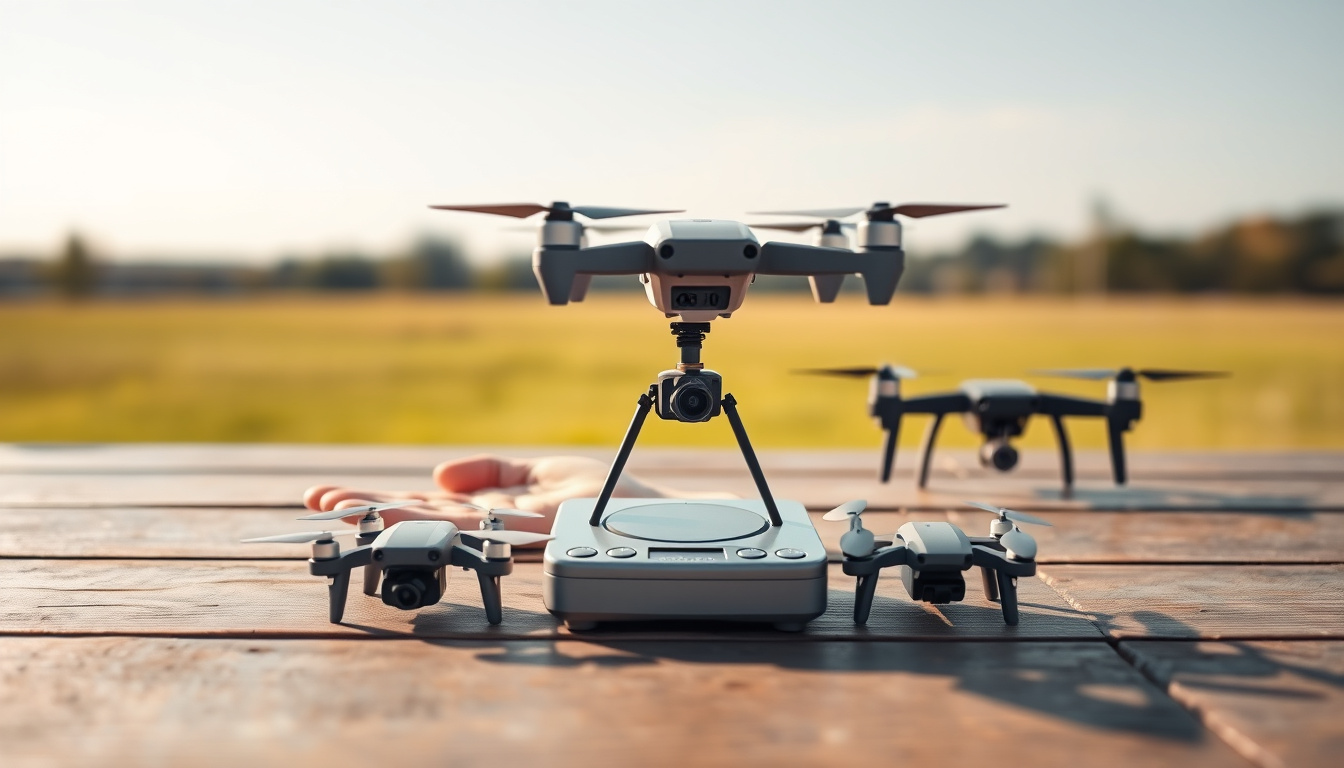
Shopping for a long-range drone under 100g with a camera usually starts with a surprise: most popular “mini” drones weigh more than that. The DJI Neo is 135 g, and the DJI Mini 3 and RUKO U11MINI 4K sit just under 250 g. This guide separates the true sub-100 g camera drones from the near misses, then shows how far they really fly, what their cameras deliver, and which rules apply.
Quick Answer
No sub-100 g camera drone combines long range with stabilized, easy flying. The 80 g Ryze Tello and 99 g HoverAir X1 Smart fly short, close-range flights, and FPV micro-whoops with DJI’s 8.2 g O4 Air Unit reach far but need goggles. For usable range, step up to the 135 g DJI Neo with RC-N3 or a 249 g-class drone.
Last checked: October 7, 2026. Dates and figures were verified against official sources.
Key Takeaways
- Weight means takeoff weight with the battery and propellers. By that measure, the DJI Neo (135 g), DJI Mini 3 (248 g) and RUKO U11MINI 4K (about 248 g) are all over 100 g.
- True sub-100 g camera drones are the Ryze Tello (80 g), the HoverAir X1 Smart (99 g), toy drones, and FPV micro-whoops.
- Expect about 5 to 13 minutes of flight below 100 g, compared with 18 minutes for the Neo and 38 minutes for the Mini 3.
- In the UK, drones under 100 g need no Flyer ID or Operator ID. Since January 1, 2026, camera drones of 100 g or more need both.
- In the US, recreational drones under 250 g need no FAA registration, but you still must pass the TRUST test and keep the drone in sight.
Best Drones Under 100g With a Camera
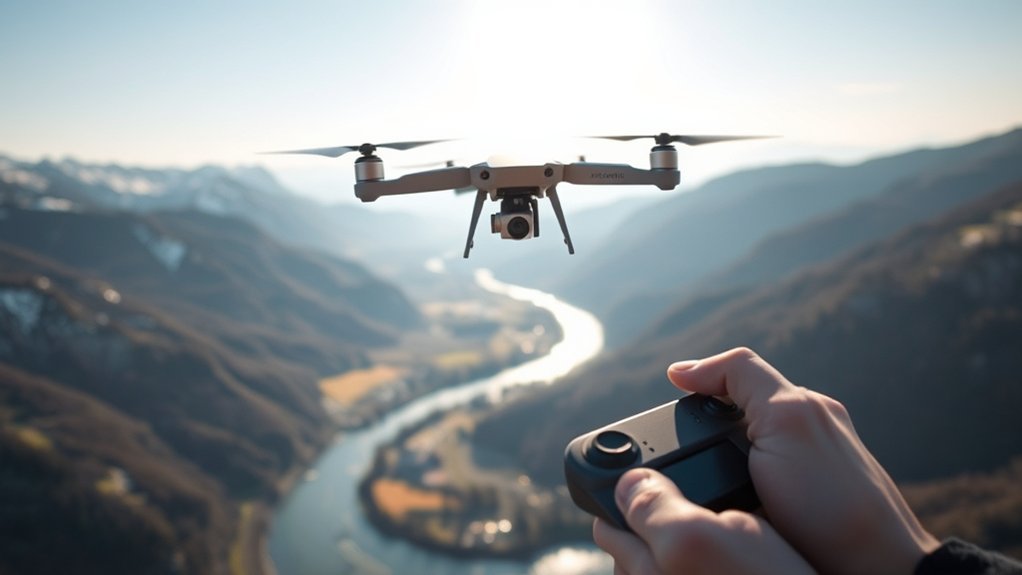
The best drones under 100g with a camera are the Ryze Tello for learning, the HoverAir X1 Smart for hands-free selfie video, and DJI O4 micro-whoops for the sharpest footage. None of them pairs long range with a 3-axis gimbal. That combination only starts around 249 g.
Ryze Tello (80 g): Best Sub-100g Starter Drone
The Tello weighs about 80 g with its battery and propellers, according to the official Ryze Tello specifications. It shoots 5 MP photos and 720p/30fps video with electronic stabilization, and flies for up to 13 minutes.
Its Wi-Fi link limits flights to about 100 m away and 30 m high. That is fine for practice in a park, but it is not a long-range drone.
HoverAir X1 Smart (99 g): Best for Hands-Free Video
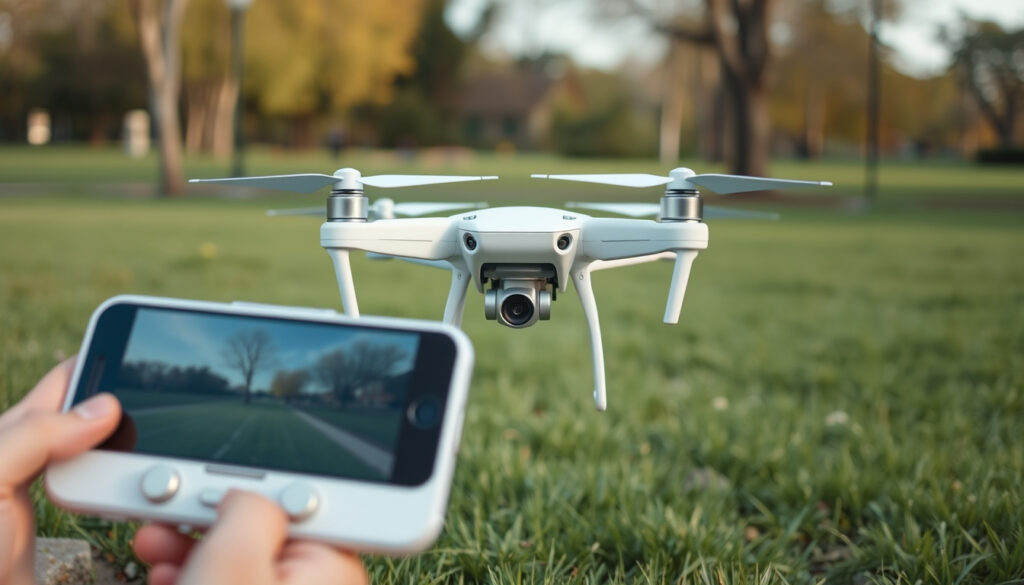
Zero Zero Robotics cut its 125 g HoverAir X1 down to 99 g to create the X1 Smart. It first launched for Japan’s 100 g rule and has since come to the UK at £359. It records 2.7K/30fps video, takes off from your palm, and flies preset paths around you inside a fully enclosed frame.
It is a flying selfie camera, not a long-range drone. The standard X1 streams live view only up to about 30 m, so expect the X1 Smart to stay similarly close.
DJI O4 FPV Micro-Whoops: Best Image Quality Under 100g
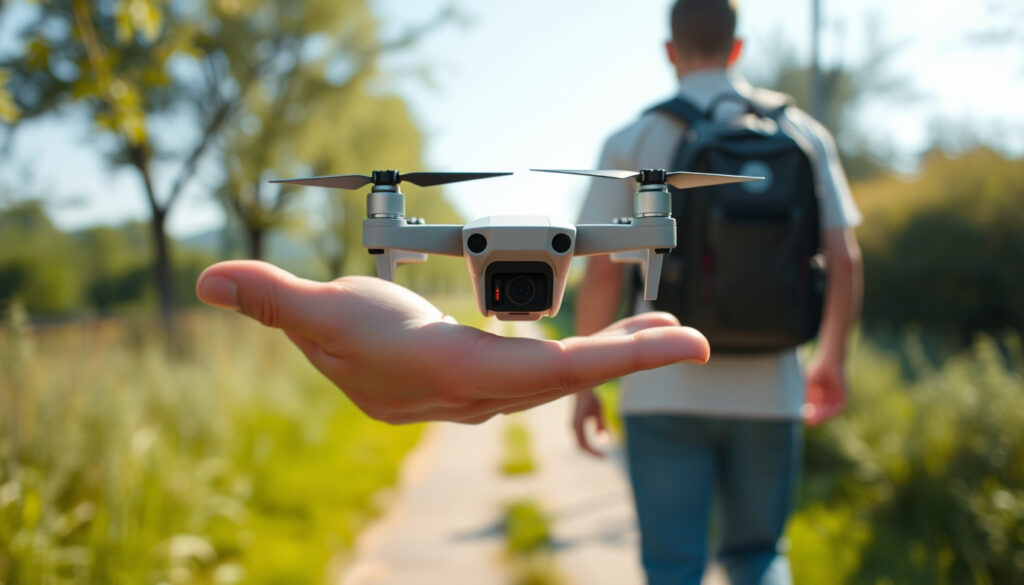
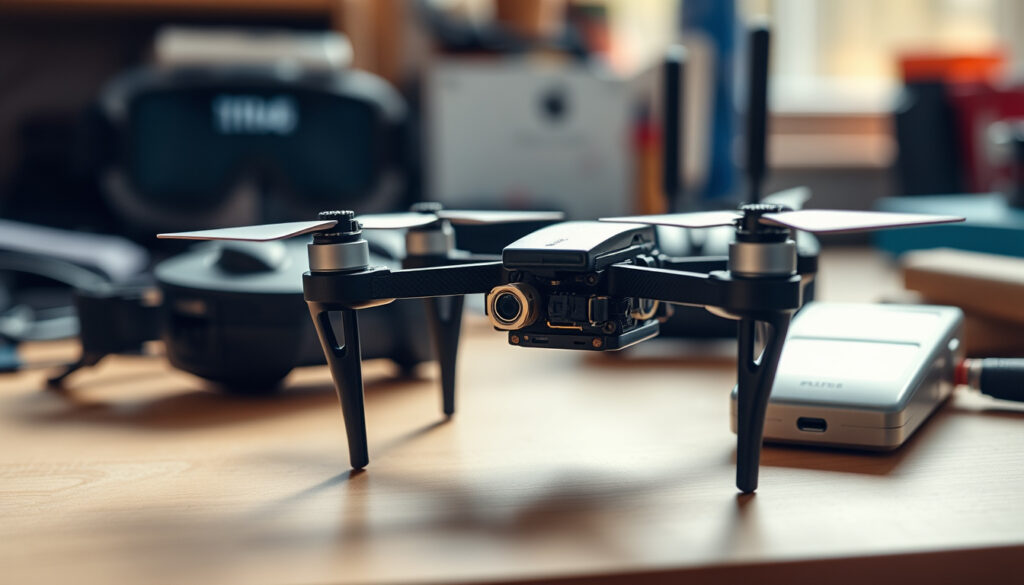
The only way to get a long-range digital link under 100 g is an FPV micro-whoop built around the DJI O4 Air Unit. The module weighs about 8.2 g with its camera and uses a 1/2-inch sensor. It records 4K/60fps and is rated for up to 10 km (FCC) or 6 km (CE) with DJI Goggles 3 or Goggles N3.
A ready-built example is the BetaFPV Meteor75 Pro O4. It weighs 37.2 g before its single-cell battery and flies about 5.5 minutes. Some stores now list it as discontinued; the Meteor65 Pro O4 is its smaller sibling. You need goggles, an FPV radio and manual flying skills, so this is not a beginner path.
Toy Camera Drones
Mini toys such as the Potensic A20W weigh under 30 g and carry a basic 480p camera. They suit indoor practice and kids, not aerial photography.
Popular “Mini” Drones That Weigh More Than 100g
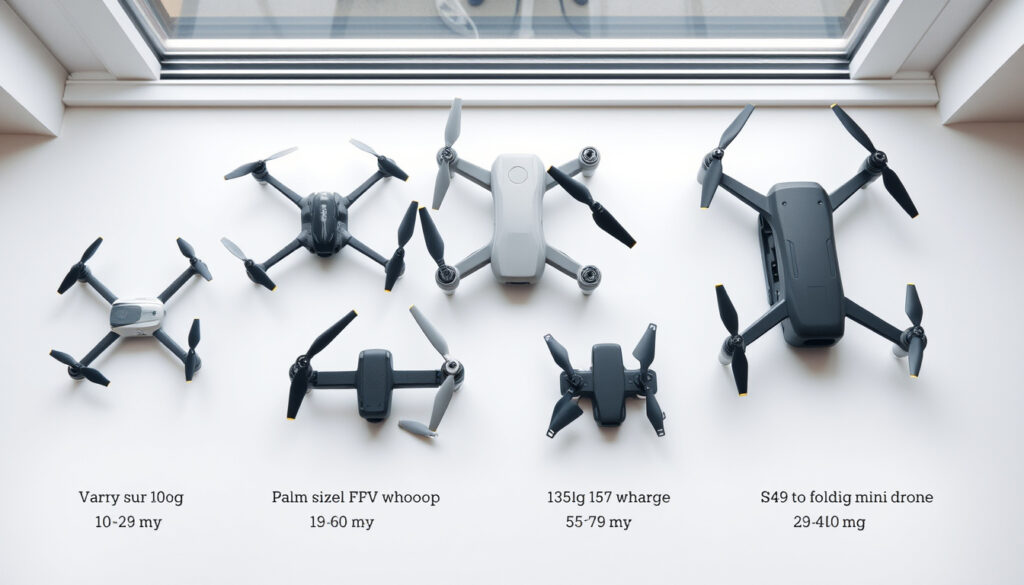
Many lists that claim to cover drones under 100 g actually feature heavier models. The DJI Neo weighs 135 g, the DJI Neo 2 weighs 151 g, the DJI Mini 3 weighs 248 g, and the RUKO U11MINI 4K is listed at about 248 g. The Holy Stone HS720 series weighs roughly 375 to 465 g, and the Hubsan Zino Pro weighs 700 g.
| Drone | Takeoff weight | Camera | Max range (rated) | Max flight time |
|---|---|---|---|---|
| Ryze Tello | 80 g | 5 MP photos, 720p/30fps video, EIS | 100 m | 13 min |
| BetaFPV Meteor75 Pro O4 | 37.2 g plus battery | DJI O4: 1/2-inch sensor, 4K/60fps, EIS | Up to 10 km (FCC) with DJI Goggles | About 5.5 min |
| DJI Neo | 135 g | 1/2-inch sensor, 12 MP, 4K/30fps, single-axis gimbal | 50 m by phone; 10 km (FCC) or 6 km (CE) with RC-N3 | 18 min |
| DJI Mini 3 | 248 g | 1/1.3-inch sensor, 48 MP, 4K/30fps, 3-axis gimbal | 10 km (FCC) or 6 km (CE) | 38 min |
| RUKO U11MINI 4K | About 248 g | 1/2-inch sensor, 8K photos, 4K/30fps, 3-axis gimbal | 6 km (brand claim) | About 32 min per battery |
| Hubsan Zino Pro | 700 g | 4K/30fps, 3-axis gimbal | 4 km | 23 min |
These ranges are manufacturer figures measured in open, interference-free conditions. FCC figures apply in the US, and the lower CE figures apply in Europe.
Best 100g Drone for Beginners
The best true sub-100g drone for beginners is the Ryze Tello. It holds a steady hover indoors and costs little to crash. If you can accept 135 g, the DJI Neo is easier still and shoots far better 4K video.
As a beginner, look for three things: automatic hover hold, a stabilized camera, and enough flight time to practice without constant battery swaps.
Easy Flight Controls
Easy flight controls come from sensors that hold the drone in place, so you only have to steer. The Tello uses a downward vision system and range finder to hover steadily. The DJI Neo adds palm takeoff and landing, automatic shooting modes, and control by app, voice or the optional RC-N3 controller.
| Feature | Function | Benefit |
|---|---|---|
| Vision positioning | Holds a steady hover | Fewer corrections indoors and in calm air |
| Subject tracking | Follows and frames you | Video without stick work |
| Return-to-home | Flies back on low battery or lost signal | Safer flights; needs GPS, so most sub-100 g toys lack it |
Keep in mind that the Neo is not a sub-100g drone. At about 135 g, it needs a Flyer ID and an Operator ID in the UK, although US recreational pilots can still skip FAA registration.
Camera Quality Basics
Camera quality depends mostly on sensor size and stabilization, not megapixels. Below 100 g, video ranges from the Tello’s 720p to 4K/60fps on DJI’s O4 Air Unit. Most models rely on electronic stabilization rather than a mechanical gimbal.
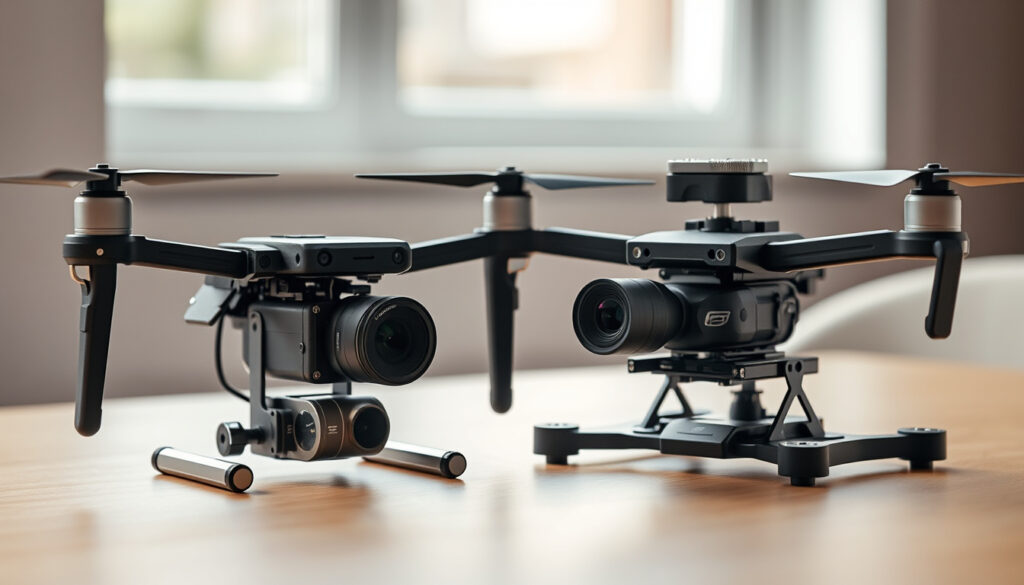
The largest sensor you’ll typically find at this weight is 1/2-inch CMOS, as in the O4 Air Unit. The 135 g Neo uses the same sensor size on a single-axis gimbal. A 3-axis gimbal, which keeps the horizon level in wind, first appears on 249 g-class drones such as the Mini 3 and the RUKO U11MINI 4K.
Range And Battery
Expect about 100 m of range and 5 to 13 minutes of flight from most sub-100g camera drones. The Tello is rated for 100 m and 13 minutes. O4 micro-whoops can transmit much farther, but their roughly 5.5-minute batteries limit how far you can go and still get back.
Step up to the 135 g Neo and you get about 18 minutes per battery, according to the DJI Neo specs. Its range is 50 m when flown from a phone, or up to 10 km (FCC) and 6 km (CE) with the RC-N3 controller. Return-to-home matters more as range grows, and GPS-equipped drones such as the Mini 3 handle it best.
Best Long-Range 100g Camera Drone
On paper, the longest-range camera drone under 100g is an FPV micro-whoop with the DJI O4 Air Unit, rated for up to 10 km (FCC). In practice, a 5.5-minute battery and line-of-sight rules make that range unusable. For most buyers, the 135 g DJI Neo with the RC-N3 controller is the closest practical long-range pick.
| Model | Range / Imaging |
|---|---|
| DJI Neo (135 g) | Up to 10 km (FCC) with RC-N3 / 12 MP, 4K/30fps |
| DJI Mini 3 (248 g) | Up to 10 km (FCC) / 48 MP, 4K/30fps, 3-axis gimbal |
| RUKO U11MINI 4K (about 248 g) | Up to 6 km (brand claim) / 8K photos, 4K/30fps |
If weight matters less than results, the DJI Mini 3 has the strongest camera here, with a 1/1.3-inch sensor and 38 minutes of rated flight time. The RUKO U11MINI 4K focuses on endurance, with about 32 minutes per battery and 64 minutes across two batteries. The DJI Avata 2 reaches about 8 miles with 4K/60fps HDR video, but at 377 g it sits well outside the ultralight category.
What Counts as a Drone Under 100g?
A drone counts as under 100g only if its takeoff weight stays below 100 g. Takeoff weight includes the battery, propellers, memory card, and anything else attached for the flight, not just the bare frame.
Below 100 grams, a drone falls under the lightest rules in places such as the UK and Japan, but only if it weighs less than 100 g with everything attached.
Accessories can push a drone into a heavier class. The DJI Mini 3 specs list 248 g with the standard battery but about 290 g with the larger Intelligent Flight Battery Plus. Similarly, the Neo 2 goes from 151 g to 160 g with its optional digital transceiver.
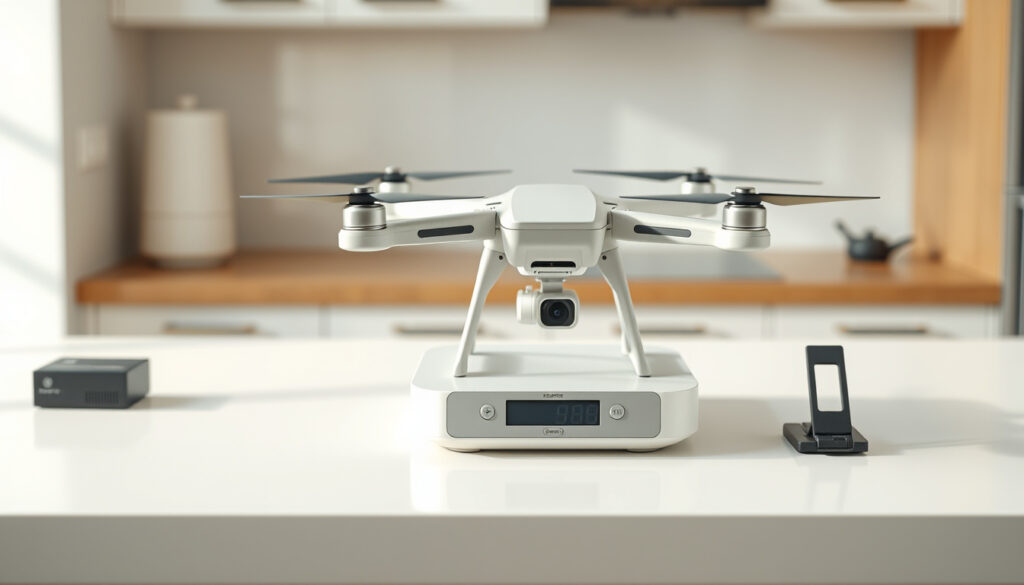
Pro Tip: Weigh your drone on a kitchen scale exactly as you’ll fly it, with the battery, propellers, guards and any mounts fitted. If the scale reads 100 g or more, the 100 g rules apply to you.
The 100 g line matters because regulators use it. Japan has required registration from 100 g since June 20, 2022, and the UK lowered its Flyer ID threshold from 250 g to 100 g on January 1, 2026. In the US, the key line is still 250 g.
Laws for Flying a 100g Drone
A sub-100g drone skips registration in the US, UK and Japan, but it doesn’t escape the flying rules. You still have to keep it in sight, stay low, and respect restricted airspace and local laws.
United States: Under the FAA’s rules for recreational flyers, you must register drones of 250 g (0.55 lb) or more. Every recreational pilot must pass the free TRUST test and carry proof of it, whatever the drone weighs. You must fly at or below 400 feet in uncontrolled airspace, and you need LAANC or DroneZone authorization for controlled airspace near airports. Remote ID applies to drones that require registration.
United Kingdom: Since January 1, 2026, you need a Flyer ID for any drone of 100 g or more, plus an Operator ID if it also has a camera. Under 100 g, neither ID is required, although the UK CAA’s registration rules recommend taking the Flyer ID test anyway.
Japan and the EU: Japan requires registration and Remote ID for drones of 100 g or more. In the EU, lightweight models such as the DJI Neo and Mini 3 carry the C0 class mark, the least restricted class.
US availability: Since December 22, 2025, the FCC’s Covered List has blocked equipment authorization for new foreign-made drone models. Models authorized before that date, including the Neo and Mini 3, can still be sold and flown legally.
These operating rules still apply at any weight:
- Keep the drone within your own visual line of sight, or use a visual observer standing next to you.
- State, county and city rules can add limits, such as bans on taking off in parks or near certain sites.
- In the US, flying for work, such as roof inspections or property photos, falls under the FAA’s Part 107 rules, whatever the drone weighs.
Note: Drone rules change often and differ by country. This section summarizes official sources as of October 2026 and isn’t legal advice, so confirm the rules for your location before you fly.
In short, the 100 g advantage is less paperwork, not fewer safety rules.
How Far Can a 100g Drone Really Fly?
Most sub-100g camera drones fly about 100 m from you, because they rely on Wi-Fi. Digital FPV links stretch much farther on paper, but battery life, wind and obstacles set the real limit long before the spec sheet does.
| Factor | Typical Effect | What It Means |
|---|---|---|
| Battery | 5–18 minutes below 150 g | Half the charge must bring the drone back |
| Wind | Light airframes drift | The Neo is rated for 8 m/s; most toys have no rating |
| Terrain | Hills and trees block the signal | Range drops sharply behind obstacles |
| RF noise | Crowded Wi-Fi spectrum | Mini 3 range falls to about 1.5–3 km in cities |
| Digital links (DJI O2/O4) | Stronger control | Wi-Fi toys reach about 100 m; O4 is rated for up to 10 km (FCC) |
Interference cuts range sharply, even on strong links. Under FCC rules, DJI rates the Mini 3 at about 1.5 to 3 km in urban areas, 3 to 6 km in suburbs, and 6 to 10 km in quiet seaside areas. Lighter drones with weaker links lose signal sooner.
Battery is the other ceiling. The Neo’s maximum flight distance on one battery is 7 km in still air, which works out to about 3.5 km out and back with no reserve. Your realistic range is always the shorter of two distances: half what your battery can cover, and how far your link holds.
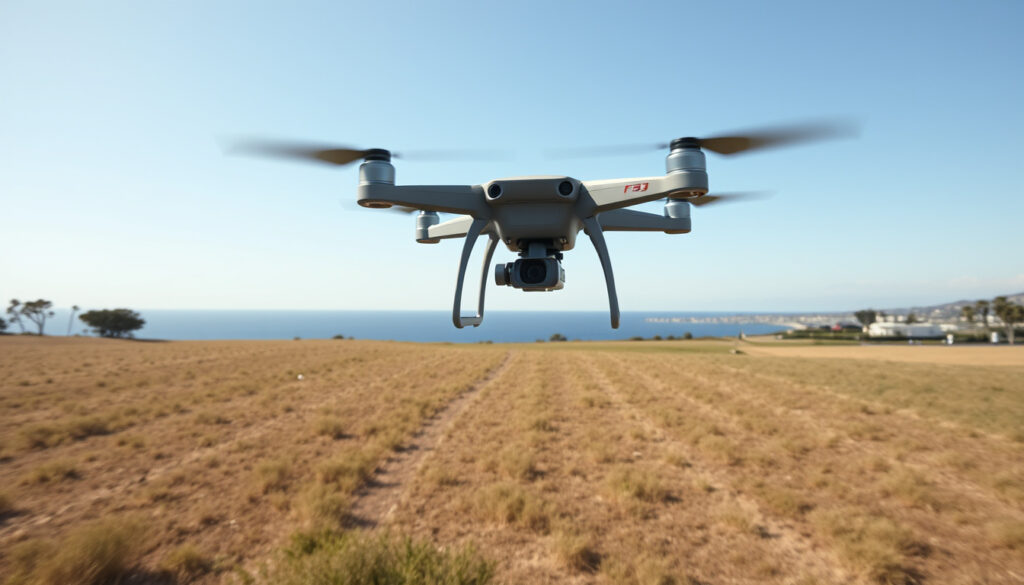
What Camera Quality Can You Expect?
From a drone under 100 g, expect usable daylight footage, not professional results. Video runs from 720p on the Tello to 4K/60fps on DJI’s O4 Air Unit, and photos usually range from 5 MP to 12 MP.
Sensor size and stabilization matter more than headline numbers. Sub-100g cameras mostly use sensors of 1/2 inch or smaller and electronic stabilization (EIS), which crops the frame to smooth out shake. Mechanical 3-axis gimbals and larger 1/1.3-inch sensors arrive at around 249 g, as on the DJI Mini 3.
- Under 100 g: 5 MP to 12 MP photos and 720p to 4K video, mostly with EIS.
- The 135 g DJI Neo: 12 MP photos and 4K/30fps video from a 1/2-inch sensor on a single-axis gimbal.
- Around 249 g: 48 MP photos, 4K video and 3-axis gimbals on models like the Mini 3 and RUKO U11MINI 4K.
For travel clips and social posts in good light, a sub-100g drone is enough. For sunsets, landscapes or prints, a 249 g drone is the better tool.
What Battery Life Do 100g Drones Get?
Drones under 100 g typically fly 5 to 13 minutes per battery. The Ryze Tello is rated for 13 minutes, toy drones often manage under 10, and O4 micro-whoops get about 5.5 minutes.
Above 100 g, endurance climbs quickly. The 135 g DJI Neo is rated for 18 minutes, the RUKO U11MINI 4K for about 32 minutes per battery (64 minutes across two), and the 248 g DJI Mini 3 for 38 minutes. The Mini 3 reaches 51 minutes with the Plus battery, but that pushes it to about 290 g.
Rated times come from windless lab tests, so real flights in wind run shorter. Cold matters too. DJI rates the Neo and Mini 3 to operate from -10 to 40°C and to charge only between 5 and 40°C, and lithium batteries lose capacity as temperatures drop.
Why Long Range Matters on a 100g Drone
On a sub-100g drone, a stable link matters more than maximum distance. A strong signal keeps control responsive and the live view clear, even at 100 m. On drones that support it, a strong link also lets return-to-home kick in cleanly if the connection drops.
Extra range also gives you a safety margin around trees, buildings and interference, without adding weight to your bag.
Warning: A range rating isn’t permission to fly that far. US and UK rules require you to keep the drone in your own line of sight, and a palm-sized drone leaves it quickly. Flying out of sight risks losing the drone and breaking the law.
Signal Reliability Benefits
Signal reliability decides whether an advertised range is usable. Wi-Fi links, like the Neo’s 50 m phone connection, drop quickly in crowded city spectrum. Dedicated digital systems hold a cleaner signal and resist interference far better: DJI O2 on the Mini 3, and O4 on the Neo when paired with the RC-N3.
- Stable links keep stick inputs precise at a distance.
- Interference resistance keeps the video feed smooth, so you can frame shots and spot obstacles.
- Efficient radios add range without much weight; the whole O4 Air Unit weighs just 8.2 g.
Compact drones stay easy to carry, but the radio link decides what they can actually do.
Practical Flight Scenarios
For hobby flying, a reliable link lets you film a beach, trail or campsite from one launch spot without moving. A 249 g drone like the Mini 3, with up to 38 minutes per battery, covers far more ground per flight than any sub-100g model.
Be careful with work-style uses. The FAA counts roof inspections, property photos, and even volunteer coastline surveys for a nonprofit as non-recreational. In the US, those flights fall under Part 107, no matter how light the drone is.
In the UK, drones under 250 g or in class C0 can fly in the Over People (A1) sub-category. That includes flying closer than 50 m to uninvolved people, which makes small drones practical for travel, though you still must not fly over crowds.
How to Choose the Best 100g Drone
Start by deciding whether the 100 g limit is truly required. If it is, pick by use: the Tello for learning, the HoverAir X1 Smart for filming yourself, or an O4 micro-whoop for FPV footage. If it isn’t, a 135 g Neo or a 249 g Mini 3 gives far better range and image quality.
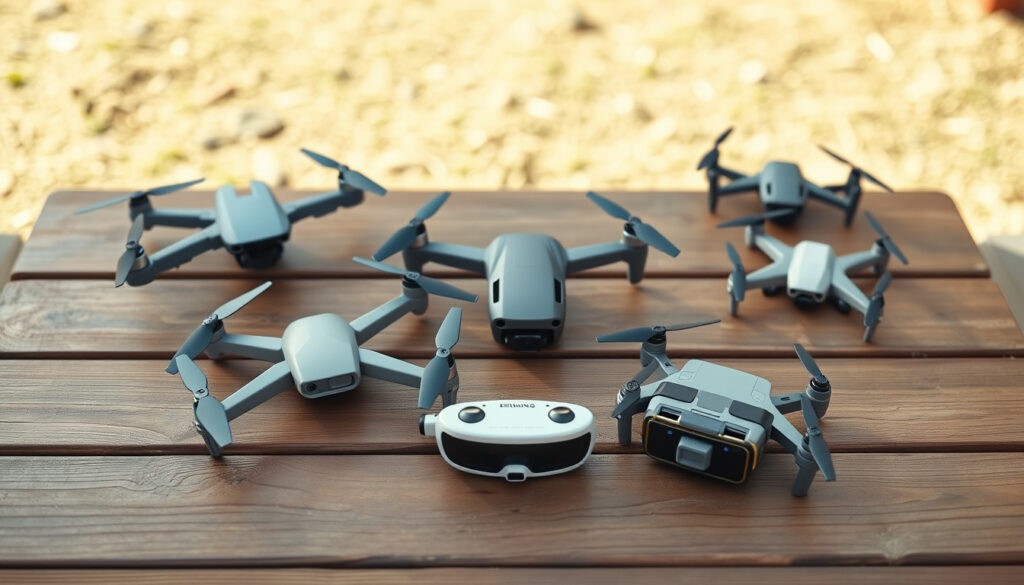
If the 100 g limit isn’t a legal must, a 249 g drone such as the DJI Mini 3 gives you a 3-axis gimbal, 48 MP photos and stabilized 4K video.
- Weigh it ready to fly: confirm the takeoff weight with the battery and any accessories you plan to use.
- Match the link to your plans: Wi-Fi drones suit flights within about 100 m, while digital links like DJI O2 and O4 handle open spaces.
- Compare rated flight time: 13 minutes on the Tello, 18 on the Neo, about 32 on the RUKO U11MINI 4K, and 38 on the Mini 3.
- Check the camera: look for 4K video and real stabilization, either a gimbal or strong EIS.
- Know your weight line: the UK and Japan draw their lines at 100 g, while the US draws its registration line at 250 g.
Obstacle avoidance is rare in this class. The Neo and Mini 3 use only downward vision sensors, so steering clear of trees and buildings is still up to you.
Frequently Asked Questions
What Is the Best Drone Under $100 With a Camera?
The Ryze Tello is the best-known camera drone that launched at $99. It weighs 80 g, shoots 5 MP photos and 720p video with electronic stabilization, and flies up to 13 minutes within about 100 m. The Holy Stone HS720 is not an under-$100 drone: the series weighs roughly 375 to 465 g and sells for several times that.
What Is the Best Long-Range Drone With a Camera?
For most buyers, the DJI Air 3S is the long-range benchmark. It weighs 724 g, is rated for up to 20 km of video transmission under FCC rules (10 km under CE), flies up to 45 minutes, and carries a 1-inch main camera. It replaced the Air 3, and you must still keep it within sight.
Is It Legal for a Neighbor to Fly a Drone Over My Yard?
Usually yes under federal rules, because the FAA regulates the airspace and does not ban recreational flights over private yards. However, state and local laws on privacy, trespass, harassment, and voyeurism can still apply. If a drone hovers repeatedly or records you, note the time and details and contact local police.
What Is the Longest Flight Time Drone Under $100?
Most drones near $100 fly only 5 to 10 minutes per battery. The Ryze Tello’s rated 13 minutes is one of the longest single-battery figures in this class. Kits like the Potensic A20W, which weighs under 30 g, ship with extra batteries, so total airtime grows even though each flight stays short.
Do You Need to Register a Drone Under 100g?
Usually not. In the US, FAA registration starts at 250 g, although recreational flyers must still pass the free TRUST test. In the UK, drones under 100 g need no Flyer ID or Operator ID. Japan registers drones from 100 g. Flying for work in the US falls under Part 107, which has its own registration rules.
Is the DJI Neo Under 100 Grams?
No. The DJI Neo weighs about 135 g at takeoff, and the newer DJI Neo 2 weighs 151 g, or 160 g with its optional digital transceiver. Both stay under 250 g, so US recreational flyers skip FAA registration, but UK pilots need a Flyer ID and an Operator ID.
Can a Drone Under 100g Fly in Wind?
Only in light wind. Sub-100 g drones have little mass and small motors, so gusts push them off course quickly, and most toy drones carry no wind rating. For comparison, the 135 g DJI Neo is rated for 8 m/s (Level 4) and the 248 g DJI Mini 3 for 10.7 m/s (Level 5).
Conclusion
An easy, stabilized long-range drone under 100g with a camera doesn’t exist yet. If you must stay under 100 g, choose the Tello for learning, the HoverAir X1 Smart for selfie video, or an O4 micro-whoop if you fly FPV. If you only need to stay light, the DJI Neo or a 249 g drone like the Mini 3 gives you real range. Your next step: weigh the drone you’re considering as you’d fly it, and match it to the 100 g or 250 g line where you live.
Sources
- FAA: Recreational Flyers: US registration threshold, TRUST, altitude, airspace and Part 107 examples
- UK CAA: Getting what you need to fly legally: Flyer ID and Operator ID thresholds, class marks, A1 sub-category
- Ryze Tello specs: weight, range, flight time and camera
- DJI Neo specs: weight, flight time, Wi-Fi range, camera, wind rating
- DJI Mini 3 specs: weight, Plus battery weight, flight time, transmission range by environment
- DJI O4 Air Unit specs: module weight, sensor, video resolution, transmission range
- DJI Air 3S specs: weight, transmission range, flight time, camera
- BetaFPV Meteor75 Pro O4: weight and flight time
- TechRadar: Ruko U11Mini 4K review: weight and quoted flight time
- BikeRadar: HoverAir X1 Smart UK launch: 99 g weight and UK price